
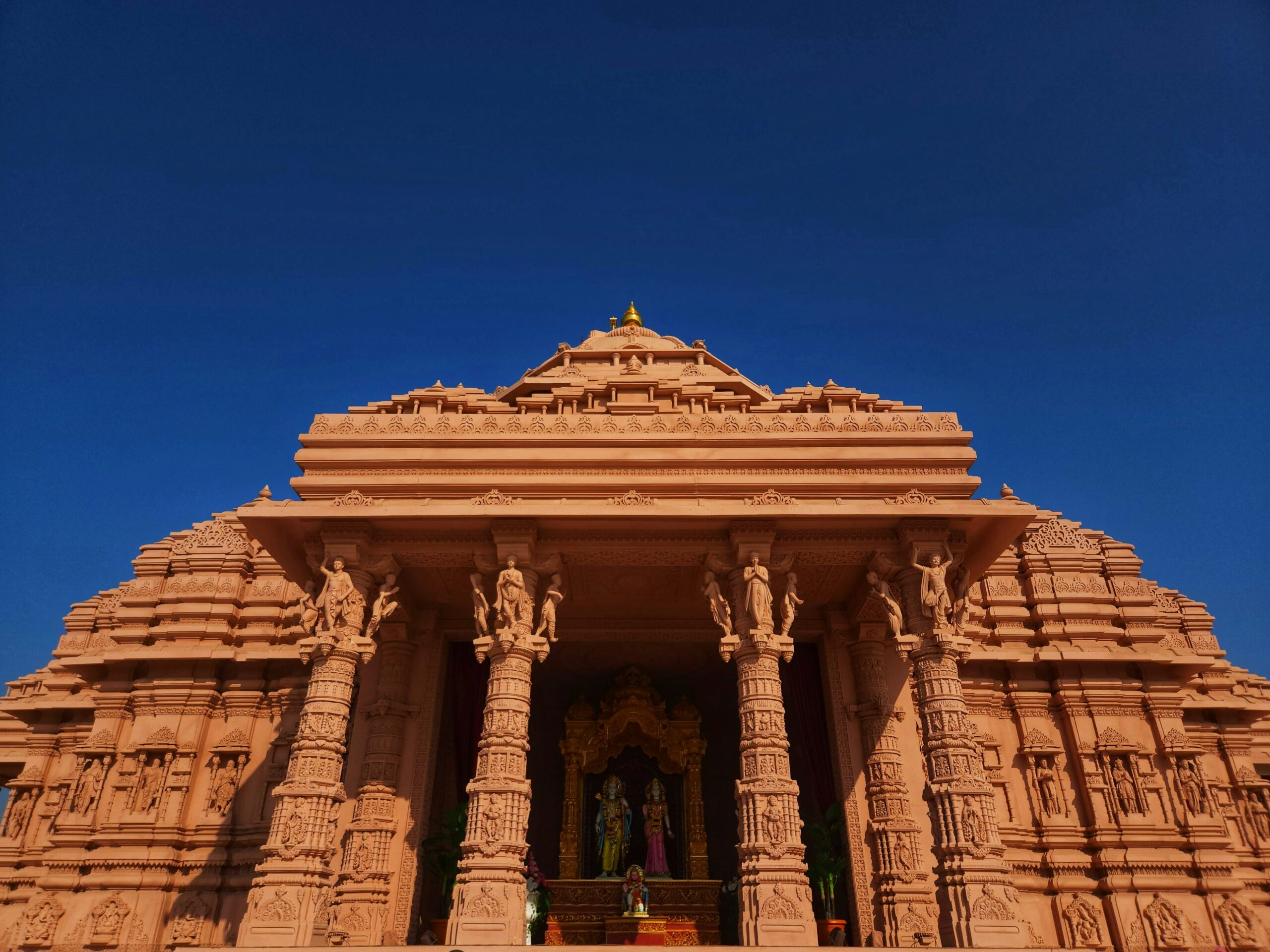
North India Spiritual Tours That Prioritize Comfort Over Rush,Have you ever returned from a spiritual tour more exhausted than enlightened? Maybe you spent more time in buses than in meditation, more energy navigating logistics than nurturing your soul. Perhaps you visited twelve temples in five days and can barely remember which was which. Or maybe you’re planning a spiritual journey but hesitating because you imagine uncomfortable accommodations, grueling schedules, and physical hardship as prerequisites for authentic spiritual experience.
Here’s the truth: spiritual depth and physical comfort aren’t enemies—they’re allies. The notion that you must suffer physically to gain spiritually is outdated. In fact, when your body is comfortable, rested, and cared for, your spirit opens more readily. When logistics flow smoothly, your mind settles into contemplation rather than anxiety. When you’re not rushing, you actually experience what you came for. Let me show you how to design North India spiritual tours that honor both your soul’s yearning and your body’s needs—journeys where depth replaces frenzy, and comfort enables rather than undermines authentic spiritual connection.
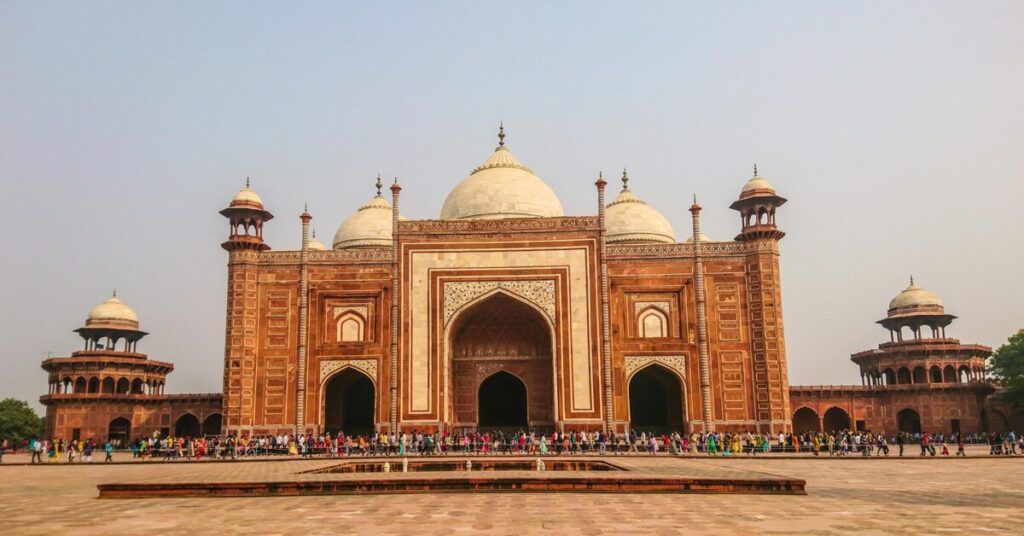
The Problem with Rushed Spiritual Tourism
Modern spiritual tourism has inherited the worst aspects of conventional tourism—the checklist mentality, the FOMO-driven itinerary stuffing, the “if it’s Tuesday this must be Varanasi” approach. Tour operators pack itineraries to maximize perceived value, leading to absurd schedules: sunrise boat ride in Varanasi, quick breakfast, visit five temples, lunch, drive to Sarnath, more temples, return for evening aarti, dinner, collapse.
What’s wrong with this? Everything. You’re physically exhausted, so meditation feels impossible. You’re mentally scattered, so spiritual teachings don’t penetrate. You’re moving so fast that places become backdrops for selfies rather than containers for experience. You return home having “done” spiritual India without actually experiencing spiritual anything.
The irony is profound: you travel to sacred sites seeking peace, but the journey itself creates stress that undermines the very peace you seek. Rushing from temple to temple, you miss the entire point—that spirituality requires slowing down, being present, allowing space for something to shift internally.
Why Comfort Matters on Spiritual Journeys
Physical Comfort Enables Spiritual Depth
Try meditating with a backache. Try feeling devotional when you’re exhausted. Try opening your heart when your stomach is upset from questionable food. It’s nearly impossible. Physical discomfort pulls attention away from spiritual practice and anchors it in bodily sensation.
Conversely, when you’re physically comfortable—well-rested, well-fed, pain-free—your attention becomes available for deeper engagement. You can sit longer in meditation. You can listen more attentively to teachings. You can feel emotions that arise in sacred spaces rather than being distracted by physical complaints.
This isn’t weakness—it’s wisdom. Yogic philosophy recognizes that the body is the vehicle for spiritual practice. Caring for it properly isn’t indulgence; it’s intelligent preparation.
Stress Undermines Spiritual Experience
Spiritual opening requires a degree of psychological safety and nervous system regulation. When you’re stressed about logistics—Will we make this train? Is this hotel safe? Can I trust this driver?—your nervous system remains in fight-or-flight mode. In this state, spiritual receptivity shuts down. You can’t access contemplative states when your system is scanning for threats.
Comfortable travel eliminates most stressors. Reliable transportation, quality accommodation, flexible schedules—these create the psychological safety necessary for spiritual vulnerability. You can relax into the journey rather than bracing against it.
Sustainable Tourism vs Marathon Tourism
North India Spiritual Tours That Prioritize Comfort Over Rush , Marathon spiritual tourism leads to burnout. You return exhausted, needing a vacation from your vacation. The experience becomes something to survive rather than savor. Often, travelers who push themselves through grueling spiritual tours decide “never again” rather than cultivating a sustainable practice of regular spiritual travel.
Comfortable spiritual tours create positive associations. You return restored rather than depleted, eager to plan the next journey rather than dreading ever traveling again. This sustainability matters—spiritual growth is a lifelong practice, not a one-time ordeal.
Defining Comfortable Spiritual Travel
What Comfort Means (And Doesn’t Mean)
Comfortable spiritual travel means:
- Good sleep: Quality mattresses, quiet rooms, climate control
- Reliable hygiene: Clean bathrooms, safe water, sanitary food preparation
- Reasonable pacing: Time to rest between activities, no forced marches
- Physical accessibility: Elevators, ramps, or alternatives to strenuous climbing
- Logistical ease: Reliable transportation, clear communication, professional service
- Dietary care: Quality food accommodating preferences and restrictions
- Psychological safety: Trustworthy arrangements, responsive support
Comfortable spiritual travel doesn’t mean:
- Luxury for luxury’s sake: You don’t need gold-plated fixtures
- Isolation from authentic experience: You’re not staying in isolated resorts avoiding real India
- Elimination of all challenge: Some discomfort—cultural adjustment, emotional intensity—remains
- Western bubble travel: You’re engaging genuinely, just without unnecessary hardship
Balancing Authenticity and Amenities
The best comfortable spiritual tours maintain authentic engagement while eliminating pointless suffering. Staying in a beautiful heritage hotel near a temple maintains authenticity while providing comfort. Hiring a reliable driver lets you experience real Indian roads without navigating them yourself while exhausted. Eating at clean restaurants serves authentic Indian cuisine without food poisoning risk.
Authenticity isn’t synonymous with discomfort. You can have deeply authentic spiritual experiences while sleeping in comfortable beds. The two aren’t mutually exclusive.
Destinations Perfect for Slow, Comfortable Spiritual Tours
Rishikesh – The Ideal Slow Spiritual Base
Rishikesh has evolved into perhaps North India’s most comfortable spiritual destination while maintaining authentic spiritual depth. It offers the rare combination of genuine ashrams and yoga schools alongside quality hotels and restaurants.
Comfortable Accommodation Options
Ganga Kinare: Boutique hotel directly on the Ganges with beautiful rooms, excellent service, riverside yoga deck, and a spa. Pure vegetarian, spiritually oriented, but with five-star comfort.
Ananda in the Himalayas: Luxury wellness resort offering spiritual programs, yoga, meditation, and Ayurveda in a palatial setting. If budget allows, this is India’s premier comfortable spiritual retreat.
Parmarth Niketan (Premium Rooms): This ashram offers both basic and comfortable accommodations. Their premium riverside cottages provide modern amenities while maintaining ashram atmosphere.
Veda5 Ayurveda & Yoga Retreat: Comfortable resort combining authentic Ayurvedic treatments with quality accommodation and food.
Unhurried Temple and Ashram Experiences
Rishikesh’s temples and ashrams don’t require tickets or timed entries. You can visit the same spot multiple times, stay as long as you wish, and return whenever you’re called. The evening Ganga Aarti at Parmarth Niketan happens daily—if you’re tired today, go tomorrow.
This flexibility enables comfort-paced spirituality. Spend an entire morning sitting by the Ganges. Return to your hotel for afternoon rest. Attend evening aarti only when you feel genuinely drawn, not because the schedule demands it.
Leisure Activities Between Spiritual Practices
Rishikesh offers pleasant cafés for journaling, bookstores for spiritual texts, Ayurvedic spas for treatments, and gentle nature walks. Between spiritual practices, you can rest actively rather than collapsing exhausted.
Amritsar – Comfortable Devotion
Amritsar combines profound spiritual experience with surprising comfort. The Golden Temple itself is remarkably accessible, and the city has developed excellent infrastructure for travelers.
Hotels Near Golden Temple
Taj Swarna: Luxury hotel with Golden Temple views, five-star amenities, and understanding of pilgrims’ needs (early breakfast for morning temple visits, respectful atmosphere).
Hyatt Regency: About 10 minutes from temple, excellent facilities, reliable service.
Hotel City Heart: Mid-range option with good location and comfortable, clean rooms—proving comfort doesn’t require luxury budgets.
Comfortable Pacing for Temple Visits
The Golden Temple is open 24 hours. Visit at 4 AM when it’s quiet, or midday when it’s less crowded, or multiple times rather than one marathon visit. The flexible access allows you to engage at your own pace.
Priority access for elderly and differently-abled visitors, wheelchair availability, and the flat marble pathways make this among India’s most physically accessible major spiritual sites.
Puri – Seaside Spiritual Relaxation
Puri offers something unique: beachside spiritual tourism. You can combine temple visits with ocean relaxation, creating a spiritually enriching yet physically restorative journey.
Beach and Temple Balance
Morning temple visits during cooler hours, afternoon beach time, evening walks along the shore—this rhythm provides spiritual engagement without exhaustion. The ocean itself becomes meditative backdrop.
Comfortable Beach Resorts
Mayfair Heritage: Luxury resort on Marine Drive with ocean views, spa, pools, and proximity to temple.
Sterling Puri: Comfortable resort with gardens, good dining, and family-friendly atmosphere.
Toshali Sands: Beach resort slightly outside Puri offering complete relaxation with optional temple excursions.
Haridwar – Traditional Spirituality with Modern Comfort
Haridwar has maintained traditional spiritual atmosphere while upgrading infrastructure. It’s possible to experience authentic Hindu pilgrimage without foregoing basic comforts.
Haveli Hari Ganga: Heritage property combining traditional architecture with modern rooms, rooftop restaurant overlooking the Ganges, and attentive service.
Radisson Blu: Chain hotel reliability near Har Ki Pauri—you know what you’re getting, and it’s consistently comfortable.
The cable cars to hilltop temples (Mansa Devi, Chandi Devi) eliminate strenuous climbing while still providing darshan and views.
Pushkar – Desert Spirituality at Leisure
Pushkar’s small size and laid-back atmosphere make it naturally comfortable. The sacred lake, numerous temples, and spiritual vibe unfold at a gentle pace.
Comfortable accommodations include heritage havelis converted into boutique hotels, comfortable lakeside guesthouses, and even luxury tented camps in surrounding desert.
Luxury Spiritual Retreats in North India
For those seeking premium spiritual experiences, North India offers world-class options:
Ananda in the Himalayas
Located near Rishikesh in a former maharaja’s palace, Ananda seamlessly blends luxury and spirituality. World-renowned for wellness, it offers:
- Personalized yoga and meditation programs
- Ayurvedic consultations and treatments
- Vedanta philosophy sessions
- Luxurious spa and accommodations
- Gourmet sattvic cuisine
- Himalayan setting with Ganges views
Investment: ₹30,000-80,000+ per night, but includes comprehensive wellness programming.
Vana Retreat
Near Dehradun, Vana focuses on holistic wellness with strong spiritual components:
- Tibetan healing programs
- Yoga and meditation
- Ayurveda and Traditional Chinese Medicine
- Beautiful forest setting
- Exceptional cuisine and accommodation
Investment: ₹25,000-60,000+ per night with inclusive programs.
Atmantan Wellness Resort
While in Maharashtra (not strictly North India), worth mentioning for spiritual wellness:
- Comprehensive wellness programs
- Spiritual counseling
- Meditation and yoga
- Luxury mountain resort setting
These retreats prove that spiritual depth and luxury comfort coexist beautifully.
Designing a Comfort-First Spiritual Itinerary
One Destination Deep Dive
The most comfortable spiritual tours focus deeply on one destination. Spend 5-7 days in Rishikesh exploring different ashrams, teachers, practices, and riverside spots. This eliminates travel stress while providing genuine spiritual immersion.
Single-destination tours offer:
- No packing and unpacking
- Familiarity with surroundings (reducing anxiety)
- Ability to return to places that resonate
- Time for unstructured spiritual exploration
- Physical rest combined with spiritual activity
Maximum Two Destinations
If you want variety, limit tours to two destinations maximum, ensuring they’re relatively close. Rishikesh-Haridwar works beautifully (25 km apart). Amritsar as a standalone or combined with Dharamshala (about 200 km) creates reasonable variety without exhausting travel.
The rule: Never visit more destinations than the number of days divided by three. A 9-day tour allows three destinations maximum, but two is better.
Strategic Rest Days
Build in complete rest days—no scheduled activities, optional participation only. These days let you:
- Sleep late
- Enjoy hotel amenities (pool, spa, gardens)
- Process experiences
- Journal or read
- Make spontaneous choices
- Recover physical energy
Without rest days, even comfortable itineraries become exhausting. Include at least one rest day per week of travel.
Late Check-Outs and Flexible Scheduling
Pay for late check-outs (often ₹1,000-2,000) to avoid rushed mornings on departure days. Schedule activities loosely—”Morning yoga session (if we feel like it)” rather than “7 AM yoga, 9 AM breakfast, 10:30 temple visit…”
Flexibility is luxury. Being able to cancel a planned activity because you’d rather rest without losing money or feeling guilty—that’s comfortable travel.
Sample Comfortable Spiritual Itineraries
7-Day Rishikesh Immersion
Daily Schedule Example
Day 1: Arrival and Settling
- Afternoon arrival at Ganga Kinare Hotel
- Check-in, room rest
- Evening: Gentle walk to nearby ghat
- Light dinner
- Early sleep
Day 2: Introduction to Rishikesh
- 7:00 AM: Optional sunrise by the Ganges (from hotel room balcony if you prefer)
- 9:00 AM: Leisurely breakfast
- 11:00 AM: Visit Parmarth Niketan, walk around quietly
- 1:00 PM: Lunch and afternoon rest (swimming, spa, or nap)
- 5:00 PM: Optional café visit or hotel leisure
- 6:30 PM: Evening Ganga Aarti at Parmarth Niketan
- 8:00 PM: Dinner
Day 3: Yoga and Meditation
- 7:00 AM: Gentle yoga class at hotel or nearby center
- 9:00 AM: Breakfast
- 10:30 AM: Guided meditation session
- 12:30 PM: Lunch
- Afternoon: Complete rest day—no scheduled activities
- Evening: Optional temple visit or quiet evening at hotel
Day 4: Rest Day
- No scheduled activities
- Sleep late, enjoy hotel amenities
- Optional: Book spa treatment or wander to cafés
- This is YOUR day
Day 5: Deeper Exploration
- Morning: Visit Beatles Ashram (fascinating and not physically demanding)
- Lunch at one of Rishikesh’s lovely riverside restaurants
- Afternoon: Philosophical discourse or spiritual teaching (many free options)
- Evening: Personal riverside meditation
Day 6: Adventure or Stillness (Choose)
- Option A: Gentle rafting, short nature walk, Laxman Jhula visit
- Option B: Full day of personal retreat—journaling, meditation, stillness
- Evening: Attend a different ashram’s aarti for variety
Day 7: Completion and Departure
- Morning: Final Ganga visit, personal prayers or intentions
- Late breakfast
- Leisurely packing (you have late checkout)
- Afternoon: Departure with no rush
Built-in Flexibility
Notice this schedule:
- Never starts before 7 AM
- Includes full rest day
- Offers options rather than mandates
- Builds in afternoon rest daily
- Allows spontaneous changes
- Never feels rushed
This is comfortable spiritual tourism.
10-Day Amritsar-Rishikesh Combination
Travel Days as Rest Days
Days 1-4: Amritsar
- Day 1: Afternoon arrival, hotel rest, evening Golden Temple visit
- Day 2: Morning temple visit, langar participation, afternoon rest, evening leisure
- Day 3: Wagah Border afternoon (morning free for rest or shopping)
- Day 4: Final temple visit, afternoon flight to Dehradun
Day 5: Travel and Transition
- Morning: Arrive Dehradun, drive to Rishikesh
- Afternoon: Check in, complete rest
- This is a rest day disguised as travel day
Days 6-10: Rishikesh (follow 5-day comfortable pattern from above)
Quality Over Quantity Activities
Only 6-8 significant activities across 10 days. That’s less than one major activity per day, leaving abundant time for rest, spontaneous exploration, and actual spiritual practice rather than spiritual tourism.
Transportation That Prioritizes Comfort
Private Vehicles vs Public Transport
For comfortable spiritual tours, private vehicles are non-negotiable. Hire a quality car with experienced driver for your entire journey. Yes, it costs more—₹3,500-5,000 per day vs. budget buses or trains—but the comfort difference is transformative.
Benefits:
- Leave when you’re ready, not per bus schedule
- Stop for bathrooms whenever needed
- Adjust plans spontaneously
- Store luggage safely
- Travel in clean, climate-controlled environment
- No negotiating with taxi drivers when you’re tired
Flight Over Long Train Journeys
For distances over 300 km, fly rather than taking long trains. A 2-hour flight versus 10-hour train journey means you arrive refreshed rather than exhausted. The cost difference (₹3,000-6,000) is worth it when you’re prioritizing comfort.
Overnight luxury trains (like Palace on Wheels) offer comfortable rail experiences for those who enjoy train travel, but these are expensive and leisurely paced—they’re the exception proving the rule.
Quality Drivers and Vehicles
Choose drivers with:
- Good reviews from previous clients
- Clean, well-maintained vehicles (insist on seeing photos)
- English communication ability
- Experience with spiritual tourism (they understand temple timings, appropriate behavior)
- Patience and flexibility
Companies like Savaari, MyTaxiIndia, or recommendations from quality hotels provide vetted drivers. Don’t go with the cheapest option—mid-range pricing gets you significantly better experience.
Accommodation Standards for Comfortable Spiritual Travel
Non-Negotiable Features
Your accommodation must have:
- Clean, comfortable bed: Good mattress, quality linens, mosquito protection
- Reliable hot water: For morning showers after yoga
- Climate control: AC or heating depending on season
- Western-style toilet: Non-negotiable for most international travelers
- Safety: Secure locks, safe for valuables, reputable management
- WiFi: Stay connected for safety and convenience
- Backup power: Frequent in India’s power infrastructure
- Room service or nearby dining: When you don’t want to go out
Boutique Hotels vs Chain Properties
Boutique hotels offer character, often unique architecture, and personalized service. They’re memorable and often have spiritual atmosphere.
Chain properties (Taj, ITC, Hyatt, Radisson) offer reliability—you know the standards will meet international expectations. Less character, more predictability.
For comfortable spiritual tours, mix both: boutique properties in spiritual centers (Rishikesh, Pushkar) where atmosphere matters, chain hotels in transitional cities for reliability.
Heritage Properties with Modern Amenities
Haridwar, Amritsar, and other cities have heritage havelis (traditional mansions) converted into hotels. These offer best of both worlds—traditional architecture and atmosphere with renovated rooms featuring modern bathrooms, comfortable beds, and contemporary amenities.
Luxury Ashrams and Spiritual Resorts
Several ashrams now offer premium accommodations—Parmarth Niketan’s riverside cottages, Ananda Prakash’s comfortable rooms, Sivananda’s better accommodations. These provide authentic spiritual environment without primitive conditions.
Dining Comfortably During Spiritual Tours
Quality Vegetarian Cuisine
North Indian spiritual destinations serve predominantly vegetarian food. Look for restaurants with:
- Visible cleanliness standards
- Good reviews (Google, TripAdvisor)
- Mixed clientele (locals and travelers—good sign)
- Simple, fresh preparations rather than heavy, oily dishes
Accommodating Dietary Needs
Most quality restaurants in spiritual tourism areas accommodate:
- Vegan diets (common in spiritual settings)
- Gluten-free options
- Low-spice preparations
- Western alternatives if needed
Always communicate dietary restrictions clearly. Carry translations of serious allergies in Hindi.
Restaurant Recommendations by Destination
Rishikesh:
- Little Buddha Café (riverside, peaceful, quality food)
- Bistro Nirvana (excellent multi-cuisine)
- Chotiwala (famous, clean, authentic)
- 60’s Cafe (Beatles Ashram themed, good food)
Amritsar:
- Bharawan Da Dhaba (famous vegetarian, clean)
- Kesar Da Dhaba (legendary, worth experiencing)
- Hotel restaurants (reliable if you prefer familiar settings)
Haridwar:
- Hoshiyarpuri (vegetarian thali, clean, good)
- Chotiwala (multiple locations, reliable)
- Hotel dining (safest option)
Balancing Spiritual Depth with Physical Ease
Short, Meaningful Sessions vs Long Ordeals
Traditional spiritual practices often involve long sessions—2-hour pujas, extended meditation, all-night bhajans. For comfortable spiritual tourism, choose shorter, high-quality experiences:
- 45-minute guided meditation vs 3-hour silent sitting
- Brief, explained ceremony vs lengthy ritual you don’t understand
- One deeply experienced temple vs six rushed through
Quality trumps quantity. Brief, understood, engaged practice provides more spiritual value than lengthy ordeals you’re enduring rather than experiencing.
Accessible Temple Options
Many temples have:
- Multiple access routes (stairs and gentler paths)
- Wheelchair availability
- Senior citizen priority lines
- Palanquin services
- Or viewing points that don’t require full climbing
Ask about these options. Don’t assume you must take the difficult path.
Comfortable Participation in Rituals
Most rituals allow seated participation. You don’t need to stand throughout entire ceremonies. Ask guides or priests about comfortable ways to participate fully while respecting your physical needs.
When to Skip “Must-See” Sites
Permission to skip supposedly essential sites is itself liberating. If a famous temple requires strenuous climbing and you have knee problems—skip it. If Varanasi’s intensity overwhelms you—skip it. If group aarti feels chaotic rather than spiritual—skip it.
Comfortable spiritual tourism means honoring your actual experience over Instagram-able moments or checklist completion. The sites that genuinely call you matter more than sites you’re “supposed” to visit.
Budget Considerations for Comfortable Tours
Premium Pricing Breakdown
A comfortable 7-day spiritual tour for one person:
Accommodation: ₹4,000-8,000/night × 7 = ₹28,000-56,000
Transportation: Private car ₹4,000/day × 7 = ₹28,000 + flights if applicable ₹10,000-20,000
Meals: ₹1,500-2,500/day × 7 = ₹10,500-17,500
Activities: ₹5,000-10,000 (yoga classes, spa treatments, special experiences)
Miscellaneous: ₹10,000
Total: ₹81,500-1,41,500 (approximately $980-$1,700)
This is premium but not luxury. Luxury (Ananda-level) starts around ₹2,00,000+ per week.
Where to Splurge and Where to Save
Splurge on:
- Accommodation (where you spend most time)
- Transportation (safety and comfort matter)
- Quality guides or teachers
- Spa or wellness treatments
Save on:
- Souvenirs (buy meaningfully, not compulsively)
- Fancy restaurants (simple, clean food suffices)
- Luxury brand hotels in non-spiritual transitional cities
Best Time to Visit for Maximum Comfort
October-November: Ideal temperatures, post-monsoon freshness, festive atmosphere. Most comfortable months.
December-February: Cool to cold, especially in Himalayan areas. Comfortable for those who handle cold well. Fewer crowds.
March: Warming but still pleasant. Good option before heat begins.
Avoid:
- April-June: Extreme heat makes comfort impossible regardless of accommodation quality
- July-September: Monsoon brings humidity, flooding risks, and travel complications
Who Benefits Most from Comfort-First Spiritual Tours
Elderly Travelers
Older adults seeking spiritual experiences without physical strain find comfort-first tours make the difference between “possible” and “impossible.”
People with Health Conditions
Chronic conditions—diabetes, arthritis, heart issues, mobility limitations—require accommodations that comfortable tours provide.
First-Time Spiritual Tourists
People new to spiritual travel often fear the unknown. Comfort reduces anxiety, making first experiences positive rather than overwhelming.
Busy Professionals Seeking Restoration
Executives and professionals using spiritual tours for restoration can’t afford exhaustion. They need to return refreshed, not depleted.
Common Misconceptions About Comfortable Spiritual Travel
Myth: “Real spirituality requires suffering” Reality: Unnecessary suffering distracts from spiritual work. Reasonable comfort enables depth.
Myth: “Comfort equals inauthentic tourist experience” Reality: You can stay in nice hotels while engaging authentically with spiritual practices and sites.
Myth: “It’s selfish or weak to prioritize comfort” Reality: Self-care is spiritual practice. Honoring your body’s needs demonstrates wisdom, not weakness.
Myth: “Comfortable tours cost prohibitively” Reality: While not budget travel, comfortable tours are surprisingly affordable in India, especially compared to Western equivalents.
Myth: “You’ll miss authentic India in comfortable bubbles” Reality: Properly designed tours maintain authentic engagement while eliminating pointless hardship.
Conclusion
The spiritual journey you’re contemplating doesn’t require you to prove your devotion through physical suffering. The universe isn’t keeping score of how many uncomfortable beds you slept in or how many times you went hungry. What matters is whether you opened your heart, whether you connected with something deeper than daily life, whether you returned changed in ways that matter.
Comfortable spiritual tourism represents evolved understanding—that the body and spirit aren’t enemies but partners, that caring for one enables the other, that sustainable spiritual practice requires reasonable conditions. When you design North India spiritual tours around comfort and unhurried pacing, you’re not diluting the experience—you’re creating conditions for genuine transformation rather than mere survival.
So choose the beautiful hotel by the Ganges. Take the rest days. Fly instead of taking overnight buses. Hire the good driver. Eat at clean restaurants. Skip the temple that requires climbing 500 steps if your knees hurt. And know that your spiritual experience won’t be lesser for these choices—it will be deeper, more sustainable, and more genuinely transformative.
The sacred sites of North India have waited thousands of years. They can wait another day while you rest. The Divine isn’t impressed by your exhaustion—it’s accessible in your peace. Travel comfortably, move slowly, rest well, and discover that the spiritual journey deepens when you stop rushing and start actually being present. That presence, more than any feat of endurance, is what these journeys are really about.
FAQs
1. Isn’t there something spiritually valuable about simple, even austere accommodations during pilgrimages?
There can be, for some people in some contexts. Ascetic practice—voluntary simplicity and physical discipline—has spiritual value in many traditions. But there’s crucial difference between chosen asceticism as spiritual practice versus simply tolerating unnecessary discomfort. If you’re intentionally practicing non-attachment by staying in basic accommodations, that’s spiritual work. If you’re just enduring bad mattresses that prevent sleep and worsen your back pain, that’s not spiritual—it’s just unnecessarily difficult. Moreover, traditional ascetic practices were typically done by monastics with years of training, not tourists on week-long trips. For most spiritual travelers, especially those new to contemplative practice, physical comfort removes obstacles to spiritual engagement rather than creating spiritual laziness. Trust your discernment: is simplicity serving your spiritual growth, or is discomfort simply distracting you from the real work?
2. How do I find the balance between “too comfortable” (disconnected from authentic experience) and uncomfortable enough to be real?
Excellent question. The guideline: eliminate logistical and physical stress that distracts from spiritual engagement, while remaining open to appropriate cultural and emotional challenge. Comfortable bed and reliable transportation? Yes—these reduce stress. Staying exclusively in international chain hotels never venturing into local restaurants or temples? That’s too insulated. Eating at clean, local vegetarian restaurants? Perfect balance. Avoiding all Indian food for Western meals? Missing authentic engagement. Taking rest days? Smart. Spending entire trip at hotel pool avoiding all spiritual activities? Not actually spiritual tourism. The balance looks like: quality accommodation that provides genuine rest + transportation that reduces anxiety + dietary care that prevents illness, PLUS engaged participation in spiritual activities, willingness to be emotionally challenged by teachings or experiences, openness to cultural difference, and genuine effort to understand rather than judge. Comfort should facilitate spiritual engagement, not replace it.