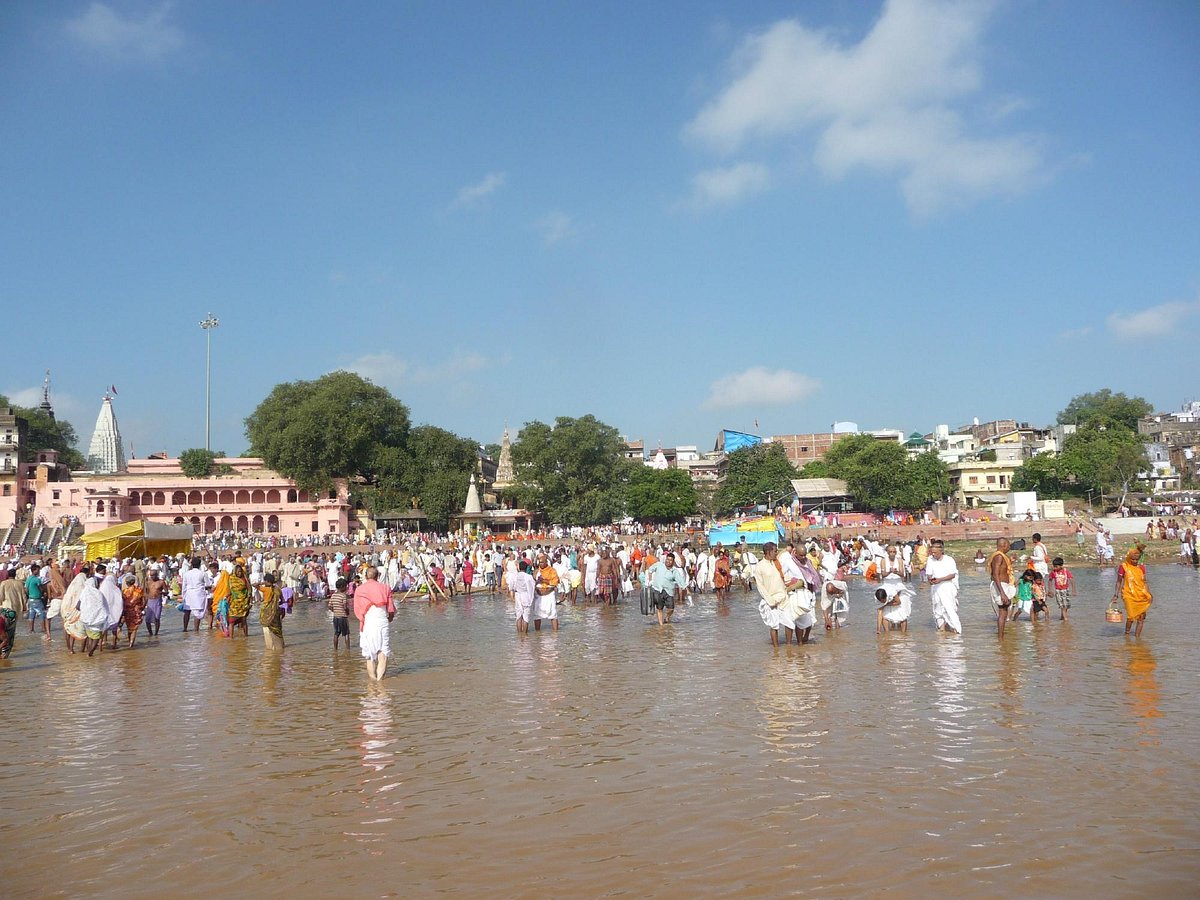
Pind Daan in Varanasi Procedure Charges & Best Time , Have you ever felt the deep desire to do something meaningful for departed loved ones? In Hindu tradition, Pind Daan is one of the most powerful rituals believed to bring peace to ancestral souls and liberation from the cycle of rebirth. When performed in Varanasi—the spiritual capital of India—this ceremony holds even greater significance.
If you’re planning to perform Pind Daan or simply curious about this ancient practice, you’ve come to the right place. This comprehensive guide will walk you through everything from the spiritual meaning to practical details like costs, procedures, and the best time to visit Varanasi for this sacred ritual.

What is Pind Daan? Understanding the Sacred Ritual
The Meaning Behind Pind Daan
The term “Pind Daan” comes from two Sanskrit words: “Pind” meaning a rice ball or offering, and “Daan” meaning donation or offering. In essence, it’s a ritual where rice balls mixed with sesame seeds, barley, and milk are offered to departed ancestors with the belief that these offerings reach them in the afterlife and provide them nourishment.
Think of it as sending sustenance and blessings across the veil between the living and the deceased. The ritual isn’t just about the physical offerings—it’s about expressing gratitude, seeking forgiveness for any wrongdoings, and ensuring the peaceful rest of departed souls.
Spiritual Significance in Hindu Philosophy
According to Hindu belief, when a person dies, their soul passes through various realms before reaching its final destination. During this transition period, the soul may experience hunger and discomfort. Pind Daan is believed to satisfy these needs, helping the soul progress smoothly on its spiritual journey.
The ritual is particularly important if someone died an unnatural or untimely death, or if proper funeral rites weren’t performed. It’s also performed annually during Pitru Paksha to honor all ancestors and seek their blessings for family prosperity and well-being.
Why Varanasi is the Most Sacred Place for Pind Daan
The City of Lord Shiva
Varanasi, also called Kashi, is believed to be the eternal abode of Lord Shiva. According to mythology, Shiva himself whispers the Taraka Mantra (the mantra of liberation) in the ears of those who die here, granting them instant moksha. This makes Varanasi uniquely powerful for all death-related rituals.
When you perform Pind Daan in Varanasi, it’s believed that the offerings receive Lord Shiva’s blessings, making them infinitely more powerful than if performed elsewhere.
The Power of the Ganges River
The Ganges isn’t just a river in Hindu philosophy—it’s a goddess (Ganga Ma) descended from heaven to purify humanity. Water from the Ganges used in Pind Daan ceremonies is believed to carry special purifying properties. The combination of Shiva’s city and Ganga’s sacred waters creates the most potent environment possible for this ritual.
Scriptures mention that performing Pind Daan at the confluence points (sangam) along the Ganges in Varanasi yields results equivalent to performing thousands of such ceremonies elsewhere.
Who Should Perform Pind Daan?
For Recently Departed Souls
Pind Daan is traditionally performed within the first year after a person’s death, typically on the 11th or 12th day, then on monthly death anniversaries for the first year, and annually thereafter. The eldest son or closest male relative usually performs the ceremony, though modern interpretations increasingly allow daughters and other family members to participate.
For Ancestors (Pitru)
Pind Daan in Varanasi Procedure Charges & Best Time , Beyond immediate family, Pind Daan is performed for ancestors going back three generations—parents, grandparents, and great-grandparents. During Pitru Paksha, a special 15-day period, Hindus perform Pind Daan for all departed ancestors collectively, including those whose death dates might be unknown.
Special Cases and Circumstances
Pind Daan is considered especially important in certain situations:
- When proper funeral rites couldn’t be performed at the time of death
- For those who died in accidents, suicides, or unnatural circumstances
- When family members experience recurring problems or misfortunes attributed to ancestral displeasure (Pitru Dosha in astrological terms)
- For ancestors who died childless or without proper ceremonies
- When dreams or spiritual signs suggest ancestral unrest
Best Ghats for Pind Daan in Varanasi
Choosing the right ghat can enhance the spiritual effectiveness of your ceremony.
Panchganga Ghat – The Most Auspicious
Panchganga Ghat is considered the most powerful location for Pind Daan in Varanasi. The name means “five rivers,” as it’s believed that five sacred rivers—Ganga, Yamuna, Saraswati, Kirana, and Dhupapa—converge here (though only the Ganges is physically visible).
This ghat has an ancient Shiva temple and is particularly crowded during Pitru Paksha. Many priests specializing in Pind Daan have established their practices here over generations. The spiritual energy is palpable, and the ghat’s architecture creates a solemn atmosphere perfect for such rituals.
Manikarnika Ghat
As Varanasi’s oldest and most famous cremation ghat, Manikarnika holds immense significance. The sacred fire here is believed to have been burning continuously for thousands of years. Performing Pind Daan at Manikarnika is considered especially powerful because the proximity to cremations reminds participants of life’s impermanence and the importance of spiritual duties.
However, be prepared for an intense atmosphere—cremations happen 24/7, and the environment can be emotionally overwhelming for some visitors.
Harishchandra Ghat
Named after the legendary truthful king, Harishchandra Ghat is the second major cremation ghat. It offers similar spiritual benefits to Manikarnika but with slightly less crowds. Many families prefer this ghat for Pind Daan because it provides a balance between spiritual potency and practical comfort.
Other Important Ghats
Additional ghats suitable for Pind Daan include:
- Dashashwamedh Ghat: Central location with excellent facilities
- Assi Ghat: Peaceful atmosphere at the southern end of Varanasi
- Raj Ghat: Clean and less crowded option
- Kedar Ghat: Associated with Lord Shiva worship
Your family priest or the organizing service can help you choose based on your specific needs and circumstances.
Complete Pind Daan Procedure Step-by-Step
Understanding the process helps you participate meaningfully and ensures nothing is missed.
Pre-Ritual Preparations
Before the main ceremony begins, certain preparations are essential:
Purification: Take a holy bath in the Ganges or at least wash your hands, feet, and face with Ganga water. Wear fresh, clean clothes—traditionally white or light colors.
Mental Preparation: Spend a few moments in meditation or prayer, focusing your intentions on the departed soul(s). Clear your mind of distractions and approach the ceremony with reverence.
Gathering Materials: Ensure all necessary items are available (detailed list in the next section). Most priests can arrange these for an additional fee, but purchasing them yourself can save money.
The Main Ceremony
The complete Pind Daan ceremony is elaborate and can take 2-4 hours. Here’s what happens:
Sankalp (Declaration of Intent)
The ceremony begins with Sankalp, where you formally declare your intention. You’ll state:
- Your name and gotra (family lineage)
- The name and relationship of the deceased
- The purpose of performing Pind Daan
- The date and location
The priest guides you through this in Sanskrit, though he’ll explain the meaning in your language. This declaration is believed to ensure the offerings reach the intended soul.
Tarpan (Water Offering)
Tarpan involves offering water mixed with sesame seeds and barley to departed souls. You’ll face south (the direction associated with ancestors) and pour water through your fingers while the priest recites mantras. This is typically done three times for parents, grandparents, and great-grandparents.
The water symbolizes quenching the thirst of ancestral souls and is one of the most essential components of the ritual.
Pind Daan (Offering of Rice Balls)
This is the central act of the ceremony. The priest prepares Pind (rice balls) mixed with:
- Cooked rice
- Barley flour
- Sesame seeds
- Milk or ghee
- Sometimes black sesame and kusha grass
You’ll offer these Pinds (usually 3-7 depending on the number of souls being honored) while the priest chants specific mantras for each ancestor. The Pinds are then placed on banana leaves and later immersed in the Ganges or offered to crows and cows, who are believed to be representatives of ancestors.
Brahmin Bhojan (Feeding Priests)
An integral part of Pind Daan is feeding Brahmins (priests), who are considered representatives of the ancestors. The food offered to them is believed to reach the departed souls. This typically includes:
- A complete meal (rice, dal, vegetables, roti, sweets)
- Fruits and sweets
- Dakshina (monetary offering)
The number of Brahmins fed can range from 3 to 11 or more, depending on your capacity and the elaborateness of the ceremony.
Post-Ceremony Rituals
After the main ceremony concludes:
- Offer donations to the poor (annadaan or food donation is particularly meritorious)
- Visit nearby temples, especially dedicated to ancestors
- Perform Ganga Aarti if timing allows
- Distribute food or sweets to beggars and needy people
- Some families choose to remain in Varanasi for 2-3 days, performing additional prayers
Materials Required for Pind Daan
Essential Items List
A complete Pind Daan ceremony requires numerous items. Here’s a comprehensive list:
Grains and Food Items:
- White rice (uncooked and cooked)
- Barley (jau)
- Black sesame seeds (til)
- White sesame seeds
- Wheat flour
- Ghee or oil
- Milk
- Sugar or jaggery
Puja Items:
- Kusha grass (special sacred grass)
- Banana leaves
- Sacred thread (janeu)
- Incense sticks and dhoop
- Camphor
- Cotton wicks
- Betel leaves and nuts
- Flowers (preferably white)
- Sandalwood paste
Utensils:
- Copper or brass vessels for water
- Small plates or bowls
- A large thali (plate) for offerings
Clothing and Accessories:
- White cloth pieces
- Umbrella or stick (symbolic offerings)
- Footwear for donation
For Brahmin Bhojan:
- Complete meal ingredients or pre-cooked food
- Plates and serving utensils
- Fruits and sweets
Where to Purchase Puja Materials
You have several options:
Ghat-Side Shops: Small shops near major ghats sell complete Pind Daan kits. A basic kit costs ₹500-1,000, while comprehensive kits range from ₹1,500-3,000. These are convenient but slightly expensive.
Local Markets: The Godowlia market and lanes near Vishwanath Temple have shops selling puja materials at better prices. You can save 20-30% by purchasing here, though you’ll need to know exactly what’s required.
Through Your Priest: Most priests can arrange everything for ₹2,000-4,000, which includes their markup but saves you the hassle of shopping. This is recommended if you’re unfamiliar with the city or short on time.
Pind Daan Charges in Varanasi 2025
Let’s break down the costs clearly so you can budget appropriately.
Priest (Pandit) Fees
Priest charges vary significantly based on the ghat, the priest’s reputation, and the ceremony’s complexity:
Basic Ceremony: ₹3,000-5,000 ($36-60 USD) covers a simple ritual with essential mantras, taking 1.5-2 hours.
Standard Ceremony: ₹7,000-12,000 ($84-144 USD) includes elaborate rituals, detailed mantras for multiple ancestors, and takes 3-4 hours.
Elaborate Ceremony: ₹15,000-25,000 ($180-300 USD) involves multiple priests, extensive rituals, and can last 4-6 hours. This is typically chosen during Pitru Paksha or for special circumstances.
Premium Services: Some renowned priests or organized temple services charge ₹30,000-50,000 ($360-600 USD) for comprehensive packages with all arrangements.
Puja Materials Cost
As mentioned earlier:
- Basic materials: ₹500-1,000 ($6-12 USD)
- Standard materials: ₹1,500-3,000 ($18-36 USD)
- Complete premium kit: ₹3,000-5,000 ($36-60 USD)
Brahmin Bhojan Charges
Feeding Brahmins is a significant expense:
Feeding 3-5 Brahmins: ₹2,000-4,000 ($24-48 USD) including food and dakshina (monetary offering of ₹300-500 per person).
Feeding 7-11 Brahmins: ₹5,000-10,000 ($60-120 USD) for a more elaborate ceremony.
Community Feeding: Some families feed 51 or 101 Brahmins for extra merit, costing ₹25,000-50,000 ($300-600 USD).
Complete Package Costs
If you book through professional services or temples, expect all-inclusive packages:
Basic Package: ₹8,000-12,000 ($96-144 USD)
- Simple ceremony with priest
- Basic puja materials
- Feeding 3 Brahmins
- Minimal donations
Standard Package: ₹15,000-25,000 ($180-300 USD)
- Complete ceremony with experienced priest
- All necessary materials
- Feeding 5-7 Brahmins
- Temple offerings
- Ganga Aarti attendance arrangement
Premium Package: ₹30,000-60,000 ($360-720 USD)
- Elaborate multi-hour ceremony
- Senior priest or multiple priests
- Complete materials and offerings
- Feeding 11+ Brahmins
- Large-scale donations
- Photography/videography
- Transportation and coordination assistance
Hidden Costs to Watch Out For
Be aware of additional expenses:
- Boat charges if ceremony performed from the river: ₹1,000-2,000 ($12-24 USD)
- Photography fees at certain ghats: ₹500-1,000 ($6-12 USD)
- Temple donations: ₹500-2,000 ($6-24 USD)
- Feeding the poor: ₹1,000-5,000 ($12-60 USD) depending on how many people
- Additional dakshina to assistants: ₹500-1,000 ($6-12 USD)
- Transportation to and from ghats: ₹500-2,000 ($6-24 USD)
Total Estimated Cost: A complete Pind Daan in Varanasi typically costs between ₹15,000-40,000 ($180-480 USD) per ceremony for a family, excluding accommodation and travel.
Best Time to Perform Pind Daan
Timing significantly impacts the spiritual effectiveness of the ritual.
Pitru Paksha – The Most Auspicious Period
Pitru Paksha, also called Mahalaya Paksha or Shraddha Paksha, is a 15-day period in the Hindu lunar month of Bhadrapada (usually falling in September-October). This is considered the most powerful time for Pind Daan and ancestral rituals.
During these 15 days, it’s believed the veil between the living world and the ancestral realm is thinnest, making it easier for offerings to reach departed souls. Each day of Pitru Paksha is dedicated to those who died on that particular lunar day (tithi).
What to expect during Pitru Paksha:
- Massive crowds at all major ghats
- Higher prices (30-50% increase from regular rates)
- Need for advance booking
- Longer waiting times
- Intensely spiritual atmosphere
- Multiple ceremonies happening simultaneously
Despite the crowds and higher costs, many families prefer Pitru Paksha because of its unparalleled spiritual significance.
Other Favorable Days and Months
If you can’t make it during Pitru Paksha, these times are also considered auspicious:
Amavasya (New Moon Days): Especially powerful for Pind Daan, occurring monthly. The Mahalaya Amavasya (last day of Pitru Paksha) is the most significant.
Specific Death Anniversary: Performing Pind Daan on the exact tithi (lunar date) of the person’s death is highly meritorious.
During Eclipses: Solar and lunar eclipses are considered extremely auspicious for all ancestral rituals.
Kartik Month (October-November): This entire month is favorable for spiritual activities in Varanasi.
Magha Month (January-February): Another spiritually significant period.
Specific Festivals:
- Gaya Shraddha Mela (September-October)
- Makar Sankranti (January 14-15)
- Ganga Dussehra (May-June)
Time of Day Considerations
Morning (6:00-10:00 AM): Most auspicious and preferred. The atmosphere is calm, ghats are cleaner, and spiritual energy is believed to be strongest.
Afternoon (12:00-3:00 PM): Acceptable but can be hot and uncomfortable, especially in summer months.
Evening (4:00-7:00 PM): Possible but less traditional. Some priests discourage evening ceremonies for Pind Daan.
Avoid Night Hours: Pind Daan is traditionally not performed after sunset.
How to Book Pind Daan in Varanasi
Planning ahead ensures a smooth, stress-free experience.
Booking Through Temples
Several prominent temples in Varanasi offer organized Pind Daan services:
Kashi Vishwanath Temple: The most famous temple provides comprehensive services through its trust. You can book in advance through their office or website.
Sankat Mochan Foundation: Offers well-organized services with standardized pricing.
Durga Temple: Provides Pind Daan arrangements with experienced priests.
Benefits:
- Standardized, transparent pricing
- Reliable, vetted priests
- Proper facilities and arrangements
- Documentation and receipts
- Less likelihood of being cheated
Drawbacks:
- Potentially more expensive
- Less flexibility in customization
- May have waiting periods during peak seasons
Hiring Priests Directly
Many experienced priests operate independently at the ghats:
How to find them: Visit your chosen ghat a day before the ceremony. Observe different priests conducting ceremonies, ask other visitors for recommendations, and interview 2-3 priests before deciding.
What to ask:
- Total cost including all services
- What’s included and what’s extra
- Duration of the ceremony
- Their experience and lineage
- References from previous clients
Benefits:
- Often more affordable
- Greater flexibility
- Personal rapport with the priest
- Customizable to your needs
Drawbacks:
- Risk of being overcharged
- No formal accountability
- Quality varies significantly
- Language barriers possible
Online Booking Services
Several websites and apps now facilitate Pind Daan bookings:
Popular Platforms:
- PujaNPujari.com
- Varanasi temple websites
- Religious service apps
- Tour operator websites
Benefits:
- Convenience of booking from home
- Reviews and ratings available
- Fixed, transparent pricing
- Customer support
- Complete packages with accommodation
Drawbacks:
- Premium pricing (15-30% higher)
- Less personal touch
- Dependent on service provider’s reliability
Typical Online Package Costs: ₹20,000-50,000 ($240-600 USD) including ceremony, materials, priest, transportation, and sometimes accommodation.
Duration of Pind Daan Ceremony
Basic Ceremony: 1.5 to 2 hours covering essential rituals with abbreviated mantras.
Standard Ceremony: 3 to 4 hours including complete rituals, proper mantras for each ancestor, and Brahmin Bhojan.
Elaborate Ceremony: 4 to 6 hours with extended rituals, multiple mantras, large-scale feeding, and additional prayers.
Multi-Day Observances: During Pitru Paksha, some families perform ceremonies daily for 15 days, with each day’s ritual taking 2-3 hours.
Plan your day accordingly, keeping buffer time for unexpected delays, travel to/from the ghat, and rest periods.
Rules and Restrictions During Pind Daan
Observing traditional guidelines enhances the ritual’s effectiveness:
Before the Ceremony:
- Take a bath and wear clean clothes
- Avoid non-vegetarian food on the day of the ceremony
- Don’t consume alcohol or intoxicants
- Avoid cutting hair or nails
- Maintain sexual abstinence the night before
During the Ceremony:
- Face south (pitru direction) during offerings
- Remove leather items (belt, wallet, shoes made of leather)
- Women traditionally don’t enter the main ritual space during menstruation (though this is changing in modern practice)
- Maintain silence and focus during mantra recitation
- Follow the priest’s instructions carefully
After the Ceremony:
- Don’t eat until Brahmins have been fed
- Avoid argumentative or negative conversations
- Perform additional acts of charity when possible
- Take another bath after returning from the ghat
- Distribute food to the poor
General Guidelines:
- The person performing the ritual should ideally be the eldest son or closest male relative, though modern interpretations increasingly allow others
- Fast or eat only sattvic (pure vegetarian) food on the day
- Avoid shaving on the day of the ceremony
Common Questions About the Ritual
Can daughters perform Pind Daan? Traditionally, sons performed this ritual, but modern interpretations and changing social norms increasingly accept daughters performing Pind Daan, especially if there’s no son or if the daughter is the closest relative.
What if we don’t know the exact death date? Perform the ceremony during Pitru Paksha on a day corresponding to your best estimate, or on Amavasya (new moon day) which is considered suitable for all ancestors regardless of death date.
Is Pind Daan effective if performed years after death? Yes, absolutely. Hindu scriptures emphasize that it’s never too late to perform these rituals. The sincerity and devotion matter more than the timing.
Can we perform Pind Daan for multiple ancestors together? Yes, a single ceremony can honor multiple ancestors. The priest will customize the mantras and offerings accordingly. This is actually the standard practice during Pitru Paksha.
Do we need to be present physically? While physical presence is strongly recommended for the spiritual connection and fulfillment of your duty, some services now allow you to sponsor the ceremony remotely if travel is absolutely impossible. However, this is considered less meritorious.
Tips for a Smooth Pind Daan Experience
Plan Ahead: Book priests and accommodation at least 2-3 weeks in advance, especially for Pitru Paksha or other peak times.
Research Thoroughly: Read reviews, ask for recommendations from people who’ve performed the ritual, and compare prices from multiple sources.
Clarify Everything: Get written confirmation of all costs and services included. Misunderstandings about pricing are the most common complaint.
Carry Sufficient Cash: Most priests and vendors don’t accept digital payments. Bring small denominations for easy transactions.
Respect Local Customs: Even if some practices seem unfamiliar, approach them with openness and respect. You’re participating in traditions thousands of years old.
Stay Hydrated: Ceremonies can be long and Varanasi can be hot. Carry water, especially if you’re not used to the climate.
Be Patient: Things may not run exactly on schedule. Maintain composure and remember the spiritual purpose of your visit.
Protect Yourself from Touts: Politely but firmly decline unsolicited offers from people at railway stations or ghats promising special services.
Photography Etiquette: Ask permission before photographing any ceremony. Some ghats have restrictions, and respect for others’ privacy is essential.
Emotional Preparation: Pind Daan can be emotionally intense, bringing up grief and memories. Allow yourself to feel these emotions—they’re part of the healing process.
Accommodation and Travel Tips
Where to Stay:
- Near Ghats: Guesthouses in the old city provide authentic experience and easy access (₹1,000-4,000 per night)
- Mid-Range Hotels: Cantonment area offers modern comfort with reasonable ghat access (₹2,500-6,000 per night)
- Luxury Options: Heritage hotels and international chains (₹6,000-20,000+ per night)
Getting Around:
- Auto-rickshaws are the most common transport (₹50-200 for most journeys)
- Cycle rickshaws work well in narrow lanes (₹30-100)
- Walking is often the best option in the old city
- Pre-book cars through your hotel for airport/railway station transfers
Best Season to Visit:
- October to March: Pleasant weather, ideal for ceremonies
- April to June: Very hot, uncomfortable for outdoor rituals
- July to September: Monsoon, beautiful but unpredictable weather
Health and Safety:
- Drink only bottled water
- Eat at established restaurants
- Carry basic medicines
- Be cautious with street food if you have a sensitive stomach
- Keep valuables secure in crowded areas
Conclusion
Performing Pind Daan in Varanasi is more than just a ritual—it’s a profound spiritual journey that connects you with your ancestors and the timeless traditions of Hinduism. Whether you’re seeking peace for a recently departed loved one or honoring generations of ancestors, this sacred ceremony offers both spiritual fulfillment and emotional closure.
With costs ranging from ₹15,000-40,000 for a complete ceremony, Pind Daan remains accessible while allowing for more elaborate expressions of devotion according to your capacity. The best time is undoubtedly during Pitru Paksha, though Amavasya and death anniversaries are also highly auspicious.
The key to a meaningful experience lies in approaching the ritual with sincerity, proper preparation, and respect for tradition. Whether you book through temples, hire priests directly, or use online services, ensure you understand all costs and procedures beforehand.
Remember, the greatest offering isn’t measured in money or elaborate arrangements—it’s the love, respect, and devotion you bring to honoring those who came before you. Varanasi, with its eternal spiritual energy and the sacred Ganges flowing through it, provides the perfect setting for this timeless expression of filial devotion.
May your Pind Daan bring peace to departed souls and blessings to your entire family.
FAQs
1. How many times should Pind Daan be performed for one person?
Traditionally, Pind Daan is performed multiple times: on the 11th or 12th day after death, then on monthly death anniversaries for the first year, and annually thereafter on the death anniversary. Additionally, it’s performed during Pitru Paksha each year for all ancestors collectively. However, even performing it once with sincere devotion is considered meritorious if circumstances don’t permit repeated ceremonies.
2. What happens if Pind Daan is not performed?
Hindu belief holds that without Pind Daan, the departed soul may remain restless and unable to progress in its spiritual journey. This could manifest as Pitru Dosha (ancestral displeasure) causing obstacles in family life, health issues, financial problems, or difficulties in important life events like marriage or childbirth. However, it’s never too late to perform the ritual—even if decades have passed.
3. Can Pind Daan be performed for someone who is still alive?
No, Pind Daan is strictly a post-death ritual and should never be performed for living persons. There are other ceremonies like Rudra Abhishek or Maha Mrityunjaya Jaap for the health and well-being of living people. Performing death rituals for the living is considered inauspicious and spiritually harmful.
4. Is online or proxy Pind Daan as effective as performing it in person?
While some services offer to perform Pind Daan on your behalf, physical presence is strongly recommended in Hindu tradition. The personal connection, your sincere participation in the rituals, and the emotional and spiritual journey are all important aspects of the ceremony. However, if physical presence is absolutely impossible due to health, distance, or other valid reasons, proxy services can be considered, though they’re viewed as less meritorious than personal performance.
5. What should I do with the leftover puja materials after Pind Daan?
Traditional practice includes: immersing biodegradable items like flowers, leaves, and rice into the Ganges; distributing food offerings to cows, crows, and fish (considered representatives of ancestors); giving away clothes and useful items to the poor; and properly disposing of other materials according to the priest’s guidance. Never throw puja materials in trash bins—they should be returned to nature respectfully or given to those in need.