

Prayagraj Ayodhya Ram Mandir Tour Package ,Have you ever dreamed of visiting the birthplace of Lord Rama and bathing in the sacred confluence of India’s holiest rivers? The Prayagraj Ayodhya Ram Mandir tour package offers exactly this divine experience—a spiritual journey that combines ancient traditions with modern pilgrimage comfort. This isn’t merely a vacation; it’s a soul-stirring pilgrimage that connects you with centuries of devotion and the living legacy of the Ramayana.
The newly inaugurated Ram Mandir in Ayodhya has become a beacon for devotees worldwide, drawing millions who wish to witness this magnificent temple dedicated to Lord Rama. Combined with Prayagraj’s sacred Triveni Sangam, this tour package creates a spiritual circuit that fulfills the dreams of countless devotees who have waited generations for this moment.
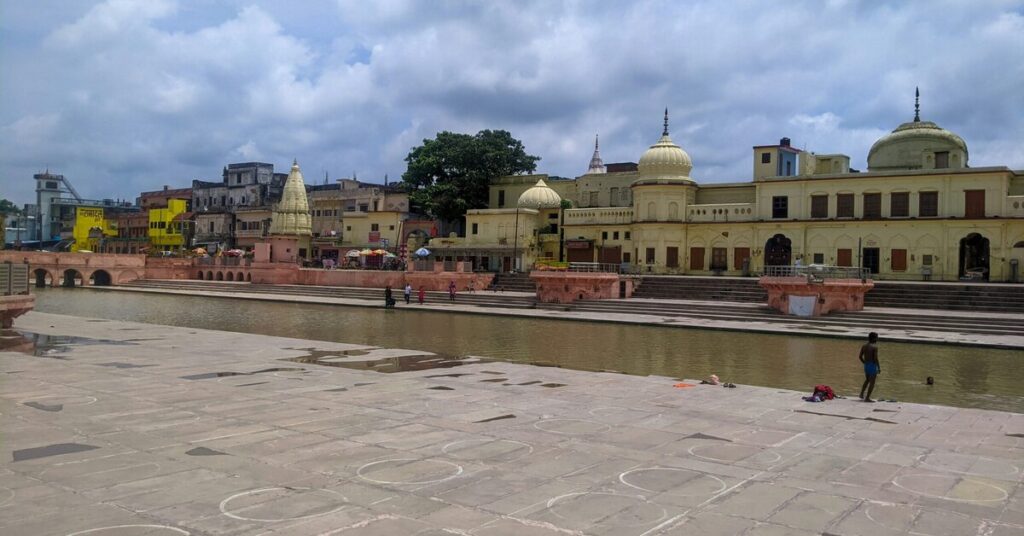
Why This Tour Package is Special
What makes the Prayagraj Ayodhya Ram Mandir tour package stand out from other pilgrimage options? The answer lies in its perfect blend of spiritual significance, historical importance, and contemporary relevance. The Ram Mandir, decades in the making, represents a milestone in Indian religious and cultural history, making this the ideal time to undertake this sacred journey.
This package eliminates all logistical hassles, allowing you to focus entirely on your spiritual experience. From comfortable accommodations to expert guides who understand the religious significance of every site, everything is arranged to ensure your pilgrimage is memorable and meaningful. You’ll benefit from priority darshan arrangements, avoiding long queues, and gaining deeper insights into the spiritual heritage of these ancient cities.
Moreover, combining Prayagraj and Ayodhya in one tour offers exceptional value. These two sacred destinations complement each other beautifully—where Prayagraj represents the purifying power of sacred rivers, Ayodhya embodies the divine presence of Lord Rama himself. Together, they create a complete spiritual experience that addresses both karmic purification and divine blessings.
Prayagraj: Gateway to Spiritual Awakening
The Sacred Triveni Sangam
Your spiritual journey begins at Prayagraj’s crown jewel—the Triveni Sangam, where three holy rivers converge to create one of Hinduism’s most auspicious locations. The Ganges, Yamuna, and the mystical Saraswati meet here, their waters mingling in a sacred confluence that devotees believe washes away sins accumulated over countless lifetimes.
The experience of reaching the Sangam by boat is transformative. As your boat glides across the waters, you’ll witness the distinct line where the brownish Ganges meets the greenish-blue Yamuna—a visual reminder of nature’s divine choreography. Taking a holy dip at this confluence is considered especially auspicious before proceeding to Ayodhya, as it purifies the soul and prepares you to receive Lord Rama’s blessings.
Priests on floating platforms conduct sacred rituals, chanting Vedic mantras while offering prayers to the holy rivers and ancestors. Many pilgrims perform tarpan (ancestral offerings) here, believing their departed loved ones receive these blessings more effectively at this meeting point of divine energies. The spiritual atmosphere is palpable, with devotees from across India and the world gathering to participate in this timeless tradition.
Key Temples and Historical Sites
Beyond the Sangam, Prayagraj offers numerous temples and historical landmarks worth exploring. The Hanuman Mandir near Sangam houses a unique reclining statue of Lord Hanuman that mysteriously submerges during monsoon floods and reappears afterward—a phenomenon that continues to fascinate devotees and scientists alike.
The Allahabad Fort, built by Emperor Akbar in 1583, contains the sacred Akshayavat (immortal banyan tree) mentioned in ancient Hindu scriptures. This tree is believed to be indestructible and eternal, surviving through ages of historical upheaval. The Patalpuri Temple inside the fort complex is another significant site where devotees seek blessings.
The Mankameshwar Temple, dedicated to Lord Shiva, attracts worshippers throughout the day with its powerful spiritual energy. Bade Hanuman Ji Temple, another important shrine, offers peaceful moments for contemplation and prayer. These temples provide context and depth to your understanding of Prayagraj’s multifaceted religious significance before you proceed to Ayodhya.
Spiritual Rituals and Experiences
Prayagraj offers various spiritual experiences that enrich your pilgrimage. The evening Ganga Aarti at the ghats is a mesmerizing ceremony where priests perform synchronized rituals with massive brass lamps, creating a spectacle of devotion against the setting sun. The flames dancing in the twilight, reflected in the sacred waters, create an atmosphere that touches even the most skeptical hearts.
Participating in Sandhya Aarti (evening prayers), taking multiple dips at the Sangam during auspicious timings, and receiving blessings from learned pandits who explain the spiritual significance of your pilgrimage all contribute to a deeper understanding of Hindu traditions. Many tour packages arrange for personalized puja ceremonies where priests perform rituals specifically for your family’s wellbeing and spiritual advancement.
The city’s spiritual energy intensifies during the annual Magh Mela (January-February) when thousands gather for extended stays at the Sangam. Even outside festival periods, the constant flow of devotees creates an atmosphere charged with faith and devotion that prepares your heart for the divine darshan awaiting you in Ayodhya.
Ayodhya: The Holy Land of Lord Rama
The Magnificent Ram Mandir
The centerpiece of your spiritual journey is undoubtedly the Ram Mandir at Ram Janmabhoomi—Lord Rama’s birthplace. This magnificent temple, inaugurated recently after decades of anticipation, stands as a testament to devotion, perseverance, and the enduring power of faith. The temple complex spreads across several acres, showcasing architectural brilliance that honors traditional Hindu temple design while incorporating modern construction techniques.
The moment you enter the temple complex, you’re transported into the world of the Ramayana. The atmosphere buzzes with devotional chants of “Jai Shri Ram” as pilgrims from every corner of India and the world gather to witness the divine idol of Ram Lalla (infant Rama) at the exact spot where devotees believe he was born thousands of years ago.
The Ram Mandir isn’t just a temple; it’s a spiritual destination that fulfills the dreams of countless devotees who have prayed for generations to witness this moment. The energy here is overwhelming—tears of joy stream down faces, voices crack with emotion as they chant, and an atmosphere of collective devotion creates an experience that transcends ordinary temple visits.
Architectural Marvel and Design
The Ram Mandir’s architecture represents the pinnacle of traditional Nagara style temple construction. Built without using steel or iron, the temple relies on interlocking stones—a technique used in ancient Indian temples that ensures longevity for centuries. The structure rises majestically with intricate carvings depicting scenes from the Ramayana adorning every pillar, wall, and ceiling.
The temple features beautifully carved pink sandstone from Rajasthan, with detailed sculptures of various deities, celestial beings, and Ramayana episodes. The shikhara (spire) reaches skyward, visible from great distances, serving as a beacon guiding devotees to this sacred site. The craftsmanship involved in creating each sculpture demonstrates the dedication of artisans who poured their devotion into every chisel stroke.
The temple complex includes multiple mandapas (halls) for different purposes—from meditation and prayer to cultural programs and religious discourses. The main sanctum sanctorum houses the idol of Ram Lalla in a climate-controlled environment, preserving the divine presence for future generations. The surrounding area has been landscaped beautifully with gardens, pathways, and facilities that accommodate millions of visitors while maintaining the sacred atmosphere.
Darshan Experience at Ram Janmabhoomi
The darshan (holy viewing) experience at Ram Janmabhoomi is carefully organized to accommodate the massive influx of devotees while ensuring everyone receives adequate time for prayer and blessings. Most tour packages include arrangements for smoother darshan, helping you avoid the longest queues through timed entry systems and designated routes.
As you approach the sanctum sanctorum, the chanting intensifies and the spiritual energy becomes almost tangible. The moment you witness the idol of Ram Lalla, many pilgrims report overwhelming emotions—tears, joy, peace, and a profound sense of homecoming. This isn’t merely viewing a statue; it’s connecting with a divine presence that has been worshipped for millennia.
The temple management has implemented modern crowd management systems, security protocols, and facilities that ensure a safe, comfortable experience without diminishing the sacred atmosphere. Digital screens provide information in multiple languages, and trained volunteers assist pilgrims throughout the complex. Despite the crowds, the experience remains deeply personal and spiritually fulfilling.
Photography restrictions apply inside the main temple to maintain the sanctity and devotional focus, but designated areas allow you to capture memories of your visit. The entire darshan experience, from entry to exit, is designed to maximize your spiritual connection while respecting the needs of millions who share your devotion.
Other Sacred Sites in Ayodhya
Hanuman Garhi Temple
No pilgrimage to Ayodhya is complete without visiting Hanuman Garhi, one of the most important Hanuman temples in India. Situated atop a hill approached by climbing 76 steps, this fortress-like temple offers both spiritual blessings and panoramic views of Ayodhya. The temple commemorates the spot where Hanuman is believed to have resided while guarding Ayodhya during Lord Rama’s reign.
The main shrine houses idols of Hanuman’s mother Anjani with infant Hanuman on her lap, along with images of Lord Rama, Sita, and Lakshman. Devotees believe that visiting Hanuman Garhi before Ram Janmabhoomi ensures Lord Hanuman’s blessings and protection. The temple attracts thousands daily, with the atmosphere charged by continuous chanting of Hanuman Chalisa and devotional songs.
The climb up the steps itself becomes a meditative practice, with each step bringing you closer to the divine presence. The temple complex includes smaller shrines dedicated to various deities, and the priests perform multiple aartis throughout the day. Tuesday and Saturday witness particularly large crowds, as these days are considered especially auspicious for Hanuman worship.
Kanak Bhawan and Other Ancient Temples
Kanak Bhawan, also known as Sone-ka-Ghar (Golden House), is a temple of exquisite beauty gifted to Sita by Rama’s stepmother Kaikeyi. The temple houses magnificent idols of Rama and Sita adorned with golden crowns and royal attire. The architecture showcases intricate painting and mirror work, creating an opulent atmosphere befitting the divine couple’s residence.
The temple’s sanctum features multiple shrines, and the priests maintain centuries-old worship traditions with daily rituals performed with elaborate ceremony. The evening aarti here is particularly beautiful, with the golden crowns gleaming in the lamp light and devotional songs filling the air with divine vibrations.
Nageshwarnath Temple, established by Rama’s son Kush, stands as one of Ayodhya’s oldest Shiva temples. According to tradition, Kush lost Rama’s armband while bathing in the Saryu River, and it was found by a Naga Kanya (serpent maiden) who fell in love with him. Kush established this temple for her worship of Lord Shiva. The temple’s ancient architecture and powerful spiritual energy attract devotees seeking Lord Shiva’s blessings.
Other significant temples include Treta Ke Thakur (marking the spot where Rama performed the Ashwamedha Yagna), Nageshwarnath Temple, Dashrath Mahal, and numerous other shrines dotting the city. Each temple carries its own legends and spiritual significance, contributing to Ayodhya’s reputation as a city where every stone tells a story of divine presence.
Best Time to Visit for Ram Mandir Tour
Choosing the optimal time for your Prayagraj Ayodhya Ram Mandir tour significantly impacts your experience. The winter months from October to March offer the most comfortable weather, with temperatures ranging between 10°C to 25°C. This pleasant climate makes temple visits, ritual baths at the Sangam, and walking through Ayodhya’s numerous sites comfortable and enjoyable.
If you wish to experience the spiritual energy at its peak, consider timing your visit with significant festivals. Ram Navami (March-April), celebrating Lord Rama’s birthday, transforms Ayodhya into a city-wide celebration with elaborate processions, dramatic enactments of Ramayana episodes, and special ceremonies at the Ram Mandir. However, expect significantly larger crowds during this period.
Diwali in Ayodhya is spectacular, commemorating Lord Rama’s return from exile. The city celebrates Deepotsav by illuminating millions of earthen lamps, creating a breathtaking display that has earned Guinness World Records recognition. The Ram Mandir during Diwali offers an unforgettable experience, though accommodation and darshan require advance planning due to the massive influx of pilgrims.
For Prayagraj, the Magh Mela period (January-February) offers an authentic pilgrimage experience with thousands of devotees camping at the Sangam for extended stays. If visiting during the Kumbh Mela years, prepare for unprecedented crowds but also unparalleled spiritual energy.
The monsoon season (July-September) brings heavy rainfall that can disrupt travel plans and make outdoor activities challenging, though it also lends a lush green beauty to both cities. Summer months (April-June) can be intensely hot, with temperatures exceeding 45°C, making extensive sightseeing exhausting. If you prefer quieter pilgrimages with shorter queues and more intimate temple experiences, consider visiting during non-festival weekdays outside peak season.
Complete Tour Package Inclusions
Accommodation Options
Quality tour packages offer diverse accommodation options catering to different budgets and comfort preferences. Budget-conscious pilgrims can choose from dharamshalas (pilgrim rest houses) and simple guesthouses that provide clean, basic amenities at affordable rates. These options often include proximity to major temples, allowing easy early morning visits.
Mid-range hotels offer comfortable rooms with modern facilities including air conditioning, attached bathrooms, television, and complimentary breakfast. These properties typically feature in-house restaurants serving vegetarian meals, reducing the need to venture out after exhausting temple visits. Many are strategically located between key attractions in both cities.
Premium packages include stays at luxury hotels and heritage properties offering world-class amenities, spa services, fine dining, and personalized concierge services. Some boutique hotels blend traditional architecture with contemporary luxury, providing authentic cultural experiences without sacrificing comfort. River-view rooms in Prayagraj and temple-view accommodations in Ayodhya are available in higher-tier packages.
Most reputable tour operators ensure all accommodations maintain high cleanliness standards, security, and are conveniently located to minimize travel time between attractions. This allows you to maximize your time at sacred sites rather than in transit.
Transportation and Logistics
Comprehensive tour packages handle all transportation logistics, ensuring smooth, comfortable travel throughout your pilgrimage. Services typically begin with airport or railway station pickup from either Prayagraj, Lucknow, or Varanasi—the major transportation hubs serving this region. Professional drivers familiar with local routes ensure safe, timely arrivals at all destinations.
The journey between Prayagraj and Ayodhya covers approximately 135 kilometers via well-maintained highways, taking about three hours in air-conditioned vehicles. Many packages include comfortable sedans, SUVs, or minibuses depending on group size. The drive offers glimpses of rural Uttar Pradesh, with fields, villages, and roadside temples creating an authentic Indian landscape experience.
Local sightseeing in both cities is conducted in the same vehicles, eliminating the hassle of arranging separate transportation for temple visits and ghat darshans. Boat rides at the Triveni Sangam are typically included, providing the essential experience of reaching the confluence point.
Premium packages might offer additional conveniences like premium vehicle options, flexible itineraries allowing self-paced exploration, or even helicopter services for aerial views of sacred sites (subject to availability and permissions). The key advantage of package tours is the elimination of logistical stress, allowing you to focus entirely on your spiritual journey.
Guided Tours and Expert Assistance
What truly distinguishes exceptional tour packages is the presence of knowledgeable, experienced guides who transform your pilgrimage from simple sightseeing into deep spiritual education. These guides are well-versed in Hindu scriptures, local legends, temple protocols, and historical contexts, providing insights that bring every site to life.
Your guide explains the significance of rituals, helps coordinate with temple priests for personalized puja ceremonies, navigates crowd management systems efficiently, and ensures you don’t miss important sites or optimal darshan timings. They share fascinating stories from the Ramayana, explain architectural symbolism in temple designs, and answer questions about Hindu philosophy and traditions.
Beyond spiritual guidance, these professionals provide practical assistance—recommending authentic restaurants, helping with shopping for religious items, ensuring your safety and comfort, and serving as cultural interpreters bridging any language or custom barriers you might encounter.
Many premium packages include additional spiritual experiences like arrangements for early morning aarti participations, exclusive sessions with learned scholars for discussions on Ramayana and Hindu philosophy, meditation guidance at sacred spots, and even photography services capturing your pilgrimage memories professionally.
Suggested Itinerary for Maximum Experience
A well-planned itinerary ensures you experience all significant aspects of this sacred journey without feeling rushed. Here’s a comprehensive 4-5 day suggested itinerary:
Day 1: Arrival and Prayagraj Exploration Arrive in Prayagraj and check into your hotel. After refreshing, proceed to the Triveni Sangam for an afternoon boat ride and holy dip at the confluence. Witness the mesmerizing evening aarti at the ghats as the sun sets over the sacred waters. Visit nearby temples like Hanuman Mandir at Sangam. Evening at leisure for rest and acclimatization.
Day 2: Prayagraj Sacred Sites Begin with an early morning visit to the Sangam, experiencing the serene atmosphere as devotees perform their sunrise rituals. Explore the Allahabad Fort and the sacred Akshayavat banyan tree within. Visit Mankameshwar Temple, Bade Hanuman Ji Temple, and other significant shrines. Afternoon excursion to Anand Bhavan museum for historical context. Evening free for personal reflection or shopping at local markets for religious items.
Day 3: Journey to Ayodhya and Ram Mandir Darshan After breakfast, depart for Ayodhya. En route, enjoy the scenic countryside and perhaps stop at villages for cultural interactions. Upon arrival, check into your hotel and refresh. Proceed to Ram Janmabhoomi for darshan at the magnificent Ram Mandir—the highlight of your pilgrimage. Spend adequate time at the temple complex absorbing the divine atmosphere. Evening aarti participation followed by dinner and rest.
Day 4: Ayodhya Temple Circuit Start early with a visit to Hanuman Garhi, climbing the 76 steps for blessings and panoramic city views. Visit Kanak Bhawan with its exquisite golden idols of Rama and Sita. Explore Nageshwarnath Temple, Treta Ke Thakur, and other ancient shrines. Take a peaceful walk along Saryu River ghats, perhaps participating in evening aarti. Visit Ramkatha Park Museum for comprehensive Ramayana education through modern exhibits. Attend evening bhajan sessions at local temples.
Day 5: Final Blessings and Departure Enjoy one final morning visit to Ram Mandir or any temple that calls to your heart. After breakfast and checkout, begin your journey back to your departure city, carrying blessings and memories of this transformative pilgrimage.
This itinerary can be customized based on your preferences, physical capabilities, available time, and whether you’re traveling during festival periods when special programs and ceremonies might be scheduled.
Cultural and Culinary Delights
Both Prayagraj and Ayodhya offer rich culinary traditions that complement your spiritual journey. Being sacred cities, the cuisine is predominantly vegetarian, prepared with respect for the spiritual atmosphere and often following sattvic principles—meals made without onion and garlic, believed to enhance mental clarity and spiritual awareness.
In Prayagraj, start your day with the famous kachori-sabzi breakfast, a crispy, spiced bread paired with flavorful potato curry that energizes you for temple visits. Street food enthusiasts will appreciate varieties of chaat, samosas, and seasonal specialties like malaiyo—a winter delicacy that’s cloud-like in texture and subtly sweet.
Ayodhya’s cuisine reflects its ancient traditions and connection to Lord Rama. Local specialties include various types of peda and laddoos offered as prasad at temples, which you can also purchase from famous sweet shops. Traditional meals feature tehri (vegetable rice), various dal preparations, seasonal vegetable dishes, and fresh rotis. The food here nourishes not just the body but the soul, prepared with devotion and served with love.
Both cities have numerous pure vegetarian restaurants ranging from simple street-side eateries serving authentic local flavors to more upscale establishments offering comfortable dining environments. Most tour packages include meals, typically breakfast and dinner, allowing you freedom to explore local lunch options or rest during midday heat.
Don’t miss the opportunity to try prasad from major temples—these blessed food offerings carry spiritual significance beyond their nutritional value. The act of accepting and consuming prasad is itself considered a form of receiving divine grace.
Shopping and Souvenirs
Shopping in Prayagraj and Ayodhya extends beyond mere commerce—it’s an opportunity to bring home pieces of your spiritual journey. Both cities offer unique religious artifacts, traditional handicrafts, and local specialties that serve as beautiful reminders of your pilgrimage.
In Prayagraj, markets near the Sangam and major temples overflow with brass idols of various deities, rudraksha malas (prayer beads) in different mukhi (faces) options, copper and brass vessels for ritual purposes, and bottled holy Ganga water sealed for travel. You’ll find religious books, devotional music CDs, prayer flags, spiritual jewelry, and traditional artwork depicting Hindu deities and mythological scenes.
Ayodhya specializes in Ram-themed merchandise. Beautiful idols of Lord Rama, Sita, Hanuman, and Lakshman in various sizes and materials—from marble to brass to sandalwood—are available. Traditional paintings and prints depicting Ramayana scenes make wonderful wall decorations for home temples. Handcrafted items by local artisans include cloth bags with spiritual motifs, intricate incense holders, decorative diyas (oil lamps), and miniature temple replicas.
Both cities are excellent for purchasing authentic puja items—camphor, incense sticks, vermillion, turmeric, sandalwood paste, sacred threads, and other ritual essentials. These items are often blessed by local priests, carrying the spiritual energy of these sacred locations.
Textile lovers will appreciate traditional handloom products, especially silk items and stoles with religious motifs. The famous Ayodhya ke pede (milk-based sweets) make excellent gifts for family and friends, carrying blessings from this holy city.
Remember to bargain respectfully at local markets—it’s culturally expected and part of the shopping experience. However, at temple shops or cooperatives supporting local artisans, prices are often fixed and reasonable. Your purchases support the local economy and help preserve traditional crafts that have been passed down through generations.
Practical Tips for Pilgrims
A successful pilgrimage requires thoughtful preparation. Here are essential tips to ensure your journey is smooth, comfortable, and spiritually fulfilling:
Dress Appropriately: Modest, traditional clothing is essential. Men should wear full-length pants and shirts, while women should choose salwar kameez, sarees, or long skirts with dupattas. Avoid shorts, sleeveless tops, and revealing clothing, especially when entering temples. Carry an extra dupatta or shawl for covering your head when required.
Temple Etiquette: Remove footwear before entering temples. Most sites have paid shoe-keeping facilities—use these rather than leaving shoes unattended. Leather items (belts, bags) may be prohibited inside certain temples. Follow queue systems patiently without pushing. Photography rules vary—always ask before taking pictures, especially of deities and priests. Maintain silence in meditation areas.
Health Precautions: Carry hand sanitizer, wet wipes, and personal medications. Drink only bottled water to avoid stomach issues. While the Sangam water is sacred, approach it cautiously if you have a sensitive digestive system. Carry oral rehydration salts as a precaution. The extensive walking and stair-climbing requires reasonable fitness—pace yourself and take regular breaks.
Safety and Security: Keep valuables secure in hotel safes. Carry only necessary cash and one credit card when visiting temples. Be cautious in crowded areas where pickpockets operate. Beware of unauthorized individuals offering “special” puja services or VIP darshan—stick with your package guide’s recommendations. Licensed guides and priests display official identification.
Timing Your Visits: Early morning temple visits offer the most peaceful experiences with smaller crowds and cooler temperatures. The afternoon heat can be intense, making this a good time to rest at your hotel. Evening aartis and ceremonies provide beautiful experiences but attract larger crowds—arrive early for good viewing positions.
Donations and Offerings: Temples typically have marked donation boxes for different purposes. Give what feels comfortable—there’s no minimum or maximum. Priests performing personal pujas usually have standard rates, though they may suggest donations. Clarify costs beforehand to avoid misunderstandings.
Physical Preparation: Both destinations involve considerable walking, stair-climbing, and standing. Wear comfortable walking shoes with good grip for navigating ghats and temple steps. Stay hydrated, especially during warmer months. Carry a small backpack with water, snacks, medications, and personal items.
Spiritual Openness: Approach your pilgrimage with an open heart and mind. Participate in rituals even if they’re new or unfamiliar—your guide will explain everything. Accept prasad and blessings graciously. Respect others’ devotional practices even if different from yours. The spiritual power of these places reveals itself differently to every visitor.
How to Book Your Package
Booking your Prayagraj Ayodhya Ram Mandir tour package has become increasingly convenient with multiple reliable options available. Start by researching reputable tour operators specializing in religious tourism in Uttar Pradesh. Look for companies with positive customer reviews, transparent pricing structures, comprehensive itineraries, and good customer service records.
Most established operators offer online booking through user-friendly websites where you can compare different package options, read detailed itineraries, check inclusions and exclusions, and view accommodation photos. Packages vary widely in price based on factors like accommodation class, season, group size, duration, and included experiences.
Budget packages typically range from ₹10,000-15,000 per person for 3-4 days, offering basic accommodations, shared transportation, and essential temple visits. Mid-range packages cost approximately ₹18,000-30,000 per person, providing comfortable hotels, private vehicles, guided tours, and additional experiences. Premium luxury packages can range from ₹40,000-70,000 or more per person, including five-star accommodations, exclusive services, priority darshan arrangements, and personalized spiritual experiences.
Carefully review what’s included—meals (all or only breakfast), entry fees, boat rides, guide services, vehicle type, and number of people per room. Clarify cancellation policies, especially important given the unpredictability of travel plans and potential festival date changes.
Group tours offer better per-person rates and the companionship of fellow pilgrims, while private tours provide flexibility, personalized pace, and customized experiences. Family packages often include special considerations for elderly travelers, children, or those with mobility challenges.
Book well in advance, particularly for festival periods, holiday seasons, or winter months when demand peaks. Early booking ensures better accommodation options, preferred dates, and sometimes early-bird discounts. However, last-minute deals occasionally appear during off-season periods if operators have unsold inventory.
Don’t hesitate to contact tour operators directly with specific requirements—dietary restrictions, accessibility needs, extended stays, additional destinations, or special requests. Reputable operators happily customize packages to meet your spiritual aspirations and practical needs. Many now offer flexible payment options, booking protections, and travel insurance recommendations for added peace of mind.
Conclusion
The Prayagraj Ayodhya Ram Mandir tour package represents more than just a journey between two cities—it’s a pilgrimage that connects you with the very soul of Hindu spirituality and Indian cultural heritage. From the purifying waters of the Triveni Sangam to the divine presence at Ram Janmabhoomi, every moment of this journey offers opportunities for spiritual growth, devotional expression, and profound personal transformation.
The magnificent Ram Mandir, standing proudly after decades of anticipation, serves as a powerful symbol of faith’s enduring strength. Witnessing this architectural marvel and receiving darshan of Ram Lalla at his birthplace fulfills the dreams of countless devotees who have prayed for generations to experience this moment. Combined with the sacred confluence at Prayagraj, this pilgrimage addresses both karmic purification and divine blessing in a single, cohesive journey.
Whether you’re a devout Hindu seeking spiritual fulfillment, a cultural enthusiast exploring India’s religious traditions, or a traveler seeking meaningful experiences beyond typical tourism, this tour delivers transformation and enlightenment. The carefully crafted packages ensure your journey is comfortable, comprehensive, and deeply meaningful, allowing you to focus entirely on your spiritual objectives rather than logistical concerns.
The blessings you receive at these sacred sites, the memories you create, and the spiritual insights you gain will accompany you long after you return home. They’ll serve as anchors during challenging times and reminders of the divine presence that permeates existence when we open our hearts to receive it.
So don’t delay this sacred calling. Book your Prayagraj Ayodhya Ram Mandir tour package today and embark on a pilgrimage that promises to be among the most significant and spiritually rewarding experiences of your lifetime. The holy waters of the Sangam and the divine presence at Ram Janmabhoomi await to welcome you, bless you, and transform you in ways only a true pilgrimage can.
FAQs
1. How much time should I allocate for darshan at the Ram Mandir in Ayodhya?
The darshan experience at Ram Mandir can vary significantly depending on the day, time, and season. On regular weekdays during non-festival periods, you might complete darshan in 2-4 hours including travel to the temple, security checks, queue time, and the actual viewing of the deity. However, during weekends, festival periods, or auspicious dates, expect 4-8 hours or more due to increased pilgrim numbers. Most quality tour packages include arrangements for smoother darshan through timed entry systems or priority queues when available. Plan to dedicate the better part of a day to Ram Mandir to avoid feeling rushed and to fully absorb the spiritual atmosphere. Early morning visits typically face shorter queues than afternoon or evening.
2. Is advance booking required for the Ram Mandir darshan, or can I visit directly?
Currently, while direct walk-in darshan is available at Ram Mandir, the temple management has implemented online booking systems during peak periods to manage the massive pilgrim influx more efficiently. It’s highly recommended to check the official Ram Mandir website or app for current protocols before your visit, as procedures may evolve. Most reputable tour packages handle all darshan arrangements, including any required registrations or bookings, eliminating this concern. During major festivals like Ram Navami or Diwali, advance planning becomes essential as same-day entry may not be guaranteed. Your tour operator will have updated information on current requirements and can coordinate the necessary arrangements for smooth, timely darshan.
3. What are the photography rules at Ram Mandir and other sacred sites?
Photography rules vary across different temples and sacred sites. At Ram Mandir, photography is generally not permitted inside the main temple complex and sanctum sanctorum to maintain the spiritual atmosphere and prevent disruptions during darshan. However, designated areas outside the main shrine allow photography for memory preservation. Hanuman Garhi, Kanak Bhawan, and other temples in Ayodhya have their own policies—some permit photography in outer areas butprohibit it inside inner sanctums. At Prayagraj’s Triveni Sangam, photography is generally allowed on boats and ghats. Always ask permission before photographing priests, sadhus, or other devotees. Respect “no photography” signs and verbal instructions from temple authorities. Your guide will inform you about specific rules at each location. Most pilgrims find that being present in the moment without constant photography actually enhances their spiritual experience.
4. Can I take a holy dip at Triveni Sangam year-round, or only during specific periods?
You can take a holy dip at Triveni Sangam throughout the year—the confluence doesn’t have seasonal restrictions. However, the experience varies by season and timing. Winter months (October-March) offer the most comfortable water temperatures and pleasant weather. Summer (April-June) features warmer water but intense heat before and after bathing. Monsoon season (July-September) brings swollen rivers with stronger currents—extra caution is necessary, and boats may have restrictions during heavy rains. The Magh Mela period (January-February) and Kumbh Mela years bring massive crowds but also unparalleled spiritual energy. Auspicious dates according to the Hindu calendar attract more pilgrims and are considered particularly beneficial for spiritual purification. Most tour packages include boat rides to the Sangam with options for ritual bathing, and boatmen are experienced in ensuring safe experiences regardless of season.
5. Are there any restrictions for international tourists or non-Hindus visiting these sacred sites?
Both Prayagraj and Ayodhya warmly welcome visitors of all nationalities, religions, and backgrounds. There are no restrictions preventing international tourists or non-Hindus from visiting the Triveni Sangam, Ram Mandir, or most other sacred sites in these cities. The spiritual and cultural significance of these places attracts people worldwide regardless of their personal faith. However, visitors should dress modestly, behave respectfully, follow temple protocols, and approach sacred sites with reverence rather than mere curiosity. Some inner sanctums of certain temples may have traditional restrictions, but these are minimal and your guide will inform you. Most temples welcome everyone in outer areas and for general darshan. Many international visitors report profound spiritual experiences at these sites regardless of their religious background. The universal themes of devotion, faith, and divine presence transcend specific religious identities, making these pilgrimages meaningful for all who approach with open hearts and respectful attitudes.