
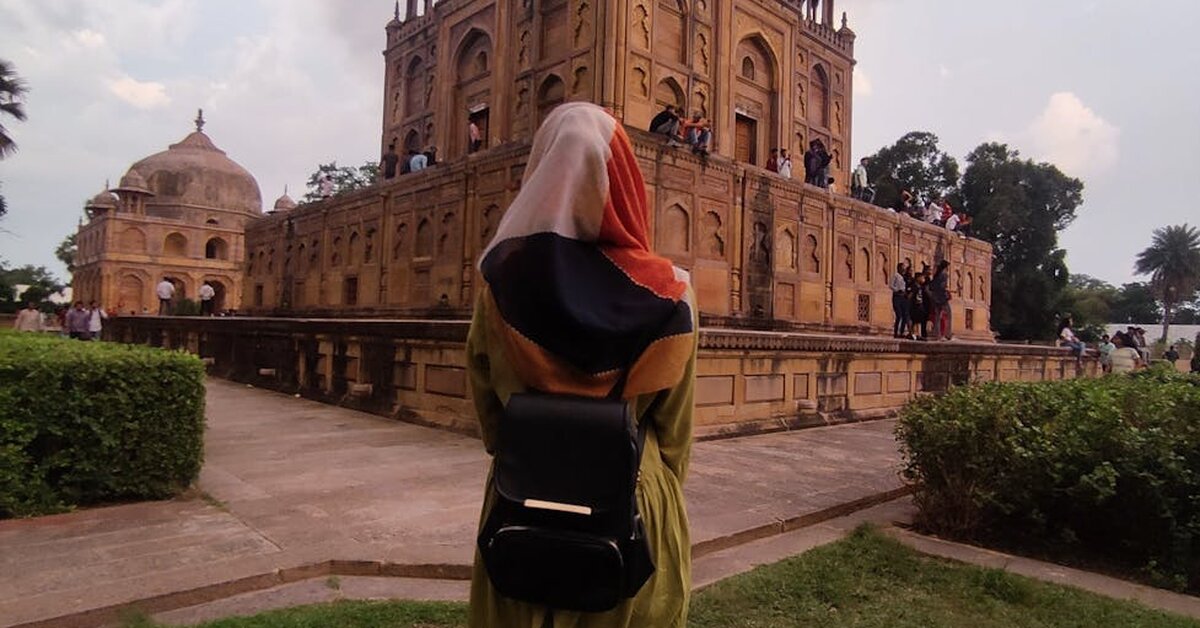
Prayagraj for West Bengal Pilgrims : For generations, Bengali pilgrims have made the sacred journey to Prayagraj—known until recently as Allahabad—drawn by its profound spiritual magnetism. This ancient city, where the Ganga, Yamuna, and the mythical Saraswati converge, holds a special place in the hearts of devotees from West Bengal. The connection runs deeper than mere religious tourism; it’s woven into the cultural and spiritual fabric of Bengali consciousness.
Every year, thousands of Bengali families undertake this pilgrimage, following in the footsteps of their ancestors who considered a dip at the Sangam essential for spiritual purification. Whether you’re planning your first visit or returning to this holy confluence, understanding Prayagraj through a Bengali lens can transform your pilgrimage from a simple trip into a deeply meaningful spiritual experience. Let me guide you through everything a Bengali pilgrim needs to know about this sacred destination.
The Deep Connection Between Bengal and Prayagraj
Historical Ties and Cultural Bonds
The relationship between Bengal and Prayagraj stretches back centuries, far beyond what most people realize. During the medieval period, Bengali scholars, poets, and spiritual leaders regularly traveled to Prayagraj for religious congregations and intellectual exchanges. The city served as a meeting point where Bengali spirituality mingled with traditions from across the Indian subcontinent.
This connection intensified during the British colonial era when Allahabad became an administrative and educational hub. Many prominent Bengali families established secondary residences here, and Bengali intellectuals contributed significantly to the city’s cultural landscape. Even today, you’ll find Bengali communities well-established in certain neighborhoods, maintaining their cultural identity while embracing the local Awadhi culture. This historical continuity means Bengali pilgrims arriving today don’t feel entirely like outsiders—there’s a sense of returning to a place where Bengali influence has left its mark.
Bengali Saints and Scholars in Prayagraj’s History
Several revered Bengali spiritual figures have deep associations with Prayagraj. The great Vaishnav saint Chaitanya Mahaprabhu is believed to have visited the Sangam during his travels across India, and this connection holds immense significance for Bengali Vaishnavs. Historical records suggest that disciples of various Bengali spiritual movements established ashrams and centers of learning in Prayagraj over the centuries.
Bengali scholars also contributed to Prayagraj’s reputation as a center of Sanskrit learning. During the 18th and 19th centuries, Bengali pandits would spend years in Prayagraj studying classical texts under renowned teachers. This intellectual exchange enriched both Bengali and North Indian spiritual traditions, creating bonds that persist in contemporary religious practices. Understanding this history helps Bengali pilgrims appreciate that their journey to Prayagraj is part of a much larger, ongoing narrative.
Understanding the Sacred Geography of Prayagraj
The Triveni Sangam: Where Three Rivers Meet
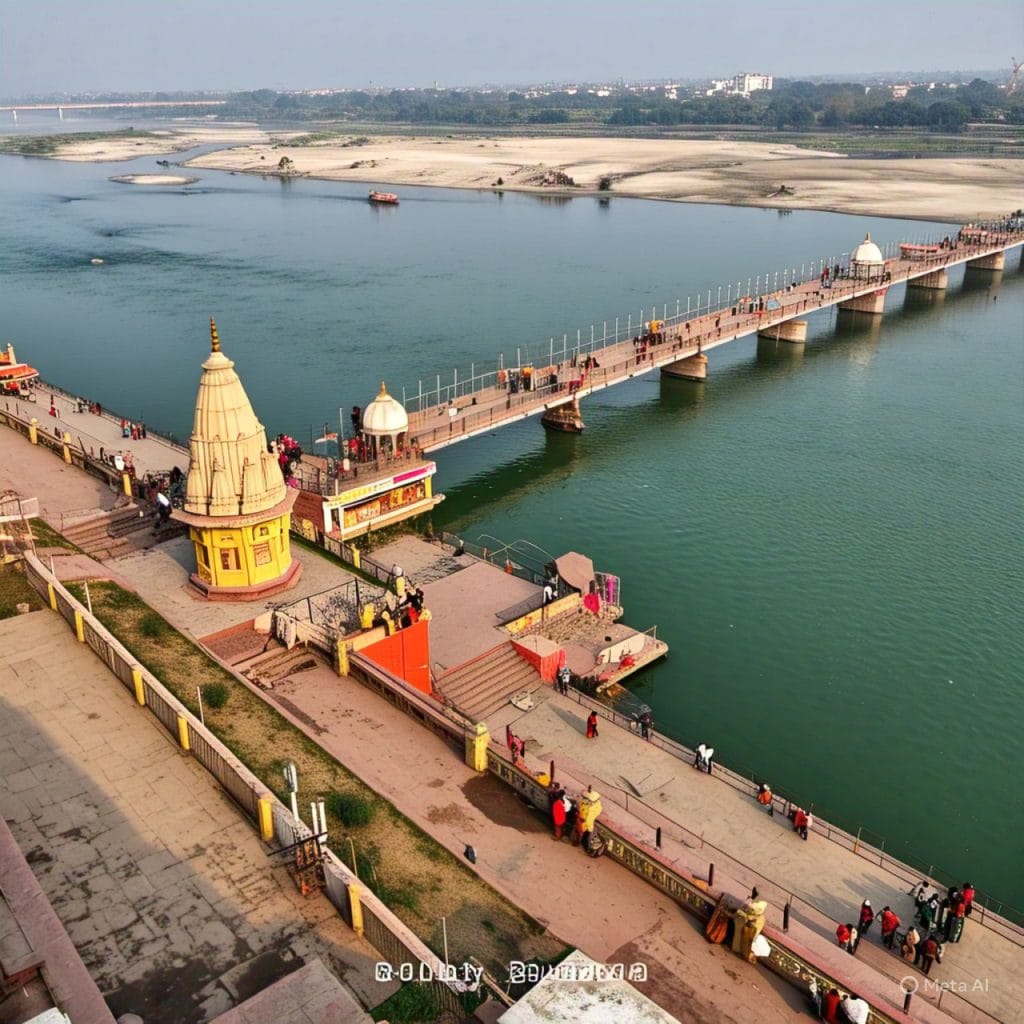
The Triveni Sangam is the spiritual heart of Prayagraj, where the Ganga and Yamuna physically merge while the invisible Saraswati is believed to join them underground. For Bengali pilgrims, this confluence represents the ultimate tirthasthana—a crossing point between the earthly and the divine. The color difference between the muddy Ganga and the clearer Yamuna creates a visible line where the rivers meet, a sight that never fails to move first-time visitors.
Taking a holy dip at the Sangam is considered essential for spiritual purification. Bengali tradition emphasizes bathing here during auspicious times, particularly on Makar Sankranti, which coincides with the Bengali festival of Poush Sankranti. Many Bengali families make it a point to visit during this period, believing that the spiritual merit gained is multiplied manifold. Boat rides to the exact point of confluence are available, and experienced boatmen—some of whom speak basic Bengali—can guide you to the most auspicious spots.
Key Ghats for Bengali Pilgrims
Prayagraj features numerous ghats along the Ganga and Yamuna, each with its own spiritual significance. For Bengali pilgrims, certain ghats hold particular importance. Dasaswamedh Ghat, while sharing its name with the famous Varanasi ghat, offers relatively peaceful bathing experiences outside festival times. Saraswati Ghat attracts those interested in educational and intellectual pursuits, reflecting the Bengali cultural emphasis on learning and wisdom.
The ghats come alive during dawn and dusk, when aarti ceremonies illuminate the riverbanks. Bengali pilgrims often find these collective worship experiences deeply moving, reminiscent of Ganga aarti traditions back home in West Bengal. The atmosphere—with bells ringing, mantras being chanted, and lamps floating on the water—creates a profound sense of connection to the divine that transcends regional differences.
Saraswati Ghat and Its Bengali Associations
Saraswati Ghat deserves special mention for Bengali pilgrims due to the cultural reverence Bengalis hold for Goddess Saraswati, the deity of knowledge and arts. This ghat, associated with the invisible Saraswati River, attracts scholars, students, and intellectuals seeking blessings for wisdom and learning. Bengali families often bring their children here, continuing the tradition of seeking educational blessings.
The ghat’s relatively quieter atmosphere compared to the main bathing ghats makes it ideal for contemplative worship. Many Bengali pilgrims perform special pujas here, invoking Saraswati’s blessings alongside the traditional Ganga puja. Local priests familiar with Bengali customs can conduct these ceremonies in a manner that resonates with Bengali spiritual sensibilities, incorporating elements like the recitation of Bengali devotional songs and poems.
Bengali-Friendly Accommodations in Prayagraj
Bengali Guest Houses and Dharamshalas
Finding accommodation that feels like home matters when you’re on a spiritual journey. Prayagraj hosts several Bengali-run guest houses and dharamshalas that cater specifically to pilgrims from West Bengal. These establishments understand Bengali dietary preferences, cultural practices, and religious requirements. Places like the Bengal Boarding House and certain dharamshalas near Civil Lines have been serving Bengali pilgrims for decades.
These accommodations typically offer simple, clean rooms at affordable rates, with the added comfort of Bengali-speaking staff who understand your needs without lengthy explanations. Many provide communal dining where home-style Bengali meals are served, saving you from searching for suitable restaurants. The communal atmosphere also allows you to connect with fellow Bengali pilgrims, sharing experiences and practical tips that enhance your pilgrimage.
Hotels with Bengali Staff and Services
If you prefer hotel accommodations with more amenities, several mid-range and budget hotels in Prayagraj employ Bengali staff or maintain connections with the Bengali community. Hotels in the Civil Lines, Georgetown, and areas near Allahabad University often have staff members who speak Bengali or are familiar with Bengali customs. When booking, don’t hesitate to inquire about Bengali-speaking staff—many hotels make special arrangements if informed in advance.
Some hotels have recognized the steady flow of Bengali pilgrims and adapted their services accordingly. They might offer Bengali television channels, stock Bengali newspapers, or provide information about Bengali restaurants and services in the city. These small touches significantly enhance comfort levels, particularly for elderly pilgrims or those traveling with children who might struggle with unfamiliar environments.
Budget-Friendly Options Near Major Temples
For pilgrims prioritizing proximity to religious sites over luxury, numerous budget accommodations exist near major temples and the Sangam area. These simple guest houses and lodges typically charge ₹500-1500 per night and place you within walking distance of important spiritual locations. Areas like Daraganj, near the Sangam, and neighborhoods surrounding the Hanuman temple offer multiple options.
While facilities might be basic—often just a clean room with attached bathroom—the convenience of location is invaluable during your pilgrimage. You can easily return to your room between ritual activities, avoid expensive taxi rides, and participate in early morning pujas without worrying about transportation. Many of these establishments have served pilgrims for generations and maintain high standards of cleanliness despite their simplicity.
Essential Religious Sites for Bengali Devotees
Temples with Bengali Connections
Beyond the Sangam, Prayagraj houses numerous temples that resonate particularly with Bengali spiritual traditions. The Alopi Devi Mandir, though not exclusively Bengali, attracts many devotees from West Bengal due to its Shakti Peeth status. Bengali Shakta traditions place great importance on visiting Shakti Peeths, and this temple represents an essential stop on that circuit.
Several smaller temples and ashrams established by Bengali spiritual organizations operate in Prayagraj. These centers often conduct pujas and bhajans in styles familiar to Bengali devotees, using ragas and compositions common in Bengali kirtan traditions. Visiting these spaces provides cultural comfort while maintaining the pilgrimage’s spiritual intensity. Ask local Bengali shopkeepers or your accommodation hosts for directions to these Bengali-connected temples—they’re not always featured in mainstream guidebooks but offer deeply meaningful experiences.
The Akshayavat and Patalpuri Temple
The Akshayavat (the immortal banyan tree) and the Patalpuri Temple within the Allahabad Fort complex hold immense significance for all Hindu pilgrims, including Bengalis. According to mythology, Lord Rama visited this spot, and the ancient tree has witnessed countless centuries. For Bengali pilgrims, visiting the Akshayavat connects them to the Ramayana traditions that permeate Bengali culture through literature, theater, and religious practices.
Access to the fort area requires permission and sometimes involves waiting periods, but the spiritual importance makes the effort worthwhile. The underground Patalpuri Temple, dedicated to Lord Rama, creates an atmosphere of ancient mysticism. Bengali pilgrims often experience profound emotions here, feeling connected to layers of history and devotion that transcend everyday existence. The darkness of the underground temple, illuminated only by lamps, heightens the sense of entering a sacred, timeless space.
Hanuman Temple at Sangam
The Hanuman Temple, featuring a massive reclining Hanuman idol, is one of Prayagraj’s most distinctive religious sites. What makes this temple particularly interesting is that the idol remains submerged during the annual Ganga floods, only to reemerge once waters recede—a phenomenon considered highly auspicious. Bengali devotees, many of whom have deep devotion to Hanuman through Ramakrishna-Vivekananda traditions, find this temple especially powerful.
The temple’s unique position—partly inside the fort complex—adds to its mystical appeal. Bengali pilgrims often perform special Hanuman puja here, believing that prayers offered at this particular temple carry exceptional potency. The temple priests are accustomed to devotees from various regions and can conduct pujas incorporating Bengali mantras and styles if requested. Tuesday, dedicated to Hanuman, sees particularly heavy crowds, so planning your visit accordingly ensures a more peaceful darshan experience.
Bengali Food and Dining in Prayagraj
Finding Authentic Bengali Cuisine
After spiritual activities, nothing comforts quite like familiar food, and Bengali pilgrims will be pleased to discover that authentic Bengali cuisine is available in Prayagraj. Several Bengali restaurants and sweet shops cater to the steady stream of Bengali visitors. Restaurants like Bengali Sweets near Civil Lines serve traditional dishes—machher jhol, shukto, luchi-aloo dum—prepared in authentic Bengali style that tastes remarkably like home cooking.
These establishments understand that Bengali pilgrims often seek sattvic or non-onion-garlic preparations during their pilgrimage. They’re happy to accommodate such requests, preparing dishes that maintain Bengali flavors while respecting religious dietary restrictions. The relief of eating comfortably familiar food shouldn’t be underestimated—it sustains you physically and emotionally through the demands of pilgrimage activities.
Bengali Sweet Shops and Restaurants
Bengali sweet shops in Prayagraj do brisk business, particularly during pilgrimage seasons. You’ll find rasgullas, sandesh, mishti doi, and other Bengali confections prepared fresh daily. These shops serve dual purposes—satisfying sweet cravings and providing prasad offerings for temple visits. Many Bengali families purchase sweets here to offer at various temples, maintaining their customary practice of Bengali-style sweet offerings.
Some shops also prepare light snacks like singara (samosa), ghugni, and jhalmuri, offering quick, satisfying refreshments between temple visits. The shopkeepers, often Bengalis themselves who settled in Prayagraj generations ago, provide valuable local advice—which temples to visit, which ghats are less crowded, or how to navigate local transportation. These informal conversations often prove as valuable as any guidebook.
Sattvic Food Options for Pilgrims
For those maintaining strict sattvic diets during their pilgrimage—avoiding onions, garlic, and certain other ingredients—Prayagraj offers numerous options. Many Bengali-run eateries prepare special sattvic thalis upon request, featuring rice, dal, seasonal vegetables prepared without prohibited ingredients, and fresh chapatis. These meals provide necessary nutrition while maintaining religious observances.
Additionally, the areas around major temples feature small restaurants specializing in prasad-style meals—simple, pure vegetarian food prepared with devotional intent. While not specifically Bengali in style, these meals align with the spiritual discipline many pilgrims maintain during their Prayagraj visit. The food is invariably fresh, affordable, and prepared in clean conditions, making it a safe and spiritually appropriate dining choice.
Travel Guide for West Bengal Pilgrims
How to Reach Prayagraj from Kolkata and Other Bengali Cities
Prayagraj enjoys excellent connectivity with West Bengal, making the pilgrimage accessible for Bengalis across the state. From Kolkata, multiple direct trains operate regularly, with the journey taking approximately 14-18 hours depending on the train category. Popular options include the Kolkata-Prayagraj Express and several other mail and express trains. Booking sleeper or AC class tickets well in advance ensures comfortable travel, particularly important when traveling with elderly family members.
For those from other Bengali cities like Asansol, Durgapur, or Siliguri, train connections via Kolkata or through junction stations like Barddhaman provide convenient access. Flight options exist too—flying from Kolkata to Prayagraj (via connecting flights through Delhi or Lucknow) reduces travel time to approximately 4-6 hours including layovers, though at significantly higher cost. The choice between train and air travel depends on your budget, time constraints, and physical considerations.
Train Connections and Popular Routes
The train journey from Kolkata to Prayagraj has become something of a pilgrimage tradition itself for many Bengali families. Trains like the Kolkata-Prayagraj Superfast or the Sangam Express specifically cater to the pilgrim rush, especially during peak seasons. These trains often have special arrangements during Kumbh Mela periods, with additional coaches and enhanced security.
Seasoned Bengali pilgrims recommend booking return tickets simultaneously with onward tickets, as availability becomes extremely limited during peak periods. Carrying sufficient food for the journey—perhaps traditional Bengali travel staples like luchi-aloor dom or nimki—makes the long journey more comfortable. The overnight journey allows you to arrive fresh in the morning, perfect timing for beginning your spiritual activities at the auspicious dawn hours.
Best Time to Visit for Bengali Pilgrims
Timing your pilgrimage significantly impacts your experience. For most Bengali pilgrims, the period from October to March offers ideal weather conditions—neither too hot nor too cold. Within this window, several dates hold special significance. Makar Sankranti (mid-January), coinciding with Poush Sankranti in the Bengali calendar, attracts huge Bengali crowds as it’s considered highly auspicious for Sangam bathing.
The Bengali month of Kartik (October-November), traditionally associated with devotion and spiritual practices, also sees many Bengali pilgrims visiting Prayagraj. The weather remains pleasant, and the pre-winter season makes outdoor religious activities comfortable. If you’re specifically interested in the Maha Kumbh or Ardh Kumbh, be prepared for massive crowds but also an unparalleled spiritual atmosphere. These events, held every six and twelve years respectively, create religious gatherings of extraordinary scale and intensity.
Maha Kumbh and Bengali Participation
Bengali Akharas and Religious Organizations
During Kumbh Mela events, Bengali religious organizations establish substantial presences in Prayagraj. Various Bengali akharas and spiritual societies set up camps offering accommodation, food, and religious programs specifically for Bengali pilgrims. These camps become temporary Bengali villages, complete with familiar food, language, and cultural practices, providing comfort amidst the overwhelming scale of the Kumbh.
Organizations like the Ramakrishna Mission, with its strong Bengali roots, often establish well-organized camps offering clean accommodation, medical facilities, and spiritual guidance in Bengali. Staying at such camps during Kumbh provides security, community support, and structured religious experiences. Many camps organize group bathing processions to the Sangam, ensuring elderly pilgrims and families can participate safely in the holy dip despite the massive crowds.
Special Arrangements During Kumbh Mela
Kumbh Mela transforms Prayagraj into a temporary city of millions, creating both opportunities and challenges for Bengali pilgrims. Special trains from West Bengal operate during Kumbh periods, and advance booking becomes absolutely essential. The Uttar Pradesh government and central authorities typically establish Bengali information desks at railway stations and major areas, staffed with Bengali-speaking volunteers who assist with directions, lost-and-found, and general queries.
Bengali newspapers published during Kumbh carry valuable information about daily schedules, auspicious bathing dates, and practical tips. Many Bengali pilgrims find strength in numbers, traveling in organized groups led by experienced individuals who’ve attended previous Kumbhs. If traveling independently, connecting with Bengali camps or organizations soon after arrival provides orientation and support networks that prove invaluable in navigating the enormous gathering.
Performing Religious Rituals: A Bengali Perspective
Finding Bengali-Speaking Pandas and Priests
Pandas (traditional priests who assist pilgrims) have served families for generations in Prayagraj, maintaining hereditary connections with particular regions. Many pandas specifically serve Bengali families, with records (bahis) tracking family lineages and previous visits stretching back centuries. Finding your family’s traditional panda, if such a connection exists, adds deep historical significance to your pilgrimage.
Even without hereditary connections, Bengali-speaking pandas are readily available, particularly near major ghats and temples. These priests understand Bengali religious sensibilities—the specific mantras, the ritual sequences, and the emotional approach to worship that characterizes Bengali devotion. They can conduct pujas incorporating Bengali traditions while respecting the local Prayagraj customs, creating a ritual experience that feels both authentic and personally meaningful.
Traditional Rituals and Pind Daan
Prayagraj is considered highly auspicious for pind daan—rituals for departed ancestors. Bengali families often undertake this ceremony at the Sangam, believing it brings peace to ancestors’ souls and blessings to living descendants. The ritual involves offering pindas (rice balls) and performing prescribed ceremonies on the riverbank or at designated pind daan ghats.
Bengali-speaking priests familiar with both Bengali and North Indian pind daan traditions can conduct these ceremonies appropriately. The ritual typically takes a few hours and requires specific materials, most of which the priest arranges. Many Bengali families feel profound emotional release performing these ancestral rites at such a sacred confluence, fulfilling religious obligations while connecting with generations of family tradition. If planning pind daan, consult with your panda or priest a day ahead to ensure proper arrangements and auspicious timing.
Day-by-Day Itinerary for Bengali Pilgrims
Three-Day Spiritual Journey
For Bengali pilgrims with limited time, a well-planned three-day itinerary covers essential religious activities. Day one typically begins with early morning arrival, checking into accommodation, and resting briefly before heading to the Sangam for the first holy dip. Afternoon can be spent visiting the Hanuman Temple and conducting initial pujas at key sites. Evening offers quieter time for personal prayers and acclimatization.
Day two, the core pilgrimage day, starts with pre-dawn bathing at the Sangam during the auspicious brahma muhurta. After breakfast, visit the Akshayavat and Patalpuri Temple, followed by darshan at various temples with Bengali connections. If performing pind daan or special pujas, schedule these for late morning or afternoon. Evening can include attending Ganga aarti at a main ghat, an experience that deeply moves most pilgrims.
Day three involves visiting any remaining temples, purchasing prasad and religious items to carry home, and perhaps a final, leisurely bath at a quieter ghat. This day also allows for exploring Prayagraj’s historical or cultural sites if interested. Evening departure by overnight train lets you carry the spiritual atmosphere forward, reflecting on your pilgrimage during the journey home.
Extended Stay Options for Deeper Exploration
Pilgrims blessed with more time—five to seven days—can undertake a more immersive spiritual experience. Extended stays allow for multiple Sangam baths at different times of day, each offering distinct spiritual qualities. Morning baths carry vibrant, fresh energy; evening baths provide contemplative peace; and midnight baths, though challenging, are considered exceptionally powerful.
Additional days permit exploration of lesser-known but spiritually significant sites around Prayagraj. The Someshwar Temple, Mankameshwar Temple, and various ashrams along the riverbanks each offer unique spiritual atmospheres. You can also participate in satsangs, spiritual discourses, or bhajan sessions organized by various religious organizations. These extended experiences create deeper spiritual transformation, allowing the sacred atmosphere to truly permeate your consciousness rather than rushing through a checklist of sites.
Language and Communication Tips
Hindi-Bengali Common Phrases for Pilgrims
While many people in Prayagraj understand basic Bengali, knowing some Hindi phrases significantly eases communication and shows respectful engagement with local culture. Essential phrases include “Sangam kahaan hai?” (Where is the Sangam?), “Yeh kitne ka hai?” (What is the price?), and “Mujhe Bengali khana chahiye” (I want Bengali food). Numbers in Hindi help with shopping and negotiating rickshaw fares.
Most importantly, religious terminology remains largely Sanskrit-based and thus similar across Bengali and Hindi, smoothing communication in spiritual contexts. Words like puja, darshan, aarti, prasad, and tirth carry identical meanings. Temple priests and pandas accustomed to pilgrims from across India generally understand the universal language of devotion, even when verbal communication faces barriers. A respectful, patient attitude bridges most language gaps, and fellow Bengali pilgrims you encounter often gladly assist with translations when needed.
Where Bengali is Commonly Spoken
Certain areas of Prayagraj have concentrated Bengali populations, making communication effortlessly easy. The Civil Lines area, with its educational institutions and historical Bengali presence, has numerous shops and restaurants where Bengali is commonly spoken. Areas around Bengali boarding houses and dharamshalas naturally attract Bengali shopkeepers catering to pilgrim needs.
Railway stations during peak pilgrimage seasons often have Bengali-speaking volunteers and information desk staff. Similarly, major temples accustomed to Bengali devotees frequently have priests or guides who communicate in Bengali. Don’t hesitate to inquire—asking “Bangla bolte parben?” (Can you speak Bengali?) often reveals helpful assistance. The Bengali community in Prayagraj, though not massive, maintains visibility and connectivity that benefits Bengali pilgrims significantly.
Safety and Practical Tips for Bengali Travelers
Managing Crowds During Peak Seasons
Prayagraj, especially during auspicious dates and Kumbh events, experiences overwhelming crowds that can challenge even experienced travelers. Bengali pilgrims, particularly those from smaller towns unused to such massive gatherings, should prepare mentally and practically. Always travel in groups when possible—families should designate meeting points and ensure everyone, especially children and elderly members, carries contact information.
During Sangam bathing in heavy crowds, women should be especially vigilant about personal safety. Holding tightly to family members, avoiding jewelry, and carrying minimal valuables reduces risk. Early morning bathing, while requiring pre-dawn waking, typically encounters thinner crowds than mid-morning or afternoon. Many seasoned Bengali pilgrims swear by this timing, combining spiritual benefit with practical crowd avoidance.
Money Management and Local Customs
Carry sufficient cash, as not all vendors and services accept digital payments, especially smaller shops near ghats and temples. However, don’t carry all your money at once—use hotel safe deposit boxes when available. Donation customs at Prayagraj temples vary; reasonable offerings range from ₹11 to ₹101 depending on the ritual and your capacity. Pandas and priests quote rates for various pujas; don’t hesitate to clarify costs upfront to avoid misunderstandings later.
Dress modestly, respecting the sacred nature of the pilgrimage destination. Traditional attire—sarees for women, dhotis or simple clothes for men—is both culturally appropriate and comfortable for ritual activities. Remove shoes before entering temples and ghat areas, and always carry a bag to store them safely. Respect local customs regarding photography—many temples prohibit cameras, and snapping photos during rituals might offend other devotees. When in doubt, observe what other pilgrims do and follow accordingly.
Cultural Experiences Beyond Religious Sites
Anand Bhawan and Freedom Movement Connections
For Bengali pilgrims interested in history beyond spiritual sites, Prayagraj offers significant connections to India’s freedom movement. Anand Bhawan, the ancestral home of the Nehru family, serves as a museum documenting the independence struggle. Bengali revolutionaries and political leaders frequently visited Allahabad during the freedom movement, creating connections that enrich the city’s historical tapestry.
Visiting Anand Bhawan provides welcome variety in your itinerary, especially meaningful if traveling with younger family members who might appreciate historical context alongside spiritual activities. The museum’s exhibits include photographs and documents featuring Bengali freedom fighters’ interactions with the Nehru family and the broader independence movement. This blend of spiritual pilgrimage and historical tourism creates a richer, more comprehensive understanding of Prayagraj’s significance in Indian culture and consciousness.
Literary Landmarks Connected to Bengali Writers
Prayagraj’s literary heritage intersects intriguingly with Bengali literary history. Several Bengali writers and poets spent time in Allahabad during British rule, either for education or political reasons. While specific monuments might not always be marked, asking local Bengali residents about these connections often reveals fascinating stories and locations.
Allahabad University, with its strong Bengali student presence historically, represents one such connection point. Walking through the campus or visiting the university’s public areas provides a sense of the intellectual atmosphere that drew Bengali scholars here. Some Bengali-run bookshops in the city stock Bengali literature and can direct you to places of literary-historical interest. These cultural explorations complement your spiritual journey, demonstrating how pilgrimage can encompass intellectual and cultural dimensions beyond purely religious activities.
Conclusion
Prayagraj stands as a profound spiritual destination for Bengali pilgrims, offering not just religious merit but deep cultural and historical connections that make the journey personally meaningful. The sacred Triveni Sangam calls to Bengali devotees with the same intensity it has for centuries, promising spiritual purification and ancestral blessings. With proper planning—understanding accommodation options, food availability, travel logistics, and ritual procedures—Bengali families can undertake this pilgrimage with confidence and devotion.
The Bengali community’s longstanding presence in Prayagraj means you’re never truly far from home, even while pursuing profound spiritual goals. From Bengali-speaking pandas and priests to familiar food and community support networks, the infrastructure exists to make your pilgrimage smooth and spiritually fulfilling. Whether you’re taking your first holy dip at the Sangam, performing ancestral rites, or participating in the magnificent Kumbh Mela, Prayagraj offers experiences that resonate through lifetimes.
This pilgrimage represents more than visiting sacred geography—it connects you to generations of Bengali devotees who made this same journey, to the rivers that flow through Bengali spirituality and culture, and to traditions that bind individual faith to collective religious consciousness. May your Prayagraj pilgrimage bring the blessings, peace, and spiritual fulfillment that countless Bengali souls have found at this holiest of confluences.
FAQs
1. What is the best time for Bengali pilgrims to visit Prayagraj?
The ideal period runs from October through March, offering pleasant weather for outdoor religious activities. Makar Sankranti (mid-January) attracts many Bengali pilgrims as it coincides with Poush Sankranti and is extremely auspicious for Sangam bathing. The Bengali month of Kartik (October-November) also sees significant Bengali pilgrim numbers. Avoid summer months (April-June) due to extreme heat that makes ritual activities uncomfortable and potentially dangerous for elderly pilgrims.
2. Are there Bengali-speaking priests available for conducting rituals at Prayagraj?
Yes, Prayagraj has numerous Bengali-speaking pandas and priests who specifically serve Bengali pilgrims. Many maintain hereditary connections with Bengali families, with records spanning generations. Even without family connections, finding Bengali-speaking religious specialists at major ghats and temples is straightforward, especially during peak pilgrimage seasons. These priests understand Bengali ritual styles and can conduct ceremonies incorporating Bengali mantras and traditions while respecting Prayagraj’s local customs.
3. How much should I budget for a three-day Prayagraj pilgrimage from West Bengal?
A budget-conscious pilgrimage covering train travel, basic accommodation, meals, and ritual expenses typically costs ₹3,000-5,000 per person from Kolkata. This includes second-class AC train tickets (approximately ₹1,000-1,500 round trip), dharamshala accommodation (₹300-600 per night), simple meals (₹200-300 daily), and ritual offerings (₹500-1,000 total). More comfortable arrangements with better hotels and dining options might cost ₹7,000-12,000 per person. Kumbh Mela periods see higher costs due to increased demand.
4. Is it safe for elderly Bengali pilgrims to visit Prayagraj independently?
While possible, elderly pilgrims benefit greatly from traveling with family or organized groups. The physical demands—walking on uneven ghat steps, bathing in river currents, managing crowds—can challenge senior citizens. However, many accommodations and religious organizations offer assistance specifically for elderly pilgrims. Wheelchairs are available at major sites, and pandas can arrange comfortable ritual experiences. If traveling independently, stay near the Sangam to minimize walking, avoid peak crowd times, and consider hiring local assistance for navigation and ritual activities.
5. Can Bengali vegetarian pilgrims find suitable food throughout their stay?
Absolutely. Prayagraj caters extensively to vegetarian and sattvic dietary requirements given its status as a major pilgrimage center. Multiple Bengali restaurants serve authentic vegetarian Bengali cuisine, and many can prepare food without onion and garlic for those maintaining strict sattvic diets. Temple areas feature numerous simple vegetarian eateries serving fresh, affordable meals. Bengali dharamshalas often provide communal vegetarian dining. Carrying some dry snacks from home provides additional security for particularly strict dietary observers, but finding appropriate food presennt.