Prayagraj Magh Mela to Varanasi Tour Package , Planning a family pilgrimage that combines the spiritual grandeur of Magh Mela with the timeless essence of Varanasi is one of the most meaningful journeys you can undertake together. This isn’t just a vacation—it’s an opportunity to immerse your family in India’s living spiritual heritage, create memories that will resonate for generations, and introduce children to traditions that have shaped civilization for millennia.
However, traveling with family—especially with children, elderly parents, or multiple generations—requires careful planning. The logistics differ vastly from solo travel or couples’ trips. You need accommodations that balance comfort with budget, transportation that doesn’t exhaust young or elderly members, an itinerary that engages teenagers while remaining manageable for grandparents, and safety measures that give everyone peace of mind.
This comprehensive guide walks you through everything you need to know about planning the perfect Prayagraj Magh Mela to Varanasi tour package for your family, from ideal duration and budget considerations to day-by-day itineraries and practical tips for different family compositions.
Why This Tour Package Works Perfectly for Families
Cultural Education for Children: In an age of digital distraction, this pilgrimage offers children tangible connection to their heritage. Watching sunrise over the Ganges, participating in ancient rituals at the Sangam, walking through Varanasi’s 3,000-year-old lanes—these experiences create understanding that no textbook can provide. Children remember what they experience, not what they’re told.
Multi-Generational Bonding: How often does your entire family—grandparents, parents, children—spend focused time together away from daily routines? This pilgrimage creates shared experiences that become family lore, stories retold at gatherings for years to come.
Manageable Distance: At just 130 kilometers apart, Prayagraj and Varanasi are close enough for comfortable family travel. The 2.5-3 hour drive doesn’t exhaust young children or elderly members, making this circuit ideal for families who want significant experiences without the fatigue of long-distance travel.
Flexible Duration: Whether you have 3 days or 7 days, this route adapts to your family’s schedule and stamina. You can create meaningful experiences in a long weekend or craft a comprehensive pilgrimage over a week.
Spiritual Significance Across Ages: While grandparents connect with deep devotional traditions, parents appreciate cultural richness, and children enjoy boat rides and the spectacle of massive gatherings—everyone finds meaning at their level.
Ideal Duration for Family Tours
3-Day Express Package (Minimum):
- Day 1: Prayagraj Magh Mela arrival and Sangam bath
- Day 2: Travel to Varanasi, evening Ganga Aarti
- Day 3: Varanasi morning boat ride, Kashi Vishwanath, departure
Best for: Families with very limited time, long weekend availability, or testing whether young children handle pilgrimage travel before committing to longer trips.
5-Day Balanced Package (Recommended):
- Day 1: Prayagraj arrival, Magh Mela orientation
- Day 2: Sangam sacred bath, Magh Mela exploration
- Day 3: Travel to Varanasi, ghat exploration, evening Aarti
- Day 4: Comprehensive Varanasi experience (boat ride, temples, Sarnath)
- Day 5: Final morning activities, departure
Best for: Most families—provides adequate time without overwhelming young children or exhausting elderly members. Allows rest periods crucial for family harmony.
7-Day Comprehensive Package (Ideal):
- Days 1-3: Prayagraj Magh Mela with buffer day for rest/exploration
- Days 4-6: Varanasi in-depth experience with optional Ayodhya day trip
- Day 7: Leisure morning, departure
Best for: Families wanting unhurried experience, those with elderly members needing frequent rest, families with teenagers who appreciate deeper exploration, or those combining pilgrimage with vacation.
Family-Friendly Tour Package Options
Budget Family Package (₹40,000-60,000 for family of 4)
Inclusions:
- Standard Magh Mela camp with attached bathrooms (2 nights)
- Clean budget hotel in Varanasi, Assi Ghat area (2 nights)
- Private car for Prayagraj-Varanasi transfer
- Breakfast at all accommodations
- Boat rides at Sangam and Varanasi (shared boats)
- Basic sightseeing in Varanasi
Suitable For: Middle-class families, those prioritizing experience over luxury, families comfortable with basic but clean accommodations.
What You’ll Compromise: Meal flexibility (limited restaurant choices), smaller rooms (might be tight for family of 4), basic camp amenities, no dedicated guide services.
Mid-Range Family Package (₹90,000-1,50,000 for family of 4)
Inclusions:
- Comfortable Magh Mela camp with good facilities (2 nights)
- 3-star hotel in Varanasi with family rooms (2-3 nights)
- Private car for all transfers and local sightseeing
- All meals included (breakfast, lunch, dinner)
- Private boats for Sangam and Varanasi experiences
- Half-day guided tours at major sites
- Evening Ganga Aarti reserved seating
- Travel insurance
Suitable For: Most families seeking comfort without extravagance, first-time pilgrims wanting guidance, families with elderly members or young children needing reliable facilities.
What You’ll Get: Significantly better comfort, peace of mind with included meals, guide assistance reducing stress, flexibility for family’s pace.
Luxury Family Package (₹2,50,000-4,00,000 for family of 4)
Inclusions:
- Premium Magh Mela camp with excellent amenities (2-3 nights)
- 4-5 star heritage hotel in Varanasi (3 nights)
- Premium private car with experienced driver throughout
- All meals at quality restaurants and hotels
- Private luxury boat experiences
- Dedicated family guide throughout
- Special access arrangements at temples (shorter queues)
- Spa services for parents at hotels
- Cultural performances arranged
- Complete travel insurance and medical assistance
- Photography services to document journey
Suitable For: Affluent families, those with specific comfort requirements, international families unfamiliar with India, families wanting completely hassle-free experience.
What You’ll Get: Maximum comfort eliminating all stress, personalized attention, access to experiences unavailable to general tourists, memories documented professionally.
Sample 5-Day Family Itinerary: Detailed Breakdown
Day 1: Welcome to Magh Mela – The Sacred Gathering
Morning (9:00 AM – 12:00 PM): Arrival in Prayagraj
Arrive in Prayagraj by train (from Delhi, Kolkata, Mumbai—excellent rail connectivity) or flight (Bamrauli Airport has limited but growing connections). Your pre-arranged private car picks up the family and drives to your Magh Mela camp.
Family Tip: If traveling with young children (under 8), time your arrival for late morning rather than very early—well-rested children handle new environments better. Pack snacks children like for the journey—familiar food provides comfort in unfamiliar settings.
Afternoon (12:00 PM – 4:00 PM): Camp Check-in and Orientation
Check into your Magh Mela camp. For families, I strongly recommend standard or luxury camps with attached bathrooms—shared facilities with young children or elderly members creates unnecessary stress. After check-in, have lunch at the camp dining area (included in most packages).
Rest for 1-2 hours. This isn’t optional—everyone needs adjustment time. Jet lag, travel fatigue, and the sensory intensity of arriving at Magh Mela can overwhelm children and exhaust elderly family members. Use this time to unpack essentials, perhaps nap, and mentally prepare.
Around 3:30 PM, take a family orientation walk around your camp sector. The camp manager or your guide should walk with you, pointing out bathrooms, dining areas, medical facilities, and pathways toward Sangam. Let children explore safely within camp boundaries—they need to burn energy and familiarize themselves with the temporary home.
Evening (5:00 PM – 8:00 PM): First Sangam Experience
Don’t visit Sangam for bathing yet—save that for tomorrow’s auspicious dawn. Instead, take the family to the Sangam area for evening darshan. Walk together (if camp is within 1 km) or hire a golf cart/tempo (available through camps, ₹200-500 for family transport).
Experience the evening atmosphere—thousands of pilgrims, the vast river confluence, colorful tents stretching endlessly, and the building excitement for tomorrow’s sacred baths. Attend the evening Ganga Aarti together. Stand or sit as a family unit, holding hands, absorbing this collective devotional energy.
Family Activity: Give each family member (children old enough to write) a small notebook. Have them write or draw one thing that surprised them about their first day at Magh Mela. This journaling becomes a beautiful family record.
Return to camp by 8 PM. Have dinner together, discussing the day. Prepare everyone for tomorrow’s early wake-up. Children should sleep by 9 PM—you’re waking at 4 AM.
Day 2: Sacred Bath at Sangam – Family Purification
Pre-Dawn (4:00 AM – 5:00 AM): Preparation and Family Briefing
Wake the family at 4 AM. Yes, this is challenging with children, but frame it as an adventure—”We’re going to see the sun rise over the most sacred river in India!” Excitement helps reluctant young risers.
Everyone dresses in clothes they’ll bathe in. Have a light snack—bananas, biscuits, tea for adults. Ensure everyone uses the bathroom before leaving camp.
Critical family safety briefing:
- Stay together always—no wandering
- Children under 10 hold an adult’s hand at all times
- Establish a meeting point at camp entrance if anyone gets separated
- Each person should have camp contact number written on paper in their pocket
- Buddy system: pair each child with a specific adult
Dawn (5:00 AM – 7:30 AM): The Sacred Family Bath
Travel to Sangam. For families, I strongly recommend booking a private boat (₹2,000-4,000 for family of 4-6). This provides:
- Safe, contained space for family
- Flexibility in timing (you’re not rushed by shared boat schedules)
- Privacy for changing if needed
- Easier management of children and elderly members
- Memorable family bonding experience
Your boat arrives at the exact Sangam confluence as dawn breaks. The boatman positions at the tricolored water meeting point where Ganga (brownish), Yamuna (clearer), and mystical Saraswati converge.
The family ritual:
- Parents explain the significance to children in simple terms
- Everyone faces the rising sun together
- Offer water to the sun (surya arghya) as a family
- Parents and grandparents lead prayers for ancestors
- Each person takes their holy dip (full or partial immersion)
- Collect Gangajal in containers to bring home
For young children (under 6): Don’t force full immersion if they’re frightened. Sprinkling water over them while parents hold them securely is spiritually sufficient. Their participation, not the depth of immersion, matters.
For elderly members: Have younger family members on both sides providing support during immersion. Safety trumps all other considerations.
Post-Bath (7:30 AM – 11:00 AM): Family Breakfast and Rest
Change into dry clothes (bring multiple towels and changes for children—they always need more than you expect). Return to camp for a hearty family breakfast. Everyone will be hungry after the cold morning bath.
Rest until 11 AM. Let children play within camp boundaries while adults relax. This downtime prevents the exhaustion that makes children cranky and elderly members unwell.
Late Morning/Afternoon (11:00 AM – 5:00 PM): Magh Mela Exploration
Explore Magh Mela as a family. This temporary city offers fascinating sights for all ages:
For Children:
- Visit the temporary market—they’ll love the colorful stalls
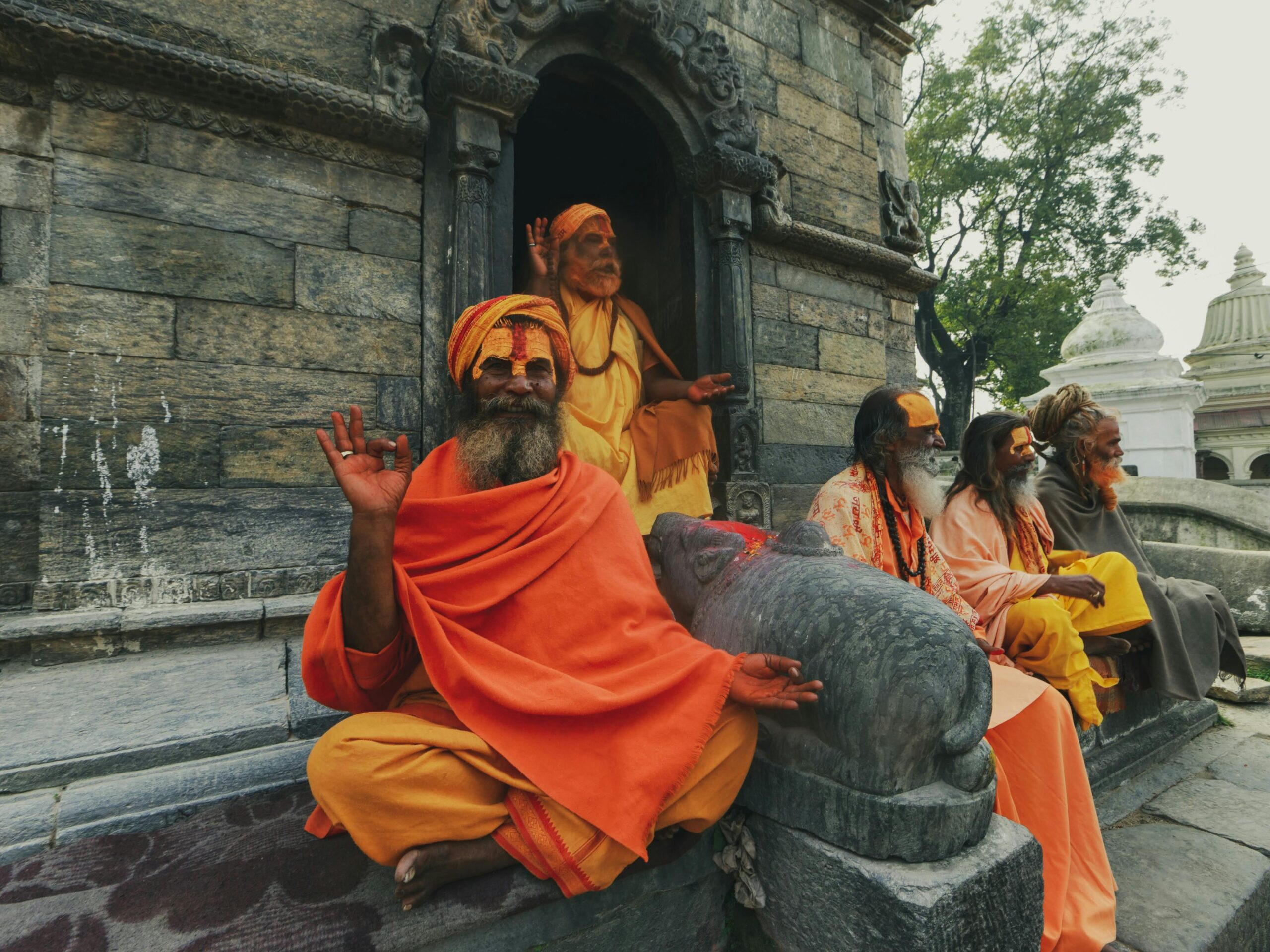
- Watch sadhus with ash-covered bodies (explain these are holy men)
- Buy small religious items (rudraksha beads, small brass deities)
- Try safe street food from busy vendors (hot jalebis, fresh samosas)
For Adults:
- Attend spiritual discourses at various ashrams
- Visit the historical Akshayavat (immortal banyan tree) at the fort
- Explore different camp sectors seeing varied architectural styles
- Engage with pilgrims from across India—incredible conversations
Return to camp by 5 PM. Rest before dinner. Pack belongings tonight—tomorrow you depart for Varanasi.
Day 3: Journey to Varanasi – The Eternal City Beckons
Morning (7:00 AM – 10:00 AM): Departure from Prayagraj
Have breakfast and check out. Your private car departs by 10 AM. The 130-kilometer drive to Varanasi takes approximately 2.5-3 hours.
Family car entertainment:
- Play spiritual music or devotional songs
- Discuss yesterday’s Sangam experience—what did everyone feel?
- Read stories about Varanasi’s history
- Play simple car games with children
- Stop midway for bathroom breaks and snacks (driver knows good stops)
Afternoon (1:00 PM – 4:00 PM): Varanasi Arrival and Settling
Arrive at your Varanasi hotel. For families, I recommend Assi Ghat area (quieter, family-friendly) or hotels in Cantonment area (modern amenities, easier vehicle access, 15-20 minutes from main ghats).
Check in, have lunch, and rest for 2-3 hours. Travel fatigue with children requires this recovery time. Unpack, shower, maybe nap.
Evening (4:30 PM – 8:00 PM): First Ghat Experience and Ganga Aarti
Take the family for a late afternoon walk along the ghats. Start from Assi Ghat if staying nearby, or have your car drop you at Dashashwamedh Ghat.
Walk slowly along the riverfront. Let children observe everything—people bathing, priests conducting individual pujas, chai vendors, flower sellers, the constant flow of pilgrims. Stop at small temples along the way. This walk is sensory education—sights, sounds, smells of ancient Varanasi.
Arrive at Dashashwamedh Ghat by 6 PM to secure a good viewing spot for the 7 PM Ganga Aarti. Family option: Book a private boat (₹1,000-1,500 for family) for 6:30-8:00 PM. Watching from the river gives children better visibility, avoids crowd crush, and provides more comfortable experience for elderly members.
The synchronized aarti with seven priests, massive fire lamps, bells, and conch shells captivates children while moving adults spiritually. Explain the symbolism to children—the fire honors the river that gives life.
After aarti, walk back to your hotel or take a rickshaw. Have dinner and rest—tomorrow is an early start.
Day 4: Varanasi Deep Dive – Temples, Boats, and Buddha
Early Morning (5:00 AM – 8:00 AM): Sunrise Boat Ride
Wake the family at 4:30 AM (easier than Day 2 because hotel beds are more comfortable than Magh Mela camps). Meet your pre-booked private family boat at the nearest ghat by 5 AM.
As your boat glides along the misty Ganges, Varanasi awakens. This 90-minute ride shows children the entire ghat spectrum—from devotional bathing to cremation activities (handle this sensitively with children—explain as the Hindu way of honoring death).
Family activity: Give each family member a task during the boat ride—one counts temples, another identifies different types of ghats, another spots interesting people or activities. This engagement helps children stay focused during the long ride.
Morning (8:30 AM – 12:00 PM): Kashi Vishwanath and Temple Circuit
After the boat ride, have breakfast at a ghat-side restaurant. Then walk to Kashi Vishwanath Temple.
Important for families: The temple has strict security. No phones, cameras, or bags beyond small pouches. Have one adult remain outside with children’s belongings while the other adults rotate taking older children (8+ years) inside for darshan. Very young children (under 5) may find the crowds frightening—consider having one parent wait outside with them.
After Kashi Vishwanath, visit child-friendly temples:
- Sankat Mochan Hanuman Temple: Children love Hanuman stories—tell them tales while you’re here
- Durga Temple: The red temple with resident monkeys fascinates kids (watch belongings—monkeys snatch things!)
- Tulsi Manas Temple: Beautiful, less crowded, good for family photos
Afternoon (12:00 PM – 4:00 PM): Rest and Hotel Time
Return to hotel for lunch and extensive rest. Consider using the hotel pool if available—children need physical activity outlets. This downtime is non-negotiable for family harmony.
Evening (4:00 PM – 7:00 PM): Sarnath – Where Buddha Taught
Hire a car to Sarnath (10 km from Varanasi, ₹600-800 round trip including waiting time). This Buddhist pilgrimage site offers peaceful contrast to Varanasi’s intensity.
Family-friendly highlights:
- Walk around the massive Dhamek Stupa—children can try to circle it hand-in-hand
- Visit the beautiful Japanese temple with its serene gardens
- Archaeological Museum (closed Fridays) with the famous Lion Capital—great for photography
- Meditation under the Bodhi tree—even 5 minutes of family silent sitting is powerful
Children often respond beautifully to Sarnath’s peace after Varanasi’s intensity. The open spaces and manageable walking make it elderly-friendly too.
Return to Varanasi by 7 PM. Have dinner at a good restaurant (try authentic Banarasi cuisine at places like Baati Chokha, Kashi Chat Bhandar, or your hotel restaurant).
Day 5: Final Blessings and Departure
Morning (6:00 AM – 10:00 AM): Final Ghat Moments
Wake at your family’s natural pace—no alarm necessary. Take a final walk to your favorite ghat. Let everyone have a personal moment with the Ganges—offer private prayers, collect a final bottle of Gangajal, or simply sit on the ancient steps watching the eternal river flow.
Family closing ritual: Gather in a quiet spot on the ghat. Hold hands in a circle. Each family member shares one word describing what this pilgrimage meant to them. This simple practice creates powerful closure and shared memory.
Return to hotel, have breakfast, check out by 10:30 AM.
Departure (11:00 AM onwards)
Your private car takes the family to Varanasi airport (30 minutes) or train station (15 minutes) based on your onward travel plans.
Family-Specific Practical Considerations
Age-Appropriate Planning
Families with Toddlers/Young Children (0-5 years):
- Choose luxury/standard camps (attached bathrooms essential)
- Bring portable potty seat, wet wipes, hand sanitizer
- Bring familiar snacks from home
- Plan extra rest time between activities
- Consider baby carrier or lightweight stroller (limited use but helpful)
- Don’t overschedule—less is more with this age
Families with School-Age Children (6-12 years):
- Involve them in planning—let them research one temple or tradition
- Give them small responsibilities (carrying water bottles, distributing prasad)
- Educational framing—make it an adventure, not just religious obligation
- Allow some flexibility for their interests
- Document journey through their eyes (give them disposable cameras)
Families with Teenagers (13-18 years):
- Respect their need for some independence within safe boundaries
- Engage them in deeper conversations about philosophy and tradition
- Allow photography time—they’ll share on social media (set boundaries)
- Give them journal time to process experiences privately
- Acknowledge the early mornings are hard for them but important
Families with Elderly Members (65+ years):
- Prioritize comfort over budget—they need good beds, bathrooms, temperature control
- Build in rest days or half-days
- Choose accommodations with elevators if possible
- Hire wheelchairs if needed (available at most sites)
- Have medications easily accessible
- Consider medical insurance
- Be willing to split up—some visit temples while others rest
Budget Breakdown for Family of 4 (Mid-Range Package)
Accommodation (4 nights):
- Magh Mela standard camp: ₹5,000 × 2 nights × 2 rooms = ₹20,000
- Varanasi 3-star hotel: ₹4,000 × 2 nights × 2 rooms = ₹16,000
- Total: ₹36,000
Transportation:
- Private car Prayagraj-Varanasi: ₹5,000
- Local sightseeing cars: ₹3,000
- Boat rides (private family boats): ₹4,000
- Total: ₹12,000
Meals:
- Breakfast included in accommodation
- Lunch/Dinner: ₹2,000 × 4 people × 4 days = ₹32,000
- Total: ₹32,000
Experiences:
- Temple donations and offerings: ₹2,000
- Sarnath entry and guide: ₹1,500
- Shopping and miscellaneous: ₹5,000
- Total: ₹8,500
Guide Services (optional but recommended):
- Half-day guides at major sites: ₹6,000
- Total: ₹6,000
Grand Total: ₹94,500 for family of 4
Add 15-20% buffer for unexpected expenses.
Safety Tips for Families
Before Leaving Camp/Hotel Each Day:
- Everyone uses bathroom
- Water bottles filled
- Snacks packed
- Medications in bag
- Contact information in everyone’s pockets
- Photo of group taken (to show authorities if someone gets lost)
During Outings:
- Buddy system always
- Children wear bright distinctive clothing
- Establish “if lost” protocol
- Adults carry small first-aid kit
- Keep copy of hotel/camp contact readily accessible
Health Precautions:
- Only bottled water for everyone
- Hand sanitizer before every meal
- Children wash hands after touching anything
- Adults monitor what children eat
- Know location of nearest hospital at each destination
Booking Your Family Package
DIY vs. Tour Operator:
Book Yourself If: You’re experienced with India travel, enjoy planning, want maximum flexibility, comfortable handling logistics.
Use Tour Operator If: First-time visitors, want hassle-free experience, traveling with very young children or elderly members, prefer fixed costs.
Reputable Tour Operators:
- Magh Mela and Kumbh Mela Specialists (various operators emerge each season—research reviews)
- UP Tourism (government packages, reliable if basic)
- Luxury travel companies like Cox & Kings, Thomas Cook (expensive but full-service)
Booking Timeline:
- 3 months before: Book Magh Mela camps and hotels
- 2 months before: Arrange transportation, book tour operator if using
- 1 month before: Confirm all bookings, arrange travel insurance
- 2 weeks before: Final confirmations, prepare children
Making It Meaningful for Children
Pre-Trip Preparation:
- Read age-appropriate stories about Ganga, Varanasi, and Hindu traditions
- Watch family-friendly videos about the destinations
- Let them help pack their own bag
- Create anticipation—”countdown to pilgrimage”
During Trip:
- Daily journaling or drawing
- Collect small mementos (flowers from aarti, stones from ghats, prasad)
- Take family photos at each major site
- Teach them simple prayers or mantras
- Let them make small offerings at temples
Post-Trip:
- Create a family pilgrimage album together
- Let children present their experience to extended family/at school
- Frame the best family photo from the trip
- Use Gangajal for special occasions at home, explaining its significance
- Plan next year’s pilgrimage (creates tradition)
Conclusion
A Prayagraj Magh Mela to Varanasi family tour package offers infinitely more than sightseeing—it’s an investment in your family’s spiritual foundation, cultural identity, and shared memory. In a world of increasing disconnection, this journey creates sacred time together, away from screens and routines, focused on what truly matters.
Yes, it requires planning. Yes, it demands patience with early mornings, crowds, and the inevitable challenges of family travel. But the rewards—watching your child’s wonder at sunrise over the Ganges, seeing three generations bathe together at the sacred Sangam, hearing elderly parents’ prayers for the family’s well-being, experiencing India’s living spiritual heritage as a family unit—these moments become treasures that compound in value over time.
This isn’t just a trip you take. It’s a legacy you create.
May your family pilgrimage be blessed with safe travels, harmonious togetherness, profound spiritual experiences, and memories that nourish your family for generations to come.
Frequently Asked Questions (FAQ)
Q1: What is the best age for children to appreciate this pilgrimage?
A: Children ages 7-15 get the most from this experience—old enough to remember it vividly, participate meaningfully in rituals, and absorb the cultural significance, yet young enough to remain open and wonder-filled rather than cynical. That said, families successfully bring children of all ages. Infants/toddlers (0-3) require significant parental energy but travel well if you maintain routines and choose comfortable accommodations. Preschoolers (4-6) enjoy the adventure and spectacle even if philosophical understanding is limited. Teenagers (16-18) can deeply engage if properly prepared and given some independence. My recommendation: If you have children spanning multiple age groups, don’t wait until the youngest is “old enough”—take the older ones now. The pilgrimage can be repeated as younger siblings grow, creating a family tradition rather than a one-time event.
Q2: How do we handle the Sangam bath with young children who are afraid of water or can’t swim?
A: The Sangam bath for children who are fearful or unable to swim should be adapted, not forced. Hindu tradition recognizes the intention and participation, not the technical execution, as what matters spiritually. Safe approaches: (1) Book a private family boat positioned at Sangam—children remain in boat while parents dip, then parents gently pour Sangam water over children’s heads as blessing (fully valid religiously), (2) Wade into shallow water at ghat’s edge where water is ankle-deep, have children stand there while you sprinkle water over them, (3) If child is willing, an adult holds them securely in chest-deep water for a brief dip—safety absolutely first, (4) For babies/toddlers, parents bathe while holding them securely. Never force: A traumatic experience creates negative associations with spirituality. A gentle, safe participation creates positive foundation. Many families do multiple Sangam visits—a fearful child on Day 1 often gains confidence watching family members and willingly participates on Day 2. The divine doesn’t demand proof of bravery from children—loving participation is enough.
Q3: What if someone in our family falls sick during the trip—are there good medical facilities?
A: Both Prayagraj during Magh Mela and Varanasi have adequate to good medical facilities, but preparation is crucial. At Magh Mela: Multiple temporary medical camps operate throughout the mela ground with doctors handling common issues (diarrhea, dehydration, fever, minor injuries). Luxury camps often have a doctor on call. For serious emergencies, Prayagraj city hospitals include Swarup Rani Nehru Hospital and Motilal Nehru Medical College. In Varanasi: Several quality hospitals include Heritage Hospital (best), Shiv Prasad Gupta Hospital, and Banaras Hindu University’s Sir Sunderlal Hospital. Most hotels have doctor-on-call services. Prevention strategy: (1) Bring comprehensive first-aid kit with all family members’ regular medications plus extras (anti-diarrheal, ORS, pain relievers, fever reducers, antibiotics if your doctor prescribes emergency course), (2) Travel insurance covering India is essential—verify it covers both cities, (3) Keep list of nearest hospitals and their phone numbers, (4) Inform hotel/camp staff immediately if someone is unwell—they can arrange doctors quickly, (5) Don’t hesitate to seek care—”powering through” illness, especially with children, often makes it worse. Budget ₹5,000-10,000 as emergency medical buffer in your trip budget.
Q4: Can we customize the tour to include Ayodhya for our Ram-devotee family?
A: Absolutely! Adding Ayodhya creates a powerful three-city spiritual circuit. 7-8 Day Itinerary including Ayodhya: Days 1-2 Prayagraj (Magh Mela and Sangam), Day 3 travel to Ayodhya (165 km, 3-4 hours), Days 4-5 Ayodhya (Ram Janmabhoomi, Hanuman Garhi, Kanak Bhawan, Saryu River aarti), Day 6 travel to Varanasi (210 km, 4-5 hours), Days 7-8 Varanasi comprehensive experience. Why families love adding Ayodhya: (1) Children deeply connect with Ramayana stories brought to life, (2) The newly inaugurated Ram Mandir is architecturally stunning, (3) Ayodhya’s atmosphere is gentler than Varanasi’s intensity—provides nice balance, (4) Saryu River aarti is beautiful and less crowded than Ganga aarti, (5) Completes the narrative arc: purification (Sangam), dharma/righteousness (Ayodhya), liberation (Kashi). Additional costs: Add ₹25,000-40,000 to your package for 2 extra nights accommodation, additional transportation (car rental another day), meals, and Ayodhya sightseeing. Most tour operators can easily incorporate this. If DIY booking, Ayodhya has improved hotel options post-Ram Mandir inauguration—book 3-star properties for family comfort (₹3,000-6,000/night for family rooms).
Q5: Is it better to start in Prayagraj or Varanasi for this family tour?
A: Start in Prayagraj (recommended for most families): This sequence—Magh Mela first, then Varanasi—works best because (1) Timing flexibility: If visiting during Magh Mela season, you’ll want to align with specific auspicious Sangam bathing dates. Starting in Prayagraj ensures you don’t miss your intended date, (2) Intensity management: Magh Mela is intense but time-limited (2 days typically). Getting this done first, then moving to Varanasi for a more relaxed exploration works psychologically better for families, (3) Comfort progression: Magh Mela camps, even good ones, are less comfortable than hotels. Going from camps to hotels feels like progression; reverse feels like regression (children especially notice this), (4) Energy levels: Families are fresh at the trip’s start—better for handling Magh Mela’s demands. By the time you reach Varanasi, you’re in pilgrimage mode and ready for deeper temple experiences. Start in Varanasi (alternative): Consider this if (1) You’re flying internationally into Varanasi (better airport), (2) No specific Magh Mela date targets you, (3) You want to acclimate to India gradually in better hotel comfort before camp experience, (4) Elderly family members need a gentler introduction before Magh Mela intensity. Either works spiritually—the sacred experiences are equally powerful regardless of sequence. Choose based on logistics and your family’s comfort priorities.