
Prayagraj Tour Package Accommodation and Packages , Have you ever imagined what it would be like to witness millions of devotees converging at the sacred confluence, creating a temporary city that emerges and dissolves like a spiritual mirage? Welcome to Magh Mela, one of India’s most profound religious gatherings that transforms the banks of the Triveni Sangam into a living tapestry of faith, tradition, and devotion.
Magh Mela isn’t just another festival—it’s a month-long celebration of spirituality that occurs annually in Prayagraj during the Hindu month of Magh (January-February). While the Kumbh Mela captures international headlines every twelve years, Magh Mela quietly maintains its sacred status as an annual pilgrimage that draws seekers from across India and beyond. This comprehensive guide will help you navigate accommodation options and tour packages, ensuring your Magh Mela experience is both spiritually enriching and practically comfortable.
Understanding Magh Mela: Dates and Duration
When Does Magh Mela Take Place?
Magh Mela follows the Hindu lunar calendar, typically beginning on Makar Sankranti (mid-January) and continuing until Maha Shivaratri (late February or early March). The festival spans approximately 45 days, during which devotees set up temporary camps along the riverbanks, living in ascetic simplicity while engaging in daily ritual baths and spiritual practices.
For 2026, Magh Mela is expected to commence around January 14th and continue through late February. The exact dates are determined by astrological calculations, so checking with the Mela administration or reliable tour operators closer to the time is advisable for precise information.
Key Bathing Dates (Shahi Snan)
Not all days during Magh Mela hold equal significance. Specific dates called “Shahi Snan” (royal baths) are considered particularly auspicious for taking a dip at the Sangam. These dates witness maximum crowds as the spiritual merit believed to be gained on these days is exponentially higher.
The most important bathing dates typically include Makar Sankranti, Paush Purnima, Mauni Amavasya, Basant Panchami, Maghi Purnima, and Maha Shivaratri. Mauni Amavasya, the new moon day during Magh, is the most significant, drawing the largest crowds. On this day, taking a ritual bath while observing silence (maun) is believed to purify the soul and wash away sins accumulated over lifetimes.
Duration and Monthly Celebrations
What makes Magh Mela unique is its extended duration. Unlike one-day festivals, this month-long observance allows visitors to choose their participation level. Some devotees, called “Kalpwasis,” spend the entire month living in tents by the riverbank, bathing daily at sunrise and observing strict spiritual disciplines.
For most visitors, spending 2-5 days during Magh Mela provides a comprehensive experience without the commitment of an entire month. Tour packages are typically designed around these shorter durations, allowing you to witness the main rituals, experience the atmosphere, and explore Prayagraj’s other attractions.
Why Visit Magh Mela?
Spiritual Significance
The spiritual magnetism of Magh Mela lies in its location—the Triveni Sangam, where three sacred rivers merge. Hindu scriptures proclaim that bathing here during the month of Magh multiplies spiritual benefits manifold. The Puranas (ancient texts) describe this period as particularly favorable for spiritual practices, meditation, and charitable acts.
Beyond the ritual baths, Magh Mela offers opportunities to listen to spiritual discourses by revered saints, participate in mass prayers, and immerse yourself in an atmosphere charged with devotional energy. The collective faith of millions creates a palpable spiritual current that many describe as transformative.
Cultural Experience
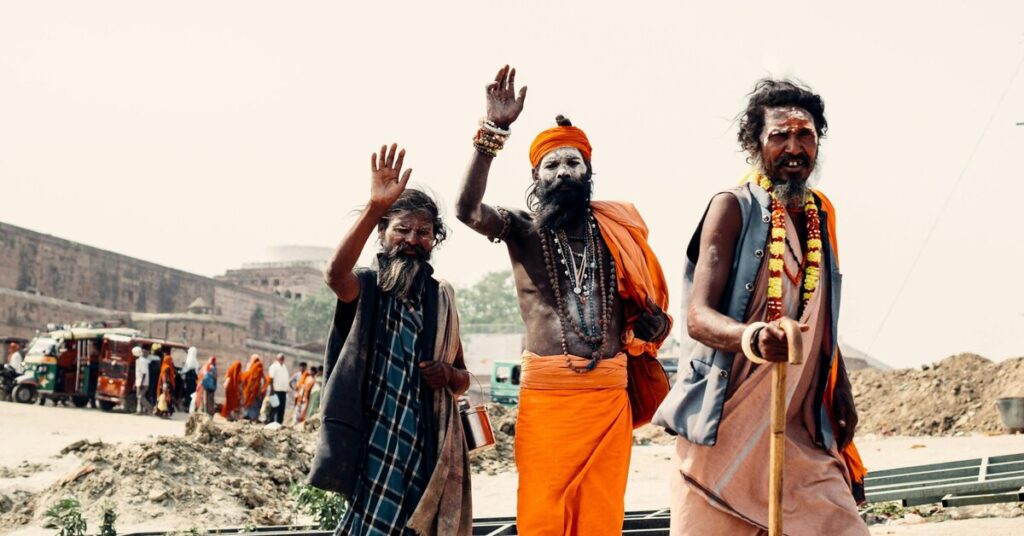
Magh Mela is a cultural anthropologist’s dream. Where else can you witness the diversity of Indian spiritual traditions in one place? From the ash-smeared Naga Sadhus to scholarly pundits, from simple village devotees to urban spiritual seekers—everyone congregates with a common purpose.
The temporary tent city that emerges includes makeshift temples, community kitchens (langars) serving free meals to thousands, stages hosting classical music performances, and pathshalas (study centers) conducting spiritual discussions. Walking through the Mela grounds feels like stepping into a different era, where modern conveniences coexist with timeless traditions.
Difference Between Magh Mela and Kumbh Mela
Many people confuse Magh Mela with Kumbh Mela, so let’s clarify the distinction. Magh Mela occurs annually, while Kumbh Mela follows a twelve-year cycle (with a smaller Ardh Kumbh every six years). The Kumbh Mela is significantly larger—the 2019 Kumbh attracted over 150 million visitors, while Magh Mela typically draws 10-15 million devotees over its entire duration.
Think of Magh Mela as the annual gathering of a spiritual family, while Kumbh Mela is the grand reunion that happens once in a generation. Both occur at the same location (Triveni Sangam) and share similar rituals, but Kumbh Mela’s scale is unprecedented. For those seeking a profound spiritual experience without the overwhelming crowds of Kumbh, Magh Mela offers the perfect alternative.
Types of Accommodation Available During Magh Mela
Luxury Tent Accommodations
Yes, you read that right—luxury and tent in the same sentence! Modern Magh Mela tour operators have elevated camping to an art form, offering Swiss-style luxury tents that rival five-star hotel rooms. These accommodations feature proper beds with quality mattresses, attached bathrooms with hot water showers, air heating systems, elegant furnishings, and even air conditioning in some cases.
Luxury tents are set up in exclusive camps managed by premium tour operators, located strategically close to the Sangam yet away from the most congested areas. These camps create a tranquil oasis where you can retreat after experiencing the festival’s intensity. Imagine returning from a dawn bath at the Sangam to a warm tent with fresh towels, followed by a gourmet breakfast—this is the luxury tent experience.
The ambiance in these camps often includes landscaped pathways, sitting areas, dining tents serving multi-cuisine meals, and common spaces where guests can interact. Some operators arrange cultural programs, inviting classical musicians and spiritual speakers exclusively for their guests.
Swiss Cottage Tents
Swiss cottage tents represent the mid-luxury category—more spacious than standard tents but not as opulent as premium luxury options. These typically feature double or twin beds, attached or shared bathroom facilities with running water, basic heating arrangements, and adequate lighting.
The construction quality is substantial, with weatherproof materials that protect against cold January winds and occasional rain. Many Swiss cottage tents include a small sitting area with chairs, allowing you to relax outside your sleeping quarters while still having privacy within your camp boundaries.
Standard Camps
Standard camps offer comfortable, no-frills accommodation suitable for most pilgrims. These tents provide basic sleeping arrangements with cots or mattresses on the floor, shared bathroom facilities, and communal dining areas. While not luxurious, they’re clean, functional, and provide essential shelter.
Standard camps are erected by the Mela administration and various tour operators, offering significantly lower rates than premium options. They’re ideal for travelers prioritizing the spiritual experience over accommodation comfort or those seeking authentic immersion in the traditional Mela atmosphere.
Budget Dormitory Options
For budget-conscious travelers or backpackers, dormitory-style accommodations provide the most economical option. These large tents house multiple people (10-20 or more) on basic cots with shared bathroom facilities located nearby. Privacy is minimal, but the camaraderie among fellow pilgrims often compensates, creating opportunities for cultural exchange and friendship.
The Mela administration sets up extensive dormitory facilities offering accommodation at nominal rates or sometimes on a donation basis. Religious organizations and trusts also establish temporary housing for pilgrims, operating on charitable principles.
Hotels in Prayagraj City
If camping isn’t your style, numerous hotels in Prayagraj city proper offer comfortable alternatives. Staying in the city provides access to better amenities, consistent hot water, reliable electricity, and established dining options. However, you’ll need to commute daily to the Mela grounds—a journey that can take 45 minutes to 2 hours depending on traffic and your hotel’s location.
Hotels range from budget lodges at ₹800-1,500 per night to upscale properties at ₹4,000-10,000 per night. During Magh Mela, room rates increase by 20-50%, and availability becomes limited, especially around major bathing dates. Advance booking is essential.
Dharamshalas and Ashrams
Dharamshalas (pilgrim rest houses) and ashrams offer another accommodation avenue, particularly for those seeking a more austere, spiritually-focused stay. These establishments, often run by religious trusts, provide basic rooms at minimal cost or on donation basis.
Facilities are simple—clean rooms with cots, shared bathrooms, and vegetarian meals available in community dining halls. The advantage lies in the spiritual atmosphere and opportunities to participate in daily prayers, meditation sessions, and spiritual discourses conducted by resident saints or teachers.
Premium Magh Mela Tour Packages
What’s Included in Premium Packages
Premium Magh Mela packages are designed for discerning travelers who want comprehensive spiritual experiences without compromising comfort. These all-inclusive packages typically cover luxury tent accommodation, all meals (breakfast, lunch, dinner, and tea), guided tours to the Sangam for ritual baths on auspicious dates, private boat rides at the confluence, evening aarti attendance, sightseeing tours of Prayagraj’s historical monuments, and dedicated staff assistance.
Some premium operators go beyond basics, including yoga and meditation sessions with experienced instructors, spiritual discourses by renowned saints, cultural performances showcasing classical music and dance, and even Ayurvedic wellness treatments. Transportation from airport/railway station to camp and return is standard in premium packages, along with all internal transfers in comfortable vehicles.
Luxury Camp Facilities
The best luxury camps during Magh Mela rival boutique hotels in amenities. Common facilities include a multi-cuisine dining tent serving buffet meals prepared by professional chefs, 24-hour hot water supply, clean Western-style toilets and modern bathing facilities, generator backup ensuring uninterrupted electricity, Wi-Fi connectivity (though speeds may be limited), laundry services, medical assistance on standby, and security personnel ensuring guest safety.
The social spaces in luxury camps are equally impressive—comfortable lounge areas with seating arrangements, bonfires in the evenings where guests gather to share experiences, and well-maintained landscaped surroundings. The attention to detail in these camps transforms what could be rustic camping into a refined experience that honors both tradition and comfort.
Price Range and Booking
Premium Magh Mela packages come with premium pricing. Expect to pay ₹25,000-50,000 per person for a 3-4 day package, with prices varying based on accommodation type, room sharing, and included activities. Longer stays or single occupancy increases costs proportionally.
The investment, however, provides peace of mind. Reputable operators handle all logistics—no worrying about booking boat rides, finding guides, or navigating the Mela’s maze-like layout. You simply show up and immerse yourself in the spiritual journey while professionals manage practical details.
Booking should ideally occur 3-6 months in advance, especially for stays around major bathing dates. The best camps and operators fill up quickly, and last-minute bookings might mean settling for less desirable options or paying premium prices. Direct booking through operator websites or reputable travel agencies ensures authenticity and reduces scam risks.
Mid-Range Magh Mela Packages
Features and Amenities
Mid-range packages strike a balance between comfort and affordability, making Magh Mela accessible to average travelers. These packages typically include Swiss cottage tent accommodation with attached or nearby bathroom facilities, three vegetarian meals daily, guided morning visits to the Sangam on key dates, shared boat rides for the holy bath, and basic sightseeing of Prayagraj.
While not as lavish as premium options, mid-range camps maintain good standards of cleanliness and organization. You’ll have a proper bed, adequate blankets for cold nights, functional bathrooms with reasonable water supply, and decent vegetarian food. The dining is typically buffet-style with Indian meals, possibly including some continental options.
Cost-Effective Options
Mid-range packages generally cost ₹10,000-20,000 per person for 3-4 days, making them accessible to middle-class families and independent travelers. This pricing includes accommodation, meals, and essential activities, though additional excursions or special services incur extra charges.
Many mid-range operators offer flexible packages where you can choose specific dates, add or remove days, or upgrade certain elements (like switching from shared to private tent, adding air conditioning, or including extra sightseeing). This flexibility allows you to customize within budget constraints.
Group bookings often attract discounts—families or friends traveling together can negotiate better rates. Some operators offer early-bird discounts for bookings made 4-6 months in advance, potentially saving 10-20% on package costs.
Budget-Friendly Magh Mela Packages
Economical Accommodation Choices
Budget packages focus on essentials—providing shelter, basic meals, and access to the Sangam without frills. Accommodation is typically in standard tents or dormitories with shared facilities. Bathrooms are communal, meals are simple vegetarian fare, and amenities are minimal.
However, “budget” doesn’t mean “uncomfortable.” Many budget operators maintain good hygiene standards and provide adequate bedding. The experience is more rustic and communal, similar to traditional pilgrimage accommodations that have existed for centuries.
Group Tour Options
Budget packages shine when booked as group tours. Many religious organizations, cultural societies, and travel clubs organize group pilgrimages to Magh Mela, offering incredibly affordable rates through bulk bookings. These packages might cost ₹3,000-8,000 per person for 3-4 days, including basic accommodation, simple meals, and group transportation.
The advantage of group tours extends beyond cost savings. Traveling with a community provides safety, social interaction, and often enhanced spiritual experiences as the group participates in rituals together. Many groups conduct daily prayer sessions, group meditations, and spiritual discussions that enrich the pilgrimage.
For solo travelers on tight budgets, joining such groups offers an economical way to experience Magh Mela while meeting like-minded individuals. Check with local spiritual centers, temple communities, or online travel forums for information about organized group tours.
What to Expect in Magh Mela Camps
Facilities and Amenities
Facilities vary dramatically based on your package level, but certain basics are consistent across categories. All registered camps provide sleeping arrangements (quality varies), access to bathroom facilities (shared or attached), basic security, and meal provisions.
The Mela administration establishes infrastructure including water supply points, electricity connections, medical centers, police posts, fire safety measures, and designated pathways. Better camps tap into these utilities efficiently, while basic camps might experience occasional shortages during peak periods.
Lighting in camps ranges from bright LED systems in luxury setups to basic bulbs in budget accommodations. Most camps have generator backup, though the reliability varies. Luxury camps maintain 24/7 electricity, while budget options might have limited evening power supply.
Food and Dining Arrangements
Food at Magh Mela is strictly vegetarian, respecting the sacred nature of the pilgrimage. Luxury camps serve elaborate buffets with Indian, continental, and Chinese options, prepared hygienically with purified water. Mid-range camps offer simpler buffets focusing on North Indian cuisine—rotis, rice, dal, vegetables, and curd.
Budget accommodations typically serve basic meals of rice, dal, one vegetable, and chapatis—simple but nutritious. Some camps include breakfast (usually tea, bread, and sometimes parathas), while others charge separately for morning meals.
Many pilgrims prefer eating at the community langars (free kitchens) established throughout the Mela grounds by various organizations. These langars serve simple, sattvic (pure) vegetarian meals to anyone who comes, embodying the spirit of seva (selfless service). Eating at langars is a spiritual experience in itself, though hygiene standards vary.
Booking Your Magh Mela Package: Tips and Tricks
When to Book
Timing your booking strategically can save money and ensure better options. The ideal booking window is 3-6 months before Magh Mela begins. This period offers maximum availability and standard pricing. Luxury camps and reputable operators get booked earliest, especially for dates around Mauni Amavasya.
Booking 6+ months in advance might get you early-bird discounts, while last-minute bookings (within 1-2 months) face limited availability and inflated prices. However, if your dates are flexible and you’re open to various accommodation types, sometimes last-minute deals emerge as operators try to fill remaining capacity.
Avoid booking during the final 2-3 weeks before major bathing dates—this is when scam operators emerge, promising accommodations that don’t exist or delivering far less than advertised.
Verified Operators and Agencies
The growth of Magh Mela tourism has unfortunately attracted fraudulent operators. Protect yourself by booking through verified sources. Look for operators with established websites, physical office addresses, clear contact information, customer reviews on multiple platforms, social media presence with regular updates, and preferably, recognition from Uttar Pradesh Tourism or Magh Mela administration.
Request detailed package documentation clearly listing what’s included and excluded, accommodation specifics, meal details, and cancellation policies. Legitimate operators provide comprehensive documentation and answer questions patiently. Be wary of operators demanding full payment months in advance or offering prices significantly lower than market rates—if it seems too good to be true, it probably is.
Personal recommendations from people who’ve previously attended Magh Mela are invaluable. Online forums, travel communities, and social media groups dedicated to Prayagraj tourism can provide insights and operator recommendations.
What to Look for in Package Details
Read package descriptions carefully, focusing on specifics rather than promotional language. Key details to verify include exact accommodation type (don’t accept vague terms like “deluxe tent”—ask for tent dimensions, facilities, sharing basis), meal inclusions (how many meals, what’s included, dietary accommodations), proximity to Sangam (distance matters—being 5 km away versus 500 meters significantly impacts your experience), bathroom facilities (attached or shared, Western or Indian style), and transportation coverage.
Also clarify pick-up/drop-off arrangements, whether guides are provided for Sangam visits, if boat rides are included or extra, what sightseeing is covered, and cancellation/refund policies. Understanding these details upfront prevents disappointment and additional unexpected costs during your visit.
Location Guide: Where to Stay During Magh Mela
Proximity to Sangam
Location is paramount during Magh Mela. The closer your camp is to the Triveni Sangam, the more convenient your daily ritual baths become. However, proximity comes with trade-offs—closer camps face more noise, congestion, and limited space, while distant camps offer tranquility but require longer walks or vehicle transfers.
The prime locations are along the riverbanks directly facing the Sangam, within 500 meters to 1 kilometer. These spots provide easy morning access and maintain the authentic Mela atmosphere. Luxury operators secure these prime locations early, sometimes establishing relationships with land authorities years in advance.
Mid-range camps are typically located 1-3 kilometers from the Sangam—close enough for manageable walks but far enough to be slightly less congested. Budget camps and administrative accommodations spread further, sometimes 3-5 kilometers away, though free shuttle services often bridge the distance during major bathing dates.
Different Sectors and Areas
The Magh Mela grounds are divided into numbered sectors, each with distinct characteristics. Sectors closer to the main bathing ghats house premium camps and administrative facilities. Peripheral sectors accommodate budget camps, parking areas, and support infrastructure.
Understanding sector divisions helps in choosing packages. Ask your operator which sector your camp is located in, then research its distance from key points like the Sangam, medical centers, and main thoroughfares. Some sectors have better internal infrastructure (paved paths, lighting) while others remain more rustic.
The areas across the rivers (trans-Ganga and trans-Yamuna regions) also host camps, connected by pontoon bridges constructed specifically for Magh Mela. These areas are generally less crowded but require crossing bridges to reach the main Sangam area—an consideration for elderly travelers or those with mobility limitations.
Activities Included in Tour Packages
Guided Tours and Rituals
Quality tour packages go beyond mere accommodation, offering guided experiences that deepen your understanding. Expert guides accompany you to the Sangam, explaining the significance of rituals, proper bathing procedures, and the spiritual history of the confluence. They help you navigate crowds safely and ensure you reach the exact meeting point of the rivers.
Some packages include puja (worship ceremony) arrangements performed by experienced priests on your behalf. These customized rituals address specific intentions—seeking blessings for family, prosperity, health, or spiritual advancement. The priest conducts the ceremony at the Sangam using traditional methods while you participate under guidance.
Boat Rides at Triveni Sangam
Boat rides are central to the Magh Mela experience—taking you to the precise confluence point where visible color differences between the Ganges and Yamuna create a stunning visual. Most packages include at least one boat ride, typically on a major bathing date.
Private boat rides (included in premium packages) allow you to choose your timing and duration, avoiding rushed shared boat experiences. The boatmen, often multi-generational residents whose families have plied these waters for centuries, share fascinating stories and local legends as they row.
Evening Aarti Ceremonies
The evening Ganga Aarti at various ghats during Magh Mela creates unforgettable memories. As dusk falls, priests in traditional attire perform synchronized rituals with large brass lamps, creating mesmerizing patterns against the darkening sky. The air fills with devotional songs, bell chimes, and the collective chanting of thousands.
Many packages include organized attendance at these ceremonies, with reserved viewing spots ensuring you don’t get lost in crowds. Some luxury operators arrange private aarti ceremonies within their camps, offering intimate spiritual experiences complementing the public celebrations.
Sightseeing Beyond the Mela
Comprehensive packages incorporate sightseeing in Prayagraj beyond the Mela grounds. Common inclusions are visits to Allahabad Fort with its ancient Ashoka Pillar, Anand Bhawan (Nehru family museum), Hanuman Mandir with its unique reclining deity, Khusro Bagh with Mughal-era tombs, and the All Saints Cathedral.
These excursions provide cultural and historical context to your spiritual journey, revealing Prayagraj’s multifaceted identity. They also offer welcome breaks from the intensity of the Mela grounds, diversifying your experience.
Essential Packing List for Magh Mela
Packing appropriately enhances your Magh Mela comfort significantly. Clothing-wise, bring layered clothing for variable temperatures—mornings and evenings are cold (5-10°C) while afternoons warm up (20-25°C). Pack thermal innerwear, warm jackets, comfortable walking shoes, a pair of flip-flops for bathing, modest traditional clothing for temple visits, and at least one set of clothes designated for your ritual bath (cotton clothes that dry quickly).
Essential items include a good-quality flashlight (paths can be dark), power bank for charging devices, basic first-aid kit, personal medications, sunscreen and lip balm, hand sanitizer and wet wipes, reusable water bottle, small backpack for daily excursions, copies of important documents (ID proof, package booking confirmation), and modest cash in small denominations.
Optional but recommended items include a portable solar charger, earplugs (camps can be noisy), sleeping bag liner for extra warmth, quick-dry towel, and a journal to record your experiences and insights.
Health and Safety Considerations
Health preparations prevent issues from derailing your spiritual journey. Consult your doctor about recommended vaccinations and carry prescribed medications with copies of prescriptions. Pack anti-diarrheal medication, pain relievers, antiseptic cream, and any personal health supplies you regularly use.
Stay hydrated—the combination of cold weather and physical activity during bathing and walking can be deceptive regarding hydration needs. Drink only packaged or purified water. Avoid raw salads and uncooked foods unless from verified hygienic sources.
Women should bring adequate feminine hygiene products as availability in Mela shops can be limited. A small first-aid kit with bandages, antiseptic, and basic medicines proves invaluable.
Safety-wise, keep valuables secure and minimal. Don’t carry excessive cash, jewelry, or expensive electronics to the Mela grounds. Use hotel/camp safes for valuables when possible. Stay aware in crowds, keep your group together, and establish meeting points if separated.
Register your mobile number with family or friends, sharing daily updates. Save emergency numbers including local police, ambulance services, and your camp/hotel contacts. Most camps have medical assistance available—know where your nearest medical tent is located.
Conclusion
Magh Mela offers a rare opportunity to witness and participate in one of India’s most authentic spiritual gatherings. Unlike tourist-oriented festivals, Magh Mela retains its traditional essence—a genuine pilgrimage undertaken by millions seeking divine connection and spiritual purification. Choosing the right accommodation and package transforms this potentially overwhelming experience into a comfortable, meaningful journey.
Whether you opt for luxury camps with all conceivable comforts, mid-range options balancing cost and convenience, or budget accommodations emphasizing authentic immersion—the key lies in aligning your choice with your expectations, physical needs, and spiritual intentions. Remember, the goal isn’t merely witnessing a spectacle but participating in a tradition that has sustained for millennia, carrying forward the spiritual legacy of countless seekers who’ve walked these sacred riverbanks before you.
So, as you plan your Magh Mela journey, look beyond logistics to the deeper purpose. This isn’t just about booking the best tent or finding the cheapest package—it’s about opening yourself to transformation, connecting with India’s living spiritual heritage, and perhaps discovering something profound about faith, devotion, and the human quest for meaning that transcends our everyday existence.
FAQs
1. What is the ideal duration to stay during Magh Mela to get the complete experience?
For a comprehensive Magh Mela experience without overwhelming commitment, 3-5 days is ideal. This duration allows you to participate in ritual baths on at least one major auspicious date, attend evening aartis, explore the Mela grounds thoroughly, visit Prayagraj’s historical sites, and experience both the intensity and quieter moments of the festival. If possible, time your visit to include Mauni Amavasya, the most significant bathing date, which falls mid-way through the Mela period. Those seeking deeper immersion might consider 7-10 days, allowing multiple ritual baths and time to attend spiritual discourses. However, even a 2-day visit centered around a key bathing date provides meaningful experiences.
2. How different is the experience of staying in camps versus hotels in the city during Magh Mela?
Staying in camps versus city hotels offers fundamentally different experiences. Camps provide authentic immersion—you’re literally living within the Mela grounds, surrounded by the spiritual atmosphere 24/7, with easy early morning access to the Sangam for sunrise bathing. You experience the traditional pilgrimage lifestyle and can spontaneously participate in activities happening throughout the day and night. However, camps have variable facilities, potential noise, and less privacy. City hotels offer consistent comfort, reliable amenities, better bathrooms, and quiet rest, but require daily commuting to the Mela grounds (45 minutes to 2 hours each way), potentially missing early morning activities and the continuous spiritual atmosphere. Choose camps if you prioritize authentic spiritual immersion and convenience for rituals; choose hotels if you value consistent comfort and have flexibility regarding Mela access timing.
The value of luxury versus mid-range accommodation depends on your priorities and physical comfort needs. Luxury tents justify their premium for travelers who need consistent hot water, comfortable beds, private bathrooms, quality food, and quiet rest spaces—essentially ensuring physical comfort doesn’t distract from spiritual experiences. They’re particularly valuable for elderly travelers, families with children, international visitors unfamiliar with basic Indian facilities, or anyone with health considerations. Mid-range options satisfy most pilgrims adequately—providing decent shelter, acceptable food, and reasonable hygiene—allowing more budget for other travel experiences. If physical hardship doesn’t distract you from spiritual focus and you’re adaptable to basic facilities, mid-range options are absolutely sufficient. However, if poor sleep or uncomfortable facilities will dominate your thoughts and diminish your experience, the luxury investment proves worthwhile.
4. Can I visit Magh Mela on a day trip without booking accommodation packages?
Yes, day trips to Magh Mela are entirely feasible and quite common, especially for people living in nearby cities or those with limited time/budget. You can book hotels in Prayagraj city, arrive at the Mela grounds in the morning, participate in ritual bathing, explore the temporary city, attend ceremonies, and return to your hotel by evening. The Mela grounds are open to everyone without entry fees. You can hire local guides on-site, book boat rides directly at the ghats, and eat at the numerous langars and food stalls. Day trips work best on non-peak dates when crowds are manageable. However, for major bathing dates like Mauni Amavasya, the crowds and traffic make day trips challenging—entering and exiting can take hours, and you might miss the optimal early morning bathing time. For those dates, staying in or very near the Mela grounds is strongly recommended.
5. What are the cancellation policies for Magh Mela packages, and is travel insurance recommended?
Cancellation policies vary by operator, making careful review essential before booking. Typical policies allow full refunds (minus processing fees) for cancellations 60-90 days before arrival, 50-75% refunds for 30-60 days notice, 25-50% for 15-30 days notice, and no refunds for cancellations within 15 days of arrival. Luxury operators may have stricter policies given their higher setup costs. Always get cancellation terms in writing. Given the specific dates and limited rebooking possibilities for Magh Mela accommodations, travel insurance is strongly recommended. Look for policies covering trip cancellation, medical emergencies, and travel disruptions. Comprehensive travel insurance typically costs 4-7% of your total trip cost but provides peace of mind against unforeseen circumstances—illness, family emergencies, or unexpected travel restrictions. Ensure your policy covers pilgrimage travel specifically, as some policies exclude religious gatherings. For international travelers, insurance covering medical evacuation is particularly important.