
Prayagraj Tour Package Explore the Sacred City , Have you ever dreamed of visiting a city where spirituality flows as freely as the rivers that meet there? Where history whispers from ancient forts and modern India’s story began in the halls of freedom fighters’ homes? Welcome to Prayagraj, one of India’s most sacred cities, where every corner tells a story and every visit becomes a journey of discovery.
Introduction to Prayagraj Tourism
Prayagraj, formerly known as Allahabad, stands as one of India’s most significant pilgrimage destinations and historical cities. Nestled at the confluence of three sacred rivers—the Ganga, Yamuna, and the mythical Saraswati—this ancient city has been a spiritual magnet for millennia. But Prayagraj offers much more than religious significance; it’s a treasure trove of history, architecture, culture, and culinary delights.
Tourism in Prayagraj has evolved significantly over the years. While the city has always attracted pilgrims, especially during Kumbh Mela and Magh Mela, it now welcomes history enthusiasts, architecture lovers, food explorers, and curious travelers seeking authentic Indian experiences. The city’s transformation, along with improved infrastructure and well-designed tour packages, has made it more accessible than ever.
Whether you’re seeking spiritual enlightenment, historical insights, cultural immersion, or simply a unique travel experience, Prayagraj delivers on all fronts. The city beautifully balances its ancient soul with modern conveniences, making it comfortable for contemporary travelers while preserving its timeless character.
Understanding Prayagraj: The City of Confluence
Prayagraj’s identity is deeply intertwined with the Triveni Sangam, the sacred confluence where three rivers meet. Hindu scriptures declare this spot as Tirth Raj, the king of all pilgrimage sites. The city’s spiritual significance is so profound that taking a bath in these holy waters is believed to cleanse sins and liberate souls from the cycle of rebirth.
Historically, Prayagraj has been a center of power and culture for thousands of years. Ancient texts mention it as one of the oldest cities in India. The Mughal emperor Akbar recognized its strategic and spiritual importance, building a magnificent fort here in 1583. Later, during British colonial rule, Allahabad (as it was then called) became a crucial administrative center and a hotbed of India’s independence movement.
The city witnessed pivotal moments in India’s freedom struggle. It was home to the Nehru family, India’s first Prime Minister Jawaharlal Nehru and his daughter Indira Gandhi, who also served as Prime Minister. The house where the Indian National Congress was conceived, where crucial decisions about independence were made, still stands as a museum, offering visitors glimpses into those transformative times.
Culturally, Prayagraj has nurtured poets, writers, and artists. It’s been a center of Hindi literature and continues to influence India’s intellectual and cultural landscape. This rich heritage makes Prayagraj not just a destination but an experience that connects you with India’s multilayered identity.
Best Time to Visit Prayagraj
Choosing the right time to visit Prayagraj can significantly enhance your experience. The city experiences distinct seasons, each offering different advantages.
The winter months from October to March are considered ideal for visiting Prayagraj. The weather during this period is pleasant, with temperatures ranging from 10°C to 25°C, making sightseeing comfortable. This is also when major festivals like Magh Mela occur, adding a special dimension to your visit.
January and February are particularly special if you want to experience Magh Mela. The atmosphere during this period is electric, with millions of pilgrims, cultural performances, and spiritual energy filling the air. However, be prepared for crowds and book accommodations well in advance.
Summer months from April to June can be quite hot, with temperatures soaring above 40°C. While this isn’t the most comfortable time for extensive outdoor exploration, you’ll find fewer crowds and better deals on accommodations. Early morning and evening outings are manageable if you visit during this period.
The monsoon season from July to September brings relief from the heat but also makes river activities challenging. The monsoon beauty has its own charm, with the rivers in full flow and the landscape turning lush green, but plan for potential weather disruptions.
If you’re interested in experiencing the Kumbh Mela, which happens every twelve years at Prayagraj, plan accordingly. The next Maha Kumbh at Prayagraj is scheduled for 2025, promising an extraordinary once-in-a-lifetime experience.
Top Attractions in Prayagraj
Triveni Sangam
The Triveni Sangam is undoubtedly Prayagraj’s crown jewel. This sacred confluence where the Ganga, Yamuna, and Saraswati rivers meet is the spiritual heart of the city. The distinct colors of the Ganga (clear) and Yamuna (greenish) are visible as they merge, creating a fascinating natural phenomenon.
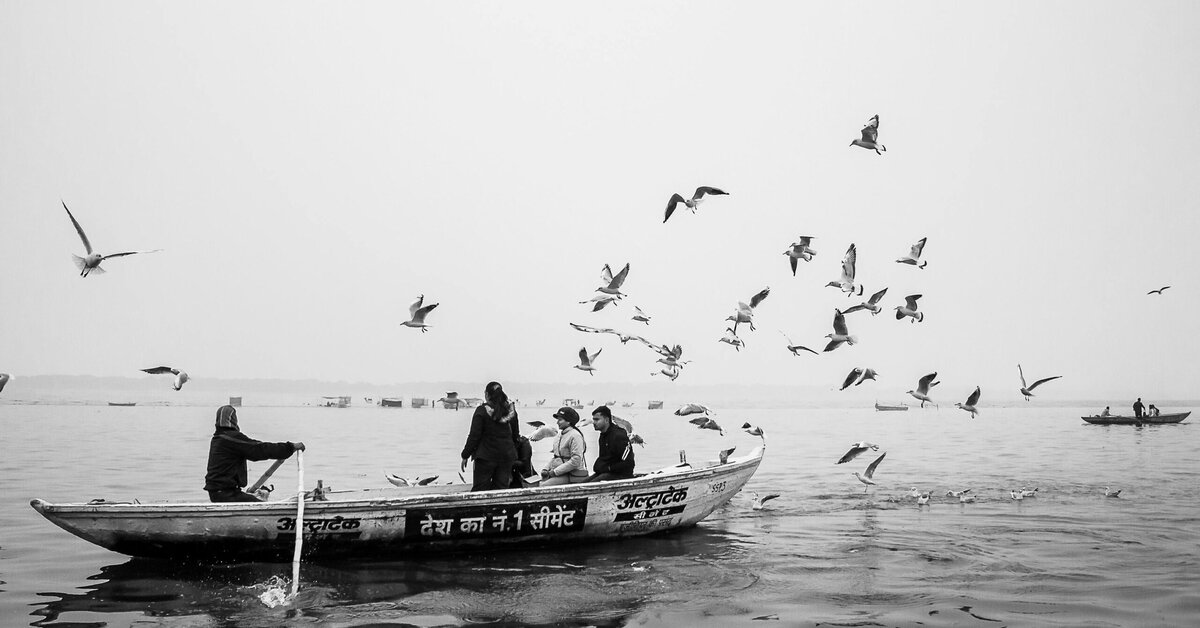
Most tour packages include a boat ride to the Sangam, allowing you to experience the confluence firsthand. The boatmen, often from families who’ve served pilgrims for generations, share fascinating stories and guide you to the exact meeting point. Taking a holy dip here is considered supremely auspicious, and even if you’re not inclined toward religious practices, witnessing the devotion of thousands is a moving experience.
The Sangam area also features numerous ghats (riverfront steps) where pilgrims perform rituals, priests conduct ceremonies, and life unfolds in its timeless rhythm. The sunrise and sunset views from here are spectacular, offering perfect photography opportunities.
Allahabad Fort
Built by Emperor Akbar in 1583, Allahabad Fort stands as a magnificent example of Mughal architecture. Located near the Sangam, this massive fort spreads along the banks of the Yamuna and houses several historically significant structures within its walls.
The fort contains the Akshaya Vat, an immortal banyan tree mentioned in Hindu scriptures and believed to be indestructible. According to legend, this tree has survived numerous destructions and floods, continuing to thrive inside the fort. However, access to parts of the fort is restricted as it’s used by the Indian Army, so visitors can only see certain sections.
The Patalpuri Temple inside the fort is another important attraction. This underground temple is associated with various legends and remains an important pilgrimage spot. The fort’s architecture showcases the characteristic features of Mughal design—massive walls, impressive gateways, and strategic positioning.
While photography restrictions apply in some areas due to military presence, the permitted sections offer ample opportunities to appreciate Mughal architectural brilliance and soak in centuries of history.
Anand Bhawan
The Nehru family legacy
Anand Bhawan, the ancestral home of the Nehru-Gandhi family, is a must-visit for history enthusiasts. This beautifully preserved mansion offers intimate glimpses into the lives of India’s most influential political family and the independence movement they led.
The house has been converted into a museum displaying personal belongings, photographs, letters, and artifacts from the Nehru family. You’ll see Jawaharlal Nehru’s study, the room where Indira Gandhi was born, and spaces where crucial political discussions shaped India’s destiny. The planetarium on the grounds adds an educational dimension, especially enjoyable for families with children.
Adjacent to Anand Bhawan is Swaraj Bhawan, another family property that was donated to the Indian National Congress and served as the party headquarters. Together, these buildings tell the story of India’s freedom struggle through the lens of one family’s extraordinary contribution.
Walking through these halls, reading letters, seeing photographs, and understanding the sacrifices made by these leaders provides profound insights into India’s journey to independence and the values that shaped the nation.
Khusro Bagh
This beautiful Mughal garden contains the tombs of Prince Khusro (eldest son of Emperor Jahangir), his mother Shah Begum, and his sister Sultan Nithar Begum. The garden showcases excellent examples of Mughal architecture and funerary art.
The three sandstone mausoleums, each with distinct architectural features, stand amidst well-maintained gardens. The intricate stone carvings, painted walls, and geometric designs reflect the artistic sensibilities of the Mughal period. The peaceful atmosphere makes it a perfect spot for contemplation and photography.
Khusro Bagh tells a tragic story—Prince Khusro rebelled against his father and was ultimately imprisoned and killed. His tomb, despite this history, was built with the grandeur befitting royalty, demonstrating the complex emotions and traditions of Mughal nobility.
All Saints Cathedral
Built in the 1870s, All Saints Cathedral is a stunning example of Gothic Revival architecture and one of the finest British-era churches in India. Designed by Sir William Emerson, who also designed the Victoria Memorial in Kolkata, this cathedral impresses with its towering spires, beautiful stained glass windows, and serene atmosphere.
The church’s architecture features pointed arches, ribbed vaults, and flying buttresses characteristic of Gothic style. The interior, with its high ceilings and beautiful artwork, creates a contemplative space. The church remains active, and attending a service or simply sitting in quiet reflection offers a different dimension to your Prayagraj experience.
The cathedral’s grounds are well-maintained, providing a peaceful environment amidst the city’s hustle. It represents Prayagraj’s multicultural heritage and the architectural contributions of the colonial period.
Spiritual Sites and Temples
Beyond the Sangam, Prayagraj houses numerous temples and spiritual sites, each with its own significance and devoted following.
The Hanuman Mandir near the fort is famous for its unusual reclining Hanuman statue. Legend says this idol increases in size every year, and its unique position with the deity lying down rather than standing makes it distinctive among Hanuman temples across India.
The Mankameshwar Temple, one of the oldest Shiva temples in the city, draws devotees throughout the year but especially during Maha Shivaratri. The temple’s ancient sanctity and the peaceful atmosphere around it offer spiritual seekers a place for genuine devotion.
Alopi Devi Mandir is unique as it doesn’t house a traditional idol but instead has a wooden doli (palanquin) as the object of worship. This temple is associated with the goddess Sati and carries its own set of legends and traditions.
The Someshwar Mahadev Temple and Bade Hanuman Ji Temple are other significant spiritual sites that tour packages often include, each offering different aspects of Hindu devotional traditions.
Types of Prayagraj Tour Packages
One-Day Tour Packages
Perfect for those with limited time, one-day packages focus on key attractions. Typically, these include a boat ride to the Sangam, visit to Allahabad Fort, Anand Bhawan, and one or two temples. These packages are well-organized to maximize your experience within time constraints, usually starting early morning and concluding by evening.
These packages work well for travelers adding Prayagraj to a broader North India itinerary or for those living in nearby cities like Lucknow or Varanasi wanting a day trip.
Weekend Getaway Packages
Two to three-day packages allow for a more leisurely exploration. These typically cover all major attractions without rushing, include time for shopping in local markets, sampling local cuisine, and perhaps attending an evening aarti (prayer ceremony) at the ghats.
Weekend packages often include more comfortable accommodation options and might offer choices between different types of experiences—cultural tours, spiritual focus, or historical emphasis.
Spiritual Pilgrimage Packages
Designed specifically for devotees, these packages emphasize religious sites and rituals. They might include priest services for performing special pujas, extended time at the Sangam for multiple baths, visits to all significant temples, and participation in religious ceremonies.
These packages often coincide with auspicious dates in the Hindu calendar and may include guidance from spiritual leaders or priests who can explain the significance of various rituals and sites.
Heritage and Culture Tours
Customized tour options
For history buffs and culture enthusiasts, these packages focus on Prayagraj’s architectural heritage, museums, literary connections, and cultural sites. They might include visits to lesser-known but historically significant locations, interactions with local artists or historians, and exploration of the city’s cultural fabric.
Many tour operators also offer customized packages where you can design your itinerary based on specific interests, whether that’s photography, cuisine, architecture, or a combination of themes. These bespoke packages offer maximum flexibility and personalization.
What’s Typically Included in Tour Packages
Understanding what’s included in tour packages helps you choose the right option and budget accordingly. Most standard packages include accommodation (hotel or guesthouse based on package category), transportation for sightseeing (usually an air-conditioned vehicle with driver), guided tours with knowledgeable local guides, and sometimes breakfast or meals.
Boat rides to the Sangam are usually included in packages, as this is considered essential to the Prayagraj experience. Entry fees to major attractions like Anand Bhawan are typically covered, though some packages might exclude certain optional sites.
Higher-tier packages may include more meals, better accommodation, additional services like priest arrangements for rituals, photography services, or extended tours to nearby destinations. Always clarify what’s included and what’s extra to avoid surprises.
Some packages include airport or railway station pickup and drop, which adds significant convenience. Travel insurance, though rarely included, is recommended and can sometimes be added to premium packages.
The services of experienced guides who speak your language add immense value, transforming your visit from mere sightseeing to meaningful learning. Good guides share historical context, religious significance, and local stories that bring the city alive.
Accommodation Options in Prayagraj
Prayagraj offers accommodation options across all budget ranges. Luxury hotels like Hotel Kanha Shyam and The Legend Hotel provide comfortable rooms, modern amenities, restaurants, and services comparable to good hotels anywhere in India. These are ideal if you want comfort after days of sightseeing.
Mid-range hotels offer clean, comfortable accommodations with basic amenities at reasonable prices. Hotels near Civil Lines, the city’s well-planned colonial area, provide good value and convenient access to major attractions.
Budget travelers and backpackers can find numerous guesthouses, budget hotels, and dharamshalas (pilgrim rest houses) offering basic but clean accommodation at very affordable rates. These options, while simple, provide authentic experiences and opportunities to meet fellow travelers and pilgrims.
Heritage properties, though limited, offer unique stays in beautifully restored historical buildings. These provide a glimpse into the past while offering modern comforts.
During major festivals like Magh Mela or Kumbh, special tent accommodations are set up near the Sangam. While basic, these provide the unique experience of living in the temporary tent city that springs up during these events.
Local Cuisine and Dining Experiences
Prayagraj’s culinary scene reflects its position in the heart of Uttar Pradesh, known for its rich, flavorful cuisine. The city offers everything from humble street food to elaborate restaurant meals.
Must-try dishes include the local chaat varieties—especially the famous Allahabadi chaat with its unique blend of flavors. Loknath ki khasta (flaky kachori), Netram ki kheer (sweet rice pudding), and Neelam’s samosas are local institutions with dedicated followings.
For substantial meals, try the Mughlai cuisine at various restaurants—biryanis, kebabs, and rich curries that reflect the region’s historical connections to Mughal culture. Vegetarians will find excellent options including kachoris, sabzis (vegetable dishes), and various types of parathas (stuffed flatbreads).
Street food culture thrives here. Evening walks through markets like Chowk or Katra offer endless culinary adventures. Try golgappas (pani puri), aloo tikki, dahi bhallas, and various chaats. The experience of eating at these street stalls, watching food being freshly prepared, and chatting with vendors adds flavor beyond the food itself.
Don’t miss the city’s sweet offerings. Traditional Indian sweets like gulab jamun, rasgulla, and regional specialties are available at numerous sweet shops. Having dessert at iconic places like Indian Coffee House, a haunt of writers and intellectuals for decades, connects you with the city’s cultural history.
Shopping in Prayagraj
Shopping in Prayagraj offers opportunities to take home pieces of the city’s culture and craftsmanship. Civil Lines area has established shops selling handicrafts, textiles, and souvenirs. You’ll find beautiful handwoven silk sarees, especially from nearby Varanasi, at reasonable prices.
Chowk and Katra markets represent the city’s traditional commercial heart. These bustling markets sell everything from religious items to jewelry, clothing to household goods. The narrow lanes, crowded with shops and people, provide authentic market experiences.
For religious items—idols, prayer accessories, books, rudraksha beads, and spiritual items—shops near the Sangam and major temples offer extensive selections. These make meaningful souvenirs for devotees and interesting artifacts for others.
Local handicrafts include pottery, metalwork, and traditional paintings. Supporting these artisans by purchasing their work helps preserve traditional crafts while giving you unique, handmade items.
Numerous bookshops sell religious texts, philosophical works, and books on Indian history and culture in various languages. For those interested in spiritual literature, these shops are treasure troves.
Bargaining is expected and accepted in most markets, though fixed-price shops are also common in more upscale areas. Shopping here is as much about the experience—interacting with shopkeepers, learning about products, and absorbing market atmosphere—as about the purchases themselves.
Getting Around Prayagraj
Navigating Prayagraj is relatively straightforward with multiple transportation options. Auto-rickshaws are the most popular mode for short distances. They’re economical and convenient, though you should either use metered rides or agree on fares beforehand.
Cycle rickshaws, though slower, offer an environmentally friendly option for short trips and a different perspective on the city’s streets. They’re particularly useful in crowded market areas where larger vehicles struggle.
App-based cab services like Ola and Uber operate in Prayagraj, offering convenient and transparent pricing. For a day of sightseeing, hiring a taxi for the day is often economical and convenient, with drivers often serving as informal guides.
Local buses connect different parts of the city but can be crowded and confusing for visitors unfamiliar with routes. They’re economical but not the most comfortable option.
For visitors on tour packages, transportation is typically arranged, eliminating navigation concerns. This is often the most stress-free option, especially for first-time visitors.
The city is working on improving its transportation infrastructure, with plans for better public transport and enhanced connectivity between tourist sites.
Day Trips from Prayagraj
Prayagraj’s location makes it an excellent base for exploring several other significant destinations in Uttar Pradesh.
Varanasi, one of the world’s oldest living cities and Hinduism’s holiest city, is about 125 kilometers away (approximately 3 hours by road). Many visitors combine Prayagraj and Varanasi trips, experiencing two of India’s most spiritually significant cities. The evening Ganga aarti in Varanasi is an unforgettable experience.
Chitrakoot, about 128 kilometers from Prayagraj, holds immense religious importance as the place where Lord Rama spent part of his exile. The town features numerous temples, ghats, and natural beauty. It offers a more peaceful, less crowded alternative to larger pilgrimage sites.
Vindhyachal, approximately 80 kilometers away, is an important Shakti Peeth (sacred site dedicated to the goddess) and attracts devotees year-round. The temple complex and surrounding areas offer spiritual experiences in a more compact setting.
Lucknow, the state capital located about 200 kilometers from Prayagraj, showcases Nawabi culture, stunning architecture, and exceptional cuisine. A day trip or overnight stay in Lucknow adds a different cultural dimension to your North India experience.
Many tour operators offer packages combining Prayagraj with these destinations, creating comprehensive itineraries that showcase the region’s diversity.
Practical Travel Tips
Planning well enhances your Prayagraj experience. Pack according to season—light, breathable clothing for summer, warm layers for winter. Regardless of season, include modest clothing for temple visits, comfortable walking shoes, sun protection, and any personal medications.
Respect local cultural norms, especially at religious sites. Dress modestly, remove shoes before entering temples, ask permission before photographing people or ceremonies, and follow guidance from priests or guides regarding ritual etiquette.
Stay hydrated, especially during summer months. Drink bottled water and be cautious with street food initially until your system adjusts. Most travelers have no issues, but gradual introduction is wise.
Keep important documents, valuables, and emergency cash secure. While Prayagraj is generally safe for tourists, basic precautions apply as in any destination. Be particularly vigilant in crowded areas.
Carry small denominations for auto-rickshaws, donations at temples, and small purchases. ATMs are widely available, but having cash is convenient.
Learn a few basic Hindi phrases—locals appreciate efforts to communicate in their language, though English is understood in tourist areas.
Book accommodations and transportation in advance, especially if visiting during festivals. Last-minute arrangements during peak seasons can be challenging and expensive.
Booking Your Prayagraj Tour Package
Choosing the right tour package requires considering several factors. First, clarify your primary interests—spiritual, historical, cultural, or a combination. This helps identify packages that match your priorities.
Consider your budget and the duration you can spare. Packages range from economical options with basic services to luxury packages with premium accommodations and extensive inclusions. Be realistic about what you can afford while ensuring essential comforts.
Research multiple tour operators and compare offerings. Read reviews from previous travelers on platforms like TripAdvisor or Google Reviews. Recommendations from friends or travel forums can be valuable.
Online travel platforms like MakeMyTrip, Yatra, TripAdvisor, and specialized pilgrimage tour operators offer various Prayagraj packages. Booking online often provides better deals and convenient comparison.
Local travel agents, especially those specializing in pilgrimage tourism, can offer personalized service and local insights. They’re particularly helpful for customized requirements or during major festivals when standard bookings might be challenging.
Clarify all inclusions and exclusions before booking. Ask about cancellation policies, flexibility for itinerary changes, guide qualifications, and what happens if unforeseen circumstances arise.
Book early for festival periods—accommodations and good packages get booked months in advance for events like Magh Mela or Kumbh Mela.
Conclusion
Prayagraj offers a journey that transcends ordinary tourism. This sacred city, where rivers converge and history resonates through ancient stones, invites you into experiences that touch the soul as much as they engage the mind. Whether you’re drawn by spiritual seeking, historical curiosity, cultural exploration, or simply wanderlust, Prayagraj delivers profound and memorable experiences.
The beauty of well-designed tour packages is that they handle logistics, allowing you to immerse yourself fully in the experience. From the first glimpse of the Sangam’s sacred waters to the quiet moments in ancient temples, from exploring freedom fighters’ homes to tasting local delicacies, every aspect of Prayagraj reveals different facets of India’s rich heritage.
In our fast-paced modern world, places like Prayagraj offer something increasingly rare—a connection to continuity, to traditions maintained across millennia, to values that prioritize spirit over material, community over individualism. Visiting here isn’t just about seeing sights; it’s about experiencing a different way of being, even temporarily.
So pack your bags, book that tour package, and prepare for a journey that will enrich your understanding of India, spirituality, and perhaps yourself. Prayagraj awaits with open arms and flowing rivers, ready to share its sacred stories with all who come with open hearts.
FAQs
1. How many days do I need to explore Prayagraj properly?
For a comprehensive experience covering major attractions, 2-3 days is ideal. A one-day tour can cover the essential sites like Triveni Sangam, Allahabad Fort, and Anand Bhawan, but you’ll be rushed. Two days allow for comfortable exploration of major sites, some shopping, and tasting local cuisine. Three days give you time for leisurely exploration, visits to additional temples and sites, and possibly a day trip to nearby destinations like Chitrakoot or Vindhyachal. If visiting during Magh Mela or Kumbh Mela, consider longer stays to fully experience the festival atmosphere.
2. What is the average cost of a Prayagraj tour package?
Tour package costs vary significantly based on duration, accommodation type, inclusions, and season. Budget packages for a 2-day, 1-night trip start around ₹3,000-5,000 per person (approximately $40-65 USD) including basic accommodation, transportation, and guided tours. Mid-range packages with better hotels and more inclusions typically cost ₹8,000-15,000 per person. Luxury packages with premium hotels and comprehensive services can exceed ₹20,000 per person. During major festivals, prices increase significantly due to high demand. Customized packages and those including day trips to nearby cities cost more but offer greater value for specific interests.
3. Is Prayagraj safe for solo female travelers?
Prayagraj is generally safe for solo female travelers who take standard precautions. The city sees many female pilgrims traveling alone or in groups. Stay in reputable accommodations, use reliable transportation (app-based cabs or pre-arranged tours), avoid isolated areas after dark, and dress modestly, especially at religious sites. During major festivals when crowds are massive, stay alert in crowded areas. Many tour packages offer group tours which provide added security and companionship. Local people are generally helpful and respectful toward pilgrims and tourists. As with traveling anywhere, awareness and common sense precautions ensure safe, enjoyable experiences.
4. Can I visit Prayagraj during monsoon season?
Yes, you can visit Prayagraj during monsoon (July-September), though it’s not the ideal time. The main challenge is that heavy rains can make the rivers swell, sometimes restricting boat access to the Sangam and affecting outdoor sightseeing. Roads may be waterlogged during heavy downpours. However, monsoon has advantages—fewer crowds, lower hotel rates, and the lush green landscape looks beautiful. Indoor attractions like museums and covered temples remain accessible. If you don’t mind weather unpredictability and plan for flexibility, monsoon visits can be economical and offer a different perspective on the city.
5. What should I wear when visiting temples and religious sites in Prayagraj?
When visiting temples and religious sites, dress conservatively and modestly. For both men and women, clothing should cover shoulders, chest, and knees minimum. Women can wear long skirts, loose pants, or traditional Indian clothing like salwar kameez or sarees. Men should wear long pants and shirts with sleeves. Avoid tight, revealing, or transparent clothing. You’ll need to remove shoes before entering most temples, so wear footwear that’s easy to remove and carry. Some temples provide cloths to cover if your clothing doesn’t meet requirements. During winter, layers are practical as mornings are cold but afternoons warm up. Dressing respectfully shows cultural sensitivity and ensures comfortable, welcome experiences at religious sites.