Pre-Wedding Photoshoot in Varanasi Ghats – Best Spots , Picture this: you and your partner standing on ancient stone steps that have witnessed thousands of years of human stories, the golden sun painting the Ganges in shades of amber, and the spiritual energy of Varanasi wrapping around you like a warm embrace. Sounds magical, doesn’t it? A pre-wedding photoshoot in Varanasi’s ghats isn’t just about pretty pictures—it’s about capturing your love story against a backdrop that’s both timeless and deeply soul-stirring.
Why Varanasi Ghats are Perfect for Pre-Wedding Photography
The Timeless Charm of Ancient Architecture
Where else can you find a location that’s been standing strong for millennia? Varanasi’s ghats offer architectural diversity that modern venues simply can’t match. From intricately carved pillars to weathered stone steps, from grand palaces to humble temples—every corner tells a different story. These aren’t just backdrops; they’re living museums that add depth and character to every frame.
The ghats have a raw, unfiltered beauty that doesn’t need artificial enhancement. The textures, the patterns, the play of light and shadow—all come together to create photographs that feel authentic and rich with history.
Spiritual and Romantic Ambiance
There’s something profoundly romantic about a place that celebrates both life and eternity. The spiritual atmosphere of Varanasi adds an emotional layer to your photographs that goes beyond aesthetics. The morning prayers, the evening aarti, the gentle lapping of the Ganges—these elements create an ambiance that’s both calming and exhilarating.
When you look at your photos years later, you won’t just see images; you’ll feel the sacredness of the moment, the peace that settled over you, and the promise of forever that you made to each other.
Unique Cultural Backdrop
Varanasi offers something that destination weddings in beach resorts or mountain retreats can’t—authentic Indian culture in its purest form. The vibrant sarees of local women, the saffron-clad sadhus, the flower sellers, the boatmen—all become natural elements in your visual story. This cultural richness makes your photographs distinctly memorable and deeply rooted in heritage.
Best Time for Pre-Wedding Photoshoot in Varanasi
Golden Hour Magic – Sunrise and Sunset
Ask any photographer, and they’ll tell you—golden hour is golden for a reason. In Varanasi, sunrise (around 5:30-7:00 AM) and sunset (around 5:00-6:30 PM) transform the ghats into dreamscapes. The soft, warm light creates a natural glow on your skin, and the long shadows add drama and dimension to your photos.
Sunrise shoots have an added advantage—fewer crowds and a peaceful atmosphere. There’s something incredibly intimate about having the ancient ghats almost to yourselves as the city slowly awakens. Sunset shoots, on the other hand, capture the ghats coming alive with activity, offering more dynamic backgrounds.
Monsoon Season Considerations
July through September brings the monsoons to Varanasi. While this might sound challenging, monsoon shoots have their own charm. The rain-washed ghats gleam, the Ganges swells majestically, and the overcast skies create soft, diffused lighting that’s a photographer’s dream. Plus, fewer tourists mean less crowded shots.
However, be prepared for unpredictability. Keep backup dates, protect your outfits and equipment, and embrace the spontaneity. Some of the most stunning, atmospheric photographs come from monsoon shoots.
Winter Months for Comfortable Shoots
October through March offers the most comfortable shooting conditions. The weather is pleasant, the visibility is excellent, and you won’t be battling heat and humidity. November through February can get chilly in early mornings, so plan your wardrobe accordingly. This is also peak tourist season, so expect more crowds, especially at popular ghats.
December and January sometimes bring morning fog, which can create ethereal, mystical photographs if you’re willing to work with it.
Top Ghats for Pre-Wedding Photoshoots
Assi Ghat – Peaceful and Artistic
Assi Ghat is where spirituality meets bohemian charm. Located at the southern end of the city, this ghat attracts artists, students, and seekers, creating a more relaxed, creative atmosphere. The ghat is relatively clean and well-maintained, with beautiful stone steps leading down to the river.
The morning sunrise here is spectacular—the first rays of sun illuminating the temple spires create a divine backdrop. The area around Assi Ghat also has charming cafés and artistic spaces perfect for varied shots. The painted walls, colorful boats, and the famous painted Shiva face make for quirky, fun photographs alongside traditional romantic ones.
Dashashwamedh Ghat – The Heart of Varanasi
This is Varanasi’s most famous ghat, and for good reason. The sheer scale and energy of Dashashwamedh create dramatic photographs. The ghat is wide, with multiple levels of steps, ornate buildings in the background, and constant activity that adds life to your frames.
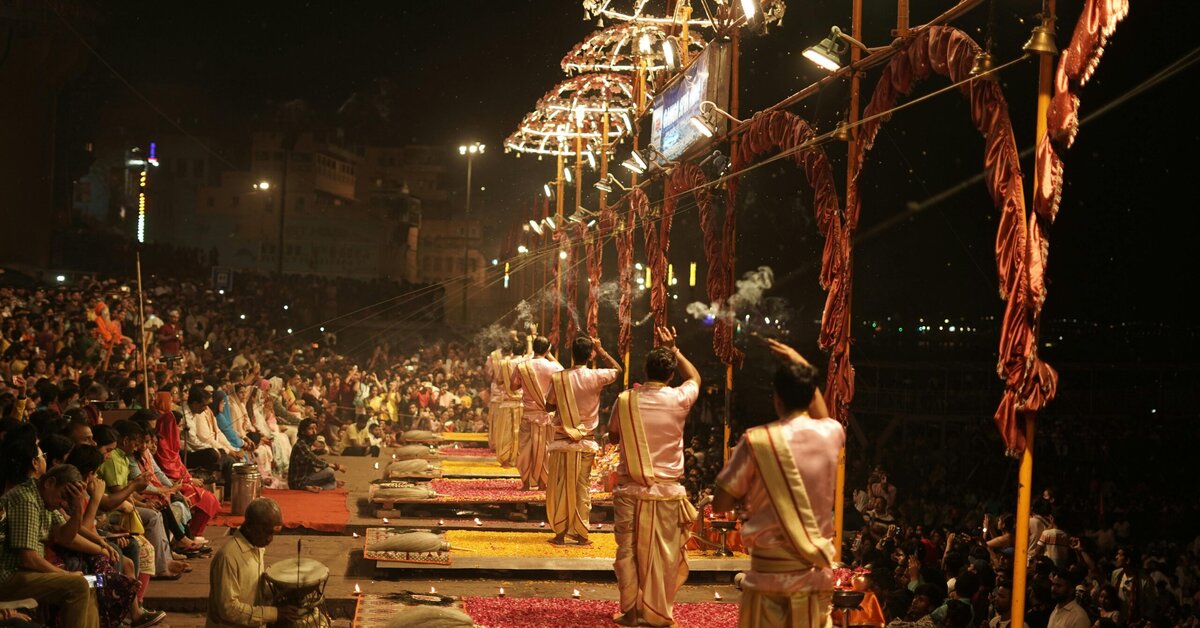
The evening Ganga Aarti held here is world-famous. Imagine capturing your love story with hundreds of lamps glowing in the background, priests performing synchronized rituals, and the spiritual energy reaching its peak. Arrive early (by 5:30 PM) to secure good spots before the crowds gather.
The downside? It’s almost always crowded. Early morning shoots (before 6:30 AM) offer the best chance of relative privacy.
Manikarnika Ghat – For the Bold and Artistic
This is the main cremation ghat, and photographing here requires sensitivity and respect. However, for couples seeking deeper, more philosophical imagery about the cycle of life, death, and eternal love, this location offers profound visual metaphors.
The ancient, smoke-weathered architecture and the constantly burning pyres create a stark, powerful backdrop. This isn’t for everyone, and you must be respectful, seek permissions, and maintain appropriate distance from funeral proceedings. Many professional photographers can guide you on ethical photography here.
The philosophical depth of images from Manikarnika makes them conversation starters—photographs that speak of love that transcends even death.
Panchganga Ghat – Architectural Marvel
Named for the mythological confluence of five rivers, Panchganga Ghat boasts stunning Mughal-era architecture. The beautiful stone buildings, ornate balconies, and the imposing mosque in the background create a unique blend of Hindu and Mughal aesthetics.
This ghat is less crowded than Dashashwamedh but equally photogenic. The architectural details—arched doorways, carved pillars, and ancient walls—provide excellent frames within frames for artistic compositions. The steps here are broad and well-defined, perfect for seated poses and candid walking shots.
During festival times, this ghat becomes vibrant with decorations and celebrations, offering opportunities for colorful, festive photographs if that matches your vision.
Chet Singh Ghat – Royal Elegance
If you’re looking for regal grandeur, Chet Singh Ghat delivers. The magnificent Chet Singh Fort overlooking the ghat creates a majestic backdrop that screams royalty. Built in the 18th century, this fort’s weathered walls and imposing structure add a sense of timeless nobility to your photographs.
The ghat itself is relatively peaceful, with fewer crowds than the central ghats. The combination of fort architecture, riverside steps, and the possibility of boat shots makes this location versatile. The late afternoon light hitting the fort’s walls creates warm, golden tones that enhance romantic photographs beautifully.
Ahilya Bai Ghat – Serene Beauty
Named after the Maratha queen Ahilya Bai Holkar, this ghat exudes quiet elegance. It’s less touristy, offering better opportunities for intimate photographs without constant interruptions. The temples adjacent to the ghat have beautiful architecture, and the relatively clean surroundings make it comfortable for elaborate outfit changes.
The ghat’s steps are well-maintained, and the view from here captures a lovely stretch of the river. Morning shoots here are particularly peaceful, with soft light and gentle sounds of prayers from nearby temples creating a meditative atmosphere.
Scindia Ghat – The Partially Submerged Temple
Here’s where things get visually dramatic. Scindia Ghat is famous for its partially submerged Shiva temple—a structure that tilted and sank into the river centuries ago due to the sheer weight of its construction. This unique feature creates absolutely stunning photographs.
The contrast between the visible temple above water and the mysterious structure below creates layers of visual interest. During lower water levels, more of the temple is visible, offering different compositions. The surrounding architecture is equally impressive, with ancient buildings, stone pavilions, and ornate ghats.
This location works brilliantly for couples who want something different—something that symbolizes endurance, resilience, and beauty even in imperfection.
Hidden Gem Locations Beyond the Main Ghats
Narrow Galis and Ancient Lanes
Don’t limit yourself to just the waterfront. The narrow lanes (galis) leading to the ghats are treasure troves of photographic gold. These ancient pathways, barely wide enough for two people to pass, are lined with centuries-old buildings, colorful shops, and daily life unfolding naturally.
The play of light and shadow in these lanes creates dramatic, moody photographs. The vibrant walls—some painted, some weathered to perfection—add texture and color. Early morning walks through these galis, when shopkeepers are just opening up and the city is waking, offer authentic, documentary-style shots alongside your posed photographs.
Places like the lanes near Kashi Vishwanath Temple, the Bengali Tola area, and the pathways around Assi Ghat are particularly photogenic.
Temple Courtyards and Heritage Buildings
Varanasi is dotted with hundreds of temples and heritage buildings with stunning courtyards. The Durga Temple with its distinctive red color, Sankat Mochan Hanuman Temple with its peaceful gardens, and Tulsi Manas Temple with its marble architecture all offer unique settings.
Many heritage hotels and havelis have courtyards with traditional architecture, fountains, and period details that create a different aesthetic from the ghats. Places like Brijrama Palace, Suryauday Haveli, and BrijRama Palace Hotel (with prior permission) can provide exclusive, royal settings.
These indoor/outdoor spaces are also excellent backup options if weather doesn’t cooperate for ghat shoots.
Rooftop Cafés with Ghat Views
Want an elevated perspective? Literally? Varanasi’s rooftop cafés and terraces offer sweeping views of the ghats and river. Places like Brown Bread Bakery rooftop, Pizzeria Vaatika Café, and various guesthouse terraces provide unique vantage points.
These locations are perfect for sunrise or sunset shots where you’re silhouetted against the vast expanse of the Ganges and ghats. The relaxed café atmosphere also allows for candid, lifestyle shots—sipping chai together while overlooking the spiritual heart of India.
The best part? You can combine your shoot with actual breaks for refreshments, making the day more comfortable.
What to Wear for Your Ghat Photoshoot
Traditional Attire Recommendations
When in Varanasi, embrace tradition. For brides, nothing beats a Banarasi silk saree—you’re literally wearing the city’s heritage. The rich zari work, intricate patterns, and jewel tones (deep reds, royal blues, emerald greens) photograph beautifully against the stone ghats. The silk catches light magnificently, adding depth to your photographs.
Lehengas with heavy work also create stunning visuals, especially if you’re planning movement shots where the skirt can flare. Consider outfits in contrasting colors to the predominantly beige and grey stone backgrounds—jewel tones, burnt oranges, and deep maroons stand out beautifully.
Grooms can opt for sherwanis, bandhgalas, or traditional kurta-pajamas. Cream, gold, maroon, or navy blue work well. Adding a turban (safa) brings in that royal, traditional element that complements the historic setting.
Contemporary Fusion Outfits
Want to blend tradition with modernity? Fusion wear is your answer. Think Indo-western gowns, crop top and skirt combinations with traditional embroidery, or pastel-colored lehengas with contemporary blouses. These outfits photograph well and feel more comfortable for extended shoots.
For grooms, nehru jackets over jeans or well-fitted kurtas with churidar pants create a smart, contemporary Indian look. The key is maintaining the Indian essence while adding your personal style.
Multiple outfit changes are popular—start with heavy traditional for sunrise, change to lighter fusion for mid-morning, and end with casual ethnic wear for lifestyle shots.
Color Combinations that Pop
Color psychology matters in photography. Against Varanasi’s earthy palette, certain colors create stunning visual impact:
- Jewel Tones: Emerald green, ruby red, sapphire blue create rich, royal feels
- Contrasting Pastels: Soft pinks, mint greens, and powder blues create romantic, dreamy aesthetics
- Bold Complementary: Orange against blue stone, yellow against grey creates vibrant energy
- Monochrome Magic: All-white or cream outfits create ethereal, timeless photographs
Avoid colors that blend too much with the background—beige, light browns, and grey might wash out. Also consider how your outfits complement each other—coordinated but not matching creates visual harmony.
Essential Photography Permits and Permissions
Understanding Local Regulations
Here’s something many couples don’t know—technically, commercial photography at some ghats requires permissions from local authorities. However, enforcement is inconsistent. For pre-wedding shoots, most photographers work with local contacts who manage informal permissions with ghat committees and local authorities.
Your photographer should handle this, but budget around ₹2,000-10,000 for “permissions” depending on the ghat and duration. Famous ghats like Dashashwamedh command higher fees. Early morning shoots sometimes avoid these complications as there are fewer officials around.
Some heritage buildings, temple premises, and privately-owned areas absolutely require formal permissions. Hotels and cafés typically charge location fees ranging from ₹5,000-20,000.
Respecting Religious Sentiments
This is non-negotiable. The ghats aren’t just tourist spots—they’re active religious sites. Here’s how to be respectful:
- No shoes on temple areas or sanctified spaces
- Avoid intimate poses near actively worshipping devotees
- Never photograph funeral proceedings without permission
- Dress modestly—no revealing outfits at religious spots
- Don’t obstruct people performing rituals or taking holy dips
- Be mindful during aarti times—you’re a guest at someone’s worship
A good photographer will guide you on appropriate behavior. Remember, capturing beautiful photographs should never come at the cost of disrespecting local culture and religion.
Choosing the Right Photographer in Varanasi
What to Look for in a Portfolio
Your photographer makes or breaks your shoot. When reviewing portfolios, look beyond just pretty pictures. Check for:
- Understanding of light: Do they capture golden hour magic? Can they work with harsh midday sun?
- Composition skills: Are frames well-balanced? Do they use architectural elements creatively?
- Candid vs. posed balance: The best portfolios show both
- Color grading consistency: Do you like their editing style?
- Similar location experience: Have they shot at Varanasi ghats before?
Ask to see full albums, not just highlight reels. This shows their consistency throughout a shoot. Also check if their style matches your vision—some photographers are vibrant and bold, others prefer muted, artistic tones.
Local vs. Destination Photographers
Local Varanasi Photographers:
- Know the best spots and timings intimately
- Have established relationships with locals for permissions
- Usually more affordable
- Understand the cultural nuances
- May have limited high-end equipment
Destination Photographers (traveling from major cities):
- Often have more polished portfolios and equipment
- May bring fresh perspectives to familiar locations
- Higher costs (travel, accommodation, fees)
- Might need local assistance for navigation and permissions
Many couples opt for hybrid—a reputable destination photographer paired with a local assistant who knows the terrain. This combines creative excellence with local expertise.
Budget Considerations
Pre-wedding photography in Varanasi varies widely in pricing:
- Budget Range: ₹15,000-30,000 (local photographers, basic packages, 4-6 hours, 100-150 edited photos)
- Mid Range: ₹40,000-80,000 (experienced photographers, 8-10 hours, multiple locations, 200-300 edited photos, video clips)
- Premium Range: ₹1,00,000-3,00,000+ (top-tier photographers, cinematic videography, drone shots, album design, 2-3 day shoots)
Remember, cheapest isn’t always best. These photographs last forever—invest in quality you won’t regret.
Pre-Shoot Planning and Preparation
Location Scouting
If possible, visit Varanasi before your shoot. Walk the ghats at different times of day. What looks magical at sunrise might be overcrowded at noon. Notice where light falls, where crowds thin out, which spots call to you.
Can’t visit beforehand? Do virtual scouting. Study photographs on Instagram (search hashtags like #VaranasiGhats, #VaranasiPreWedding), watch YouTube vlogs, use Google Street View where available. Share your favorite reference images with your photographer so they understand your vision.
Create a realistic itinerary. Varanasi’s ghats stretch over 6 kilometers—you can’t cover everything in one day. Choose 3-4 key locations that offer variety and plan travel time between them.
Creating a Shot List
While spontaneity creates magic, having a basic shot list ensures you don’t miss must-have images. Your list might include:
- Sunrise silhouettes at Assi Ghat
- Romantic poses on Dashashwamedh steps
- Walking hand-in-hand through old lanes
- Boat ride photographs
- Candid chai-drinking moments
- Temple courtyard formals
- Sunset glow at river’s edge
Share this with your photographer weeks before the shoot. They can suggest which locations work best for specific shots and add their creative inputs.
Props and Accessories
Props add personality and variety to photographs. Consider:
- Traditional: Diyas (oil lamps), flowers, colorful dupattas, vintage lanterns
- Personal: Books if you’re book lovers, musical instruments, handwritten love letters
- Playful: Colorful smoke bombs (use responsibly), balloons, confetti
- Practical: Umbrellas (great for monsoon shoots), bicycles, chai cups
Keep props minimal and meaningful. They should enhance your story, not overshadow it. Also, be mindful of what’s appropriate at religious sites—playful props might work at Assi Ghat’s artistic spaces but not near temple premises.
Posing Ideas for Ghat Photography
Romantic Couple Poses
The ghats offer endless posing opportunities:
- The Classic Embrace: Standing on steps, looking at each other with the ghat stretching behind you
- Forehead Touch: An intimate moment that photographs beautifully from various angles
- Leading Lines: One partner leading the other down the ghat steps—captures movement and connection
- Silhouette Magic: Standing at the water’s edge during sunset, backlit for dramatic silhouettes
- Sitting Together: On steps, by pillars, legs dangling over edges—creates relaxed, comfortable vibes
The key to natural-looking poses? Actually connect with your partner. Talk, laugh, share real moments. Your photographer will capture those authentic emotions.
Candid Moments
Posed shots are beautiful, but candid moments tell your real story:
- Walking through the galis, naturally holding hands
- Laughing at inside jokes
- Helping each other navigate uneven steps
- Sharing street food (famous Varanasi lassi or chaat)
- Watching the aarti together, faces glowing with diya light
- Genuine reactions to the city’s chaos and charm
Ask your photographer to shoot documentary-style segments where you simply experience Varanasi together. These unposed moments often become favorite photographs.
Utilizing Boats and Steps
Boats are iconic to Varanasi and create stunning photographs:
- Seated in boat: Looking at each other with oars visible, ghats in background
- Standing at boat’s edge: Slightly risky but creates dynamic, adventurous shots
- Silhouettes from shore: Your boat photographed from the ghat, especially during sunrise/sunset
- Action shots: Rowing together, splashing water playfully (be ready to get a little wet!)
The stepped ghat structure creates natural geometry:
- Use steps as leading lines drawing eye to you as subjects
- Create depth by positioning yourselves at different step levels
- Frame yourselves between pillars or archways
- Use the repetitive pattern of steps for artistic compositions
Dealing with Crowds and Maintaining Privacy
Let’s be real—Varanasi is crowded. Privacy is a luxury here. But there are strategies:
Timing is Everything: The 5:30-7:00 AM window offers the most privacy. Most tourists aren’t awake, and locals are just beginning their day. You’ll have ghats relatively to yourselves.
Choose Lesser-Known Spots: While everyone flocks to Dashashwamedh, ghats like Ahilya Bai, Chet Singh, or even Raj Ghat see fewer crowds.
Embrace the Chaos: Sometimes, the crowd becomes part of your story. Street photography-style shots with local life happening around you capture authentic Varanasi. A sadhu blessing you, children playing nearby, boatmen in the background—these elements add life and context.
Use a Scout: Some photographers work with assistants who politely manage crowds, holding space for your shots. This works especially well in narrow lanes where people can easily step aside for a moment.
Be Kind and Patient: Remember, you’re in someone’s city, their sacred space. Smile, be respectful, and most locals will gladly give you space for a few minutes.
Weather and Lighting Challenges
Working with Natural Light
Varanasi’s light changes dramatically through the day:
Golden Hour (Sunrise/Sunset): Soft, warm, flattering—every photographer’s favorite. The low angle creates long shadows and dimensional depth. Colors appear richer, skin tones glow naturally.
Blue Hour (Pre-sunrise/Post-sunset): That magical 20-30 minutes when sky is deep blue but still holds light. Creates moody, romantic, ethereal photographs.
Harsh Midday Sun: Creates strong shadows and squinting. Generally avoid 11 AM-3 PM for outdoor shoots. If unavoidable, seek shaded areas, use architectural elements as natural diffusers, or embrace the bold, high-contrast look for dramatic black-and-white conversions.
Managing Harsh Sunlight
When you must shoot in harsh light:
- Find open shade: Under temple overhangs, building shadows, or covered areas
- Use reflectors: Photographers carry these to bounce light and fill shadows
- Backlit positions: Put sun behind you for glowing rim-light effects (though faces may need fill flash)
- Embrace shadows: High-contrast scenes can be artistic—deep shadows, bright highlights create drama
- Change locations: Move to narrow galis where buildings naturally block direct sun
A skilled photographer can work with any light, but understanding these challenges helps you plan realistic schedules.
Safety and Comfort Tips
Footwear Matters: Wear comfortable shoes that can handle uneven stone steps and occasional dampness. Keep formal footwear for posed shots, but walk in comfortable ones. The steps can be slippery, especially early morning with dew or after boat splashes.
Stay Hydrated: Varanasi can be hot and humid. Carry water bottles, take breaks in shade or cafés. Dehydration ruins your energy and shows in photographs—tired eyes, dull skin.
Protect Your Outfits: Carry garment bags for outfit changes. The ghats can be dusty. Have wet wipes handy to clean hands and feet between location changes. Consider a small first-aid kit for minor scrapes or blisters.
Secure Belongings: Keep jewelry, phones, and valuables secure. While Varanasi is generally safe, crowded areas attract opportunistic theft. Have a trusted person guard bags during shoots.
Be Mindful of Steps: Ghats have steep, uneven steps. Heavy outfits can make movement tricky. Move carefully, especially near water’s edge. It’s okay to ask your photographer or team for a steadying hand.
Sun Protection: Sunscreen is essential, but apply it at least 30 minutes before the shoot so it doesn’t create white cast in photos. Bring umbrellas for breaks between shots.
Post-Production and Editing Styles
Your photos’ final look depends heavily on editing. Discuss style preferences with your photographer beforehand:
Classic Vibrant: Rich colors, slightly enhanced saturation, bright and cheerful. Works beautifully for festive, colorful outfits and captures Varanasi’s vibrancy.
Muted/Vintage: Desaturated colors, soft tones, film-like quality. Creates timeless, nostalgic feelings. Works well for capturing Varanasi’s ancient character.
Dramatic/Moody: Deep shadows, high contrast, selective color enhancement. Perfect for architectural shots and artistic couples seeking intensity.
Natural/Minimal: Subtle corrections, true-to-life colors, gentle enhancements. Shows scenes as they genuinely appeared, honest and authentic.
Black and White: Removes color distraction, focuses on emotion, texture, and composition. Powerful for spiritual, intimate moments.
Most photographers deliver a mix of styles. Expect 2-4 weeks for edited photo delivery. Rush delivery often costs extra. Album design and printing add another 2-3 weeks.
Budget Breakdown for Varanasi Ghat Photoshoot
Let’s talk real numbers for a complete pre-wedding shoot in Varanasi:
Photography/Videography: ₹40,000-1,50,000 Travel to Varanasi (for couple): ₹10,000-30,000 Accommodation (2-3 nights): ₹8,000-40,000 Outfits and Accessories: ₹20,000-1,00,000 Makeup and Hair: ₹8,000-25,000 Location Permissions: ₹5,000-15,000 Props and Decorations: ₹3,000-10,000 Local Transport: ₹3,000-8,000 Meals and Refreshments: ₹4,000-10,000
Total Estimated Budget: ₹1,00,000-4,00,000
This is a ballpark. Your actual costs depend on choices at each step. Budget-conscious couples can manage around ₹1-1.5 lakhs by being strategic. Those wanting luxury experiences might spend ₹4-6 lakhs.
Money-Saving Tips:
- Shoot on weekdays for better vendor rates
- Book accommodations with package deals
- Rent outfits instead of buying
- Limit to one location/day instead of multiple
- DIY some props and accessories
- Book local photographers directly rather than through agencies
Conclusion
A pre-wedding photoshoot at Varanasi’s ghats is more than just a trending choice—it’s a journey into India’s soul, where your love story intertwines with centuries of history, spirituality, and timeless beauty. From the peaceful sunrise at Assi Ghat to the vibrant energy of Dashashwamedh, from the narrow ancient lanes to the sweeping river views, every frame captures something profound.
Yes, it requires planning—choosing the right ghats, timing your shoot perfectly, respecting cultural sensitivities, and preparing for crowds and weather challenges. But the result? Photographs that don’t just document your love but celebrate it against a backdrop that’s witnessed millions of love stories before yours and will witness millions after.
The magic of Varanasi isn’t just in its visual grandeur—it’s in the feeling it evokes. When you look at these photographs years from now, you won’t just see beautiful images. You’ll remember the spiritual energy that wrapped around you, the sound of temple bells mixing with your laughter, the warmth of the rising sun matching the warmth in your hearts, and the eternal promise of the Ganges witnessing your forever.
So take the plunge. Let Varanasi’s ghats become the canvas for your love story. The memories you create here will be as timeless as the city itself.
FAQs
1. What is the best time of year for a pre-wedding shoot in Varanasi ghats?
October through March offers the best conditions, with November to February being ideal. The weather is pleasant, visibility is excellent, and golden hour lighting is spectacular. October and March are sweet spots with good weather and slightly fewer tourists than peak winter. Avoid April-June (extreme heat) and July-September (monsoon), unless you specifically want monsoon’s dramatic aesthetic.
2. How much does a pre-wedding photoshoot at Varanasi ghats typically cost?
A complete pre-wedding shoot in Varanasi ranges from ₹1,00,000 to ₹4,00,000 depending on photographer experience, shoot duration, number of locations, outfit changes, and accommodation choices. Photography alone costs ₹15,000-3,00,000. Budget-conscious couples can manage quality shoots around ₹1-1.5 lakhs by choosing local photographers, limiting locations, and being strategic with expenses.
3. Do we need special permissions to shoot at Varanasi ghats?
Technically, commercial photography at major ghats requires informal permissions from local authorities and ghat committees. Your photographer typically handles this, costing ₹2,000-10,000 depending on the location and duration. Early morning shoots sometimes avoid complications. Some private properties, heritage buildings, and temple premises require formal permissions and may charge location fees of ₹5,000-20,000.
4. How many outfit changes are recommended for a ghat photoshoot?
Two to three outfit changes work well for a full-day shoot. Start with heavy traditional attire (Banarasi saree/sherwani) for sunrise golden hour, change to lighter fusion or contemporary ethnic wear for mid-morning, and optionally include casual ethnic outfits for lifestyle shots. More than three changes can make the day exhausting and reduce shooting time. Choose outfits that work across multiple locations to maximize variety without constant changes.
5. Is it safe to have a photoshoot at the ghats, and how do we handle crowds?
Varanasi ghats are generally safe for photoshoots with basic precautions—wear appropriate footwear for uneven steps, keep valuables secure, stay hydrated, and be careful near water edges. For crowds, shoot during early morning (5:30-7:00 AM) for maximum privacy, choose less popular ghats like Ahilya Bai or Chet Singh, or embrace the local atmosphere as part of your story. A patient, respectful attitude and good photographer who can manage crowds makes all the difference.