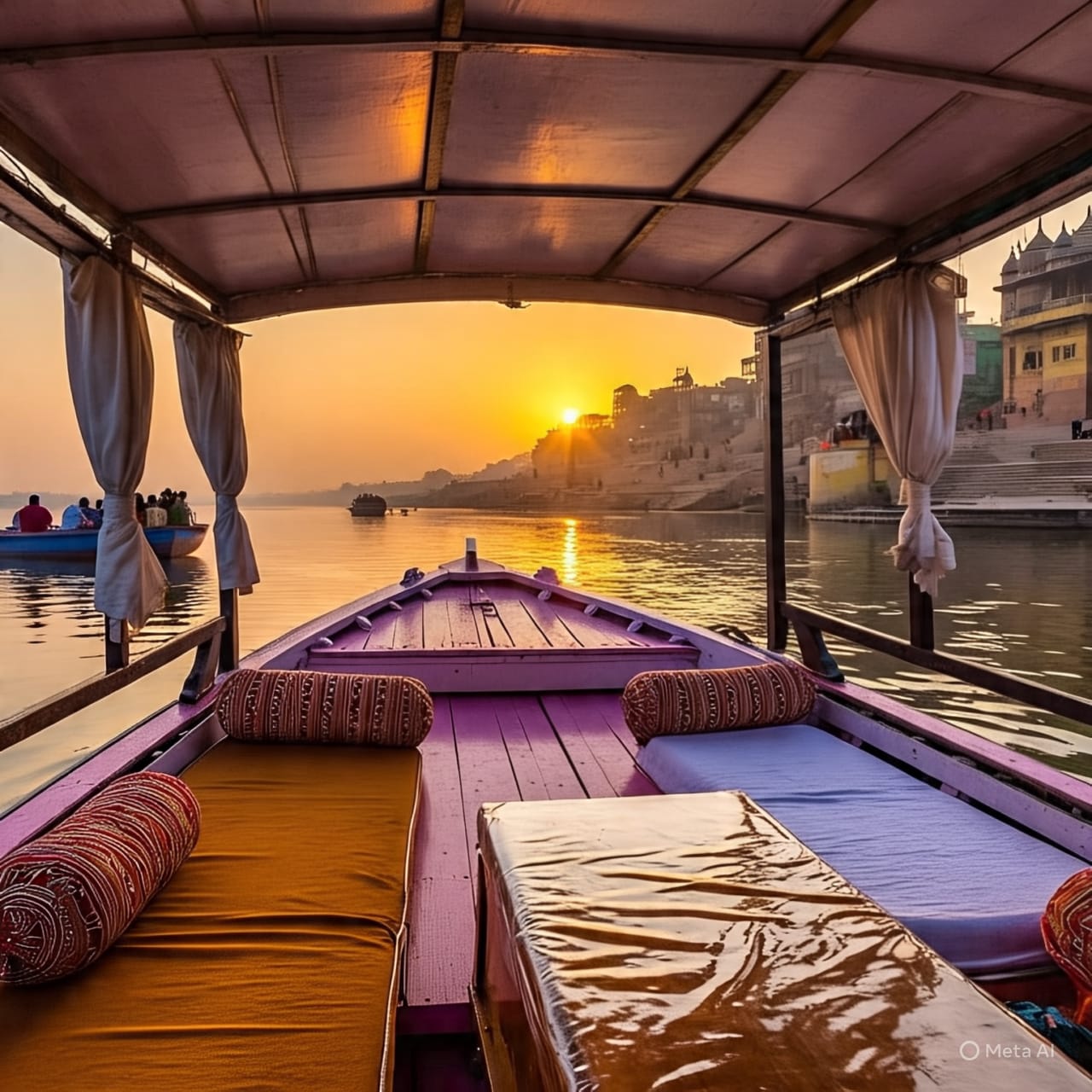
Private Boat Ride in Varanasi for Family Cost & Booking ,Picture this: your family gliding peacefully along the sacred Ganges as the first rays of sunlight paint ancient temples in shades of gold, or watching your children’s faces light up as thousands of lamps flicker during the evening aarti—all from your private boat where nobody’s rushing you, nobody’s crowding your space, and the experience unfolds exactly as your family needs it to. A private boat ride in Varanasi isn’t just transportation—it’s one of those rare travel experiences that appeals to everyone from excited toddlers to contemplative grandparents. Let me walk you through everything you need to know about costs, booking, and creating that perfect family moment on the holiest river in India.
Why Choose a Private Boat Ride in Varanasi?
Privacy and Comfort for Families
Private Boat Ride in Varanasi for Family Cost & Booking ,Ever tried explaining Varanasi’s spiritual significance while squeezed between strangers on a shared boat? Not ideal. A private boat gives your family its own floating sanctuary. Kids can ask questions without disturbing others, elders can sit comfortably without feeling rushed, and everyone can react authentically to what they’re seeing—whether that’s wonder, emotion, or the simple joy of being together in an extraordinary place.
You control the atmosphere. Want contemplative silence? You’ve got it. Prefer lively family chatter? Go ahead. Need to handle a tired toddler or accommodate someone’s mobility challenges? Your boat, your rules, your comfort.
Flexibility in Timing and Route
Shared boats run on fixed schedules with predetermined routes. Private boats? They adapt to your family’s rhythm. Want to linger longer at a particularly beautiful ghat? Done. Need to cut the ride short because someone’s getting tired? No problem. Interested in exploring quieter, less-touristy stretches? Your boatman will take you there.
This flexibility is gold when traveling with children who have unpredictable moods, elders who need frequent breaks, or anyone with specific photography interests or spiritual intentions. You’re not watching the clock—you’re experiencing the river at your family’s pace.
Personalized Experience
Private Boat Ride in Varanasi for Family Cost & Booking , Your boatman becomes your personal guide, storyteller, and cultural ambassador. Without the distraction of multiple groups, he can tailor his commentary to your family’s interests. Fascinated by architecture? He’ll point out architectural details. Want spiritual context? He’ll explain rituals and beliefs. Traveling with history buffs? He’ll share stories spanning centuries.
This personalization transforms a simple boat ride into an educational, emotional, and memorable family experience that everyone—regardless of age—can engage with meaningfully.
Types of Boat Rides Available
Sunrise Boat Ride
Timing: 5:00-7:00 AM
Duration: 1.5-2 hours
Ideal For: Families who appreciate peace, photographers, spiritual seekers
There’s something magical about watching Varanasi wake up. The city slowly comes alive—people descending for holy baths, priests beginning morning prayers, the sun painting everything golden. The river is calm, the air is cool, and the energy is pure.
Kids often love sunrise rides more than you’d expect—the adventure of waking early, the misty river atmosphere, watching boats emerge from fog. It feels like entering a fairy tale.
Sunset Boat Ride
Timing: 5:00-7:00 PM
Duration: 1.5-2 hours
Ideal For: Romantic families, those who can’t wake early, sunset lovers
Golden hour on the Ganges is spectacular. The setting sun creates dramatic silhouettes of temples and ghats, the light is photographer-friendly, and the temperature is comfortable. You’ll see evening activities—people lighting lamps, priests preparing for aarti, the city transitioning from day to night.
The energy is different from morning—more vibrant, more colorful, more outwardly celebratory. Perfect for families who prefer evening adventures.
Ganga Aarti Viewing Boat Ride
Timing: 6:00-8:00 PM
Duration: 2-2.5 hours
Ideal For: Everyone—it’s the most popular family option
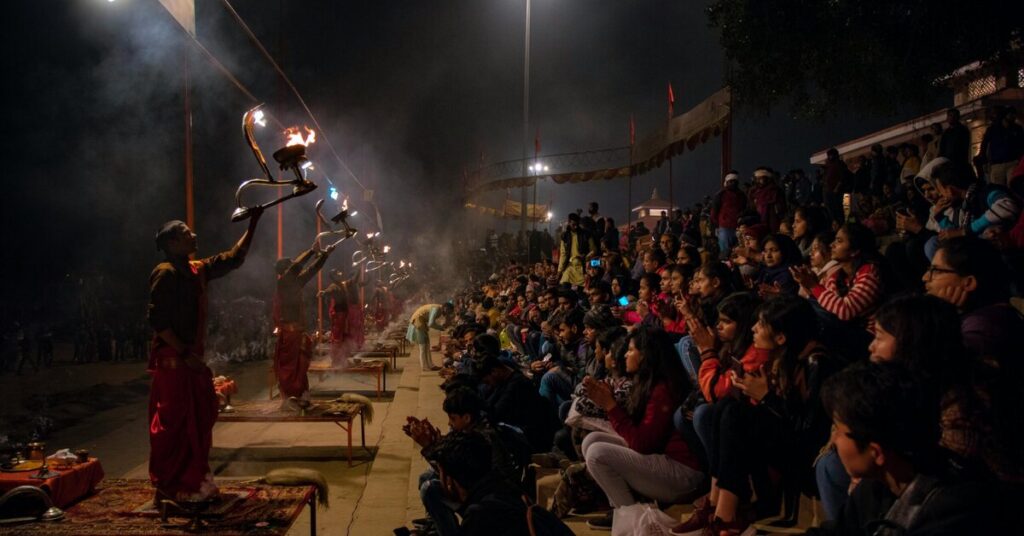
This combines sunset beauty with the spectacular evening aarti ceremony at Dashashwamedh Ghat. Your boat anchors about 30-40 meters from the ghat, giving you an unobstructed view of the synchronized lamp offerings, chanting, and thousands of attendees on the ghats.
From the water, you see both the ceremony and the crowd’s reaction—a perspective that ground-level viewing can’t provide. The reflection of fire on water, the sound of mantras echoing across the river, the visual grandeur of illuminated ghats—it’s Varanasi’s signature experience, and viewing it from your private boat makes it even more special.
Full-Day Boat Tour
Timing: Flexible, typically 4-6 hours
Duration: Half or full day
Ideal For: Families wanting comprehensive exploration, photographers, dedicated travelers
This extended experience lets you see Varanasi’s entire riverfront at a leisurely pace. You’ll cover ghats from Assi in the south to Raj Ghat in the north, stop for breaks at interesting points, perhaps combine with walking tours of specific ghats, and truly understand the river’s role in the city’s life.
Some families split this over two sessions—morning for 2-3 hours, then evening for another 2-3 hours—rather than one continuous stretch. This prevents fatigue while maximizing coverage.
Early Morning Spiritual Tour
Timing: 5:00-8:00 AM
Duration: 2-3 hours
Ideal For: Spiritually-inclined families, those seeking deeper understanding
This focuses specifically on spiritual activities—watching morning prayers, observing bathing rituals, understanding cremation ceremonies (from respectful distance), visiting riverside temples, and perhaps participating in simple offerings or prayers yourselves.
Boatmen for these tours often have deeper spiritual knowledge and can explain the philosophical and religious significance of what you’re witnessing. It’s educational without being preachy, respectful without being detached.
Complete Cost Breakdown for Private Boat Rides
Standard Wooden Boats
Capacity: 6-10 people
Cost: ₹600-1,200 per hour
Total Trip Costs:
- 1 hour: ₹600-1,200
- 1.5 hours: ₹900-1,800
- 2 hours: ₹1,200-2,400
- 3 hours: ₹1,800-3,600
These are traditional rowing boats—simple, authentic, functional. They have basic seating (wooden planks or simple cushions), no decorations, and represent the classic Varanasi experience. The boatman rows manually, creating a peaceful, rhythmic journey.
What’s Included: Boat rental, boatman service, basic commentary
What’s Not Included: Life jackets (often available on request), additional services, tips
Best For: Budget-conscious families, those seeking authentic experience, shorter rides
Premium Decorated Boats
Capacity: 6-10 people
Cost: ₹2,000-4,000 per hour
Total Trip Costs:
- 1 hour: ₹2,000-4,000
- 1.5 hours: ₹3,000-6,000
- 2 hours: ₹4,000-8,000
- Aarti viewing: ₹3,000-6,000 (fixed package)
These boats feature better seating (cushioned benches or chairs), flower decorations, cleaner interiors, and sometimes colored fabric draping. Some include small canopies for sun protection. The aesthetic is significantly enhanced—think Instagram-worthy versus purely functional.
What’s Included: Decorated boat, comfortable seating, life jackets, boatman, detailed commentary
What’s Not Included: Food/beverages, special ceremonies, photography services
Best For: Special occasions (birthdays, anniversaries), comfort-focused families, photography enthusiasts
Luxury Boats with Amenities
Capacity: 8-12 people
Cost: ₹5,000-10,000 per hour
Total Trip Costs:
- 2 hours: ₹10,000-20,000
- Aarti viewing with amenities: ₹12,000-25,000
- Half-day (4 hours): ₹20,000-40,000
Top-tier boats offer cushioned seating, canopies, sometimes basic refreshments (water, snacks), cleaner and well-maintained vessels, and experienced boatmen who speak better English and provide richer commentary. Some luxury boats even have small tables and proper seating arrangements.
What’s Included: Everything from premium boats plus refreshments, better safety equipment, possible photographer, tour guide
What’s Not Included: Elaborate meals, alcohol, special ceremonies beyond basic flowers
Best For: Multi-generational families needing comfort, special celebrations, those prioritizing convenience and quality
Seasonal Price Variations
Peak Season (November-February):
- Standard prices or 10-20% premium
- Higher demand means less negotiation room
- Advance booking recommended
Shoulder Season (October, March):
- Standard prices
- Moderate demand
- Some negotiation possible
Off-Season (April-September):
- 20-30% lower prices
- Lower demand means good negotiating power
- Weather considerations (heat/monsoon)
Festival Times (Dev Deepavali, Mahashivaratri):
- 30-50% premium pricing
- Very high demand
- Must book weeks in advance
Boat Capacity and Family Size Considerations
Small Family Boats (4-6 People)
Ideal For: Nuclear families, couples with 1-2 children
Cost: ₹600-3,000 for standard trips
Advantages: More intimate, easier communication, quicker boarding
These boats are perfect for smaller groups who want that cozy family experience. Everyone can hear each other, interact with the boatman easily, and move around (carefully) within the boat.
Medium Family Boats (6-10 People)
Ideal For: Extended families, multi-generational groups
Cost: ₹1,200-6,000 depending on quality
Advantages: Everyone together, cost-effective per person
This is the sweet spot for most family trips. Grandparents, parents, children—everyone fits comfortably. The per-person cost becomes very reasonable when divided among 8-10 people.
Example: ₹2,400 for 2 hours ÷ 8 people = ₹300 per person—incredibly affordable for such a unique experience.
Large Group Boats (10-15 People)
Ideal For: Large families, family reunions, multiple families traveling together
Cost: ₹2,000-8,000 depending on duration and boat quality
Advantages: No one left out, shared experience, very economical per person
These larger boats can accommodate substantial groups while keeping everyone together. Great for creating shared family memories where three generations experience something simultaneously.
Consideration: Ensure the boat has adequate safety equipment for all passengers and isn’t overloaded beyond safe capacity.
Best Times for Family Boat Rides
Early Morning Magic (5:00-7:00 AM)
Temperature: Cool and comfortable (10-20°C in winter, 22-28°C in summer)
Crowd Level: Low—mostly locals and dedicated travelers
Light Quality: Stunning—soft golden morning light perfect for photos
Atmosphere: Peaceful, meditative, spiritual
Family Considerations:
- Can children wake up this early? (Many families are surprised—kids often love the adventure)
- Elderly members comfortable with cool temperatures?
- Bring layers—mornings can be chilly, especially November-February
Why It’s Special: You see authentic Varanasi—people performing daily rituals, priests conducting private ceremonies, the city in its most genuine state. It’s quieter, calmer, and arguably more spiritually moving than busier times.
Peaceful Mid-Morning (8:00-10:00 AM)
Temperature: Pleasant to warm
Crowd Level: Moderate—post-rush hour calm
Light Quality: Bright, clear—good visibility
Atmosphere: Active but not overwhelming
Family Considerations:
- Reasonable wake-up time for everyone
- Good for families with young children who need normal sleep schedules
- Sun protection needed (hats, sunscreen)
Why It’s Special: You see daily life in full swing—laundry being done, kids playing on ghats, boat traffic, markets active. It’s Varanasi as a living city, not just a spiritual destination.
Golden Sunset Hours (5:00-7:00 PM)
Temperature: Comfortable—escaping day’s heat
Crowd Level: Moderate to high
Light Quality: Magical—golden hour perfection
Atmosphere: Energetic, colorful, transitional
Family Considerations:
- Perfect post-rest timing for families
- Not too early, not too late
- Great for photography enthusiasts
- Temperature comfortable for all ages
Why It’s Special: The city transforms before your eyes—from day to night, from mundane to sacred. The changing light creates constantly evolving photo opportunities.
Evening Aarti Experience (6:00-8:00 PM)
Temperature: Comfortable evenings
Crowd Level: High—this is peak viewing time
Light Quality: Dramatic—fire-lit darkness
Atmosphere: Spectacular, ceremonial, electric
Family Considerations:
- Long duration (2-2.5 hours total)
- Children might get restless during anchored waiting
- Bring entertainment for kids during pre-aarti time
- Amazing visual spectacle usually keeps everyone engaged
Why It’s Special: This is THE signature Varanasi experience. Your family witnesses one of Hinduism’s most visually stunning daily ceremonies from the best possible vantage point.
Popular Routes and Itineraries
Short Route (1 Hour)
Coverage: Dashashwamedh Ghat to Assi Ghat (or vice versa)
Distance: Approximately 2-3 km
Highlights: 8-10 major ghats, main temples, basic introduction
Typical Itinerary:
- Start at Dashashwamedh
- Pass Munshi Ghat, Darbhanga Ghat
- View Man Mandir Observatory
- See Chet Singh Fort
- End at Assi Ghat
Best For: Time-constrained families, first-time visitors getting oriented, families with very young children
Limitation: Feels slightly rushed; doesn’t cover northern ghats or complete experience
Standard Route (1.5-2 Hours)
Coverage: Assi Ghat to Raj Ghat (full stretch)
Distance: Approximately 6-7 km
Highlights: 20-25 ghats, major temples, cremation ghats (from distance), full riverfront panorama
Typical Itinerary:
- Start at Assi Ghat (southern end)
- Pass through all southern ghats
- Central ghats including Dashashwamedh
- View Manikarnika Ghat (cremation)
- Northern ghats
- End at Raj Ghat or turn back midway
Best For: Most families—comprehensive without exhausting
Sweet Spot: This gives you the complete Varanasi river experience without feeling rushed
Extended Route (2-3 Hours)
Coverage: Complete riverfront with detailed stops
Distance: Full stretch with time for stopping
Highlights: Everything above plus stops for closer ghat viewing, possible brief disembarkation, detailed explanations
Typical Itinerary:
- Start at chosen ghat
- Slow, detailed journey with boatman providing extensive commentary
- Stop at 2-3 significant ghats for closer viewing
- Perhaps brief walk on selected ghat
- Possibly timed to include both sunrise/sunset AND return journey
Best For: Photography enthusiasts, spiritually-interested families, those wanting deep understanding
Consideration: Long duration requires comfort provisions—snacks, water, sun protection, patience from children
Custom Routes
Many families create custom routes based on specific interests:
Spiritual Focus: Emphasizing religiously significant ghats, temples, and ceremonies
Architectural Focus: Highlighting historic structures, palaces, and architectural elements
Photography Focus: Timing and positioning for best light and compositions
Historical Focus: Emphasizing historical events, figures, and timelines connected to various ghats
Discuss your interests with your boatman or tour operator when booking. They can customize the experience accordingly.
How to Book a Private Boat Ride
Booking Through Hotels
Process: Ask your hotel concierge or reception to arrange
Cost: Standard rates plus 10-20% commission (built into price)
Advantages:
- Zero hassle—hotel handles everything
- Reliable boatmen (hotels screen them)
- Easy problem resolution if issues arise
- Fixed timing coordination
- No price negotiation stress
Disadvantages:
- Slightly higher cost due to commission
- Less direct control over boat selection
Best For: Families prioritizing convenience, first-time visitors, those uncomfortable with street negotiations
How To: Simply tell your hotel: “We want a private boat ride for [number] people at [time] for [duration].” They’ll quote a price, arrange everything, and often have the boatman meet you at the hotel or coordinate transport to the ghat.
Direct Booking at Ghats
Process: Walk to a ghat, find boatmen, negotiate directly
Cost: Lowest prices—direct rates with no middlemen
Advantages:
- Best prices through negotiation
- Can see boat before committing
- Immediate availability
- Direct communication with boatman
Disadvantages:
- Requires negotiation skills
- Language barriers possible
- Quality varies—need to assess boat and boatman
- Potential for miscommunication about timing/pricing
- Aggressive touts can be overwhelming
Best For: Budget travelers, those comfortable with negotiations, experienced India travelers
Negotiation Tips:
- Get quotes from 3-4 boatmen
- Be polite but firm
- Start negotiating at 40-50% of first quote
- Settle around 60-70% for fair price
- Clarify: duration, route, timing, what’s included
- Confirm price is “total” not “per person”
Online Booking Platforms
Platforms: Viator, GetYourGuide, TripAdvisor Experiences, Thrillophilia, local Varanasi tourism websites
Cost: Mid-range—convenience premium over direct booking but competitive
Advantages:
- Book from home before arriving
- Read reviews from other families
- Clear pricing and inclusions
- Cancellation policies
- English-language interface
- Payment security
Disadvantages:
- Less flexibility than direct booking
- Slight markup over direct prices
- Fixed packages may not perfectly match needs
Best For: Planners who prefer advance bookings, families wanting reviews and assurance, international travelers unfamiliar with local booking
Popular Packages Online:
- Sunrise boat ride: $15-30 per person
- Ganga Aarti viewing: $20-40 per person
- Private boat (group): $40-80 total for standard boats
Tour Operators and Travel Agencies
Process: Book through travel agencies or tour companies
Cost: Highest—includes significant markup for comprehensive service
Advantages:
- Part of larger tour packages
- Professional guides often included
- All logistics handled
- Quality assurance
- Backup support
Disadvantages:
- Highest cost option
- Less flexibility
- Sometimes feels more “tour” than authentic experience
Best For: Package tourists, those wanting completely hands-off planning, first-time international travelers wanting security
Best Ghats to Start Your Boat Ride
Assi Ghat – Southern Starting Point
Location: Southern end of main ghat stretch
Accessibility: Easy vehicle access, less crowded than central ghats
Parking: Available nearby
Atmosphere: More peaceful, artistic, bohemian vibe
Advantages:
- Less chaotic boarding
- Good for families wanting calm start
- Near cafés and accommodations if staying in Assi area
- Can proceed northward covering entire stretch
Disadvantages:
- If only doing partial route, might miss northern ghats
- Slightly further from hotels in central areas
Best For: Families staying in Assi area, those wanting to cover full north-bound route, morning ride enthusiasts
Dashashwamedh Ghat – Central Hub
Location: Most famous central ghat
Accessibility: Accessible but can be crowded
Parking: Challenging—must park at distance and walk
Atmosphere: Busy, energetic, central to everything
Advantages:
- Central location—easy to reach from most hotels
- Close to Kashi Vishwanath Temple if combining activities
- Boatmen abundant—easy to find rides
- Can go north or south from here
Disadvantages:
- Crowded, especially evening
- Boarding can be hectic
- Touts and aggressive sellers
Best For: First-time visitors, those staying centrally, families combining with other old city activities
Lalita Ghat – Convenient Access
Location: Between Dashashwamedh and Assi
Accessibility: Good vehicle access, less crowded than Dashashwamedh
Parking: Relatively easier
Atmosphere: Balanced—active but manageable
Advantages:
- Good compromise between Assi and Dashashwamedh
- Easier boarding than main tourist ghats
- Central enough to access both directions
- Near some quality guesthouses
Disadvantages:
- Less well-known—might need directions
- Fewer boatmen than major ghats
Best For: Families wanting balance of convenience and calm, those staying in mid-ghat area
Other Boarding Points
Meer Ghat: Quiet, near Assi, good for peaceful starts
Raj Ghat: Northern boarding point, good for south-bound routes
Kedar Ghat: Less touristy, authentic atmosphere
Man Mandir Ghat: Near observatory, interesting architecture
Choose based on your accommodation location and desired route direction.
What to Expect During Your Boat Ride
The Boatman and Communication
Most boatmen speak basic English—enough for essential communication. They understand common requests: “slow down,” “stop here,” “what is this ghat?” However, detailed historical or spiritual explanations might be limited if language is a barrier.
What They’ll Tell You:
- Names of ghats as you pass
- Significant temples and their deities
- Basic stories about important locations
- Information about daily activities you’re witnessing
Communication Tips:
- Speak clearly and simply
- Use hand gestures to supplement words
- Have translation app ready for complex questions
- Pre-download ghat information on your phone for self-education
- Consider hiring separate guide if detailed English commentary is important
Boatman Expectations:
- They row manually (unless motor boat)—physically demanding work
- They expect tips beyond agreed price (₹100-300 typical)
- They’re generally friendly, patient with children
- Many are multi-generational boatmen—family tradition
Safety Measures
Life Jackets: Not always automatically provided but usually available if requested. For children, definitely ask and insist.
Boat Stability: Traditional wooden boats are stable in calm conditions but rock with movement. Avoid sudden movements, especially standing.
Swimming: The Ganges, despite its spiritual purity, isn’t clean in terms of water quality. Falling in won’t cause immediate harm, but avoid if possible. Keep children seated safely.
Weather Monitoring: Boatmen track weather and won’t venture out in dangerous conditions. Trust their judgment if they say conditions aren’t suitable.
Emergency Protocols: Boatmen know the river intimately. In unlikely emergencies, follow their instructions immediately.
Sights Along the Way
Ghats You’ll See: Anywhere from 10-30 depending on route—each with distinct architecture, purposes, and stories
Temples: Riverside temples dedicated to various deities—Shiva predominant but also Durga, Hanuman, Kali
Cremation Ghats: Manikarnika and Harishchandra—you’ll view from respectful distance; photographs strictly prohibited
Daily Activities: Bathing, laundry, yoga practitioners, children playing, priests performing private pujas, vendors, sadhus meditating
Architecture: Palaces, havelis, ancient structures, colonial buildings, modern constructions—architectural timeline of several centuries
Wildlife: Occasional river dolphins (rare but possible), many birds including egrets and kingfishers, cows on ghats
Safety Tips for Family Boat Rides
Life Jackets and Safety Equipment
For Children: Non-negotiable. Insist on life jackets for all children, regardless of swimming ability. Most boats have them—ask before departing.
For Adults: While not always worn, know where they’re located. If water conditions seem rough or you’re uncomfortable swimmer, wear one without embarrassment.
Boat Inspection: Before departing, do a quick visual check—Does the boat look maintained? Are there obvious structural concerns? Trust your instincts.
Weather Considerations
Wind: Strong winds create waves and make rowing difficult. Boatmen won’t venture out in truly dangerous winds, but moderate winds can make rides bumpy.
Rain: Light rain is fine—romantic even. Heavy rain makes visibility poor and can be uncomfortable. Summer monsoon downpours mean postponing.
Fog: Winter mornings can bring heavy fog. Reduces visibility dramatically but isn’t dangerous—boatmen know the river. Creates ethereal atmosphere.
Sun: Summer sun (March-June) is intense. Bring hats, sunscreen, covered clothing. Dehydration is real risk.
Best Conditions: Clear days with light breeze, moderate temperatures—October-March generally ideal
Child Safety Measures
Seating: Keep children seated in boat’s center—most stable area. Avoid letting them sit on boat edges.
Supervision: Constant adult supervision. The river is fascinating—children lean to see. Hold smaller children or keep hand on them.
Life Jackets: Already mentioned but bears repeating—life jackets for all children, no exceptions.
Entertainment: Bring quiet activities for restless moments. Pointing out sights, telling stories, playing “I Spy” with ghats keeps kids engaged.
Bathrooms: No facilities on boats. Ensure children use bathrooms before departing. For longer rides, inform boatman you might need to stop at a ghat.
Snacks: Hungry children are unhappy children. Bring snacks and water (in secure, non-spillable containers).
What to Bring on Your Boat Ride
Essential Items
Water: Minimum 1 liter per person, more in summer. Staying hydrated is crucial.
Sunscreen: SPF 30+ applied 30 minutes before departure. Reapply if sweating.
Hats/Caps: Sun protection for all family members. Wide-brimmed for maximum coverage.
Sunglasses: Glare off water is intense. Polarized lenses ideal.
Light Jacket/Shawl: Even in warm seasons, early morning/evening on water can be cool. Winter—definitely bring layers.
Cash: ₹500-1,000 for tips, offerings, emergency purchases. Card payments rare with boatmen.
Phone: For photos, emergencies, translation apps, time-checking.
Small Bag: Secure cross-body bag for essentials. Keep hands free for balance/holding children.
Photography Equipment
Camera: DSLR, mirrorless, or high-quality smartphone. Boat movement challenges stability.
Lenses: Wide-angle (16-35mm) for ghat panoramas; 24-70mm versatile zoom; 70-200mm for distant details.
Protection: Waterproof bag or cover. Water splashes possible, especially if windy.
Memory Cards: Bring extra. You’ll take more photos than planned.
Power Bank: Phone batteries drain quickly with constant photo-taking.
Lens Cloth: River spray can spot lenses.
GoPro/Action Camera: Excellent for video, wide-angle shots, water-resistant.
Comfort Items for Children
Favorite Toy: Small, quiet toy for comfort (nothing that makes noise or has loose pieces that could fall overboard).
Snacks: Non-messy options—crackers, dry fruits, biscuits. Avoid chocolate (melts) or anything that needs refrigeration.
Wet Wipes: For sticky fingers, face cleaning, general hygiene.
Change of Clothes: In waterproof bag, in case of unexpected splashes.
Hat with Strap: Regular caps blow off—secure hats that won’t fly away.
Sippy Cups: For younger children—spill-proof water containers.
Light Blanket: For napping during longer rides.
Photography Tips from the Boat
Camera Settings:
- Morning/Evening: ISO 400-800, faster shutter (1/250+) to handle boat movement
- Midday: ISO 100-200, shutter 1/500+ (bright conditions)
- Aarti Night: ISO 1600-3200, wider aperture (f/2.8-f/4), sh
utter 1/125+ with image stabilization
- Use shutter priority or manual mode for control
Composition Tips:
- Rule of thirds: Place horizon on lower/upper third, not center
- Leading lines: Use boat edge, oar, or river flow as leading lines toward ghats
- Frame within frame: Shoot through boat structures, between passengers
- Silhouettes: During sunrise/sunset, expose for sky to create dramatic ghat silhouettes
- Reflections: Capture temple and ghat reflections in calm water
- Symmetry: Centered compositions work beautifully with symmetrical ghat architecture
Handling Boat Movement:
- Higher shutter speeds: Minimum 1/250 second, preferably 1/500+
- Continuous shooting mode: Burst 3-5 shots—one will be sharp
- Image stabilization: Turn on lens/camera stabilization
- Brace yourself: Tuck elbows to body, steady against boat edge (carefully)
- Anticipate shots: Watch patterns, predict moments rather than reacting
What to Photograph:
- Wide shots: Entire ghat panoramas
- Details: Architectural elements, carved pillars, temple domes
- People: Bathers, priests, daily activities (be respectful—ask if taking close portraits)
- Candid family: Your own family experiencing the moment
- Silhouettes: Especially during golden hours
- Aarti ceremony: Priests with lamps, crowd reactions, fire reflections
Etiquette:
- No flash during aarti—ruins ambiance and disturbs ceremony
- Don’t photograph cremation ghats (Manikarnika, Harishchandra)
- Be respectful with people photos—some prefer privacy during religious activities
- Don’t obsess over photos—experience moments directly too
Phone Photography:
- Use HDR mode for high-contrast scenes
- Tap to focus before shooting
- Hold phone horizontally for landscapes
- Use burst mode for movement
- Clean lens frequently—river spray and fingerprints affect quality
Additional Services and Costs
Breakfast on Boat
Some boatmen or tour operators offer breakfast during sunrise boat rides—typically Indian breakfast like poha, paratha, tea, or fruit.
Cost: ₹300-800 per person depending on elaborateness
What’s Included: Usually light breakfast with tea/coffee
Value: Adds special touch to sunrise rides; convenient if you left hotel early
DIY Option: Bring your own breakfast items from hotel or local shop—chai in thermos, packed parathas, bananas. Most boatmen don’t mind if you’re polite and don’t litter.
Flower Offerings and Ceremonies
Flower Diyas: Small floating lamps with flowers to release into Ganges
Cost: ₹50-200 per diya
Significance: Traditional offering for prayers, wishes, remembrance of ancestors
Puja Arrangements: Boatman can arrange priest to perform simple puja on boat
Cost: ₹500-2,000 depending on ceremony complexity
What’s Involved: Prayers, offerings, blessings—usually 15-30 minutes
Family Value: Kids often love releasing flower diyas—makes experience participatory and creates meaningful moment even for non-religious families.
Photography Services
Some operators offer professional photographer to accompany your boat ride.
Cost: ₹2,000-5,000 for 2-hour session
Deliverables: 50-100+ edited digital photos
Value: Frees family to experience without photography worry; professional quality guaranteed
Alternative: Ask boatman to take family photos with your camera/phone—tip him ₹100-200 extra for the service. Quality varies but captures family together.
Tour Guide Services
Separate from boatman—English-speaking guide providing detailed historical, cultural, and spiritual commentary.
Cost: ₹800-2,000 for 2-3 hour tour
Languages: English, other languages sometimes available
Booking: Through hotels, tour operators, or guide associations at main ghats
Worth It?: If deep understanding is important—absolutely. Transforms simple boat ride into educational experience. Particularly valuable for families wanting to teach children about Indian culture and spirituality.
DIY Alternative: Download audio guides or read comprehensive ghat information beforehand. Use boatman’s basic commentary supplemented with your knowledge.
Best Season for Boat Rides
October-March (Best Overall)
Weather: Pleasant (15-25°C), comfortable for all ages
River Conditions: Optimal water levels, calm
Visibility: Excellent—clear skies
Considerations: Peak tourist season; book ahead; expect moderate crowds
Specific Month Recommendations:
- November-February: Ideal temperature, best for sunrise/sunset rides
- December-January: Coldest—bring layers for morning rides
- October, March: Perfect shoulder months—good weather, fewer tourists
April-June (Hot Season—Moderate Choice)
Weather: Very hot (30-45°C), uncomfortable midday
River Conditions: Lower water levels by June
Visibility: Hazy from heat
Considerations: Early morning/late evening only; strong sun protection needed; fewer tourists; better prices
Best Times: Sunrise (5-7 AM) before heat builds, or post-sunset evening rides
July-September (Monsoon—Adventurous Choice)
Weather: Humid (28-35°C), frequent rain
River Conditions: Swollen, flowing faster, murkier
Visibility: Variable—beautiful when clear, poor during rain
Considerations: Dramatic atmospheric quality; very few tourists; lowest prices; rain can force cancellations
For Adventurous Families: Monsoon Ganges is powerful, impressive, and photographs dramatically. Just be flexible with weather-related plan changes.
Common Mistakes to Avoid
Booking Too Short Duration
Many first-timers book 1-hour rides and regret it—feels rushed. Solution: Book minimum 1.5-2 hours for comfortable experience.
Arriving Late
Especially for sunrise/aarti rides. Late arrival means missed moments or no boats available. Solution: Build in buffer time—plan to arrive 30 minutes earlier than needed.
Overdressing
Heavy clothing, formal wear, tight garments restrict movement and comfort. Solution: Comfortable, modest, weather-appropriate clothing with layers.
No Sun Protection
Underestimating sun’s intensity on water leads to sunburn, headaches, exhaustion. Solution: Sunscreen, hats, sunglasses, covered clothing—even on cloudy days.
Forgetting Water
Dehydration ruins experiences quickly, especially for children. Solution: Bring more water than you think necessary.
Photography Obsession
So focused on capturing everything, you don’t experience anything directly. Solution: Designate one family member as photographer for portions; rotate so everyone experiences directly.
Not Clarifying Price
Assuming quoted price only to discover it was “per person” or doesn’t include expected services. Solution: Confirm total price, what’s included, duration, and route before departing.
Littering
Treating sacred river as trash receptacle. Solution: Bring bag for trash; dispose properly on shore.
Disrespecting Ceremonies
Loud talking during aarti, inappropriate photos at cremation ghats, interrupting prayers. Solution: Observe reverently; ask boatman about appropriate behavior.
Unrealistic Expectations for Children
Expecting toddlers to sit quietly for 3 hours without entertainment. Solution: Realistic planning—shorter rides for young children, bring entertainment, be prepared to adapt.
Making It Special for Children
Storytelling Approach
Transform the ride into adventure story: “We’re explorers on the sacred river discovering ancient temples!” Kids engage better with narrative framing.
Scavenger Hunt
Create list before ride: “Find temple with orange flag,” “Spot someone doing yoga,” “See a cow on steps,” “Find red boat.” Keeps children observant and engaged.
Photography Project
Give older children disposable cameras or old phone. Let them document ride from their perspective. Creates ownership and engagement.
Educational Moments
Brief, age-appropriate information: “This river is very old—older than great-great-great grandma!” Connect to things they understand.
Participation
Let them release flower diyas, ring bells (if available), pour water as offering (with guidance). Active participation beats passive observation.
Snack Strategy
Strategic snack distribution—every 20-30 minutes small treat. Creates positive associations and prevents hunger-related meltdowns.
Movement Breaks
On longer rides, if boatman stops at ghats, let children walk briefly (supervised). Sitting extended periods is hard for kids.
Celebration
Make it special—”This is a once-in-lifetime adventure!” Take family photos, create memory, talk about it excitedly. Your enthusiasm becomes theirs.
Elderly-Friendly Boat Ride Considerations
Boat Selection
Choose boats with easier boarding—lower sides, stable platforms, comfortable seating. Premium boats often better accommodate mobility challenges.
Boarding Assistance
Boatmen help with boarding, but having an additional adult family member for support is wise. Take time—don’t rush.
Seating Comfort
Request cushions, bring your own portable seat cushions, or choose premium boats with proper seating. Long rides on hard wooden planks strain elderly backs.
Duration Management
Shorter rides (1-1.5 hours) may be more comfortable. Elderly family members can enjoy experience without exhaustion.
Timing Consideration
Avoid extreme temperatures—mid-morning rides (8-10 AM) or early evening (5-6 PM before aarti crowds) offer moderate conditions.
Bathroom Planning
Ensure bathroom visit before departure. For longer rides, discuss with boatman possibility of brief ghat stops if needed.
Medical Considerations
Bring necessary medications, inform boatman of any health concerns, have emergency contacts ready, ensure adequate hydration.
Shade Options
Boats with canopies protect from sun/light rain. Request or bring umbrella if boat doesn’t have shade.
Communication
Ensure elderly members can hear boatman’s commentary—closer seating, speak up capability, written notes if hearing impaired.
Respect Limitations
Don’t push reluctant elderly members—sometimes watching from ghat café while family boats is perfectly acceptable. Participation should be comfortable, not stressful.
Combining Boat Ride with Other Activities
Full-Day Itinerary Example:
5:00 AM: Sunrise boat ride (2 hours)
7:00 AM: Breakfast at riverside café
8:00 AM: Return to hotel, rest
10:00 AM: Visit Kashi Vishwanath Temple
12:00 PM: Lunch
2:00 PM: Explore silk weaving center or BHU campus
4:00 PM: Rest at hotel
6:00 PM: Evening boat ride for Ganga Aarti
8:00 PM: Dinner, night walk through lanes
Half-Day Combinations:
Morning: Boat ride + temple visits + breakfast
Evening: Walking tour of old city + boat aarti viewing + dinner
Multi-Day Families:
Day 1: Evening arrival, ghat walk, evening aarti from boat
Day 2: Sunrise boat ride, temple visits, silk shopping, cooking class
Day 3: Sarnath day trip, evening free, optional second boat ride
Day 4: Morning departure
Activity Synergies:
- Boat ride gives orientation—understand ghat geography
- Post-boat, visit specific ghats/temples that interested you
- Combine with walking tour for complete perspective—water and land
- Photography families: morning boat for sunrise, evening boat for aarti—comprehensive coverage
Conclusion
A private boat ride on the Ganges isn’t just an item to check off your Varanasi bucket list—it’s often the experience families remember most vividly years later. Whether you’re gliding through the misty morning calm at sunrise with sleeping children awakening to ancient magic, or anchored in the evening darkness watching fire offerings dance while your teenager captures perfect Instagram moments, or simply drifting peacefully as three generations share silence on sacred waters—these moments become part of your family’s story.
Yes, it requires some planning—choosing the right timing for your family’s rhythm, negotiating fair prices or booking through trusted sources, preparing for weather and safety, managing children’s needs and elderly comfort. But the investment—whether it’s ₹1,200 for a simple morning row or ₹6,000 for a premium aarti viewing—returns dividends in shared wonder, cultural education, spiritual connection, and pure family bonding that no resort pool or theme park can replicate.
The Ganges has been carrying stories for millennia. For a few hours, she’ll carry yours too. Your children will remember floating past temples older than most countries. Your parents will remember the peace of watching dawn break over sacred waters. Your partner will remember the moment you all released flower lights together, making wishes while fire reflected in the river’s surface. And you? You’ll remember that despite all the planning stress, the negotiation, the early wake-up calls—it was absolutely, undeniably worth it.
So book that boat. Wake up early or stay out late. Bring your family, your cameras, your open hearts. Let Varanasi work her magic from the best possible vantage point—on the water, where the city’s soul truly reveals itself.
FAQs
1. How much does a private boat ride cost for a family in Varanasi?
Private boat rides in Varanasi cost ₹600-1,200 per hour for standard wooden boats (6-10 capacity), ₹2,000-4,000 per hour for premium decorated boats, and ₹5,000-10,000 per hour for luxury boats with amenities. For typical family experiences: a 1.5-2 hour sunrise or sunset ride costs ₹900-2,400 (standard) or ₹3,000-8,000 (premium). Ganga Aarti viewing packages (2-2.5 hours) range from ₹1,500-6,000 depending on boat quality. Split among 6-8 family members, costs per person are very reasonable—often ₹200-800 per person for comprehensive 2-hour experiences.
2. What is the best time for a family boat ride in Varanasi?
The best time depends on your family’s preferences and capabilities. Sunrise rides (5:00-7:00 AM) offer magical golden light, peaceful atmosphere, and authentic spiritual experiences but require early wake-ups. Evening Ganga Aarti rides (6:00-8:00 PM) are most popular for families—spectacular ceremony viewing, comfortable timing, and dramatic visuals, though more crowded. Mid-morning rides (8:00-10:00 AM) work well for families with young children needing normal sleep schedules. October-March provides ideal weather (15-25°C), while April-June is hot and July-September brings monsoon considerations.
3. How do I book a private boat ride in Varanasi?
Book through your hotel (most convenient—they arrange everything for standard rates plus 10-20% commission), directly at ghats (best prices through negotiation—₹600-4,000 depending on boat and duration), online platforms like Viator or GetYourGuide (advance booking with reviews and cancellation policies), or tour operators (highest cost but comprehensive service). Hotel booking is recommended for first-time visitors or families prioritizing convenience. Direct ghat booking saves money but requires negotiation skills. Always clarify: total price (not per person), duration, route, what’s included, and departure time before committing.
4. Is it safe to take children on a boat ride in Varanasi?
Yes, boat rides are generally very safe for children with proper precautions. Ensure all children wear life jackets (request from boatman if not automatically provided), keep children seated in boat’s center (most stable area), maintain constant supervision especially with younger children, avoid overloading boats beyond safe capacity, and choose calm weather conditions. Traditional wooden boats are stable in normal conditions. Boatmen are experienced and know the river intimately. Many families with infants to teenagers take boat rides daily without issues. Choose morning or early evening timing to avoid extreme heat, bring entertainment for restless moments, and pack snacks and water. The experience is typically smoother and more comfortable than children expect.
5. What should we bring for a family boat ride in Varanasi?
Essential items include: water (minimum 1 liter per person), sunscreen and hats for sun protection, light jackets for morning/evening coolness (especially November-February), cash (₹500-1,000 for tips and offerings), life jackets for children (request if not provided), camera/phone for photos with memory cards and power bank, snacks for children (non-messy options), wet wipes for hand cleaning, and small secure bag for belongings. For longer rides add: sunglasses, extra water, light blankets for children, change of clothes (in waterproof bag), and entertainment for kids. Avoid bringing: excessive valuables, large bags, unnecessary electronics, or items that can easily fall overboard.