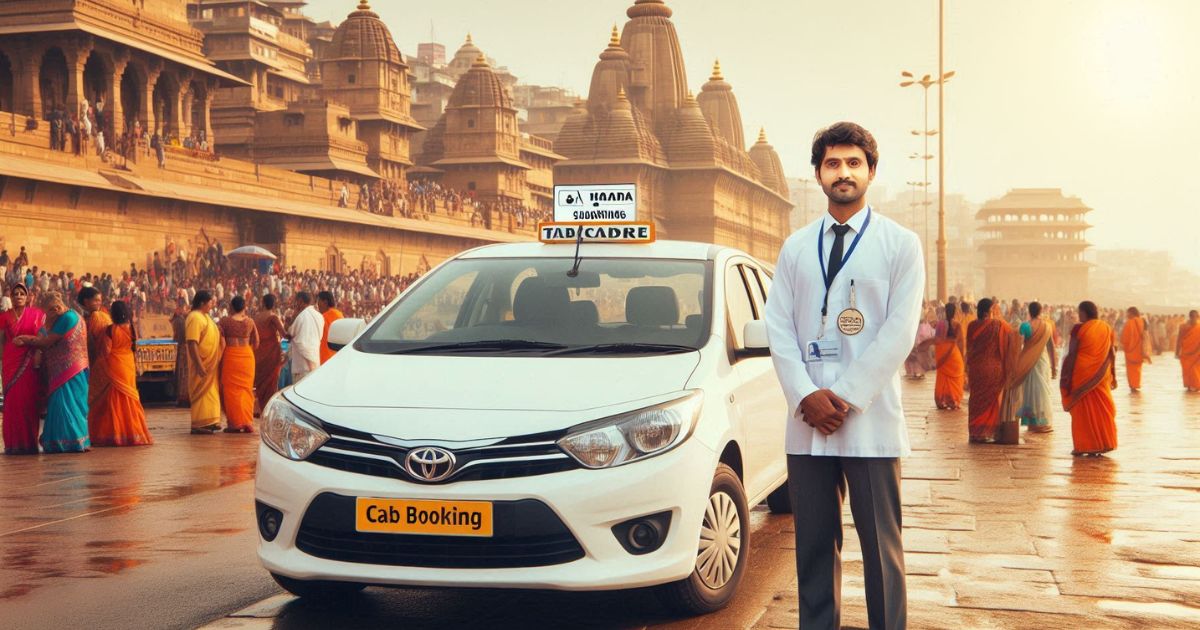
Private Taxi Prayagraj Heritage + Temple Tour , Have you ever explored a city where ancient spirituality and modern history intertwine so beautifully? Prayagraj—formerly known as Allahabad—offers exactly this rare combination. Beyond being home to the sacred Sangam where three holy rivers converge, this city played a pivotal role in India’s independence movement and showcases architectural marvels spanning centuries. A private taxi tour combining Prayagraj’s temples with heritage sites gives you the complete picture—morning prayers at ancient temples followed by afternoon explorations of colonial-era buildings where India’s freedom was shaped. This isn’t just tourism; it’s a journey through layers of time where devotion, history, and culture create unforgettable experiences. Ready to discover Prayagraj beyond the Sangam?

Why Choose a Private Taxi Tour?
Freedom and Flexibility
Private Taxi Prayagraj Heritage + Temple Tour , Private taxis put you in control. Want to spend extra time meditating at Sangam? No problem. Fascinated by Anand Bhawan’s independence history and need another hour? Done. Tired and want to skip a location? Your choice. Unlike fixed-schedule group tours or public transport chaos, private taxis adapt to your rhythm, interests, and energy levels. This flexibility transforms tourism from obligation into genuine exploration where you discover what truly resonates with you.
Comfort and Convenience
Prayagraj’s attractions spread across the city—temples near the riverfront, heritage sites in civil lines, the fort in another direction. Navigating these distances using autos or walking becomes exhausting, especially during hot summers. Air-conditioned private taxis offer comfortable transitions between sites, becoming your mobile rest space where you recharge between explorations. The convenience of door-to-door service from your hotel eliminates the stress of finding transportation repeatedly.
Cost-Effective for Groups
Here’s the pleasant surprise—for families or friend groups (4+ people), private taxis often cost less per person than booking individual transport or joining group tours. A family of six paying ₹3,500 for full-day taxi rental means just ₹580 per person—remarkably economical while enjoying private vehicle benefits. The larger your group, the better the economics become, making private tours accessible beyond just luxury travelers.
Prayagraj’s Rich Heritage Background
Ancient Spiritual Significance
Known as Prayag in ancient texts, this city has been a pilgrimage destination for over 2,000 years. The Sangam features prominently in the Vedas, Puranas, and the Mahabharata. Emperors, saints, and common pilgrims have visited for millennia seeking spiritual merit. This continuous sacred tradition makes Prayagraj one of Hinduism’s oldest living pilgrimage sites, where rituals performed today mirror those from ancient times.
Colonial and Independence History
The British renamed it Allahabad and made it a major administrative center of British India. The city witnessed pivotal independence movement moments—the Indian National Congress held sessions here, the Nehru family (including Jawaharlal Nehru, India’s first Prime Minister) called it home, and many freedom struggle decisions were made within its boundaries. This colonial and independence heritage layers modern Indian history over ancient spirituality.
Architectural Diversity
Prayagraj showcases remarkable architectural diversity—ancient Hindu temples with traditional designs, Mughal monuments like Allahabad Fort and Khusro Bagh, colonial-era British buildings with Victorian architecture, and modern structures. This architectural timeline visible within one city makes it an open-air museum where centuries of Indian history are written in stone and mortar.
Sacred Temples on Your Tour
Triveni Sangam and Riverside Temples
The sacred confluence remains your spiritual centerpiece, but the surrounding ghats host numerous smaller temples, each with unique significance. These riverside shrines create a spiritual ecosystem where devotees perform various rituals throughout the day. Early morning visits capture these temples at their most devotional, with priests conducting ancient rites unchanged for centuries.
Hanuman Mandir (Bade Hanuman Ji)
This extraordinary underground temple houses a massive reclining Hanuman idol in a chamber that floods during monsoons. The submerging deity is believed to predict flood severity—the higher the water level, the worse the flooding. The temple’s unusual architecture and the powerful energy of the enormous deity make it Prayagraj’s most unique temple experience. Devotees believe prayers here bring strength and protection.
Alopi Devi Mandir
One of India’s 51 Shakti Peethas, this temple is utterly unique—there’s no idol. Instead, devotees worship a wooden palanquin (doli) believed to have disappeared here while carrying parts of Goddess Sati’s body. This idolless worship tradition makes Alopi Devi distinct from typical Hindu temples. The feminine divine energy here attracts devotees seeking Shakti blessings, particularly women facing challenges or seeking empowerment.
Mankameshwar Temple
Dedicated to Lord Shiva, this ancient temple along the Yamuna River is believed to fulfill desires (Mankameshwar means “lord who fulfills wishes”). The temple’s peaceful riverside location and powerful Shiva lingam create meditative atmospheres perfect for contemplative prayer. Regular abhishekams (ritual bathing of the deity) occur throughout the day, and participating in these rituals deepens spiritual experiences.
Nagvasuki Temple
This underground Shiva temple features a unique Naga (serpent) idol alongside the Shiva lingam, representing the cosmic serpent Vasuki. The temple’s subterranean location creates a mystical atmosphere, and childless couples particularly visit seeking blessings for progeny. The temple’s architecture and spiritual energy offer experiences distinct from Prayagraj’s other temples.
Heritage Sites and Historical Landmarks
Allahabad Fort and Akshaya Vat
Built by Emperor Akbar in 1583, this massive riverside fort showcases Mughal military architecture at its finest. The fort houses the sacred Akshaya Vat (immortal banyan tree) mentioned in ancient scriptures, where devotees receive blessings and prosperity. Access requires permission and can be restricted, but when available, walking through Mughal-era gateways to see the legendary tree creates powerful connections between mythology and tangible reality.
Anand Bhawan – Nehru Family Museum
The ancestral home of the Nehru-Gandhi family, now a national monument, offers fascinating glimpses into India’s freedom struggle. Walk through rooms where Jawaharlal Nehru, Indira Gandhi, and other independence leaders lived, planned strategies, and shaped modern India. The museum displays personal belongings, letters, photographs, and memorabilia bringing history alive. Even non-history buffs find Anand Bhawan emotionally moving, understanding sacrifices made for India’s independence.
Swaraj Bhawan
Adjacent to Anand Bhawan, this building served as Congress Party headquarters and witnessed crucial independence movement decisions. Motilal Nehru donated this family property to the nation, symbolizing the Nehru family’s commitment to freedom. The building’s architecture reflects early 20th-century Indian elite lifestyle, while its history resonates with nationalist fervor. Together, Anand Bhawan and Swaraj Bhawan create comprehensive understanding of India’s path to independence.
Allahabad University and Campus
Established in 1887, Allahabad University ranks among India’s oldest and most prestigious institutions. The Gothic architecture of the main building, the sprawling green campus, and the historical significance of an institution that educated many independence leaders and modern India’s builders make it worth visiting. The university area also features colonial-era civil lines with beautiful old buildings showcasing British architectural styles.
Khusro Bagh
This walled garden complex contains Mughal-era tombs of Prince Khusro (Emperor Jahangir’s son), his mother, and sister. The tombs showcase exquisite Mughal architecture with intricate stone carvings and beautiful proportions. The peaceful garden setting provides tranquil respite from Prayagraj’s busier areas. Photography enthusiasts particularly appreciate the tombs’ architectural details and the play of light through carved stone screens.
Complete Itinerary Options
Half-Day Temple Focus Tour
This 4-5 hour tour concentrates on spiritual experiences—starting with Sangam boat ride and holy dip, followed by Hanuman Mandir, Alopi Devi, and Mankameshwar Temple. Perfect for pilgrims prioritizing devotion or travelers with limited time. The compact temple circuit delivers comprehensive spiritual experiences without heritage site visits. Pricing: ₹2,000-₹3,500 including taxi for 4-5 hours.
Full-Day Heritage and Temple Combo
The most popular option, this 8-10 hour comprehensive tour balances spirituality and history. Morning begins at Sangam (6-9 AM) with boat ride and temple visits. Mid-morning explores Hanuman Mandir and Alopi Devi (9-11 AM). After lunch, afternoon visits heritage sites—Anand Bhawan, Khusro Bagh, and if accessible, Allahabad Fort (2-5 PM). This itinerary provides complete Prayagraj understanding—ancient spirituality and modern history beautifully integrated. Pricing: ₹3,500-₹6,000 including full-day taxi.
Two-Day Comprehensive Experience
For unhurried exploration, spread experiences across two days. Day one focuses entirely on spiritual sites—extended Sangam time, all major temples, sunrise and sunset river experiences. Day two explores heritage and culture—all museums, monuments, university campus, and local markets. This leisurely pace allows deeper engagement with each location, photography opportunities, and genuine absorption rather than checkbox tourism. Pricing: ₹6,000-₹10,000 for two-day taxi rental.
Private Taxi Options Available
Sedan Cars for Couples
Comfortable sedans like Maruti Dzire, Honda City, or Toyota Etios perfectly suit couples or solo travelers. AC-equipped, well-maintained, and economical (₹2,000-₹3,000 for full day), these vehicles provide adequate comfort for city tours. Trunk space handles camera bags and purchases comfortably. These represent the most cost-effective private taxi option for smaller groups.
SUVs for Families
Families of 4-6 benefit from SUVs like Toyota Innova, Mahindra Scorpio, or Maruti Ertiga offering spacious seating, ample luggage room, and enhanced comfort. The higher seating position provides better views during drives. SUVs cost ₹3,500-₹5,500 for full-day rental but the comfort and space justify the premium for families, especially with children or elderly members.
Tempo Travelers for Groups
Groups of 8-15 people need tempo travelers—spacious vehicles with individual seating, good legroom, and AC. Perfect for extended family pilgrimages, friend groups, or small organized tours. The social aspect of traveling together enhances group bonding. Tempo travelers cost ₹5,000-₹8,000 daily but become remarkably economical when split among 10+ people (₹500-₹800 per person).
Booking Your Private Taxi Tour
Online Booking Platforms
Platforms like Savaari, Zoomcar (for self-drive), Viator, and GetYourGuide offer Prayagraj taxi services with transparent pricing and instant confirmation. Read reviews, compare rates, and check inclusions carefully. Online booking provides written confirmation and customer support if issues arise. Book at least 3-5 days ahead during regular seasons, weeks ahead during Kumbh or festivals.
Local Taxi Services
Prayagraj has numerous local taxi operators offering competitive rates, often better than online platforms. Google searches for “Prayagraj taxi rental” or “Allahabad car hire” provide local options. WhatsApp-based booking is popular, allowing easy communication. Local operators often provide better flexibility and personal service but require more due diligence in verifying reliability.
Hotel Arrangements
Most Prayagraj hotels arrange taxi services for guests, leveraging established relationships with reliable operators. While slightly more expensive than direct bookings, hotel arrangements offer convenience and accountability—hotels won’t recommend unreliable services risking their reputation. Simply ask the concierge, specify your itinerary, and they’ll handle everything.
What’s Included in Tour Packages
Standard taxi rentals include the vehicle, driver, fuel within city limits, and parking fees. Driver allowances for full-day tours are typically included. What’s usually NOT included: entry fees to museums and monuments (₹50-₹200 per site), guide services (₹500-₹1,000 per day if desired), meals, boat rides at Sangam (₹200-₹500), and personal expenses. Clarify all inclusions and exclusions during booking to avoid surprise costs. Some premium packages bundle taxi, guide, entry fees, and meals into all-inclusive pricing.
Pricing Structure and Budget Tips
Half-day taxi rentals (4-5 hours, 40-50 km) cost ₹1,800-₹3,000 depending on vehicle type. Full-day rentals (8-10 hours, 80-100 km) range ₹3,000-₹6,000. Multi-day rentals offer per-day discounts. Budget additionally for guide (optional but recommended, ₹500-₹1,000 daily), entry fees (₹300-₹500 total per person), Sangam boat ride (₹200-₹500), meals (₹500-₹800 per person), and miscellaneous expenses (₹500-₹1,000). Total budget for comprehensive full-day heritage and temple tour: ₹5,000-₹10,000 for a couple, remarkably reasonable for the value delivered.
Best Time to Visit Prayagraj
October through March offers pleasant weather perfect for both temple visits and heritage site exploration. Kumbh Mela years (next major event in 2025) provide extraordinary spiritual atmosphere but extreme crowds and inflated prices. For balanced experiences—good weather, manageable crowds, reasonable pricing—November-February weekdays are ideal. Avoid peak summer (April-June) when temperatures exceed 45°C, making outdoor heritage site visits uncomfortable. Monsoon (July-September) brings greenery but can disrupt boat rides and outdoor activities.
Essential Travel Tips
Start early (7-8 AM) to accomplish comprehensive itineraries comfortably. Wear modest, comfortable clothing suitable for both temples and heritage sites. Carry water bottles and stay hydrated. Photography is allowed at most heritage sites but restricted in temple sanctums—always ask permission. Keep small cash denominations for temple donations, entry fees, and tips. For fort access, carry ID proof as military permissions might be required. Allow buffer time in itineraries—Indian sightseeing often takes longer than planned due to unexpected discoveries or longer queues. Most importantly, balance efficiency with absorption; better to deeply experience fewer sites than superficially rush through many.
Conclusion
A private taxi tour combining Prayagraj’s temples and heritage sites offers the perfect way to experience this multifaceted city. The convenience of dedicated transportation, the flexibility to explore at your own pace, and the comfort of moving between locations in air-conditioned privacy transform potentially stressful tourism into relaxed discovery.
Whether you’re a pilgrim seeking spiritual fulfillment, a history enthusiast exploring India’s freedom struggle, an architecture lover appreciating diverse building styles, or simply a curious traveler wanting authentic Indian experiences, Prayagraj delivers on all counts. The sacred Sangam purifies your soul while Anand Bhawan enriches your understanding of modern India’s birth.
Ancient temples connect you with timeless devotion while colonial monuments showcase the complex layers of Indian history. All this becomes accessible, comfortable, and memorable when explored via private taxi with thoughtful itinerary planning. So book your private taxi, create your perfect balance of temples and heritage, and discover Prayagraj as it deserves to be discovered—comprehensively, comfortably, and at your own perfect pace.
FAQs
1. Can we customize the itinerary to focus more on either temples or heritage sites?
Absolutely! Private taxi tours are highly customizable. Inform your driver or tour operator about your preferences—temple-focused, heritage-focused, or balanced. They’ll adjust the itinerary accordingly. Some pilgrims skip all heritage sites for exclusive temple time, while history buffs might minimize temple visits focusing on museums and monuments. The flexibility to create your perfect tour is private taxi touring’s biggest advantage.
2. Do we need a separate guide or can the taxi driver provide information?
While many experienced drivers share basic information about sites, dedicated guides provide far deeper insights—mythological stories, historical context, architectural details, and local legends drivers typically don’t know. Guides cost ₹500-₹1,000 extra for full-day services but significantly enhance experiences, especially at heritage sites where historical context matters tremendously. For temple-only tours, drivers suffice; for heritage sites, guides add substantial value.
3. Is it safe to hire local taxis directly without online booking?
Generally yes, though take basic precautions. Book through hotel recommendations, check vehicle condition before starting, negotiate and confirm pricing in advance, and ensure the driver has proper licenses and documents. Local taxis often provide excellent service and better rates than online platforms. However, online booking offers more accountability and customer support if issues arise. First-time visitors might prefer online booking’s security; experienced India travelers often successfully use local taxis.
4. How much time should we allocate for the complete heritage and temple tour?
A comprehensive tour covering major temples (Sangam, Hanuman Mandir, Alopi Devi, Mankameshwar) and heritage sites (Anand Bhawan, Khusro Bagh, Allahabad Fort if accessible) requires 8-10 hours comfortably. Starting at 7-8 AM and finishing by 5-6 PM works well. Rushing through in less time is possible but diminishes quality. If you have two days, spreading experiences across both days allows deeper, more relaxed exploration.
5. Can we combine this tour with a Sangam boat ride and holy dip?
Absolutely—most temple-focused tours begin with Sangam experiences as the spiritual centerpiece. The typical sequence is early morning Sangam boat ride and holy dip (7-9 AM), followed by other temples, then heritage sites in the afternoon. This progression mirrors traditional pilgrimage flow—purifying yourself at Sangam first, then visiting other sacred and historical sites. Inform your driver about ritual plans so adequate time is allocated for boat rides and bathing.