Your cart is currently empty!
You may check out all the available trips and book one that suits you.
Continue Browsing Trips
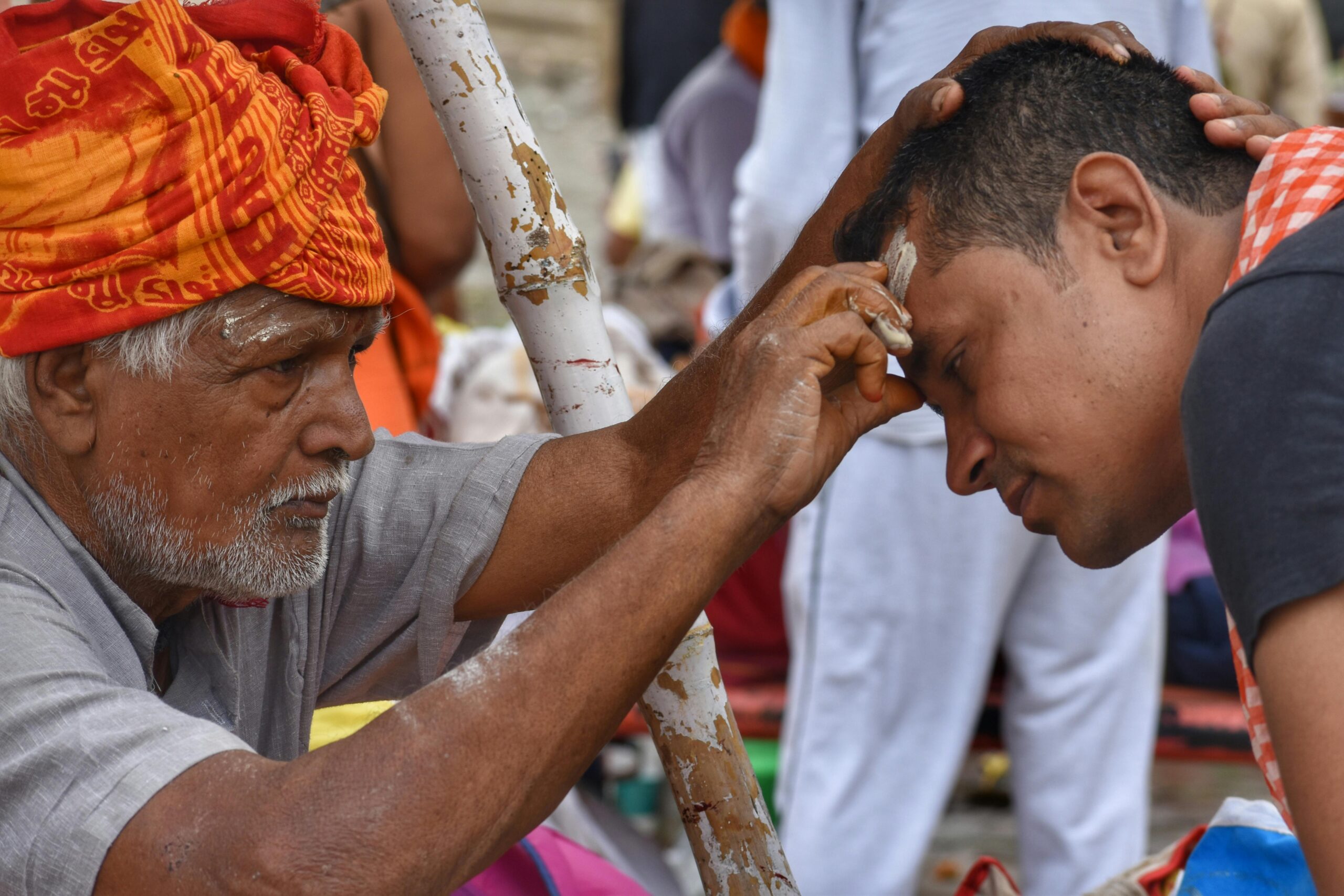
Discover proven tips to save ₹ on pilgrimage packages in 2026. Group discounts, early booking, off-peak travel & multi-city combos explained. WhatsApp now!
If you’ve been planning a North India pilgrimage and wondering how to save significant money without cutting a single corner on darshan quality, spiritual experience, or personal safety — this is the most complete, honest, and actionable price tips guide available anywhere in 2026. Every rupee saved on a pilgrimage package is a rupee that stays in your pocket without reducing the merit, meaning, or depth of your sacred journey even slightly.
Ram Mandir darshan in Ayodhya is identically powerful at ₹1,800 per person and at ₹15,000 per person. Kashi Vishwanath darshan in Varanasi is identically sacred on a ₹1,399 shared group day and a ₹22,000 luxury heritage hotel package. The Triveni Sangam holy dip is identically meritorious from a ₹200 shared boat and a ₹2,500 private luxury vessel. What smart pricing buys you is comfort, speed, expertise, and logistical smoothness — not access to the spiritual experience itself. And this guide gives you every proven strategy to maximise that ratio — more comfort and more cities per rupee spent — across every pilgrimage package format TripCosmos offers in 2026.
VIP Sugam Darshan passes, verified outstation cabs, Ganga aarti boat allocations, and clean hotel stays — fully coordinated by our on-ground team.

This is the single most powerful money-saving decision available to any North India pilgrim in 2026 — and it consistently delivers the largest savings of any strategy in this guide. When you book Varanasi, Ayodhya, and Prayagraj as a combined three-city circuit with TripCosmos rather than booking each city separately on three different trips, you save 15–25% on per-city costs across the complete journey. The Cheapest Pilgrimage Packages 2026 blog captures this principle most powerfully — the Prayagraj–Varanasi combo starting from ₹3,999 per person is one of the most extraordinarily priced two-city pilgrimage deals available in India right now, precisely because combining both cities eliminates the duplication of positioning costs, booking fees, and accommodation coordination overhead that individual bookings generate repeatedly.
A pilgrimage that costs ₹50,000 individually often drops to ₹25,000–₹30,000 per person in a well-organized group package covering identical experiences — and the per-city cost of a 5-city combined circuit at ₹18,000 per person standard works out to just ₹3,600 per city versus ₹7,999–₹11,999 per city when booked individually. The arithmetic is simple and the saving is real — the more cities you combine in a single booking, the lower your per-city cost across every category of expense simultaneously.
Vehicle costs are the largest single transport expense on any North India pilgrimage circuit — and the per-person cost drops dramatically with every additional group member sharing the same vehicle. A solo traveler booking a private Innova Crysta for a 5-day Varanasi–Ayodhya–Prayagraj circuit pays ₹10,000–₹14,000 in vehicle costs alone. The same Innova shared among 6 travelers costs each person just ₹1,667–₹2,333 for the complete circuit — a 60–75% reduction in per-person vehicle cost for exactly the same private, comfortable, air-conditioned travel. The Best Value UP Temple Tour Packages 2026 blog gives excellent context on exactly how group size affects per-person pricing at every package tier — and why traveling with family or an assembled group of friends consistently delivers the best pilgrimage value available.
For groups of 8–15, the Tempo Traveller format brings per-person UP circuit costs down to levels that genuinely surprise first-time bookers — the Group Discount Guide for Pilgrimage Booking blog documents group discounts of up to 18% on top of already reduced Tempo Traveller per-person rates. Group pilgrimage packages with TripCosmos start from ₹899 per person for local Varanasi circuits and from ₹3,500 per person for multi-city packages covering Prayagraj, Ayodhya, and Chitrakoot — figures that would be genuinely impossible to match on a solo or couple booking for the same quality of service.
Early booking is one of pilgrimage travel’s most consistently rewarded financial habits — and the savings compound across every expense category simultaneously. Hotels near key temples and ghats that cost ₹1,500 per room when booked 3–4 weeks in advance routinely cost ₹2,200–₹2,800 for identical rooms when booked 3–5 days before arrival. Vehicle slots at TripCosmos’s preferred daily rates are available to early bookers — late bookers during popular months accept higher dynamic pricing because standard-rate vehicles are already confirmed for other groups. The Prayagraj Budget Pilgrimage Cost 2026 blog recommends booking at least 3–4 weeks in advance specifically to secure the best available pricing across all tiers — last-minute bookings during popular travel months almost always come with premium pricing and severely limited hotel availability near the Sangam and key temple sites.
For festival period travel — Ram Navami in Ayodhya, Janmashtami in Mathura, Dev Deepawali in Varanasi, Magh Mela in Prayagraj — the advance booking window extends to 6–8 weeks minimum. Festival period accommodation and transport prices at 1-week notice are typically 40–60% higher than identical packages booked 6 weeks in advance. The earlier you confirm your festival period pilgrimage, the lower your total package cost — there is no exception to this rule across any festival on the North India sacred calendar.
Timing your pilgrimage departure for Tuesday, Wednesday, or Thursday rather than Friday or Saturday — and choosing the November-to-February window rather than school holiday peaks — delivers a compounding saving across accommodation, transport, and guide availability simultaneously. Weekend and school holiday period accommodation rates at ghat-facing hotels in Varanasi typically run 25–35% above mid-week rates for identical rooms in identical locations. TripCosmos vehicle rates for mid-week departures in January and February are consistently the lowest of the entire year — the combination of ideal weather and reduced demand during these months creates the best pilgrimage price environment of any 2026 booking window.
The Custom Spiritual Tour Package Price Calculator Guide blog captures the full weekly and seasonal pricing dynamics across all UP pilgrimage destinations — and confirms that mid-week February departures consistently deliver the absolute lowest complete circuit costs of the entire year while simultaneously offering the most comfortable darshan conditions, shortest temple queues, and clearest morning light for sunrise Ganga boat rides. Two powerful savings levers — mid-week timing and February travel — work independently, but combining them produces savings of 30–40% on total package cost compared to weekend school holiday bookings in the same standard tier.
Booking directly with TripCosmos on WhatsApp rather than through hotel booking desks, railway station agents, third-party aggregators, or online portal intermediaries saves 15–30% consistently across every package tier. This saving is not a marketing claim — it is the direct result of eliminating commission layers that third-party intermediaries add to every transaction. A railway station agent in Varanasi or Ayodhya who quotes you ₹8,500 for a 2-city package is typically marking up a ₹6,000 TripCosmos base package by 40–50% as their commission. An online aggregator that quotes ₹12,000 for a standard 3-city circuit is typically adding 25–35% above the operator’s direct booking price.
TripCosmos’s direct WhatsApp booking eliminates every intermediary layer — you communicate directly with the team that operates the vehicles, selects the hotels, and assigns the guides. The price you’re quoted on WhatsApp is the operator’s actual price, with zero commission inflation. The Best Price Group Tour Varanasi blog captures this direct-booking advantage most clearly — TripCosmos achieves the best price guarantee by eliminating unnecessary intermediaries and offering direct pricing that simply cannot be matched by outside agencies or online aggregators.
Dharmashala accommodation near major temples and ghats in Varanasi, Ayodhya, Prayagraj, and Mathura Vrindavan is consistently cleaner, more authentically located, and more devotionally atmospheric than most travelers initially assume — and the cost savings versus budget commercial hotels are substantial. Dharamshalas near Kashi Vishwanath in Varanasi cost ₹400–₹600 per person per night versus ₹1,200–₹2,000 for a budget commercial hotel in the same ghat area. Dharamshalas near Ram Mandir in Ayodhya cost ₹400–₹700 per person per night versus ₹1,000–₹2,000 for a budget guesthouse of equivalent physical standard.
The 2-Day Varanasi Budget Package ₹3,500 blog captures the complete budget accommodation philosophy — the package is designed for travelers who want genuine, organised, local experiences without overpaying. Dharmashala living during a pilgrimage is not a compromise — it is an authentically sacred way of experiencing these cities that many pilgrims find more spiritually resonant than any hotel stay, and at ₹400–₹700 per person per night it is simultaneously the most affordable and the most authentically devotional accommodation choice available across every UP sacred city.
Food costs on a North India pilgrimage are among the easiest expense categories to manage intelligently — because the best food near every major UP temple happens to be both free (or nearly free) and genuinely excellent. Temple prasad at Kashi Vishwanath, Sankat Mochan, Ram Mandir, Hanuman Garhi, and Banke Bihari is free or requires only a token donation — and the prasad at these temples is prepared with genuine devotion and care. ISKCON Vrindavan serves full meals for ₹30–₹60 per person. Dharmashala community meals across Varanasi, Ayodhya, and Prayagraj cost ₹40–₹80 per thali.
Local ghat-side thali restaurants in Varanasi, street kachoris near Hanuman Garhi in Ayodhya, and riverside stalls near the Sangam in Prayagraj all deliver genuinely excellent sattvic food at ₹80–₹150 per person per meal — consistently superior in both quality and spiritual appropriateness to tourist-facing restaurants that charge 3–5 times more for equivalent or lesser food. A disciplined pilgrim eating temple prasad and local thalis throughout a 5-day Varanasi–Ayodhya–Prayagraj circuit spends ₹300–₹500 total on food versus ₹1,500–₹2,500 at standard restaurants — a saving of ₹1,000–₹2,000 per person over the complete circuit with no reduction in food quality or sattvic purity.
Festival periods across North India’s UP sacred corridor carry pricing premiums of 20–35% across accommodation, transport, and guide availability simultaneously — and these premiums are fully justified by the extraordinary devotional energy that festivals bring to every city. But paying festival premium prices is only worth it when you’ve planned and booked in advance. Last-minute festival bookings at premium prices on top of already elevated base rates are the single most expensive pilgrimage format in this entire guide — you pay the highest absolute prices for the lowest availability of preferred vehicles, hotels, and guides.
The Mathura Vrindavan Budget Package Price blog captures this festival pricing reality most clearly — Janmashtami, Holi, and Radhashtami period prices rise by 20–30% across accommodation, transport, and guide services simultaneously, and booking 4–6 weeks in advance is the only strategy that secures both the festival experience and competitive package pricing. A pilgrim who books Ayodhya’s Ram Navami package 8 weeks in advance pays roughly standard non-festival prices with festival experience quality. A pilgrim who books 3 days before Ram Navami pays 40–50% above standard prices for whatever accommodation and vehicles remain available.
One of UP’s most genuine pilgrimage budget advantages — and one most travelers discover only on arrival — is that almost every major temple in the state charges zero entry for Indian nationals. Kashi Vishwanath darshan is free. Ram Mandir darshan is free. Triveni Sangam dip is free. Banke Bihari darshan is free. Sankat Mochan darshan is free. Hanuman Garhi darshan is free. Kanak Bhavan darshan is free. The complete spiritual content of a Varanasi–Ayodhya–Prayagraj–Mathura Vrindavan circuit is essentially free at every temple gate across all four cities.
This means the per-person temple entry budget for a complete 5-city UP circuit is typically ₹100–₹300 in optional VIP fast-track charges — versus ₹500–₹2,000+ per person for comparable monument entry in Rajasthan, Agra, or Hampi. The Ayodhya Pilgrimage Package Cost blog confirms that at TripCosmos, what you’re quoted covers all logistical coordination — the temples themselves cost nothing. A smart pilgrim who prioritises UP over paid-entry heritage states for budget travel gets more spiritual depth per rupee of total package spend than almost anywhere else in India.
Solo travelers and couples who book private cab formats pay the full per-vehicle cost for 2 or fewer passengers — the most expensive per-person format available across any pilgrimage package. The Cheapest Pilgrimage Packages 2026 blog is explicit about this — choosing a shared cab format as a solo traveler or a small group of 2 is the single biggest money-saving decision you can make for UP pilgrimage travel. A solo traveler joining a shared Varanasi city sightseeing group cab pays ₹1,399 per person for the complete temple and ghat circuit versus ₹1,800–₹3,200 for the same circuit on a private sedan.
A couple joining a shared Ayodhya day tour pays ₹1,800 per person versus ₹3,500–₹4,500 for a private cab covering the same circuit in the same time. The darshan quality is identical at both price points — the only difference is the vehicle occupancy. Shared formats also eliminate the isolation of solo travel at sacred sites — joining a pilgrimage group creates a collective devotional energy that many solo travelers specifically choose for its spiritual amplification effect, independently of the cost savings it delivers.
TripCosmos applies senior citizen discounts, child discounts, and institutional group rates automatically — but only when travelers proactively inform our team of the relevant group composition at the time of booking enquiry. Children under 5 travel free on all TripCosmos packages. Children aged 5–12 receive 30% discount on adult package pricing. Senior citizens above 65 receive special reduced rates with accessibility coordination included. Institutional groups — temple committees, mahila mandals, school heritage tours — qualify for group rates starting from the first communication.
Families traveling with 2 adults, 2 children aged 5–12, and an elderly grandparent can save ₹2,500–₹5,000 on a standard 5-day circuit simply by sharing these details when they WhatsApp TripCosmos for a quote. The North India Pilgrimage Family Package Price blog captures these family discount structures in complete detail — and confirms that a family of 4 adults equivalent (2 adults + 2 children at 30% discount) saves approximately 15% on total package cost compared to a straight adult booking for the same circuit at the same accommodation tier.
The cheapest way to add a fourth or fifth sacred city to your UP pilgrimage is to extend an existing booked circuit rather than plan a separate trip later. Adding Naimisaranya from an Ayodhya base as a day extension costs just ₹2,000–₹3,000 per person using the same vehicle and driver already assigned to your circuit — versus ₹4,500–₹6,000 for a standalone Naimisaranya package from scratch requiring fresh vehicle positioning, fresh driver travel allowance, and fresh accommodation coordination. Adding Sarnath from a Varanasi base adds just ₹400–₹600 to an existing full-day cab booking for the same per-vehicle cost versus ₹2,500–₹3,500 for a standalone Sarnath package.
The Complete Tour Cost Guide — Varanasi, Ayodhya, Prayagraj blog captures this extension economics principle precisely — adding a sixth day and a fourth city to a 5-day circuit increases total package cost by just 15–20% while increasing the number of sacred destinations covered by 25%. Every sacred city added as a route extension rather than a separate trip delivers dramatically better per-city value than any standalone package at the same tier. Plan your complete circuit from the beginning, communicate it fully to TripCosmos at the time of first WhatsApp enquiry, and let us build the most cost-efficient complete circuit for your group.
Every tip in this guide is immediately applicable to your next TripCosmos booking. Tell us your group size, travel dates, cities of interest, and budget — we apply every applicable saving automatically and respond within minutes with your most cost-efficient complete circuit proposal.
👉 Click Here to WhatsApp TripCosmos & Get Your Maximum Savings Pilgrimage Quote Instantly
Understanding where not to save money is as important as knowing where to save — because some budget cuts reduce comfort while others reduce safety, expertise quality, or the sacred experience depth itself.
Never skip a professional guide at Varanasi, Gwalior, or Lucknow to save ₹800–₹1,200 — these cities have layered histories that genuinely require expert narration to unlock. A guided Kashi Vishwanath circuit and an unguided one produce dramatically different levels of understanding and engagement — and the guide cost divided across a group of 4 is just ₹200–₹300 per person for a transformative experience upgrade. Never book through unverified street-level agents near railway stations or temple entrances to save 10–15% on package prices — these agents frequently deliver substandard vehicles, unlicensed guides, and accommodation that bears no relationship to what was described. The apparent saving almost always produces a worse experience and occasionally a genuine safety concern.
Never skip travel insurance to save ₹200–₹500 — medical emergencies, travel disruptions, and accommodation failures are rare but their costs dwarf any insurance premium. And never book accommodation so far from temples and ghats that your darshan time is consumed by transport rather than by prayer — the modest extra cost of a ghat-facing or temple-adjacent hotel in Varanasi and Ayodhya pays for itself many times over in the quality of early morning walks, spontaneous aarti participation, and the general atmosphere of sacred immersion that characterizes the best North India pilgrimage experiences.
Applying all 12 tips together — multi-city combo booking, group of 6, mid-week February dates, direct WhatsApp booking, dharmashala accommodation, temple prasad meals, 4-week advance booking, and extension rather than separate trips — reduces a standard Varanasi–Ayodhya–Prayagraj 5-day private circuit from a realistic ₹15,000–₹18,000 per person to ₹6,500–₹9,000 per person for an identically sacred, identically complete pilgrimage experience. That is a saving of ₹6,000–₹9,000 per person — ₹24,000–₹36,000 for a family of 4 — from smart planning choices alone, before any package discount or promotional pricing is applied.
The tips in this guide are most powerful when applied at booking time rather than retrospectively. WhatsApp TripCosmos today with your travel dates and group details — we apply every applicable saving to your personalised circuit proposal automatically.
👉 WhatsApp TripCosmos Now — +91 93361 16210 — Instant Maximum Savings Pilgrimage Confirmation
Book the complete multi-city circuit together rather than city by city — this single decision saves 15–25% on per-city costs across the complete journey. Combining Varanasi, Ayodhya, and Prayagraj in one TripCosmos package consistently costs 30–40% less per city than booking each separately. WhatsApp us and we’ll show you the exact saving on your specific circuit.
A group of 6 sharing an Innova Crysta pays ₹1,667–₹2,333 per person in vehicle costs across a 5-day circuit. A solo traveler booking the same private vehicle pays ₹10,000–₹14,000 alone — ₹6–8 times more per person for identical transport quality. Adding mid-week timing, dharmashala accommodation, and direct WhatsApp booking reduces the group saving further. Total per-person cost difference: ₹6,000–₹9,000 per person across a 5-day circuit.
Yes — the best dharamshalas near major temples across Varanasi, Ayodhya, Prayagraj, and Mathura Vrindavan are clean, safe, and completely appropriate for families with young children, women pilgrims, and elderly travelers. TripCosmos pre-vets all dharmashala recommendations. Ground-floor rooms and accessible layouts for senior citizens are requested proactively at no additional charge. Book Now and share your family composition — we coordinate appropriate accommodation across every city.
January and February deliver the best combination of low package prices, short temple queues, comfortable darshan conditions, and pleasant walking temperatures across every UP sacred city. Mid-week departures in these months at the lowest available accommodation rates represent the optimal pilgrimage planning window for cost-conscious travelers in 2026. Confirm Today before February slots fill!
Simply WhatsApp us at u003ca href=u0022https://wa.me/919336116210u0022u003e+91 93361 16210u003c/au003e with your travel dates, group size, cities of interest, accommodation tier preference, and any senior or child travelers in your group. We respond within minutes with a personalised circuit proposal applying every applicable saving — multi-city combo pricing, group discounts, dharmashala options, and early booking rates. The complete booking process takes under 5 minutes — Book Now and save ₹ on your sacred 2026 pilgrimage journey!
VIP Sugam Darshan passes, verified outstation cabs, Ganga aarti boat allocations, and clean hotel stays — fully coordinated by our on-ground team.
TripCosmos guarantees verified Kashi Vishwanath Sugam Darshan passes (zero line waiting), private Dev Deepawali & Ganga Aarti Bajra boats, and verified Toyota Innova Crysta cabs with trusted local chauffeurs.


Comments are closed.