
Senior Citizen Friendly Ayodhya Private Tour , For senior citizens who have devoted decades to family, career, and duty, visiting Ayodhya—the sacred birthplace of Lord Ram—represents a cherished spiritual aspiration often deferred until retirement years. A senior citizen friendly Ayodhya private tour is specifically designed to make this profound pilgrimage accessible, comfortable, and dignified for elderly travelers, ensuring that physical limitations never prevent spiritual fulfillment.
Unlike standard tours designed for younger, more mobile travelers, senior-focused packages recognize that devotion doesn’t diminish with age, but bodies do require different accommodations. These specialized tours provide patient drivers who assist with mobility, vehicles with superior suspension protecting aging joints, flexible pacing allowing adequate rest, accessibility arrangements at temples, and comprehensive support ensuring seniors complete their Ram darshan safely and meaningfully.
This pilgrimage to Ram Janmabhoomi deserves to be experienced with the reverence and time that such a sacred journey warrants—not rushed, not uncomfortable, and certainly not beyond the physical capacity of devoted elderly pilgrims who’ve waited their whole lives for this moment.

Understanding Senior-Specific Travel Needs in Ayodhya
Physical Accessibility Challenges: Ayodhya, despite recent developments, presents genuine accessibility obstacles. Ram Janmabhoomi involves security procedures requiring walking, some temples sit atop hills with stairs (Hanuman Garhi has 76 steps), and uneven pathways challenge balance and mobility. Senior-friendly tours plan strategically around these challenges.
Stamina and Energy Management: What young travelers accomplish in 4-5 hours might require seniors 7-8 hours including essential rest periods. Heat (especially April-June when temperatures reach 40°C+), walking, and standing in queues drain energy quickly. Smart scheduling with breaks prevents dangerous exhaustion.
Health and Medical Considerations: Seniors typically manage multiple medications requiring punctual schedules, face higher risks from dehydration and heat stress, need more frequent bathroom access, and may have chronic conditions (diabetes, heart issues, arthritis) requiring monitoring. Tours must accommodate these realities.
Dignity and Independence: While seniors need support, they also value maintaining dignity and some independence. The best tours assist without infantilizing—offering arms for stability rather than insisting on wheelchairs, suggesting rest without demanding it, and respecting their autonomy while providing safety.
Emotional Significance: For many seniors, this pilgrimage carries profound meaning—perhaps their last opportunity for such travel, the fulfillment of a vow, or completion of spiritual goals. Understanding this emotional weight ensures tours treat the journey with appropriate reverence.
Senior-Optimized One-Day Ayodhya Itinerary
Morning: Gentle Start (8:00 AM – 12:00 PM)
8:00 AM: Pickup from your Ayodhya hotel (or railway station if arriving morning) in a comfortable Innova Crysta or similar vehicle with excellent suspension, easy entry height, and spacious interior. Your driver greets you warmly, assists with any bags, and ensures you’re comfortably settled before departing.
8:30 AM: Light breakfast at a clean, senior-friendly restaurant (if not already eaten at hotel) offering comfortable seating, clean bathrooms, and easily digestible food. This fuels the morning without causing discomfort.
9:00-11:30 AM: Ram Janmabhoomi Temple Complex
- 9:00 AM Arrival: The mid-morning timing avoids both early crowds and peak heat. Your driver drops you at the closest vehicle-accessible point.
- Security Procedures (20-30 minutes): Navigate required security checks similar to airport screening. Electronic devices must be deposited. Your guide assists, ensuring you don’t get confused or separated during this process.
- Temple Complex Entry: Enter the magnificent complex at a gentle, unhurried pace. Your guide knows where seating areas exist for periodic rest.
- Darshan Experience: Approach the inner sanctum housing Lord Ram’s birthplace deity. Queue times vary—mid-morning weekdays typically mean 30-60 minute waits. Your guide may arrange special access or VIP darshan (where available for additional fee ₹500-1000) to minimize standing time.
- Post-Darshan Exploration: After the sacred darshan, spend time in the complex’s peaceful areas—sitting in gardens, observing architecture, or simply absorbing the spiritual atmosphere without pressure to rush.
- 11:30 AM Exit: Retrieve deposited electronics, meet your driver at the designated point, and transfer to your vehicle.
Midday: Essential Rest Period (12:00 PM – 3:00 PM)
12:00 PM: Return to your hotel for lunch and comprehensive rest. This 3-hour break is non-negotiable—it’s the difference between completing the day comfortably versus collapsing from exhaustion. Seniors need substantial midday recovery.
Afternoon: Gentle Temple Visits (3:00 PM – 6:00 PM)
3:00-4:30 PM: Kanak Bhawan Temple – Beautiful temple dedicated to Ram and Sita with exquisite gold crown displays. This temple is relatively accessible—minimal stairs, peaceful atmosphere, and lovely gardens with seating. Spend 60-90 minutes here in unhurried devotion.
4:30-5:00 PM: Brief rest stop or light refreshments (chai and snacks at a clean establishment).
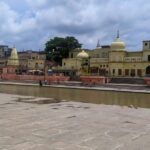
5:00-6:00 PM: Saryu River Ghats – Visit the sacred Saryu River for peaceful atmosphere and, if desired, brief prayers at the riverside. The ghats here are generally more accessible than Hanuman Garhi’s challenging steps.
Note on Hanuman Garhi: This major temple requires climbing 76 steps, making it challenging for many seniors. Options include: (1) Skip it entirely, focusing on more accessible temples; (2) Attempt it only if you’re confident in your mobility, with your guide providing arm support and allowing frequent rest stops; (3) Use palkhi (chair-carrying) service where porters carry you in a chair (₹500-800, advance arrangement needed). Discuss honestly with your tour operator about your capabilities.
Evening: Spiritual Closure (6:00 PM – 8:00 PM)
6:00-7:00 PM: Evening Saryu Aarti – Witness the beautiful evening ceremony on the Saryu River’s banks with devotional songs, lamps, and prayers. The atmosphere is peaceful and deeply spiritual. Seating is typically available, and the ceremony doesn’t require standing or extensive walking.
7:00-8:00 PM: Dinner at a quality vegetarian restaurant offering comfortable seating and senior-friendly menu options. Return to hotel by 8:00 PM for rest, completing your Ayodhya spiritual journey without excessive fatigue.
Vehicle and Driver Specifications for Seniors
Recommended Vehicle: Innova Crysta or similar—not budget sedans. Why this matters:
- Superior Suspension: Protects aging backs and joints on uneven roads
- Easy Entry/Exit: Moderate floor height with sturdy grab handles
- Spacious Interior: Room to stretch legs, reducing stiffness on drives
- Excellent AC: Critical for seniors vulnerable to heat stress
- Smooth Ride Quality: Minimizes jostling and discomfort
Driver Qualities Essential for Senior Tours:
- Patience: Never rushing, never showing frustration at slower pace
- Physical Assistance: Offering arm support entering/exiting vehicle without being asked
- Smooth Driving: Gentle acceleration, careful braking, avoiding potholes
- Route Knowledge: Understanding which paths minimize walking, where accessible bathrooms exist
- Emergency Awareness: Knowing hospital locations, recognizing distress signs
Cost Difference: Senior-appropriate vehicles cost ₹500-1000 more daily than budget options, but this investment in comfort and safety is absolutely worthwhile.
Accommodation Recommendations
Essential Features for Senior-Friendly Hotels:
- Elevator or Ground Floor Rooms: Avoid stairs wherever possible
- Bathrooms with Safety Features: Grab bars, non-slip surfaces, walk-in showers (not tubs requiring climbing)
- Firm, Supportive Mattresses: Soft beds worsen back pain
- Quiet Location: Proper rest requires peaceful environment
- Quality Restaurants: On-site dining with senior-appropriate menus
- Helpful Staff: Willing to assist with special requests
Recommended Ayodhya Properties for Seniors:
- Raghunandan Palace (good accessibility, helpful staff)
- Hotel Raghunath (elevator, comfortable rooms)
- Various 3-4 star properties near Ram Janmabhoomi with verified senior-friendly features
Budget Allocation: ₹2,500-4,500 per night for quality senior-appropriate accommodation versus ₹800-1,500 for budget options lacking essential features. The premium is justified by sleep quality and safety.
Health and Safety Protocols
Pre-Trip Medical Consultation: Seniors should verify with physicians that they’re fit for travel, especially given Ayodhya’s heat, walking requirements, and potential stress.
Medication Management: Carry all medications in original containers with extras, bring prescription copies, set phone alarms for medication schedules, and inform your guide of any medical conditions requiring awareness.
Hydration Strategy: Drink bottled water constantly—aim for 2-3 liters daily. Dehydration causes fatigue, dizziness, and serious health risks for seniors.
Food Safety: Stick to hotel restaurants and guide-recommended establishments. Avoid street food despite temptation. Only consume bottled water, even for teeth brushing.
Emergency Preparedness: Know locations of quality medical facilities (Sarvodaya Hospital, Shri Ram Hospital in Ayodhya are relatively reliable). Ensure comprehensive travel insurance covering medical emergencies and evacuation.
Heat Protection: Travel November-February when temperatures are comfortable (15-25°C). If visiting April-June, limit outdoor activities to early morning and late evening, wear sun protection, and accept more indoor rest time.
Accessibility Solutions for Specific Challenges
Security Line Management: At Ram Janmabhoomi, security queues can be long. Solutions: Visit during off-peak times (mid-morning weekdays), request assistance from security staff (they typically help elderly move through faster), or arrange VIP access through tour operators.
Stair Alternatives: When temples have significant stairs, alternatives include: observing from distance and offering prayers there (darshan doesn’t always require physical proximity), using palkhi services where available, or simply accepting some sites may not be accessible—spiritual merit isn’t diminished by physical limitations.
Bathroom Access: Major challenge as public facilities often have squat toilets and poor cleanliness. Strategy: use hotel bathrooms before departing, visit only restaurants and sites where your guide confirms Western-style clean facilities exist, and carry personal hygiene supplies.
Rest Frequency: Plan sitting breaks every 30-40 minutes during any walking activity. Your guide should identify seating locations immediately upon arriving anywhere.
Mobility Aids: If you use walking sticks or walkers at home, bring them to Ayodhya. Pride shouldn’t prevent safety. Wheelchairs can be arranged through operators for very limited mobility.
Pricing and Value Proposition
Senior-Friendly One-Day Package (₹5,000-7,500 for 2 seniors):
Includes:
- Premium vehicle (Innova Crysta) with experienced, patient driver
- Professional guide trained in senior assistance
- All transportation for full day (8 AM – 8 PM)
- Assistance with all accessibility challenges
- Flexible pacing and rest accommodation
- VIP darshan arrangement support (fees extra)
- Emergency support protocols
Premium Package (₹8,500-12,000 for 2 seniors):
Additional Includes:
- Superior accommodation (one night in senior-friendly hotel)
- All meals at quality, senior-appropriate restaurants
- Wheelchair or palkhi services if needed
- Medical support coordination
- Travel insurance assistance
- Extended flexibility for schedule changes
Solo Senior Pricing: Expect 60-80% of two-person rates as costs don’t fully divide.
What Makes It Worth the Premium: Standard budget tours costing ₹2,000-3,000 lack vehicle quality, driver patience, accessibility awareness, and schedule flexibility that senior tours provide. The price difference buys safety, dignity, and successful completion rather than abandonment halfway through.
Family Accompaniment Considerations
Many seniors travel with adult children as companions. Benefits include:
- Physical Assistance: Help entering vehicles, walking, carrying items
- Medical Advocacy: Making decisions if health issues arise
- Emotional Support: Sharing the profound spiritual experience
- Logistical Management: Handling communications, payments, navigation
Pricing for Seniors + Companion: Most packages accommodate 3-4 people (two seniors + 1-2 adult children) in the same vehicle at minimal additional cost (₹1,000-2,000 total, not per person).
Balancing Independence and Support: Adult children should assist without controlling—let parents lead the spiritual journey while you provide behind-the-scenes support.
Conclusion
A senior citizen friendly Ayodhya private tour transforms what could be a physically daunting pilgrimage into an achievable, dignified spiritual journey. The careful planning—superior vehicles protecting aging bodies, patient guides understanding limited mobility, flexible pacing allowing adequate rest, and comprehensive support for accessibility challenges—ensures that devotion to Lord Ram, cultivated over decades, can finally find expression at his sacred birthplace.
For seniors, visiting Ram Janmabhoomi isn’t tourism—it’s spiritual fulfillment of lifetime proportions. The specialized tour structure honors both the journey’s sacred significance and the travelers’ physical realities, creating conditions where aged pilgrims can complete their Ram darshan comfortably, safely, and meaningfully. Your years of devotion deserve a pilgrimage experience that respects your limitations while celebrating your faith. This senior-friendly approach delivers exactly that.
FAQs
1. My mobility is quite limited—I can walk short distances with a cane but cannot manage stairs or long walks. Is Ram Janmabhoomi still accessible to me?
Yes, with proper arrangements. Ram Janmabhoomi complex has wheelchair accessibility through designated ramps and pathways reaching the main sanctum. Book a tour specifically noting your mobility limitations so operators arrange: wheelchair rental (available at the complex, ~₹200-300 plus deposit), or bringing your own wheelchair; a vehicle that accommodates folded wheelchairs; a guide/assistant specifically to help with wheelchair navigation; and timing your visit during off-peak hours when crowds are minimal, making wheelchair movement easier. The complex is vast, so even with wheelchair access, you’ll spend considerable time getting to the sanctum. However, thousands of mobility-limited seniors successfully complete Ram darshan annually—it’s absolutely achievable with advance planning. What you should skip: Hanuman Garhi (76 steps make it impossible without palkhi service). Focus on accessible sites: Ram Janmabhoomi, Kanak Bhawan (minimal stairs), and Saryu River ghats (wheelchair-accessible areas exist).
2. I take multiple medications at specific times and have diabetes requiring meal schedule regularity—can tours accommodate these medical needs?
Absolutely. When booking, clearly communicate: “I’m diabetic requiring meals every 4 hours at consistent times, and take medications at 9 AM, 2 PM, and 8 PM.” Reputable senior-focused operators build schedules around your medical requirements—ensuring lunch timing aligns with your needs, planning rest stops near clean restaurants where you can eat on schedule, and allowing medication time without pressure to rush. Carry all medications, blood sugar monitoring equipment, and emergency glucose supplies. Brief your guide on signs of low blood sugar so they recognize if you need immediate food. Your diabetes management takes absolute priority—temple visits wait if you need to eat. Most guides for senior tours have experience with diabetic travelers and understand the non-negotiable nature of medical timing. Indian vegetarian food (rice, dal, roti, vegetables) typically works well for diabetics when eaten in appropriate portions. Avoid sugar-heavy sweets despite their prevalence at pilgrimage sites.
3. We’re both in our mid-70s and have always traveled independently, but family is concerned about us going to Ayodhya alone—how does a private tour provide safety/security without making us feel like we’re being babysat?
Quality senior tours strike the perfect balance—providing robust support infrastructure while respecting your independence and dignity. What this looks like practically: your driver and guide introduce themselves respectfully, explain they’re available for any assistance but won’t hover, offer arms when navigating steps without presuming you need help, wait at respectful distances while you pray privately, and intervene only when safety genuinely requires it. They’re “backup support” rather than “minders.” You control the day’s pacing and decisions; they facilitate your preferences safely. To your concerned family, the tour provides: 24/7 operator contact numbers they can call if unable to reach you, daily check-in protocols (guide confirms your wellbeing to the operator), emergency medical response plans, and accountability that solo travel lacks. But to you, it feels like having a knowledgeable local friend ensuring logistics work smoothly while you maintain autonomy. Choose operators with specific senior-tour experience—they understand this balance matters.
4. The tour seems expensive compared to regular Ayodhya tours—what exactly are we paying extra for, and is it really necessary?
The premium (typically 80-120% more than budget tours) buys specific accommodations essential for senior safety and comfort: (1) Superior vehicle: Innova Crysta with excellent suspension costs ₹1,500 more daily than basic sedan, but protects your backs/joints on rough roads; (2) Experienced driver: Patient drivers commanding premium rates know senior-appropriate routes, assist physically, and drive smoothly; (3) Extended time allowance: Budget tours pack 4-hour itineraries. Senior tours allocate 8-12 hours for the same sites, allowing rest breaks—more driver time costs more; (4) Accessibility expertise: Guides knowing wheelchair-accessible paths, clean bathroom locations, and VIP darshan arrangements; (5) Schedule flexibility: Budget tours can’t accommodate “I need to rest longer” mid-tour. You’re paying for the ability to adjust; (6) Emergency protocols: Medical support coordination, hospital knowledge, and insurance liaison. Is it necessary? If you’re healthy, highly mobile seniors comfortable with basic facilities, budget tours might work. But for most 70+ travelers, the premium buys successful, dignified pilgrimage completion versus potential abandonment halfway through when exhaustion or accessibility challenges overwhelm. It’s insurance against the physical and emotional cost of a failed sacred journey.
5. What happens if one of us gets sick or too exhausted to continue mid-tour—do we just lose the experience and money, or are there contingencies?
Reputable senior-focused operators build contingencies into their planning. If one senior becomes ill or exhausted: the tour pauses for rest (perhaps returning to hotel for 2-3 hours while the affected person recovers), activities reschedule or simplify (skipping less critical temples, shortening time at sites), or in serious cases, the tour adapts completely (one person rests at hotel while the other continues with guide, or both rest and attempt critical sites only). Your driver and guide will coordinate finding medical attention if needed, contact the operator’s emergency support, and adjust logistics. What you typically don’t lose: most operators refund or credit portions of tours cancelled due to medical issues (though policies vary—verify before booking). What matters more: choosing operators who prioritize your wellbeing over rigid schedules. Good senior tour companies understand physical unpredictability—they plan expecting potential adjustments rather than treating schedule changes as failures. Prevention helps: the mandatory 3-hour afternoon rest period exists precisely to prevent exhaustion-driven tour abandonment. Taking that rest seriously maximizes completing the full spiritual journey comfortably.