
Senior Citizen Tour Package Varanasi Ayodhya Prayagraj , The sacred triangle of Varanasi, Ayodhya, and Prayagraj represents a profound spiritual journey that many senior citizens dream of completing in their lifetime. This multi-city pilgrimage through Uttar Pradesh’s holiest destinations offers religious fulfillment, cultural immersion, and the chance to visit sites revered for millennia. However, the physical demands of traveling between three cities, navigating crowded temples, and managing health considerations require specialized tour packages designed specifically for elderly travelers. With proper planning, comfortable pacing, and senior-focused support, this circuit becomes not just feasible but deeply rewarding for older pilgrims.
Why This Circuit Appeals to Senior Travelers
For many seniors, visiting these three cities fulfills lifetime spiritual aspirations. Varanasi offers the possibility of moksha (liberation), making it a priority destination for elderly Hindus contemplating life’s spiritual dimensions. Ayodhya, Lord Rama’s birthplace, connects devotees to the Ramayana’s moral teachings that shaped their values. Prayagraj’s Triveni Sangam provides purification through sacred bathing, believed to wash away accumulated karma.
Beyond spiritual significance, this journey allows seniors to share their faith with traveling companions, often family members or fellow devotees. The collective pilgrimage experience creates bonds and memories during a life stage when such meaningful shared experiences become increasingly precious. Many seniors report that completing this circuit brings profound peace and spiritual satisfaction, feeling they’ve honored their religious obligations and connected deeply with their heritage.
Ideal Tour Duration for Seniors
Senior Citizen Tour Package Varanasi Ayodhya Prayagraj ,While standard packages complete this circuit in 5-7 days, senior-focused tours benefit from extended 7-9 day schedules. The additional days aren’t merely padding—they’re essential for health, comfort, and genuine spiritual engagement rather than exhausting rushing.
Eight-Day Recommended Itinerary
Day 1: Arrival in Varanasi Arrive by afternoon, allowing rest after journey. Evening involves gentle orientation—dinner at hotel and brief discussion about upcoming days. No sightseeing first evening; prioritize adjustment and rest.
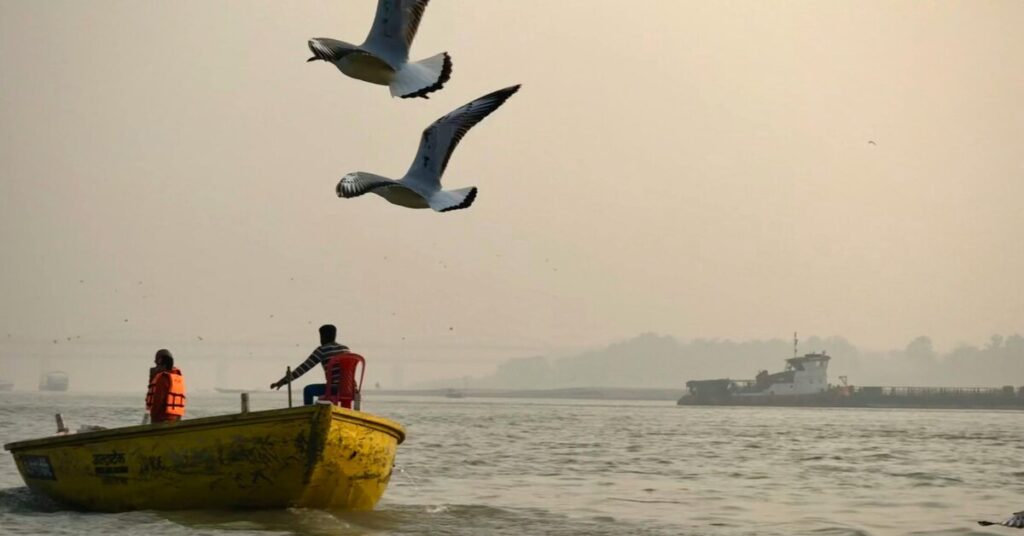
Day 2: Varanasi Spiritual Immersion Sunrise boat ride on the Ganges (stable boats with comfortable seating), followed by substantial breakfast and rest. Late morning visits Kashi Vishwanath Temple area (exterior and accessible sections). Mandatory afternoon rest period. Evening Ganga Aarti viewing from reserved elevated platform requiring no standing or stair climbing.
Day 3: Varanasi Cultural Exploration Morning visits Sankat Mochan Temple and Tulsi Manas Temple (both relatively accessible). Light lunch followed by afternoon rest. Optional evening activities—silk weaving demonstration or classical music performance for interested participants, while others rest.
Day 4: Sarnath and Travel Preparation Morning explores Sarnath’s Buddhist sites (flat terrain, wheelchair accessible, peaceful atmosphere). Return for lunch and extended rest. This lighter day precedes next day’s travel, preventing exhaustion before the journey to Ayodhya.
Day 5: Varanasi to Ayodhya (200 km) Late morning departure after restful breakfast, avoiding early rush. Journey includes comfortable rest stops every 90 minutes. Arrive Ayodhya by late afternoon, check in, rest, and light dinner. No sightseeing today—travel itself is the day’s activity.
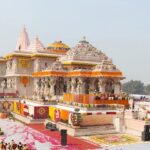
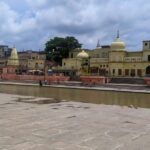
Day 6: Ayodhya Exploration Morning visits Ram Janmabhoomi Temple complex (improved accessibility with ramps and facilities). Return for lunch and mandatory rest. Late afternoon visits Hanuman Garhi (chair-carrying services available for stairs) and evening aarti at Sarayu River. This full but paced day allows thorough Ayodhya experience without overwhelming seniors.
Day 7: Ayodhya to Prayagraj (160 km) Similar travel pattern—late morning departure, comfortable stops, afternoon arrival. Evening rest and orientation. Again, travel day remains distinct from sightseeing days, preventing cumulative exhaustion.
Day 8: Prayagraj Experience and Return Morning boat ride to Triveni Sangam for viewing or ritual bathing (entirely optional, with safety support if undertaken). Visit Hanuman Temple (unique reclining idol) and quick stop at Anand Bhavan or Allahabad Fort based on energy levels. Afternoon return journey to Varanasi (120 km, shortest inter-city distance). Evening departure or overnight stay depending on onward travel schedules.
This extended schedule builds rest into structure rather than treating it as optional, recognizing that senior travelers need recovery time between intensive activities.
Essential Senior-Focused Package Elements
Specialized packages must address elderly travelers’ unique requirements comprehensively.
Medical Support and Preparedness Quality senior packages include traveling attendants with basic medical training—not full nurses necessarily, but individuals capable of monitoring blood pressure, managing minor health issues, and recognizing when professional medical intervention becomes necessary. The attendant carries comprehensive first-aid supplies including emergency medications, oxygen support (portable concentrators for those with respiratory conditions), and glucose monitors for diabetics.
Senior Citizen Tour Package Varanasi Ayodhya Prayagraj , Pre-tour medical screening helps identify participants’ specific needs. Tour operators should collect detailed health information—current medications, existing conditions, mobility limitations, dietary restrictions—allowing proactive planning rather than reactive crisis management. Established relationships with quality hospitals in each city ensure rapid access to care if needed, with tour coordinators knowing which facilities offer best service and can communicate effectively with patients and families.
Mobility Assistance Wheelchairs should be available for those needing them, whether full-time or occasional relief during long touring days. Chair-carrying services (dolis) at temples and ghats with unavoidable stairs must be pre-arranged, not negotiated on-site. Vehicles should have minimal step-up height—low-floor entry proves crucial for those with knee or hip problems. Driver and support staff should be trained in assisting elderly passengers entering and exiting vehicles safely.
Accommodation must prioritize accessibility—ground floor rooms or reliable elevators, bathrooms with grab bars and non-slip surfaces, comfortable beds supporting aging joints, and emergency call systems. Hotels should be informed about senior groups, ensuring staff understand needs and respond appropriately.
Pacing and Flexibility Rigid schedules stress seniors unnecessarily. Quality packages build explicit rest periods—typically 2-3 hours daily after lunch when energy naturally wanes. Morning activities when seniors typically feel strongest should include major experiences, while afternoons remain light or free. Buffer time between activities prevents rushed feelings and accommodates slower movement.
Optional activity structures allow individual choice—someone feeling energetic can join additional temple visits while tired participants rest without guilt or missing out on mandatory experiences. This flexibility respects varying energy levels inevitable in senior groups.
Dietary Accommodations Senior-appropriate meals avoid extreme spices, excessive oil, and difficult-to-digest preparations. Restaurants should prepare customized menus considering common medical dietary needs—diabetic-friendly options with controlled carbohydrates, low-sodium preparations for those with hypertension, bland options for sensitive digestions, and easily chewable foods for those with dental challenges.
Meal timing matters—regular schedules help seniors maintain medication routines and blood sugar stability. Small, frequent meals often work better than large spreads. Hotels providing room service enable those having difficult days to eat comfortably in their rooms rather than struggling to restaurants.
Vehicle and Transportation Considerations
Comfortable transportation dramatically affects senior tour quality.
Vehicle Selection Choose vehicles prioritizing comfort over economy. Well-maintained modern vehicles with excellent suspension absorb road imperfections that jolt aging bodies. Plush, supportive seating prevents back pain during multi-hour journeys. Functioning air conditioning maintains comfortable temperatures regardless of external weather.
Vehicle capacity should comfortably accommodate all passengers without cramming. If the group numbers ten, choose vehicles seating 12-14 rather than exactly ten, providing space for bags, medical equipment, and comfortable personal space. Cramped conditions over extended journeys cause discomfort accumulating throughout tours.
Journey Management Break long drives with frequent comfortable stops—every 60-90 minutes at clean rest areas or restaurants with proper facilities. Stops serve multiple purposes: restroom breaks, stretching to prevent stiffness, hydration reminders, and simply relief from sitting. Rushing between cities without stops proves miserable for seniors.
Drivers experienced with elderly passengers understand smooth acceleration and braking needs, avoiding sudden movements that cause discomfort or balance issues. They also exercise patience with slower boarding and disembarking, never rushing passengers.
Cultural and Spiritual Facilitation
For senior pilgrims, spiritual fulfillment often matters more than sightseeing accomplishment.
Ritual Participation Support Many seniors wish to perform specific pujas or participate in religious ceremonies. Quality packages facilitate this through coordinator relationships with knowledgeable priests who can conduct appropriate rituals, explain their significance, and guide proper participation. This transforms tourism into genuine pilgrimage.
Ganga bathing at Varanasi or Triveni Sangam holds deep significance for many elderly Hindus. If seniors wish to bathe, packages must provide comprehensive safety support—stable entry points, physical assistance entering and exiting water, ensuring they never go beyond comfortable depths, immediate towels and changing facilities. Never pressure reluctant bathers—symbolic touching of sacred waters provides spiritual value without physical risks.
Generational Knowledge Sharing Many seniors travel with younger family members. Encourage seniors to share their knowledge about temples’ significance, mythological stories, and personal spiritual beliefs. This knowledge transfer enriches both generations, giving seniors meaningful roles beyond being tourists requiring accommodation.
Cost Considerations
Senior packages cost more than standard tours due to additional support services, but represent worthwhile investments in safety and comfort.
Typical Pricing Comprehensive 8-day packages for senior groups typically cost INR 35,000-55,000 per person (based on double occupancy), varying with accommodation quality, group size, and included services. This includes private vehicles, senior-appropriate hotels, modified meals, medical support, and specialized coordination.
While seemingly expensive compared to standard INR 25,000-35,000 packages, the additional cost covers crucial elements: medical attendants, mobility assistance equipment, premium comfortable vehicles, accessible accommodations, customized dietary preparations, slower pacing requiring more hotel nights, and coordinator expertise in senior travel. These aren’t luxuries—they’re necessities enabling safe, comfortable senior participation.
Financial Planning Many families fund senior pilgrimages collectively, with working-age members contributing to ensure elderly parents or grandparents can complete these meaningful journeys. Some seniors budget for such trips specifically, recognizing them as important life goals deserving financial prioritization. Travel insurance covering pre-existing conditions (essential for elderly travelers) adds INR 2,000-5,000 per person but provides crucial protection.
Health and Safety Protocols
Comprehensive safety measures distinguish quality senior packages from inadequate alternatives.
Pre-Tour Preparation Medical clearance from personal physicians ensures seniors are healthy enough for travel. Detailed health information sheets covering all medical conditions, current medications, allergies, emergency contacts, and insurance details should be compiled and carried by tour coordinators and medical support staff.
Seniors should pack medications for the entire tour plus extras for delays, carry prescriptions for all medications, bring copies of recent medical reports and physician contacts, and wear medical alert bracelets if they have serious conditions requiring immediate recognition by emergency responders.
During Tour Monitoring Daily check-ins assess participants’ wellbeing. Simple questions about sleep quality, appetite, energy levels, and any discomfort help identify emerging issues before they become serious. Blood pressure and blood sugar monitoring for those with relevant conditions provides early warning of problems.
Hydration becomes crucial—elderly people often don’t feel thirst appropriately. Tour staff should actively remind and encourage regular water intake, providing easily accessible bottled water throughout days.
Choosing Quality Senior Tour Operators
Not all operators understand or appropriately accommodate elderly travelers.
Evaluation Criteria Seek operators specializing in senior tours or explicitly advertising senior-friendly packages. Ask specific questions: What medical support accompanies tours? How do they handle mobility challenges? What is their experience with elderly participants’ specific needs? Can they provide references from previous senior groups?
Review detailed itineraries assessing pace and built-in rest. Beware operators claiming to cover this circuit in 4-5 days for seniors—such schedules prove exhausting. Appropriate pacing indicating realistic senior capabilities suggests knowledgeable operators.
Verify backup plans for medical emergencies, including hospital contacts, procedures for participants needing to leave tours early, and insurance coordination processes. Quality operators have refined systems developed through experience, not improvised responses.
Conclusion
The Varanasi-Ayodhya-Prayagraj pilgrimage circuit remains absolutely achievable for seniors with proper planning, appropriate pacing, and specialized support. This sacred journey need not be abandoned due to age—rather, it can be thoughtfully adapted honoring both spiritual aspirations and physical realities. Quality senior packages recognize that meaningful experiences require comfort and safety foundations, that rest enables participation rather than preventing it, and that completing this pilgrimage at a slower pace with proper support proves infinitely more valuable than either rushing through discomfort or never attempting it at all. For seniors who’ve carried faith throughout their lives, these three holy cities offer profound culmination to spiritual journeys—a gift that careful planning makes beautifully accessible.
Frequently Asked Questions
1. What fitness level is required for seniors to complete this three-city pilgrimage circuit?
Seniors should manage basic activities independently—walking 100-200 meters with rest stops, sitting comfortably for 2-3 hour vehicle journeys, and handling personal care. You don’t need athletic fitness, but complete immobility prevents participation even in adapted tours. Specific capabilities needed include: transferring in and out of vehicles with minimal assistance, managing stairs with support and railings (or accepting chair-carrying services), standing for short periods (10-15 minutes) during temple visits with rest breaks, and maintaining balance on uneven surfaces like ghat steps when walked slowly. Medical conditions should be stable and controlled through medication—uncontrolled diabetes, severe cardiac issues, or recent surgeries (within 3-6 months) might contraindicate travel until stabilized. Consult your physician before booking, describing the tour’s physical demands honestly. Many operators accept wheelchairs and provide comprehensive mobility support, but participants need reasonable baseline health. If you manage daily life activities independently at home with normal aging limitations, you can likely complete this tour with appropriate accommodations. The key isn’t perfect fitness but adequate capabilities combined with proper tour adaptations and willingness to accept rest when needed.
2. How do senior packages handle medical emergencies during the tour, and what if someone needs to leave mid-tour?
Quality senior packages include comprehensive medical protocols. Tours carry traveling attendants with medical training, emergency equipment (blood pressure monitors, glucose meters, oxygen support, basic medications), and maintain contacts with reputable hospitals in each city—in Varanasi (Heritage Hospital, BHU Hospital), Ayodhya (district hospital and private facilities), and Prayagraj (Motilal Nehru Medical College, private hospitals). If medical issues arise, attendants assess severity—minor problems are handled on-site, while concerning symptoms prompt immediate medical consultation. Tour coordinators facilitate hospital visits, communicate with medical staff, assist with insurance paperwork, and keep families informed. If someone must leave mid-tour due to health issues, operators arrange return transportation to home city, assist rebooking flights/trains, and facilitate family member accompaniment if traveling with the group. Reputable operators don’t abandon participants facing health crises. Financial policies vary—most don’t refund unused portions, emphasizing why comprehensive travel insurance covering medical expenses and trip interruption is mandatory. Insurance companies often require notification within 24 hours of incidents affecting coverage, so coordinators help navigate these requirements. One family member typically stays with the affected person while others continue if the patient is stable and prefers this, or the entire family might return together depending on circumstances and relationships.
3. Can seniors participate in sacred bathing at the rivers, and what safety measures are in place?
Sacred bathing holds deep spiritual significance for many seniors, but safety absolutely must govern decisions. First, understand that bathing is entirely optional—touching sacred waters to forehead, performing riverside puja, or simply witnessing others’ rituals provides spiritual value without physical risks. For those determined to bathe, safety measures include: medical clearance beforehand ensuring no conditions (severe cardiac issues, recent surgeries, extreme mobility limitations) contraindicate immersion; choosing optimal locations—Varanasi’s Assi Ghat or Prayagraj’s Triveni Sangam approach points with stable steps and gentler currents; morning timing when water is calmer and crowds lighter; comprehensive physical support—at least two support staff accompanying the bather in water, maintaining firm holds preventing slips or depth loss; never going beyond knee or waist depth even if others venture deeper; immediate exit at any sign of fatigue, breathlessness, dizziness, or discomfort; warm clothing and changing facilities immediately available preventing chill after immersion. Understand that Ganges currents can be deceptive and elderly balance isn’t as reliable as youth. Many priests and spiritual advisors acknowledge that sincere devotional touching of waters carries equivalent spiritual merit to full immersion. Don’t let social pressure or lifetime expectations override safety—completing the pilgrimage alive and well matters more than any single ritual act.
4. What dietary arrangements ensure seniors receive appropriate, safe food throughout the tour?
Senior dietary needs require careful management balancing nutrition, safety, and variety. Quality packages partner with restaurants understanding senior requirements—mild spice preparations (food can be flavorful without being fiery), reduced oil usage, thoroughly cooked vegetables and proteins, and avoiding raw items that might carry bacterial contamination. Typical senior menus include: breakfast options like idli, dosa, upma, parathas with curd, fresh fruits, mild omelets, oatmeal, toast, and tea/coffee; lunch and dinner featuring dal, rice, chapati, mild vegetable preparations, paneer dishes, yogurt, and limited non-vegetarian options if desired (well-cooked, bone-free preparations). Restaurants prepare customized versions for medical dietary needs—diabetic meals with controlled carbohydrates and higher protein, low-sodium options for hypertension patients, easily chewable foods for dental challenges, and completely bland preparations for sensitive digestions. Meals follow regular schedules helping seniors maintain medication timing and blood sugar stability. Small portions served frequently often work better than large buffet spreads. If anyone has severe allergies or very specific requirements, inform operators during booking—they coordinate with all restaurants ensuring compliance. Carry familiar snacks (biscuits, dry fruits, packaged items) providing comfort food when nothing appeals. Bottled water exclusively for drinking and teeth brushing prevents waterborne illness. Most seniors complete these tours without digestive issues when these protocols are followed.
5. How much more expensive are senior-specific packages compared to standard tours, and is the extra cost justified?
Senior packages typically cost 30-50% more than standard tours—where a regular package might cost INR 25,000, senior versions run INR 35,000-45,000 per person. This differential reflects genuine additional costs: medical support staff (attendants with training and emergency equipment) add INR 3,000-4,000 per day divided among participants; slower pacing requires additional hotel nights—8 days instead of 5-6 for the same coverage; accessible accommodation with ground floor rooms, grab bars, and senior-appropriate facilities costs more than basic hotels; premium comfortable vehicles with superior suspension and low entry steps command higher rates; modified dietary preparations require restaurant coordination and often special preparation charges; mobility assistance equipment and services (wheelchairs, chair-carriers) have associated costs; comprehensive travel insurance for seniors costs more than young traveler coverage; experienced coordinators specializing in senior travel charge premium rates justified by their expertise. The question isn’t whether senior packages cost more—they clearly do—but whether additional expense is worthwhile. For most senior travelers and their families, the answer is absolutely yes. The added cost buys peace of mind, dramatically reduced health risks, comfort enabling full participation rather than exhausted suffering, safety protocols preventing emergencies, and ultimately making the difference between completing this meaningful pilgrimage successfully versus either not attempting it or having a miserable, potentially dangerous experience. The memories, spiritual fulfillment, and safe completion of lifetime religious goals prove priceless, making the incremental cost a worthwhile investment in what may be among the most meaningful experiences of seniors’ later years.