Small Group Pilgrimage Tour (4–6 People) from Varanasi , Imagine walking through streets where saints have walked for thousands of years, where every stone whispers ancient prayers, and where the air itself seems sacred. A small group pilgrimage tour from Varanasi offers you exactly this—an intimate spiritual journey that transforms you from a mere tourist into a genuine seeker. With only 4 to 6 people in your group, this isn’t just another vacation; it’s a soul-stirring adventure that respects both your individual spiritual needs and the sacred nature of India’s holiest sites.
Why Varanasi Is the Gateway to Spiritual India
Ancient Traditions Meet Modern Pilgrims
Small Group Pilgrimage Tour (4–6 People) from Varanasi , Varanasi stands as one of the world’s oldest continuously inhabited cities, with a spiritual lineage stretching back over 3,000 years. When you begin your pilgrimage here, you’re stepping into a living tradition where ancient rituals are performed daily with the same devotion as they were millennia ago.
Small Group Pilgrimage Tour (4–6 People) from Varanasi , The city serves as a perfect starting point because it embodies the essence of Indian spirituality. Hindus believe that dying in Varanasi grants moksha—liberation from the cycle of rebirth. This profound spiritual significance permeates every corner of the city, creating an atmosphere unlike anywhere else on Earth.
The City That Never Sleeps Spiritually
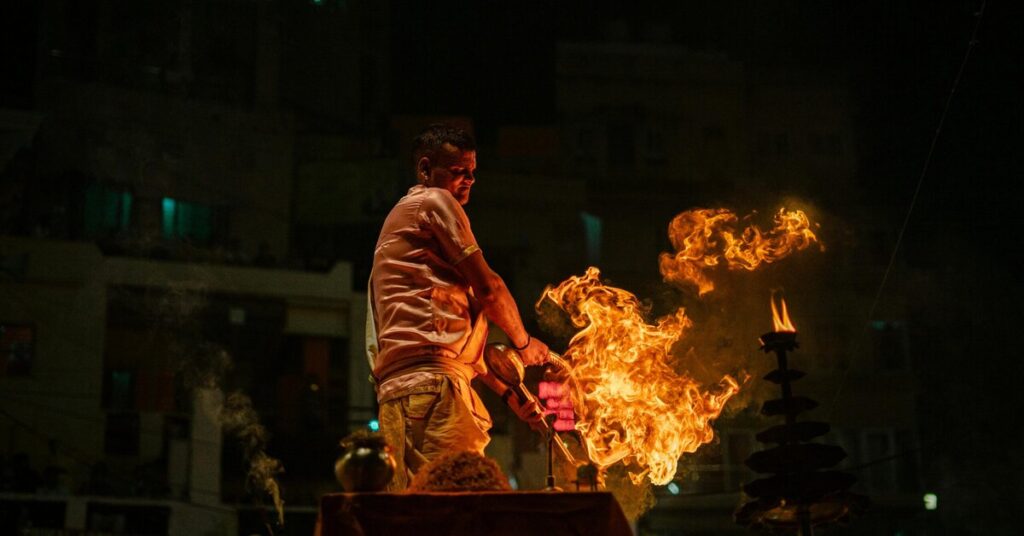
Small Group Pilgrimage Tour (4–6 People) from Varanasi , Small Group Pilgrimage Tour (4–6 People) from VaranasiUnlike most cities that quiet down at night, Varanasi’s spiritual energy intensifies after dark. The evening Ganga Aarti at Dashashwamedh Ghat transforms the riverbank into a theater of devotion, with hundreds of oil lamps flickering in synchronized prayer. Starting your pilgrimage by witnessing this ceremony helps you understand the depth of faith that defines this region.
Your small group will have the advantage of experiencing these moments without the chaos of massive tour groups. You can actually feel the spirituality rather than just observe it from a distance.
Benefits of Choosing a Small Group Pilgrimage
Intimate Spiritual Connections
Small Group Pilgrimage Tour (4–6 People) from Varanasi , Have you ever tried to meditate or pray in a crowded, noisy environment? It’s nearly impossible. With only 4-6 people in your group, you can find those precious moments of silence and reflection that larger tours simply cannot provide.
Small groups foster deeper connections—not just with the sacred sites but with your fellow travelers. You’re likely to form genuine friendships with people who share your spiritual interests, creating bonds that often last long after the journey ends.
Flexibility and Personal Attention
One of the greatest advantages of small group travel is flexibility. Want to spend an extra hour meditating at the Mahabodhi Temple? Your guide can adjust the schedule. Need to take a break for health reasons? The entire group won’t be inconvenienced.
Your guide can also tailor explanations to match your group’s knowledge level and interests. If everyone’s fascinated by Buddhist philosophy, they can dive deeper into those teachings. If you’re more interested in Hindu traditions, the focus shifts accordingly.
Cost-Effective Yet Premium Experience
Small Group Pilgrimage Tour (4–6 People) from Varanasi , You might assume that smaller groups mean higher costs, but that’s not necessarily true. While small group tours cost more than large bus tours, they’re significantly less expensive than private tours—yet they offer many of the same benefits.
You get premium experiences like better accommodations, superior vehicles, and expert guides, all while sharing costs with just a few other travelers. It’s the sweet spot between budget travel and luxury pilgrimage.
Sacred Destinations on Your Pilgrimage Route
Sarnath: Buddhism’s Sacred Ground
Located just 10 kilometers from Varanasi, Sarnath marks the spot where Buddha delivered his first sermon after achieving enlightenment. The Dhamek Stupa, standing majestically at 128 feet, commemorates this momentous occasion.
Walking through Sarnath with a small group allows you to truly absorb the peaceful energy of this place. You can sit beneath the bodhi trees, meditate in the deer park where Buddha taught, and explore the excellent archaeological museum without feeling rushed.
Bodh Gaya: Under the Enlightenment Tree
Bodh Gaya represents the very heart of Buddhism—the place where Prince Siddhartha became Buddha, the Enlightened One. The Mahabodhi Temple Complex, a UNESCO World Heritage Site, attracts Buddhist pilgrims from every corner of the globe.
Your small group will have time to circumambulate the temple, sit under the descendant of the original Bodhi Tree, and participate in meditation sessions. The intimate group size means you can discuss the profound teachings of Buddhism with your guide in meaningful depth.
Prayagraj: Confluence of Sacred Waters
Prayagraj, where the Ganges, Yamuna, and the mystical Saraswati rivers meet, is considered one of Hinduism’s holiest sites. The Triveni Sangam attracts millions of pilgrims, especially during the Kumbh Mela, the world’s largest religious gathering.
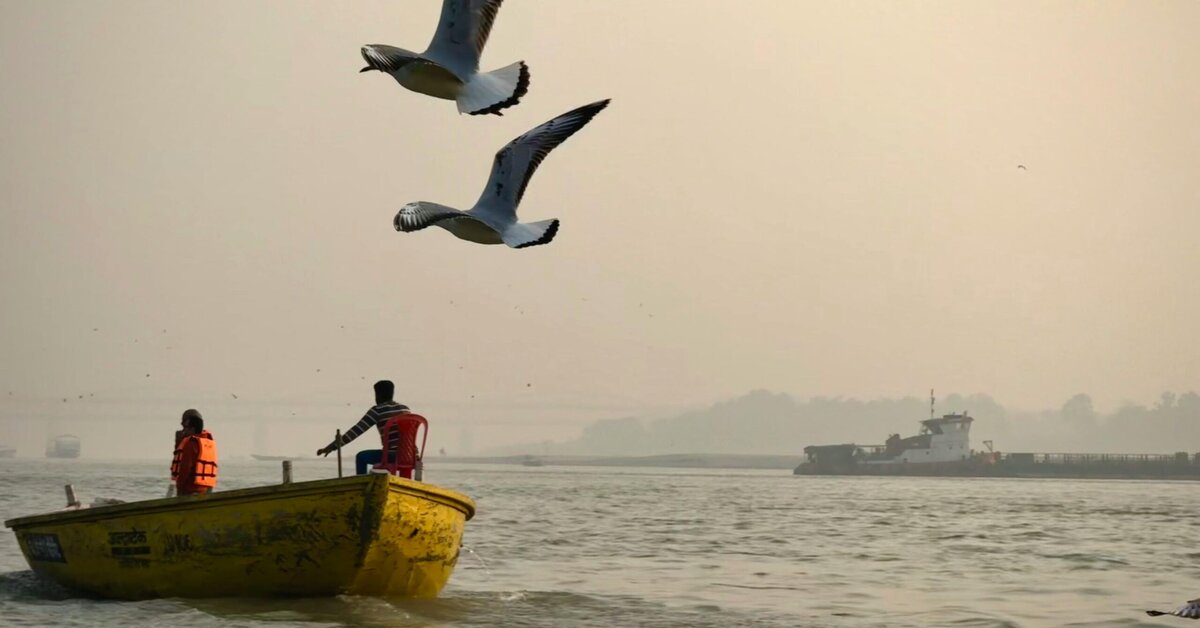
Taking a boat ride to the confluence with your small group provides a serene experience. You can take a holy dip in the sacred waters without the overwhelming crowds of festival time, and your guide can explain the ancient legends associated with this powerful place.
Ayodhya: Birthplace of Lord Rama
Ayodhya holds immense significance as the birthplace of Lord Rama, hero of the epic Ramayana. Recent developments have made this ancient city more accessible to pilgrims than ever before.
Your small group can visit the newly constructed Ram Mandir, explore the ghats along the Sarayu River, and visit other temples associated with Rama’s life. The personal attention from your guide means you’ll understand not just the historical facts but the deep devotional traditions surrounding Lord Rama.
What Your Small Group Tour Includes
Experienced Spiritual Guides
The difference between a good pilgrimage and a transformative one often comes down to your guide. Small group tours typically employ guides who are not just knowledgeable but deeply connected to the spiritual traditions they’re explaining.
These aren’t people reading from scripts—they’re often practitioners themselves who can share personal insights and answer your deepest questions about Hindu and Buddhist philosophy. They know the local priests, can arrange special pujas (prayer ceremonies), and understand the nuances of temple etiquette.
Comfortable Accommodations
After days of spiritual exploration, you need a comfortable place to rest and reflect. Small group tours typically use mid-range to premium hotels that balance comfort with proximity to pilgrimage sites.
Many tours choose accommodations that themselves have spiritual atmospheres—perhaps ashrams with morning yoga sessions, or heritage hotels with meditation gardens. You’ll have clean, comfortable rooms and often access to vegetarian meals that align with the pilgrimage experience.
Traditional Rituals and Ceremonies
Your pilgrimage isn’t just about sightseeing—it’s about participation. Small group tours often include opportunities to take part in traditional ceremonies like Ganga Aarti, fire pujas, and meditation sessions led by local practitioners.
Your guide can help you perform ancestral rituals in Gaya, offer prayers at sacred sites, or simply observe ceremonies in a respectful way that deepens your understanding. These experiential elements transform intellectual understanding into emotional and spiritual connection.
Planning Your Pilgrimage: Practical Tips
Best Season for Spiritual Travel
Timing significantly impacts your pilgrimage experience. The ideal period for traveling through northern India is from October to March when temperatures are comfortable and skies are generally clear.
October and November offer pleasant weather and coincide with festivals like Diwali and Dev Deepawali in Varanasi. December and January can be chilly, especially in the mornings, but the crisp air creates a beautiful atmosphere at riverside ceremonies. February and March see warming temperatures and the celebration of Holi.
Avoid the summer months (April-June) when temperatures can exceed 45°C (113°F), making outdoor activities uncomfortable. The monsoon season (July-September) brings relief from heat but can cause travel disruptions.
What to Pack for Your Journey
Packing appropriately ensures you can fully participate in your pilgrimage without distractions. Here’s what you’ll need:
Clothing: Modest, comfortable clothes are essential. Both men and women should pack outfits that cover shoulders and knees for temple visits. Light, breathable fabrics work best. Bring a shawl or light jacket for early mornings and air-conditioned spaces.
Footwear: Comfortable walking shoes are crucial, but since you’ll remove them frequently at temples, slip-on sandals are most practical. Bring socks to wear in temples where the ground might be hot or rough.
Spiritual Items: If you have a prayer book, mala (prayer beads), or other spiritual items, bring them. Many pilgrims also carry a small notebook to record insights and experiences.
Practical Essentials: Sunscreen, a reusable water bottle, hand sanitizer, and any personal medications are must-haves. A small daypack helps carry these items comfortably.
Electronics: Your camera or smartphone for capturing memories, but always ask permission before photographing ceremonies or people. A power bank ensures you don’t miss important moments due to dead batteries.
Conclusion
A small group pilgrimage tour from Varanasi offers something increasingly rare in our modern world—the space and time for genuine spiritual exploration. With just 4-6 companions, you can journey through India’s most sacred sites at a pace that allows for contemplation, connection, and transformation.
This isn’t about racing from one tourist attraction to another, checking off boxes on an itinerary. It’s about walking in the footsteps of sages and saints, participating in traditions that have shaped civilizations, and perhaps discovering something profound about yourself in the process.
Whether you’re a devout practitioner seeking to deepen your faith, a spiritual seeker exploring different traditions, or simply someone who recognizes that some places on Earth hold special significance, this journey from Varanasi will touch your heart in ways you never expected.
The small group format ensures that your individual needs are met while still providing the camaraderie and shared joy that makes pilgrimage such a special experience. Are you ready to embark on a journey that might just change your life?
FAQs
Q1: How physically demanding is a small group pilgrimage tour from Varanasi?
Most pilgrimage tours involve moderate walking—perhaps 2-4 kilometers per day spread across multiple temple visits. Small group tours can easily accommodate different fitness levels by adjusting the pace or arranging transportation for those who need it. Many temples have wheelchairs available, and your guide can suggest alternative routes for those with mobility concerns. If you have specific health issues, discuss them with your tour operator beforehand so appropriate arrangements can be made.
Q2: Are these tours appropriate for people who aren’t Hindu or Buddhist?
Absolutely! Pilgrimage tours welcome people of all faiths or no faith at all. The sacred sites of India have attracted seekers from every tradition throughout history. Your guide will explain the significance of each location and help you participate respectfully in ceremonies, but there’s no pressure to adopt any particular beliefs. Many participants find that experiencing different spiritual traditions enriches their own faith or worldview.
Q3: What’s the typical accommodation standard on these tours?
Small group pilgrimage tours usually use clean, comfortable 3-star to 4-star hotels or well-maintained guesthouses. You’ll have private rooms with attached bathrooms, air conditioning, and WiFi. Some tours offer accommodation at ashrams for a more immersive spiritual experience, though these tend to be simpler. Luxury options are also available if you’re willing to pay more. Always check with your tour operator about specific accommodation standards before booking.
Q4: Can I join a scheduled small group tour or do I need to organize my own group?
Both options exist. Many tour operators offer scheduled departures where individual travelers or couples can join until the group reaches 4-6 people. This is perfect if you’re traveling alone or with just one companion. Alternatively, if you have your own group of 4-6 friends or family members, you can book a private departure on dates that suit you. Private groups often get additional flexibility in customizing the itinerary.
Q5: What’s included in the tour price and what costs extra?
Typical inclusions are transportation in an air-conditioned vehicle, accommodation, breakfast (and sometimes dinner), entrance fees to major sites, and guide services. Extra costs usually include lunches, personal expenses like souvenirs, tips for guides and drivers, and optional activities like boat rides or special ceremonies. Some tours include all meals while others leave lunch flexible so you can explore local cuisine. Always get a detailed breakdown from your tour operator before booking to avoid surprises.