
Spiritual Destinations in North India for People Going Through Life Transitions , Life has a way of dismantling us, doesn’t it? One day you’re following the script—career climbing, relationship building, identity maintaining—and then suddenly everything shifts. Divorce papers arrive. The job you defined yourself by disappears. Someone you love dies. Your children leave home. Your body betrays you with illness. Or maybe nothing dramatic happens, but you wake up one morning and simply don’t recognize the person in the mirror anymore.
These are the moments when ordinary tourism feels hollow. Beach vacations can’t touch the ache. Shopping trips feel absurd. You don’t need distraction; you need transformation. You need spaces that hold grief, uncertainty, and rebirth with equal reverence. You need spiritual destinations that don’t just show you temples but help you rebuild yourself. North India, with its ancient wisdom traditions and sacred landscapes, offers exactly these sanctuaries for souls in transition. Let me guide you to places where falling apart is the first step toward coming back together.
Why We Seek Spirituality During Transitions
Transitions strip away our familiar identities. When the roles we’ve played—spouse, executive, parent, healthy person—suddenly no longer fit, we’re left asking fundamental questions: Who am I now? What matters? What’s next? These aren’t questions logic can answer. They require something deeper—contemplation, ritual, meaning-making, connection to something larger than our personal stories.
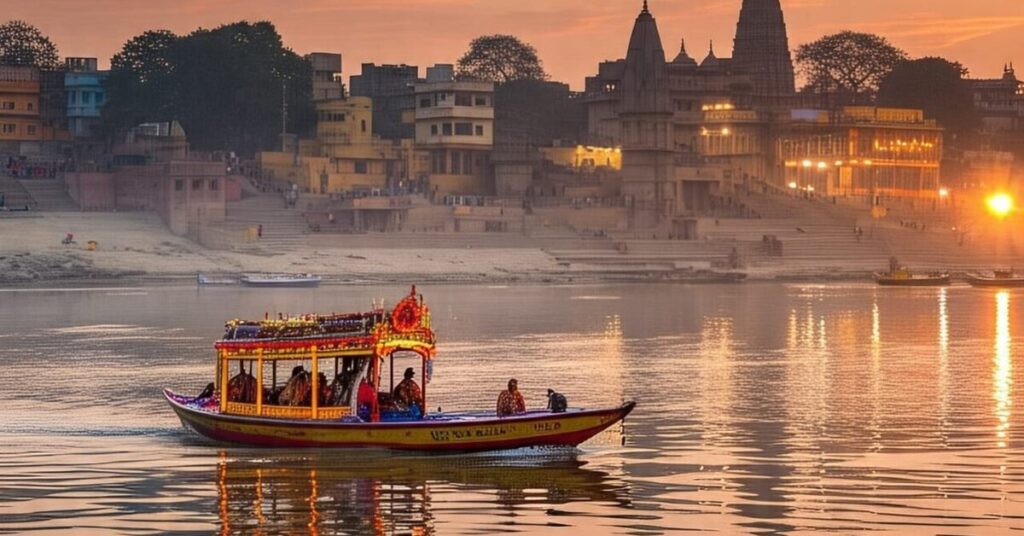
Spiritual destinations provide containers for this difficult work. They offer permission to be lost without needing to appear put-together. They present frameworks for understanding suffering and change that our modern, solution-focused culture often lacks. When you’re grieving in Varanasi watching cremation ghats, or meditating in a Dharamshala monastery learning about impermanence, or sitting by the Ganges in Rishikesh feeling your smallness against timeless flow—these experiences contextualize personal pain within universal human experience.
There’s also practical value: removing yourself from the environment where your old identity lived allows space for the new one to emerge. You can’t become who you’re meant to be while everyone still treats you as who you were. Spiritual destinations in unfamiliar places create liminal space—you’re between identities, between chapters, and that’s exactly where transformation happens.
Understanding Life Transitions That Call for Spiritual Journeys
Career Changes and Retirement
When your professional identity dissolves—whether through retirement, job loss, career change, or burnout—you face the question: “If I’m not my job title, who am I?” Western culture so deeply conflates identity with profession that losing one feels like losing yourself entirely.
Spiritual journeys during career transitions help you reconnect with intrinsic worth beyond achievement. They provide time to discern what you actually want rather than what you think you should want. They offer practices for rebuilding confidence that isn’t tied to external validation.
Loss and Grief
Death of loved ones, but also other losses—miscarriage, estrangement, dreams that died. Grief isn’t neat. It doesn’t follow timelines. Modern life expects you to process it quickly and return to productivity. Spiritual destinations give permission for grief to unfold at its own pace, in the company of traditions that understand sorrow as sacred rather than pathological.
Relationship Changes
Divorce, breakups, the end of friendships—relational losses shatter our sense of self because we’ve defined ourselves partly through connection. “I am someone’s spouse, someone’s best friend.” When that ends, rebuilding identity requires both mourning what was and discovering who you are independently.
Health Challenges
Chronic illness, injury, disability, or recovery from acute health crises force confrontation with mortality, limitation, and the body’s fragility. These transitions require not just physical healing but spiritual reorientation—learning to live with changed capacities, finding meaning in suffering, accepting what cannot be changed.
Empty Nest and Mid-Life Awakening
When children leave, when you reach mid-life and realize the life you’ve built doesn’t match your soul, when you have the unsettling sense that you’ve been living someone else’s story—these subtler transitions also call for spiritual work. They’re about reclaiming authentic self after years of role-playing.
Identity Crisis and Purpose Searching
Sometimes transition isn’t tied to external events but internal reckoning. You simply wake up feeling unmoored, asking “What’s the point?” Existential transitions benefit enormously from spiritual frameworks that address meaning, purpose, and the human condition directly.
What Makes a Destination Healing for Transitions
Solitude and Contemplation Opportunities
Healing destinations must offer genuine solitude—not Instagram-famous backdrops, but quiet spaces where you can hear yourself think. Places with meditation halls, long walking paths, riverside sitting spots, or mountain vistas where you can spend hours without distraction.
Natural Beauty and Serenity
Nature heals transition-weary souls. Mountains, rivers, forests—these provide perspective that urban environments cannot. They remind us that life continues, seasons change, and yet something eternal persists. North India’s Himalayan regions and sacred rivers offer this natural healing abundantly.
Spiritual Guidance Availability
Access to teachers, counselors, or guides familiar with both spiritual practice and psychological transition work. Not every destination has this, but the best ones for transition seekers do—people who can hold space for your confusion without trying to fix you prematurely.
Rituals for Release and Renewal
Meaningful ceremonies that help mark endings and beginnings. Fire ceremonies, water rituals, prayer offerings—these symbolic acts help the psyche process what words cannot. Destinations with active spiritual traditions offer these rituals authentically.
Best North India Destinations for Different Transitions
Rishikesh – For Finding Clarity and New Direction
Rishikesh emerges as the premier North Indian destination for people seeking clarity during transitions. Why? Because it combines accessible spiritual infrastructure with genuine depth, natural beauty with practical amenities, and solitude opportunities with community support.
Why It Works for Transitions
Psychological Safety: Rishikesh hosts thousands of seekers annually. You’re not unusual here for being in transition—you’re normal. This normalization reduces shame and isolation that often accompanies life upheaval.
Variety of Approaches: Whether you’re drawn to yoga, meditation, Vedanta philosophy, bhakti devotion, or simply riverside contemplation, Rishikesh accommodates all paths. You can explore until something resonates.
Natural Setting: The Ganges flowing through Himalayan foothills provides both majesty and serenity. The sound of the river becomes meditative backdrop for inner work.
Flexible Duration: You can stay three days or three months. Infrastructure supports both short retreats and extended transformation work.
Specific Practices and Programs
Many ashrams offer programs specifically designed for life transitions:
Parmarth Niketan hosts regular courses on “Yoga for Depression,” “Finding Purpose,” and “Mindfulness for Life Transitions.” Their International Yoga Festival attracts teachers specializing in transformation work.
Phool Chatti Ashram offers silent retreats—invaluable for people who need to stop talking and start listening to themselves.
Anand Prakash Ashram combines traditional yoga with modern psychological understanding, perfect for Western seekers navigating transition.
Osho Ganga Dham focuses on meditation techniques specifically useful for processing emotions and uncertainty.
Recommended Ashrams for Transition Seekers
For Structure: Parmarth Niketan (scheduled programs, community, guidance)
For Solitude: Phool Chatti (remote location, silence-friendly, introspective atmosphere)
For Psychological Integration: Anand Prakash (Western-trained teachers, therapeutic approach)
For Spiritual Intensity: Sivananda Ashram (rigorous schedule, traditional teachings)
Haridwar – For Letting Go and Starting Fresh
While Rishikesh offers clarity, Haridwar specializes in release. This is where you come to consciously let go of what no longer serves you.
Release Rituals at the Ganges
The Ganges in Haridwar carries profound symbolism for transition work. Ritual immersion represents washing away the past. Floating offerings downstream symbolizes releasing what you’re ready to surrender. The evening Ganga Aarti provides communal ceremony that holds individual pain within collective prayer.
Many people create personal rituals here: writing what they’re letting go of on biodegradable paper and releasing it in the river, immersing themselves while consciously releasing old identity, or simply sitting on the ghats crying without needing to explain to anyone.
Ancestral Connections
Haridwar is one of the sites where Hindus perform final rites for deceased loved ones. Even if you’re not Hindu or not performing these specific rituals, the atmosphere acknowledges death, impermanence, and the continuity of life beyond individual existence. For people processing grief, this context helps.
Dharamshala and McLeod Ganj – For Processing Loss
The Tibetan Buddhist community in exile has created something remarkable in these Himalayan towns—spaces where impermanence and suffering are understood as fundamental truths rather than problems to solve.
Buddhist Wisdom on Impermanence
Buddhist philosophy directly addresses the reality that everything changes and ends. For people in painful transitions, this teaching offers strange comfort: you’re not being singled out by suffering—this IS the nature of existence. The question isn’t “Why me?” but “How do I relate skillfully to this universal experience?”
Dharamshala’s monasteries offer teachings, meditation courses, and contemplative environments. The Dalai Lama’s temple, Namgyal Monastery, and Tushita Meditation Centre all welcome serious seekers.
Contemplative Atmosphere
McLeod Ganj moves slowly. Tibetan prayer flags flutter in mountain wind. Monks debate philosophy in courtyards. Cafés welcome journaling for hours. The entire environment supports introspection without rushing you toward resolution.
For people processing loss—death, divorce, dreams ending—the combination of Buddhist wisdom and contemplative environment creates ideal conditions for grief work.
Amritsar – For Finding Peace After Trauma
Amritsar, specifically the Golden Temple, offers a different kind of healing—the healing of community, equality, and selfless service.
Community Healing
Trauma often isolates. The Golden Temple’s practice of welcoming everyone—regardless of religion, caste, economic status, or life circumstances—provides profound counter-message: you belong, you’re welcome, you’re part of human family. For people whose transitions involved rejection or isolation, this inclusive embrace heals.
Seva as Therapy
The langar (community kitchen) welcomes volunteers. Many transition travelers find that washing dishes, chopping vegetables, or serving food alongside others becomes unexpectedly therapeutic. You’re contributing, you’re useful, you’re part of something larger than your personal pain. This shifts perspective powerfully.
People recovering from trauma, addiction, or identity crisis often report that seva at the Golden Temple reconnected them to basic human goodness when they’d lost faith in themselves and others.
Varanasi – For Confronting Mortality and Change
Varanasi isn’t for the faint of heart, but for certain transitions—especially those involving death, terminal illness, or profound existential reckoning—it’s unmatched.
Death as Transformation
Varanasi doesn’t hide death. Cremation ghats burn continuously. The city’s entire spiritual identity centers on death as liberation, as transformation rather than tragedy. For people confronting mortality (their own or others’), witnessing this changes something fundamental.
You realize death isn’t hidden, shameful, or unspeakable—it’s integrated into the rhythm of life. Bodies burn while children play nearby, while vendors sell flowers, while the river flows eternal. This context normalizes what modern culture pathologizes.
Surrendering Control
Varanasi’s chaos—its crowds, its intensity, its resistance to Western order—forces surrender. You cannot control this experience. You must meet it as it is. For people whose transitions involve loss of control (illness, job loss, relationship endings), Varanasi becomes practice ground for acceptance.
Many report that after the initial overwhelm, something releases. If you can be okay in Varanasi’s chaos, you can be okay anywhere. The transition you’re resisting? Maybe it’s not the enemy. Maybe it’s just what is.
Kasol and Parvati Valley – For Solitude and Self-Discovery
For people who need complete escape from their former life to discover who they’re becoming, the Parvati Valley offers mountain refuge.
Escape and Introspection
Kasol and surrounding villages like Tosh, Kalga, and Malana provide isolation without infrastructure collapse. You can disappear into mountains, rent simple accommodations for weeks, and simply be—walking, thinking, writing, sitting.
The valley attracts creative souls, spiritual seekers, and people taking time out from conventional life. You’ll find community if you want it, solitude if you need it.
Natural Healing
The mountains themselves heal. Something about altitude, clean air, pine forests, and river sounds recalibrates exhausted nervous systems. People come shattered and leave… not fixed, but recalibrated. More themselves.
This destination suits younger people in career transition, artists seeking inspiration, or anyone needing to step completely outside their former context to discover what’s next.
Designing Your Personal Transition Journey
Solo Travel vs Retreats
Solo Travel offers complete freedom to follow your own rhythm, change plans spontaneously, and avoid group dynamics when you’re emotionally raw. However, it requires more resilience and provides less structure when you’re struggling.
Organized Retreats provide structure, community, and guidance—all valuable when you’re disoriented. But they require conforming to group schedule and sharing vulnerable space with strangers.
Middle Path: Travel solo but book into ashrams or centers with drop-in programs. You maintain autonomy while accessing support and structure selectively.
Duration Considerations
Short Trips (3-7 days): Enough to step away from daily life and get perspective, but insufficient for deep transformation work. Good for acute crisis moments when you need immediate space.
Medium Stays (2-3 weeks): Enough time to settle, engage meaningfully with practices, and experience genuine shift. This is the sweet spot for most transition travelers.
Extended Retreats (1-3 months): For major transitions requiring substantial identity reconstruction—early sobriety, post-divorce, retirement, career reinvention. Requires financial resources and life flexibility but offers profound transformation potential.
Balancing Activity and Stillness
Don’t over-schedule. Transition work requires unstructured time—hours sitting by the river, days with no agenda, space for emotions to surface without distraction. Balance structured practices (yoga classes, meditation sessions, teachings) with abundant free time.
Practices That Support Transition Work
Meditation and Mindfulness
Meditation teaches you to be with discomfort without immediately trying to escape it—essential during transitions when discomfort is constant. Even basic mindfulness practice provides tools for managing anxiety and uncertainty.
Most spiritual destinations in North India offer meditation instruction. Start small—10 minutes daily rather than ambitious hours-long sessions.
Journaling and Reflection
Carry a journal everywhere. Transitions generate insight, emotion, and questions that evaporate if not captured. Morning pages (writing stream-of-consciousness for 20-30 minutes upon waking) help process subconscious material.
Prompts that work during transitions:
- “What am I letting go of?”
- “What am I becoming?”
- “What wants to emerge?”
- “What am I grieving?”
- “What am I grateful for right now?”
Yoga and Body Work
Transitions lodge in bodies as much as minds. Yoga, massage, or simple walking helps release stored emotion and trauma. Many transition travelers report breakthroughs happening during or after physical practice rather than intellectual contemplation.
Ritual and Ceremony
Spiritual Destinations in North India for People Going Through Life Transitions , Create personal rituals: morning offerings, sunset gratitude practices, writing and burning letters to your former self, creating altars with found objects representing your journey. Ritual provides symbolic container for psychological processes.
Working with Spiritual Teachers During Transitions
Finding the Right Guide
You’re vulnerable during transitions—choose teachers carefully. Red flags include:
- Claiming to have all answers
- Demanding complete obedience
- Financial exploitation
- Sexual misconduct
- Isolating you from other support
Good teachers:
- Hold space without fixing
- Offer frameworks, not prescriptions
- Respect your autonomy
- Have appropriate boundaries
- Point you toward your own wisdom rather than their authority
What to Expect from Spiritual Counseling
Spiritual guidance differs from therapy (though good ones have psychological training). Teachers help you understand your experience through spiritual frameworks—karma, dharma, purpose, soul journey—while also providing practical tools for managing difficulty.
Sessions might include:
- Meditation instruction personalized to your transition
- Philosophical teachings relevant to your questions
- Suggested practices or rituals
- Perspectives that reframe your experience
- Compassionate witnessing of your pain
Practical Considerations for Transition Travelers
Accommodation That Supports Healing
Choose places that feel nurturing rather than just functional. Private rooms (if you need solitude), river views (if nature soothes you), on-site yoga and meditation (if structure helps), or communal dining (if connection matters).
Budget accommodations work fine if clean and peaceful. Luxury isn’t necessary for healing, but basic comfort and safety are.
Budget for Extended Stays
North India’s spiritual destinations are remarkably affordable for extended stays:
- Ashram accommodation: ₹300-1,500/night
- Simple guesthouses: ₹500-1,500/night
- Mid-range hotels: ₹2,000-4,000/night
- Meals: ₹200-600/day
- Yoga/meditation classes: ₹300-1,000/session (many ashrams offer by donation)
A month-long stay in Rishikesh can cost ₹30,000-60,000 including accommodation, food, and classes—far less than Western retreat centers charging thousands for single weeks.
Safety for Solo Travelers
North India’s spiritual destinations are generally safe, but:
- Choose accommodations with good reviews for solo travelers
- Trust instincts—if something feels off, leave
- Stay connected—regular check-ins with someone back home
- Avoid isolated areas alone after dark
- Be cautious with substances and intense practices that lower defenses
- Join women’s groups if traveling solo female (many ashrams have these)
Sample Itineraries for Different Transitions
Post-Divorce Healing Journey (10 Days)
Days 1-3: Haridwar – Release rituals at the Ganges, writing and releasing what ended, immersion ceremonies for washing away old identity
Days 4-7: Rishikesh – Yoga and meditation intensive, journaling by the river, processing emotions through practice
Days 8-10: Rishikesh – Lighter schedule, integration walks, planning next chapter
Career Transition Clarity Retreat (7 Days)
Days 1-2: Arrival and settling in Rishikesh – Gentle acclimation
Days 3-5: Intensive inquiry – Meditation on purpose, journaling on calling, meeting with career dharma counselor, silent day
Days 6-7: Integration – Nature walks, creative expression, vision planning
Grief Processing Pilgrimage (14 Days)
Days 1-5: Dharamshala – Buddhist teachings on impermanence, grief meditation groups, mountain solitude
Days 6-7: Travel and rest
Days 8-12: Varanasi – Witnessing death and life’s continuity, boat rides at sunrise, ceremony at cremation ghats
Days 13-14: Integration and departure
What Not to Expect from Spiritual Tourism
Spiritual destinations aren’t magic. They won’t:
- Fix you instantly
- Make pain disappear
- Provide easy answers
- Replace professional mental health care when needed
- Absolve you from doing the hard work
They will:
- Provide conducive environment for inner work
- Offer tools and practices
- Hold space for transformation
- Connect you with wisdom traditions
- Give permission to be exactly where you are
Integrating Insights After You Return
The journey doesn’t end when you leave. Integration—bringing insights home—is crucial:
First Week Back:
- Journal extensively about your experience
- Maintain at least one practice from your journey (morning meditation, yoga, gratitude ritual)
- Resist immediately filling your schedule
- Share selectively—not everyone needs to hear your story
First Month:
- Establish sustainable practice routine
- Make concrete changes based on insights gained
- Seek community that supports your evolution
- Be patient with old patterns resurfacing
Ongoing:
- Return periodically (annually?) for renewal
- Stay connected to teachings that resonated
- Trust that transformation unfolds over time
- Remember: you’ve changed, even if life looks similar
Conclusion
Life transitions—those moments when everything you thought you knew about yourself comes undone—are terrifying and sacred in equal measure. They hurt, yes. They disorient, absolutely. But they also crack you open to possibility, to depth, to versions of yourself that couldn’t emerge while you were busy maintaining the familiar.
North India’s spiritual destinations don’t promise to make transitions painless. They offer something better: they provide ancient containers for the very modern experience of falling apart and finding yourself again. Whether you’re grieving by the Ganges, meditating in Himalayan monasteries, surrendering in Varanasi’s chaos, or discovering clarity in Rishikesh’s ashrams—these places hold space for your unbecoming and rebecoming with a tenderness that modern life rarely offers.
Your transition—whatever it is—deserves more than distraction. It deserves sacred space, time for grief and discovery, practices that reconnect you to yourself, and environments that honor transformation as natural rather than pathological. North India offers this generously, affordably, and authentically.
So if you’re in that liminal space between who you were and who you’re becoming, if you’re lost and looking for yourself, if everything’s changed and you need to change with it—consider this not just tourism but pilgrimage in the truest sense. A journey toward yourself, held by places that have witnessed countless souls make this same sacred crossing. You won’t leave fixed, but you might leave found. And sometimes that’s everything.
FAQs
1. How do I know if I need a spiritual journey or professional therapy for my transition?
Ideally, both. Spiritual journeys and therapy serve different but complementary functions. Therapy—especially with trauma-informed therapists—addresses psychological wounds, provides clinical tools for managing mental health, and creates safe relationships for processing pain. Spiritual journeys provide meaning-making frameworks, connection to something transcendent, and embodied practices for transformation. If you’re experiencing symptoms like suicidal ideation, severe depression, PTSD, or substance abuse, professional mental health care is essential first. Spiritual work enhances therapy but shouldn’t replace it for clinical conditions. Many people find the ideal combination: ongoing therapy at home with periodic spiritual retreats for deeper integration and perspective. Think of therapy as foundation work and spiritual journeys as expansion work—you need both for complete healing.
2. I’m not religious—will these spiritual destinations feel alienating or require beliefs I don’t hold?
Most North Indian spiritual destinations, especially places like Rishikesh, Dharamshala, and even traditionally Hindu sites, welcome non-religious seekers. You don’t need to believe in Hindu gods, Buddhist cosmology, or any specific doctrine to benefit from meditation, yoga, contemplative practices, and sacred environments. Many teachers explicitly frame teachings in universal, non-denominational terms. You can participate respectfully—covering head at Sikh temples, removing shoes, sitting quietly during ceremonies—without adopting beliefs. What matters is openness, respect, and willingness to engage with practices even if you’re skeptical of theology. Many agnostics and atheists report profound experiences at these sites because spirituality isn’t identical to religion. You’re connecting with depth, meaning, and transcendence—not necessarily supernatural beliefs. If specific places feel too religious, choose secular meditation centers or nature-based destinations like Parvati Valley.
3. How do I handle well-meaning friends and family who think I’m running away from problems instead of solving them?
This misunderstanding is common. Western culture privileges action and problem-solving over contemplation and processing. Explain that you’re not avoiding problems but approaching them differently—stepping back for perspective rather than remaining enmeshed. Share that research supports contemplative practices for decision-making and emotional regulation. Set boundaries: “I appreciate your concern. This feels right for me. I’ll update you when I return.” You don’t owe detailed justification. Some people won’t understand until they see post-journey changes in you. Others never will—that’s okay. Trust your instincts over others’ projections. That said, honestly assess: am I genuinely seeking growth or avoiding necessary action? If the latter, adjust plans. But if you’re thoughtfully engaging with transition through spiritual practice, trust that this IS problem-solving, just not in conventional forms.
4. What if my spiritual journey doesn’t provide the clarity or transformation I’m seeking?
First, reframe expectations. Transformation isn’t always dramatic revelation—sometimes it’s subtle shifts that only become apparent later. Second, consider that maybe the journey isn’t providing answers but teaching you to live with questions—equally valuable. Third, assess honestly: did you give it genuine effort (regular practice, openness, engagement) or did resistance prevent real participation? If you tried fully and still feel unchanged, perhaps that particular approach wasn’t right for you. Spiritual paths are diverse—Buddhist meditation might not work while devotional practices do, or vice versa. Also consider timing: maybe you went too early or need to return. Finally, integration matters enormously—insights often crystallize weeks or months after returning, not during the journey itself. Give it time before judging. If months pass with no impact, simply acknowledge this path wasn’t yours and try different approaches—therapy, creative expression, nature immersion, community service. There’s no single path to healing.
5. Can I bring a partner or friend going through similar transitions, or is solo travel essential?
Both approaches have merit. Solo travel offers complete freedom to follow your own rhythm, process emotions privately, and avoid managing others’ experiences while navigating your own. It also forces self-reliance that builds confidence. However, traveling with someone who truly understands your transition provides support, shared processing, and reduced loneliness. The key is choosing the right companion: someone who respects silence, doesn’t need constant entertainment, can hold space without fixing, and is on their own genuine journey rather than tagging along. Avoid bringing someone who will judge, require caretaking, or distract you from inner work. Consider a middle path: travel separately to the same destination, stay in different accommodations, but meet periodically for meals or shared activities. This provides connection without enmeshment. Ultimately, trust your instincts: does the thought of going alone feel liberating or terrifying? Does the thought of companionship feel supportive or suffocating? Your gut knows which you need.