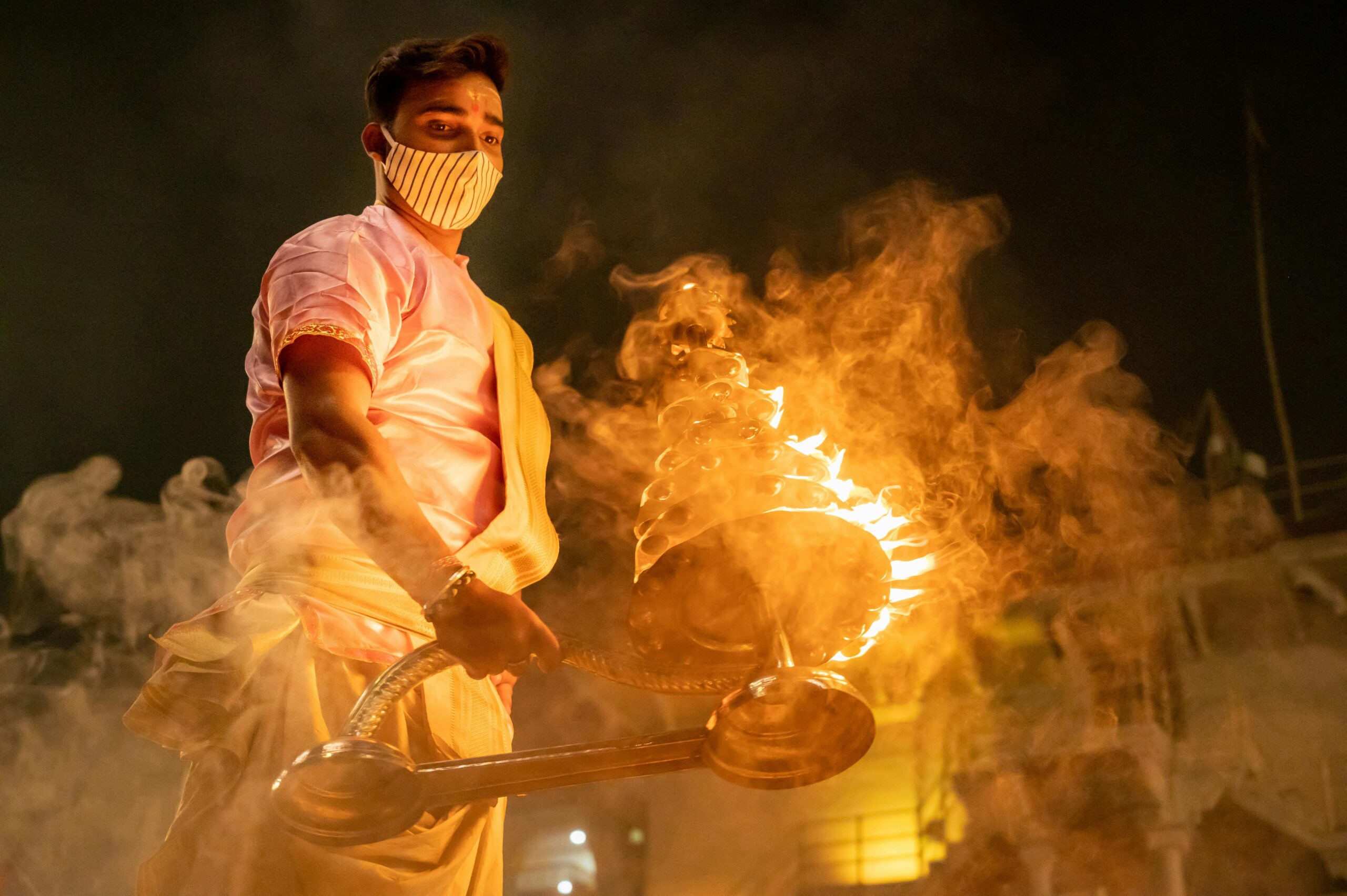
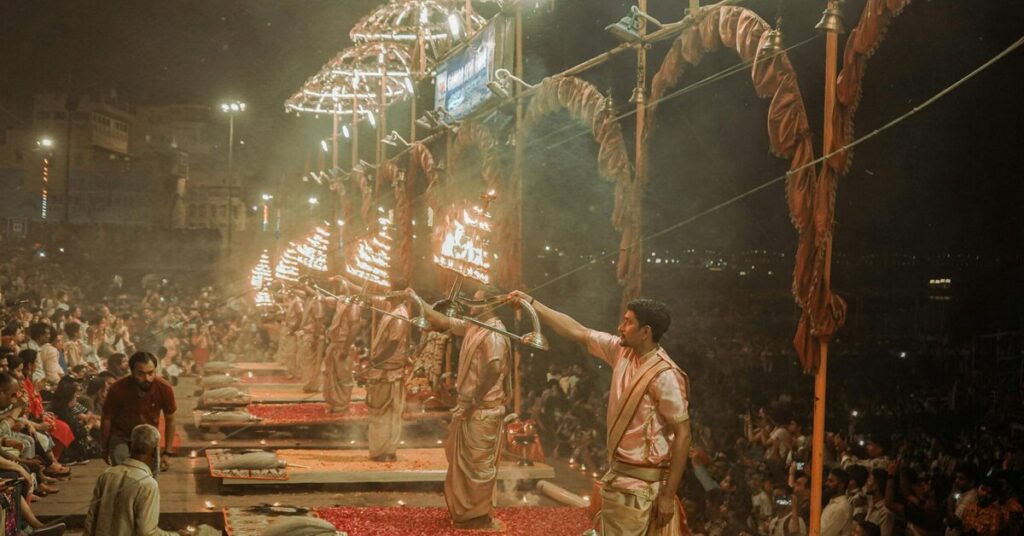
Spiritual Experiences in Varanasi Beyond Ganga Aarti , Have you ever felt the pull of something greater than yourself? Varanasi, the eternal city that has witnessed over 3,000 years of continuous human civilization, offers exactly that magnetic spiritual force. While the famous Ganga Aarti draws thousands of visitors each evening with its mesmerizing flames and chants, the true spiritual heartbeat of this ancient city pulses through countless other experiences that often go unnoticed by the casual traveler.
Most people know Varanasi as the city where the Ganges flows and where spectacular evening ceremonies light up the ghats. But what if I told you that the real magic happens in the quiet moments between these grand spectacles? The city is like a living, breathing meditation that invites you to dive deeper than the surface-level tourist experiences.
The Soul of Varanasi: More Than Just the Ghats
Understanding the Ancient City’s Spiritual DNA
Varanasi, also known as Kashi or Banaras, is believed to be one of the oldest continuously inhabited cities in the world. The city’s spiritual DNA is woven into every stone, every narrow alley, and every prayer that echoes through its ancient streets. Unlike other pilgrimage destinations, Varanasi doesn’t just host spirituality—it breathes it, lives it, and transforms everyone who genuinely seeks.
The concept of Kashi as the “City of Light” goes beyond metaphor. According to Hindu tradition, Lord Shiva himself founded this sacred city, making it the place where moksha (liberation from the cycle of birth and death) is most accessible. This belief infuses every spiritual practice here with profound significance.
Why Varanasi Captivates Seekers Worldwide
Spiritual Experiences in Varanasi Beyond Ganga Aarti ,What draws people from across the globe to this chaotic, crowded, and sometimes overwhelming city? It’s the raw authenticity of spiritual life here. Varanasi doesn’t package spirituality for comfortable consumption. Instead, it presents reality in its most unfiltered form—life and death, joy and sorrow, beauty and decay all coexisting in a divine dance.
The city challenges your perceptions, breaks down your walls, and invites you to experience something that transcends ordinary understanding. Whether you’re a devout pilgrim, a curious traveler, or a genuine spiritual seeker, Varanasi has a way of speaking to your soul in its own language.
Morning Rituals That Transform the Soul
Sunrise Boat Rides on the Sacred Ganges
Forget the evening Aarti for a moment. The real spiritual awakening happens at dawn when the city slowly emerges from the mist covering the Ganges. Taking a boat ride during sunrise is like witnessing creation itself. The soft golden light bathes the ancient ghats, while the sounds of temple bells, morning prayers, and the gentle lapping of water create a symphony that no concert hall could replicate.
During these early morning hours, you’ll see pilgrims taking their holy dips, priests performing personal pujas, and yogis in deep meditation. The energy is different—more intimate, more authentic, more transformative. There’s something profoundly moving about watching the sun rise over waters considered sacred for millennia, knowing that countless generations before you have witnessed this same moment.
Participating in Subah-e-Banaras (Morning of Varanasi)
Subah-e-Banaras is a musical celebration held at various ghats, particularly during the winter months. This early morning classical music performance showcases the spiritual power of Indian classical ragas that are specifically composed for dawn. The music doesn’t just entertain—it elevates consciousness and creates a meditative atmosphere that connects you to something timeless.
Sitting on the steps of the ghat, wrapped in a shawl against the morning chill, listening to masters perform ragas like Bhairav or Todi, you experience music as a spiritual practice rather than mere entertainment. The notes seem to merge with the river’s flow, creating an experience that words can’t adequately capture.
The Magic of Morning Yoga by the River
Many local ashrams and yoga centers offer morning yoga sessions on the ghats or in spaces overlooking the Ganges. Practicing asanas and pranayama as the sun rises, with the sacred river flowing beside you and the ancient city awakening around you, transforms yoga from physical exercise into a deeply spiritual experience.
The combination of movement, breath, sacred space, and the powerful energy of the river creates conditions for profound inner shifts. You’re not just doing yoga—you’re participating in a tradition that has been practiced in this very location for thousands of years.
Hidden Temples and Sacred Spaces
Exploring the Kashi Vishwanath Temple Experience
While the Kashi Vishwanath Temple is certainly well-known, the experience of actually visiting this sacred Shiva temple goes far beyond typical tourism. The temple, housing one of the twelve Jyotirlingas (manifestations of Shiva), carries an energy that devotees describe as overwhelming and transformative.
The experience isn’t about architectural beauty or photo opportunities. It’s about the palpable devotion, the centuries of accumulated prayers, and the belief that in this specific location, the divine is particularly accessible. The narrow approach through the old city, the crowds of devotees, the sounds of bells and chants—all of it creates an atmosphere that either attracts or repels, but never leaves you indifferent.
Discovering Lesser-Known Temples
Beyond the famous temples lie countless smaller shrines and sacred spaces that offer quieter, more personal spiritual experiences. These hidden gems allow for contemplation without crowds and connection without commercialization.
The Tranquil Durga Temple (Monkey Temple)
The Durga Temple, with its distinctive red color and resident monkey population, offers a different kind of spiritual experience. The temple’s architecture, with its multiple shikhara towers, creates a meditative atmosphere. The energy here feels protective and nurturing, reflecting the Divine Mother aspect of Hindu spirituality.
Visiting during the morning or late afternoon allows you to witness local devotees in their personal worship, offering you a glimpse into authentic spiritual practice rather than tourist-oriented displays.
Sankat Mochan Hanuman Temple’s Divine Energy
This temple dedicated to Lord Hanuman attracts devotees seeking relief from troubles (Sankat Mochan means “reliever of troubles”). The temple’s location away from the main ghat area gives it a different character—more neighborhood-oriented, more integrated into daily life.
The evening aarti here is particularly powerful, with devotees singing bhajans with genuine emotion and devotion. The famous Tulsi Manas Temple nearby houses the entire Ramcharitmanas written on the walls, creating a sacred space where scripture becomes architecture.
Walking Through Time: The Ancient Lanes
Getting Lost in Varanasi’s Mystical Alleys
There’s a special spiritual practice unique to Varanasi—deliberately getting lost in the ancient lanes of the old city. These narrow alleys, some barely wide enough for two people to pass, have remained essentially unchanged for centuries. Walking through them is like stepping back in time.
The labyrinthine quality of these lanes serves a spiritual purpose. As you wander without destination, your goal-oriented mind begins to quiet. You start noticing details—a small shrine in a wall, the smell of incense from a hidden temple, an elderly person spinning prayer beads, a spontaneous procession celebrating a local deity.
This aimless wandering, when done with awareness, becomes a form of walking meditation. You’re not trying to get anywhere or accomplish anything. You’re simply being present in a space saturated with centuries of spiritual practice.
Meeting Saints and Sadhus
Varanasi attracts spiritual seekers and renunciates from across India. The city is home to countless sadhus, saints, scholars, and mystics who have chosen Kashi as their final earthly home. Some sit at particular ghats, others wander the alleys, and some stay in ashrams or simple quarters throughout the city.
Engaging in conversation with these individuals—when approached with genuine respect and interest—can provide profound insights. Many are learned scholars of ancient texts, some are accomplished yogis with decades of practice, and others are simply souls who have surrendered everything in pursuit of the divine.
Of course, discernment is necessary. Not everyone in saffron robes is a genuine spiritual practitioner. But authentic encounters do happen, and they can shift your understanding in unexpected ways.
Learning Ancient Wisdom and Philosophy
Attending Sanskrit Classes and Vedic Studies
Varanasi has been a center of Sanskrit learning for millennia. The city still houses numerous institutions where you can study Sanskrit, Vedic texts, yoga philosophy, and ancient Indian wisdom traditions. Several places offer drop-in classes or short-term courses for visitors.
Learning even a little Sanskrit opens doors to understanding the deeper meanings behind chants, prayers, and spiritual concepts. Many travelers find that studying these ancient texts in the city where they’ve been studied for thousands of years creates a unique connection to the wisdom they contain.
Institutions like Sampurnanand Sanskrit University and various smaller ashram schools welcome sincere students. The experience of studying in a traditional setting, often sitting on the floor in simple rooms, adds authenticity to the learning process.
Engaging in Spiritual Discussions at Ashrams
Many ashrams in Varanasi hold regular satsangs (spiritual gatherings) where residents and visitors discuss philosophical questions, share spiritual experiences, and explore the deeper meaning of ancient teachings. These gatherings aren’t lectures but participatory explorations of consciousness, purpose, and the nature of reality.
The quality of these discussions can be remarkably high, with participants ranging from lifelong spiritual practitioners to curious newcomers, all sharing insights from their own experiences. The ashram environment—simple, focused, and dedicated to spiritual growth—creates ideal conditions for these deep conversations.
The Art of Meditation in Sacred Spaces
Finding Your Meditation Spot Along the Ghats
The ghats of Varanasi offer countless spots perfect for meditation. Each ghat has its own character and energy. Some are busy and active, others quieter and more contemplative. Part of your spiritual journey involves discovering which spaces resonate with your practice.
Early morning or late evening often provide the best conditions—fewer tourists, more genuine spiritual activity, and more favorable energy. Simply sitting on the stone steps, watching the river, and turning attention inward can lead to surprisingly deep meditative states.
The combination of the river’s constant flow (a perfect metaphor for consciousness), the sounds of prayers and bells, and the weight of centuries of spiritual practice in these locations creates natural support for meditation. Many practitioners report experiences in Varanasi that eluded them elsewhere.
Joining Group Meditation Sessions
Various organizations and ashrams offer group meditation sessions, often in beautiful settings overlooking the Ganges. Meditating with others amplifies the experience, especially when surrounded by serious practitioners who bring focused intention to the practice.
Some sessions include guided meditation, others are silent sitting, and some incorporate chanting or breathwork. The diversity of approaches means you can find practices that match your experience level and spiritual inclination.
Experiencing the City’s Musical Soul
Classical Music Performances and Bhajans
Varanasi has produced some of India’s greatest classical musicians, and music is considered a spiritual practice here, not merely entertainment. Numerous venues host classical music performances, particularly during the cooler months.
These aren’t concert hall performances but intimate gatherings where musicians perform with devotion, treating their art as an offering to the divine. The audience doesn’t just listen—they participate with encouraging exclamations and appreciative gestures, creating a collective spiritual experience.
The ragas (musical frameworks) used in Indian classical music are designed to evoke specific emotional and spiritual states. Listening to these performances in Varanasi, where the tradition has been preserved and refined for centuries, offers insight into music as a path to transcendence.
The Spiritual Power of Kirtan Sessions
Kirtan—call-and-response devotional singing—creates an immediate, accessible spiritual experience. Several ashrams and temples hold regular kirtan sessions where people gather to sing the names and praises of the divine.
The repetitive nature of kirtan, combined with rhythm and melody, creates a meditative state while bypassing the thinking mind. You don’t need to understand the language or have a good voice. The act of participating, of lending your voice to the collective sound, creates a sense of unity and opens the heart.
Some of the most powerful spiritual experiences happen not in silent meditation but in these joyful, energetic kirtan sessions where boundaries between self and other temporarily dissolve in the shared vibration of sacred sound.
Volunteering and Seva (Selfless Service)
Participating in Community Kitchen Services
Many ashrams and temples run community kitchens that feed hundreds or thousands of people daily, regardless of caste, religion, or economic status. Volunteering in these kitchens—chopping vegetables, cooking, serving, or cleaning—is considered seva, or selfless service.
This practice transforms ordinary work into spiritual practice. You’re not serving food to strangers—you’re serving the divine in human form. This perspective shift, central to karma yoga, changes how you experience the activity and opens your heart in unexpected ways.
The humility required to perform simple tasks, the focus needed to do them well, and the joy of contributing to something larger than yourself all contribute to spiritual growth. Many people report that their time volunteering in Varanasi was more transformative than hours spent in meditation or study.
Helping at Local Ashrams and Charitable Organizations
Varanasi has numerous organizations working with the poor, elderly, sick, and marginalized. Many welcome volunteer help from visitors. Whether teaching English to children, assisting in medical camps, or helping with administrative tasks, this service connects you to the living reality of Varanasi beyond its spiritual tourism.
Authentic spirituality isn’t separate from daily life and human needs. Engaging with the challenges people face, contributing your skills and energy to alleviate suffering, and connecting with locals as fellow humans rather than as tourist attractions all deepen your spiritual understanding.
Ayurvedic Healing and Spiritual Wellness
Traditional Ayurvedic Consultations
Ayurveda, India’s ancient medical system, views health as balance—not just physical but mental, emotional, and spiritual. Varanasi hosts experienced Ayurvedic practitioners who offer consultations that address the whole person, not just symptoms.
These consultations often reveal how physical imbalances reflect deeper spiritual or emotional issues. The recommended treatments—herbal medicines, dietary changes, lifestyle modifications, and specific practices—support not just physical health but overall wellbeing and spiritual development.
Visiting an authentic Ayurvedic practitioner in Varanasi connects you to a healing tradition that has been refined over thousands of years and is still very much alive in this ancient city.
Panchakarma and Detoxification Retreats
For those seeking deeper healing, several centers offer panchakarma—Ayurveda’s intensive detoxification and rejuvenation program. These multi-day treatments cleanse the body of accumulated toxins, calm the nervous system, and create optimal conditions for spiritual practice.
Many people report that after panchakarma, their meditation deepens, their mind becomes clearer, and their energy increases. The treatments are not luxurious spa experiences but therapeutic interventions that can be challenging yet profoundly beneficial.
Undergoing this process in Varanasi, where you can combine the treatments with the city’s spiritual atmosphere, creates synergistic effects that support transformation on multiple levels.
The Sacred Practice of Cremation Witnessing
Understanding Death and Liberation at Manikarnika Ghat
Manikarnika Ghat, the main cremation ground, operates continuously, with pyres burning day and night. Witnessing the cremation process is one of Varanasi’s most confronting yet profound spiritual experiences. Here, the reality of mortality isn’t hidden away but is present, visible, and integrated into daily life.
Watching a body being prepared, placed on the pyre, and returned to the elements while priests chant and family members watch creates an unavoidable confrontation with the impermanence of life. This isn’t morbid but clarifying. It cuts through the illusions we maintain about our permanence and forces attention to what truly matters.
The belief that dying in Varanasi leads to moksha (liberation) means families bring their loved ones here from across India. The cremation grounds thus become sacred spaces where liberation is believed to occur, making them places of spiritual significance rather than merely places of disposal.
Life Lessons from Observing the Cycle of Life
The proximity of death in Varanasi—cremations visible from the ghats, funeral processions passing through narrow lanes, families grieving openly—paradoxically makes life more vivid and precious. When death is acknowledged rather than hidden, it loses some of its terror and becomes a teacher.
Many visitors report that observing the cremation process changed their relationship with mortality, reduced their fear of death, and clarified their priorities in life. This confrontation with endings makes the present moment more valuable and redirects attention from trivial concerns to essential questions.
The cycle of life and death flowing continuously in Varanasi creates a unique atmosphere where the boundary between these states becomes thin, allowing for spiritual insights that are harder to access in cultures that segregate death from daily life.
Food as a Spiritual Experience
Sattvic Meals and Their Significance
In yogic philosophy, food is categorized by its effects on consciousness. Sattvic food—pure, balanced, energy-giving, and vegetarian—supports spiritual practice by creating clarity and calm in body and mind. Varanasi offers numerous opportunities to experience sattvic meals in their traditional context.
Eating food prepared with awareness, offered first to the divine, and consumed with gratitude transforms a biological necessity into a spiritual practice. The simple vegetarian meals served at ashrams and temples carry vibrations of devotion that nourish more than just the body.
Many long-term visitors adopt sattvic dietary practices during their stay and notice improvements in meditation, increased energy, and greater emotional balance. The connection between diet and consciousness becomes experientially clear rather than merely conceptual.
Eating at Ashrams and Community Spaces
Sharing meals in ashrams, sitting on the floor in simple dining halls, eating food served without cost as prasad (blessed food), creates a sense of community and equality. There’s no menu, no choice, no transaction—just nourishment offered freely to all.
This experience of receiving food as gift rather than commodity, eating in silence or in the company of fellow seekers, and expressing gratitude for simple nourishment highlights the spiritual dimension of eating that commercial restaurants cannot provide.
The famous Kashi Vishwanath Temple and other major temples distribute prasad daily, and receiving and consuming this blessed food is considered spiritually beneficial, transferring divine grace to those who partake.
Festivals Beyond the Mainstream
Lesser-Known Spiritual Celebrations
While Dev Deepawali and Mahashivratri draw large crowds, Varanasi celebrates countless smaller festivals and observances throughout the year. These local celebrations often provide more intimate, authentic spiritual experiences than major events overwhelmed by tourists.
Attending neighborhood temple festivals, witnessing local processions, or participating in seasonal observances connects you to the living religious culture of the city. The devotion expressed during these events is genuine and unperformed, offering windows into authentic spiritual life.
Participating in Local Religious Observances
Throughout the lunar month, different days are considered auspicious for specific spiritual practices or deity worship. Mondays are for Shiva, Tuesdays for Hanuman, Fridays for the Goddess, and so on. Observing how locals modify their practices, dietary habits, and activities according to these cycles reveals the integration of spirituality into daily life.
Participating in these observances—perhaps fasting on specific days, attending particular temples, or joining in special pujas—allows you to experience the rhythm of spiritual life as it’s actually lived, not as it’s presented to tourists.
Creating Your Personal Spiritual Journey
Designing a Meaningful Itinerary
While following suggested itineraries has its place, the most transformative experiences in Varanasi often come from creating space for spontaneity and following your intuition. Perhaps a particular ghat calls to you, or you feel drawn to return to a specific temple, or a conversation with someone opens an unexpected direction.
Balancing structure with openness—having some plans while remaining available to unplanned opportunities—creates ideal conditions for meaningful experiences. The spiritual journey is personal, and what transforms one person might not affect another.
Respecting your own rhythm, energy levels, and interests while remaining open to the unfamiliar creates the best framework for genuine spiritual experience rather than checking boxes on a tourist itinerary.
Balancing Tourism with Genuine Spiritual Seeking
There’s nothing wrong with being a tourist, but Varanasi rewards those who approach it with genuine seeking rather than mere curiosity. The city can feel overwhelming, chaotic, dirty, and challenging. These difficulties are part of the experience, not obstacles to it.
Coming with humility, respect for local customs, willingness to be uncomfortable, and openness to having your assumptions challenged creates conditions for transformation. Approaching sacred spaces with reverence, interactions with locals with respect, and spiritual practices with sincerity opens doors that remain closed to the casual observer.
The difference between collecting experiences and being transformed by them lies in your approach, intention, and willingness to let the city and its spiritual traditions work on you rather than treating them as entertainment.
Conclusion
Varanasi is not a destination you simply visit and leave unchanged. The city seeps into your consciousness, challenges your assumptions, and offers glimpses of something vast and timeless that defies easy description. While the Ganga Aarti provides a spectacular introduction to the city’s spiritual dimension, the real magic happens in the quieter moments, the unexpected encounters, and the personal practices that connect you to centuries of seeking.
From sunrise boat rides to meditation on ancient ghats, from studying Sanskrit to serving in community kitchens, from witnessing cremations to losing yourself in narrow alleys, Varanasi offers countless pathways to spiritual experience. Each person’s journey through this sacred city will be unique, shaped by their readiness, openness, and intention.
The question isn’t whether Varanasi can offer profound spiritual experiences beyond the famous evening ceremony—it’s whether you’re willing to look beyond the obvious, embrace the uncomfortable, and open yourself to the transformative power of one of the world’s oldest living spiritual traditions. The city offers its gifts freely, but they must be received with an open heart and genuine seeking.
FAQs
1. How many days should I spend in Varanasi for a meaningful spiritual experience?
While you can visit Varanasi in two to three days as part of a standard tourist circuit, a meaningful spiritual experience typically requires at least five to seven days. This allows time to move beyond initial overwhelm, settle into the city’s rhythm, establish a daily practice, and experience multiple dimensions of spiritual life here. Some seekers stay for weeks or months, finding that each layer reveals deeper dimensions. The key is quality of engagement rather than quantity of days—approach your time with intention and openness rather than rushing through a checklist.
2. Is Varanasi safe for solo travelers, especially women?
Varanasi is generally safe for solo travelers, including women, though normal urban precautions apply. The spiritual nature of the city means many areas have a respectful atmosphere, especially around temples and ashrams. Women should dress modestly (covering shoulders and knees), avoid isolated areas after dark, and be cautious of overly friendly strangers offering unsolicited help. Many solo female travelers report positive experiences when they stay aware, trust their intuition, and connect with reputable ashrams or guesthouses. The early morning and evening spiritual activities at ghats are well-attended and safe times to be out.
3. Do I need to be Hindu to participate in spiritual practices in Varanasi?
Absolutely not. While Varanasi is a Hindu holy city, the spiritual practices here welcome sincere seekers from all backgrounds. Yoga, meditation, philosophical discussions, kirtan, and many other practices are universal and accessible regardless of religious affiliation. Some specific temple rituals may be restricted to Hindus, but most spiritual experiences are open to everyone. What matters is approaching with respect, genuine interest, and humility rather than treating sacred practices as exotic entertainment. Many international visitors find profound experiences precisely because they approach with openness rather than preconceptions.
4. What’s the best time of year to visit Varanasi for spiritual experiences?
October through March offers the most comfortable weather, with pleasant temperatures for early morning activities and exploring on foot. This period also sees major festivals like Dev Deepawali (November) and Mahashivratri (February/March). However, the monsoon season (July-September) and hot summer months (April-June) have their own character—fewer tourists, more intense experiences, and locals going about spiritual practices without performance for visitors. The “best” time depends on your tolerance for heat or cold and whether you prefer vibrant festival atmosphere or quieter, more introspective experiences.
5. How can I distinguish genuine spiritual teachers from frauds in Varanasi?
This is an important question as spiritual tourism attracts both authentic teachers and opportunists. Genuine spiritual teachers typically don’t aggressively solicit followers, don’t make grandiose claims about their powers, don’t demand large fees, and don’t pressure you for money or commitments. They often live simply, have devoted students who can speak to their character, and demonstrate wisdom through their actions rather than just words. Trust your intuition, take time to observe before committing, ask questions of long-term students, and remember that authentic spirituality doesn’t require surrendering your critical thinking or personal boundaries.