Spiritual Tour Suitable for Elderly Couples in North India , There’s something beautiful about growing old together and seeking spiritual fulfillment as a couple. After decades of marriage, raising children, and building careers, many elderly couples yearn for something deeper—a journey that nourishes the soul, strengthens their bond, and reconnects them with faith. North India, with its ancient temples, sacred rivers, and spiritual traditions, offers exactly this kind of transformative experience. But how do you plan a pilgrimage that honors both spiritual aspirations and physical realities? Let me guide you through creating the perfect spiritual tour designed specifically for elderly couples.
Why Spiritual Tours Are Perfect for Elderly Couples
Spiritual Tour Suitable for Elderly Couples in North India ,Spiritual travel offers something that beach vacations or sightseeing tours cannot—a sense of purpose and meaning that resonates deeply with people in their later years. For couples in their 60s, 70s, or beyond, pilgrimages become more than just trips; they’re journeys of reflection, gratitude, and spiritual preparation.
Unlike adventure travel that demands physical prowess or cultural tours that require extensive walking, spiritual destinations welcome elderly visitors with open arms. The very nature of pilgrimage—contemplative, reverent, slow-paced—naturally aligns with the capabilities and desires of senior travelers.
Spiritual Tour Suitable for Elderly Couples in North India , Moreover, sharing these experiences as a couple creates profound intimacy. Watching the sunrise over the Ganges together, praying side by side at ancient temples, or sitting in peaceful meditation at an ashram—these moments deepen the connection built over decades of partnership. Many couples describe spiritual journeys as “reconnecting” with each other in ways daily life doesn’t allow.
There’s also the practical aspect: North India’s spiritual infrastructure has improved dramatically for elderly pilgrims. Facilities, accessibility, medical support, and specialized services now cater specifically to senior travelers, making what once seemed daunting now entirely achievable.
Understanding the Unique Needs of Elderly Travelers
Mobility and Physical Limitations
Spiritual Tour Suitable for Elderly Couples in North India ,Let’s address the elephant in the room—aging bodies don’t move like they used to. Joint pain, reduced stamina, balance issues, and limited flexibility are realities that must shape every aspect of trip planning. Pretending otherwise leads to frustration and potential injury.
The good news? Most major spiritual sites now recognize this and provide accommodations. Wheelchairs, ramps, priority access, shorter routes, and even palanquin services allow elderly pilgrims to participate fully. The key is choosing destinations and activities that match your actual capabilities, not your memories of what you could do twenty years ago.
Health and Medical Considerations
Elderly travelers often manage chronic conditions—diabetes, hypertension, arthritis, heart issues. These don’t prevent travel, but they require careful management. Changing climates, different water, irregular meal times, and physical exertion can all impact health if not properly planned for.
The proximity to quality medical care should influence destination choices. Fortunately, most major pilgrimage cities now have excellent hospitals, but remote destinations might pose risks. Always factor in access to healthcare when planning.
Comfort and Rest Requirements
While younger travelers might tolerate basic accommodations or long travel days, elderly couples need genuine comfort. Good mattresses matter when you have back problems. Clean, Western-style bathrooms become essential. Climate control is crucial. These aren’t luxuries—they’re necessities that determine whether the trip is enjoyable or exhausting.
Similarly, rest requirements differ. An itinerary that works for a 40-year-old might completely exhaust a 70-year-old. Elderly couples need longer sleep, afternoon rest periods, and buffer time between activities. Planning must reflect these realities generously.
Pace and Flexibility Needs
The best spiritual tours for elderly couples move slowly, deliberately, and flexibly. Rush is the enemy. A schedule that allows lingering at beautiful spots, resting when tired, and adjusting plans without stress creates the peaceful experience that spiritual travel should provide.
Rigid itineraries that march from one temple to another without breathing room quickly become ordeals rather than pilgrimages. The goal isn’t to see everything—it’s to experience something meaningful at a pace that feels comfortable and contemplative.
Top Senior-Friendly Spiritual Destinations
Rishikesh – Gentle Spirituality in the Himalayas
Rishikesh stands out as perhaps the most senior-friendly spiritual destination in North India. The combination of spiritual depth, natural beauty, pleasant climate, and excellent infrastructure makes it ideal for elderly couples.
Accessible Ashrams and Accommodations
Many Rishikesh ashrams specifically welcome elderly guests. Parmarth Niketan, for instance, offers ground-floor rooms with attached bathrooms, ramps for wheelchair access, and staff trained to assist senior residents. The ashram sits directly on the Ganges, so couples can access the river without walking long distances.
Ganga Kinare and Ananda in the Himalayas (more luxurious) provide riverside accommodations with all modern amenities while maintaining spiritual atmosphere. The key is that Rishikesh offers options across budget ranges, all recognizing that many pilgrims are elderly.
Easy Temple Visits
The main temples in Rishikesh—Triveni Ghat, Parmarth Niketan, Geeta Bhawan—are all easily accessible. The famous suspension bridges (Laxman Jhula and Ram Jhula) can be crossed slowly with support, or couples can simply view them from the riverbanks if walking across feels too challenging.
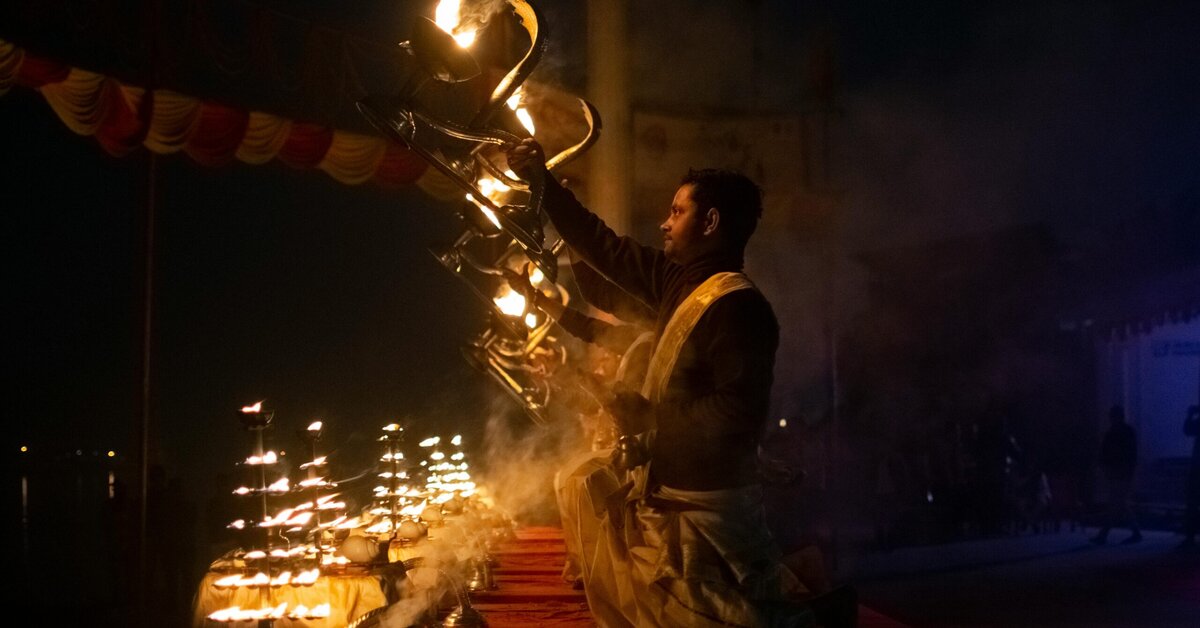
Morning and evening Ganga Aartis happen at multiple locations, allowing couples to choose the least crowded, most accessible option. Unlike some destinations where you must brave massive crowds, Rishikesh offers intimate spiritual experiences.
Haridwar – Sacred Rituals Without the Rush
Just 25 kilometers from Rishikesh, Haridwar offers a more traditional pilgrimage experience. While more crowded than Rishikesh, Har Ki Pauri (the main ghat) has been improved with better accessibility. Arrive early evening for the Ganga Aarti to secure comfortable seating before crowds arrive.
The advantage of Haridwar is its compact nature—most significant sites lie within a small area. Cable cars access hilltop temples like Mansa Devi and Chandi Devi, eliminating strenuous climbs. For elderly couples who want the full pilgrimage experience without excessive physical demands, Haridwar delivers beautifully.
Amritsar – Barrier-Free Devotion
The Golden Temple exemplifies accessible spirituality. The entire complex is wheelchair-friendly, with volunteers always available to assist. The marble walkways are smooth and even, the sacred pool (sarovar) has gentle steps with railings, and the temple itself has multiple access points.
What makes Amritsar especially suitable for elderly couples is the Sikh tradition of seva (selfless service). The moment you enter, helpful hands appear—someone to guide you, push a wheelchair, explain rituals, or simply sit with you. This community spirit creates a safe, supportive environment for senior travelers.
The langar (free community kitchen) serves simple, nutritious vegetarian meals in a dignified setting where everyone sits together regardless of age, religion, or background. It’s both practical (guaranteed safe, vegetarian food) and spiritually meaningful.
Puri – Seaside Spirituality
For couples from eastern India or those seeking something different, Puri combines beach relaxation with the powerful spiritual energy of Jagannath Temple. The sea breeze, moderate climate (except summer), and laid-back atmosphere create a gentler pilgrimage experience.
While the main Jagannath Temple itself involves crowds and stairs, the beachside location offers peaceful morning walks and sunset views that are spiritually rejuvenating without physical strain. Many elderly couples find the combination of temple visits and beach relaxation ideal.
Tirupati – Organized Pilgrimage Experience
Though technically South India, Tirupati deserves mention for its exceptional organization for elderly pilgrims. Special darshan for senior citizens (over 65), clearly marked accessible routes, efficient systems, and available wheelchairs make this one of India’s most senior-friendly major pilgrimage sites. If you’re willing to venture beyond North India, Tirupati sets the gold standard for accessible spiritual tourism.
Destinations to Approach with Caution
Not all spiritual destinations suit elderly couples equally well. Varanasi, while spiritually powerful, presents challenges—intense crowds, narrow, uneven lanes, steep ghat stairs, and overwhelming sensory stimulation. Unless you’re particularly determined or have excellent mobility, consider whether the rewards justify the challenges.
Kedarnath and Badrinath (Char Dham circuit) involve high altitude, cold weather, and either helicopter rides or significant trekking. For most elderly couples, these demanding pilgrimages pose health risks that outweigh benefits.
Mathura-Vrindavan can be navigated by elderly couples but requires more careful planning due to crowds during festivals and the need to visit multiple temples spread across two cities. Doable, but more challenging than Rishikesh or Amritsar.
The point isn’t to avoid these places entirely but to assess them realistically against your capabilities and comfort level.
Best Time to Travel for Elderly Couples
Timing dramatically impacts your experience. October to March is ideal for most North Indian pilgrimage sites—pleasant temperatures, clear skies, and comfortable conditions. Specifically:
October-November: Post-monsoon freshness, moderate temperatures, festive season (Diwali, Dussehra) adds vibrancy but also crowds.
December-February: Cool to cold, especially in northern areas. Perfect for those who handle cold better than heat. Fewer crowds except during specific festivals.
March: Warming up but still pleasant. Holi celebrations add color but also crowds and potential weather unpredictability.
Avoid April-June: Extreme heat makes travel exhausting and potentially dangerous for elderly travelers. Temperatures regularly exceed 40°C (104°F) in most pilgrimage cities.
Avoid July-September: Monsoon season brings humidity, potential flooding, travel disruptions, and slippery temple floors—all problematic for seniors.
If you have flexibility, late October-early November or February-early March offer optimal conditions—pleasant weather, manageable crowds, and festive but not overwhelming atmospheres.
Designing the Perfect Itinerary
Duration Recommendations
For elderly couples, 5-7 days is the sweet spot for a single-destination focused tour. This allows 3-4 days of actual spiritual activities with 1-2 days for travel and rest, creating a satisfying yet manageable experience.
If visiting multiple destinations, extend to 8-10 days maximum. More than this, and fatigue accumulates regardless of pacing. Remember, you can always plan another trip later rather than exhausting yourselves trying to see everything at once.
Daily Schedule Structure
Structure days around natural energy rhythms:
Morning (6:00-10:00 AM): Primary spiritual activity when you’re freshest—sunrise boat ride, temple darshan, morning aarti.
Late Morning (10:00 AM-12:00 PM): Lighter activity or return to hotel for brunch and rest.
Afternoon (12:00-4:00 PM): Rest period. This isn’t optional—it’s essential. Nap, read, meditate, or simply relax in your room.
Late Afternoon (4:00-6:00 PM): Gentle activity—short walk, light shopping, or prepare for evening program.
Evening (6:00-8:00 PM): Evening aarti, sunset viewing, or relaxed spiritual program.
Night: Early dinner and sleep. Avoid late nights that disrupt rest patterns.
This rhythm respects both spiritual goals and physical limitations.
Building in Rest Days
For every 2-3 active days, include one lighter “rest day” with minimal scheduled activities. Use these for:
- Sleeping late if needed
- Leisurely meals
- Gentle walks around hotel grounds
- Personal meditation or prayer
- Laundry and reorganization
- Optional, completely voluntary light activities
Rest days aren’t wasted days—they’re what allow you to enjoy the active days without accumulating exhaustion.
Transportation Options for Senior Travelers
Air Travel Considerations
Flying maximizes time at destinations while minimizing travel fatigue. Most pilgrimage cities now have airports or are close to major ones:
- Rishikesh/Haridwar: Fly to Dehradun (Jolly Grant Airport), 45-minute drive
- Amritsar: Sri Guru Ram Dass Jee International Airport
- Varanasi: Lal Bahadur Shastri International Airport
Request wheelchair assistance at airports—even if you can walk, it speeds through security and boarding. Many airlines offer priority boarding for senior citizens. Always book aisle seats for easier bathroom access and moving around.
Train Journey Tips
If you prefer trains, book AC First Class or AC 2-Tier for overnight journeys. Lower berths are essential for elderly travelers. The Rajdhani and Shatabdi express trains offer comfort and reliability.
Request bedding in advance, carry your own pillow if you have neck issues, and pack light meals even though trains provide food (train food can be unpredictable). Keep medications easily accessible in your personal bag.
Private Vehicle Benefits
For local transportation and intercity travel under 6-7 hours, hire a private car with an experienced driver. Choose vehicles with good suspension and comfortable seating—a Toyota Innova or similar is ideal for couples.
Your driver becomes invaluable—helping with luggage, navigating unfamiliar areas, suggesting good restaurants, and providing security. The flexibility to stop whenever needed for rest or bathrooms is priceless. Daily rates of ₹3,000-4,500 are reasonable investments in comfort and safety.
Accommodation Essentials for Elderly Couples
Must-Have Hotel Features
Don’t compromise on accommodation. Essential features include:
- Ground floor rooms or reliable elevators (many old hotels have small, unreliable lifts)
- Western-style toilets with grab bars
- Non-slip bathroom floors
- Good lighting (elderly eyes need more light)
- Comfortable mattress (not too soft, not too hard)
- Climate control (AC/heating that actually works)
- Attached bathroom (no shared facilities)
- 24-hour room service
- Doctor on call
- Emergency response system
Verify these features by calling hotels directly. Online descriptions often exaggerate or omit crucial details.
Recommended Properties
Rishikesh:
- Ganga Kinare: Boutique hotel with excellent senior care, riverside location
- Parmarth Niketan: Ashram with senior-friendly accommodations
- Ananda in the Himalayas: Luxury wellness resort (if budget allows)
Haridwar:
- Haveli Hari Ganga: Heritage property with modern amenities
- Hotel Ganga Lahari: Mid-range with good accessibility
Amritsar:
- Taj Swarna: Luxury near Golden Temple
- Hotel Ritz Plaza: Mid-range, walking distance to temple
- Hyatt Regency: Excellent facilities, short drive to temple
General: Look for properties affiliated with Taj, ITC, Oberoi, or other reputable chains in pilgrimage cities—they maintain consistent standards suitable for elderly guests.
Health and Safety Preparations
Pre-Travel Medical Check-Up
Schedule a comprehensive check-up 2-3 weeks before departure. Discuss travel plans with your doctor, who can:
- Adjust medications if needed for travel conditions
- Provide additional prescriptions for common travel ailments
- Advise on specific precautions for your conditions
- Clear you for travel (important for travel insurance)
- Provide medical records summary for emergencies
Address any pending health concerns before traveling—dental issues, minor infections, or unstable conditions should be resolved first.
Medication Management
Create a medication management system:
- Carry double the required medication in case of delays
- Keep medicines in original packaging with prescriptions
- Divide supply between carry-on and checked luggage
- Bring a written list of medications with generic names (brand names vary regionally)
- Pack a basic first-aid kit: band-aids, antiseptic, pain relievers, anti-diarrheal, antacids
- Use pill organizers for daily doses
- Set phone alarms for medication times
Keep all medications in your personal carry bag, never in checked luggage that might get lost.
Travel Insurance for Seniors
Comprehensive travel insurance is non-negotiable. Look for policies that:
- Cover pre-existing conditions (most exclude these by default)
- Include medical evacuation
- Cover trip cancellation/interruption
- Provide 24/7 emergency assistance in India
- Have direct settlement with major hospitals
Companies like ICICI Lombard, HDFC Ergo, and Religare offer senior-specific travel insurance. Expect to pay ₹2,000-5,000 for a week-long domestic trip, but the peace of mind is invaluable.
Dietary Considerations and Food Safety
Digestive issues can ruin trips for elderly travelers whose systems are more sensitive. Follow these guidelines:
- Drink only bottled water—always verify seals are intact
- Avoid street food regardless of how appetizing it looks
- Choose established restaurants with good hygiene ratings
- Prefer thoroughly cooked hot food over salads and cold preparations
- Eat familiar dishes rather than experimenting extensively
- Maintain regular meal times to avoid digestive upset
- Carry digestive aids: antacids, probiotics, ginger candies
Most pilgrimage sites serve predominantly vegetarian food, which is generally safer and easier to digest. Ashrams and gurudwaras offer simple, sattvic meals that suit elderly digestive systems perfectly.
If you have specific dietary requirements (low-salt, diabetic-friendly, etc.), inform hotels in advance. Many now accommodate such requests willingly.
Sample 5-Day Itinerary for Elderly Couples
Destination: Rishikesh-Haridwar
Day 1: Arrival and Settling
- Morning: Arrive Dehradun Airport, drive to Rishikesh (45 min)
- Noon: Check into Ganga Kinare, light lunch
- Afternoon: Complete rest—acclimatize, unpack leisurely
- Evening: Short walk to nearby Triveni Ghat, attend small aarti (low-key introduction)
- Night: Early dinner at hotel, sleep
Day 2: Rishikesh Spiritual Immersion
- Morning: Sunrise meditation by the Ganges (arranged by hotel)
- Breakfast at hotel
- Mid-morning: Visit Parmarth Niketan, tour the ashram, sit in peaceful gardens
- Lunch at hotel
- Afternoon: Complete rest period
- Evening: Attend the famous Ganga Aarti at Parmarth Niketan (5:30 PM)
- Dinner at hotel
Day 3: Gentle Exploration
- Morning: Optional gentle yoga session (beginners/seniors class)
- Late breakfast
- Mid-morning: Short drive to view Laxman Jhula and Ram Jhula from viewpoints (no walking across if uncomfortable)
- Light lunch at a riverside cafe
- Afternoon: Return to hotel, rest or optional Ayurvedic massage
- Evening: Private aarti ceremony arranged by hotel, or free time
- Dinner
Day 4: Haridwar Day Trip
- Morning: Drive to Haridwar (45 min), visit Har Ki Pauri (arrive early to avoid crowds)
- Take cable car to Mansa Devi Temple (no climbing required)
- Lunch at a good vegetarian restaurant
- Afternoon: Return to Rishikesh, rest
- Evening: Quiet evening at hotel or optional shopping
- Dinner
Day 5: Departure
- Morning: Leisurely breakfast, final moments by the Ganges
- Late morning: Check out, drive to Dehradun Airport
- Afternoon: Departure flight
This itinerary offers spiritual fulfillment without physical exhaustion, with built-in flexibility at every stage.
Budget Planning for Senior Spiritual Tours
A comfortable 5-day spiritual tour for an elderly couple typically costs:
Budget Option: ₹35,000-45,000
- Mid-range hotel (₹3,000-4,000/night)
- Private car with driver (₹3,500/day)
- Meals at good restaurants
- Basic travel insurance
- Entrance fees and donations
Comfortable Option: ₹60,000-80,000
- Good quality hotel/boutique property (₹6,000-8,000/night)
- Comfortable private vehicle
- All meals at quality establishments
- Comprehensive travel insurance
- Some special services (private guide for a day, special puja arrangements)
Premium Option: ₹1,20,000-1,50,000
- Luxury hotels like Ananda (₹15,000+/night)
- Premium vehicle
- All inclusive meals
- Wellness treatments
- Private guide throughout
- VIP temple access where available
Most couples find the comfortable option provides the best balance of quality, safety, and value. Don’t compromise on accommodation and transportation—these directly impact health and enjoyment.
Solo Travel vs Guided Tours for Elderly Couples
Choose Solo/Self-Planned If:
- You have family/friends who can plan for you
- You’re relatively mobile and confident
- You prefer flexibility and privacy
- You have specific spiritual practices or schedules
- Budget is a significant concern
Choose Guided Tours If:
- You prefer everything handled professionally
- Mobility or health concerns are significant
- You’re traveling to unfamiliar regions
- You enjoy social interaction with other couples
- You want expert spiritual/cultural commentary
- Peace of mind is worth the additional cost
Many elderly couples find small-group tours specifically designed for seniors (8-12 people maximum) offer the best of both worlds—professional management with like-minded companions of similar age and pace.
Making the Spiritual Experience Meaningful
Beyond logistics, consider how to deepen the spiritual aspect:
Before the trip:
- Read about the significance of places you’ll visit
- Learn key mantras or prayers you’ll encounter
- Discuss with your spouse what you hope to gain spiritually
During the trip:
- Wake early for sunrise experiences—they’re transformative
- Spend silent time together without conversation
- Journal your thoughts and feelings
- Participate fully in rituals without self-consciousness
- Allow emotions—spiritual experiences often bring tears, joy, or unexpected feelings
After the trip:
- Create a simple altar at home with items from the pilgrimage
- Continue practices learned (meditation, prayers)
- Share experiences with family
- Review photos together, reminiscing about special moments
The physical journey ends, but the spiritual journey continues if you nurture it.
Conclusion
A spiritual tour designed thoughtfully for elderly couples becomes far more than a vacation—it’s a pilgrimage in the truest sense, a journey of the soul undertaken at a pace that honors both spirit and body. North India’s sacred sites welcome you with open arms, offering spiritual nourishment, cultural richness, and the profound peace that comes from connecting with something timeless.
Yes, planning requires extra consideration when you’re in your later years. Mobility matters. Health considerations are real. Comfort cannot be compromised. But none of these prevent meaningful spiritual travel—they simply shape how you approach it. By choosing appropriate destinations, pacing yourself wisely, investing in comfort and safety, and remaining flexible, you can create a pilgrimage experience that enriches your spiritual life and strengthens your partnership.
The Ganges will still flow majestically. The temple bells will still ring at dawn. The aartis will still illuminate the evening with their sacred beauty. And you’ll be there—together, holding hands as you have for decades, now sharing the most meaningful journey of all. That’s the gift of spiritual travel in your golden years—the chance to seek, together, what matters most.
FAQs
1. Is it safe for elderly couples to travel alone without family members accompanying them?
Yes, with proper planning and realistic assessment of your capabilities. Many elderly couples successfully travel independently to senior-friendly destinations like Rishikesh or Amritsar. Keys to safety include: staying in reputable hotels with good staff support, hiring reliable drivers/guides, keeping family informed of your daily plans, carrying fully charged phones with emergency numbers, having comprehensive travel insurance, and choosing destinations with good infrastructure. Consider starting with a guided tour for your first spiritual journey, then traveling independently once you’re comfortable. If either of you has significant health issues or mobility limitations, having a family member along adds security. Trust your judgment—if you feel confident, go; if not, invite someone or join a group tour.
2. What if one spouse is more mobile than the other—can we still enjoy the pilgrimage together?
Absolutely. Many couples face this situation. The key is planning that accommodates the less mobile partner while still providing experiences for both. Use wheelchairs without hesitation—they’re widely available at most spiritual sites and remove the stigma many elderly people feel. Plan “split activities” where the more mobile spouse does something active (like walking across a suspension bridge) while the less mobile one rests or enjoys a different vantage point, then reunite. Most importantly, embrace different levels of participation—one might sit peacefully during an aarti while the other stands or moves closer. The shared experience of being present together matters more than identical participation. Choose destinations known for accessibility, inform hotels and tour operators about specific needs, and don’t be afraid to modify plans based on daily capabilities.
3. How do we handle emergencies if we don’t speak Hindi and are in an unfamiliar city?
Preparation minimizes emergency stress. Keep printed cards in English and Hindi stating your hotel address, emergency contacts, any medical conditions, and blood type. Major pilgrimage cities have significant English-speaking populations, especially in hotels, hospitals, and tourist areas. Your hotel is your first point of emergency contact—front desk staff can translate, arrange medical care, and manage situations. If you’ve hired a driver or guide, keep them on call even during off-hours. Travel insurance typically provides 24/7 English-language emergency assistance—keep this number easily accessible. Major hospitals in pilgrimage cities (AIIMS in Rishikesh, Fortis in Amritsar, Heritage Hospital in Varanasi) have English-speaking staff. Consider downloading translation apps like Google Translate which work offline and can translate spoken words or written signs. Finally, Indian culture is generally very helpful to elderly people—locals often go out of their way to assist seniors in distress.
4. Can we participate in special pujas or spiritual ceremonies with physical limitations?
Most definitely. Temples and spiritual sites are increasingly accommodating. Many offer “seated participation” where you can perform or observe rituals while sitting. Priests can come to you rather than requiring you to navigate crowds or stairs. Special priority access for seniors is common at major temples—ask about it rather than assuming you must wait in general queues. Some temples offer special “elderly darshan” with shorter routes and less physical demand. At ashrams, speak with organizers about your limitations; they often create modified participation options. The spiritual significance of a ceremony doesn’t diminish if you’re seated rather than standing, or if you observe rather than perform certain physical components. Your devotion and presence matter most. Alternatively, arrange private pujas at your hotel or accommodation where everything adapts to your comfort level.
5. What’s the best way to handle medication schedules when time zones or daily routines change?
Maintain medication timing based on elapsed hours rather than clock time. If you take medication every 12 hours at 8 AM and 8 PM, continue that interval regardless of time zone changes (for domestic travel, time zones rarely change more than an hour or two in India). For medications tied to meals, take them with your regular meals even if meal times shift. Set multiple alarms on your phone labeled with specific medications. Many elderly travelers find success with a simple chart: medication name, dosage, times (written for each day of travel). Keep this with your pill organizer. For complex medication schedules, consult your doctor before traveling—sometimes regimens can be temporarily simplified for travel. Always take medicines with appropriate food/water requirements even if it means carrying crackers or adjusting meal timing slightly. If daily routines change dramatically (different wake times, activity levels), monitor how you feel and adjust if needed, but generally maintaining your schedule as consistently as possible works best.