
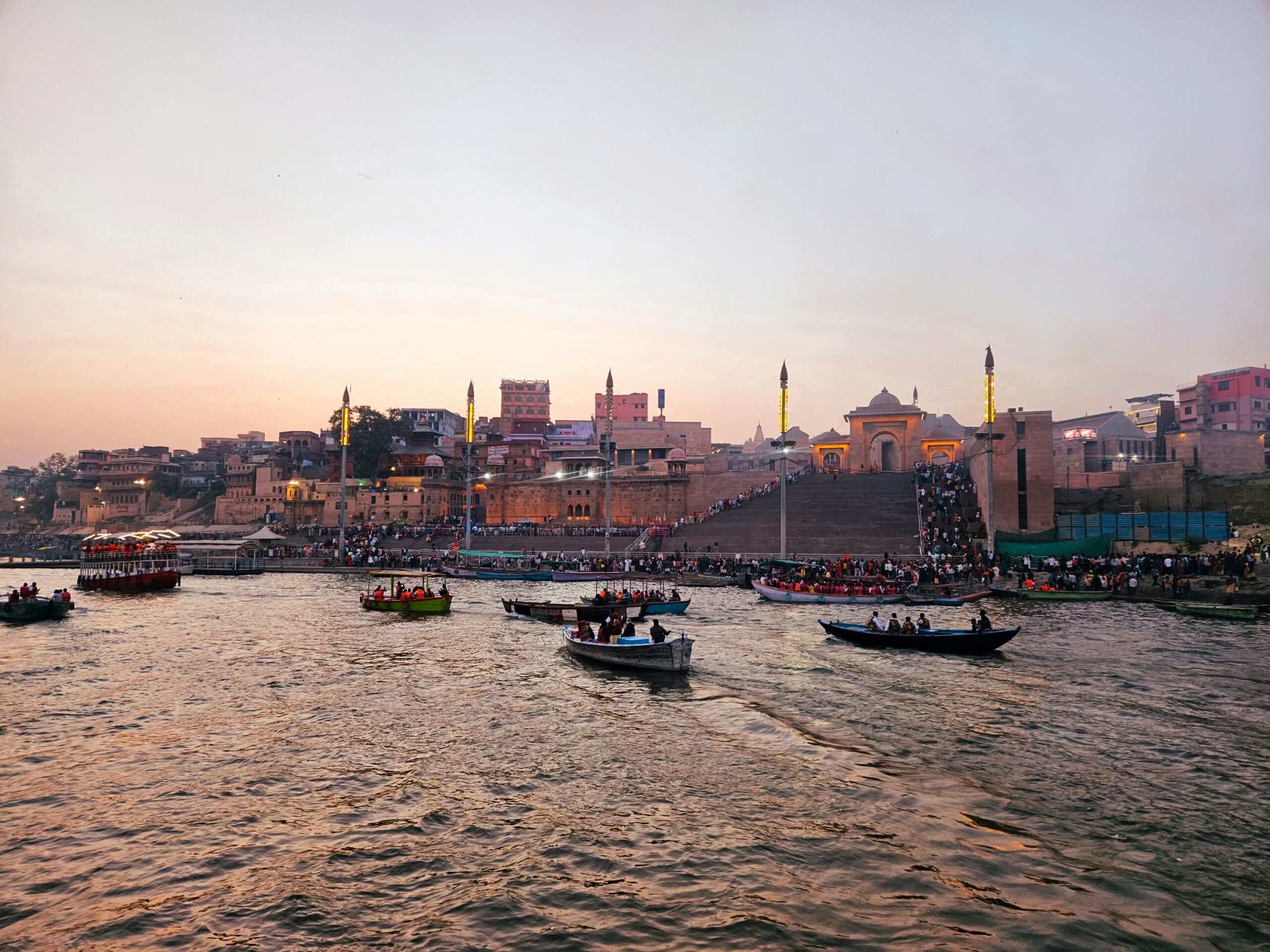
The Importance of Banaras in Indian Culture , Banaras is not merely a city on India’s map—it is a living repository of the nation’s soul, a cultural crucible where art, philosophy, music, literature, and tradition have been refined and transmitted across millennia. While its spiritual significance draws pilgrims from across the world, Banaras’s cultural importance resonates equally profound, shaping Indian civilization’s artistic and intellectual landscape in ways that continue reverberating today. At Tripcosmos, we recognize that understanding Banaras requires looking beyond temples and rituals to appreciate its role as India’s cultural heartbeat. This exploration reveals how one city became synonymous with classical tradition, artistic excellence, and the very essence of Indian cultural identity.
The Cultural Capital: Banaras in Indian Consciousness
Ask any educated Indian to name the country’s cultural capital, and most will answer “Banaras” without hesitation. This designation transcends tourism marketing or civic pride—it reflects genuine historical reality and living tradition. For thousands of years, Banaras has functioned as India’s primary center for learning, arts, philosophy, and cultural preservation, earning epithets like “Cultural Capital of India,” “City of Learning,” and “Eternal City.”
The city’s cultural importance stems from unique combination of factors: unbroken continuity spanning over three millennia, making it among the world’s oldest continuously inhabited cities; concentration of traditional knowledge systems including Sanskrit scholarship, classical music, dance, and philosophical schools; patronage from various dynasties, wealthy merchants, and religious endowments supporting artists and scholars; and spiritual atmosphere creating environment where artistic expression serves devotional purposes, elevating arts beyond mere entertainment.
In Indian consciousness, Banaras occupies mythic space where tradition lives authentically rather than as museum preservation. The classical arts practiced here aren’t historical recreations but living lineages passed directly from guru to disciple across countless generations. This living continuity makes Banaras cultural touchstone—when Indians want to experience their heritage in purest, most authentic form, they come to Banaras.
The City of Learning: Educational and Intellectual Heritage
Ancient Tradition of Scholarship
Banaras’s reputation as learning center predates recorded history. Ancient texts describe Kashi as a place where seekers of knowledge congregated, where scholars debated philosophy, where students traveled from distant lands to study with renowned teachers. This tradition established patterns that continued for millennia—the city as destination for serious students, as home to the most learned pandits (scholars), and as arbiter of orthodox interpretation across various philosophical schools.
The subjects studied in ancient Banaras encompassed all branches of knowledge recognized in classical Indian education: the Vedas and associated texts (grammar, phonetics, ritual, etymology, astronomy, and metrics); Vedanta and other philosophical systems; logic and debate (nyaya); medicine (Ayurveda); mathematics and astronomy; music and dance theory; and sculpture and architecture. This comprehensive approach to knowledge—integrating spiritual, scientific, artistic, and practical disciplines—characterized Indian education at its height.
The Sampradaya System: Lineages of Knowledge
Banaras’s educational tradition operates primarily through the sampradaya (lineage) system, where knowledge passes directly from guru (teacher) to shishya (disciple) in unbroken chains extending centuries or even millennia. These lineages maintain not just information but entire worldviews, methodologies, and subtle understandings impossible to transmit through books alone. A music student doesn’t merely learn notes and rhythms but absorbs interpretation, emotional expression, and philosophical understanding embedded in the tradition.
Numerous scholarly and artistic lineages trace their origins or most significant development to Banaras. The city houses families who have studied and taught specific subjects for dozens of generations, with sons and grandsons inheriting not just knowledge but responsibility for preserving and transmitting their particular strand of India’s cultural DNA.
Banaras Hindu University: Modern Institution, Traditional Mission
In 1916, Pandit Madan Mohan Malaviya founded Banaras Hindu University (BHU), now one of Asia’s largest residential universities, with explicit mission to combine traditional Indian knowledge with modern Western education. BHU embodies Banaras’s educational significance in contemporary form—housing over 30,000 students, offering programs from Sanskrit literature to nuclear physics, maintaining research centers for traditional arts and sciences, and preserving the guru-shishya tradition within modern university structure.
The university’s Bharat Kala Bhavan museum, Faculty of Music and Fine Arts, and Sanskrit Vidya Dharma Vijnan (Faculty of Sanskrit Education) particularly reflect Banaras’s cultural mission—not just studying Indian arts and knowledge systems but actively practicing, teaching, and evolving them. BHU graduates have significantly influenced Indian culture, politics, education, and arts, extending Banaras’s cultural influence across the nation and world.
The Pandit Tradition: Scholar-Priests
Banaras’s scholarly tradition centers on the pandit—learned Brahmins who master Sanskrit texts, maintain ritual knowledge, and serve as living libraries of classical learning. These scholars don’t just academically study texts but memorize vast portions through traditional oral methods, understand subtle philosophical distinctions across commentaries and sub-commentaries, and apply this knowledge practically in ritual contexts.
Many Banaras pandits possess extraordinary learning—fluency in classical Sanskrit, deep knowledge of Vedic literature, expertise in grammar and linguistics, philosophical sophistication across multiple schools of thought, and ritual mastery of complex ceremonies. They represent intellectual tradition dating back to Vedic period, continuing methods and maintaining standards largely unchanged for millennia. While modernity has reduced the pandit’s social role, Banaras remains stronghold where serious Sanskrit scholarship thrives outside purely academic settings.
The Musical Soul: Banaras in Indian Classical Music
Perhaps no cultural domain demonstrates Banaras’s importance more clearly than Indian classical music, where the city’s influence has been profound, pervasive, and enduring across centuries.
The Banaras Gharana: A Distinct Musical School
Hindustani classical music evolved through gharanas—schools or houses representing distinct musical styles, repertoires, and teaching methodologies. The Banaras gharana, though less commercially dominant than some others, holds unique position emphasizing thumri (semi-classical romantic songs), lighter classical forms, and emotional expression (bhava) over pure technical virtuosity.
The Banaras gharana’s approach reflects the city’s devotional atmosphere—music as path to divine connection rather than merely technical demonstration. Musicians from this tradition excel at conveying subtle emotional nuances, literary interpretation of song texts, and improvisational exploration of mood rather than rigid adherence to formal structure. This makes Banaras musicians particularly beloved for their ability to move audiences emotionally, creating intimate connections through music.
The Thumri Tradition: Banaras’s Musical Gift
Thumri, a semi-classical vocal form exploring romantic and devotional themes in accessible language (typically Bhojpuri, Awadhi, or Braj rather than formal Sanskrit), achieved its highest development in Banaras. The city’s musicians refined thumri from folk origins into sophisticated art form balancing classical rigor with emotional immediacy, literary sophistication with melodic beauty, and technical skill with heartfelt expression.
Great thumri singers like Siddheshwari Devi, Rasoolan Bai, and Girija Devi became cultural icons, their recordings treasured as exemplars of the form. The tradition continues today with practitioners maintaining the gharana’s distinctive approach—slow tempo allowing extensive melodic exploration, focus on lyrics’ emotional meaning, and improvisational freedom within classical framework.
The Tabla Legacy: Rhythmic Innovation
Banaras also produced distinctive tabla (percussion) tradition emphasizing clarity of tone, complex compositional structures (tukras, relas, and peshkars), and ability to accompany vocal music sensitively. The Banaras tabla baj (playing style) is recognized across India for particular qualities—crisp, clear sound production, sophisticated rhythmic variations, and musical intelligence in accompaniment.
Legendary tabla players from Banaras like Pandit Samta Prasad (Gudai Maharaj) and Pandit Kishan Maharaj became household names, their recordings studied by aspiring musicians worldwide. The tradition continues with current generation carrying forward the gharana’s distinctive approach.
Music as Daily Life
What makes Banaras’s musical culture exceptional isn’t just famous musicians but music’s integration into daily life. Morning ragas float from temples during puja, afternoon concerts happen in ashram courtyards, evening mehfils (musical gatherings) occur in private homes, and late-night sessions at select locations allow serious listeners to hear classical music in intimate settings. Music isn’t just performance but lived practice—part of spiritual life, social gathering, and cultural identity.
The city also hosts several important music festivals—the Sankat Mochan Music Festival in March/April brings India’s finest classical musicians for five nights of continuous performance, while various temple festivals feature traditional music. These events maintain Banaras’s role as destination where serious music happens, attracting connoisseurs from across India and world.
Literary and Philosophical Legacy
Kabir: The Revolutionary Poet-Saint
Banaras produced Kabir (1440-1518), among India’s most beloved poet-saints, whose verses in accessible vernacular challenged religious orthodoxy, caste discrimination, and ritualistic excess. Kabir worked as weaver while composing poetry that synthesized Hindu and Islamic mystical traditions, emphasized direct divine experience over scriptural authority, and championed social equality.
His dohas (couplets) remain widely quoted across India, memorized by educated and illiterate alike, appearing in everything from academic dissertations to Bollywood films. Kabir’s questioning spirit, his courage in challenging powerful religious establishments, and his democratic spirituality accessible to all regardless of birth established model for reform movements that followed.
That Kabir emerged from Banaras—Hinduism’s most orthodox center—adds irony and significance. His critiques gained power precisely because they arose from within the tradition’s heartland, not from outside. Banaras’s complex cultural environment, with its intense religiosity but also intellectual ferment, provided soil where revolutionary ideas could germinate.
Tulsidas: Making the Ramayana Accessible
Goswami Tulsidas (1532-1623), another Banaras resident, composed the Ramcharitmanas—a retelling of the Sanskrit Ramayana epic in Awadhi (a vernacular language), making the story accessible to common people who couldn’t read Sanskrit. This monumental work became one of North India’s most influential texts, recited in homes, temples, and public gatherings, shaping moral imagination across generations.
Tulsidas’s achievement was literary and cultural—his poetic genius made the text beautiful enough to merit repeated reading, while his devotional approach made it spiritually powerful. The Ramcharitmanas became foundational text for Rama bhakti (devotion) across North India, influencing literature, theater (Ramlila performances), music, and moral discourse for centuries.
The Tulsi Manas Temple in Banaras, where the text is said to have been composed, remains important pilgrimage site. Annual Ramcharitmanas recitations and explanations attract thousands, continuing the text’s living influence in Indian culture.
Bharatendu Harishchandra: Father of Modern Hindi Literature
In the 19th century, Bharatendu Harishchandra (1850-1885), a Banaras native, pioneered modern Hindi literature, theater, and journalism. His plays, essays, and poetry addressed contemporary social issues—women’s rights, colonial exploitation, religious reform, and national identity—in accessible language that reached beyond elite audiences.
Bharatendu established literary journals, encouraged other writers, and created cultural movement that shaped Hindi’s development as modern literary language. He’s honored as “Father of Modern Hindi Literature,” and his influence extends to contemporary Hindi writing, journalism, and theater. That he worked primarily from Banaras demonstrates the city’s continued cultural vitality even during colonial period.
Premchand: Social Realism and Literary Excellence
Munshi Premchand (1880-1936), among Hindi and Urdu literature’s greatest prose writers, spent significant time in Banaras and set many stories here. His realistic novels and short stories depicting rural poverty, caste oppression, women’s struggles, and social injustice established standards for socially conscious literature in Indian languages.
Premchand’s work, deeply influenced by his observations of society around Banaras and broader Uttar Pradesh, brought literary sophistication to social themes, creating characters that transcended stereotypes and explored human complexity across class and caste divisions. His legacy continues influencing South Asian literature’s engagement with social issues.
The Arts: Visual and Performing Traditions
Banarasi Silk: Weaving as Art Form
Banaras silk sarees represent the pinnacle of Indian textile art, combining technical mastery with artistic vision in fabric form. The tradition dates back centuries, receiving significant impetus during Mughal period when Persian weavers settled in Banaras, bringing techniques that merged with local traditions.
Creating authentic Banarasi silk involves extraordinary skill—hand-weaving on traditional looms, incorporating real gold and silver thread (zari) into intricate brocade patterns, following designs that may take months to complete for elaborate pieces, and maintaining quality standards passed through family lineages. The patterns often draw from Mughal floral motifs, traditional Indian designs, and architectural elements, creating textiles that are simultaneously garments and art objects.
A genuine Banarasi silk saree is investment piece—worn on important occasions, passed as heirlooms, and treasured for generations. The craft supports thousands of families in and around Banaras, maintaining traditional skills in an age of mechanization. While power looms now produce cheaper imitations, connoisseurs recognize and value authentic handwoven pieces, and UNESCO has recognized Banarasi silk weaving as intangible cultural heritage.
Sculpture and Architecture: Temples as Art
Banaras’s temples, though rebuilt numerous times through history due to various destructions, embody architectural and sculptural traditions representing different historical periods—ancient Hindu styles, Mughal-influenced structures, and modern constructions attempting to recapture classical forms.
The sculptural work in older temples and ghats demonstrates sophisticated artistry—detailed deity figures, narrative relief panels depicting mythological stories, decorative architectural elements, and intricate stone carving that transforms utilitarian structures into aesthetic experiences. The city’s visual culture, from temple architecture to street shrines to ghat designs, creates environment where art and devotion intertwine inseparably.
Kathak Dance: Movement as Expression
While Kathak (North Indian classical dance) developed across several centers, Banaras contributed significantly to the tradition, particularly its devotional and expressionist dimensions. Kathak dancers from Banaras emphasize abhinaya (expressive storytelling) and bhava (emotional expression) alongside technical footwork and pirouettes, reflecting the city’s broader aesthetic valuing emotional authenticity alongside technical mastery.
Many Kathak compositions draw from Krishna Leela (stories of Lord Krishna) and Ramayana narratives, connecting dance to literary and religious traditions. The dance serves devotional function in temple contexts while also developing as concert art form, demonstrating how Banaras’s artistic traditions maintain spiritual connections even as they evolve.
The Culinary Heritage: Food as Culture
Banaras’s culinary tradition represents another dimension of its cultural significance—food that reflects history, religious practices, seasonal rhythms, and aesthetic sensibilities unique to the city.
Street Food Culture: Democratic Deliciousness
Banaras’s street food scene is legendary across India, with specialties that draw food enthusiasts from afar. Kachori sabzi (fried bread with spiced potato curry), tamatar chaat (tomatoes cooked with spices), malaiyyo (winter-only milk dessert with impossibly light texture), lassi (thick yogurt drink), paan (betel leaf preparation), and countless other specialties represent culinary traditions refined over generations.
What makes Banaras street food culturally significant isn’t just taste but accessibility—these foods are consumed across class and caste boundaries, creating rare democratic spaces in otherwise stratified society. A wealthy merchant and poor laborer might stand together at the same stall, united in appreciation of culinary excellence. The famous vendors achieve celebrity status, their shops becoming pilgrimage sites for food lovers.
Vegetarian Sophistication: Beyond Meat
Banaras’s strong religious character resulted in sophisticated vegetarian cuisine that transforms limited ingredients through technique, spicing, and creativity. Dishes use seasonal vegetables, legumes, grains, and dairy to create complex flavors and textures that satisfy without meat.
This culinary tradition influenced broader Indian vegetarian cooking, demonstrating that plant-based cuisine need not be bland or limited but can be diverse, flavorful, and satisfying. In an era where vegetarian and vegan diets gain global popularity, Banaras’s centuries-old tradition offers inspiration and practical examples of delicious plant-based eating.
Paan: Digestive and Cultural Ritual
The preparation and consumption of paan—betel leaf filled with areca nut, lime paste, and various flavorings—represents cultural practice elevating utilitarian (digestive aid) into art form. Expert paan makers create dozens of varieties, adjusting ingredients precisely, folding leaves into perfect triangles, and timing consumption for optimal effect.
Eating paan after meals is social ritual—friends share paan, conversations happen over the slow chewing process, and the practice marks transition from eating to socializing. The elaborate varieties created by famous shops become talking points, status symbols, and tourist attractions. This simple leaf preparation becomes cultural marker of sophistication and local identity.
Festivals and Celebrations: Cultural Calendar
Banaras’s cultural importance manifests in how festivals are celebrated—with intensity, artistic excellence, and community participation that makes the city India’s celebration capital.
Dev Deepavali: Festival of Lights Amplified
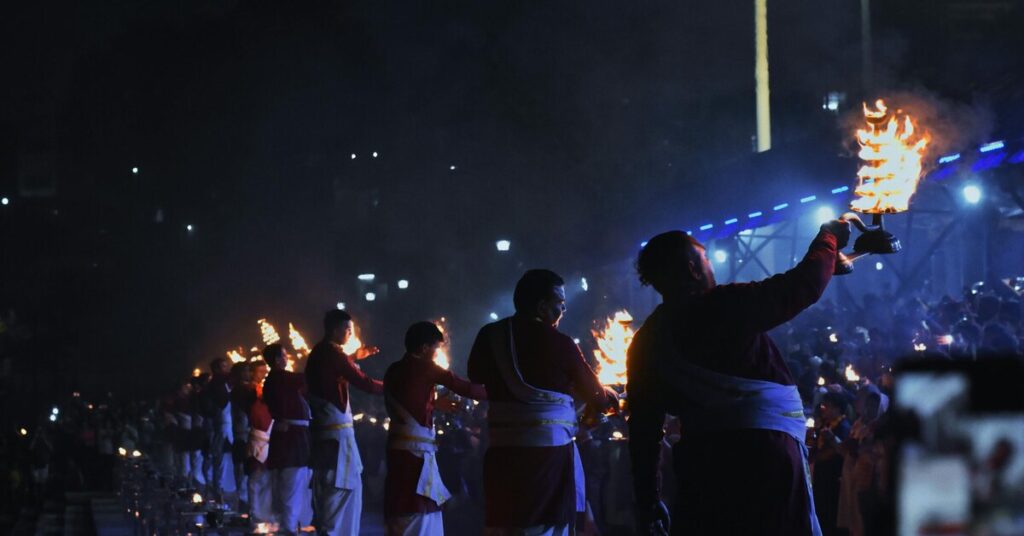
While Diwali is celebrated across India, Banaras’s Dev Deepavali (fifteen days after Diwali, on Kartik Purnima) is unique spectacular—over a million earthen lamps illuminating all 88 ghats simultaneously, creating visual magnificence unmatched anywhere. The festival combines light, devotion, music, and collective participation in display that feels both ancient and utterly alive.
Dev Deepavali demonstrates Banaras’s cultural role—taking pan-Indian festival and creating local version so magnificent it draws visitors from across the country. The city doesn’t just participate in national culture but amplifies, intensifies, and reimagines it.
Ramlila: Epic Theater
Banaras hosts numerous Ramlila performances during September-October, enacting episodes from the Ramayana over multiple weeks. These aren’t merely plays but ritual theater—combining devotion, entertainment, community participation, and artistic tradition. The Ramnagar Ramlila, sponsored by the Maharaja of Banaras, is particularly famous for maintaining authentic traditional form across a month-long cycle.
These performances demonstrate how culture transmits through generations—children absorb epic narratives, moral lessons, and aesthetic values not through lectures but through embodied, participatory cultural practice. The traditions maintain relevance despite modernity, with thousands attending performances annually.
Mahashivratri: The Great Night of Shiva
Mahashivratri in Banaras reaches extraordinary intensity as Shiva’s city celebrates its patron deity. Devotees fast, maintain nightlong vigils, perform ablutions on lingams, and queue for hours for Vishwanath Temple darshan. The cultural significance extends beyond religion—the festival creates shared experience across the city, temporal rhythms marked by sacred calendar, and collective identity reinforced through participation.
Banaras in Indian Cinema and Popular Culture
Banaras’s cultural significance extends into modern popular culture, particularly cinema, where the city appears repeatedly as setting, symbol, and character.
Films Set in Banaras
Numerous Hindi films use Banaras as primary setting—from early classics to contemporary productions. Movies like “Ganga Jamuna” (1961), “Pakeezah” (1972), “Masaan” (2015), “Raanjhanaa” (2013), and many others find in Banaras visual richness, cultural authenticity, and symbolic resonance impossible to replicate elsewhere.
Filmmakers use Banaras to signify tradition, spirituality, cultural depth, authentic India beyond modernized metros, and moral complexity where tradition and modernity clash. The city’s visual beauty—ghats at sunrise, narrow lanes, temple spires, the river’s expanse—provides cinematic magnificence, while its cultural associations add meaning layers to narratives.
Songs and References
Countless Hindi film songs reference or are set in Banaras, cementing the city’s place in popular imagination. These songs often invoke longing, spiritual seeking, romantic beauty, or nostalgia for traditional India. The city appears in popular consciousness not just as geographic location but as emotional and spiritual territory—representing home, heritage, authenticity, and continuity with past.
Even Indians who’ve never visited Banaras carry mental images shaped by cinema, literature, and cultural references that make the city familiar, meaningful, and symbolically charged. This cultural saturation demonstrates Banaras’s importance exceeding its physical boundaries to become idea, symbol, and collective cultural property.
The Living Tradition: Why Banaras Matters Today
In an era of rapid globalization, urbanization, and cultural homogenization, Banaras’s continued vitality matters enormously. The city demonstrates that tradition need not be museum-preserved but can remain living, evolving, and relevant. The classical arts thrive here not as historical curiosities but as contemporary practices. Philosophical and spiritual traditions continue attracting serious students. Crafts maintain relevance and market demand. Cultural practices persist across generations.
This living continuity provides anchor for Indian identity—connection to heritage that grounds rapid change, reference point for authenticity amid commercialization, and evidence that modernity and tradition can coexist creatively rather than tradition inevitably succumbing to modern homogeneity.
For global culture, Banaras represents alternative model—development that doesn’t require abandoning heritage, modernity that incorporates rather than replaces tradition, and urbanization that maintains human scale and community connection. These aren’t merely nostalgic preservationism but active choices to value continuity, depth, and meaning alongside efficiency and economic growth.
Experiencing Banaras’s Cultural Richness with Tripcosmos
Understanding and experiencing Banaras’s cultural dimensions requires more than visiting sites—it demands context, access to authentic practices, and interpretive frameworks making visible the meanings embedded in everyday activities. At Tripcosmos, our cultural tours go beyond standard tourist circuits to provide genuine engagement with Banaras’s living traditions.
We arrange classical music performances in intimate settings where you experience the tradition as connoisseurs do, visits to weavers’ workshops where you watch Banarasi silk creation and understand the artistry involved, meetings with scholars who can explain philosophical traditions and Sanskrit literature, cooking classes teaching Banarasi specialties, and guided walks through cultural neighborhoods where architecture, crafts, and daily life reveal the city’s artistic soul.
Our guides don’t just show cultural sites but explain significance, historical context, and contemporary relevance, transforming observation into understanding. We facilitate authentic cultural encounters while maintaining respect for traditions and practitioners.
Frequently Asked Questions
How has Banaras maintained its cultural importance despite modernization and globalization?
Banaras’s continued cultural relevance defies expectations that tradition inevitably succumbs to modernity, and several factors explain this resilience. First, the guru-shishya parampara (teacher-student lineage system) creates direct transmission channels outside modern institutional education—families teaching music, weaving, scholarship, or ritual knowledge to next generations ensure continuity regardless of broader social changes. This decentralized preservation means cultural loss would require simultaneous failure of hundreds of independent family traditions, making comprehensive cultural extinction unlikely. Second, Banaras’s cultural practices maintain functional relevance rather than merely historical interest—classical music still draws audiences who appreciate its aesthetic and emotional power, Banarasi silk remains premium product commanding market prices, and spiritual-philosophical traditions address existential questions still compelling to contemporary seekers. Cultural practices that remain genuinely useful resist displacement better than those preserved purely for historical value. Third, renewed appreciation for heritage among educated Indians creates demand for authentic cultural experiences—the same globalization threatening traditions also produces countervailing nostalgia and active preservation efforts. Wealthy patrons, cultural organizations, and government programs now support traditional arts with funding, performance venues, and educational opportunities. Fourth, tourism creates economic incentives for cultural maintenance—families earn livelihoods through traditional crafts, performers find audiences, and cultural practitioners achieve recognition and income impossible in purely local markets. While commercialization risks vulgarization, it also provides financial viability sustaining practice. Fifth, Banaras’s concentrated cultural ecosystem creates self-reinforcing environment—musicians inspire students who become next generation teachers, weavers’ children see viable career paths, scholars find intellectual community supporting serious study. The critical mass of practitioners and institutions creates momentum resisting erosion. Finally, Indian nationalism increasingly embraces cultural heritage as source of pride and distinctiveness—classical traditions receive prestige, government support, and social validation that sustain them through difficult transitions. Banaras, as cultural capital, benefits particularly from these trends, receiving disproportionate attention and resources. The synthesis isn’t effortless—traditions adapt, some elements modernize while others remain unchanged, and constant negotiation occurs between preservation and evolution. However, Banaras demonstrates that living tradition is possible with conscious commitment, structural support, and populations valuing continuity alongside change.
What makes Banarasi silk special compared to silk from other regions?
Banarasi silk’s distinction stems from technical sophistication, artistic tradition, and cultural significance that elevate it beyond commodity textile to cultural symbol and luxury product. Technically, Banarasi silk weaving employs complex brocade techniques incorporating real metallic threads (zari)—traditionally pure gold and silver, though contemporary pieces often use metal-coated synthetic alternatives—into intricate patterns woven directly into fabric rather than embroidered afterward. This integration creates durability—the design becomes structural rather than applied—and visual richness as metallic threads catch light differently than silk. The weaving process remains largely hand-based on traditional pit looms or jacquard handlooms, requiring extraordinary skill developed over years of apprenticeship. A simple Banarasi saree might take weeks to complete; elaborate wedding pieces can require months of continuous work by skilled artisans. Artistically, Banarasi designs reflect centuries of aesthetic evolution, incorporating Mughal floral motifs (buta patterns, jangla designs), traditional Indian elements (paisley, temple borders), and continuous innovation creating contemporary patterns while respecting classical vocabulary. The designs balance density and breathing space, symmetry and variation, tradition and creativity in ways that require both technical skill and artistic sensibility. The color combinations—often involving rich jewel tones with metallic accents—create visual impact that’s opulent yet sophisticated. Culturally, Banarasi silk carries associations with auspiciousness, prosperity, and important life events—weddings particularly, but also festivals, ceremonies, and occasions demanding finest attire. Owning genuine Banarasi silk saree represents investment in heritage, connection to tradition, and possession of object that transcends fashion to become family heirloom. The provenance matters—”Banarasi” signifies not just origin but quality standards, traditional methods, and artistic excellence maintained through guild-like family traditions. This reputation was built over generations and maintained through refusal to compromise standards even when market pressures encourage cheaper production. Recent UNESCO recognition as intangible cultural heritage acknowledges Banarasi weaving’s global significance as traditional craft maintaining relevance in contemporary world. However, market faces challenges—power loom imitations flood markets at fraction of authentic handloom prices, younger generations increasingly reject weaving’s demanding low-paid labor, and changing fashion preferences reduce demand for heavy traditional sarees. The craft’s survival requires continued market demand from buyers valuing authenticity and willing to pay prices reflecting skilled labor, possibly supplemented by government support, design innovation attracting younger consumers, and international markets appreciating luxury craft goods. When purchasing, seek reputable sellers, examine work quality closely, understand you’re not just buying cloth but supporting centuries-old tradition and families maintaining rare skills in threatened craft.
How can visitors experience Banaras’s classical music tradition authentically?
Experiencing Banaras’s musical culture requires moving beyond tourist performances to engage with tradition as serious listeners do, and several approaches facilitate authentic encounters. The annual Sankat Mochan Music Festival (held in March/April) offers five nights of continuous classical performances by India’s finest musicians in temple courtyard setting—this is among India’s most prestigious music festivals, attracting connoisseurs nationwide. Attending even one evening provides exposure to highest musical standards in atmospheric context. Purchasing pass grants access to entire night’s performances, allowing you to experience how serious music happens—audiences staying through dawn, musicians performing extended compositions, and atmosphere of shared devotion where music serves spiritual purpose. Various temples and cultural organizations host regular programs, particularly during festivals and auspicious dates—inquire at your hotel or check local cultural calendars. These programs range from elaborate to intimate, from professional concerts to traditional temple offerings where music is puja rather than performance. Some of the most authentic experiences happen in these less formal settings. Several music schools and universities offer performances by advanced students and faculty—BHU’s Faculty of Music frequently hosts events, and various private music schools occasionally allow observers during teaching sessions or house concerts. Approaching these institutions respectfully and expressing genuine interest sometimes yields invitations to observe practices or attend intimate gatherings. Private mehfils (musical gatherings) in homes of music patrons represent the tradition’s most authentic form—small audiences of knowledgeable listeners, musicians performing in relaxed intimate setting, and all-night sessions where music unfolds without commercial time constraints. Access requires connections—your hotel, local guides, or music shops might facilitate introductions if you demonstrate serious interest. Music shops themselves, particularly those selling instruments and recordings, function as informal gathering places where musicians congregate, discussions happen, and visitors can engage with community. Spending time in these spaces, asking knowledgeable questions, and showing respect for the tradition opens doors. When attending performances, observe audience behavior—serious listeners maintain silence during singing, save conversation for designated breaks, and demonstrate appreciation through appropriate gestures rather than applause during compositions. Learning basic appreciation vocabulary helps—understanding what raga is, how tala structures rhythm, what improvisation means in this context. This knowledge deepens experience and demonstrates respect earning you greater acceptance in musical circles. Our Tripcosmos cultural tours can arrange music experiences matching your interest level—from introductory concerts with explanatory context to connections with performers and scholars for deeper engagement. We work with musicians and music institutions to create authentic encounters while ensuring visitors understand context and behave appropriately, benefiting both guests and tradition.
What’s the relationship between Banaras’s religious significance and its cultural achievements?
The relationship is deeply symbiotic—religiosity and cultural excellence mutually reinforce each other in ways making them inseparable aspects of single phenomenon. Banaras’s religious importance attracted patronage, creating economic and social conditions enabling cultural flourishing. Wealthy pilgrims, royal patrons seeking religious merit, and merchant communities supporting sacred city provided funding for temple construction, scholar support, artist patronage, and institutional development. This material support allowed specialists—musicians, scholars, craftspeople, dancers—to dedicate lives to mastering traditions without constant economic pressure, producing excellence impossible under pure market conditions. Religious festivals created demand for artistic excellence—ceremonies required specific music, temples commissioned sculpture and architecture, celebrations needed dance and drama. This functional role for arts ensured their continued relevance and refinement rather than being peripheral entertainment. The standards were high because offerings to deities demanded beauty, precision, and devotion. Devotional context elevated arts beyond mere entertainment or commerce—music became path to divine connection, dance embodied mythological narratives, poetry expressed mystical experience, and crafts created objects worthy of divine use. This spiritual dimension attracted serious practitioners seeking not just livelihood or fame but spiritual fulfillment through artistic practice. The arts became sadhana (spiritual discipline), attracting individuals with depth of commitment producing masterworks. Religious environment created contemplative atmosphere conducive to deep study, artistic development, and philosophical inquiry. The city’s spiritual intensity, constant rituals, and focus on ultimate questions provided psychological and social context where serious intellectual and artistic work felt supported and valued. Conversely, cultural achievements enhanced religious experience—beautiful music made ceremonies more moving, sophisticated philosophy enriched religious understanding, architectural magnificence inspired awe, and artistic refinement created total environment where spiritual seekers felt transported beyond mundane existence. The arts didn’t distract from religion but amplified its emotional and intellectual impact. This mutual reinforcement continues today—religious tourism sustains craft traditions, devotional music maintains its tradition, spiritual seekers support classical arts, and Banaras’s artistic excellence attracts culturally sophisticated visitors who might not identify as religious but appreciate the depth tradition provides. The relationship demonstrates how supposedly separate domains—spiritual and aesthetic, religious and cultural, sacred and artistic—actually interweave in traditional societies, creating synthesis where each dimension strengthens others. Modern tendency to separate religion from culture, treating them as independent spheres, misunderstands how they historically functioned as integrated whole. Understanding Banaras requires appreciating this integration—the cultural achievements aren’t despite religious focus but partly because of it, while religious depth gains richness through cultural sophistication. This holistic approach offers alternative to purely secular culture and purely fundamentalist religion, suggesting that spiritual traditions at their best cultivate artistic and intellectual excellence as expressions of divine beauty and truth.
How does Banaras influence contemporary Indian culture despite being an ancient city?
Banaras’s influence on contemporary Indian culture operates through multiple channels, both direct and subtle, maintaining relevance despite or perhaps because of its ancient character. In classical music, Banaras-trained musicians teach across India and internationally, spreading the city’s aesthetic sensibilities and technical approaches. Recordings by legendary Banaras artists become teaching materials and aspirational models for students worldwide. Music festivals and academic programs continue drawing from Banaras’s repertoire, methodologies, and interpretive traditions, ensuring the city’s musical legacy influences contemporary practice even when not explicitly acknowledged. In literature, Banaras remains powerful setting and symbol in contemporary writing—modern novels, poetry, and films use the city to explore themes of tradition versus modernity, spiritual seeking, cultural identity, and authentic Indian experience. Writers from various backgrounds set narratives in Banaras because it carries cultural associations readers immediately recognize—mentioning Banaras evokes specific atmospheric, emotional, and philosophical resonances requiring no explanation. In fashion and textiles, Banarasi silk remains premium product, and its aesthetic influences broader design trends. Contemporary fashion designers reference traditional patterns, and the craftsmanship standards set by Banarasi weavers influence quality expectations across textile industry. The visibility of Banarasi silk in weddings and important occasions maintains cultural practice where finest clothing marks significant life events, resisting fast-fashion disposability. In religious and spiritual life, Banaras continues functioning as pilgrimage destination and spiritual reference point—millions visit annually, and even Indians never visiting carry mental images and associations shaped by Banaras. The city represents authentic spiritual experience against which other locations measure themselves. Its continued vitality demonstrates traditional spirituality’s ongoing relevance despite secularization pressures. In educational terms, BHU and other institutions train thousands of students who carry Banaras-influenced perspectives into various professional fields—academics, artists, scientists, administrators—spreading the city’s cultural values indirectly through its graduates’ worldviews and practices. In popular culture, Banaras appears constantly in films, songs, advertisements, and media as visual and symbolic shorthand for Indian culture, spirituality, and tradition. These representations shape how Indians conceptualize their heritage, even if simplified or romanticized. The city becomes collective cultural property, reference point in national imagination. Perhaps most importantly, Banaras provides living proof that modernity need not erase tradition, that ancient cities can remain culturally vital, and that heritage offers genuine value beyond nostalgia. In era of rapid change and cultural anxiety about losing identity, Banaras demonstrates continuity’s possibility, influencing cultural policy, heritage preservation efforts, and broader conversations about development models balancing progress with preservation. The city influences contemporary culture not by rejecting modernity but by demonstrating how tradition evolves while maintaining core identity—classical music incorporates new compositions while respecting fundamental principles, crafts adapt to contemporary markets while maintaining traditional techniques, and spiritual practices engage modern seekers while preserving ancient wisdom. This model of adaptive continuity offers lessons for broader society navigating change while seeking rootedness.
Discovering Cultural Depths with Tripcosmos
Banaras’s cultural importance can’t be fully grasped in rushed visits or superficial encounters—it requires time, context, access to authentic practitioners, and interpretive frameworks revealing meanings embedded in everyday activities. At Tripcosmos, we design cultural experiences that move beyond tourist circuits to genuine engagement with living traditions.
Our cultural tours include classical music performances in intimate settings, visits to artisan workshops where traditional crafts continue, meetings with scholars and practitioners who can explain their disciplines, guided walks through cultural neighborhoods revealing architectural and social history, cooking classes teaching regional specialties, and attendance at festivals where culture manifests in collective celebration. We provide context transforming observation into understanding, arrange access to experiences unavailable to independent travelers, and facilitate respectful encounters benefiting both visitors and cultural practitioners.
Whether your interests lie in music, literature, visual arts, philosophy, culinary traditions, or simply understanding what makes Indian culture distinctive, our Banaras programs offer deep engagement with cultural capital that has shaped civilization for millennia. Contact us to design cultural experiences matching your specific interests and allowing genuine appreciation of Banaras’s extraordinary cultural legacy.
Tripcosmos: Opening doors to cultural treasures, one authentic encounter at a time.





… [Trackback]
[…] There you will find 62140 more Infos: tripcosmos.co/the-importance-of-banaras-in-indian-culture/ […]
… [Trackback]
[…] Find More Info here to that Topic: tripcosmos.co/the-importance-of-banaras-in-indian-culture/ […]
… [Trackback]
[…] Info to that Topic: tripcosmos.co/the-importance-of-banaras-in-indian-culture/ […]
… [Trackback]
[…] There you will find 48706 more Info on that Topic: tripcosmos.co/the-importance-of-banaras-in-indian-culture/ […]