The Spiritual Significance of Banaras ,There are places on Earth where the veil between the material and spiritual worlds feels gossamer-thin, where ancient wisdom permeates the very stones beneath your feet, and where the sacred becomes palpably real. Banaras—also known as Varanasi or Kashi—stands as perhaps the most profound of these threshold spaces. For over three millennia, this city has served as Hinduism’s spiritual epicenter, a pilgrimage destination that transcends mere geography to become a living metaphor for the soul’s eternal journey. At Tripcosmos, we don’t just guide you through Banaras’s physical landscape; we help you understand the deep spiritual currents that make this city uniquely transformative. This exploration delves into the layers of meaning that elevate Banaras from ancient city to sacred cosmos.

Kashi: The City of Light
Before Banaras became Banaras or Varanasi became its official name, this place was known as Kashi—derived from the Sanskrit root “kash,” meaning to shine or illuminate. The name itself reveals the city’s essence: Kashi is the City of Light, where spiritual illumination becomes possible, where darkness dissolves, and where the eternal light of consciousness shines unobscured.
Hindu scriptures, particularly the ancient texts called Puranas, describe Kashi not as a city built by humans but as a cosmic manifestation—the earthly abode of Lord Shiva himself. According to mythology, when the great deluge destroyed the universe, Shiva saved Kashi by holding it aloft on his trident. Thus, Kashi transcends the physical world, existing in a realm between the mundane and the divine. It is said that Kashi never submerges during the cyclic dissolutions of the universe, remaining eternal while everything else perishes and regenerates.
This spiritual geography means that pilgrims don’t merely visit Banaras—they enter a sacred dimension where ordinary rules of time and space bend. Every stone, every ghat step, every temple holds accumulated spiritual power from millions of prayers offered over thousands of years. The very air vibrates with mantras chanted continuously since antiquity. Walking through Kashi’s lanes, you traverse not just physical distance but spiritual terrain where each step potentially brings you closer to divine realization.
The concept of Kashi as light carries profound philosophical meaning. In Hindu thought, ignorance (avidya) is described as darkness that obscures true knowledge of the self (atman) and its identity with universal consciousness (Brahman). Kashi, as the City of Light, represents the place where this ignorance dissolves, where spiritual seekers can pierce through illusion and glimpse ultimate reality. The light referenced isn’t merely metaphorical—practitioners of meditation and spiritual disciplines report experiencing inner illumination in Kashi, as if the city’s accumulated spiritual energy facilitates mystical experiences.
Shiva’s Sacred Geography: The Cosmic Dance Ground
Banaras’s spiritual significance is inseparable from its association with Lord Shiva, who is not just the city’s patron deity but its very soul and essence. Unlike other Indian cities that may be associated with particular deities, Banaras IS Shiva—the city embodies his consciousness, reflects his nature, and manifests his presence in tangible form.
The Jyotirlinga: Pillar of Infinite Light
The Kashi Vishwanath Temple houses one of the twelve Jyotirlingas—sacred shrines where Shiva manifested as an infinite pillar of light. According to mythology, Brahma (the creator) and Vishnu (the preserver) once argued about their supremacy. To settle the dispute, Shiva manifested as an endless column of fire, challenging them to find its beginning or end. Vishnu, searching downward into the earth’s depths, and Brahma, soaring upward into the heavens, both failed—the pillar proved truly infinite. This humbling experience revealed Shiva’s supremacy and demonstrated the ultimate reality’s boundlessness.
The Jyotirlinga at Kashi represents this infinite, formless divine consciousness taking limited form for devotees to approach. Pilgrims visit not just to see a temple but to connect with limitless spiritual energy concentrated into accessible manifestation. The darshan (sacred viewing) of the Vishwanath lingam is considered particularly powerful—some believe that even a single sincere viewing can burn away karmic accumulations from multiple lifetimes.
Shiva as Mahakal: Lord of Time and Death
In Banaras, Shiva is worshipped as Mahakal—the great beyond-time, the lord who transcends temporal existence. This aspect of Shiva relates directly to Banaras’s most profound spiritual function: as the ideal place to die and achieve moksha (liberation from the cycle of rebirth).
Hindu philosophy teaches that the soul (atman) undergoes countless incarnations, born and dying repeatedly according to karma (the law of cause and effect governing actions and their consequences). Liberation from this cycle represents the ultimate spiritual goal—moksha, when the individual soul realizes its identity with universal consciousness and escapes the wheel of birth, death, and rebirth.
Banaras offers a unique promise: death here, particularly within the sacred geography marked by specific boundaries, grants automatic moksha regardless of one’s karma. This extraordinary spiritual exemption occurs because Shiva himself, as Mahakal, whispers the Taraka Mantra (the liberating chant) into the ear of every soul departing from Kashi. This divine intervention ensures the soul’s liberation, cutting through karmic bondage that might otherwise require countless additional lifetimes to resolve.
This belief explains the continuous cremations at Manikarnika and Harishchandra ghats, the presence of dying individuals brought by families seeking this ultimate blessing, and the absence of fear around death that characterizes Banaras. Death here is not tragedy but triumph—the soul’s graduation from the school of earthly existence.
The Panchakroshi Parikrama: Circling the Sacred Cosmos
The spiritual power of Kashi extends beyond the city’s visible boundaries to encompass a broader sacred geography defined by the Panchakroshi circuit—a pilgrimage route of approximately 50-60 kilometers circling the spiritual perimeter of Kashi. This five-day walking pilgrimage visits 108 shrines, marking the boundary within which Shiva’s promise of moksha applies.
Walking the Panchakroshi represents more than physical exercise—it’s a circumambulation of the cosmic axis, a ritual claiming Kashi’s spiritual protection, and a meditation on the sacred enclosure where divine grace operates with special intensity. Pilgrims who complete this circuit consider themselves marked by Kashi, blessed by the spiritual energy accumulated through sustained devotion within the sacred zone.
The Ganges: Liquid Divinity
The Ganges River is not merely water flowing past Banaras—it is Ganga Ma (Mother Ganges), a goddess in liquid form, a physical manifestation of divine grace, and the very essence of purity and spiritual cleansing. The river’s spiritual significance shapes Banaras’s entire character and purpose.
Descent from Heaven: The Sacred Narrative
Hindu mythology recounts how the Ganges originally flowed in heaven until King Bhagiratha’s intense penance persuaded the gods to send her to earth to purify his ancestors’ ashes and grant them salvation. However, the tremendous force of heaven’s river would destroy the earth upon impact. Lord Shiva solved this dilemma by catching Ganga in his matted locks, allowing her to flow gently earthward through his hair, which broke the fall and made the descent manageable.
This mythological narrative establishes the Ganges as celestial water touching earth—not an ordinary river but heavenly purity made accessible to humans. Bathing in Ganga isn’t merely washing but immersion in divine substance capable of cleansing not just physical dirt but spiritual impurity, karmic stains, and sins accumulated across lifetimes.
The Sacred Bath: Spiritual Purification
The ritual bath (snana) in the Ganges at Banaras holds profound spiritual significance beyond hygiene. Pilgrims enter the water with prayers and intentions, seeking purification from sins, karmic relief, blessings for family members, or simply connection with the divine. The physical act of immersion symbolizes the ego’s dissolution—submerging represents surrendering individual identity into universal consciousness, then emerging renewed and purified.
Certain days and astrological configurations amplify the Ganges’s purifying power. Makar Sankranti, Kartik Purnima (especially during Dev Deepavali), solar and lunar eclipses, and other auspicious dates draw millions to bathe, believing the spiritual merit multiplies manifold. The sheer faith and devotion of countless pilgrims throughout history has, according to believers, charged the river with extraordinary spiritual energy—each prayer adding to accumulated sanctity.
Scientists may note the Ganges’s pollution levels with concern, and environmental reality cannot be dismissed. However, for believers, the river’s spiritual purity exists independent of physical contamination. Faith holds that Ganga’s divine nature transcends material conditions—she remains pure regardless of what flows into her waters. This belief isn’t ignorance but a different framework for understanding reality, where spiritual truth operates on a plane unaffected by material circumstances.
The River’s Flow: Spiritual Metaphor
The Ganges’s constant flow from Himalayas to Bay of Bengal mirrors the soul’s journey from divine source toward ultimate dissolution in cosmic consciousness. The river never stops, never turns back, always moves forward—like time, like life itself, like the inevitable progression toward death and rebirth until finally liberation.
Sitting by the Ganges induces meditative states in many visitors. The sound of flowing water, the sight of endless movement, and the knowledge of the river’s ancient journey create natural contemplation. Philosophers and spiritual seekers have long used flowing water as meditation object—impermanence, constant change, the impossibility of stepping in the same river twice. The Ganges at Banaras provides the ultimate version of this meditation, where philosophical abstraction becomes concrete experience.
The Philosophy of Moksha: Liberation’s Promise
Banaras’s greatest spiritual significance lies in its promise of moksha—liberation from samsara (the cycle of birth, death, and rebirth). Understanding this concept requires exploring Hindu philosophical foundations that make Banaras more than a city—it becomes a gateway between worldly existence and ultimate freedom.
The Cycle of Samsara: Wheel of Suffering
Hindu philosophy teaches that the soul undergoes countless incarnations, taking birth in various forms according to karma accumulated in previous lives. Good actions (punya) lead to favorable rebirths—in prosperous families, with healthy bodies, or in higher realms. Bad actions (papa) result in unfavorable circumstances—poverty, illness, or birth in lower life forms. This cycle continues indefinitely, driven by desires, attachments, and ignorance of one’s true nature.
Even heavenly rebirths are temporary—once accumulated good karma exhausts itself, the soul returns to earthly existence. Samsara, therefore, is characterized by impermanence and ultimately unsatisfactory—even pleasure contains seeds of suffering because nothing lasts. True peace comes only with escape from the entire cycle.
The Nature of Moksha: Ultimate Liberation
Moksha represents complete liberation from samsara—the soul realizes its true nature as eternal, unchanging consciousness (atman) identical with ultimate reality (Brahman). This realization dissolves the illusion of separate, individual existence that drives rebirth. The liberated soul no longer accumulates karma because actions occur without attachment to results. Death no longer leads to rebirth—the soul merges with infinite consciousness, achieving permanent peace beyond all dualities of pleasure-pain, life-death, self-other.
Achieving moksha typically requires extensive spiritual practice across many lifetimes—meditation, devotion, selfless action, study of sacred texts, and guidance from enlightened teachers. Few souls achieve liberation in any given lifetime, making the spiritual journey seem overwhelming in its demands.
Kashi’s Special Grace: The Easy Path
Banaras offers an extraordinary shortcut—death within Kashi’s sacred boundaries grants moksha automatically, regardless of spiritual attainment, karmic burden, or religious merit. This represents what theologians call “divine grace”—unearned spiritual benefit granted through compassion rather than deserving. Shiva, as Kashi’s lord, extends this grace to all who die here, whispering the Taraka Mantra that liberates the soul instantly.
This promise makes Banaras the ultimate destination for elderly Hindus, particularly those facing terminal illness. Families bring dying relatives to Kashi, arranging accommodations near the ghats where they await death peacefully, surrounded by spiritual atmosphere and sustained by the promise of liberation. Some spend months or years in Kashi, participating in daily rituals, bathing in the Ganges, visiting temples, and preparing spiritually for the final transition.
This phenomenon might seem morbid to outsiders unfamiliar with Hindu philosophy, but within the tradition, it represents profound love—families ensuring their elders achieve the soul’s ultimate goal, liberation from suffering. Death in Kashi is celebration, not tragedy, marking graduation from earthly school.
The Sacred Rituals: Pathways to the Divine
Banaras’s spiritual life manifests through countless daily rituals, ceremonies, and practices that have continued for centuries, creating rhythms that structure both cosmic and human time.
The Ganga Aarti: Offering to the Divine Mother
The evening Ganga Aarti at Dashashwamedh Ghat represents Banaras’s most visible spiritual ceremony—a devotional offering to Mother Ganges involving fire, sound, prayer, and collective worship. Seven priests perform synchronized movements with massive brass lamps containing multiple wicks fed by ghee (clarified butter). The flames represent the element of fire offered to the river goddess, accompanied by bells, conch shells, incense, and flowers.
The aarti is puja (worship) enacted publicly, demonstrating devotional principles applicable to private practice. The priests offer five elements—earth (flowers), water (Ganges herself), fire (lamps), air (fans/chawar), and space (bells whose sound fills space)—back to the divine source from which they came. This circular offering acknowledges that everything belongs to the divine; humans merely return temporarily what was always divine property.
For participants and observers, the aarti creates collective spiritual experience—thousands gathered in focused devotion, chanting mantras, singing bhajans (devotional songs), and experiencing the sacred made visible. The atmosphere becomes charged, and many report feeling overwhelming devotion, spontaneous tears, or mystical experiences during the ceremony. Whether psychological, spiritual, or combination, the aarti transforms mundane evening into sacred time.
Personal Pujas: Individual Divine Encounters
Beyond grand public ceremonies, Banaras hosts countless personal pujas performed by priests (pandas or purohits) for individual pilgrims and families. These ceremonies vary widely—simple prayers to elaborate multi-hour rituals involving fire sacrifice (havan), Vedic chanting, offerings of flowers, fruits, sweets, and donations.
Many families visit Banaras to perform ancestral rites (shraddha and pinda daan), ceremonies ensuring deceased family members’ souls find peace and positive rebirths or liberation. These rites, performed at specific ghats with ritual precision, demonstrate the continuity between living and dead, the ongoing relationship between generations, and the living’s responsibility toward departed ancestors.
Purohits maintain detailed genealogical records (vahī) passed through generations, recording pilgrims’ names, family lineages, and previous visits spanning centuries. When families return, purohits retrieve records showing ancestors who visited decades or centuries earlier—a tangible connection to tradition and lineage that moves participants deeply.
Meditation and Yoga: Internal Practices
While external rituals draw attention, Banaras has equally profound tradition of internal spiritual practices. The city has produced renowned yogis, meditation masters, and spiritual teachers who emphasize direct inner experience over external ceremony. Ashrams and spiritual centers throughout Banaras teach meditation techniques, yoga practices, and philosophical inquiry aimed at self-realization.
The city’s atmosphere itself supports meditation—the constant sound of temple bells, Sanskrit chanting floating through air, and the presence of serious spiritual seekers creates environment conducive to inward turning. Many practitioners report that meditation in Banaras feels qualitatively different—deeper, more stable, more likely to produce insights—than practice elsewhere. Whether this reflects the city’s accumulated spiritual energy or the power of belief and intention remains debatable, but the experiential reality is widely reported.
Buddhism and Jainism: Beyond Hindu Spirituality
While predominantly Hindu, Banaras’s spiritual significance extends to other Indian religions, particularly Buddhism and Jainism, both of which have deep historical connections to the region.
Sarnath: Where Buddha Taught
Just ten kilometers from Banaras lies Sarnath, where Gautama Buddha delivered his first sermon after attaining enlightenment. This Dhammacakkappavattana Sutta (Setting in Motion the Wheel of Dharma) introduced the Four Noble Truths and Eightfold Path that form Buddhism’s foundation, making Sarnath one of Buddhism’s four holiest sites.
The Buddha’s presence near Banaras created interesting dynamic—Buddhism arose partly as reform movement challenging Vedic ritualism and Brahmanical authority that Banaras represented. Yet the Buddha chose to teach near Hinduism’s spiritual capital, his message reaching audiences already steeped in spiritual seeking and philosophical inquiry.
Today, Sarnath hosts monasteries from Buddhist countries worldwide—Thai, Tibetan, Japanese, Sri Lankan, Myanmar—each bringing their tradition to the place where their shared faith began. The presence of orange-robed monks, the sound of chanting in various languages, and the atmosphere of gentle compassion that characterizes Buddhist practice creates spiritual dimension complementary to Hinduism’s intensity in Banaras proper.
Jain Connections: Mahavira’s Presence
Mahavira, Jainism’s last Tirthankara (enlightened teacher), also spent time in the Banaras region, and Jain texts record his presence and teachings here. The area hosts several ancient Jain temples and pilgrimage sites, and Jain philosophy’s emphasis on non-violence (ahimsa), asceticism, and liberation from karmic bondage shares conceptual ground with Hindu and Buddhist thought while maintaining distinct practices and beliefs.
The presence of multiple spiritual traditions in close proximity enriches Banaras’s atmosphere, demonstrating how sacred geography can accommodate diverse paths toward ultimate truth. The city becomes microcosm of Indian spiritual diversity—different methods, similar goals, mutual respect despite theological differences.
The Modern Spiritual Seeker: Banaras Today
In contemporary times, Banaras continues attracting spiritual seekers from across India and increasingly from around the world. The city’s spiritual significance hasn’t diminished despite modernity; if anything, as materialistic values dominate globally, places offering genuine spiritual alternative become more precious.
Traditional Pilgrims: Continuity of Faith
Elderly Hindus still come to spend their final days in Kashi, trusting ancient promises of liberation. Families arrive for ancestral ceremonies, ritual baths, and temple darshan, continuing practices their ancestors performed centuries earlier. This continuity itself creates powerful spiritual atmosphere—you’re not just visiting historical site but participating in living tradition, doing what millions have done before, connecting personally to lineage stretching back millennia.
Contemporary Spiritual Tourists: Seeking Meaning
Beyond traditional pilgrims, Banaras increasingly attracts what might be called “spiritual tourists”—people from various backgrounds seeking experiences of the sacred, yearning for something deeper than material existence offers, or simply curious about traditions vastly different from their own. These visitors might not believe in Shiva or moksha but sense something genuine in Banaras’s atmosphere—accumulated devotion creating palpable energy, the confrontation with mortality at cremation ghats forcing existential reflection, or the simple beauty of ancient practices performed with unchanged devotion.
Some arrive skeptical and leave transformed, not necessarily converting to Hinduism but touched by exposure to culture that places spiritual reality at existence’s center. Others find the intensity overwhelming, the poverty disturbing, the challenges too great. Banaras doesn’t accommodate everyone comfortably—it demands openness, willingness to encounter the unfamiliar, and capacity to sit with discomfort that accompanies genuinely transformative experience.
Yoga and Meditation Practitioners: Inner Journey
Banaras hosts numerous yoga schools, meditation centers, and spiritual teachers attracting long-term students. These practitioners come for training in classical techniques, philosophical study, or extended practice periods in atmosphere conducive to inner work. The city supports serious spiritual practice while remaining fully engaged with worldly life—unlike isolated retreat centers, Banaras offers spirituality embedded in real community, with all the messiness, challenge, and richness that entails.
Why Banaras Transforms: The Mechanism of Spiritual Power
What makes Banaras spiritually powerful? Several factors combine creating unique environment conducive to transformation:
Collective Belief: Millions of people over thousands of years have believed in Banaras’s spiritual power. This collective faith creates what might be called “morphic field” or “egregore”—accumulated spiritual energy that becomes self-reinforcing. Whether spiritual energy is objectively real or psychologically constructed becomes almost irrelevant—the experiential effect is genuine.
Continuous Practice: Unlike sites that were sacred once but now stand empty, Banaras maintains living tradition—daily rituals, constant pilgrimage, ongoing spiritual practice. This continuity means the spiritual atmosphere continuously regenerates rather than fading into historical memory.
Death and Impermanence: The constant confrontation with mortality at cremation ghats forces acknowledgment of life’s temporary nature. This existential reality-check strips away superficial concerns and invites deeper questions—Who am I? What matters ultimately? What continues beyond death? Such questions naturally open spiritual inquiry.
Sacred Geography: Whether through actual geological factors (energy centers or ley lines some traditions propose), psychological associations (beauty and power of river setting), or accumulated human investment, the physical place itself becomes charged with meaning and possibility.
Teacher Lineages: Banaras has produced countless spiritual teachers, philosophers, musicians, and artists whose work emerged from and reflected the city’s essence. This intellectual and spiritual heritage creates ongoing tradition of inquiry, teaching, and practice.
Experiencing Banaras’s Spiritual Dimension with Tripcosmos
Understanding Banaras’s spiritual significance enhances experience dramatically—context transforms what might seem chaotic or confusing into meaningful, even profound encounters. At Tripcosmos, our guides don’t just show physical locations but explain the philosophical and spiritual frameworks making those locations significant.
We arrange meetings with knowledgeable priests who can explain rituals’ meanings, provide access to spiritual teachers or scholars for philosophical discussions, organize participation in authentic ceremonies, and create space for personal reflection and processing of what can be overwhelming spiritual exposure.
Our approach respects diverse belief systems—you need not be Hindu, religious, or spiritually inclined to benefit from understanding Banaras’s significance. The city offers insights into how humans create meaning, build traditions, confront mortality, and seek transcendence regardless of your personal beliefs about divine reality or religious truth.
Frequently Asked Questions
Do I need to be Hindu or religious to appreciate Banaras’s spiritual significance?
Absolutely not—Banaras’s spiritual dimension can be appreciated and experienced from multiple perspectives without requiring belief in Hindu theology or any religious framework. You can approach the city as anthropological observer fascinated by how cultures create meaning and practice tradition. You can engage as philosophical inquirer interested in how ancient wisdom traditions address universal human questions about death, meaning, and transcendence. You can simply be present as sensitive person open to atmosphere and energy created by profound collective devotion. Many atheists and agnostics report being deeply moved by Banaras—not converted to belief in deities or afterlife, but touched by humanity’s yearning for something beyond material existence and impressed by traditions that have sustained billions across millennia. The spiritual power some attribute to divine presence, others might understand as accumulated human intention and psychological impact of spaces designated as sacred. Both interpretations can coexist, and both allow meaningful engagement with Banaras. What matters more than belief is openness—willingness to encounter perspectives different from your own, capacity to observe without immediately judging as superstition or truth, and recognition that spiritual traditions represent sophisticated attempts to address profound questions, even if you answer those questions differently. Respectful curiosity, rather than belief, is the essential prerequisite. Our Tripcosmos guides accommodate diverse worldviews, presenting spiritual concepts in ways accessible regardless of your religious background or skepticism, never proselytizing but always contextualizing so experiences make sense within their cultural framework.
Respectful engagement begins with recognizing that sacred spaces and practices hold profound meaning for believers regardless of whether you share their faith. Several principles guide appropriate participation: First, observe carefully before acting—watch how devotees behave at temples, ghats, and ceremonies, then mirror appropriate elements while refraining from practices that feel inauthentic to you. You needn’t pray if you don’t believe, but maintaining silence, removing shoes, dressing modestly, and not disrupting others’ devotion shows respect. Second, understand that participation exists on a spectrum—you can witness ceremonies without actively participating, or you can engage partially (attending aarti without doing personal prayers), or you can participate fully if it feels right. There’s no obligation to do everything, but whatever you do should be done respectfully rather than treating sacred practices as entertainment or photo opportunities. Third, ask questions with genuine curiosity rather than skepticism designed to challenge or dismiss—”Can you explain what this ritual means?” demonstrates interest, while “Why do people believe this superstition?” conveys disrespect. Fourth, recognize boundaries—some spaces restrict non-Hindu entry or prohibit women during menstruation. Rather than protesting these restrictions as irrational, accept that sacred spaces operate by their own rules, which you’re free to respect or avoid but not entitled to violate. Fifth, participate in ways that serve your own spiritual or personal growth even if you reject the underlying theology—sitting by the Ganges watching sunrise can be meditative practice regardless of whether you believe in the river’s divinity; witnessing aarti can cultivate appreciation for devotion and beauty even if you don’t worship the goddess; observing cremation ghats confronts you with mortality’s reality whether or not you believe in moksha. Approach Banaras’s spiritual practices as opportunities for expanded perspective, self-reflection, and appreciation for human diversity in addressing ultimate questions. Our guides help navigate these situations thoughtfully, ensuring you participate appropriately while remaining true to your own beliefs and comfort levels.
What is the significance of the cremation ghats, and how should I approach visiting them?
The cremation ghats, primarily Manikarnika and Harishchandra, represent Banaras’s most intense spiritual dimension—where Hindu philosophy regarding death, rebirth, and liberation becomes literally visible reality. Their significance operates on multiple levels: theologically, they’re places where moksha becomes possible through death in Kashi; philosophically, they demonstrate the tradition’s unflinching engagement with mortality rather than denial or sanitization; practically, they fulfill essential community function providing dignified cremation; and psychologically, they force confrontation with death’s reality that modern life typically shields us from experiencing directly. Visiting cremation ghats affects people powerfully and variably—some find the experience deeply moving and spiritually profound, others feel disturbed or overwhelmed, still others become unexpectedly peaceful recognizing death’s naturalness. Approaching these sacred spaces requires particular sensitivity and specific behavioral guidelines: Dress very modestly and conservatively—this isn’t tourist attraction but active religious site where families experience profound grief and sacred ritual. Photography is absolutely prohibited at Manikarnika—no exceptions, regardless of what you observe others doing. The prohibition protects families’ privacy during vulnerable moments and respects cremation’s sanctity. Violating this creates anger and potentially dangerous confrontation. Maintain silence or speak very quietly, observing rather than commenting. Don’t point, stare intrusively, or treat the experience as entertainment. The boatmen or “guides” at Manikarnika often aggressively solicit donations claiming to need money for poor people’s cremations—this is largely scam, though genuine need exists. You can refuse firmly but politely, or make small donations if you wish (₹50-100 is reasonable if you choose to give). Do not allow anyone to lead you on extensive tours demanding large payments afterward—this common scam targets tourists. Observe from respectful distance, recognize you’re witnessing families’ most profound moments, and process your own reactions privately rather than disrupting the space. The cremation ghats offer perspective impossible to gain elsewhere—mortality made visceral, Hindu philosophy enacted rather than theorized, and the community’s continuous function managing death with practiced matter-of-factness. Many travelers consider visiting Manikarnika among their most impactful Banaras experiences precisely because it’s challenging, uncomfortable, and ultimately transformative. Our Tripcosmos guides provide context preparing you emotionally and intellectually while ensuring proper protocol and protecting you from aggressive donation scams common at these locations.
Can participation in rituals like Ganga Aarti or temple pujas benefit me spiritually even if I’m not Hindu?
The question of whether spiritual benefit requires belief in specific theology is fascinating and answered differently by various traditions. From orthodox Hindu perspective, the rituals themselves carry inherent power—the Sanskrit mantras, the fire offerings, the ceremonial actions—produce spiritual effects regardless of participants’ beliefs, similar to how medicine works whether or not you understand pharmacology. The faith enhances benefit but doesn’t determine it entirely. From psychological perspective, participation in profound collective ritual, especially involving beauty, music, symbolic action, and focused intention, affects human consciousness in measurable ways—reducing stress, inducing altered states, creating community bonding, and providing framework for processing deep questions and emotions. These benefits occur regardless of theological belief, though interpretation varies. From contemplative perspective, spiritual practice is fundamentally about attention, presence, and opening to something beyond ordinary self-concern—whether that “something beyond” is understood as deity, universal consciousness, interconnectedness, or simply the profound here-and-now. Rituals facilitate this opening by providing structure, focusing attention, and creating dedicated space outside ordinary time. Therefore, you can benefit from participating in aarti even without believing in Ganga Ma as literal goddess—the beauty of flames against darkness, the collective chanting, the moment of shared devotion, and the simple practice of being fully present create value regardless of belief. Similarly, temple darshan can become meditative practice of seeing truly, of encountering ancient space charged with centuries of devotion, of confronting questions about divine reality and human yearning. The key is sincere engagement—participating with genuine openness rather than detached tourism or cynical dismissal. If you attend aarti with closed heart evaluating it as primitive superstition, you’ll likely experience little. If you attend with curiosity, openness to beauty, and willingness to temporarily enter different worldview, the experience can move you profoundly. Many secular or differently-religious visitors report unexpected emotional responses—spontaneous tears, overwhelming peace, sense of connection—during Hindu rituals. Whether this is divine grace, psychological susceptibility, accumulated energetic presence, or simply beauty recognized across cultural boundaries matters less than the authentic experience itself. Approach with respect, participate as feels appropriate, and remain open to being surprised by your own responses.
How do I balance tourist interests and spiritual respect when visiting Banaras?
The tourist-pilgrim tension exists inherently in sacred sites that welcome visitors, and navigating this balance thoughtfully enhances both practical enjoyment and spiritual respect. Several strategies help: First, recognize that you contain multitudes—you can simultaneously be curious photographer, spiritual seeker, cultural observer, and practical traveler requiring meals and accommodation. These identities needn’t conflict if each expression occurs appropriately. Take photos at scenic vistas and in welcoming spaces while refraining in temples or during intimate ceremonies. Seek authentic spiritual exposure while also acknowledging your tourist needs for comfort and safety. Second, let places and moments guide your approach—some experiences demand reverent participation (witnessing personal pujas, attending cremations, morning meditation at ghats), while others welcome tourist engagement (shopping in bazaars, eating street food, photographing architecture). Develop sensitivity to when you’re observer and when you’re inadvertent participant in someone’s sacred practice. Third, contribute positively to places and communities you visit—stay in locally-owned accommodations, eat at family restaurants, purchase authentic handicrafts from artisans, and engage guides and services fairly compensating local economy. Tourism can benefit communities when done consciously. Fourth, invest time understanding context—spending two hours researching Hindu philosophy and Banaras’s history before arrival transforms your experience from surface tourism to meaningful cultural engagement. Fifth, balance iconic sites with quieter exploration—yes, see Dashashwamedh Ghat and Vishwanath Temple, but also sit anonymously at small ghats watching daily life, wander residential lanes encountering authentic neighborhood existence, and allow unplanned discoveries. Sixth, move slowly—resist attempting to “see everything” in 48 hours, instead allowing depth rather than breadth. Finally, reflect on your experience—journal, meditate, discuss with fellow travelers or guides—processing rather than simply consuming. Banaras rewards depth over speed, openness over agenda, and genuine engagement over checkbox tourism. Our Tripcosmos packages deliberately balance must-see highlights with contemplative time, structured activities with unplanned exploration, and practical logistics with spiritual opportunity, recognizing that the best travelers honor both their curiosity and others’ sacred space.
Discovering Your Own Spiritual Journey in Banaras
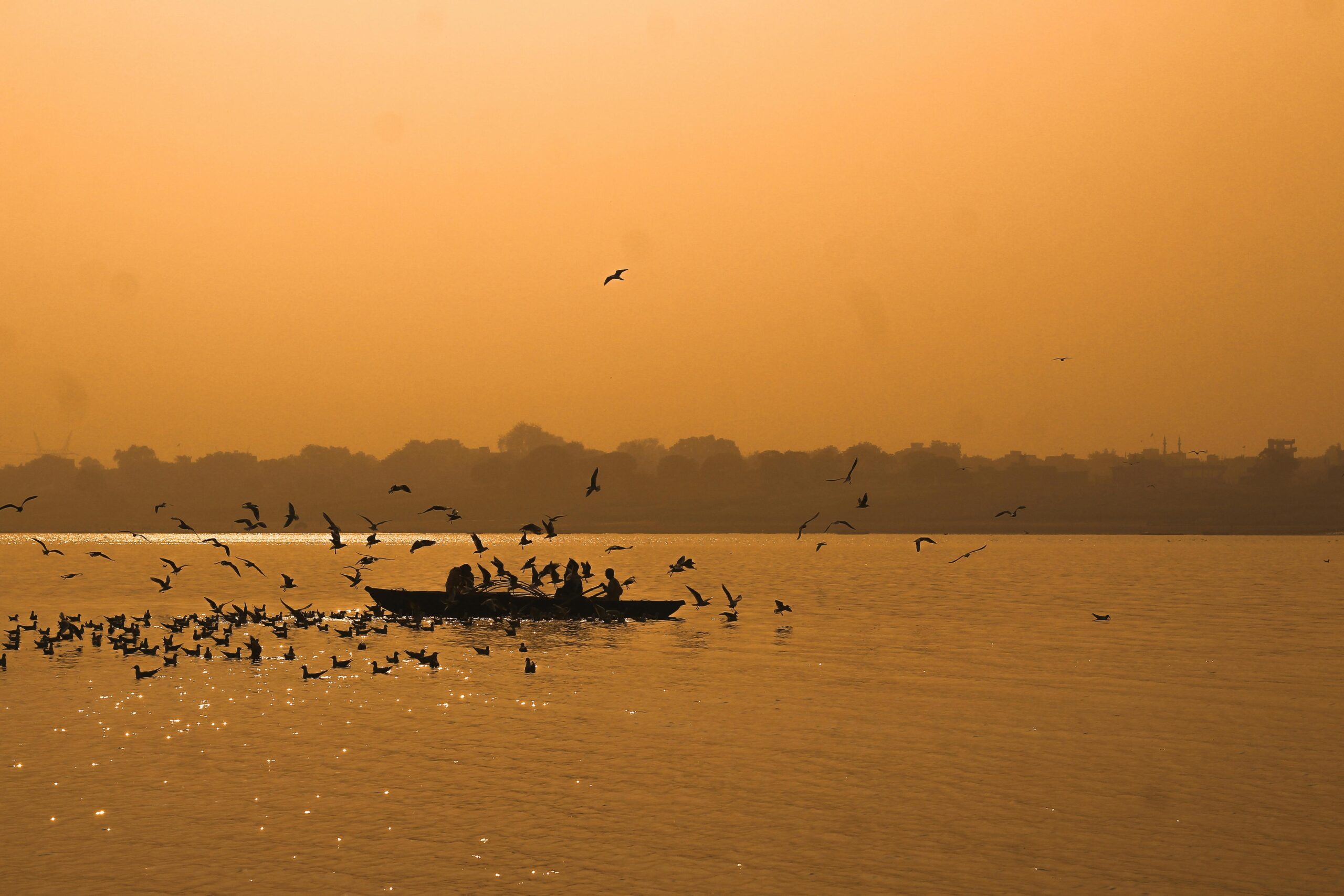
Banaras’s spiritual significance ultimately transcends explanation and can only be known through direct experience. Whether you come as believer, skeptic, seeker, or simply curious observer, the city offers encounters with the sacred that challenge, inspire, and transform. From the first pre-dawn boat ride watching the sun rise over the Ganges to the final evening aarti when flames reflect in the river’s darkness, Banaras invites you into conversation with questions humans have pondered since awareness awakened—Who am I? What happens after death? What matters ultimately? How should I live?
The city doesn’t provide easy answers but creates space for deep questioning. It confronts you with beauty and squalor, devotion and commerce, life and death intertwined so completely that distinctions blur. In this confrontation, something often shifts—perspectives widen, assumptions loosen, and possibilities emerge that didn’t exist before.
At Tripcosmos, we facilitate these encounters with sensitivity, knowledge, and respect for both ancient traditions and modern sensibilities. Our guides explain spiritual concepts without proselytizing, arrange authentic experiences without exploitation, and provide space for personal processing of what can be overwhelming exposure to the sacred.
Contact us to design your Banaras journey—whether your primary interest is spiritual exploration, cultural understanding, or simply experiencing one of humanity’s most extraordinary cities. We’ll help you engage with Banaras’s spiritual dimension in ways that honor both the tradition and your own path.
Tripcosmos: Guiding you through sacred space, one transformative moment at a time.