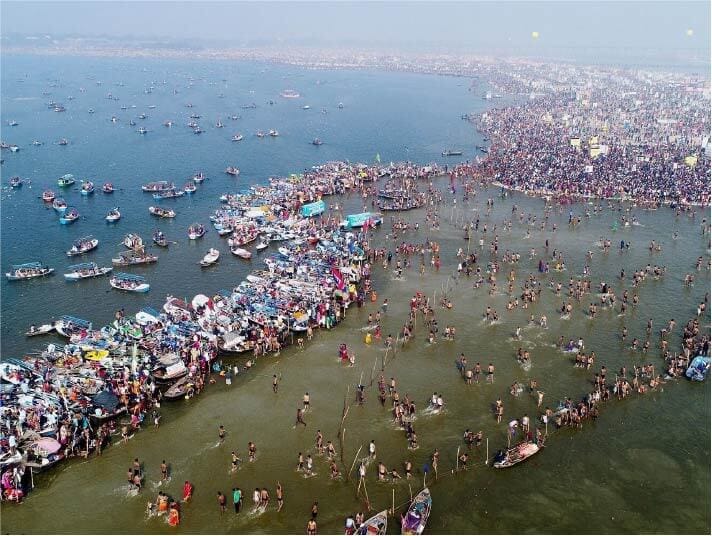
Triveni Sangam Snan Rules & Best Time , Have you ever felt the pull of something greater than yourself? That’s exactly what millions of devotees experience when they hear about Triveni Sangam. Located in Prayagraj, Uttar Pradesh, this sacred confluence represents the meeting point of three holy rivers: Ganga, Yamuna, and the mythical Saraswati. It’s not just a geographical marvel but a spiritual powerhouse that has attracted pilgrims for thousands of years.
Taking a holy dip at Triveni Sangam isn’t just about getting wet—it’s about washing away your sins, purifying your soul, and connecting with the divine. But here’s the thing: there are certain rules and auspicious times that can make your experience even more meaningful. Let’s dive deep into everything you need to know about Triveni Sangam Snan.
The Three Sacred Rivers
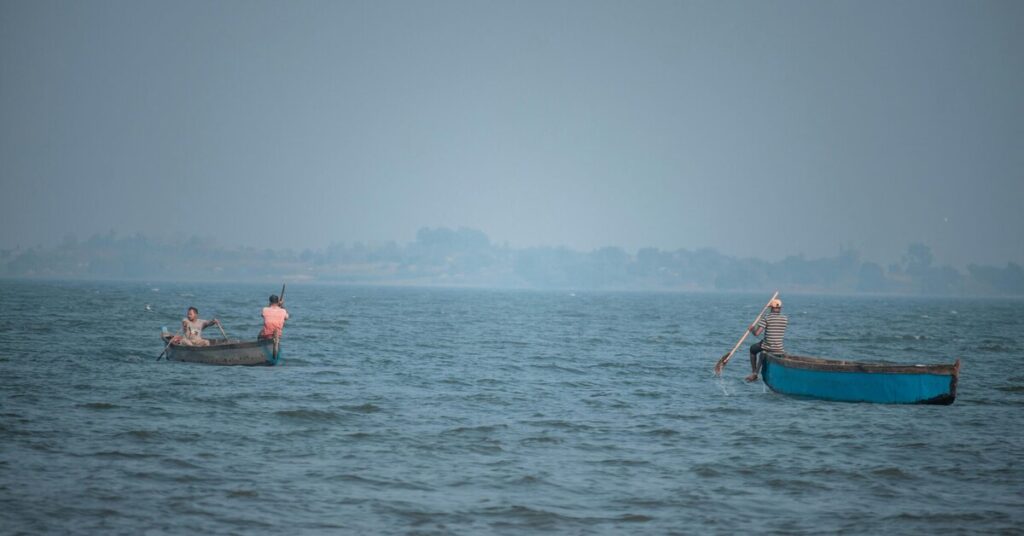
Triveni Sangam Snan Rules & Best Time ,The beauty of Triveni Sangam lies in its unique composition. The Ganga flows from the north, bringing with it the blessings of Lord Shiva. The Yamuna arrives from the west, carrying the grace of Lord Krishna. And then there’s Saraswati—the invisible river that exists in the spiritual realm, representing knowledge and wisdom.
You can actually see the difference in water colors where these rivers meet. The Ganga appears clearer, while the Yamuna has a slightly greenish tint. This visual spectacle alone makes the journey worthwhile. Ancient scriptures mention that bathing at this confluence multiplies the spiritual benefits manifold compared to bathing in these rivers individually.
Why Take a Dip at Triveni Sangam?
What drives someone to travel hundreds or thousands of miles just to take a bath? It’s the deep-rooted belief that the waters of Triveni Sangam possess the power to cleanse not just your body but your soul. Hindu scriptures declare that one dip here can absolve you of sins accumulated over lifetimes.
Beyond religious merit, there’s something profoundly moving about standing where three great rivers merge. It’s a reminder that despite our differences, we all flow toward the same ocean. Many pilgrims describe an indescribable peace washing over them the moment they enter these sacred waters. Isn’t that something we all need in our chaotic lives?
Best Time to Visit Triveni Sangam
Seasonal Considerations
Timing matters when you’re planning your spiritual journey. The best months to visit Triveni Sangam are between October and March when the weather is pleasant and comfortable. The winter months, particularly November through February, offer cool temperatures that make the ritual bathing experience more enjoyable.
Avoid the scorching summer months from April to June when temperatures can soar above 45°C. The monsoon season from July to September brings heavy rainfall, which can make the rivers swell and become dangerous for bathing.
Auspicious Days and Times
If you want to maximize the spiritual benefits, plan your visit during auspicious occasions. Makar Sankranti, which falls in mid-January, is considered extremely sacred for taking a dip. On this day, the sun begins its northward journey, symbolizing the triumph of light over darkness.
The ultimate time to visit is during Kumbh Mela, which occurs every twelve years, and Ardh Kumbh Mela, held every six years. During these grand gatherings, millions of devotees converge at Prayagraj, creating an atmosphere charged with devotion. The next Maha Kumbh is scheduled for 2025, and preparations are already underway!
Other auspicious days include Amavasya (new moon), Purnima (full moon), and various Hindu festivals like Kartik Purnima and Magha Purnima.
Triveni Sangam Snan Rules
Pre-Bathing Rituals
Preparation is key to making your Sangam Snan meaningful. Start with mental preparation—approach the ritual with a clean heart and genuine devotion. Many pilgrims observe a fast on the day of their bath, consuming only fruits or a light meal before the ritual.
It’s traditional to seek blessings from your elders before undertaking this pilgrimage. Some devotees also practice meditation or chant mantras in the days leading up to their visit to purify their minds.
During the Bath
When you’re ready to take the plunge, here’s what you should do. Face east toward the rising sun, which symbolizes new beginnings and enlightenment. Before entering the water, offer prayers to the rivers, asking for permission and blessings.
Take three dips, completely immersing yourself each time. With each dip, mentally recite prayers or mantras. The Gayatri Mantra or simple prayers like “Om Gange Cha Yamune Chaiva Godavari Saraswati” work beautifully. The key is sincere devotion rather than elaborate rituals.
Remember to be respectful of others around you. The Sangam can get crowded, especially during festivals, so maintain decorum and help create a peaceful atmosphere for everyone.
Post-Bathing Rituals
After your holy dip, the tradition calls for making offerings. Many pilgrims perform a small puja on the riverbanks, offering flowers, incense, and lamps to the rivers. Donating to the poor and to priests who assist with rituals is considered meritorious.
Change into fresh, clean clothes after your bath. Offer prayers of gratitude for the opportunity to bathe at this sacred confluence. Some people like to collect a small amount of Sangam water in a container to take home for blessings, though you should check current regulations regarding this practice.
What to Wear During Triveni Sangam Snan
Traditional attire is always appreciated and appropriate. Men typically wear a dhoti or simple cotton pants with a kurta. Women usually opt for sarees or salwar kameez in cotton or other comfortable fabrics. White or saffron-colored clothes are particularly popular as they’re associated with purity and spirituality.
Practical tip? Wear something that dries quickly and doesn’t become transparent when wet. Avoid synthetic materials that can be uncomfortable when damp. Bring an extra set of clothes and a towel in a waterproof bag. Many pilgrims wear their bathing clothes under their regular clothes for easy changing.
Don’t forget to remove jewelry and valuables before entering the water. The currents can be strong, and you don’t want to lose precious items.
Safety Precautions at Triveni Sangam
Let’s talk safety because spiritual experiences should never come at the cost of your wellbeing. The confluence point can have strong and unpredictable currents where the rivers meet. Always bathe in designated areas where it’s shallower and safer.
If you’re not a strong swimmer, don’t venture into deep water. Stay close to the shore and hold onto the chains or ropes provided in many bathing areas. During peak times like Kumbh Mela, follow the instructions of security personnel and volunteers who are there to help.
Watch out for your children and elderly family members constantly. The crowd can be overwhelming, so it’s wise to stay together as a group. Keep emergency contact numbers handy, and know the location of the nearest medical facility.
Health-wise, avoid drinking the river water. While spiritually sacred, the water may not always meet modern drinking standards. If you have any skin conditions or open wounds, consult your doctor before taking the dip.
Facilities Available at Triveni Sangam
The good news is that authorities have developed decent facilities for pilgrims over the years. You’ll find changing rooms and toilet facilities near the main bathing ghats. During major festivals, temporary structures are erected to accommodate the massive influx of devotees.
Lockers are available for rent where you can safely store your belongings while you bathe. There are also numerous priests and pandas (religious guides) who can help you perform the rituals correctly if you’re unsure about the procedures.
Food stalls and small shops selling religious items, flowers, and offerings are readily available. You’ll also find medical camps and first aid stations, especially during festival times.
How to Reach Triveni Sangam
Prayagraj is well-connected to major Indian cities, making your journey relatively convenient. The nearest airport is Prayagraj Airport, which has regular flights from Delhi, Mumbai, and other metros. From the airport, Triveni Sangam is about 12 kilometers away, easily accessible by taxi or auto-rickshaw.
If you prefer trains, Prayagraj Junction is one of the major railway stations in North India. Trains from across the country connect here. From the station, local transport can take you to the Sangam in about 30-45 minutes depending on traffic.
By road, Prayagraj is connected via National Highway 2 and other state highways. The city is approximately 135 kilometers from Varanasi and 200 kilometers from Lucknow.
Once in Prayagraj, you can hire auto-rickshaws, cycle rickshaws, or taxis to reach the Sangam. During Kumbh Mela, special transportation arrangements including boats are made for pilgrims.
Accommodation Near Triveni Sangam
Whether you’re on a shoestring budget or looking for comfort, Prayagraj offers accommodation options for everyone. Budget travelers can find dharamshalas (pilgrim rest houses) and budget hotels near the river for as low as 500-1000 rupees per night. These basic facilities provide clean rooms and are perfectly adequate for a short stay.
Mid-range hotels in the city center offer better amenities with prices ranging from 1500-3500 rupees. If you prefer premium comfort, several upscale hotels and heritage properties provide luxury accommodation with modern facilities.
During Kumbh Mela, tent cities are set up with various categories from basic tents to luxury Swiss cottage-style tents with attached bathrooms and comfortable bedding. Booking in advance is crucial during festival times as accommodation gets scarce.
Other Attractions in Prayagraj
While you’re in Prayagraj, why not explore what else this ancient city has to offer? The Allahabad Fort, built by Emperor Akbar in 1583, stands majestically on the banks of Yamuna. Inside the fort, you’ll find the Akshaya Vat (immortal banyan tree) which holds immense religious significance.
Anand Bhavan, the ancestral home of the Nehru family, has been converted into a museum showcasing India’s freedom struggle. Khusro Bagh houses the tombs of Khusrau Mirza and other Mughal royalty, displaying beautiful Mughal architecture.
Don’t miss the Hanuman Temple where the deity is in a reclining position, a rare sight in Hindu temples. During floods, the temple gets partially submerged, adding to its mystical appeal. The All Saints Cathedral, built in 1887, represents beautiful Gothic architecture worth visiting.
Environmental Considerations
Here’s where we all need to step up. The rivers are sacred, but they’re also ecosystems that need our protection. When you visit Triveni Sangam, please be a responsible pilgrim. Don’t throw plastic bottles, wrappers, or any non-biodegradable materials into the water or on the banks.
Use biodegradable materials for your offerings. Traditional flowers, leaves, and earthen lamps are perfect. Avoid thermocol, plastic, or synthetic materials in your puja items. Many organizations now provide eco-friendly puja kits at the Sangam.
Support local initiatives that work toward cleaning and preserving the rivers. Even small actions like picking up trash you see around you or educating others about cleanliness can create a ripple effect. Remember, keeping our sacred spaces clean is also a form of worship.
Common Mistakes to Avoid
Let’s talk about what not to do so your pilgrimage remains smooth and respectful. First, don’t rush into the water without observing your surroundings. Take a moment to understand the depth and current before entering.
Avoid arguing or creating disturbances at the holy site. This is a place of worship and peace. Show respect to all devotees regardless of their practices or beliefs. Don’t mock or criticize anyone’s way of worshipping.
Never litter or pollute the rivers. This should be obvious, but sadly, it needs to be stated. Don’t arrive unprepared—check weather conditions, carry essential items, and inform someone about your plans.
Steer clear of touts and fraudulent priests who might try to exploit pilgrims. Use common sense when dealing with strangers offering services. Genuine priests are helpful and don’t harass or pressure you for excessive donations.
Personal Experiences and Testimonials
What makes Triveni Sangam truly special are the countless stories of transformation. Ramesh from Delhi shared how his visit during Makar Sankranti brought him unexpected peace during a difficult phase of his life. “The moment I entered the water, I felt like years of burden just washed away,” he recounts.
Priya, a young professional from Bangalore, describes her experience as “surreal and humbling.” She says, “Standing there with thousands of people, all seeking something divine, made me realize we’re all connected in our search for meaning.”
Many elderly pilgrims talk about fulfilling lifelong dreams when they finally make it to the Sangam. The joy on their faces as they complete their holy dip is genuinely moving. Some families make it a tradition to visit together, passing down the spiritual heritage through generations.
Whether you believe in the miraculous powers of the Sangam or see it as a cultural experience, one thing is certain—this place touches hearts in profound ways.
Conclusion
Triveni Sangam isn’t just a tourist destination; it’s a journey into the spiritual heart of India. Understanding the rules and choosing the best time for your visit can transform a simple bath into a transformative experience. From preparing yourself mentally and physically to respecting the environment and traditions, every aspect contributes to the sanctity of this age-old ritual.
Whether you go during the grandeur of Kumbh Mela or on a quiet winter morning, the confluence of these sacred rivers promises something special. It’s a reminder that sometimes, we need to pause, immerse ourselves in something greater, and emerge renewed. So why not plan your visit? The sacred waters await, ready to embrace you in their timeless flow.
FAQs
1. Can non-Hindus take a dip at Triveni Sangam?
Absolutely! Triveni Sangam welcomes everyone regardless of their religion or background. The spiritual experience transcends religious boundaries, and many people from different faiths visit to witness the confluence and experience the peaceful atmosphere. Just be respectful of the traditions and practices observed by others.
2. How much time should I allocate for visiting Triveni Sangam?
A typical visit can take anywhere from 2-4 hours, including time for bathing, performing rituals, and exploring the nearby ghats. If you’re visiting during a festival or Kumbh Mela, plan for a full day as crowds can be massive and you might want to soak in the festive atmosphere.
3. Is it safe for elderly people and children to bathe at Triveni Sangam?
Yes, but with precautions. Stick to designated shallow areas, hold onto safety ropes or chains provided, and never leave children or elderly family members unattended. During peak times, it’s advisable to have strong swimmers accompany those who are vulnerable. Many families choose to perform symbolic rituals rather than full immersion for very young children or frail elderly members.
4. What is the significance of bathing during Kumbh Mela specifically?
According to Hindu mythology, during the churning of the cosmic ocean, drops of the nectar of immortality (amrit) fell at four places, one being Prayagraj. During Kumbh Mela, it’s believed that the planetary positions align in a way that the rivers carry special spiritual potency. Bathing during this time is said to provide liberation from the cycle of birth and death, making it the most auspicious occasion.
5. Can I visit Triveni Sangam during monsoon season?
While it’s technically possible, it’s not recommended due to safety concerns. The rivers swell considerably during monsoons, creating strong currents and dangerous conditions. The water level can rise unpredictably, and many bathing ghats become inaccessible. If you must visit during this season, check local advisories and avoid entering the water if conditions seem unsafe.