
Uttar Pradesh Cultural Tour Package , Have you ever wondered what it would be like to witness millions of devotees bathing at dawn in sacred rivers, to see artisans creating intricate embroidery that takes months to complete, or to taste food prepared from recipes perfected in royal kitchens centuries ago? Uttar Pradesh—India’s most populous state—offers all this and more, serving as a living museum of Indian culture where ancient traditions continue thriving alongside modern life.
This isn’t a state you visit just for monuments, though it has plenty of those. Uttar Pradesh is where you come to experience India’s soul—its festivals that transform entire cities, its crafts that represent generations of family knowledge, its music that moves listeners to tears, and its cuisine that satisfies both stomach and spirit. From the spiritual intensity of Varanasi to the refined elegance of Lucknow, from the devotional fervor of Mathura to the historical gravitas of Ayodhya, each region contributes unique flavors to the state’s cultural tapestry.
What makes a cultural tour of Uttar Pradesh particularly rewarding is its authenticity. These aren’t traditions preserved artificially for tourists but living practices embedded in daily life. When you watch a weaver creating Banarasi silk, attend a Kathak performance, or participate in a festival, you’re experiencing genuine cultural expressions that have evolved over centuries while maintaining their essential character. This is culture as it’s lived, not as it’s performed for cameras.
The Festival Calendar of Uttar Pradesh
Major Religious Festivals
Uttar Pradesh’s festival calendar runs year-round, with celebrations ranging from intimate family observances to massive public spectacles that attract millions. Understanding the festival calendar helps you time your visit to experience these cultural highlights.
Diwali Celebrations Across the State
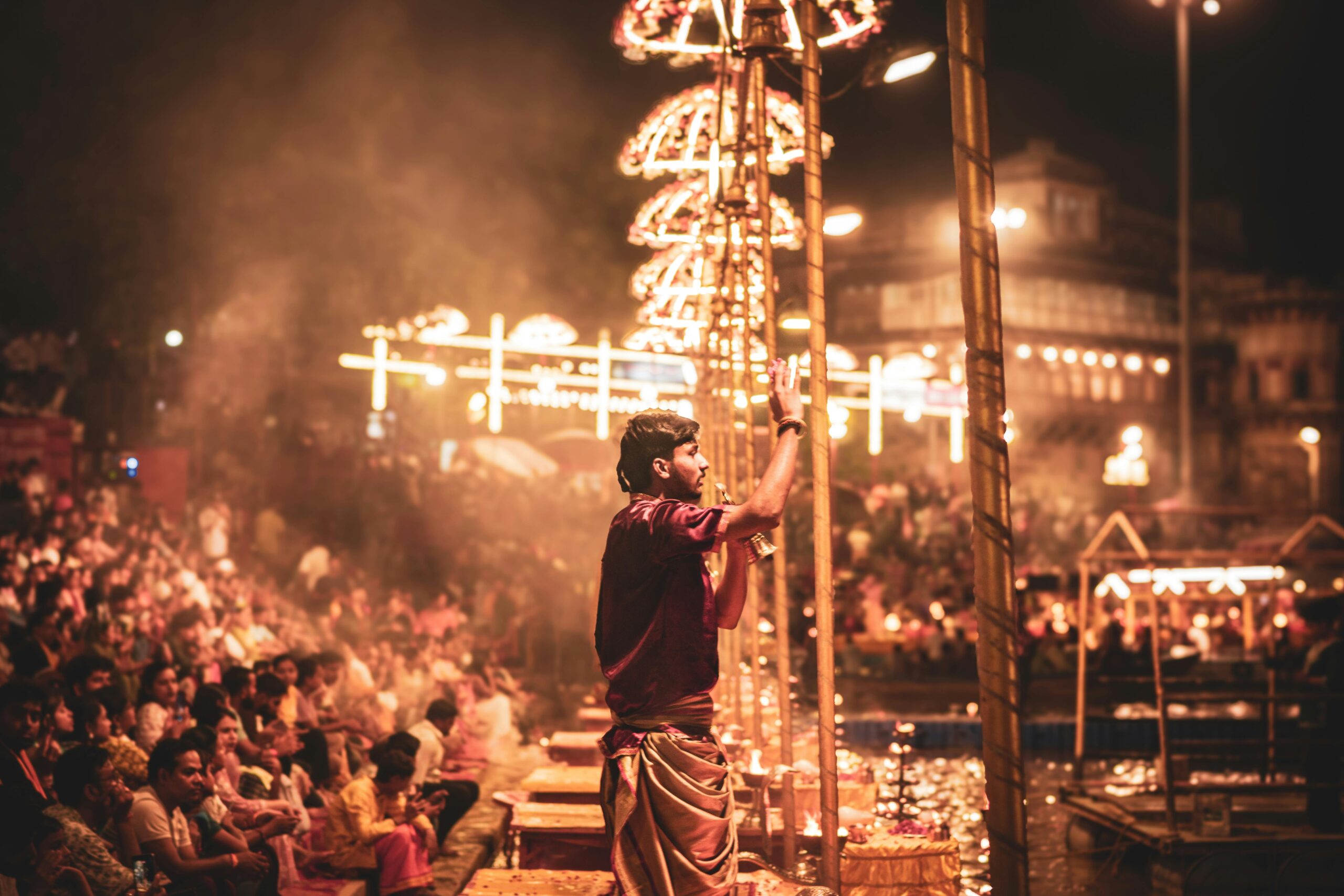
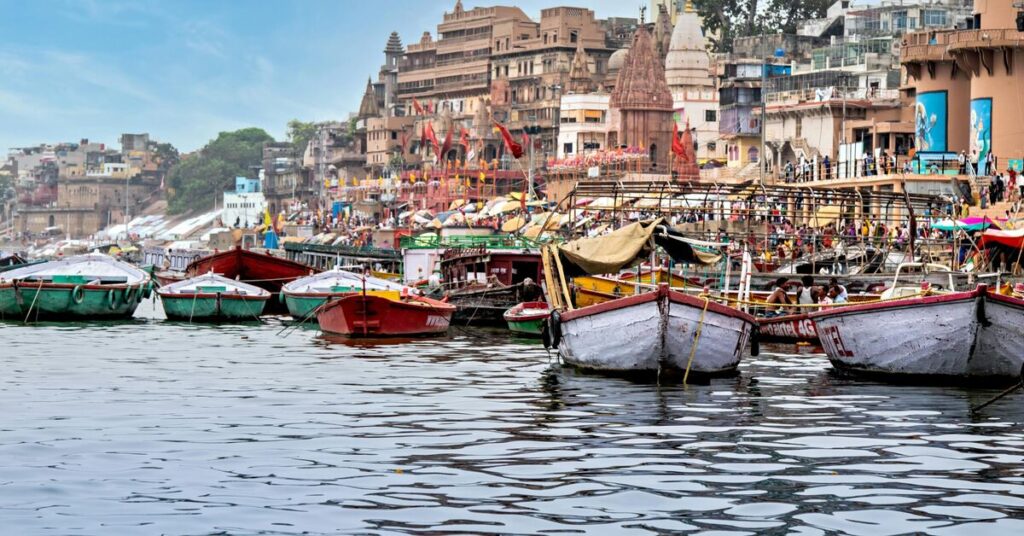
Diwali, the festival of lights, transforms Uttar Pradesh into a wonderland of illumination. While celebrated throughout India, certain cities offer particularly memorable experiences. Varanasi’s Diwali is spectacular—imagine thousands of oil lamps lining the ghats, creating a river of light along the Ganges. The Dev Deepawali, celebrated on the full moon fifteen days after Diwali, sees the ghats lit with over a million lamps, creating scenes of breathtaking beauty.
Ayodhya claims special significance during Diwali as the celebration commemorates Lord Ram’s return to the city after fourteen years of exile. The entire city illuminates with earthen lamps, and in recent years, Ayodhya has set world records for the number of lamps lit simultaneously. The atmosphere combines devotional fervor with festive celebration, as families gather, sweets are exchanged, and the air fills with the sounds of fireworks and prayers.
Lucknow’s Diwali showcases the city’s characteristic elegance—beautifully decorated markets, traditional sweet shops overflowing with customers, and homes displaying intricate rangoli (colored floor designs) and light arrangements. The city’s Nawabi heritage influences even religious festivals, adding refinement to the celebrations.
Holi in Mathura and Vrindavan
If there’s one festival and one location combination that should be on every cultural traveler’s bucket list, it’s Holi in Mathura and Vrindavan. These twin cities in the Braj region, associated with Lord Krishna’s childhood, celebrate Holi over several days with unmatched enthusiasm and unique traditions.
The celebrations begin a week before the main Holi day with Phoolon Ki Holi (Holi of flowers) at the Banke Bihari Temple in Vrindavan—devotees shower flower petals instead of colored powder, creating a gentler, more fragrant version of the festival. Lathmar Holi in Barsana, a village near Mathura, sees women playfully beating men with sticks, reenacting the legend of Krishna’s teasing visits to Radha’s village.
On the main Holi day, the streets of Mathura and Vrindavan become riots of color. Everyone—locals and visitors, young and old—becomes fair game for colored powder and water. The atmosphere is joyous chaos, with music blaring, people dancing in the streets, and complete strangers embracing in the spirit of the festival. The Dwarkadeesh Temple’s Holi celebrations are particularly famous, drawing thousands of devotees who believe playing Holi here brings blessings.
Participating requires preparation—wear white clothes you don’t mind ruining, protect cameras and phones in plastic bags, apply oil to skin and hair beforehand (makes color wash out easier), and surrender to the experience. It’s messy, chaotic, and absolutely unforgettable.
Regional and Seasonal Festivals
Kumbh Mela: The World’s Largest Gathering
The Kumbh Mela represents the ultimate festival experience—a massive religious gathering that occurs cyclically at four locations, including Prayagraj (Allahabad) in Uttar Pradesh. The Maha Kumbh, occurring every twelve years, attracts tens of millions of pilgrims, making it the largest peaceful gathering in human history. The 2025 Maha Kumbh in Prayagraj is expected to draw over 100 million visitors over its duration.
The Kumbh revolves around bathing at the Triveni Sangam (confluence of Ganges, Yamuna, and mythical Saraswati) on auspicious dates determined by astronomical positions. Pilgrims believe bathing during Kumbh washes away sins and breaks the cycle of rebirth. Beyond religious rituals, the Kumbh becomes a massive cultural fair—sadhus (holy men) from remote Himalayan caves emerge, spiritual discourses occur continuously, cultural performances showcase Indian traditions, and massive tent cities with complete infrastructure spring up temporarily.
Experiencing Kumbh requires planning and patience. Accommodation becomes scarce and expensive. Crowds are intense, especially on main bathing dates. Yet the scale and atmosphere create something extraordinary—millions united in faith, creating a temporary city focused entirely on spiritual aspirations. Even non-religious visitors find the spectacle and human dimension compelling.
Between Maha Kumbhs, smaller gatherings occur—Ardh Kumbh every six years, and annual Magh Mela in Prayagraj during January-February, offering similar experiences with smaller crowds.
Dev Deepawali in Varanasi
Dev Deepawali, celebrated fifteen days after Diwali on Kartik Purnima (November full moon), transforms Varanasi into possibly India’s most beautiful festival scene. According to tradition, gods descend to earth to bathe in the Ganges on this night, so devotees light millions of earthen lamps along the ghats to welcome them.
Uttar Pradesh Cultural Tour Package, As evening falls, the ghats become a continuous carpet of flickering lights—each step, each ledge, each temple holds lamps, creating a mesmerizing golden glow reflected in the river. Boats filled with devotees and tourists float on the Ganges, the water mirroring the lights and creating magical reflections. Cultural performances, classical music concerts, and religious ceremonies occur throughout the night.
The atmosphere combines spiritual devotion with aesthetic beauty. Unlike some festivals’ frenetic energy, Dev Deepawali has a contemplative, almost dreamlike quality. Photographers consider it one of India’s most photogenic festivals, though experiencing it directly—without the camera as intermediary—creates memories no photograph can capture.
Accommodation in Varanasi during Dev Deepawali requires advance booking, and ghats become crowded, but the experience justifies the planning effort.
Traditional Arts and Crafts
Chikankari Embroidery of Lucknow
Chikankari, the delicate white-on-white embroidery synonymous with Lucknow, represents centuries of refined craftsmanship. This art form, believed to have been introduced by Nur Jahan (Mughal Emperor Jahangir’s wife), involves intricate needlework creating shadow patterns on fine fabric.
Traditional chikankari uses thirty-six different stitches, each with specific names and purposes. The bakhiya (shadow work), phanda (knot stitch), and murri (rice stitch) combine to create floral and paisley patterns that seem to float on the fabric. Authentic chikankari is done entirely by hand, with artisans—predominantly women working from home—spending weeks or months on a single piece depending on its complexity.
Visiting chikankari workshops in Lucknow’s Chowk area reveals the painstaking process. First, designs are block-printed on fabric as guidelines. Artisans then embroider following these outlines, their needles moving with practiced speed that belies the work’s intricacy. The finest pieces require such skill that only experienced embroiderers can execute them.
Modern chikankari has evolved beyond traditional white-on-white to include colored threads and contemporary designs, though purists prefer classical patterns on muslin or cotton. When purchasing, distinguish between hand-embroidered work (more expensive, irregular stitches) and machine-made imitations. Supporting genuine artisans helps preserve this endangered craft and provides fair compensation for skilled work.
Banarasi Silk Weaving
Banarasi silk sarees rank among India’s most prized textiles, with weaving traditions in Varanasi dating back centuries. These sarees, known for their intricate brocade work featuring gold and silver threads (zari), have adorned brides and graced special occasions for generations.
The weaving process is extraordinarily time-consuming. A single Banarasi saree might require 15 days to six months to complete, depending on design complexity. Weavers work on traditional handlooms, often in small workshops in Varanasi’s narrow lanes. The jacquard loom, introduced in the 19th century, allows complex patterns, but the fundamental process remains handwork requiring exceptional skill.
Traditional Banarasi designs incorporate Mughal-inspired motifs—florals, leaves (bel), and kalga (paisley). The pallav (decorative end) and border receive the most elaborate work. Different varieties exist—pure silk, organza (kora), georgette, and silk-cotton blends—each with distinct characteristics and price points.
Visiting weaver colonies like Madanpura or Pilikothi in Varanasi provides insights into this craft. You’ll see weavers working, hear the rhythmic clack of looms, and understand why genuine Banarasi silk commands high prices. The industry faces challenges—power loom competition, declining younger generation interest, and fluctuating market demand—making conscious purchasing choices that support authentic artisans increasingly important.
Pottery and Toy Making
Uttar Pradesh has vibrant pottery traditions, from utilitarian earthenware to decorative items. Varanasi’s Rajbharti village specializes in clay lamps (diyas) used during festivals, while potters throughout the state create everything from cooking vessels to storage jars to decorative pieces.
The blue pottery of Khurja has gained particular fame. This craft, influenced by Persian techniques, produces glazed pottery with distinctive blue and white patterns. Khurja potters create tableware, decorative tiles, and artistic pieces that blend traditional designs with contemporary forms.
Toy making represents another traditional craft. The colorful wooden toys of certain regions, lacquerware items, and cloth dolls dressed in traditional costumes showcase folk artistry. These toys, often made by families passing techniques across generations, reflect cultural aesthetics and stories. Unlike mass-produced plastic toys, traditional toys carry cultural memory and craftsmanship values.
Zardozi and Metalwork
Zardozi, the art of embroidering fabric with gold and silver threads, represents one of India’s most luxurious crafts. While practiced in several regions, Lucknow, Varanasi, and Bareilly in Uttar Pradesh are major centers. This craft requires immense skill—artisans work on fabric stretched over wooden frames, using curved needles to pull metallic threads through, creating raised, three-dimensional patterns.
Traditional zardozi adorned royal garments and palace interiors. Today, it embellishes bridal wear, formal clothing, and luxury home furnishings. The work is expensive—justifiably so given the materials cost and labor intensity. A heavily embroidered piece might represent hundreds of hours of work.
Metal crafts also thrive in Uttar Pradesh. Moradabad, known as “Brass City,” produces brass and other metal items ranging from utilitarian household items to decorative art pieces. Brassware from Moradabad gets exported worldwide, with artisans creating everything from traditional lamps and vessels to contemporary sculptures and furniture.
Classical Music and Dance Heritage
Kathak: The Dance of Storytelling
Kathak, one of India’s eight classical dance forms, has deep connections to Uttar Pradesh, particularly Lucknow. The dance developed in two main schools (gharanas)—the Lucknow gharana, which emphasizes grace and expression, and the Jaipur gharana, which stresses rhythmic footwork.
The Lucknow gharana evolved in Awadhi court culture, where dancers performed for Nawabs. This influence shows in kathak’s elegance—the graceful hand movements, expressive face, and refined footwork. Unlike some classical dance forms with predominantly religious themes, kathak incorporates both devotional and secular elements, with dancers narrating stories through stylized gestures (mudras) and facial expressions (abhinaya).
The dance’s technical elements are impressive—rapid pirouettes (chakkars), complex rhythmic footwork synchronized with tabla rhythms, and the ability to tell stories through pure movement. Watching a skilled kathak performance, especially one set to live music, creates an entrancing experience as dance and music dialogue, each responding to and challenging the other.
Lucknow has several institutions teaching kathak, including the Kathak Kendra, founded by legendary dancer Birju Maharaj’s family. If your visit coincides with performances, attending one offers insights into this classical art form’s beauty and complexity.
Hindustani Classical Music Traditions
Uttar Pradesh has shaped Hindustani classical music profoundly. The Gwalior gharana, one of the oldest schools of khyal (classical vocal style), originated in Gwalior. Legendary musicians like Tansen, who served in Emperor Akbar’s court, called this region home. Varanasi has strong musical traditions, being home to numerous classical musicians and hosting the Sankat Mochan music festival annually.
Classical music in North India revolves around ragas—melodic frameworks that carry specific moods and are traditionally performed at particular times of day or seasons. Performances combine intricate melodic improvisation with rhythmic complexity, creating experiences that can induce meditative states in listeners.
The relationship between music and spirituality runs deep in Indian tradition. Many ragas have devotional origins, and performances often occur in temple contexts. The morning ragas at Varanasi’s ghats, evening concerts at festivals, and intimate mehfils (private gatherings) maintain these traditions.
For visitors, attending classical music concerts—whether formal performances at festivals or informal ones at ghats or cultural centers—provides windows into this sophisticated art form. Even without understanding technical aspects, the music’s emotional power and aesthetic beauty communicate universally.
Folk Performances and Regional Styles
Beyond classical traditions, Uttar Pradesh has vibrant folk performing arts. Nautanki, a folk theater form, combines music, dance, and drama to tell stories, often with social commentary. Performances occur during festivals and special occasions, with traveling troupes bringing entertainment to villages and small towns.
Rasiya, folk songs from the Braj region, celebrate Krishna and Radha’s love. During Holi and other festivals, these songs fill the air as people dance in the streets. Kajri and Chaiti, seasonal folk songs associated with monsoon and spring respectively, express the joys and sorrows of rural life, particularly women’s experiences.
Watching folk performances offers different pleasures than classical arts—they’re more accessible, often humorous, and connected to everyday life rather than royal patronage. They also maintain living connections to rural culture and regional identities that urban classical forms sometimes lack.
Culinary Traditions of Uttar Pradesh
Awadhi Cuisine: The Royal Legacy
Lucknow’s Awadhi cuisine represents Indian cooking at its most refined. Developed in the kitchens of Awadh’s Nawabs, this style emphasizes slow cooking (dum pukht), delicate spicing, and melt-in-mouth textures. Unlike some Indian regional cuisines that favor bold, aggressive flavors, Awadhi cooking achieves sophistication through subtlety and balance.
The repertoire includes legendary dishes: kakori kebabs so tender they dissolve on the tongue, galouti kebabs created for a toothless Nawab, nihari (slow-cooked meat stew) served for breakfast, biryani layered with fragrant rice and succulent meat, kormas with rich, aromatic gravies, and countless other preparations that represent generations of culinary refinement.
The cooking techniques themselves are artful. Dum pukht involves sealing food in containers (traditionally with dough) and slow-cooking over gentle heat, allowing flavors to develop and intensify. Grilling on seekhs (skewers) over charcoal fires creates the distinctive taste and texture of various kebabs. Even the spice blends are carefully balanced—enough to add complexity and depth without overwhelming the main ingredients.
Experiencing authentic Awadhi cuisine means visiting old establishments in Lucknow’s Chowk area—places that have served the same recipes for generations. Tunday Kababi, Wahid Biryani, and Raheem’s represent culinary heritage, not just restaurants. Eating here connects you to history in the most direct, sensory way possible.
Street Food Culture
Uttar Pradesh’s street food scene is legendary. Every city offers specialties that locals swear by and visitors become addicted to. Varanasi’s morning kachori-sabzi, crispy fried bread with spicy potato curry, eaten on the ghats as the sun rises. Lucknow’s basket chaat, a creative construction of fried potato basket filled with chickpeas, yogurt, and chutneys. Allahabad’s samosas, particularly from certain legendary vendors whose locations pass as word-of-mouth knowledge.
The variety is staggering—chaats (savory snacks combining fried elements, vegetables, yogurt, and chutneys in endless variations), pakoras (fritters), tikki (potato patties), pani puri (crispy shells filled with spicy water), dahi vada (lentil dumplings in yogurt), and countless regional specialties. Each city claims superiority for its version of common items, and passionate debates about whose chaat or samosa is best can extend for hours.
Street food tours have become popular, particularly in Varanasi and Lucknow, with guides leading you to the best vendors and explaining each dish’s history and preparation. These tours offer not just food but cultural education—you learn about ingredients, cooking techniques, eating customs, and the social role food plays in daily life.
Sweets and Desserts
Uttar Pradesh’s sweet tooth is legendary, with each region boasting signature confections. Agra’s petha, translucent cubes of candied ash gourd, comes in numerous varieties—plain, flavored with rose or saffron, filled with nuts. Mathura’s peda, milk-based sweets offered at Krishna temples, have religious and culinary significance. Varanasi’s malaiyo, a winter specialty made by churning milk into foam-like consistency, is ethereal in texture and delicate in flavor.
The state’s sweet shops (mithai shops) are institutions, often family-run establishments with decades or centuries of history. The displays dazzle—kalakand, milk cake, barfi in countless varieties, jalebi (deep-fried spirals soaked in syrup), ras malai (cheese patties in flavored milk), and dozens more. Sweets aren’t just desserts but integral to social and religious life—offered to gods, distributed at celebrations, given as gifts, and consumed with tea throughout the day.
Regional Variations Across the State
While Lucknow’s Awadhi cuisine gets most attention, Uttar Pradesh’s culinary landscape is regionally diverse. Eastern Uttar Pradesh (around Varanasi, Gorakhpur) has different flavor profiles, with litti-chokha (roasted wheat balls with mashed vegetables) being popular. The Braj region’s food connects to Krishna worship—vegetarian preparations feature prominently, and certain foods like makhan (butter) and mishri (rock sugar) have devotional significance.
Poorvanchal (the far eastern region) shows Bengali and Bihari influences. The western regions near Delhi display Punjabi influences. These variations reflect historical trade routes, political boundaries, and cultural exchanges that shaped different areas. A comprehensive culinary tour of Uttar Pradesh could take months and add many kilograms—but what a delicious journey it would be!
Religious and Spiritual Traditions
Hindu Pilgrimage Practices
Uttar Pradesh holds immense significance in Hindu pilgrimage traditions. Varanasi, Ayodhya, Mathura-Vrindavan, Prayagraj, and numerous other sites attract millions of pilgrims annually. Understanding pilgrimage practices enhances your appreciation of these sites beyond their architectural or historical aspects.
Pilgrimage (tirtha yatra) serves multiple purposes in Hindu tradition—earning religious merit, seeking blessings or solutions to problems, fulfilling vows, or simply deepening spiritual understanding. Pilgrims follow specific rituals at sacred sites: bathing in holy rivers, offering prayers at temples, circumambulating sacred objects, and receiving prasad (sanctified food offerings).
The ritual bath (snaan) in the Ganges at Varanasi or at the Sangam in Prayagraj represents one of Hinduism’s most important practices. Devotees believe the sacred waters purify spiritually, washing away sins and offering liberation. Witnessing thousands performing morning ablutions provides powerful insights into living faith traditions.
Temple darshan (viewing the deity) follows specific protocols—removing shoes, ringing bells to announce your presence, offering prayers and donations, and receiving the priest’s blessing. Understanding these practices helps visitors participate respectfully or observe meaningfully.
Islamic Heritage and Sufi Traditions
Uttar Pradesh’s Islamic heritage is profound, particularly visible in Lucknow’s Nawabi culture but extending throughout the state. The Sufi tradition—Islam’s mystical dimension emphasizing direct experience of divine love—has shaped the region’s spiritual landscape significantly.
Dargahs (shrines of Sufi saints) like the one at Dewa Sharif attract devotees from all faiths who believe in the saints’ continuing spiritual power. Qawwali, devotional music performed at dargahs, creates ecstatic atmospheres where listeners seek spiritual connection through music and poetry. The urs (death anniversary) celebrations of major saints draw massive crowds for days of prayer, music, and community gathering.
The syncretic traditions where Hindu and Muslim practices blend show Uttar Pradesh’s cultural complexity. Stories of Hindu devotees visiting Sufi shrines and Muslim respect for Hindu saints illustrate the region’s historical pluralism, though communal tensions sometimes strain these traditions.
Buddhist and Jain Influences
Buddhism originated in Uttar Pradesh—Buddha achieved enlightenment in Bodh Gaya (Bihar) but delivered his first sermon at Sarnath (near Varanasi) and spent years teaching in the region. Buddhist pilgrims from across Asia visit these sites, maintaining living connections to ancient Buddhist geography.
Jainism also has significant presence. Several important Jain pilgrimage sites dot Uttar Pradesh, including temples at Hastinapur and Ayodhya. The Jain practice of extreme non-violence and the religion’s emphasis on asceticism have influenced regional culture, particularly business communities where Jains predominate.
Understanding these religious layers—Hindu, Islamic, Buddhist, Jain—reveals Uttar Pradesh as a palimpsest of spiritual traditions, each contributing to the state’s complex cultural identity.
Experiencing Local Life and Customs
Village Tourism and Rural Traditions
While cities attract most tourists, experiencing rural Uttar Pradesh provides different insights into traditional life. Village tourism initiatives in areas like Chunar (near Varanasi) and various rural areas offer homestays and cultural experiences where visitors participate in daily activities—farming, cooking, craft-making—and witness village life rhythms.
Rural traditions often maintain practices that urban areas have lost. Agricultural festivals marking planting and harvest times, traditional crafts practiced for family use rather than commerce, marriage and birth customs following age-old protocols, and social structures based on extended family networks all continue in villages.
The warmth of rural hospitality often surprises visitors. Villagers may have limited material resources but offer generous welcome, sharing meals and homes with genuine kindness. These encounters create meaningful cultural exchanges, breaking down stereotypes and building human connections across vast cultural differences.
Marriage Customs and Celebrations
Indian weddings are legendary for their scale and duration, and Uttar Pradesh weddings exemplify this. A traditional wedding might span several days, with ceremonies before, during, and after the main event. Each ritual carries symbolic significance—haldi (turmeric) application for purification and auspiciousness, mehendi (henna) design on the bride’s hands and feet, sangeet (music night) with family performances, the baraat (groom’s wedding procession), and the actual wedding ceremony around sacred fire.
If your visit coincides with wedding season (November-February particularly), you’ll likely see wedding processions—the groom arriving on horseback (or increasingly, luxury cars), accompanied by family and friends dancing to band music. The visual spectacle—elaborate decorations, colorful clothing, music, and general celebration—embodies Indian culture’s joyful, community-oriented character.
Wedding customs vary by religion and community. Hindu, Muslim, Sikh, and other community weddings follow different protocols while sharing the underlying principle of elaborate, joyous celebration involving extended family and community.
Daily Rituals and Social Practices
Understanding daily rhythms and social practices helps visitors navigate social situations appropriately. The concept of atithi devo bhava (the guest is god) shapes hospitality—refusing offered tea or food can cause offense, as hospitality is sacred duty rather than mere courtesy.
Morning and evening prayers remain part of daily life for many families. The lighting of lamps at dusk, prayer bells ringing from temples, and the call to prayer (azaan) from mosques create the daily soundtrack of life in Uttar Pradesh.
Social hierarchies based on age, gender, and in some contexts caste still structure interactions, though urban areas show more fluidity. Respecting elders, modesty in dress and behavior, and avoiding public displays of affection represent important social norms, particularly in smaller cities and rural areas.
Planning Your Cultural Tour
Best Times for Festival Tourism
Your timing significantly affects the cultural experiences available. October through March offers the best weather, and this period also includes major festivals: Dussehra (October), Diwali (October-November), Dev Deepawali (November), and numerous other celebrations. Winter also sees the Kumbh or Magh Mela in Prayagraj.
February-March brings Holi, particularly spectacular in Mathura-Vrindavan. However, this can coincide with warming weather. The monsoon season (July-September) includes festivals like Teej and Janmashtami (Krishna’s birthday) but brings humidity and rain.
Ram Navami (March-April) in Ayodhya, Buddha Purnima (April-May) at Buddhist sites, and Eid celebrations (dates vary) in cities with significant Muslim populations like Lucknow offer other timing options. Research specific festivals that interest you and plan accordingly, booking accommodation well in advance for major events.
Suggested Cultural Itineraries
A comprehensive cultural tour might follow this structure:
Week 1: Western UP – Mughal and Krishna Heritage
- Days 1-2: Agra (Mughal architecture, cuisine, marble craft)
- Days 3-4: Mathura-Vrindavan (Krishna devotion, Holi if timing allows, temple culture)
- Days 5-6: Lucknow (Nawabi culture, chikankari, Awadhi cuisine, kathak)
Week 2: Central and Eastern UP – Spiritual and Cultural Centers
- Days 7-9: Varanasi (Ganges rituals, Banarasi silk, classical music, Dev Deepawali if timing allows)
- Day 10: Sarnath (Buddhist heritage)
- Days 11-12: Ayodhya (Ram temple, Hindu devotion)
- Day 13: Prayagraj (Sangam, Kumbh if timing allows)
This can be condensed or extended based on time and interests. Festival timing might require rearranging sequences or focusing on specific locations.
Cultural Etiquette and Respectful Tourism
Responsible cultural tourism requires awareness and respect. Key considerations:
Dress modestly, especially at religious sites and in smaller cities. Cover shoulders and knees, avoid tight or revealing clothing.
Ask permission before photographing people, particularly in religious contexts. Not everyone wants to be in tourist photos, and some religious moments should remain private.
Remove shoes when entering temples, homes, and sometimes even shops. Watch where locals remove theirs.
Use the right hand for eating, giving/receiving items, and greetings. The left hand is considered unclean in traditional contexts.
Respect religious practices even if they seem unusual. You don’t have to participate, but observe respectfully without mockery or loud commentary.
Support artisans directly when purchasing crafts. While bargaining is expected in markets, extreme haggling over items representing skilled labor undervalues artisans’ work.
Learn basic Hindi phrases—greetings, thank you, please—showing effort to communicate in local language is always appreciated.
Conclusion
Uttar Pradesh offers cultural immersion of extraordinary depth and variety. This isn’t a state you can understand in a week or capture in a single trip, but every visit reveals layers—historical, spiritual, artistic, culinary—that enrich your understanding of Indian civilization.
The festivals fill you with wonder at human devotion’s intensity and beauty. The traditional crafts reveal how art embeds in functional objects and daily life. The classical arts demonstrate sophistication developed over centuries. The cuisine satisfies in ways that transcend mere eating. The religious sites, regardless of your beliefs, show faith’s profound role in shaping culture and community.
What makes Uttar Pradesh particularly valuable for cultural tourism is how these traditions remain alive. You’re not viewing museum exhibits but experiencing living culture—artisans still weaving, musicians still performing, festivals still transforming cities, food still prepared from traditional recipes. This vitality, this continuity with the past while adapting to the present, makes cultural tourism here feel authentic rather than staged.
So come prepared to experience rather than just observe, to participate rather than remain distanced, to taste and touch and hear and feel culture in all its sensory richness. Uttar Pradesh rewards curious, respectful engagement with experiences that linger long after you’ve returned home—memories of lamp-lit ghats, of music that moved you unexpectedly, of flavors you’ll crave for years, of kindness from strangers, of moments when you glimpsed something eternal in the midst of everyday life.
FAQs
1. Can I participate in festivals as a tourist, or should I only observe?
Most festivals welcome participation regardless of your religion or nationality! Holi in Mathura-Vrindavan actively includes everyone—you’ll be pulled into dancing and colored powder throwing whether you planned it or not. At Diwali, lighting lamps and joining aarti ceremonies is welcomed. However, some rituals remain restricted (you cannot enter Hindu temple sanctums if non-Hindu, certain ceremonies are family-specific), but the public aspects of festivals embrace participation. Approach with respect—follow local cues about appropriate behavior, dress modestly, and remember you’re joining their sacred celebration, not attending a performance for your entertainment.
2. What should I wear during festival visits to remain respectful yet comfortable?
For most festivals, opt for modest, comfortable clothing that covers shoulders and knees . Light cotton works best in warm weather. For Holi, wear white clothes you don’t mind permanently staining with color—no expensive items! Many tourists wear traditional Indian clothing like kurta-pajama (for men) or salwar-kameez (for women), which is appreciated and photographs beautifully. At Diwali and religious festivals, avoid leather (especially near temples), wear clothes you can easily remove shoes from, and consider that you might sit on floors. Scarves for women provide versatile coverage options. Comfort matters—festivals involve lots of walking and standing.
3. How can I find authentic artisans rather than tourist-trap shops?
Visit artisan quarters in cities—Lucknow’s Chowk area for chikankari, Varanasi’s weaver colonies like Madanpura for Banarasi silk. Government emporiums (like UP Handloom) guarantee authenticity though at fixed prices. Hiring local guides who know genuine artisans helps—many now offer craft-focused tours. Watch for signs of handwork: slight irregularities indicate hand embroidery versus machine precision, feel the weight and texture of real silk versus synthetic, and talk to sellers about the making process (authentic artisans can explain in detail, shops selling imitations cannot). Expect to pay fair prices—genuine craftsmanship costs money, and extremely cheap prices usually indicate machine-made or fake products.
4. Is it safe to eat street food, and how can I minimize health risks?
Street food is integral to experiencing Uttar Pradesh’s culture, but reasonable precautions help. Choose vendors with high turnover (food is fresh, not sitting around) where locals eat in numbers. Cooked-to-order items (fresh jalebis fried before you, parathas made fresh) carry less risk than pre-made items sitting in questionable conditions. Avoid raw salads, pre-cut fruits, and water-based items like golgappas if you have sensitive stomach. Drink only bottled water. Start slowly—don’t eat heavy street food every meal immediately, let your system adjust. Carry digestive medicines (many travelers swear by probiotics started before travel). Despite precautions, some stomach upset is possible—it’s worth the risk for the incredible flavors and authentic experiences street food provides.
5. What is the best way to witness religious ceremonies respectfully?
Arrive early to secure good viewing positions without pushing through crowds. Stay quiet or speak softly—these are worship services, not entertainment. Photography rules vary: Ganga aarti in Varanasi allows it, but always avoid flash and don’t photograph inside temple sanctums without permission. Dress appropriately and remove shoes where indicated. Stand or sit as others do—don’t stand if everyone’s sitting for prayers. Don’t walk between people praying and the focus of their prayer (deity, river, sacred object). If offered prasad or included in rituals, accept graciously—refusal can offend, though you needn’t eat prasad if concerned about food safety. If uncertain about protocol, observe others or quietly ask a local. Your sincere respect matters more than perfect protocol understanding.



… [Trackback]
[…] Informations on that Topic: tripcosmos.co/uttar-pradesh-cultural-tour-package/ […]
… [Trackback]
[…] Info on that Topic: tripcosmos.co/uttar-pradesh-cultural-tour-package/ […]
… [Trackback]
[…] Read More here to that Topic: tripcosmos.co/uttar-pradesh-cultural-tour-package/ […]
… [Trackback]
[…] Here you can find 83540 additional Information on that Topic: tripcosmos.co/uttar-pradesh-cultural-tour-package/ […]
… [Trackback]
[…] Find More here to that Topic: tripcosmos.co/uttar-pradesh-cultural-tour-package/ […]
… [Trackback]
[…] Find More Information here to that Topic: tripcosmos.co/uttar-pradesh-cultural-tour-package/ […]
… [Trackback]
[…] Here you can find 82249 additional Information to that Topic: tripcosmos.co/uttar-pradesh-cultural-tour-package/ […]