
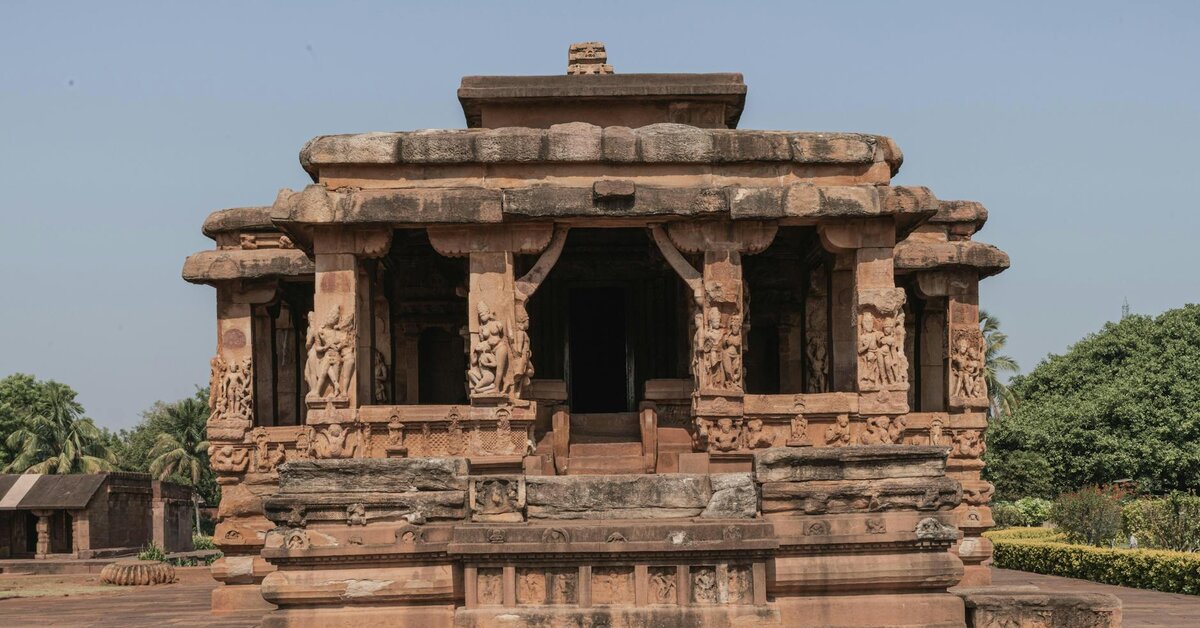
Varanasi Ayodhya and Prayagraj A Journey of Self-Discovery , Have you ever felt the pull toward something greater than yourself? That inexplicable urge to seek answers beyond the daily grind of existence? For thousands of years, spiritual seekers have journeyed to India’s heartland, drawn by the magnetic energy of three extraordinary cities: Varanasi, Ayodhya, and Prayagraj. These aren’t just destinations on a map—they’re gateways to the soul, each offering unique pathways to self-discovery.
Nestled in the northern Indian state of Uttar Pradesh, this sacred triangle represents the spiritual backbone of Hindu civilization. Varanasi, the oldest living city on Earth, pulsates with ancient wisdom. Ayodhya, birthplace of Lord Ram, embodies righteousness and moral clarity. Prayagraj, where three holy rivers converge, symbolizes the meeting point of the earthly and the divine. Together, they create a transformative journey that millions undertake not just to visit temples, but to discover who they truly are beneath the layers of everyday identity.
Understanding the Concept of Self-Discovery
What exactly is self-discovery, and why does it require a journey? At its core, self-discovery is the process of gaining insight into your own character, values, and purpose. It’s about peeling back the conditioning, the masks we wear, and the stories we tell ourselves to find our authentic essence.
Travel, especially to spiritually charged destinations, acts as a catalyst for this inner exploration. When you step outside your comfort zone, away from familiar surroundings and routines, your mind becomes more receptive to new perspectives. The sacred cities of Varanasi, Ayodhya, and Prayagraj amplify this effect exponentially. Their ancient energy, accumulated over millennia of prayer, meditation, and devotion, creates an atmosphere where transformation feels almost inevitable.
Varanasi – The Eternal City of Light
The Spiritual Significance of Varanasi
Varanasi, also known as Kashi or Benares, holds a distinction that no other city can claim—it has been continuously inhabited for over 3,000 years. Mark Twain famously wrote that Varanasi is “older than history, older than tradition, older even than legend.” This timeless city sits on the banks of the Ganges River, considered the holiest waterway in Hinduism.
According to Hindu belief, Varanasi was founded by Lord Shiva himself, making it one of the seven sacred cities (Sapta Puri) where liberation from the cycle of birth and death can be attained. The city’s spiritual magnetism draws people from all walks of life—ascetics seeking enlightenment, pilgrims hoping for salvation, and curious travelers yearning for meaning.
Experiencing the Ghats of Varanasi
The true heartbeat of Varanasi reveals itself along its ghats—the stepped embankments leading down to the Ganges. There are over 80 ghats stretching along the river, each with its own character and purpose. Wake before dawn and make your way to Assi Ghat or Dashashwamedh Ghat, and you’ll witness something extraordinary.
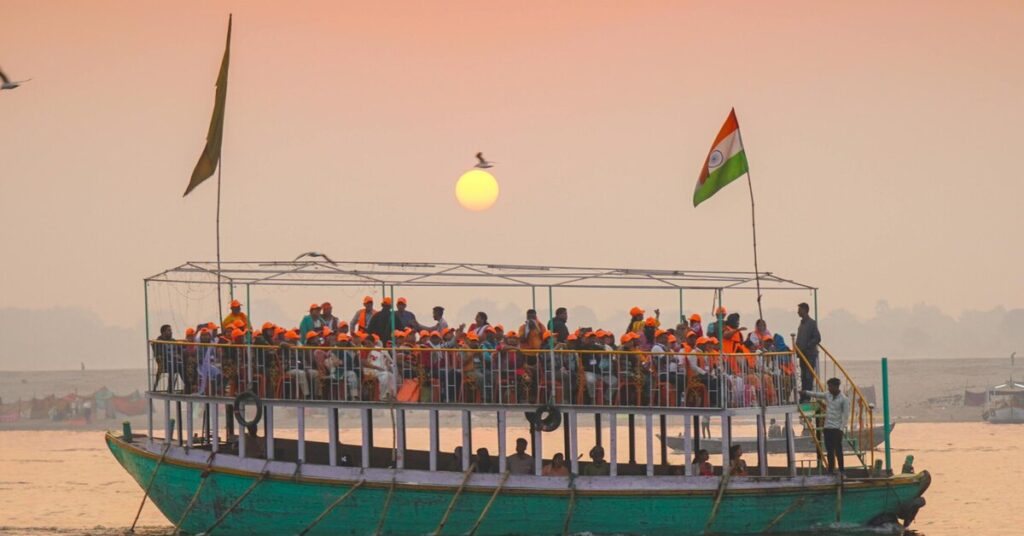
As the first rays of sunlight paint the sky in shades of orange and pink, the city awakens to ancient rhythms. Pilgrims descend the stone steps for their morning ablutions, immersing themselves in the sacred waters with devotion written across their faces. Priests perform elaborate rituals, their Sanskrit chants creating a soundscape that has echoed through centuries. Boats glide silently across the river, carrying both tourists and devotees.
But Varanasi doesn’t shy away from life’s final chapter. At Manikarnika Ghat, cremation fires burn continuously, day and night. Here, Hindus believe, dying and being cremated ensures moksha—liberation from the cycle of rebirth. Witnessing these funeral pyres alongside celebrations of life creates a profound confrontation with mortality that most modern societies carefully avoid.
Lessons from Varanasi
What can you learn from a city that celebrates both birth and death with equal reverence? Varanasi teaches acceptance of impermanence. Everything changes, everything passes, and fighting this truth only creates suffering. The cremation ghats aren’t morbid—they’re honest. They remind you that your time is finite, which paradoxically makes each moment more precious.
There’s also a strange peace in Varanasi’s chaos. The narrow lanes teem with humanity—vendors, pilgrims, sacred cows, motorcycles, all somehow coexisting in what appears to be organized confusion. Yet within this sensory overload, you can find stillness. It’s as if the city whispers: if you can find your center here, you can find it anywhere.
Ayodhya – The Birthplace of Lord Ram
Historical and Mythological Background
From Varanasi, the journey continues to Ayodhya, approximately 200 kilometers to the north. This ancient city occupies a central place in Hindu mythology as the birthplace of Lord Ram, the protagonist of the epic Ramayana. Ram’s story—his exile, his devotion to dharma (righteous duty), his battle against evil, and his triumphant return—has shaped Indian culture for thousands of years.
The city has experienced a modern renaissance with the construction of the grand Ram Mandir (Ram Temple), which has rekindled Ayodhya’s significance as a pilgrimage destination. Archaeological evidence suggests that Ayodhya has been inhabited since at least the 7th century BCE, making it one of the oldest cities in India.
Walking Through Sacred Ayodhya
Ayodhya’s atmosphere differs markedly from Varanasi’s intense energy. Here, there’s a sense of order, righteousness, and devotion to ideals. The newly constructed Ram Mandir stands as an architectural marvel, its pink sandstone facade gleaming in the sunlight, drawing millions of devotees who come to offer prayers.
Beyond the main temple, Ayodhya is dotted with sacred sites. Hanuman Garhi, a fortress-temple dedicated to Lord Hanuman, sits atop a hill requiring a climb of 76 steps—a physical act that mirrors the inner ascent toward devotion. Kanak Bhavan, where Ram and Sita are believed to have lived, exudes a tender, domestic spirituality quite different from the grand temples.
Walking along the banks of the Sarayu River, especially during evening aarti, you’ll feel transported to the era described in ancient texts. The chanting of Ram’s name (“Jai Shri Ram”) echoes through the streets, creating an atmosphere of collective devotion that’s simultaneously uplifting and humbling.
Personal Reflections in Ayodhya
What does Ayodhya teach the modern seeker? At its heart, this city embodies the concept of dharma—living according to one’s duty and moral principles, even when it requires tremendous sacrifice. Ram’s story is ultimately about choosing the right path over the easy one, about integrity over convenience.
In our contemporary world of moral relativism and shifting ethics, Ayodhya offers an anchor. It asks you to reflect: What are your non-negotiables? What principles guide your decisions? Are you living in alignment with your highest values, or have you compromised them for comfort? These aren’t easy questions, but self-discovery rarely is.
Prayagraj – The Confluence of Rivers and Souls
The Mystical Triveni Sangam
The final leg of this sacred triangle brings you to Prayagraj (formerly Allahabad), home to one of Hinduism’s most revered sites—the Triveni Sangam, the confluence of three rivers: the Ganges, the Yamuna, and the mystical Saraswati (which flows underground according to legend). This meeting point of waters is considered exceptionally holy, with bathing here believed to cleanse sins and grant spiritual merit.
The visual experience of the Sangam is striking. You can actually see where the brownish Ganges meets the greenish Yamuna, creating a visible line of demarcation before they merge into one. It’s a powerful metaphor for unity in diversity, for how different streams can come together to create something greater.
Kumbh Mela and Mass Spirituality
Prayagraj becomes the spiritual epicenter of the world during Kumbh Mela, held every 12 years (with smaller versions every 6 years). This is the largest peaceful gathering of humans on Earth, with attendance reaching over 100 million people during the full Kumbh. Imagine the collective spiritual energy of millions of seekers, saints, and pilgrims all converging with a single purpose—spiritual purification and enlightenment.
Even outside Kumbh Mela, Prayagraj maintains a contemplative atmosphere. The city’s numerous ashrams and spiritual centers offer spaces for meditation, yoga, and philosophical inquiry. Here, you’re not just a tourist observing religion from the outside—you’re invited to participate, to question, to explore.
Inner Transformation at Prayagraj
The confluence at Prayagraj represents more than rivers meeting—it symbolizes the integration of different aspects of yourself. Just as the three rivers merge to become one, your journey through these sacred cities helps integrate your experiences, insights, and revelations into a cohesive understanding of who you are.
Taking a ritual bath at the Sangam is a deeply personal act. Whether you believe in the religious significance or view it as a symbolic gesture, the act of immersing yourself in these ancient waters while surrounded by pilgrims who have made the same journey for centuries creates a connection to something timeless. Many travelers report experiencing unexpected emotions—tears, joy, or a profound sense of peace—during this ritual.
Connecting the Three Cities – A Unified Journey
Why visit all three cities rather than just one? Each city addresses different aspects of the human experience and spiritual development. Varanasi confronts you with impermanence and the cycle of life and death, stripping away pretense. Ayodhya grounds you in values and righteous living, providing a moral compass. Prayagraj offers integration and purification, a place to synthesize your insights.
Together, they create a complete spiritual circuit. Think of it as a three-act play: Varanasi is the confrontation with reality, Ayodhya is the establishment of principles, and Prayagraj is the resolution and integration. This journey doesn’t just show you India’s spiritual heritage—it holds up a mirror to your own soul.
Practical Tips for Your Journey
Best Time to Visit
October through March offers the most pleasant weather for exploring these cities. Summers (April-June) can be intensely hot, with temperatures soaring above 40°C (104°F). The monsoon season (July-September) brings relief from heat but also crowds and occasional flooding. If you want to experience Kumbh Mela at Prayagraj, check the specific dates as they vary based on astrological calculations.
Travel and Accommodation
All three cities are well-connected by rail and road. Varanasi and Prayagraj have airports with regular domestic flights. The train journey between these cities offers a glimpse of rural India and takes between 2-4 hours depending on the route.
Accommodation ranges from budget guesthouses to luxury heritage hotels. In Varanasi, consider staying near the ghats to fully immerse yourself in the city’s rhythm. Ayodhya has seen an increase in quality accommodations following the temple construction. Prayagraj offers options near the Sangam area for easy access to the confluence.
Cultural Sensitivity and Etiquette
Remember, these aren’t theme parks—they’re living religious sites. Dress modestly, covering shoulders and knees. Remove shoes before entering temples. Ask permission before photographing people, especially during religious ceremonies. Many ghats in Varanasi prohibit photography at cremation sites—respect these boundaries.
Participate with an open heart but don’t appropriate. It’s perfectly acceptable to observe rituals you don’t fully understand, but approach them with genuine curiosity rather than treating them as exotic entertainment. Many locals and priests are happy to explain customs if you ask respectfully.
The Transformative Power of Sacred Spaces
Why do certain places facilitate transformation more than others? There’s something science calls the “environmental context effect”—our surroundings profoundly influence our mental and emotional states. Sacred sites like Varanasi, Ayodhya, and Prayagraj have been infused with intention and devotion for millennia. Whether you attribute it to spiritual energy, collective consciousness, or simply the power of concentrated human emotion, these places undeniably affect people.
Psychologically, pilgrimage sites work by providing a complete break from ordinary life. You’re removed from your normal context, which means your habitual thought patterns and behaviors are disrupted. This creates space for new insights to emerge. Add to this the ritual activities—bathing in sacred waters, offering prayers, walking ancient paths—and you have a recipe for transformative experience.
Neurologically, experiences of awe and wonder (which these cities naturally evoke) have been shown to reduce activity in the default mode network—the part of the brain associated with self-referential thinking and ego. In other words, these places literally quiet your ego and open you to broader perspectives.
Conclusion
The journey through Varanasi, Ayodhya, and Prayagraj is ultimately a journey inward. These three cities, each with their distinct character and spiritual offerings, create a pathway to understanding yourself more deeply. Varanasi teaches you to embrace life’s impermanence and find peace in chaos. Ayodhya grounds you in values and righteous living. Prayagraj offers purification and integration of all you’ve learned.
But here’s the beautiful truth: you don’t need to believe in any particular religion or spiritual framework to benefit from this journey. These cities speak to something universal in the human experience—our search for meaning, our confrontation with mortality, our desire to live with integrity, and our longing for connection to something greater than ourselves.
Self-discovery isn’t a destination; it’s a continuous process. The insights gained from visiting these sacred cities will continue to unfold long after you’ve returned home. You might find yourself responding to life’s challenges with greater equanimity, living more aligned with your values, or simply appreciating the precious gift of each moment. That’s the real magic of this journey—it doesn’t end when you leave. It’s just beginning.
So, are you ready to embark on this transformative journey? The sacred triangle of Varanasi, Ayodhya, and Prayagraj awaits, ready to reveal not just India’s ancient wisdom, but the undiscovered territories within your own soul.
FAQs
1. How many days should I allocate for visiting all three cities?
Ideally, plan for at least 7-10 days to truly experience all three cities without rushing. Spend 2-3 days in Varanasi to witness both sunrise and sunset rituals, explore the lanes, and visit nearby Sarnath. Allocate 2 days for Ayodhya to visit the main temples and absorb the devotional atmosphere. Reserve 2-3 days for Prayagraj to visit the Sangam, explore historical sites like the Allahabad Fort, and perhaps attend evening aarti ceremonies. This pace allows for meaningful experiences rather than just checking off tourist sites.
2. Is it safe for solo travelers, especially women?
Generally, yes, but standard precautions apply. These are heavily visited pilgrimage sites with significant security presence. Women traveling alone should dress conservatively, avoid isolated areas after dark, and consider staying in reputable accommodations. Hiring registered guides for certain experiences can add both safety and insight. The spiritual atmosphere in these cities actually creates a sense of community, and you’ll find many fellow pilgrims willing to help if needed. Trust your instincts, and you’ll likely find the experience rewarding and safe.
3. Do I need to be Hindu to visit these sacred sites?
Absolutely not. While these cities hold special significance in Hinduism, they welcome visitors of all faiths and backgrounds. Many temples and ghats are open to everyone, though a few specific inner sanctums may be restricted to Hindus. Approach with respect and genuine curiosity, and you’ll find a warm welcome. In fact, many travelers find that observing and respectfully participating in unfamiliar spiritual practices offers profound insights regardless of their own religious beliefs.
4. What should I pack for this spiritual journey?
Pack modest, comfortable clothing that covers shoulders and knees. Cotton clothes work best in the climate. Bring scarves or shawls for temple visits. Comfortable walking shoes are essential (you’ll be removing them frequently, so slip-ons are practical). Include sunscreen, a hat, and a reusable water bottle. A small daypack for temple visits is useful. Don’t forget any personal medications, as specific brands may not be available. A journal for recording your insights and experiences can be invaluable for processing this transformative journey.
5. Can I participate in rituals even if I don’t understand them?
Yes, with the right approach. Many priests and guides are happy to explain rituals and may even invite you to participate in certain ceremonies. Start by observing, then ask if participation is appropriate. Simple acts like offering flowers, lighting diyas (oil lamps), or taking part in aarti are often encouraged. What matters most is your intention and respect. You don’t need to understand every Sanskrit verse to appreciate the devotion behind it. Sometimes, letting go of the need to intellectually grasp everything and simply being present in the moment creates the most profound experiences.