Varanasi Ayodhya and Prayagraj A Tour Package , Are you yearning for a journey that feeds your soul rather than just filling your photo gallery? Welcome to India’s most profound spiritual circuit—a carefully curated tour package connecting three of Hinduism’s holiest cities: Varanasi, Ayodhya, and Prayagraj. This isn’t your typical vacation; it’s a transformative pilgrimage designed for those seeking deeper meaning, spiritual awakening, and connection with ancient wisdom.
What makes this particular combination so powerful? These three cities form a sacred triangle in Uttar Pradesh, each offering unique spiritual dimensions while complementing each other perfectly. Together, they create an immersive experience that takes you from the cycle of life and death in Varanasi, through the birthplace of dharma in Ayodhya, to the purifying confluence of sacred rivers in Prayagraj. This tour package eliminates the stress of planning, allowing you to focus entirely on your spiritual journey while experienced guides handle logistics, accommodations, and cultural navigation.
Whether you’re a devout pilgrim fulfilling lifelong dreams, a spiritual seeker exploring Eastern philosophy, or simply someone craving authentic cultural immersion, this tour package offers something extraordinary. Let’s dive into what makes this spiritual odyssey unforgettable.
Understanding the Spiritual Significance
The Divine Connection Between the Three Cities
Think of these three cities as chapters in a spiritual textbook, each teaching different lessons. Varanasi, the oldest living city on Earth, teaches acceptance of life’s impermanence. Here, Lord Shiva himself presides over death and liberation, making it the ultimate destination for moksha seekers. The continuous cremation fires remind us that endings are merely transitions.
Ayodhya represents the ideal of righteous living. As Lord Rama’s birthplace, this city embodies dharma—the moral order that sustains the universe. Walking through Ayodhya’s streets feels like stepping into the Ramayana itself, where every stone whispers stories of duty, devotion, and divine purpose.
Prayagraj offers purification and renewal at the Triveni Sangam, where three sacred rivers merge. This confluence symbolizes the meeting of consciousness, action, and devotion—the three paths to spiritual realization. Bathing here represents washing away karmic debts and starting fresh.
Together, these cities create a complete spiritual curriculum: understanding life’s nature, living righteously, and attaining purification. Can you see how this journey becomes more than sightseeing? It’s a structured path toward spiritual growth.
Who Should Take This Spiritual Tour?
This package caters to diverse spiritual seekers. First-time pilgrims overwhelmed by India’s complexity benefit from guided structure that removes anxiety about navigation, language barriers, and cultural misunderstandings. You’ll have experts explaining rituals, recommending authentic experiences, and ensuring your safety throughout.
Experienced spiritual travelers appreciate the depth this package offers beyond superficial tourism. Unlike generic tours that rush through photo opportunities, this itinerary builds in contemplation time, meditation sessions, and interactions with local spiritual practitioners. You’re not just visiting sacred sites; you’re engaging with living traditions.
Cultural enthusiasts fascinated by India’s heritage find this tour equally rewarding. The cities showcase stunning architecture, classical arts, traditional crafts, and culinary traditions that have evolved over millennia. Even if you approach the journey from an academic or cultural perspective rather than religious devotion, the richness of experiences proves deeply satisfying.
Families seeking meaningful travel that educates children about their heritage or introduces them to spiritual values also find this package valuable. The itinerary balances sacred experiences with engaging activities that hold young people’s attention while transmitting cultural knowledge.
Comprehensive 7-Day Tour Package Overview
Day-by-Day Itinerary Breakdown
This seven-day journey strikes the perfect balance between structure and flexibility. You’ll spend three days in Varanasi, allowing proper immersion in this complex city that reveals its secrets slowly. Two days in Ayodhya provide ample time for temple visits and absorbing the city’s devotional atmosphere. The final two days in Prayagraj include the Sangam experience and historical exploration before departure.
Each day combines scheduled activities with free time for personal reflection or exploration. Mornings typically feature main spiritual activities when energy feels freshest and temples buzz with devotion. Afternoons allow rest during the hottest hours, while evenings bring cultural performances, aarti ceremonies, and group discussions.
The package remains customizable based on your interests and physical abilities. Prefer more meditation time? We can adjust. Want additional temple visits? No problem. Have mobility concerns? We’ll adapt the pace. This flexibility ensures your spiritual journey unfolds according to your needs rather than rigid schedules.
Package Inclusions and Exclusions
Understanding what’s included prevents surprises and helps you budget appropriately. The package covers all intercity transportation in comfortable, air-conditioned vehicles with professional drivers familiar with these routes. Daily breakfast comes standard, with lunch and dinner options available in upgraded packages.
Accommodation for six nights spans your choice of category—from spiritually-oriented guesthouses to luxury hotels with modern amenities. All monument and temple entrance fees are included, eliminating constant cash transactions. An experienced, multilingual guide accompanies your group throughout, providing historical context, spiritual explanations, and practical assistance.
The package also includes boat rides in Varanasi and Prayagraj—essential for the complete experience—plus one traditional aarti ceremony participation. Travel insurance coverage offers peace of mind for medical emergencies or trip disruptions.
Exclusions include airfare or train tickets to reach Varanasi initially and depart from Prayagraj finally. Personal expenses like shopping, additional snacks, or beverages beyond included meals remain your responsibility. Optional activities such as special pujas, extended yoga sessions, or private spiritual consultations carry additional charges but can be arranged easily.
Varanasi Experience (Days 1-3)
Day 1: Arrival and Evening Ganga Aarti
Your spiritual journey begins the moment our representative greets you at Varanasi’s Lal Bahadur Shastri Airport or railway station. After transfer to your hotel—strategically located near the ghats for easy access—you’ll have time to refresh and shake off travel fatigue. First impressions of Varanasi can overwhelm, so this rest period helps you acclimate.
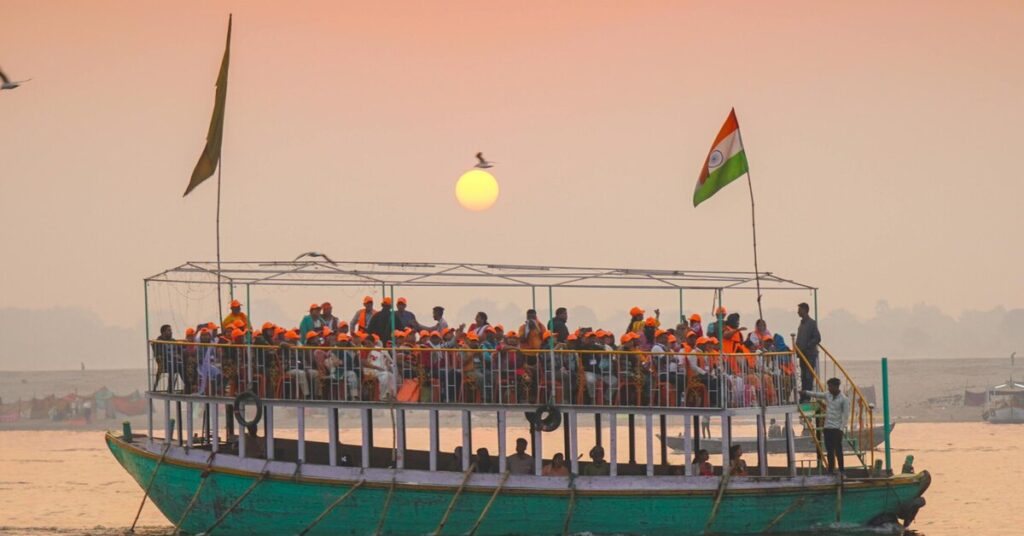
As the afternoon sun softens, we’ll escort you to the ghats for your first encounter with the Ganges. A private boat awaits, offering the perfect vantage point for the spectacular Ganga Aarti at Dashashwamedh Ghat. Imagine gliding across the sacred river as temple bells begin chiming, signaling the ceremony’s start.
The aarti unfolds like a carefully choreographed dance between earth and heaven. Seven young priests manipulate massive brass lamps in synchronized movements, creating circles of fire that seem to write prayers in the air. Conch shells blast, cymbals crash, and thousands of voices rise in devotional songs. The energy is palpable—you’ll feel it vibrating through your chest.
As darkness settles and temple lights reflect off the water, you’ll understand why people call Varanasi magical. This first evening sets the tone for your entire journey, opening your heart to experiences beyond ordinary perception. Return to your hotel with that sacred fire still glowing in your memory, ready for deeper immersion tomorrow.
Day 2: Dawn Rituals and Temple Tours
They say if you haven’t seen Varanasi at sunrise, you haven’t truly seen it at all. We’ll wake you early—yes, it requires effort, but the reward justifies it—for a morning boat ride when the city emerges from sleep into prayer. At 5:30 AM, the ghats transform into theaters of devotion.
Watch pilgrims descend the steps for their sacred bath, believing the Ganges washes away sins accumulated across lifetimes. Yogis practice sun salutations in perfect silhouette against the rising sun. Sadhus smear their bodies with ash and chant ancient mantras. Laundry workers pound clothes against stones in rhythmic patterns unchanged for centuries. The entire spectacle feels timeless, as if you’ve slipped through a crack in time itself.
After breakfast, we’ll navigate the narrow lanes to Kashi Vishwanath Temple, dedicated to Lord Shiva. The golden spire rises like a beacon of faith. While non-Hindus cannot enter the inner sanctum, the temple complex itself radiates powerful energy. Your guide will explain the temple’s history, including its destruction and reconstruction across centuries—a testament to faith’s resilience.
The afternoon brings a contrast: Sarnath, located just 10 kilometers from Varanasi. Here, Buddha delivered his first sermon after achieving enlightenment, making it one of Buddhism’s four holiest sites. The peaceful atmosphere offers respite from Varanasi’s intensity. Marvel at the Dhamek Stupa, explore the archaeological museum, and contemplate how both Hindu and Buddhist wisdom traditions flourished in this region.
Day 3: Cultural Immersion and Local Experiences
Today shifts focus from grand temples to everyday spirituality woven through Varanasi’s fabric. A walking tour through the old city reveals how the sacred permeates ordinary life. You’ll pass tiny neighborhood shrines receiving fresh flowers daily, street-corner temples where shopkeepers pause for quick prayers, and ancient trees wrapped in sacred threads.
We’ll visit a traditional Banarasi silk weaving workshop where artisans create those magnificent saris adorned with gold and silver threads. Watching them work the handlooms is mesmerizing—their fingers fly across threads with practiced precision, transforming plain silk into wearable art. These weavers continue techniques passed through families for generations, and supporting their craft helps preserve this heritage.
The afternoon includes free time for personal exploration or rest. Some guests revisit favorite ghats for quiet meditation. Others explore markets for spiritual items like rudraksha beads, singing bowls, or devotional music. This unstructured time often yields the most memorable moments—unexpected conversations with sadhus, stumbling upon hidden temples, or simply sitting by the river watching life flow past.
Evening brings a special treat: a private classical music performance. Varanasi has nurtured legendary musicians for centuries, and tonight you’ll experience why. As the sitar or tabla fills the air with intricate ragas, you’ll feel music as spiritual practice rather than mere entertainment. These performances often move listeners to tears without understanding a single word—the language of devotion transcends verbal communication.
Ayodhya Pilgrimage (Days 4-5)
Day 4: Journey to Ayodhya and Ram Janmabhoomi
After breakfast, we depart Varanasi for the approximately four-hour journey to Ayodhya. The comfortable vehicle allows you to watch rural Uttar Pradesh unfold outside your window—fields where farmers work with oxen, villages clustered around temples, and the occasional ornate gateway marking some historic site.
Arriving in Ayodhya feels different from Varanasi. Where Varanasi pulses with raw, ancient energy, Ayodhya emanates gentle devotion. The city feels calmer, more intimate, as if you’ve entered a beloved friend’s home rather than a bustling metropolis. After hotel check-in and lunch, anticipation builds for the main event: Ram Janmabhoomi.
The Ram Janmabhoomi Temple complex represents modern India’s devotion to ancient ideals. The magnificent structure combines traditional architecture with contemporary construction techniques, creating something both timeless and new. Security is thorough but respectful as you enter what millions consider Hinduism’s most sacred ground—the birthplace of Lord Rama.
Walking through the complex, your guide narrates Ramayana stories connected to each location. Here Rama was born, there his mother received blessings, this spot marks where his coronation occurred. For believers, these aren’t legends but living history. Even skeptics feel the weight of collective faith concentrated in this space.
Evening brings you to the Sarayu River ghats for aarti. Smaller and more intimate than Varanasi’s spectacles, Ayodhya’s aarti feels personal, like family worship rather than public performance. The river, where Rama is believed to have taken his final journey, flows peacefully as lamps float across its surface—tiny prayers drifting toward infinity.
Day 5: Exploring Ayodhya’s Sacred Sites
Today unfolds at a relaxed pace, allowing deeper engagement with Ayodhya’s spiritual treasures. First stop: Hanuman Garhi, the fortress-temple perched on a hill. Climbing the 76 steps is itself a meditative act—each step representing progress on your spiritual path. Tradition holds that Hanuman, Rama’s devoted servant, resides here in subtle form, protecting Ayodhya from evil.
The temple’s energy feels distinctly different—more vigorous, protective, almost martial. Hanuman embodies strength, loyalty, and selfless service, and devotees come seeking these qualities. Your guide explains how Hanuman worship represents the ideal of putting divine will before personal desires. The panoramic view from the top offers a perfect spot for contemplating such philosophical depths while surveying the city below.
Next, we’ll visit Kanak Bhawan, a temple of exquisite beauty dedicated to Rama and his consort Sita. Unlike the grand public temples, this one feels intimate, almost romantic. Gold-leafed idols of the divine couple are adorned with spectacular jewelry and clothing changed daily. The temple was Sita’s personal domain, and something of feminine grace pervades the space.
Lunch introduces you to Ayodhya’s distinctive cuisine, particularly sweets associated with Rama. The pedas here claim divine origins—temple tradition says the recipe came from celestial beings. True or not, they taste heavenly! You’ll also try traditional chaat and local specialties prepared according to strict vegetarian protocols.
The afternoon allows optional activities: some guests visit additional temples, others participate in a cooking class learning to prepare traditional prasad (sanctified food offerings), while contemplative souls might prefer simply sitting in quiet meditation at riverside spots. The evening is yours to absorb Ayodhya’s gentle spiritual atmosphere at your own pace.
Prayagraj Sacred Confluence (Days 6-7)
Day 6: The Holy Sangam Experience
Morning departure takes you from Ayodhya to Prayagraj, approximately a three-hour journey. As you approach the city, anticipation builds—you’re heading toward one of Hinduism’s most powerful sacred sites, the Triveni Sangam where three holy rivers unite.
After check-in and refreshment, we proceed directly to the Sangam. You can actually see where the Ganges and Yamuna meet—the former carries sediment that gives it a grayish color while the latter flows clearer with a greenish tint. The mythical Saraswati, believed to flow underground, completes this trinity. The visual is striking, but the spiritual significance runs far deeper.
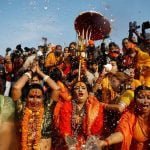
A boat carries you to the precise confluence point. Many pilgrims choose to bathe here, believing the act washes away sins accumulated across countless lifetimes. Participation is entirely optional and depends on your comfort level, but even observing others’ devotion proves moving. Elderly people who’ve journeyed from distant villages, families performing rituals for deceased ancestors, and sadhus meditating while submerged—each person brings unique hopes and prayers to these waters.
Your guide assists with any rituals you wish to perform. Some guests opt for a simple offering of flowers and prayers. Others engage priests for more elaborate ceremonies. There’s no pressure—the Sangam accepts whatever devotion you bring, whether fully immersing yourself or simply dipping your fingers in acknowledgment.
The afternoon visits additional ghats, each with distinct character and history. Some specialize in particular types of ceremonies, while others serve as gathering spots for specific communities. You’ll learn how these riverside spaces function as social centers, spiritual hubs, and cultural theaters simultaneously—quintessentially Indian in their ability to blend the sacred and mundane seamlessly.
Day 7: Historical Sites and Departure
Your final day balances spiritual experiences with historical exploration. Morning begins at the Allahabad Fort, a massive 16th-century structure built by Mughal Emperor Akbar. While primarily military in purpose, the fort contains treasures like the Akshaya Vat, an ancient banyan tree mentioned in Hindu scriptures. Legend claims this tree survives even cosmic dissolutions and recreations—it’s literally indestructible.
The fort’s walls have witnessed centuries of history, from Mughal grandeur through British colonialism to India’s independence struggle. Your guide brings these epochs alive through stories of battles, diplomatic intrigues, and the clash and fusion of cultures that shaped modern India.
Next comes Anand Bhawan, the ancestral home of the Nehru family who led India to independence. Walking through rooms where Jawaharlal Nehru, India’s first Prime Minister, and his daughter Indira Gandhi grew up adds a nationalist dimension to your spiritual journey. The museum showcases personal belongings, letters, and photographs that humanize these towering historical figures.
The contrast is striking: you’ve journeyed from ancient mythology through medieval history to modern nation-building, all within one week. This layering of time periods characterizes India—nothing is ever fully past; everything coexists in a rich temporal tapestry.
After lunch, some free time allows final shopping for religious items, books, or local handicrafts. Prayagraj produces distinctive clay pots used in rituals and beautiful brassware that makes meaningful souvenirs—reminders of your spiritual journey.
As we transfer you to the railway station or airport for your onward journey, take a moment to reflect. You arrived as a traveler; you depart as a pilgrim who’s touched something eternal across three sacred cities. The physical journey ends, but the spiritual impact continues unfolding within you.
Accommodation Options in the Package
Budget-Friendly Spiritual Stays
Not everyone requires luxury, and some travelers specifically seek simpler accommodations that align with spiritual simplicity. Our budget category includes carefully selected dharamshalas (traditional pilgrim rest houses) and guesthouses that prioritize cleanliness, safety, and proximity to sacred sites over fancy amenities.
These establishments often have the most authentic atmosphere. You’ll share spaces with genuine pilgrims from across India, creating opportunities for cross-cultural connections. Morning prayers might wake you, the scent of incense drifts through hallways, and conversations over simple meals reveal perspectives you’d never encounter in upscale hotels.
Rooms typically include basic beds, private or shared bathrooms with running water, and fans or air conditioning depending on the property. Don’t expect room service or plush towels, but do expect warm hospitality and a genuine welcome. Many dharamshalas offer incredibly low rates or even donation-based stays, making spiritual journeys accessible regardless of financial means.
Mid-Range Heritage Hotels
The mid-range category balances comfort with character, featuring heritage properties that were once havelis (traditional mansions) or colonial-era buildings converted into boutique hotels. These accommodations offer modern amenities—comfortable beds, air conditioning, Wi-Fi, and hot water—within structures oozing history and local flavor.
Imagine staying in a 200-year-old merchant’s haveli with carved wooden balconies overlooking narrow lanes in Varanasi’s old quarter. Or perhaps a British-era bungalow in Prayagraj with high ceilings, period furniture, and gardens where you can practice morning yoga. These properties provide comfort without disconnecting you from the cultural context of your journey.
Staff at heritage hotels typically possess deep local knowledge and genuine pride in their city’s traditions. They’ll recommend hole-in-the-wall eateries serving authentic cuisine, share lesser-known temple stories, and help arrange special experiences like private puja ceremonies or meetings with local scholars.
Luxury Accommodation Upgrades
For those accustomed to or desiring premium experiences, luxury upgrades place you in five-star properties with full-service spas, gourmet restaurants, swimming pools, and river-view rooms. These hotels excel at blending contemporary luxury with cultural sensitivity—you’ll find traditional welcome ceremonies, staff trained in spiritual tourism etiquette, and architecture incorporating local design elements.
Luxury accommodations allow you to approach intense spiritual experiences from a place of physical comfort and rejuvenation. After navigating crowded ghats and emotionally powerful rituals, returning to air-conditioned elegance with professional spa treatments helps process experiences without becoming overwhelmed.
Many luxury hotels also arrange exclusive experiences: private boat rides at dawn when the river feels empty, after-hours temple access for undisturbed prayer, or consultations with renowned spiritual teachers. These properties understand that luxury travelers often seek not just comfort but also access and personalization—the ability to craft deeply meaningful experiences tailored to individual spiritual journeys.
Spiritual Activities and Special Experiences
Guided Meditation and Yoga Sessions
What elevates this package beyond sightseeing is the incorporation of actual spiritual practices. Each morning begins with optional yoga sessions led by experienced instructors, often held on riverside ghats as the sun rises. These aren’t generic hotel gym classes but traditional practices adapted for Western bodies while maintaining authentic spiritual dimensions.
Meditation sessions help process the intense experiences you’re accumulating. Cities like Varanasi can overwhelm your senses and emotions—structured meditation provides tools for integration. Teachers guide you through techniques like breath awareness, mantra repetition, and visualization practices drawn from India’s meditation traditions.
Some guests discover meditation for the first time on this journey and find it transformative. Others already maintain practices and appreciate guidance from teachers who’ve spent decades deepening their own understanding. Either way, these sessions ensure your tour engages mind, body, and spirit rather than just checking destinations off a list.
Personalized Puja and Ritual Services
Hindu ritual tradition is complex, with specific ceremonies for different intentions: health, prosperity, honoring ancestors, seeking wisdom, or expressing gratitude. Our package includes assistance arranging personalized pujas tailored to your needs and conducted by qualified priests at appropriate locations.
Perhaps you want Pind Daan performed for departed parents—a ritual specifically conducted in Varanasi or Prayagraj to ensure ancestors’ peaceful transition. Maybe you seek blessings for a new business venture, marriage, or child’s education. Or you might simply wish to express gratitude for life’s blessings through a general thanksgiving ceremony.
Your guide helps communicate your intentions to priests who then conduct appropriate rituals, explaining each step’s significance. You’re not merely watching; you’re actively participating in ancient spiritual technologies designed to align human will with cosmic forces. Whether you view this metaphorically or literally, the experience of focused intention within sacred ritual frameworks creates powerful psychological and spiritual effects.
Cultural Performances and Workshops
India’s spiritual traditions express themselves through arts as much as through prayer. Evening cultural programs introduce you to classical dance forms like Kathak, which tells stories of Krishna and Rama through intricate footwork and expressive gestures. Music performances feature ragas—melodic frameworks—specifically designed to evoke spiritual states or suit particular times of day.
Workshops offer hands-on engagement with traditional arts. Learn basic Sanskrit mantras and their correct pronunciation. Try your hand at creating rangoli, the colorful rice-flour designs that adorn thresholds. Participate in a traditional cooking class preparing prasad sweets offered to deities. These activities deepen your understanding while creating tangible skills you carry home.
Some packages include meetings with local scholars, spiritual teachers, or community leaders. These conversations provide insider perspectives on how ancient traditions adapt to modern life, the challenges of preserving cultural heritage, and the personal spiritual journeys of people who’ve dedicated lives to devotion. Such exchanges often become highlights—moments when India reveals its heart.
Transportation and Logistics
Vehicle Options
Comfort during travel between cities matters, especially when journeying through regions where roads vary in quality. For individuals or couples, we provide air-conditioned sedans—typically Toyota Innovas or similar vehicles known for reliability and comfort. Your driver possesses years of experience navigating these routes and maintains the vehicle meticulously.
Families or small groups of four to eight people travel in tempo travelers—mini-buses offering ample space for passengers and luggage while maintaining good fuel efficiency. Larger groups of 10-15 receive full-size luxury buses with reclining seats, charging ports, and entertainment systems for longer journeys.
All vehicles undergo safety inspections before departure, and drivers adhere to speed limits and rest requirements. While Indian roads can seem chaotic to Western eyes, your drivers navigate them expertly, allowing you to relax and enjoy scenery rather than white-knuckling through traffic.
For those seeking more authentic experiences, we can arrange certain segments by train—Indian Railways offers a glimpse into ordinary life as you travel alongside millions of daily commuters. The Varanasi-Ayodhya route particularly lends itself to train travel, with frequent connections and comfortable chair-car or AC seating options.
Professional Tour Guide Services
Your guide makes or breaks the spiritual tour experience. We employ only guides who combine practical expertise with genuine spiritual understanding—not merely memorized facts but lived knowledge of these traditions. Many of our guides grew up in these cities, participated in rituals since childhood, and possess academic credentials in history, archaeology, or religious studies.
Multilingual capabilities ensure clear communication in English, Hindi, and often additional languages like Spanish, French, German, or Japanese. But beyond language, great guides read their groups—sensing when you need information versus quiet contemplation, when to push slightly beyond comfort zones versus when to accommodate needs.
Your guide handles all logistics: purchasing tickets, coordinating with priests, recommending restaurants, navigating crowds, and solving inevitable problems that arise during travel. They act as cultural interpreters, explaining nuances that would otherwise remain opaque. Why does that sadhu wear particular markings? What’s the symbolism in temple architecture? How do locals distinguish genuine spiritual seekers from performers catering to tourists?
Perhaps most valuably, guides facilitate authentic interactions. They know which temple priests genuinely serve devotees versus those who aggressively hustle tourists. They connect you with family-run restaurants serving authentic cuisine rather than sanitized tourist fare. They arrange spontaneous experiences—stumbling upon a neighborhood festival, receiving blessings from a respected elder, or joining locals for evening tea and conversation.
Package Pricing and Booking Information
Cost Breakdown by Category
Transparent pricing helps you budget appropriately and choose the package level matching your needs. The economy package ranges from $500-$700 per person (based on double occupancy), covering basic guesthouses, group transportation, one guide per 8-10 people, daily breakfast, all entrance fees, and standard boat rides and aarti ceremonies.
The deluxe package, priced at $900-$1,200 per person, upgrades to heritage boutique hotels, smaller group sizes with one guide per 6 people maximum, all meals (breakfast, lunch, dinner), private boat rides, cultural performances, one spa treatment, and additional guided meditation sessions.
Premium luxury packages start at $1,800 per person and include five-star accommodation throughout, private vehicles with personal guides, gourmet meals at top restaurants, exclusive after-hours temple access where possible, daily spa treatments, private cultural performances, and customizable spiritual consultations with renowned teachers.
Single occupancy supplements add approximately 40-50% to per-person rates across categories. Children under 12 typically receive 25-30% discounts when sharing rooms with adults, and we offer special family packages for groups traveling with multiple children.
Group Discounts and Special Offers
Traveling with friends, family, or spiritual community members? Group bookings of six or more people receive tiered discounts: 10% off for groups of 6-9, 15% off for groups of 10-15, and 20% off for groups exceeding 15 people. These discounts apply to the base package price; accommodation upgrades and special experiences carry separate pricing.
Senior citizens (65+) receive an additional 10% discount on any package category, recognizing both budget considerations and the special significance of pilgrimage during later life stages. We also offer “early bird” discounts of 15% for bookings made more than six months in advance, allowing budget-conscious travelers to plan ahead and save significantly.
Festival season packages—particularly those coinciding with Dev Deepawali in Varanasi, Ram Navami in Ayodhya, or Magh Mela in Prayagraj—carry premium pricing due to increased demand and costs, typically 25-40% above standard rates. However, experiencing these festivals transforms the journey dramatically, making the premium worthwhile for many spiritual seekers.
We occasionally offer last-minute deals on unfilled spots in scheduled group departures, sometimes discounting up to 30% for bookings made within two weeks of departure. Follow our social media channels or sign up for email alerts to catch these opportunities.
How to Book Your Spiritual Journey
Booking proceeds simply through our website’s secure portal. Select your preferred dates, package category, and any customizations or add-ons. The system calculates total costs including taxes and displays them transparently before you commit. We accept major credit cards, PayPal, bank transfers, and even cryptocurrency for tech-savvy travelers.
A deposit of 30% secures your booking, with the balance due 30 days before departure. This structure allows flexibility while ensuring commitment. Upon receiving your deposit, we send detailed pre-departure information including packing lists, cultural preparation tips, and contact details for your guide and local support team.
Cancellation policies balance fairness with our operational realities: cancellations more than 60 days before departure receive full refunds minus a 10% administrative fee. Cancellations 30-60 days out forfeit the 30% deposit but refund the remaining 70%. Cancellations within 30 days forfeit all payments, though we offer the option to transfer bookings to alternative dates (subject to availability) or credit toward future tours within one year.
We strongly recommend travel insurance covering trip cancellation, medical emergencies, and evacuation—particularly important for international travelers. We can recommend providers specializing in spiritual tourism that understand the unique considerations of traveling to sacred sites in developing countries.
Best Time to Book This Tour Package
Seasonal Considerations
India’s climate significantly impacts your experience, making timing crucial. The absolute best window runs from October through March, when temperatures remain comfortable (15-25°C), skies stay clear, and humidity drops. Winter mornings on the Ganges are magical—mist rising off the water, comfortable temperatures for early rising, and crisp air that somehow feels spiritually clarifying.
November through February represent peak season, with holidays like Diwali (October/November) and Christmas/New Year drawing maximum crowds. Book well in advance for these months—accommodations fill quickly and prices rise. However, the festive atmosphere and pleasant weather justify the premium for many travelers.
April through June brings intense heat—temperatures regularly exceeding 40°C (104°F). Only the most dedicated or heat-tolerant pilgrims should consider summer travel. The few advantages include lower prices, fewer crowds, and availability at otherwise booked properties. If you do brave summer, plan indoor activities during midday heat and carry serious hydration supplies.
Monsoon season (July-September) transforms the landscape into lush greenery, and the Ganges swells dramatically. Some travelers love the romantic intensity of torrential rains and dramatic thunderstorms. However, flooding can disrupt travel plans, some temples restrict access during heavy rains, and humidity makes everything feel soggy. Only flexible travelers comfortable with spontaneous itinerary adjustments should book monsoon tours.
Special Festival Packages
Timing your journey to coincide with major festivals multiplies the spiritual intensity exponentially. Dev Deepawali in Varanasi, celebrated fifteen days after Diwali (usually November), illuminates the entire city with millions of earthen lamps. Every ghat, temple, and home twinkles like fallen stars, creating scenes of breathtaking beauty. The regular Ganga Aarti expands into city-wide celebrations that feel almost celestial.
Ram Navami in Ayodhya (March/April) celebrates Lord Rama’s birth with nine days of festivities culminating in elaborate processions, continuous devotional singing, and special temple ceremonies. The city’s devotional energy peaks, offering unparalleled immersion in Rama bhakti (devotion to Rama). Witnessing thousands of devotees singing Rama’s names with tears streaming down their faces reveals faith’s emotional power.
The Magh Mela in Prayagraj (January-February) serves as an annual mini-Kumbh Mela, attracting millions for ritual bathing at the Sangam on auspicious dates determined by astrological calculations. Staying in the massive tent city erected for pilgrims provides authentic pilgrimage experiences—basic but deeply meaningful. Every twelve years, the Maha Kumbh Mela transforms Prayagraj into humanity’s largest gathering—truly a once-in-a-lifetime spiritual phenomenon.
Festival packages include special programming: front-row seating at major ceremonies, meetings with prominent spiritual teachers visiting for festivals, participation in community meals feeding thousands, and guided night walks through illuminated cities. These experiences connect you to living tradition in ways impossible during ordinary periods.
What to Pack for Your Spiritual Tour
Essential Items Checklist
Packing appropriately ensures comfort and shows respect for sacred spaces. Clothing should prioritize modesty and comfort over fashion. Women should pack loose-fitting pants or long skirts (knees covered), tops covering shoulders and cleavage, and a light scarf useful for covering head when entering certain temples. Men should bring long pants and shirts with sleeves—shorts are inappropriate at religious sites.
Footwear requires thought: you’ll remove shoes frequently when entering temples and accommodations, so slip-on shoes or sandals prove far more practical than lace-up sneakers. Bring one pair of comfortable walking shoes for extensive touring and sandals for easy removal. Avoid expensive footwear—leaving shoes outside temples risks loss or theft, and designated shoe-storage often costs small fees.
A small daypack carries daily essentials: water bottle (hydration is crucial), sunscreen and hat for sun protection, hand sanitizer and wet wipes, small first-aid kit with any prescription medications, photocopies of passport and important documents, modest amount of cash in small bills, and your smartphone/camera with charging equipment.
Don’t forget spiritual items if relevant to your practice: mala beads for mantra repetition, small notebook for recording insights and reflections, sacred texts or prayer books you’re studying, and perhaps a small altar cloth if you want to create personal meditation spaces in hotel rooms.
Health and Safety Essentials
Pack a comprehensive medical kit including anti-diarrheal medication (traveler’s diarrhea affects many visitors), rehydration salts, general pain relievers, antibiotic cream, bandaids, any prescription medications in original containers with copies of prescriptions, and insect repellent for evening river visits.
Bring your own high-quality toilet paper and feminine hygiene products—local options exist but may not meet your standards. Hand sanitizer becomes your best friend; use it religiously before eating and after touching public surfaces. Consider packing a SteriPEN or purification tablets if you’re particularly sensitive, though bottled water is widely available.
Sunglasses and a wide-brimmed hat protect against India’s intense sun. A light rain jacket or poncho proves useful even during dry season—sudden showers occur, and morning mist can soak clothing. A small flashlight helps navigate dark temple interiors and unlit pathways, with a headlamp version leaving hands free.
Most importantly, pack mental preparation: flexibility, patience, and open-mindedness. India’s sacred cities will challenge your assumptions, push your comfort boundaries, and occasionally frustrate you. Approaching these moments as learning opportunities rather than problems transforms obstacles into spiritual teachings.
Travel Tips for Maximum Spiritual Benefit
Preparing Mentally and Spiritually
Your spiritual journey actually begins before departure. Spend weeks beforehand reading about these cities’ histories, studying relevant scriptures (even basic Ramayana summaries help tremendously), and perhaps establishing a simple meditation practice if you don’t already maintain one. This preparation creates mental frameworks for organizing experiences rather than feeling overwhelmed by unfamiliar concepts.
Set clear intentions for your journey. Why are you undertaking this pilgrimage? What do you hope to learn, experience, or transform within yourself? Write these intentions down, perhaps in a dedicated journal you’ll carry throughout the trip. Revisit them daily, using experiences to deepen understanding of your own spiritual questions.
Release rigid expectations about how enlightenment or transformation should feel. Some people experience dramatic emotional breakthroughs; others find subtle shifts in perspective emerging gradually over weeks and months after returning home. Both are valid. Your journey unfolds according to its own logic, not predetermined scripts.
Consider a pre-departure practice of simplifying: eat simpler foods preparing your digestion for Indian cuisine, reduce social media and screen time, and spend more time in contemplative silence. This gradual adjustment makes the transition to India’s spiritual intensity less jarring.
Cultural Sensitivity Guidelines
Respect transforms tourists into pilgrims. Always ask permission before photographing people, especially during intimate ritual moments. Many sadhus pose for tips, which is fair exchange, but grief-stricken families at cremation ghats deserve privacy, not camera lenses. When in doubt, just watch and absorb rather than documenting everything.
Remove shoes before entering temples and sometimes even before stepping on cloth or mats designated as sacred space. Wash hands and feet when approaching for ritual purposes. Walk clockwise around sacred objects and shrines—this pradakshina (circumambulation) follows devotional protocol.
Avoid pointing feet toward deities, religious images, or respected elders—feet are considered spiritually impure. When sitting, tuck them under or to the side. Don’t step over people, religious texts, or offerings; walk around them instead.
Accept prasad (sanctified food) when offered, even if just touching it to your forehead before returning it if you cannot eat it. Refusing can offend, though explaining dietary restrictions politely usually generates understanding. When given with right hand, receive with right hand or both hands—the left is traditionally reserved for bathroom hygiene.
If invited to participate in ceremonies, follow your guide’s lead or observe others and mirror their actions. Don’t worry about perfect execution; sincere effort and respectful attitude matter far more than technical accuracy. Indians generally appreciate foreigners making genuine attempts to understand their traditions.
Testimonials from Previous Spiritual Travelers
“This tour changed my life in ways I’m still processing six months later. I arrived as a skeptical academic studying comparative religion; I left as someone who’d actually felt what I’d only analyzed intellectually before. Watching my guide’s face during aarti—that expression of pure devotion—taught me more than any textbook ever could.” — Dr. Sarah Mitchell, professor, United States
“As a lifelong Hindu who’d never visited India, finally walking the streets where my ancestors worshiped felt like coming home to a place I’d never been. The guides understood this emotional complexity and gave me space to experience my heritage authentically. I’m planning to bring my children next time to connect them to their roots.” — Priya Sharma, software engineer, Canada
“I’m not religious at all, but something about these cities transcends belief systems. Maybe it’s the sheer weight of accumulated faith—millions of prayers offered across thousands of years creating tangible energy. I meditated more deeply on Varanasi’s ghats than in years of practice at home. The chaos somehow created space for stillness.” — James O’Connor, journalist, Ireland
“After losing my husband, I needed spiritual answers. The Pind Daan ceremony in Varanasi gave me closure grief counseling couldn’t provide. Whether you believe ritually freeing his soul or simply creating psychological catharsis, it worked. I returned home lighter, able to move forward while honoring his memory.” — Margaret Chen, retired teacher, Singapore
“Traveling solo as a woman, I initially worried about safety and cultural barriers. The tour provided perfect balance—structure ensuring security while allowing independence for personal spiritual exploration. I never felt unsafe, and the female guide assigned to our group became like an older sister, explaining subtleties I’d have completely missed.” — Aisha Rahman, graphic designer, United Kingdom
Conclusion
A journey through Varanasi, Ayodhya, and Prayagraj offers far more than vacation memories. It’s an invitation to encounter something vast and ancient that continues pulsing with life—traditions that have survived millennia because they address fundamental human yearnings for meaning, connection, and transcendence.
This carefully crafted tour package removes logistical headaches, allowing you to focus entirely on spiritual experiences. From dawn boat rides on sacred rivers to intimate temple moments, from philosophical discussions with learned guides to silent meditation at sunset, every element conspires to open your heart and expand your consciousness.
Whether you identify as devoutly religious, casually spiritual, or simply curious about human culture’s great traditions, these three cities welcome you. They’ve absorbed countless pilgrims across the ages—kings and paupers, saints and sinners, believers and doubters. Each person brings unique questions; each finds unique answers.
The tour ends when you depart Prayagraj, but the journey continues indefinitely within you. Photos fade and souvenirs collect dust, but the internal transformations sparked during sacred encounters keep unfolding. You’ll catch yourself approaching death differently after witnessing Varanasi’s cremation ghats, acting more ethically after absorbing Ayodhya’s dharma teachings, or feeling more purified after bathing in Prayagraj’s confluence.
Isn’t it time you embarked on a journey that nourishes your soul as much as delights your senses? India’s spiritual triangle awaits with open arms and ancient wisdom, ready to reveal its secrets to all who approach with sincere hearts.
FAQs
1. Is this tour suitable for people who aren’t Hindu or even particularly religious?
Absolutely! While Hindu pilgrims find obvious religious significance, the tour appeals to anyone interested in spirituality, culture, history, or anthropology. Many participants identify as Buddhist, Christian, Jewish, Muslim, or non-religious but spiritually curious. The experiences work on multiple levels—you can appreciate the art and architecture aesthetically, study the rituals anthropologically, or engage with the philosophy intellectually without subscribing to Hindu theology. Our guides adapt their approach to match your interests and belief system, never pressuring anyone to adopt beliefs or participate in rituals that feel uncomfortable.
2. What physical fitness level is required for this tour?
Moderate fitness suffices for most itinerary elements. You’ll walk on uneven surfaces, climb some temple steps, and navigate occasionally crowded spaces. However, we customize the pace to accommodate your physical abilities. If mobility issues concern you, mention them when booking—we’ll arrange closer vehicle access, reduce walking distances, provide assistance, and substitute activities as needed. The tour isn’t particularly strenuous, but India’s heat and stimulation can tire even fit individuals. We build in adequate rest time, and you can always skip optional activities if needed.
3. How do you ensure safety and hygiene, especially regarding food and water?
Safety and health are top priorities. All recommended restaurants meet hygiene standards, and guides steer you away from problematic establishments. We provide bottled water throughout, and hotels offer safe drinking water. Your guide carries a first-aid kit and knows nearby medical facilities in case of emergencies. Regarding crime, these pilgrimage cities are generally safe—violent crime against tourists is extremely rare. Petty theft occurs, so we advise basic precautions like not displaying expensive jewelry or large amounts of cash. Female travelers should dress modestly and follow guides’ advice about navigating certain areas, but thousands of women complete this tour safely every year.
4. Can you accommodate special dietary requirements like vegan, gluten-free, or allergies?
Yes, we accommodate virtually all dietary requirements with advance notice. Vegetarian food is completely standard—you might actually struggle finding meat in these spiritually-oriented cities! Vegan options are plentiful and easily arranged. Gluten-free is more challenging but manageable with careful restaurant selection and communication. For severe allergies, provide detailed information when booking so guides can explain your restrictions to restaurant staff in Hindi, ensuring no dangerous cross-contamination. Most Indian cuisine naturally avoids many Western allergens, and the culture’s religious dietary observances create general awareness of food restrictions.
5. What happens if I want to extend my stay in any of these cities or customize the itinerary?
Flexibility is built into our approach! Many guests extend their Varanasi stay to deepen their experience of this complex city. Others add pre-tour or post-tour extensions to explore nearby sites like Khajuraho temples or Bodh Gaya. We happily arrange these extensions, providing continued guide services, accommodation bookings, and transportation as needed. Itinerary customization is also possible—want more meditation and less sightseeing? Prefer focusing deeply on one city rather than covering all three? Interested in adding specialized experiences like week-long yoga immersions or meetings with particular spiritual teachers? Contact us during booking to discuss your vision, and we’ll craft a personalized journey matching your spiritual aspirations and practical constraints.