Varanasi Ayodhya Prayagraj Tour with Slow Travel Plan ,In our fast-paced world where travelers rush from destination to destination checking boxes on their bucket lists, the concept of slow travel offers a refreshing alternative—particularly when visiting the sacred cities of Varanasi, Ayodhya, and Prayagraj. These aren’t mere tourist destinations; they’re ancient spiritual centers where the divine reveals itself not through hurried sightseeing but through patient contemplation, where meaning emerges from stillness rather than constant movement.
A Varanasi Ayodhya Prayagraj tour with a slow travel plan transforms your journey from a religious tourism checklist into a genuine pilgrimage of the soul. Instead of cramming three cities into four rushed days, slow travel extends your journey to seven or more days, allowing you to breathe, absorb, reflect, and truly connect with the profound spiritual energy these places offer. This approach is particularly valuable for seniors, spiritual seekers, families wanting meaningful experiences, and anyone who recognizes that the deepest travel experiences come not from seeing everything but from truly experiencing something.
What Makes Slow Travel Different
Depth Over Breadth: Rather than visiting fifteen temples superficially, slow travel means spending meaningful time at five temples, sitting in meditation, observing rituals completely, speaking with priests, and allowing the sacred atmosphere to seep into your consciousness. You’re not just viewing; you’re experiencing.
Rest as Essential Component: Slow travel builds in rest not as wasted time but as integral to the journey. Afternoon siestas aren’t laziness—they’re when your mind processes the morning’s intense spiritual experiences. Evening downtime isn’t inefficiency—it’s when insights crystallize and genuine connection with place develops.
Spontaneity and Flexibility: When you’re not racing to the next scheduled item, you can follow spontaneous spiritual impulses. See a ceremony happening at a ghat? You have time to stop and witness it. Feel drawn to return to a temple that moved you? Your schedule accommodates it. Meet a sadhu who offers spiritual wisdom? You can sit and listen without anxiety about your next appointment.
Local Rhythm Alignment: Slow travel means waking naturally rather than with 4 AM alarms, eating when hungry rather than when schedules dictate, and moving at the pace of life in these ancient cities rather than imposing your rushed Western timeline on them.
Reduced Decision Fatigue: Fewer daily activities mean less constant decision-making about what to do next, where to eat, how long to stay. This mental space allows for the contemplation and spiritual openness that pilgrimage requires.
The Perfect 8-Day Slow Travel Itinerary
Days 1-2: Varanasi Arrival and Gentle Immersion
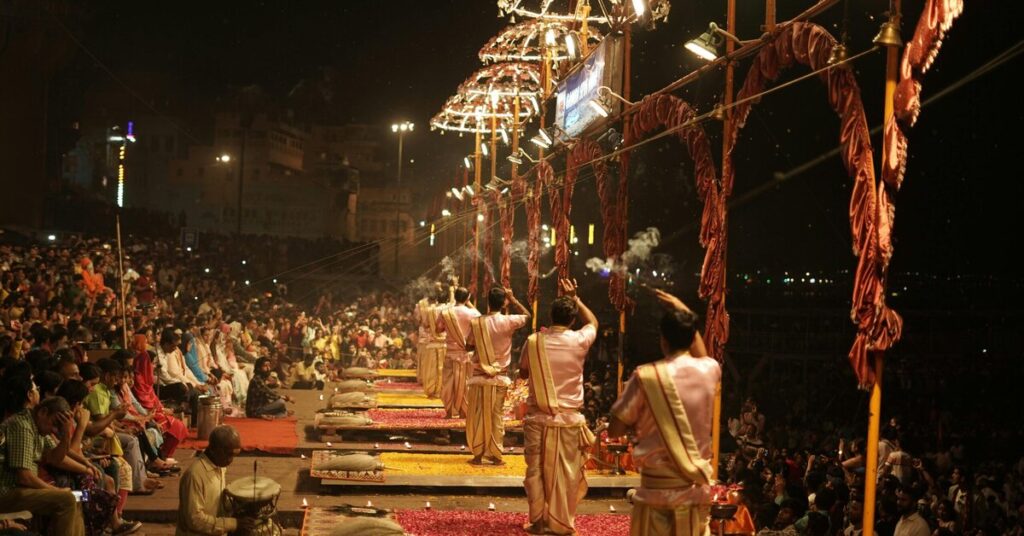
Arrive in Varanasi and resist the urge to immediately fill your day with activities. Check into your hotel and simply rest, allowing your body and mind to adjust to this intense city. On your first evening, take a peaceful boat ride at sunset—not at crowded dawn—watching the ghats come alive with evening rituals. Day two focuses on just one experience: the sunrise boat ride followed by morning ghat walking, then the entire afternoon resting. Evening brings the Ganga Aarti ceremony. Two days, four activities, plenty of time to absorb each one.
Days 3-4: Varanasi Deepening
Day three explores temples but at a contemplative pace. Visit Kashi Vishwanath Temple in the morning when it’s calmer, spend time in prayer rather than rushing through. Afternoon rest, then perhaps Sarnath in the late afternoon when it’s peaceful. Day four is flexible—return to your favorite ghat for personal rituals, explore the silk markets if shopping interests you, or simply have a rest day with no scheduled activities. This flexibility is the essence of slow travel.
Day 5: Travel Day Varanasi to Ayodhya
Unlike rushed itineraries that drive four hours then immediately start sightseeing, slow travel recognizes that travel days are tiring. Drive from Varanasi to Ayodhya (200 km, 4-5 hours) with comfortable rest stops. Arrive, check in, rest thoroughly. Perhaps a brief evening visit to the Saryu River for its peaceful atmosphere, but no major activities. You’re saving energy for tomorrow’s spiritual experiences.
Days 6-7: Ayodhya Contemplative Exploration
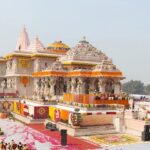
Day six focuses on Ram Janmabhoomi Temple Complex—arriving mid-morning when it’s not mobbed, taking time for proper darshan, sitting in the courtyard absorbing the atmosphere of Lord Ram’s birthplace. Afternoon rest, then evening Saryu Aarti. Day seven explores other temples: Hanuman Garhi, Kanak Bhawan, but with generous time at each—not a temple-hopping marathon. If you’re tired, skip the third or fourth temple. Slow travel gives you that permission.
Day 8: Ayodhya to Prayagraj with Sacred Sangam
Drive to Prayagraj (165 km, 3.5-4 hours), arriving by early afternoon. After checking in and resting, visit the Triveni Sangam for evening darshan. The confluence of sacred rivers at sunset holds different energy than crowded daytime visits. Slow travel means you can time experiences for optimal spiritual impact rather than just fitting them into a schedule.
Days 9-10: Prayagraj Depth and Completion
Day nine begins with sunrise Sangam visit—the holy dip or boat ride to the confluence point holds special power at dawn. Spend time here; don’t rush. Afternoon explores Allahabad Fort with Akshayavat and Patalpuri Temple. Day ten offers flexibility: cultural sites if that interests you (Anand Bhawan, university), or simply a rest day processing the journey, or early return to Varanasi if your onward travel requires it.
Principles of Slow Travel in Sacred Cities
One Major Experience Per Day: Rather than morning temple circuit + afternoon boat ride + evening ceremony + night walk, slow travel focuses on one significant spiritual experience daily, done with complete presence.
Sacred Routine Development: Establish daily rituals—perhaps morning meditation, afternoon journaling, evening prayers—that create continuity and deepen your spiritual practice throughout the journey.
Embrace Unplanned Moments: The most meaningful travel memories often come from unplanned encounters. Slow travel’s spacious schedule allows these magical moments to unfold naturally.
Listen to Your Body and Spirit: Feeling called to skip a planned temple to return to the Ganges? Do it. Body needs extra rest? Take it. Slow travel means honoring these intuitions rather than overriding them to maintain a schedule.
Quality Accommodation: Since you’re spending more time at hotels, choose places where you actually want to spend time—pleasant rooftops, comfortable beds, peaceful atmospheres. These become your retreat spaces, not just places to crash between activities.
Accommodations for Slow Travel
Varanasi (3-4 nights): Choose hotels with peaceful common areas—rooftop spaces for morning yoga or evening relaxation, gardens for contemplation, comfortable lounges for reading. Location near ghats reduces travel stress while maintaining access to the sacred river.
Ayodhya (2-3 nights): Smaller city means less accommodation variety, but prioritize clean, comfortable properties with good service. You’ll need a proper base for rest between temple visits.
Prayagraj (1-2 nights): Focus on location near Sangam for easy access to the confluence at different times without lengthy travel.
Why This Matters: When rushing through three cities in four days, hotel quality barely matters—you’re just sleeping. Slow travel means hotels become part of your experience, places where you rest, reflect, and integrate the spiritual journeys of each day.
Benefits of the Slow Travel Approach
Spiritual Depth: Sitting for an hour in quiet contemplation at one temple offers more spiritual nourishment than rushing through five temples with twenty-minute visits. Slow travel prioritizes depth.
Physical Wellbeing: Adequate rest prevents the exhaustion that ruins trips. You return home energized rather than needing a vacation from your vacation.
Authentic Connection: Time allows conversations with locals, priests, other pilgrims—connections that transform your understanding of these places beyond what guidebooks provide.
Reduced Stress: No frantic rushing, no anxiety about missing something, no decision fatigue from constant scheduling. Travel becomes peaceful rather than stressful.
Better Integration: Experiences have time to settle into your consciousness. The insights that emerge days later are as valuable as the immediate experiences.
Family Harmony: If traveling with family, slow pace reduces conflicts that arise when people are tired, overscheduled, or feel pressured to keep up with aggressive itineraries.
Who Benefits Most from Slow Travel
Seniors: Physically demanding rushed schedules exhaust older travelers. Slow travel makes sacred site visits achievable at any age.
Spiritual Seekers: Those on genuine spiritual journeys rather than religious tourism find slow travel aligns with contemplative practices that require time and space.
Families: Children need downtime; parents need rest. Slow travel prevents the meltdowns and exhaustion that plague family trips.
First-Time India Travelers: The sensory intensity of India benefits from gradual immersion rather than overwhelming bombardment.
Anyone Seeking Meaning: If you travel for transformation rather than just sightseeing, slow travel provides the space for genuine encounters with place, people, and yourself.
Practical Considerations
Budget: Slow travel costs more in total (more hotel nights, longer cab rental) but often less daily since you’re not paying for extensive guide services, multiple boat rides daily, or constant activities. It shifts spending from frantic activities to comfortable accommodations.
Time Requirement: Slow travel requires more vacation days—eight to ten days instead of four to five. This is the main barrier for working professionals with limited vacation time. However, retirees, students during breaks, or those who can work remotely find this easily achievable.
Planning Approach: Book accommodations and basic cab services, but leave daily schedules flexible. Over-planning contradicts slow travel philosophy. Have a rough outline but embrace adaptability.
Communication with Service Providers: When booking cab services, explicitly explain you’re doing slow travel—they should understand this means fewer kilometers daily, no rushing, and flexibility for spontaneous stops or schedule changes.
Conclusion
The Varanasi Ayodhya Prayagraj tour with slow travel plan isn’t about seeing less—it’s about experiencing more. These three sacred cities hold thousands of years of spiritual energy, and that energy doesn’t reveal itself to those who rush through. It emerges in quiet moments watching dawn break over the Ganges, in patient hours sitting in ancient temples feeling the devotion of millions who came before you, in unhurried conversations with priests who share wisdom their lineage has preserved for generations.
Slow travel recognizes that sacred sites deserve the same reverence we give to sacred texts—they can’t be speed-read and truly comprehended. They require patient attention, contemplative presence, and willingness to let their meanings unfold in their own time.
If you can afford the extra days—and I encourage you to find a way to make this possible—slow travel transforms your journey from a trip to a pilgrimage, from tourism to transformation, from seeing to truly experiencing. In a world that constantly demands we hurry, these ancient cities offer an invitation to slow down and receive the blessings that only patience and presence can reveal.
FAQs
1. Isn’t slow travel just an excuse for laziness or poor planning—couldn’t I see everything you mention in half the time if I’m efficient?
This question reveals a fundamental misunderstanding of what slow travel aims to achieve. Yes, you could technically “see” all the same temples, ghats, and sites in four rushed days that a slow traveler experiences in eight or nine days. But “seeing” isn’t the goal of spiritual travel—transformation is. When you rush from temple to temple, you’re collecting experiences like postcards, not absorbing their spiritual significance. Slow travel recognizes that sacred sites work on you over time—sitting for an hour in meditation at a temple allows its energy to penetrate your consciousness in ways a twenty-minute visit never can. The “inefficiency” is intentional, creating space for reflection, integration, and genuine spiritual connection. It’s not laziness; it’s wisdom about how deep experience actually happens. Think of it this way: you can rush through reading the Bhagavad Gita in an afternoon, or you can contemplate one verse daily for months. Both complete the text, but only one transforms you.
2. If I only have five days total for this trip, can I still incorporate slow travel principles, or does it require the full eight to ten days?
You can absolutely incorporate slow travel principles within shorter timeframes—it just requires being more selective. In five days, instead of trying to see everything at a rushed pace, choose fewer experiences and do them deeply. Perhaps spend two days in Varanasi (morning Ganga darshan, one evening Aarti, one temple), one travel day to Ayodhya, one day exploring Ayodhya thoroughly, then final day at Prayagraj Sangam before returning. Skip the sites that matter least to you. The key slow travel principles—adequate rest, single focus per day, spontaneity space, quality over quantity—can apply regardless of trip length. Even in five days, you can choose between “rushed everything” and “deeply experience less.” The latter aligns with slow travel philosophy even if you can’t extend to the ideal eight to ten days. What matters is the approach, not just the duration.
3. How do I convince my family who wants to “maximize” our trip that slow travel is worth the extra time and money?
Frame it in terms of the kind of memories and impact you want from the trip. Ask: “Do we want to return home with photos of twenty temples we barely remember, or meaningful experiences at five temples that actually transform us?” Show them research on how memory works—we retain experiences we had emotional connection with, not those we rushed through while exhausted. Financially, explain that while slow travel costs more in hotel nights, it often costs less per day (fewer paid activities, less guide expense, less stress-driven spending). For families with children or elderly members, stress that rushed travel leads to meltdowns, exhaustion, and conflicts that ruin everyone’s experience. Share testimonials from slow travelers who found their extended trips more satisfying than previous rushed ones. Ultimately, if your family truly prioritizes quantity over quality, compromise might mean a moderate pace—perhaps six days instead of four (not ideal, but better than pure rushing) or they do their rushed portion while you take slower optional days.
4. What happens if I plan for slow travel but find I’m bored or have seen everything I wanted to see faster than expected?
This rarely happens in genuinely spiritually engaging places like Varanasi, Ayodhya, and Prayagraj—there’s always another layer to discover, another quiet corner to meditate in, another ceremony to witness. However, if you do find yourself with “extra” time, that’s actually a gift. Use it for practices slow travel enables: return to your favorite site for a second, deeper visit; spend a morning simply sitting at a ghat watching life unfold; journal extensively about your experiences; strike up conversations with locals or other pilgrims; take a day trip to a smaller nearby temple that wasn’t in your plan; engage in personal spiritual practices (meditation, prayer, reading sacred texts). Remember that “having nothing to do” is actually valuable in slow travel—it’s when insights emerge, when you process experiences, when serendipitous encounters happen. Western conditioning makes us uncomfortable with unstructured time, but learning to embrace it is part of slow travel’s gift. That said, you can always adjust—add Sarnath more extensively, take a day trip to Vindhyachal from Prayagraj, or simply enjoy the rare luxury of unhurried time.
5. Is slow travel only for retired people with unlimited time, or can working professionals with limited vacation days make it work?
While retirees have the easiest time with slow travel due to unlimited vacation flexibility, working professionals can absolutely make it work with strategic planning. Consider: (1) Combine with remote work—if your job allows location flexibility, work mornings from your hotel, do slow travel experiences afternoons/evenings, extending your trip without using additional vacation days. (2) Strategic timing—take this trip during a holiday period (Christmas/New Year, Thanksgiving) where you’re already off, adding just a few extra vacation days to extend the trip. (3) Sabbaticals—some companies offer sabbatical programs; a sacred cities pilgrimage is a worthy use. (4) Every few years—instead of taking 5-day trips every year, save vacation days and do one 10-day slow travel experience every 2-3 years. (5) Partial slow travel—do a moderate 6-7 day trip that’s slower than typical rushed tours but not the full 10-day ideal. The principles matter more than perfect implementation. Even professionals with two weeks yearly vacation could dedicate one week to this trip done slowly, which is far more satisfying than three rushed long-weekend trips.