Varanasi Ayodhya tour package from Delhi offers the perfect spiritual circuit combining India’s oldest living city with Lord Rama’s sacred birthplace, creating an unforgettable journey through two of Hinduism’s holiest destinations. This divine pilgrimage takes you from the ancient ghats of the Ganges in Varanasi—where spirituality permeates every stone and ceremony—to the newly consecrated Ram Mandir in Ayodhya, marking one of the most significant religious sites in modern India. Whether you’re traveling by the ultra-fast Vande Bharat Express that covers the distance in just 8 hours or opting for a comfortable road journey exploring hidden temples and historic towns along the way, this tour package delivers profound spiritual experiences, cultural immersion, and memories that transcend ordinary tourism.

Imagine witnessing the mesmerizing Ganga Aarti as thousands of oil lamps illuminate Dashashwamedh Ghat, then traveling to Ayodhya to seek blessings at the magnificent Ram Janmabhoomi Temple where Lord Rama was born. This isn’t just sightseeing—it’s a transformative pilgrimage connecting you with India’s ancient spiritual heritage while exploring architectural marvels, vibrant markets, and sacred rituals that have continued uninterrupted for millennia. Ready to embark on this soul-enriching journey combining devotion, discovery, and divine blessings?
Why Choose Varanasi Ayodhya Tour Package from Delhi
The Varanasi Ayodhya spiritual circuit from Delhi has emerged as one of India’s most sought-after pilgrimage routes, particularly following the consecration of the new Ram Mandir in Ayodhya in January 2024. This tour package offers exceptional value by combining two spiritually significant destinations that complement each other perfectly—Varanasi representing Shiva’s eternal city and cosmic consciousness, while Ayodhya embodies Rama’s dharma and righteous living principles.
Delhi serves as the ideal starting point for this journey, with excellent connectivity to both destinations through multiple transportation options. The capital’s strategic location allows pilgrims and travelers from across India and internationally to easily access this spiritual circuit. Modern infrastructure improvements, particularly the Vande Bharat Express train connecting Delhi to Varanasi and extending to Ayodhya, have transformed this pilgrimage from a time-consuming ordeal into a comfortable, efficient journey that can be completed in as little as 4-5 days without sacrificing depth of experience.
What makes this tour package particularly appealing is the diversity of experiences packed into a manageable timeframe. In Varanasi, you’ll witness life and death coexisting on ancient ghats, attend soul-stirring Ganga Aartis, take predawn boat rides on sacred waters, and explore temples that have been pilgrimage destinations for over 3,000 years. In Ayodhya, you’ll experience the devotional fervor surrounding Lord Rama’s birthplace, visit temples mentioned in the Ramayana epic, and witness the magnificent new Ram Mandir that represents both architectural achievement and fulfilled spiritual aspirations of millions.
The tour also offers excellent culinary experiences—from Varanasi’s legendary street food including kachori, chaat, and malaiyo to Ayodhya’s traditional vegetarian prasad and Awadhi cuisine. Shopping opportunities abound with Varanasi’s famous Banarasi silk sarees, brass artifacts, and spiritual items, while Ayodhya offers religious souvenirs, Ram Darbar idols, and traditional handicrafts. Beyond spiritual benefits, this tour provides comprehensive cultural education about Hinduism, ancient Indian history, and contemporary religious practices.
Best Time to Book Varanasi Ayodhya Package from Delhi
Timing significantly impacts your Varanasi Ayodhya tour experience, with weather conditions, festival calendars, and crowd levels varying throughout the year. The optimal period spans October through March, when pleasant temperatures (10-28°C) facilitate comfortable temple visits, ghat exploration, and outdoor ceremonies without extreme heat or monsoon disruptions.
October to November offers post-monsoon freshness with clear skies, moderate temperatures, and the vibrant Diwali celebrations that transform both cities with spectacular illuminations and special religious ceremonies. Varanasi’s Dev Deepawali (15 days after Diwali) witnesses all ghats brilliantly lit with thousands of earthen lamps—an unforgettable sight that attracts pilgrims nationwide. However, this period sees increased tourist traffic requiring advance bookings for accommodations and train tickets.
December to February constitutes peak pilgrimage season with pleasant daytime temperatures ideal for sightseeing, though early mornings and nights can be quite cold (5-10°C), especially near the Ganges. Pack warm layers including jackets and woolens for comfortable outdoor activities. This period attracts maximum domestic tourists and pilgrims, particularly around Christmas and New Year holidays when hotels charge premium rates and popular attractions witness heavy crowds.
March presents excellent conditions with warming temperatures, blooming spring flowers, and the auspicious Ram Navami festival (Lord Rama’s birthday) in Ayodhya featuring grand processions, extended temple hours, and devotional atmosphere at its peak. This festival typically falls in March or early April, transforming Ayodhya into a spiritual celebration destination. If visiting during Ram Navami, book accommodations and transportation well in advance as availability becomes extremely limited.
April to June brings scorching summer heat (35-45°C) making daytime exploration uncomfortable despite lower tourist numbers and better hotel rates. If traveling during summer, schedule intensive sightseeing for early morning (5-10 AM) and evening (5-9 PM), resting indoors during peak afternoon heat. The sweltering temperatures can cause heat exhaustion and dehydration—carry water bottles, use sunscreen, and wear protective clothing.
July to September monsoon season brings humidity and intermittent heavy rainfall disrupting travel plans and outdoor activities. However, the lush greenery, swollen Ganges River, and fewer crowds appeal to some travelers. The monsoon atmosphere carries its own spiritual energy, with dramatic clouds, refreshed temples, and the rhythmic sound of rain creating contemplative moods. Budget travelers benefit from significantly reduced accommodation rates during off-season.
Comprehensive Itinerary: 4 Night / 5 Day Package
Day 1: Delhi to Varanasi Journey
Start your journey with an early morning Vande Bharat train from New Delhi to Varanasi, which takes approximately 8 hours to reach Varanasi. The Vande Bharat Express departs New Delhi around 6:00 AM, offering comfortable AC chair car seating, onboard meal services, and panoramic windows for enjoying the North Indian countryside. Alternatively, overnight trains departing Delhi around 6-7 PM reach Varanasi early next morning, allowing an extra sightseeing day though sacrificing comfort compared to Vande Bharat.
Upon arrival in Varanasi (around 2-3 PM if taking Vande Bharat), meet your tour representative who escorts you to your pre-booked hotel for check-in and freshening up. After relaxing briefly following the journey, prepare for your first spiritual experience in this ancient city.
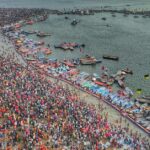
In the evening, visit the Ghats to see the mesmerizing Ganga Aarti at Dashashwamedh Ghat. Arrive by 6:00 PM to secure good viewing positions as this ceremony attracts large crowds. Seven priests perform synchronized rituals with enormous brass lamps, creating an unforgettable spectacle accompanied by Vedic chants, temple bells, and conch sounds. The entire atmosphere becomes charged with spiritual energy as devotees offer small clay lamps (diyas) to the sacred Ganges, watching them float downstream carrying prayers and wishes.
After the aarti ceremony, explore the nearby bustling market lanes where street vendors sell religious items, traditional snacks, and Banarasi specialties. Try hot kachori, samosas, or jalebis from roadside stalls (choose busy establishments for fresh, hygienic food). Return to hotel for dinner and overnight stay, resting well for the early morning boat ride next day.
Day 2: Complete Varanasi Exploration
Wake before dawn (around 4:30 AM) for the highlight experience of any Varanasi visit—a morning river boat ride on the Ganges lasting 1 to 1.5 hours. As your boat glides along the sacred river, witness the ancient city awakening with pilgrims performing morning ablutions, priests conducting rituals, devotees meditating on ghat steps, and cremation pyres burning at Manikarnika Ghat—a profound reminder of life’s impermanence. The soft morning light creates magical atmospheres with mist rising from the water, temple spires silhouetted against pastel skies, and the timeless rhythm of spiritual practices that have continued unchanged for millennia.
Return to the hotel for breakfast, then begin the comprehensive temple tour. Visit Bharat Mata Temple, Durga Temple, The New Vishwanath Temple of Varanasi, Hanuman Temple and Tulsi Manas Temple. Each temple offers unique spiritual significance and architectural styles. Bharat Mata Temple uniquely features a relief map of undivided India carved in marble instead of traditional deity idols, representing national devotion. Durga Temple (Durga Kund) showcases beautiful red sandstone architecture dedicated to Goddess Durga, with a sacred tank believed to grant wishes. The New Vishwanath Temple at Banaras Hindu University features a towering shikhara visible from miles away, built to replicate the original Kashi Vishwanath’s grandeur with modern construction.
Afternoon, continue sightseeing to Sarnath on the outskirts of town, where Buddha preached his first sermon in the Deer Park. This UNESCO World Heritage Site, located 10 kilometers from central Varanasi, holds immense significance for Buddhist pilgrims worldwide. Visit the Main Shrine and Ashoka’s Pillar, the beautifully polished Lion Capital of Ashoka, and the remains of a monastery. The Dhamek Stupa, standing 43.6 meters tall and dating back to 500 CE, marks the exact spot where Buddha delivered his first teaching about the Four Noble Truths and the Eightfold Path. The Archaeological Museum houses exceptional Buddhist sculptures, ancient coins, and artifacts excavated from Sarnath’s ruins, providing historical context to Buddha’s teachings and the Mauryan Empire’s role in spreading Buddhism.
Evening return to hotel with leisure time for personal exploration, shopping in Godaulia or Vishwanath Lane markets, or attending optional spiritual activities like yoga classes or meditation sessions offered by various ashrams. Overnight stay in Varanasi.
Day 3: Varanasi to Ayodhya Transfer
After breakfast at the hotel, check out and drive to Ayodhya which takes approximately 4 to 5 hours covering around 200-220 kilometers. The journey by road allows stopping at interesting locations including Jaunpur—a historic town featuring impressive Islamic architecture including the Atala Masjid and Shahi Bridge spanning the Gomti River. Some tour packages include brief Jaunpur exploration, while others proceed directly to Ayodhya.
The route via NH 731 and NH 330 is the best route for a Varanasi to Ayodhya road trip, passing through towns and rural landscapes of Uttar Pradesh. The highways are generally well-maintained multi-lane roads, though traffic can increase near urban areas and during festival periods. En route, observe rural Uttar Pradesh lifestyles—farmers working fields, traditional villages with mud houses, roadside dhabas serving authentic North Indian food, and the changing landscape from Varanasi’s proximity to the Ganges to Ayodhya’s position along the Sarayu River.
Alternatively, travelers can take the Vande Bharat Express from Varanasi to Ayodhya, which covers approximately 195 kilometers in just 2.5 hours. This ultra-modern train operates six days weekly (closed Tuesdays), departing Varanasi around 9:10 AM and arriving Ayodhya around 11:40 AM. The train journey offers speed and comfort though misses roadside attractions visible during car travel.
Upon arrival in Ayodhya, check into your hotel and freshen up before beginning afternoon exploration. Visit the banks of the sacred Sarayu River where devotees perform ritual bathing believing its waters purify sins. The Ghat area features several temples and peaceful atmospheres for contemplation. Later, you might explore local markets selling religious items, Ram Darbar idols, traditional sweets, and Ayodhya specialties.
Evening, attend the Sarayu River aarti ceremony—smaller scale than Varanasi’s Ganga Aarti but equally devotional with priests offering lamps to the river while devotees sing bhajans (devotional songs) praising Lord Rama. The setting sun over the Sarayu creates beautiful photography opportunities. Return to hotel for dinner and overnight stay in Ayodhya.
Day 4: Complete Ayodhya Darshan
Morning after breakfast, visit Hanuman Garhi—a temple situated in the center of town, approachable by a flight of 76 steps. Legend has it that Hanuman lived here in a cave and guarded the Janambhoomi or Ramkot. The main temple contains the statue of Maa Anjani with Bal Hanuman seated on her lap. Devotees believe visiting Hanuman Garhi before going to Ram Janmabhoomi brings complete blessings, following the tradition that Hanuman as Ram’s greatest devotee should be honored first. The temple’s elevated position offers panoramic views of Ayodhya city and the golden spires of Ram Mandir visible in the distance.
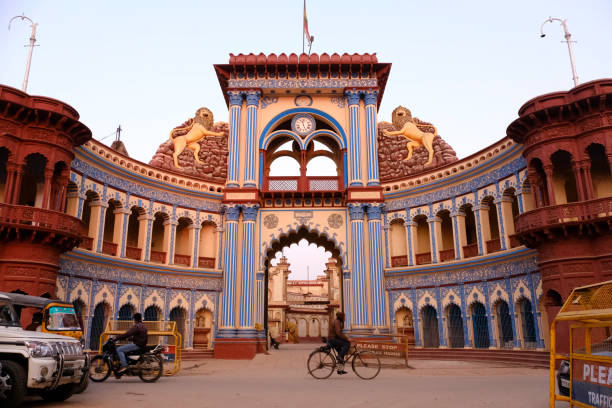
Next, visit the magnificent Ram Janmabhoomi Temple (Ram Mandir)—the tour’s spiritual centerpiece and primary reason millions now visit Ayodhya. This newly constructed temple complex, consecrated in January 2024, stands on the exact site believed to be Lord Rama’s birthplace. The temple showcases stunning Nagara-style architecture with intricate carvings depicting scenes from the Ramayana, built entirely from pink sandstone sourced from Rajasthan. The main sanctum houses the Ram Lalla (infant Rama) idol in the precise location where Lord Rama is believed to have been born over 7,000 years ago according to Hindu tradition.
Expect security checks, bag scanning, and potentially long queues during peak visiting hours (9 AM-12 PM and 3-6 PM). Plan 2-3 hours for complete darshan including queue time, temple viewing, and exploring the expansive complex. Photography restrictions apply inside the main temple, though courtyard and external architecture can be photographed. The spiritual atmosphere inside the sanctum creates profound emotional responses in devotees who have waited generations to witness this temple’s completion.
Continue to Kanak Bhavan Temple, considered one of Ayodhya’s most beautiful temples gifted to Goddess Sita by Rama’s stepmother Kaikeyi after their marriage. The temple features exquisite gold-plated idols of Rama and Sita adorned with ornate crowns and jewelry, set within intricately decorated sanctums. The temple’s architecture blends Rajput and Awadhi styles with beautiful mirror work, paintings depicting Ramayana scenes, and peaceful courtyards perfect for meditation.
Visit other significant sites including Nageshwarnath Temple (established by Rama’s son Kush and one of Ayodhya’s oldest temples), Treta Ke Thakur Temple (where Rama performed the Ashwamedha Yajna), and Dashrath Mahal (ruins of King Dashrath’s palace where Rama spent his childhood). If time permits, explore the Ram Ki Paidi Ghat complex along the Sarayu River featuring 18 ghats undergoing beautification with improved infrastructure, lighting, and landscaping enhancing pilgrims’ riverside experience.
Evening, attend the optional light and sound show (if operational) at key locations narrating Ayodhya’s history and Lord Rama’s life story through multimedia presentations. Return to hotel for dinner and overnight stay, preparing for the return journey to Delhi next day.
Day 5: Ayodhya to Delhi Return Journey
After breakfast, transfer to Ayodhya train station to board Vande Bharat Express to New Delhi (departing around 3:20 PM, arriving around 11:40 PM). This schedule allows morning leisure time for final temple visits, shopping for religious souvenirs, or simply relaxing at the hotel. Alternatively, some packages include morning visits to nearby sites like Faizabad (now renamed Ayodhya district) or the Guptar Ghat where Lord Rama is believed to have taken jal samadhi (water immersion) concluding his earthly life.
The Vande Bharat Express covers the approximately 630-kilometer journey in about 8-8.5 hours, with onboard meal services, comfortable seating, and modern amenities ensuring pleasant travel. The train features panoramic windows for viewing countryside scenery, power outlets for charging devices, and clean washrooms maintaining comfort throughout the journey.
Upon arrival in Delhi late evening, your tour concludes with precious memories, spiritual blessings, and experiences that will resonate for lifetime. If you have an outbound flight the same night or early next morning, coordinate hotel check-out, luggage storage, and airport transfers carefully considering Delhi’s traffic patterns and distance from New Delhi Railway Station to airport (approximately 15-20 kilometers to domestic terminal, requiring 45-90 minutes depending on traffic).
Transportation Options: Train vs. Road
Vande Bharat Express: The Modern Choice
The fastest train connecting this spiritual circuit, Vande Bharat Express offers journey times of approximately 8 hours from Delhi to Varanasi and 2.5 hours from Varanasi to Ayodhya. This semi-high-speed train represents Indian Railways’ premium offering with AC chair car seating featuring rotating seats, individual entertainment screens (on select coaches), bio-vacuum toilets, automatic doors, onboard WiFi (when operational), and complimentary meal services included in ticket prices.
Advantages: Speed, comfort, punctuality, modern amenities, reduced travel fatigue, and ability to maximize sightseeing time at destinations rather than spending excessive hours in transit. The train operates six days weekly (closed Tuesdays for maintenance), departing New Delhi around 6:00 AM and reaching Varanasi around 2:00 PM, allowing afternoon and evening exploration upon arrival.
Booking Tips: Tickets open 120 days in advance and sell out quickly, especially during peak season and weekends. Book immediately when reservations open for desired travel dates. AC Chair Car tickets cost approximately ₹1,500-2,000 per person one-way. Monitor train running status and platform changes through NDFR PNR status apps for real-time updates.
Alternative Trains: Several other express and mail trains connect Delhi-Varanasi-Ayodhya including overnight sleeper services departing Delhi evening and reaching Varanasi early morning. These slower trains (12-14 hours journey time) cost less (₹500-1,200 depending on class) and allow avoiding hotel costs for one night, though comfort levels vary significantly from Vande Bharat’s premium experience.
Road Journey: The Flexible Option
Traveling by private car or hired vehicle offers maximum flexibility for customizing itineraries, stopping at roadside attractions, scheduling breaks according to personal preference, and traveling with luggage convenience without train luggage restrictions. The road distance from Varanasi to Ayodhya is approximately 219 kilometers via NH 731 and NH 330, taking about 4-5 hours.
Delhi to Varanasi by road covers approximately 780-820 kilometers depending on exact route, requiring 12-14 hours driving time. Most tour operators break this journey with overnight stops in cities like Kanpur, Lucknow, or Allahabad, allowing rest and exploration of additional destinations. The complete Delhi-Varanasi-Ayodhya-Delhi road circuit typically requires 6-7 days minimum for comfortable pacing without excessive daily driving.
Advantages: Flexible scheduling, ability to stop at attractions en route (Agra, Lucknow, Allahabad), family-friendly with private space, luggage convenience, and experiencing rural India’s landscapes and culture. For groups of 4-6 people, per-person costs become competitive with train travel while offering superior convenience.
Vehicle Options: Sedan cars (₹12-15 per kilometer for approximately 2,000 kilometers total circuit = ₹24,000-30,000), SUVs or Toyota Innova (₹16-20 per kilometer = ₹32,000-40,000), or Tempo Travellers for larger groups of 8-12 people (₹22-28 per kilometer). These rates typically include fuel, driver allowance, tolls, state taxes, and parking charges. Accommodation, meals, and monument entry fees are additional.
Package Costs and Inclusions
Budget Package (₹12,000-18,000 per person)
Budget packages cater to pilgrims prioritizing spiritual experiences over luxury, staying in 2-3 star hotels or clean budget guesthouses with basic amenities. Inclusions typically cover AC train tickets (non-Vande Bharat sleeper class), budget hotel accommodation with breakfast, all transfers and sightseeing by AC vehicle (usually smaller cars like Dzire or Etios), and basic tour guide services at major sites.
Meals beyond breakfast, monument entry fees, boat rides, personal expenses, and tips remain excluded, requiring approximately ₹3,000-5,000 additional budget for complete trip expenses. Budget packages work well for solo travelers, student groups, or families comfortable with basic accommodations who can adjust to simple facilities while focusing primarily on temple visits and spiritual activities.
Mid-Range Package (₹20,000-32,000 per person)
Mid-range packages balance comfort and value, featuring 3-4 star hotel accommodations with modern amenities, Vande Bharat train tickets for comfortable journeys, comprehensive sightseeing with experienced guides, and some additional inclusions like boat rides or one cultural performance. Hotels in this category offer comfortable rooms, attached bathrooms with reliable hot water, multi-cuisine restaurants, and helpful staff familiar with tourist needs.
Transportation typically uses larger vehicles like Toyota Innova or Ertiga providing superior comfort during transfers and sightseeing. Breakfast and one additional meal (lunch or dinner) often included daily. These packages suit middle-class families, working professionals, and international tourists seeking reliable comfort without premium luxury pricing.
Luxury Package (₹35,000-60,000+ per person)
Luxury packages deliver premium experiences through heritage hotels or five-star properties combining historical character with modern luxury. In Varanasi, stay at properties like BrijRama Palace or Suryauday Haveli directly overlooking the Ganges, offering rooftop dining with aarti views, spa facilities, and elegant period architecture. Ayodhya luxury options include premium hotels near Ram Mandir with superior amenities.
All transportation via Vande Bharat executive class or AC First Class on premium trains, with private luxury vehicles (BMW, Audi, or Mercedes for ultimate comfort) for all road transfers. Professional multilingual guides, exclusive boat ride experiences, priority darshan arrangements at temples (where permitted), cultural performances, spa treatments, and gourmet dining at fine restaurants are included. Every detail is handled professionally, allowing guests to simply relax and experience the spiritual journey without logistical concerns.
Typical Inclusions Across All Packages:
- Round-trip train tickets (class varies by package tier)
- Hotel accommodation for 4 nights (Varanasi 2 nights, Ayodhya 2 nights)
- Daily breakfast at hotels
- All transfers and sightseeing by AC vehicle
- Ganga Aarti attendance with assistance
- Morning boat ride on Ganges River
- Local guide services at major temples and monuments
- All taxes, tolls, parking charges, and driver allowances
Typical Exclusions:
- Monument/temple entry fees (₹1,500-2,500 total for all sites)
- Lunch and dinner meals (₹3,000-6,000 total depending on restaurant choices)
- Camera/video camera charges at monuments
- Personal expenses (laundry, tips, shopping, phone calls)
- Travel insurance
- Any services not specifically mentioned in inclusions
- Aarti ceremony donations or offerings
Essential Travel Tips and Recommendations
Booking Timing: Reserve packages 30-45 days in advance during regular season, 60-90 days during peak season (October-March) or around major festivals like Diwali, Ram Navami, or Dev Deepawali. Last-minute bookings face limited hotel availability, higher prices, and potential train ticket unavailability requiring less comfortable travel arrangements.
Packing Essentials: Comfortable walking shoes (you’ll cover 8-12 kilometers daily visiting temples and ghats), modest traditional Indian clothing for temple visits (covering shoulders and knees), warm layers for winter months (November-February), sunscreen and sunglasses for protection, personal medications, hand sanitizer and wet wipes, reusable water bottle, flashlight or headlamp for early morning activities, and small locks for securing luggage.
Health Precautions: Drink only bottled or filtered water, avoid raw salads and street food until your system acclimates (typically 2-3 days), carry basic medications for digestive issues, use hand sanitizer before eating, and pace yourself physically given the walking intensity and spiritual activities. January-February mornings can be quite cold near rivers—dress in layers to prevent hypothermia during early morning boat rides.
Photography Etiquette: Photography restrictions apply inside most temple sanctums. Always ask permission before photographing people, especially women and sadhus. Cremation ghats should be observed respectfully without photography unless explicit permission granted. Drone photography requires special permissions from local authorities and is generally prohibited near religious sites and government buildings.
Cultural Sensitivity: Remove shoes before entering temples, dress modestly with covered shoulders and knees, avoid pointing feet toward deities or spiritual teachers, accept prasad (religious offerings) with right hand only, and maintain respectful silence during ceremonies and prayers. Leather items (belts, wallets, bags) are prohibited in some temples—carry fabric bags for temple visits.
Shopping Wisely: Varanasi is famous for Banarasi silk sarees (₹3,000-50,000+ depending on quality and design), brass artifacts, rudraksha malas, and spiritual items. Shop at government emporia or reputable stores for authentic products with fixed prices avoiding aggressive bargaining. Ayodhya offers Ram Darbar idols, religious books, traditional sweets, and handicrafts. Always verify quality before purchasing silk—ask for authenticity certificates from recognized silk boards.
Safety Considerations: Varanasi’s narrow lanes and congested ghats require vigilance regarding personal belongings. Use hotel safes for passports, excess cash, and valuables. Avoid isolated areas after dark, especially for women and solo travelers. Beware of touts offering unofficial guide services or aggressive sales pitches—politely decline and walk away. Both cities are generally safe with low crime rates, but standard travel precautions apply.
Best Tour Operators and Booking Platforms
TripCosmos.co: Offers customized Varanasi Ayodhya packages with flexible itineraries, competitive pricing, and comprehensive inclusions. Their expertise in spiritual tourism ensures smooth logistics, knowledgeable guides familiar with religious significance, and attention to devotees’ specific needs. Plan your divine Varanasi Ayodhya pilgrimage with TripCosmos.co and experience India’s spiritual heart with expert guidance and authentic cultural immersion.
MakeMyTrip: India’s leading online travel platform with extensive Ayodhya Varanasi tour packages starting around ₹24,290, featuring diverse options from budget to luxury with transparent pricing, verified hotels, and comprehensive customer reviews helping informed decisions.
Yatra.com: Offers numerous Delhi-Varanasi-Ayodhya packages with flexible customization, competitive pricing, and frequent promotional discounts. Their platform allows comparing multiple packages, reading genuine traveler reviews, and booking entire trips including flights, trains, hotels, and sightseeing through single interface.
Kesari Tours: Established group tour operator with decades of experience organizing religious and cultural tours. Their fixed-departure group packages offer value pricing through bulk bookings while providing professional tour managers, comprehensive sightseeing, and social experience of traveling with like-minded pilgrims.
When booking any package, verify exact inclusions/exclusions, hotel names and categories, vehicle types, cancellation policies, and payment terms before confirming. Read recent customer reviews for firsthand experiences regarding service quality, guide knowledge, and overall satisfaction levels.
Extending Your Tour: Additional Destinations
Many travelers extend their Varanasi Ayodhya package to include additional spiritual and historical destinations:
Prayagraj (Allahabad): Located 120 kilometers from Varanasi, Prayagraj hosts the sacred Triveni Sangam (confluence of Ganga, Yamuna, and mythical Saraswati rivers). Visit Allahabad Fort, Anand Bhavan (Nehru family home turned museum), and Hanuman Temple housing unique reclining Hanuman idol. Add 1 day/1 night for Prayagraj inclusion.
Agra: The Taj Mahal’s city lies approximately 630 kilometers from Delhi, easily combined with this spiritual circuit. Witness the world’s greatest monument to love, explore Agra Fort, and visit Fatehpur Sikri’s abandoned Mughal city. Add 1-2 days for comprehensive Agra exploration.
Lucknow: Uttar Pradesh’s capital showcases Nawabi culture with architectural marvels like Bara Imambara, Chota Imambara, and Rumi Darwaza. Famous for kebabs and chikankari embroidery, Lucknow adds cultural dimension to spiritual pilgrimage. Located midway between Varanasi and Delhi, it makes logical stopover. Add 1 day for Lucknow visit.
Gaya and Bodh Gaya: For Buddhist spirituality alongside Hindu pilgrimage, visit Bodh Gaya (240 kilometers from Varanasi) where Buddha attained enlightenment. The Mahabodhi Temple complex attracts millions of Buddhist pilgrims annually. Gaya is significant for Hindu ancestral rituals (pinda-daan). Add 2 days for both destinations.
Conclusion
The Varanasi Ayodhya tour package from Delhi delivers comprehensive spiritual experiences combining India’s oldest living city with Lord Rama’s sacred birthplace, creating unforgettable journeys through two of Hinduism’s most significant pilgrimage sites. From witnessing the soul-stirring Ganga Aarti illuminating ancient ghats to seeking blessings at the magnificent new Ram Janmabhoomi Temple, from taking predawn boat rides on holy waters to exploring temples mentioned in ancient epics—every moment carries profound spiritual significance and cultural depth. Modern transportation like Vande Bharat Express transforms this sacred circuit from arduous pilgrimage into comfortable, efficient journey accessible to all age groups and physical abilities. Whether you’re a devoted pilgrim seeking divine blessings, a cultural enthusiast exploring India’s heritage, or a traveler pursuing meaningful experiences beyond commercial tourism, this package delivers authentic spiritual immersion, memorable experiences, and blessings that accompany you long after returning home. Plan your transformative Varanasi Ayodhya pilgrimage with TripCosmos.co and experience the divine grace of India’s spiritual heartland.
FAQs
1. What is the ideal duration for a Varanasi Ayodhya tour package from Delhi?
The ideal duration is 4 nights/5 days allowing comprehensive exploration without rushing. This includes 2 nights in Varanasi for Ganga Aarti, morning boat ride, Kashi Vishwanath Temple, Sarnath, and other significant temples, plus 2 nights in Ayodhya for Ram Janmabhoomi Temple, Hanuman Garhi, Kanak Bhavan, and riverside experiences. Travel days between destinations are efficiently utilized for sightseeing en route. Travelers with time constraints can complete the circuit in 3 nights/4 days by reducing sightseeing depth, while those wanting leisurely exploration or additional destinations like Prayagraj should opt for 6-7 day packages.
2. How much does a complete Varanasi Ayodhya tour package from Delhi typically cost?
Package costs vary significantly based on accommodation category, transportation mode, and inclusions. Budget packages range ₹12,000-18,000 per person with basic 2-3 star hotels and non-Vande Bharat trains. Mid-range packages cost ₹20,000-32,000 per person featuring comfortable 3-4 star hotels, Vande Bharat Express travel, comprehensive sightseeing, and experienced guides. Luxury packages range ₹35,000-60,000+ per person with heritage properties or five-star hotels, executive class train travel, private luxury vehicles, and premium services. Solo travelers pay single occupancy supplements (typically 40-60% additional), while groups of 4-6 people can negotiate better per-person rates. Additional expenses including meals, entry fees, and shopping typically add ₹5,000-10,000 to package costs.
3. Is it better to travel by train or car for the Varanasi Ayodhya tour from Delhi?
Both options have distinct advantages depending on your priorities. Train travel via Vande Bharat Express offers speed (8 hours Delhi-Varanasi, 2.5 hours Varanasi-Ayodhya), comfort with modern amenities, punctuality, and cost-effectiveness for small groups or solo travelers. It eliminates driving fatigue, allows relaxation during transit, and maximizes sightseeing time at destinations. However, trains follow fixed schedules, offer limited luggage space, and don’t allow en-route sightseeing stops. Road travel by private vehicle provides maximum flexibility for customized itineraries, family-friendly private space, luggage convenience, ability to stop at attractions like Jaunpur or Lucknow, and becomes cost-competitive for groups of 4-6 people. However, road journeys take significantly longer (12-14 hours Delhi-Varanasi), can be tiring, and require breaking long journeys with overnight stops. Recommendation: For 4-5 day quick packages, choose Vande Bharat Express for efficiency. For extended 6-7 day tours with multiple destinations, road travel offers better flexibility and value.
4. What are the must-visit places included in Varanasi Ayodhya tour packages?
In Varanasi, essential inclusions are: morning boat ride on the Ganges witnessing ancient rituals and cremation ghats, evening Ganga Aarti at Dashashwamedh Ghat, Kashi Vishwanath Temple (golden temple dedicated to Lord Shiva), Sarnath Buddhist complex where Buddha delivered his first sermon, Durga Temple, Bharat Mata Temple, Tulsi Manas Temple, and New Vishwanath Temple. In Ayodhya, must-visits include: Ram Janmabhoomi Temple (Ram Mandir – the main attraction), Hanuman Garhi (hilltop temple dedicated to Hanuman), Kanak Bhavan (beautiful temple gifted to Goddess Sita), Nageshwarnath Temple (one of Ayodhya’s oldest), Sarayu River ghats for ritual bathing and evening aarti, and Ram Ki Paidi complex. Additional sites based on package duration include Treta Ke Thakur, Dashrath Mahal ruins, and Guptar Ghat. Quality packages provide knowledgeable guides explaining religious and historical significance, ensuring meaningful experiences beyond mere sightseeing.
5. What is the best time to book a Varanasi Ayodhya tour package from Delhi?
The optimal travel period is October through March when pleasant temperatures (10-28°C) facilitate comfortable temple visits and outdoor ceremonies. October-November offers post-monsoon freshness, Diwali celebrations, and Dev Deepawali’s spectacular lighting of all Varanasi ghats. December-February constitutes peak season with ideal daytime weather though cold mornings (pack warm clothing for early boat rides). March features warming temperatures and Ram Navami celebrations in Ayodhya with heightened devotional atmosphere. Book packages 30-45 days advance during regular season, 60-90 days during peak season or festivals for best hotel availability and competitive pricing. Avoid summer (April-June) due to extreme heat (35-45°C) making daytime exploration uncomfortable, and monsoon (July-September) when rain disrupts travel though lower tourist numbers and reduced rates appeal to some travelers. Ram Navami (typically March/April) sees maximum crowds in Ayodhya requiring earliest possible bookings—reserve 3-4 months in advance for this auspicious festival period.
6. Are Varanasi Ayodhya tour packages suitable for elderly people and families with children?
Absolutely! This spiritual circuit suits all age groups with proper planning and appropriate package selection. For elderly travelers, choose packages with Vande Bharat Express for comfortable train journeys with minimal walking between platforms, hotels located closer to main temples reducing walking distances, comprehensive vehicle transportation for all sightseeing eliminating public transport navigation, and leisurely itineraries avoiding early morning starts or late-night activities. Many tour operators provide wheelchair assistance and special arrangements for senior citizens upon advance request. For families with children, these destinations offer educational cultural experiences, safe environments with minimal risk, engaging boat rides and riverside activities children enjoy, and spiritual atmosphere teaching values and traditions. Choose mid-range or luxury packages with superior hotel amenities including swimming pools, spacious rooms, and child-friendly dining. Carry snacks, entertainment (books, games, tablets), and first-aid supplies for children. The circuit’s manageable 4-5 day duration prevents children’s boredom while providing meaningful experiences families cherish together. Both Varanasi and Ayodhya offer family-friendly restaurants serving familiar Indian vegetarian cuisine children generally accept well.