
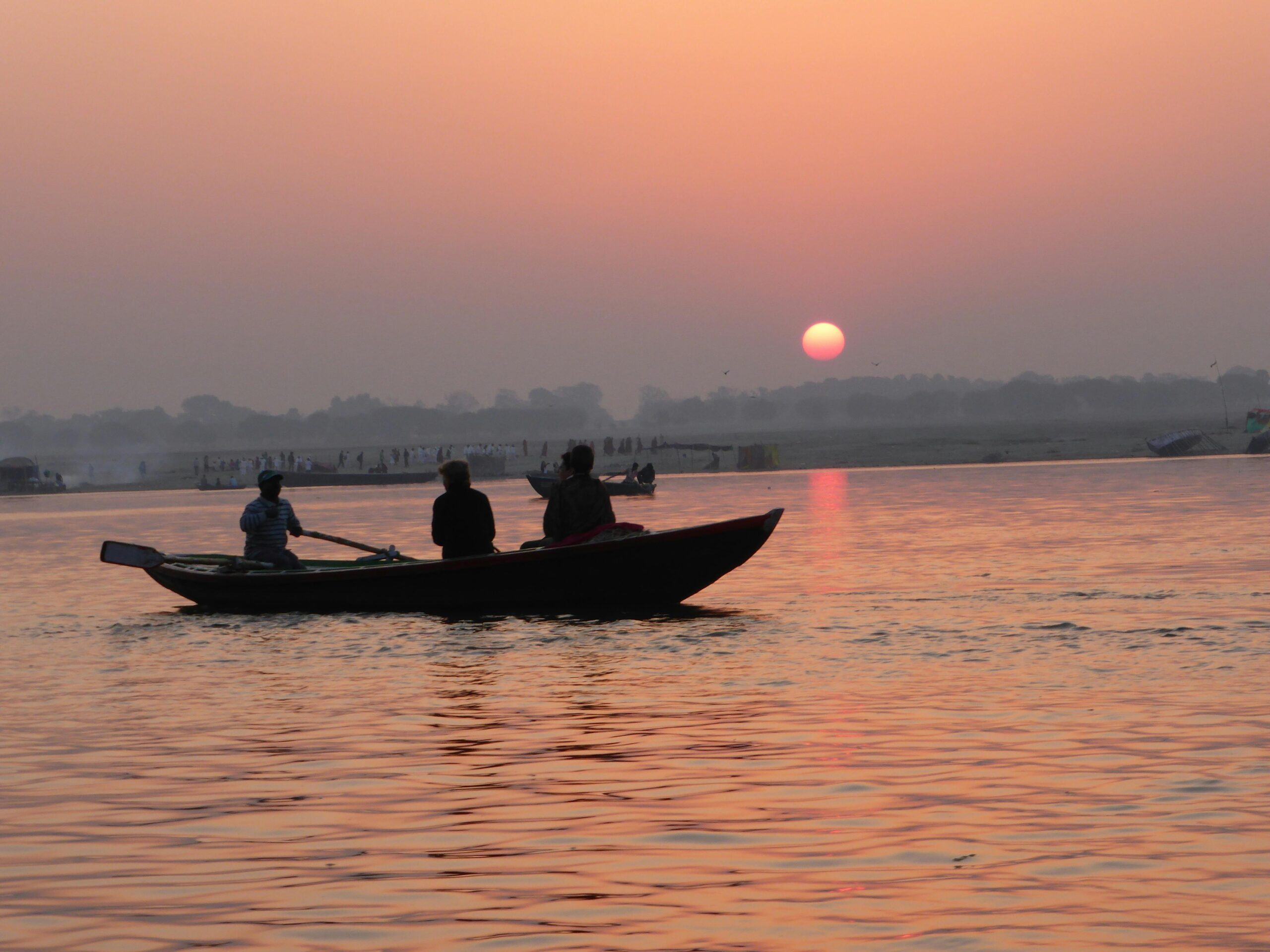
Varanasi Boat Ride Price , Standing at the ghats of Varanasi, you’re immediately approached by multiple boatmen, each quoting different prices that seem to change based on some mysterious calculation. Meanwhile, you’ve read about official government rates that promise transparency and fairness. So which pricing should you trust? More importantly, which one actually gives you better value for your money? Understanding the difference between official rates and local boatman costs isn’t just about saving rupees—it’s about knowing what you’re paying for and ensuring your Ganges experience matches your expectations.
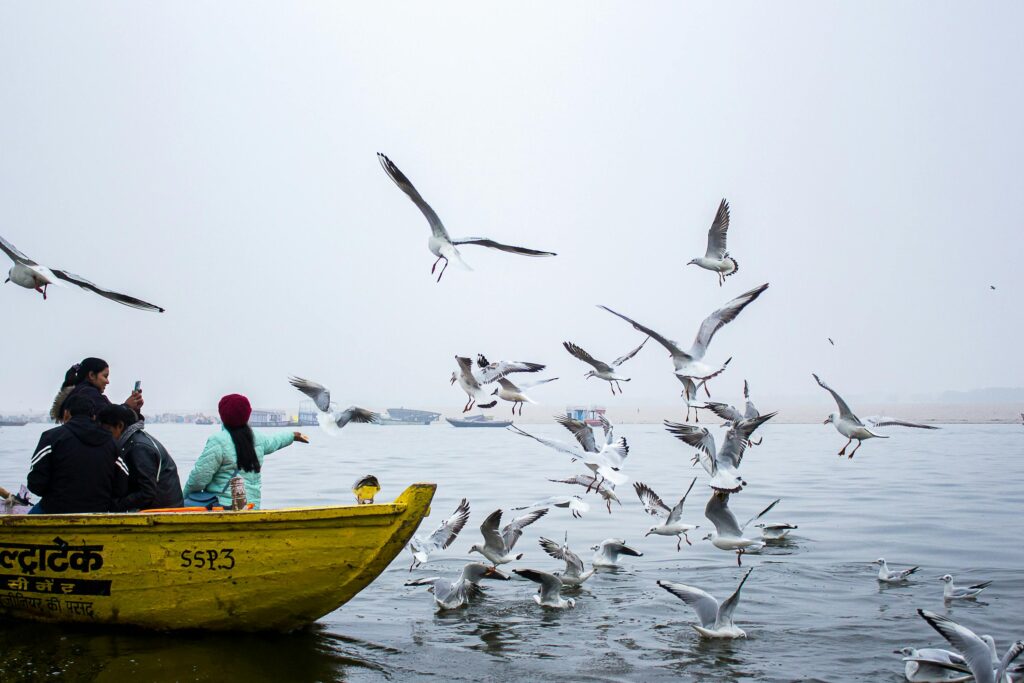
Understanding the Two Pricing Systems
Varanasi Boat Ride Price , Varanasi operates under a dual pricing ecosystem for boat rides that can confuse first-time visitors. On one hand, the Uttar Pradesh Tourism Department and local authorities have established official rate cards displayed at major ghats like Dashashwamedh and Assi. These standardized rates aim to protect tourists from overcharging while ensuring boatmen receive fair compensation.
Varanasi Boat Ride Price Official Rate vs Local Boatman Cost , On the other hand, the traditional system of direct negotiation with individual boatmen remains the dominant practice. This informal arrangement has existed for generations, allowing prices to fluctuate based on demand, time of day, season, boat condition, and the boatman’s assessment of what a customer might be willing to pay. Neither system is inherently better—they serve different needs and come with distinct advantages and disadvantages.
Official Government-Approved Rates
What Official Rates Include
Varanasi Boat Ride Price Official Rate vs Local Boatman Cost , Official rate cards specify costs based on duration and passenger capacity. These rates theoretically cover a standard wooden boat in decent condition, a licensed boatman with identification, basic safety equipment like life jackets (though enforcement varies), and a predetermined route covering major ghats. The official system aims to eliminate price discrimination and haggling while standardizing the customer experience.
Varanasi Boat Ride Price Official Rate vs Local Boatman Cost ,When you pay official rates through authorized booking counters or prepaid systems at major ghats, you receive a receipt that serves as your proof of payment and helps with accountability. If disputes arise or service quality disappoints, having this documentation provides recourse through tourism department complaint mechanisms.
Current Official Pricing Structure
As of January 2026, the official rate card at Varanasi’s main ghats lists the following standard prices: ₹200-300 per hour for boats accommodating 2-4 passengers, ₹400-500 per hour for boats seating 5-8 passengers, and ₹600-800 per hour for larger boats holding 10-12 people. These rates apply to regular daytime hours (approximately 7:00 AM to 5:00 PM).
Special time slots command premium official rates: sunrise cruises (5:30-7:30 AM) carry a 30-40% surcharge, bringing two-person boats to ₹350-400 per hour. Sunset and Ganga Aarti viewing slots (5:30-8:00 PM) command the highest official rates at ₹500-600 per hour for small boats and up to ₹1,200 for larger vessels due to exceptional demand during these spiritually significant times.
Extended trips covering greater distances or longer durations (2-3 hours) receive marginal per-hour discounts in the official structure, typically 10-15% off the hourly rate when booking multiple hours. Group rates for 10+ passengers also qualify for modest reductions.
Local Boatman Direct Pricing
How Local Rates Are Determined
Local boatmen calculate prices through a complex mental algorithm considering multiple factors simultaneously. Your appearance, language, clothing, and camera equipment help them gauge your likely budget and travel experience. The season and current crowd levels affect supply-demand dynamics—during peak tourist season or festivals, prices naturally rise as demand exceeds available boats.
Time of day dramatically impacts local rates, with early morning and evening commanding premiums sometimes double the midday rates. The specific ghat also matters; Dashashwamedh boatmen often quote higher initial prices than those at Assi or smaller ghats due to location prestige and tourist concentration. Your negotiation skills and willingness to walk away ultimately determine the final price you pay.
Typical Negotiated Costs
In practice, direct negotiation with local boatmen typically results in costs ranging from ₹100-250 per hour for standard two-person boats during regular hours, significantly below official rates. Midday rides (10:00 AM to 3:00 PM) when business is slowest often settle at ₹100-150 per hour after negotiation, especially during off-season months.
Sunrise boat rides through direct negotiation typically cost ₹300-500 per hour for small boats, while sunset and Ganga Aarti viewing experiences range from ₹600-1,000 per hour when negotiated directly. These negotiated prices often match or slightly exceed official rates for premium time slots, though skilled negotiators can still secure 10-20% below official pricing.
For extended journeys or full-morning experiences (2-3 hours covering significant riverfront distance), local boatmen often quote ₹800-1,500 total, which breaks down to ₹400-500 per hour—offering better per-hour value than shorter trips. Private boat hires for intimate groups willing to pay premium rates can reach ₹2,000-3,000 for exclusive multi-hour experiences.
Comparing Official vs Local: Pros and Cons
Benefits of Official Rate Bookings
Paying official rates through authorized channels eliminates haggling stress, particularly valuable for travelers uncomfortable with negotiation or unfamiliar with fair pricing. You receive documentation proving payment, which matters if disputes arise about trip duration, route, or service quality. Official bookings theoretically ensure better boat maintenance standards and verified boatman credentials.
The predictability of official rates helps with budget planning—you know exactly what you’ll pay before committing. For groups using corporate or organizational funds requiring receipts and accountability, official channels provide necessary documentation. Tourist police and authorities respond more favorably to complaints when you’ve used official booking systems.
Advantages of Negotiating with Local Boatmen
Direct negotiation often yields significantly lower prices, potentially saving 30-50% compared to official rates, especially during off-peak hours and seasons. The flexibility of informal arrangements allows for customized routes, extended durations, and special requests that rigid official systems cannot accommodate. Building rapport with individual boatmen can lead to richer experiences—local insights, better ghat recommendations, and authentic interactions beyond transactional service.
Paying boatmen directly ensures they receive full payment rather than sharing commissions with booking intermediaries. This supports their livelihoods more effectively and often results in boatmen going extra miles to satisfy customers who’ve treated them fairly. The negotiation process itself becomes part of the Varanasi experience, teaching you about local commerce and cultural interaction.
Price Variations by Time and Season
Sunrise and Sunset Premium
Both official and local pricing structures recognize that sunrise (5:30-7:30 AM) and sunset/aarti times (5:30-8:00 PM) represent peak demand periods. Official rates increase by 30-50% during these windows. Local boatmen, unconstrained by rate cards, sometimes double their standard rates for these magical hours when every available boat fills with eager visitors.
The reasoning is simple: these time slots offer the most spiritually significant, photographically beautiful, and culturally rich experiences. Demand massively outstrips supply during these 2-3 hour windows, allowing boatmen to maximize earnings from their most valuable inventory. If you’re budget-conscious, consider midday rides which offer 50-60% savings with equally authentic river perspectives minus the dramatic lighting.
Peak Season vs Off-Season Differences
Peak tourist season (October through March) sees both official and negotiated rates trending toward their upper limits. Boatmen know their services are in high demand and hold firm on pricing. Conversely, off-season months (April through September, particularly the hot summer and monsoon periods) create buyer’s markets where negotiation yields significant discounts.
During off-season, many boatmen prefer earning reduced rates over sitting idle. Midday summer rides might settle at ₹100-120 per hour when the same trip costs ₹250-300 during winter peak season. Similarly, official rate enforcement relaxes during slow periods, with authorized booking counters sometimes offering discounts or bonus time to maintain business flow.
Hidden Costs and Additional Charges
Be aware of potential add-ons that appear during or after your ride. Some boatmen quote base rates but then request tips or additional payments for specific ghat viewpoints or extended duration. Photography fees occasionally materialize if you’re taking extensive pictures, though this is generally a scam rather than legitimate charge.
Life jacket rentals sometimes carry separate charges (₹20-50) even though safety equipment should be included. Offerings like flowers, diyas (oil lamps), or puja materials for river ceremonies are sold by boatmen at inflated prices—₹50-100 for items worth ₹10-20 if purchased before reaching the ghat. Clarify all costs upfront and confirm whether quoted prices are total or subject to additions.
Some boatmen employ children or family members to row while they provide commentary, then request separate payment for the assistant. Establish clear terms before boarding: Is the quoted price all-inclusive? What exactly is covered? What duration and route does it include? Verbal agreements suffice if clearly understood by both parties.
How to Get Fair Pricing
Negotiation Tips and Tactics
Start by checking the official rate card displayed at major ghats to establish a baseline. Even if you plan to negotiate directly, knowing official rates provides context for determining fairness. Approach multiple boatmen to compare quotes—prices vary significantly even among boats lined up side by side.
Don’t immediately accept the first price quoted, which is typically 50-100% above what boatmen expect to receive. Politely counter with 50-60% of their initial quote and settle somewhere in the middle. Walk away if prices seem unreasonable—boatmen often chase after departing customers with better offers, revealing their true acceptable rates.
Travel during off-peak hours (midday) or off-season months when negotiating power shifts to buyers. Consider sharing boats with other travelers you meet at ghats, splitting costs while maintaining reasonable per-person rates. Always negotiate and agree on the total price before boarding—once you’re on the water, your bargaining position vanishes entirely.
Red Flags to Watch For
Be cautious of boatmen who insist you must pay official rates but don’t provide receipts or direct you to official counters—they’re likely pocketing the difference. Avoid boats that appear poorly maintained with visible damage or inadequate seating, regardless of attractive pricing. Prices significantly below typical ranges (₹50-70 per hour) often signal bait-and-switch tactics where demands for additional payment appear mid-journey.
Boatmen who become aggressive or pressuring during negotiation rarely provide pleasant experiences even if you agree on price. Trust your instincts and select someone communicative, professional, and clear about terms. Groups of boatmen surrounding individual tourists to pressure immediate decisions engage in unwelcome tactics—walk to less crowded ghat areas where calmer negotiation occurs.
Which Option Offers Better Value?
Value depends on your priorities and travel style. For hassle-free experiences with documentation and accountability, official rates through authorized channels provide excellent value despite higher costs. The 20-40% premium buys peace of mind, predictability, and consumer protection mechanisms.
For budget travelers comfortable with negotiation and seeking authentic local interactions, direct deals with boatmen offer superior value. The potential savings of 30-50% combined with flexibility and personalized experiences outweigh the absence of formal documentation for most independent travelers. The middle path—checking official rates then negotiating directly with knowledge of fair pricing—often yields optimal results: fair compensation for boatmen and reasonable costs for customers, all while maintaining the human connection that makes Varanasi special.
Conclusion
The choice between official rates and local boatman costs in Varanasi isn’t about right versus wrong—it’s about understanding what each system offers and choosing based on your preferences, comfort level, and priorities. Official rates provide structure, accountability, and stress-free transactions at premium prices. Direct negotiation with local boatmen offers significant savings, flexibility, and authentic cultural exchange, though it requires confidence and communication skills.
Most importantly, remember that whether you pay ₹150 or ₹500 for an hour on the Ganges, the true value lies not in the price negotiated but in the experience received. The ancient river, the timeless ghats, and the spiritual energy of Varanasi remain equally accessible to all who approach with open hearts and fair dealing. Choose the pricing system that allows you to enjoy your journey most fully, knowing that supporting local boatmen fairly—whether through official channels or direct payment—sustains this beautiful tradition for future generations.
FAQs
Q1: What are the current official boat ride rates in Varanasi?
Official rates for January 2026 are ₹200-300 per hour for 2-4 passenger boats during regular hours, ₹400-500 for 5-8 passenger boats, and ₹600-800 for 10-12 passenger boats. Sunrise cruises carry 30-40% surcharges (₹350-400 for small boats), while sunset/Ganga Aarti slots command premium rates of ₹500-600 for small boats and up to ₹1,200 for larger vessels. These rates are displayed at major ghats like Dashashwamedh and Assi.
Q2: Can I negotiate lower prices directly with boatmen?
Yes, direct negotiation with local boatmen typically yields prices 30-50% below official rates, especially during off-peak hours and seasons. Midday rides often settle at ₹100-150 per hour after negotiation, compared to official rates of ₹200-300. Sunrise and sunset rides negotiated directly typically cost ₹300-1,000 depending on demand and your negotiation skills. Always negotiate before boarding and be prepared to walk away if prices seem unfair.
Q3: Is it better to pay official rates or negotiate with local boatmen?
This depends on your priorities. Official rates offer hassle-free transactions, receipts for accountability, and theoretical quality standards, making them ideal if you value predictability and formal documentation. Direct negotiation provides 30-50% savings, flexibility for customized experiences, and authentic local interactions, suiting budget travelers comfortable with bargaining. Both approaches are legitimate—choose based on your comfort level and travel style.
Q4: Are there hidden costs beyond the quoted boat ride price?
Potentially yes. Some boatmen request additional payments for extended duration, specific ghat viewpoints, or assistant rowers. Life jacket rentals sometimes carry separate charges of ₹20-50. Boatmen sell puja offerings (flowers, diyas) at inflated prices. Always clarify upfront whether quoted prices are all-inclusive and what exactly is covered. Verbal confirmation of total costs, duration, and route before boarding prevents mid-journey surprises.
Q5: When is the cheapest time to book a boat ride in Varanasi?
Midday hours (10:00 AM to 3:00 PM) offer the lowest rates as demand drops significantly during this period. Off-season months (April-September) provide better negotiating leverage than peak tourist season (October-March). Weekdays are cheaper than weekends. Combining all factors—midday weekday rides during off-season—can yield prices as low as ₹100-120 per hour through negotiation, compared to ₹500-600 for sunrise/sunset rides during peak season.
Please don’t forget to leave a review.
Explore more by joining me on Patreon