
Varanasi Bodhgaya Rajgir tour package , Have you ever wondered what it would feel like to meditate at the exact spot where Buddha attained enlightenment 2,500 years ago? The Varanasi Bodhgaya Rajgir tour package offers this extraordinary opportunity, taking you on a transformative journey through Buddhism’s most sacred sites. This powerful pilgrimage route traces the historical path of Lord Buddha’s teachings, enlightenment, and spiritual legacy across the peaceful landscapes of Bihar and Uttar Pradesh.
The Buddhist Circuit isn’t just a tour—it’s a spiritual awakening. Each destination holds profound significance in Buddhist history, attracting thousands of pilgrims and travelers annually from Thailand, Japan, Sri Lanka, Myanmar, and across the globe. Whether you’re a devoted Buddhist practitioner, a spiritual seeker, or simply a history enthusiast, this circuit delivers an unforgettable experience that touches the soul. TripCosmos specializes in creating meaningful Buddhist Circuit packages that honor the sacred nature of these sites while ensuring comfortable, well-organized travel.
Why the Buddhist Circuit Tour is Essential for Spiritual Seekers
Walking in Buddha’s Footsteps
Imagine following the same paths where Siddhartha Gautama walked, taught, and achieved enlightenment. This isn’t metaphorical—these are the actual geographical locations where Buddhism was born and flourished. At Sarnath, you’ll stand where Buddha delivered his first sermon after enlightenment. In Bodhgaya, you’ll sit beneath the descendant of the very Bodhi tree under which Buddha meditated for 49 days. At Rajgir, you’ll climb Vulture’s Peak where Buddha preached the famous Lotus Sutra. This tangible connection to Buddhism’s origins creates a profound spiritual experience impossible to replicate anywhere else.
UNESCO World Heritage Significance
Both Bodhgaya’s Mahabodhi Temple Complex and Nalanda University ruins carry UNESCO World Heritage status, recognizing their outstanding universal value to humanity. These aren’t just religious sites—they’re architectural marvels, archaeological treasures, and living testimonies to India’s incredible spiritual heritage. The Buddhist Circuit represents one of the world’s most important pilgrimage routes, comparable to the Camino de Santiago or Hajj in cultural and spiritual significance.
Perfect for Meditation and Self-Discovery
Unlike crowded tourist destinations, the Buddhist Circuit maintains a peaceful, contemplative atmosphere ideal for meditation and introspection. Many temples offer meditation sessions led by experienced monks, providing authentic Buddhist practice opportunities. The serene environments, minimal commercialization, and spiritual energy create perfect conditions for those seeking inner peace, clarity, or deeper understanding of Buddhist philosophy. Even non-Buddhists find these sacred spaces remarkably calming and inspiring.
Understanding the Buddhist Circuit Triangle
Varanasi (Sarnath) – Where Buddha First Taught
Located just 10 kilometers from Varanasi, Sarnath marks where Buddha delivered his first sermon (Dhammacakkappavattana Sutta) to five disciples after achieving enlightenment. This “Setting in Motion the Wheel of Dharma” established Buddhism’s foundational teachings. The magnificent Dhamek Stupa, built at this exact location, stands 43.6 meters tall as a powerful symbol of Buddha’s first teaching. Sarnath’s Archaeological Museum houses the famous Ashoka Lion Capital—India’s national emblem—and exquisite Buddha sculptures. The peaceful deer park atmosphere mirrors the sanctuary Buddha found here 2,500 years ago.
Bodhgaya – The Place of Enlightenment
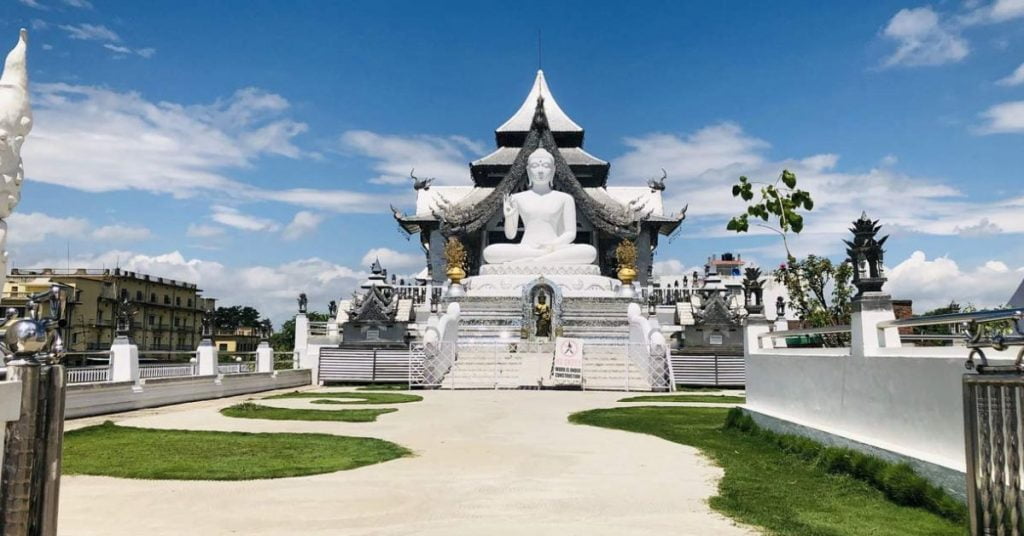
Bodhgaya is Buddhism’s most sacred site—the place where Prince Siddhartha became Buddha (the Awakened One) after meditating for 49 days under the Bodhi tree. The Mahabodhi Temple, a UNESCO World Heritage site, towers majestically above the spot of enlightenment, its architecture inspiring Buddhist temple design worldwide. The current Bodhi tree is a direct descendant of the original, propagated from cuttings taken to Sri Lanka centuries ago. Pilgrims from every Buddhist tradition converge here, creating an incredible multicultural spiritual atmosphere. Walking around the temple, you’ll encounter Tibetan monks performing prostrations, Thai devotees chanting, Japanese pilgrims meditating—all paying homage to this supreme sacred space.
Rajgir – Buddha’s Favorite Retreat
Nestled among five hills, Rajgir served as Buddha’s favorite monsoon retreat where he spent many rainy seasons teaching. Vulture’s Peak (Griddhakuta Hill) holds special significance as the location where Buddha preached important Mahayana sutras including the Lotus Sutra and Heart Sutra. The scenic ropeway journey to the summit offers breathtaking valley views and leads to a beautiful Japanese-built World Peace Pagoda. Rajgir also features ancient hot springs believed to have healing properties, Bamboo Grove (Venuvana) where Buddha stayed, and ruins of Nalanda University—the world’s first residential university dating to the 5th century CE.
Comprehensive Tour Package Options
4-Day Buddhist Circuit Express Package
Perfect for travelers with limited time, this compact package covers essential highlights. You’ll spend one day in Varanasi/Sarnath experiencing Buddha’s first teaching location, then travel to Bodhgaya for two full days exploring the Mahabodhi Temple, various international monasteries, and the giant Buddha statue. The final day includes a quick Rajgir visit before returning to Varanasi or continuing to Patna airport. While condensed, this package ensures you experience the three most critical Buddhist sites efficiently—ideal for those squeezing sacred travel between work commitments.
6-Day Complete Buddhist Trail Package
This popular mid-length package provides comfortable pacing without rushing. After thorough Varanasi and Sarnath exploration (2 days), you’ll journey to Bodhgaya for extended time (2-3 days) allowing participation in morning prayers, meditation sessions, and visits to diverse international Buddhist temples representing Thai, Bhutanese, Tibetan, Japanese, and Vietnamese traditions. The tour includes a full day in Rajgir covering Vulture’s Peak, hot springs, and the ancient Nalanda University ruins. This balanced itinerary offers deep spiritual immersion while maintaining comfortable travel rhythms.
8-Day Extended Buddhist Pilgrimage with Nalanda
For the ultimate Buddhist Circuit experience, this comprehensive package adds extra time at each destination plus additional sites like Kesariya Stupa (world’s tallest Buddhist stupa at 104 feet) and Vaishali (where Buddha announced his upcoming Mahaparinirvana). You’ll have ample opportunity for extended meditation, attending teachings if available, exploring lesser-known but significant sites, and truly absorbing each location’s spiritual atmosphere. This package particularly suits serious practitioners, scholars, and those desiring thorough immersion in Buddhist history and practice.
Customized Meditation and Retreat Packages
TripCosmos creates specialized packages for meditation practitioners seeking extended practice opportunities. These customized tours arrange accommodations at meditation centers rather than standard hotels, include participation in vipassana or Zen meditation retreats, coordinate meetings with resident monks and teachers, and allow flexible schedules accommodating intensive practice. Whether you’re seeking a 10-day silent meditation retreat at Bodhgaya or want to study Buddhist philosophy at a monastery, these personalized packages cater specifically to spiritual practice goals.
Detailed Itinerary: Day-by-Day Journey
Days 1-2: Varanasi and Sarnath Exploration
Your sacred journey begins in ancient Varanasi, where spiritual India reveals itself in all its intensity. After settling into your hotel, experience the mesmerizing evening Ganga Aarti ceremony at Dashashwamedh Ghat—an unforgettable introduction to Indian spirituality. The next morning, take a sunrise boat ride on the sacred Ganges before traveling to Sarnath.
At Sarnath, spend quality time at the Dhamek Stupa, the exact location where Buddha first taught the Dharma. Visit the Mulagandha Kuti Vihar temple with its beautiful frescoes depicting Buddha’s life, explore the excellent Archaeological Museum housing priceless Buddhist artifacts, and meditate in the peaceful deer park surroundings. The serene atmosphere here provides perfect preparation for the deeper pilgrimage ahead.
Day 3: Journey to Bodhgaya
The approximately 250-kilometer journey from Varanasi to Bodhgaya takes 6-7 hours by comfortable vehicle, passing through rural Bihar’s landscapes dotted with mango groves and small villages. Many tour packages break this journey with a lunch stop at Gaya, a significant Hindu pilgrimage site. Upon arrival in Bodhgaya, check into your hotel and rest, or take a gentle evening stroll around the Mahabodhi Temple complex to absorb its sacred atmosphere. The anticipation of being so close to Buddhism’s holiest site creates palpable excitement.
Days 4-5: Bodhgaya Sacred Sites
These days form your pilgrimage’s spiritual heart. Wake early to join morning prayers at the Mahabodhi Temple, when the atmosphere is most peaceful and powerful. Spend hours circumambulating the temple, meditating beneath the Bodhi tree (you can actually sit there!), and absorbing the devotional energy of pilgrims from around the world.
Visit diverse international monasteries showcasing different Buddhist traditions—the colorful Tibetan monastery with spinning prayer wheels, the elegant Thai monastery with intricate architecture, the peaceful Japanese temple, and the impressive Bhutanese monastery. Each offers unique perspectives on Buddhist practice and art. Don’t miss the 80-foot Great Buddha Statue, explore the Sujata Temple (where Sujata offered Buddha rice-milk before his enlightenment), and visit the Archaeological Museum documenting the region’s rich history.
Consider participating in meditation sessions offered by various temples, attending teachings if any resident lamas are offering them, or simply sitting in contemplative silence at this supremely sacred location. Many pilgrims describe experiencing profound peace and clarity at Bodhgaya that stays with them long after returning home.
Day 6: Rajgir and Nalanda Experience
After breakfast, journey to Rajgir (approximately 75 kilometers, 2 hours). Take the aerial ropeway to Vulture’s Peak for spectacular views and visit the World Peace Pagoda—its white marble gleaming against green hills creates stunning photo opportunities. Explore the ancient hot springs where locals still bathe, believing in their healing properties.
Visit the Bamboo Grove (Venuvana) monastery where Buddha spent several rainy seasons, then continue to magnificent Nalanda University ruins. Walking through these extensive archaeological remains, imagine this ancient university’s glory days when 10,000 students from across Asia studied subjects ranging from Buddhist philosophy to medicine, astronomy, and logic. The Nalanda Archaeological Museum displays artifacts recovered from excavations, helping visualize this learning center’s grandeur before its 12th-century destruction.
Major Attractions in the Buddhist Circuit
Sarnath’s Dhamek Stupa and Archaeological Museum
The imposing Dhamek Stupa dominates Sarnath’s skyline, its cylindrical brick structure adorned with intricate stone carvings. Built by Emperor Ashoka in 249 BCE, it marks the exact spot of Buddha’s first sermon. The Archaeological Museum, considered one of India’s finest, houses the stunning Ashoka Lion Capital—its four lions representing power, courage, pride, and confidence. The museum’s extensive collection includes Buddha statues in various mudras (hand positions), Bodhisattva figures, and inscriptions documenting Buddhism’s spread across Asia.
Mahabodhi Temple – The Heart of Buddhism
This 52-meter pyramidal temple represents Buddhist architecture’s pinnacle, its design influencing temple construction throughout Southeast Asia. The central sanctum contains a massive golden Buddha statue in meditation posture, while the sacred Bodhi tree grows behind the temple, its descendant branches spreading peace over the entire complex. The Vajrasana (Diamond Throne) beneath the tree marks the precise enlightenment spot. Pilgrims meditate in the temple’s various halls, circumambulate the structure chanting mantras, and offer flowers, candles, and prayers throughout the day and night.
Vulture’s Peak (Griddhakuta Hill) in Rajgir
This spiritually charged hilltop offered Buddha solitude for deep meditation and teaching. The rocky outcrop resembling a vulture’s head gives the peak its name. Buddha preached the Lotus Sutra, Perfection of Wisdom Sutras, and other important Mahayana texts here. The peaceful atmosphere, panoramic valley views, and palpable spiritual energy make Vulture’s Peak a highlight for many Buddhist Circuit travelers. Many pilgrims spend extended time meditating at the summit, feeling connected to the countless practitioners who’ve sought wisdom here across millennia.
Nalanda University Ruins – Ancient Learning Center
Nalanda represents humanity’s thirst for knowledge at its finest. Founded in the 5th century CE, this residential university attracted scholars from Tibet, China, Korea, Japan, and throughout Asia for nearly 800 years. The extensive ruins—lecture halls, meditation cells, stupas, and libraries—spread across 14 hectares. Chinese traveler Xuanzang’s detailed 7th-century accounts describe Nalanda’s magnificence: nine-story libraries, rigorous entrance examinations, and brilliant scholarly debates. Standing among these red brick ruins, you can almost hear ancient philosophical discussions echoing through time.
Tour Package Costs and Inclusions
Buddhist Circuit tour packages range significantly based on duration, accommodation level, and included experiences. Budget packages (4-6 days) cost approximately ₹20,000-₹35,000 ($240-$420) per person, including basic 2-3 star accommodations, shared transportation, breakfast, entry fees, and experienced guides. These economical options make sacred pilgrimage accessible to sincere practitioners regardless of financial means.
Mid-range packages (6-8 days) priced ₹40,000-₹70,000 ($480-$840) offer comfortable 3-4 star hotels, smaller groups, all meals, AC vehicles, and additional experiences like meditation sessions with monks or cultural performances. This price range balances comfort with authenticity—the most popular choice among international pilgrims.
Luxury packages (₹75,000-₹1,50,000+ or $900-$1,800+) provide premium 4-5 star accommodations, private transportation, gourmet vegetarian meals, personal guides, and exclusive experiences like private meditation instruction or meetings with senior lamas. These packages eliminate all logistical concerns, allowing complete focus on spiritual practice.
Most packages include accommodation (shared or private rooms), all transfers and transportation, breakfast (sometimes all meals), English-speaking Buddhist guide, entry fees to monuments and museums, and basic meditation session arrangements. Typically excluded are flights/trains to starting points, travel insurance, personal expenses, tips, and specialized meditation retreat fees. TripCosmos provides transparent pricing with detailed inclusions, ensuring no surprise expenses disrupt your spiritual journey.
Best Time to Visit the Buddhist Circuit
October to March offers ideal weather for Buddhist Circuit travel, with pleasant temperatures (10-25°C) perfect for meditation and extensive temple exploration. Clear skies enhance photography and provide comfortable outdoor experiences at sites like Vulture’s Peak.
November to February marks peak pilgrimage season when international Buddhist groups converge, creating rich multicultural atmosphere but also larger crowds at major sites. Important Buddhist festivals fall during this period—Buddha’s Mahaparinirvana (February), Chinese New Year celebrations at various monasteries, and Tibetan Losar (Tibetan New Year).
October-November and February-March offer the sweet spot—excellent weather with slightly fewer crowds than peak winter months. Temperatures remain comfortable, and you’ll still experience the international pilgrimage atmosphere without overwhelming throngs.
April-June brings intense heat (35-45°C), making outdoor exploration challenging though monasteries and temples remain accessible. This off-season offers significant cost savings and peaceful, uncrowded spiritual experiences—ideal for serious practitioners who don’t mind heat.
July-September monsoon season sees reduced tourism due to humidity and rain. However, the landscape turns lush green, prices drop dramatically, and sacred sites feel particularly serene. If you don’t mind occasional showers and can handle humidity, monsoon offers deeply peaceful pilgrimage opportunities.
Accommodation Options Along the Circuit
Monastery Guest Houses: Many international monasteries in Bodhgaya offer simple, clean guest accommodations at minimal cost (₹500-₹1,500 per night). Staying in monastery guest houses provides authentic spiritual immersion, opportunities to participate in daily prayers and meditation, and connections with resident monks. Facilities are basic but clean, with the profound advantage of waking to morning prayers and falling asleep to evening chanting.
Budget Hotels: Comfortable budget accommodations (₹1,500-₹3,000 per night) exist throughout the circuit, offering clean rooms with attached bathrooms, WiFi, and basic amenities. These practical options suit pilgrims prioritizing spiritual experience over luxury lodging.
Mid-Range Hotels: The 3-4 star category (₹3,500-₹7,000 per night) provides AC rooms, multi-cuisine restaurants, travel desks, and comfortable facilities while maintaining reasonable pricing. These hotels balance comfort with the circuit’s spiritual focus.
Luxury and Heritage Hotels: Bodhgaya features several luxury properties (₹8,000-₹20,000+ per night) offering spa facilities, gourmet vegetarian cuisine, meditation gardens, and premium services. Some organize teachings with respected lamas or private meditation sessions—perfect for those combining spiritual practice with comfort.
TripCosmos carefully selects accommodations matching your package level and preferences, ensuring restful environments supporting your pilgrimage’s sacred nature.
Travel Tips for Buddhist Circuit Pilgrims
Dress Modestly: Cover shoulders and knees when visiting temples and monasteries. Loose, comfortable cotton clothing suits the climate and respects sacred spaces. Bring a shawl for women and modest attire for both genders.
Respect Sacred Spaces: Remove shoes before entering temples, walk clockwise around stupas and sacred sites, avoid pointing feet toward Buddha images, and ask permission before photographing monks or ceremonies. These simple gestures show respect for Buddhist traditions.
Bring Meditation Essentials: Pack a meditation cushion or shawl for sitting comfortably during extended meditation sessions. Many pilgrims bring small offerings like flowers or incense for temple altars.
Stay Mindful of Health: The circuit involves significant walking—wear comfortable shoes. Carry water bottles, hand sanitizer, and basic medications. Stick to bottled water and be cautious with street food. Many pilgrims follow vegetarian diets during this sacred journey.
Participate in Morning Sessions: Wake early for morning prayers and meditation when temple energy is most powerful and crowds minimal. These pre-dawn hours offer the most authentic spiritual experiences.
Hire Knowledgeable Guides: Expert guides transform site visits from simple sightseeing to profound learning experiences. TripCosmos provides guides well-versed in Buddhist history, philosophy, and practice who enhance understanding dramatically.
Allow Contemplation Time: Don’t over-schedule. Build in quiet time for personal reflection, journaling, or simply sitting in sacred spaces. The Buddhist Circuit’s power lies not in rushing between monuments but in deep presence at each location.
Conclusion
The Varanasi Bodhgaya Rajgir tour package offers far more than a conventional vacation—it’s a transformative pilgrimage through Buddhism’s most sacred geography. Walking where Buddha walked, meditating where he attained enlightenment, and absorbing teachings at their original locations creates profound connections impossible to replicate through books or lectures alone.
Whether you’re a devoted Buddhist practitioner seeking deeper connection to your faith’s roots, a spiritual seeker exploring different wisdom traditions, or a history enthusiast fascinated by ancient civilizations, the Buddhist Circuit delivers extraordinary experiences. The peaceful temples, ancient stupas, scholarly ruins, and international pilgrimage atmosphere combine to create journeys that touch the soul and often spark lasting transformation. North India Spiritual Tour from Varanasi – 7 Day Plan
With packages ranging from budget-friendly to luxurious, durations from compact to comprehensive, and options for meditation retreats or cultural exploration, there’s a perfect Buddhist Circuit tour for every traveler. The costs remain remarkably reasonable considering the priceless spiritual experiences received.
Ready to walk in Buddha’s footsteps? TripCosmos specializes in creating meaningful Buddhist Circuit pilgrimages with experienced guides, comfortable logistics, and deep respect for these sacred sites’ spiritual significance. Your journey toward enlightenment—or simply greater peace—begins here.
Frequently Asked Questions
u003cstrongu003e1. Do I need to be Buddhist to take a Buddhist Circuit tour?u003c/strongu003e
Absolutely not! While the Buddhist Circuit holds special significance for Buddhist practitioners, these tours welcome everyone regardless of religious background. Many Hindu, Christian, and secular travelers find profound meaning exploring Buddhism’s birthplace, attracted by the philosophy’s universal messages of compassion, mindfulness, and inner peace. Tour guides provide historical and spiritual context accessible to all backgrounds. Sacred sites welcome respectful visitors of any faith or none. However, maintaining an open, respectful attitude toward Buddhist practices and traditions enhances the experience significantly. TripCosmos creates inclusive tours celebrating Buddhism’s wisdom while welcoming diverse perspectives.
u003cstrongu003e2. What is the best way to travel between Varanasi, Bodhgaya, and Rajgir?u003c/strongu003e
Private AC vehicles offer the most comfortable, flexible option, included in most tour packages. The Varanasi-Bodhgaya journey (250 km) takes 6-7 hours, while Bodhgaya-Rajgir (75 km) requires approximately 2 hours. Roads have improved significantly in recent years. Train options exist but involve inconvenient schedules and stations far from town centers. Buses are economical but less comfortable for international travelers. TripCosmos packages include comfortable private or shared vehicles with experienced drivers familiar with routes, ensuring safe, efficient travel between sacred sites while you relax and absorb the spiritual journey.
u003cstrongu003e3. Can I participate in meditation sessions and teachings during the tour?u003c/strongu003e
Yes! Many monasteries and meditation centers along the Buddhist Circuit offer drop-in meditation sessions, typically during early morning and evening. Bodhgaya especially features numerous opportunities—Tergar Monastery, Root Institute, and various Thai and Tibetan temples regularly host sessions open to visitors. Some resident lamas offer teachings when available, though schedules vary seasonally. Extended meditation retreats (3-10 days) require advance booking. TripCosmos can arrange participation in appropriate sessions matching your experience level and interests, from beginner instruction to advanced practice. Inform your tour operator about meditation interests when booking for optimized scheduling.
u003cstrongu003e4. Is the Buddhist Circuit tour suitable for elderly travelers or those with mobility challenges?u003c/strongu003e
The Buddhist Circuit can accommodate various mobility levels with proper planning. Mahabodhi Temple and most monasteries have accessible pathways, though some areas involve stairs. Vulture’s Peak requires ropeway (cable car) or climbing—the ropeway makes it accessible for most travelers. Nalanda involves walking across extensive grounds with uneven surfaces. TripCosmos customizes itineraries for elderly or mobility-challenged travelers, arranging wheelchair-accessible vehicles, hotels with elevators, assistance at sites, appropriate pacing with rest periods, and skipping physically demanding locations if necessary. Advance notification ensures proper arrangements for comfortable, meaningful pilgrimage regardless of physical limitations.
u003cstrongu003e5. What souvenirs or sacred items can I bring back from the Buddhist Circuit?u003c/strongu003e
The Buddhist Circuit offers meaningful souvenirs reflecting your spiritual journey. Popular items include prayer beads (malas) made from sandalwood or bodhi seeds, blessed by monks at sacred sites; small Buddha statues in various mudras; thangka paintings (Tibetan Buddhist art); incense from Bodhgaya temples; leaves from the Bodhi tree (naturally fallen, never plucked); Buddhist texts and sutras in multiple languages; meditation cushions; prayer flags; and photographs (always ask permission at sacred sites). Monastery shops and ethical vendors around Mahabodhi Temple offer authentic items, with proceeds often supporting monastic communities. TripCosmos guides help identify authentic, ethically-sourced items while avoiding commercial tourist traps, ensuring your souvenirs carry genuine spiritual significance.



Comments are closed.