
Varanasi Darshan Plan for People Staying Near Assi Ghat , Staying near Assi Ghat positions you in one of Varanasi’s most charming, accessible neighborhoods—a vibrant area favored by long-term travelers, spiritual seekers, and those preferring slightly quieter surroundings compared to central ghat chaos.
Your strategic southern location offers distinct advantages for comprehensive Varanasi darshan, with walking-distance access to several important sites, easy boat ride initiation points, and proximity to local cafés, restaurants, and services. This comprehensive guide provides optimized darshan plans specifically tailored for Assi Ghat-based travelers, maximizing your neighborhood’s advantages while efficiently covering Varanasi’s essential spiritual sites through thoughtful routing and timing strategies.

Understanding Assi Ghat’s Strategic Position
Assi Ghat marks Varanasi’s southern boundary along the sacred riverfront, where the small Assi River meets the Ganges at a mythologically significant confluence point. This location places you approximately 5-7 kilometers south of Kashi Vishwanath Temple and central ghat areas, creating both advantages and considerations for darshan planning.
Advantages include the neighborhood’s relatively relaxed atmosphere with less aggressive touting, cleaner streets compared to congested old city areas, excellent café and restaurant density offering diverse dining options, concentration of yoga centers and spiritual programs, easy walking access to several important temples, and simplified morning boat ride logistics since you’re already ghat-side. The area attracts substantial international traveler presence, creating cosmopolitan energy while maintaining authentic local character.
Considerations involve the distance from central attractions like Kashi Vishwanath Temple requiring either walks of 45-60 minutes through interesting but complex lanes, or short auto-rickshaw/taxi rides. However, this distance proves manageable with proper planning and actually creates natural pacing—preventing temple-hopping overload while encouraging focused, meaningful engagement at each location.
Optimized Day-by-Day Darshan Itinerary
Morning Routine Starting from Assi (5:30 AM – 9:00 AM)
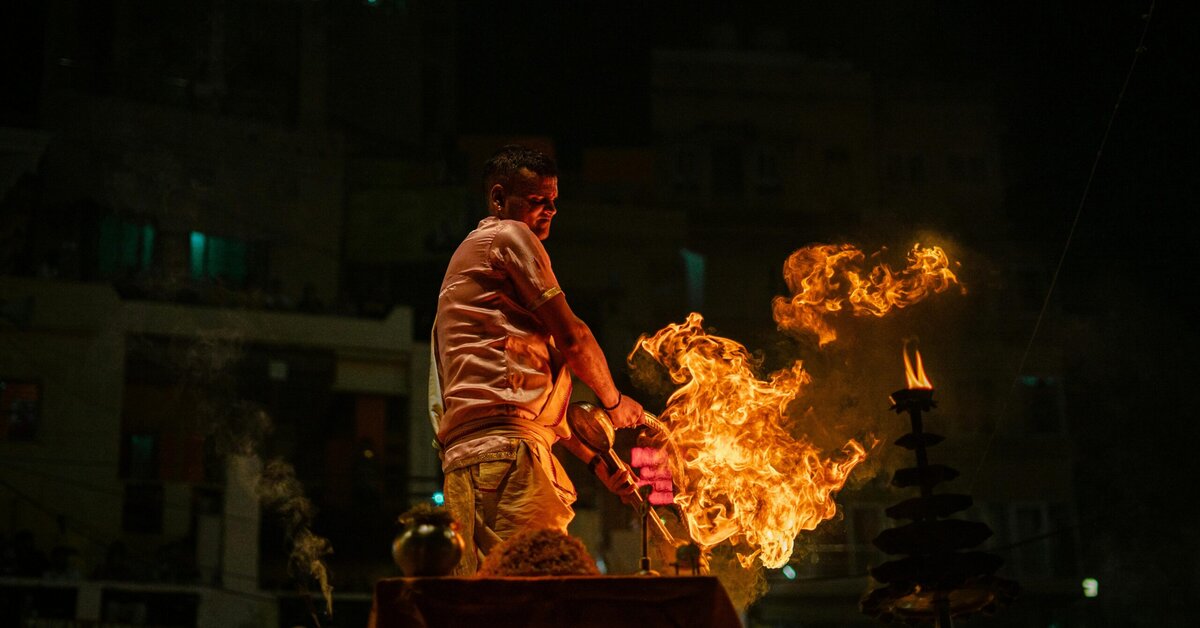
Your darshan day ideally begins with the morning Assi Ghat aarti (around 5:30-6:00 AM), a more intimate ceremony compared to Dashashwamedh’s massive evening spectacle. The smaller scale allows closer observation of ritual details and genuine local participation less dominated by tourist presence. The early timing might challenge non-morning people, but experiencing this traditional devotional practice within walking distance of your accommodation offers unparalleled convenience.
Following aarti, embark on your sunrise boat ride directly from Assi Ghat (6:00-7:15 AM). Boatmen congregate here mornings offering competitive rates, and your proximity means no pre-dawn taxi searches. The boat journey northward passes 20-30 ghats, showcasing Varanasi’s architectural and spiritual diversity while morning light transforms the riverscape into golden magnificence. This represents Varanasi’s quintessential experience, and initiating it steps from your accommodation maximizes convenience.
Return to shore around 7:15 AM, proceeding to one of Assi’s excellent cafés for breakfast (7:30-8:30 AM). Brown Bread Bakery, Pizzeria Vatika, or numerous rooftop restaurants offer river views, quality coffee, diverse menus, and comfortable seating—perfect for processing the morning’s profound impressions while planning the day ahead.
Mid-Morning Temple Circuit (9:00 AM – 1:00 PM)
Begin temple visits around 9:00 AM after breakfast digestion and before midday heat peaks. From Assi Ghat, several routing options exist depending on your energy levels and interests:
Walking Route (For Energetic Explorers): Walk north along the ghats or through parallel lanes toward central areas. This 45-60 minute walk passes smaller, lesser-known temples, offers authentic neighborhood observations, and provides adventurous exploration. However, lanes are confusing for first-timers—consider hiring local guides or using GPS navigation apps, though be prepared for GPS unreliability in dense old city areas.
Auto-Rickshaw Route (Balanced Approach): Hire auto-rickshaws (₹50-80 from Assi to Godowlia/Dashashwamedh area) for efficient transport to central temple zones, preserving energy for temple visits and darshan rather than exhausting yourself with long walks in heat. This represents optimal balance for most travelers.
Visit Tulsi Manas Temple first, located along the main road between Assi and Durga Temple. Built where Tulsidas composed the Ramcharitmanas, this marble temple features walls inscribed with devotional verses. The spacious, peaceful premises offer contemplative atmosphere (30-45 minutes).
Continue to Durga Temple (also called Monkey Temple) recognizable by distinctive red coloring and resident monkey population. This goddess temple attracts substantial local devotion, offering authentic worship observation. Exercise caution around monkeys—they’re accustomed to humans but can grab food or belongings aggressively (30-45 minutes).
Proceed to Sankat Mochan Hanuman Temple, one of Varanasi’s most beloved shrines. Established by Tulsidas, this temple draws massive crowds during Tuesdays and Saturdays (Hanuman’s auspicious days). The spiritual energy here is palpable, and observing devotees’ fervent devotion provides moving insights into Hindu bhakti traditions (45-60 minutes).
Lunch Break and Rest (1:00 PM – 4:00 PM)
Return to Assi Ghat area for lunch at local restaurants serving authentic North Indian cuisine or familiar Western options at traveler-oriented cafés. The mid-day break prevents heat exhaustion and allows processing morning experiences. Return to your accommodation for rest, crucial in Varanasi’s climate. Use this time for shower, nap, laundry, or simply relaxing at riverside cafés with books or journals.
Afternoon Activities (4:00 PM – 6:00 PM)
Varanasi Darshan Plan for People Staying Near Assi Ghat , Resume activities around 4:00 PM when temperatures moderate. Options include visiting Banaras Hindu University campus to see the New Vishwanath Temple—a magnificent modern temple with spacious grounds providing stark architectural contrast to ancient city temples. The campus’s tree-lined roads and open spaces offer welcome respite from old city congestion (accessible via auto-rickshaw, ₹40-60 from Assi).
Alternatively, explore local markets and shops near Assi Ghat for handicrafts, spiritual items, clothing, or simply cultural immersion through market atmospheres. Or participate in yoga or meditation sessions that numerous Assi-area centers offer during evening hours.
Evening Ganga Aarti Experience (6:30 PM – 9:00 PM)
The evening’s highlight involves traveling to Dashashwamedh Ghat for the spectacular Ganga Aarti ceremony (begins around 6:45-7:00 PM). From Assi, reach Dashashwamedh via:
- Boat: Pre-arrange evening boat rides (₹100-150 per person shared, ₹500-800 private) offering unique water-level perspectives as aarti unfolds. Boats position you away from ghat crowds while providing excellent photographic angles and atmospheric experiences.
- Auto-Rickshaw: Travel by road (₹60-100, approximately 20-30 minutes depending on traffic), arriving early to secure good viewing positions on ghat steps or platforms.
The synchronized priest ceremony with massive brass lamps, devotional chants, bells, and spiritual fervor creates unforgettable impressions. Allow 60-90 minutes for the complete experience including arrival, aarti ceremony, and post-ceremony absorption.
Dinner at numerous riverside restaurants near Dashashwamedh (8:30-9:30 PM) caps the evening before returning to Assi by auto-rickshaw or pre-arranged cab, concluding your comprehensive yet manageable first day.
Day Two: Central Temple Focus and Sarnath (Full Day)
For travelers staying multiple nights, day two focuses on central Varanasi’s core temples and the Sarnath Buddhist site:
Begin with Kashi Vishwanath Temple early morning (7:00-8:30 AM) to avoid peak crowds. This most sacred Shiva temple requires navigating tight old city lanes and strict security (no cameras, bags deposited). The darshan experience is profound despite crowds and restrictions. Adjacent Annapurna Temple honors the goddess of nourishment and complements Vishwanath’s masculine Shiva energy.
Mid-morning excursion to Sarnath (9:30 AM – 1:00 PM) explores where Buddha delivered his first sermon. Located 10 kilometers from central Varanasi, this peaceful archaeological site with Dhamek Stupa, meditation gardens, and excellent museum provides contemplative contrast to Hindu intensity. Auto-rickshaws charge ₹400-600 round-trip including waiting time.
Afternoon activities include visiting Kal Bhairav Temple (fierce Shiva manifestation worshipped as Varanasi’s guardian) and additional lesser-known temples based on specific spiritual interests or simply returning to Assi for relaxation.
Walking Routes from Assi Ghat
For energetic explorers, Assi’s location enables rewarding walking explorations:
Ghat Walk North: Walk along the riverfront ghats from Assi toward central areas (2-3 km to Dashashwamedh). This route passes multiple ghats—each with unique character, architecture, and activities. Early morning or late afternoon timing offers comfortable temperatures and optimal lighting. The walk takes 45-90 minutes depending on pace and photography stops.
Lane Walk Through Neighborhoods: Navigate inland lanes parallel to the river, experiencing authentic residential Varanasi away from tourist circuits. However, lanes are genuinely confusing—download offline maps, take photos at turns for retracing steps, or hire local guides (₹500-800 for 2-3 hour walking tours).
Transportation Options from Assi
Auto-Rickshaws remain the most practical transportation, abundantly available near Assi Ghat. Negotiate fares beforehand or use metered rides. Typical fares: Assi to Godowlia ₹50-80, Assi to BHU ₹40-60, Assi to Sarnath ₹200-250 one-way.
Cycle Rickshaws offer slower, more atmospheric transportation for shorter distances, though less practical for longer routes or multiple passengers with luggage.
Bikes and Scooter Rentals (₹200-400 per day) available near Assi provide independent mobility, though navigating chaotic Varanasi traffic requires confidence and experience. Parking near major temples can be challenging.
Walking works wonderfully within the Assi neighborhood itself and for adventurous souls wanting authentic lane experiences to central areas.
Assi Ghat Area Amenities
The neighborhood offers comprehensive services enhancing your stay:
Dining: Exceptional café and restaurant concentration—Brown Bread Bakery (Israeli cuisine, excellent coffee), Pizzeria Vatika (Italian), Open Hand Café (organic, health-conscious), and numerous traditional Indian restaurants offering thalis, chaat, and regional specialties.
Yoga and Wellness: Multiple centers offer drop-in classes—Yoga Vidya Mandir, Hari Om Yoga Vidya School, and various independent teachers. Morning and evening sessions accommodate diverse schedules.
Shopping: Local shops sell spiritual items (malas, incense, statues), clothing, handicrafts, and books. Prices are generally more reasonable than central tourist areas, though still require negotiation.
Services: Internet cafés, laundry services, medical clinics, pharmacies, and ATMs cluster near Assi, providing convenient access to necessities.
Accommodation Considerations Near Assi
Staying near Assi means you’re typically 5-15 minute walks from the ghat itself. Properties directly ghat-facing command premiums for river views but offer unmatched convenience. Those 2-3 lanes inland cost significantly less while maintaining easy access. Consider:
Proximity to Ghat: Balance view premiums against budget constraints. Even properties 10-minute walks away provide easy access.
Noise Levels: Ghat-front locations experience early morning activity noise from aarti and boat preparations. Lighter sleepers might prefer slightly inland properties.
Lane Accessibility: Some guesthouses lie deep in narrow lanes accessible only by foot—inconvenient for heavy luggage but offering authentic atmosphere.
Cultural Tips for Assi Area
Assi attracts substantial Western traveler presence, creating somewhat different dynamics than purely local neighborhoods:
Respect Local Residents: Despite tourist infrastructure, this remains a residential area where families live. Dress modestly (covering shoulders and knees), maintain reasonable noise levels, and behave respectfully.
Market Negotiations: Vendors near Assi are accustomed to tourists and price accordingly. Negotiation remains standard—expect to pay 50-70% of initial quotes through friendly haggling.
Scam Awareness: The traveler concentration attracts some less scrupulous operators. Book tours, guides, and services through established agencies or hotel recommendations rather than street approaches.
Evening Safety: The area is generally safe, but exercise normal precautions during late night walks—stick to better-lit main roads, travel in groups if possible, and keep valuables secure.
Optimal Duration for Assi-Based Darshan
2-3 nights allow comfortable coverage of major temples, both morning and evening aarti experiences, a Sarnath visit, and adequate rest between activities without feeling rushed. This duration enables settling into Assi’s rhythm while accomplishing comprehensive darshan.
4-5 nights suit those wanting deeper immersion—repeating favorite experiences, exploring lesser-known temples, participating in yoga or learning programs, or simply absorbing Varanasi’s atmosphere without schedule pressure.
Single night proves challenging but feasible for time-constrained travelers, requiring focused prioritization of absolute must-see experiences.
Conclusion
Staying near Assi Ghat provides ideal foundation for comprehensive Varanasi darshan, combining convenient access to essential spiritual sites with a more manageable, less overwhelming home base compared to congested central areas. The neighborhood’s excellent infrastructure—quality dining, wellness facilities, and services—supports comfortable extended stays while maintaining authentic character and easy connectivity to all major temples and ghats.
Through strategic planning leveraging Assi’s position, travelers accomplish meaningful darshan while enjoying one of Varanasi’s most livable, pleasant neighborhoods—proving that optimal spiritual journeys balance profound temple experiences with sustainable, comfortable daily rhythms that nourish both soul and body.
Frequently Asked Questions
Q1: Is it better to walk or take auto-rickshaws from Assi to central temples?
The optimal choice depends on your physical fitness, time availability, weather conditions, and exploratory temperament. Walking advantages include authentic neighborhood observation, discovering unexpected temples and scenes, exercise, zero cost, and avoiding auto-rickshaw negotiations. The 2-3 km walk from Assi to central areas takes 45-75 minutes through atmospheric lanes, rewarding for adventurous explorers. However, walking challenges include navigation difficulty (lanes are genuinely confusing, GPS often fails), heat exhaustion risk during summer months, physical demands for those with mobility limitations, and time consumption reducing temple darshan time. Auto-rickshaws offer practical solutions—quick transport (20-30 minutes), minimal physical exertion preserving energy for temple visits, straightforward routing, and reasonable costs (₹50-80 to Godowlia/central areas). Recommended balanced approach: Take auto-rickshaws for initial trips while learning routes, then attempt walking when feeling more oriented. Or walk one direction (perhaps morning when cooler) and rickshaw return (avoiding afternoon heat). Morning walks toward central areas followed by afternoon rickshaw returns often work well. Consider hiring guides for first walking explorations—they navigate confidently while providing cultural context (₹500-800 for 2-3 hours).
Q2: Can we cover Kashi Vishwanath Temple and other central temples in one morning from Assi?
Yes, but requires early start and realistic prioritization. Departing Assi by 7:00-7:30 AM via auto-rickshaw reaching central areas by 7:30-8:00 AM allows visiting Kashi Vishwanath Temple, Annapurna Temple, and 1-2 additional nearby temples (Vishwanath Temple complex includes several shrines) before midday heat becomes oppressive and temples close for afternoon breaks (typically 12:00-4:00 PM at many locations). Kashi Vishwanath’s security procedures and potential queues consume 45-90 minutes alone. Adjacent Annapurna Temple adds 20-30 minutes. This timeline allows 3-4 hour morning window for central temple circuit before returning to Assi for lunch and rest. However, don’t over-schedule—attempting 8-10 temples produces rushed, superficial experiences. Focus on 3-5 temples visited meaningfully rather than checking boxes at twice that number without genuine engagement. If you want comprehensive coverage, split central temples across two mornings or dedicate full days with afternoon rest breaks factored in. Morning Kashi Vishwanath darshan followed by afternoon (post-4:00 PM) visits to Sankat Mochan and Durga temples (both accessible from Assi area) creates manageable, geographically logical routing avoiding backtracking and excessive travel.
Q3: What’s the best way to experience both Assi and Dashashwamedh Ganga Aartis?
Experiencing both aartis provides contrasting perspectives on Varanasi’s spiritual life—Assi’s intimate local ceremony versus Dashashwamedh’s grand tourist-oriented spectacle. Optimal scheduling: Attend Assi morning aarti (5:30-6:00 AM) which involves minimal effort since you’re staying nearby—simply wake early and walk to the ghat within 5-10 minutes. This smaller ceremony with predominantly local participation offers authentic devotional atmosphere and convenient morning boat ride initiation immediately following. On the same day or a different evening, attend Dashashwamedh evening aarti (6:45-7:00 PM) by auto-rickshaw (₹60-100, 20-30 minutes) or pre-arranged boat from Assi (₹500-800 for private boat, ₹100-150 per person shared). The massive evening ceremony with seven priests performing synchronized rituals provides spectacular, unforgettable experiences—the scale, coordination, and spiritual intensity create profound impressions. Viewing options: Watch from ghat steps (free but crowded, arrive 30-45 minutes early for decent spots), reserved platform seating (₹300-500, pre-arrange through tour operators), or from boats positioned on the river (₹500-1,000 for private boats, unique perspectives avoiding crowds). Both aartis prove worthwhile—Assi for authentic intimacy, Dashashwamedh for spectacular grandeur. Budget 90-120 minutes total for each experience including travel, ceremony, and post-ceremony absorption.
Q4: Are there good vegetarian/vegan food options near Assi Ghat?
Assi Ghat area offers exceptional vegetarian and vegan options—arguably Varanasi’s best concentration of quality vegetarian dining. Varanasi’s strong Hindu vegetarian culture means pure vegetarian food is ubiquitous and excellent. The Assi neighborhood particularly caters to international travelers, yoga practitioners, and health-conscious visitors, resulting in diverse high-quality options. Top recommendations: Brown Bread Bakery features Israeli/Mediterranean cuisine with excellent hummus, falafel, salads, smoothies, and fresh-baked goods—popular with long-term travelers and locals alike. Pizzeria Vatika serves Italian food including pizzas, pasta, and good coffee in pleasant garden setting. Open Hand Café specializes in organic, health-conscious preparations with substantial vegan options. Dosa Café offers South Indian specialties—dosas, idlis, uttapams—all naturally vegetarian. Numerous traditional North Indian restaurants serve thalis, sabzis, and regional specialties that are inherently vegetarian. For vegans, specify “no ghee, no paneer, no curd” when ordering, and staff generally accommodate well. The international café scene means Western vegan concepts (almond milk, tofu, etc.) are understood unlike more traditional Indian areas. Prices remain reasonable—₹100-250 for satisfying meals at quality establishments. The density and quality of vegetarian/vegan options near Assi actually surpass many Western cities, making it ideal for plant-based eaters.
Q5: Should we book a guide for our entire stay or just for specific temple visits?
The optimal approach depends on your travel style, budget, prior India experience, and desired independence level. Full-time guide advantages (₹1,500-2,500 per day): Comprehensive cultural education, efficient navigation without getting lost, handling all logistics, language assistance, and scam protection throughout your stay. This works well for first-time India visitors wanting maximum support and those prioritizing deep cultural learning over independent discovery. Disadvantages: Significant daily cost, reduced spontaneity and independence, potential guide fatigue (both yours from constant information and theirs from extended engagement), and less authentic solo wandering experiences. Selective guide approach (recommended for most travelers): Hire guides for specific challenging activities—Kashi Vishwanath Temple and central old city temple circuit where navigation is genuinely difficult and cultural context most valuable (₹800-1,200 for 3-4 hours). Explore Assi neighborhood, riverside walks, and familiar cafés independently where getting lost poses minimal risk and solo exploration brings rewards. This balanced approach provides professional support when most beneficial while maintaining independence and budget-consciousness. Completely independent approach: Feasible for experienced India travelers comfortable with navigation uncertainty and willing to research extensively. However, even seasoned travelers often report that guides enriched Varanasi experiences significantly—the city’s complexity and spiritual density benefit from expert interpretation.