
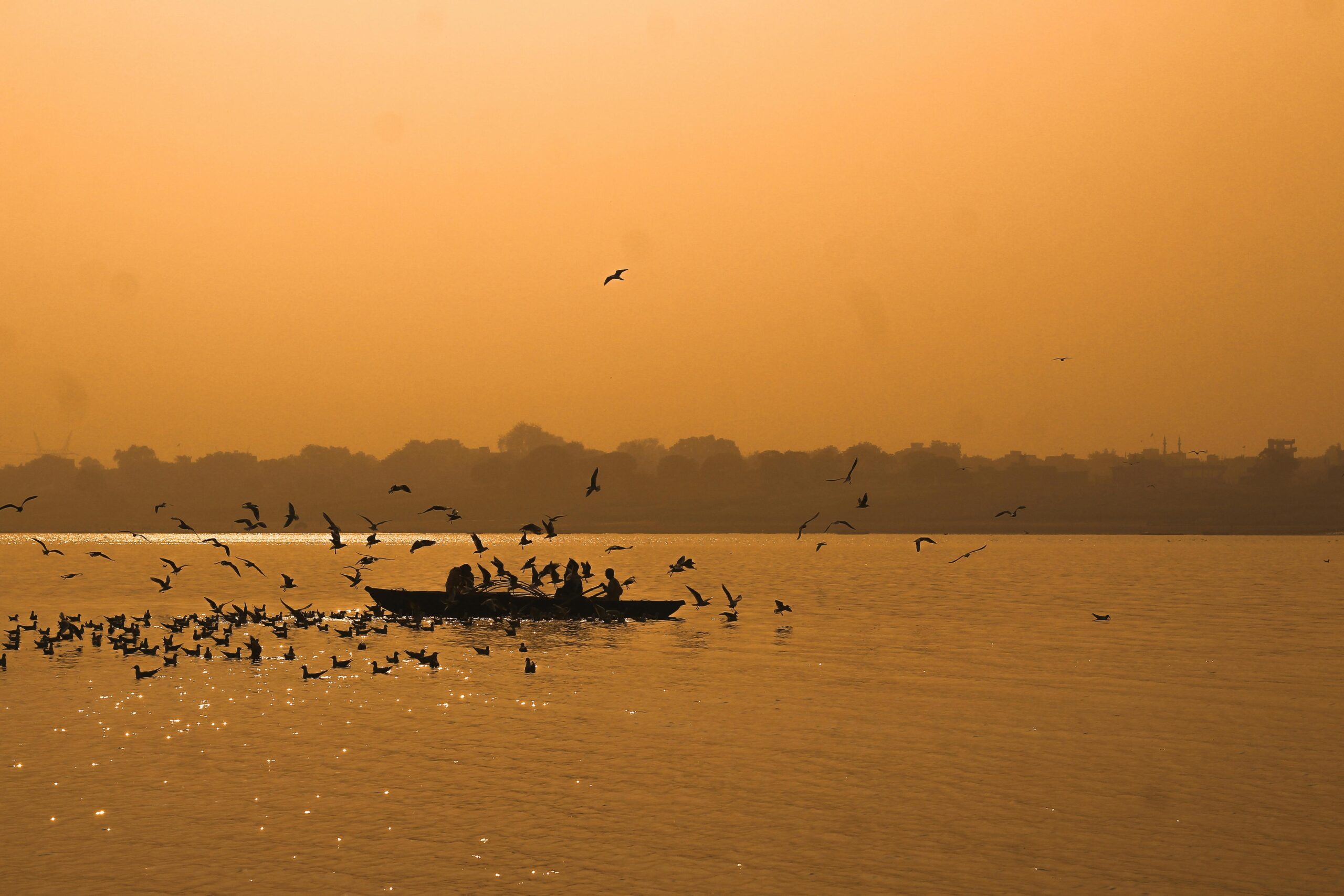
Varanasi Early Morning Boat Ride Booking (5 AM–7 AM Slot) , The early morning boat ride on the Ganges in Varanasi represents one of India’s most transcendent experiences, where spirituality, culture, and natural beauty converge in magical harmony. The 5 AM–7 AM time slot captures the city at its most ethereal—when the first rays of sunlight paint the ancient ghats in golden hues, morning mist rises from the sacred river, and thousands of devotees begin their daily rituals along the water’s edge. This comprehensive guide explores everything you need to know about booking and experiencing this quintessential Varanasi sunrise boat ride that transforms a simple river journey into a profound spiritual awakening.
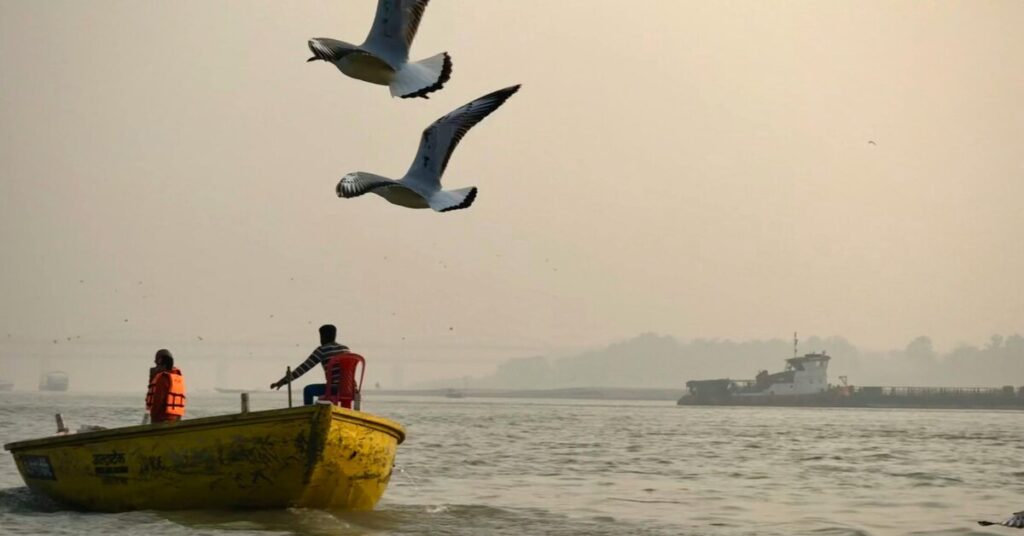
Why the Early Morning Slot is Special
Varanasi Early Morning Boat Ride Booking (5 AM–7 AM Slot) , The pre-dawn hours in Varanasi offer atmospheric conditions and human activities that occur at no other time. As darkness gradually yields to dawn, the Ganges transforms from a mysterious dark ribbon into a shimmering expanse reflecting the emerging sky’s changing colors—deep purple transitioning to pink, orange, and finally brilliant gold. This natural light show creates photographer’s paradise and contemplative atmosphere impossible to replicate during other hours.
Varanasi Early Morning Boat Ride Booking (5 AM–7 AM Slot) ,The early morning witnesses Varanasi’s most authentic spiritual life unfolding without tourist crowds that dominate later hours. Hindu devotees perform sacred bath rituals called “snaan” believing the Ganges’ waters at dawn hold maximum purifying power. You’ll observe elaborate morning prayers, yoga practitioners assuming poses on stone steps, priests conducting private pujas for families, and sadhus meditating in profound stillness—all genuine expressions of faith untainted by performance for tourists.
Varanasi Early Morning Boat Ride Booking (5 AM–7 AM Slot) , The cooler temperatures between 5-7 AM make the experience physically comfortable, particularly crucial during Varanasi’s scorching summers when midday heat becomes oppressive. The calm morning air carries sounds with crystalline clarity—temple bells, devotional chants, splashing water, and bird calls create a natural symphony enhancing the spiritual ambiance. Morning breezes are gentle, keeping the river calm and boat rides smooth, unlike afternoon winds that can create choppy conditions.
What You’ll Experience During the Ride
Varanasi Early Morning Boat Ride Booking (5 AM–7 AM Slot) , Your early morning boat ride typically begins at major ghats like Dashashwamedh, Assi, or Manikarnika, though pickup points can be customized when booking. As the wooden boat glides away from shore, the perspective shift is immediately striking—what appears chaotic from land reveals itself as harmonious pattern from the water. The continuous stretch of ghats, temples, and palaces lining the riverbank creates a visual narrative of Varanasi’s 3,000-year history.
Varanasi Early Morning Boat Ride Booking (5 AM–7 AM Slot) , The boat moves slowly upstream or downstream depending on your route, typically covering 15-25 ghats during the standard one-hour journey. Your boatman, often multi-generational in this profession, narrates brief histories and significance of major landmarks—pointing out Panchganga Ghat where five rivers mythologically converge, the Alamgir Mosque’s distinctive minarets, and the various akhadas (wrestling gymnasiums) where traditional physical training continues unchanged for centuries.
Varanasi Early Morning Boat Ride Booking (5 AM–7 AM Slot) , The cremation ghats, particularly Manikarnika and Harishchandra, present profound encounters with Hindu death rituals. From the respectful distance boats maintain, you witness the sacred final rites conducted continuously throughout day and night. While initially confronting for many visitors, this direct acknowledgment of mortality within the flow of daily life offers philosophical insights into Hindu concepts of life, death, and liberation that words alone cannot convey.
Varanasi Early Morning Boat Ride Booking (5 AM–7 AM Slot) , You’ll pass devotees standing waist-deep in water performing elaborate prayer sequences, women washing clothes on stone steps in rhythms perfected over lifetimes, children playing fearlessly in the holy waters, and priests offering blessings under colorful umbrellas. These authentic moments of daily life unfolding naturally around you create the ride’s emotional resonance—you’re not merely observing but becoming briefly part of Varanasi’s eternal rhythms.
Booking Options and Arrangements
Private Boat Bookings offer exclusive use for your group (2-8 people typically), providing privacy and flexibility to pause at ghats that particularly interest you. Prices range from ₹500-1,200 depending on boat size and season, with peak winter months commanding premium rates. Private bookings allow personal interaction with your boatman, creating space for questions and deeper conversations about what you’re witnessing.
Shared Boat Tours accommodate multiple tourists, reducing per-person costs to ₹150-300 per person. While more economical, shared arrangements mean less flexibility about stopping points and pace. The group dynamic can either enhance or diminish the experience depending on fellow passengers’ behavior—respectful fellow travelers sharing awe can create communal bonding, while loud or disruptive passengers can detract from the contemplative atmosphere.
Hotel-Arranged Bookings through your accommodation often include transportation from hotel to ghat and back, eliminating navigation challenges through Varanasi’s pre-dawn streets. Hotels partner with trusted boatmen, providing reliability and accountability, though prices typically run 20-30% higher than direct bookings reflecting the convenience premium and commission structures.
Tour Company Packages from established operators include guides providing detailed commentary, sometimes with breakfast arrangements and combined packages adding other morning activities. These structured experiences work well for first-time visitors wanting comprehensive context, though they sacrifice some spontaneity and intimate discovery that simpler arrangements allow.
Direct Ghat Bookings made by approaching boatmen at ghats represent the most economical option but require negotiation skills and vigilance about fair pricing. Early morning hours actually facilitate better direct deals as boatmen eager to start their day often quote reasonable rates without extended haggling. However, this approach lacks pre-trip certainty and requires arriving at ghats in darkness to negotiate, which some travelers find uncomfortable.
Best Ghats for Departure
Dashashwamedh Ghat, Varanasi’s most famous ghat and venue for evening Ganga Aarti, offers central location and abundant boat availability. Its prominence means guaranteed easy booking but also more tourist presence even at dawn. Boats departing here typically move toward Manikarnika Ghat and beyond, covering the most iconic stretch of ghats and temples.
Assi Ghat at the southern end provides slightly quieter, more local atmosphere with significant spiritual importance as the confluence point of Assi and Ganges rivers. Many long-term visitors and spiritual seekers prefer Assi for its somewhat more authentic, less commercialized energy. Boats from here usually proceed north toward central ghats, offering comprehensive coverage.
Manikarnika Ghat departures position you immediately at the main cremation ghat, beginning your journey with profound encounters with death rituals before proceeding to other ghats. This creates powerful introductory impact but isn’t suitable for all temperaments—some prefer building up to cremation ghat observations rather than starting there.
Practical Booking Considerations
Advance Booking Timing: Book at least 1-2 days ahead during regular seasons, but 3-7 days advance for peak winter months (November-February) and major festivals when demand far exceeds supply. Last-minute morning bookings are possible by arriving at ghats around 4:45-5:00 AM, though this involves risk of unavailability or inflated prices.
Communication and Confirmation: Ensure you receive written confirmation via WhatsApp, email, or text message including boatman’s name and contact number, exact pickup location and timing, agreed price, and approximate duration. This documentation prevents misunderstandings and provides recourse if issues arise.
Transportation to Ghats: Coordinate morning transportation to your departure ghat, as the 5 AM start time precedes most public transportation availability. Many hotels arrange early morning drop-offs, or you can pre-book auto-rickshaws or cabs. If staying near ghats, walking in the pre-dawn darkness requires vigilance about uneven paths and street lighting limitations.
Essential Preparation Tips
Early Wake-Up Requirements: Set multiple alarms for 4:00-4:15 AM allowing time for quick freshening up and reaching the ghat by 5:00 AM. The early hour challenges many travelers, but missing sunrise defeats the experience’s primary purpose. Prepare clothing and belongings the night before to minimize morning complications.
Appropriate Clothing: Wear layers as morning temperatures can be surprisingly cool even during warmer seasons, with riverside breezes adding chill factor. Modest clothing respecting religious sensitivities is appropriate—cover shoulders and avoid shorts. Bring a light jacket or shawl you can remove as the sun rises and temperatures increase.
Photography Equipment: The low light conditions between 5:00-6:00 AM challenge photography, requiring cameras capable of good low-light performance or willingness to accept grainier phone photos. As sunrise progresses, lighting becomes spectacular for photography. Protect equipment from potential water splashes and bring extra batteries as cold temperatures drain power faster.
Safety Items: Life jackets should be available though rarely worn by locals—assess your comfort level and insist on proper flotation devices if concerned. Keep valuables minimal and secured, as dropped items into the Ganges are irrecoverable.
Weather and Seasonal Considerations
Winter (November-February): Offers the most pleasant morning temperatures (10-15°C) but dense fog occasionally reduces visibility significantly, transforming the experience into mysterious, dreamlike journeys through obscured landscapes. Book slightly later departure slots (5:30-6:00 AM) to allow fog partial clearing while still catching beautiful sunrise.
Summer (April-June): Morning rides remain tolerable despite daytime heat, with 5-7 AM temperatures around 25-30°C. The intense summer sun rises quickly, creating dramatic but brief color transitions. Hydration becomes crucial even for short boat rides.
Monsoon (July-September): The swollen Ganges flows powerfully with higher water levels and stronger currents requiring experienced boatmen. Rain can disrupt plans though morning hours see fewer showers than afternoon-evening. The river’s fuller, more dramatic presence offers unique perspectives, though comfort decreases with unpredictable weather.
Post-Monsoon (October-November): Represents the optimal balance—pleasant temperatures, clearer skies than summer, fuller river than winter, and moderate tourist crowds. Visibility is excellent, sunrise colors particularly vibrant, and comfortable conditions allow full focus on the spiritual and visual experience.
Enhancing Your Experience
Varanasi Early Morning Boat Ride Booking (5 AM–7 AM Slot) , Maintain respectful silence or speak in hushed tones, allowing the ambient sounds of prayers, bells, and water to dominate your consciousness. The early morning ride offers rare opportunity for genuine meditation and reflection amidst profound spiritual activity—constant conversation diminishes this gift.
Varanasi Early Morning Boat Ride Booking (5 AM–7 AM Slot) , Engage thoughtfully with your boatman when appropriate, asking questions about daily life on the Ganges, changes they’ve witnessed over years, and personal observations about the river’s significance. Many boatmen possess deep philosophical insights shaped by daily intimate contact with the sacred river and its devotees.
Consider following the boat ride with breakfast at riverside cafes, morning yoga sessions offered at several ghats, or simply sitting on ghat steps watching the day fully awaken. The early morning experience deserves contemplative integration rather than immediate rush to the next tourist activity.
Conclusion
The Varanasi early morning boat ride during the magical 5 AM–7 AM slot transcends simple sightseeing, offering instead profound encounters with living spirituality, authentic cultural practices, and natural beauty at their convergent peak. This experience distills Varanasi’s essence into a single transformative hour on sacred waters, creating memories and insights that endure long after other travel details fade. Whether approached as spiritual practice, cultural education, or aesthetic appreciation, the sunrise boat ride remains non-negotiable for anyone seeking genuine understanding of India’s most holy city and the timeless faith that sustains it.
Frequently Asked Questions
Q1: Is it safe to take a boat ride so early in the morning when it’s still dark?
Yes, early morning boat rides are generally very safe when booked through reputable sources. The Ganges sees significant boat traffic even in pre-dawn hours as boating is integral to Varanasi’s daily rhythms. Boatmen possess intimate knowledge of the river’s currents, shallow areas, and navigation routes, operating safely in low-light conditions through years of experience. Most boats carry basic lighting for navigation, and ghat areas maintain some illumination even in early hours. However, prioritize safety by booking through established operators or hotels rather than random individuals, verify that life jackets are available even if not typically worn, and choose traditional wooden rowboats over motorboats if concerned about noise and speed in darkness. The greater “danger” is actually missing this experience due to safety concerns—with reasonable precautions and reputable bookings, the risks are minimal while the rewards are extraordinary.
Q2: What if weather is bad or it’s too foggy to see anything?
Weather unpredictability, particularly dense winter fog that occasionally blankets Varanasi, can impact visibility during early morning rides. However, many travelers report that fog creates hauntingly beautiful, almost mystical experiences where temples and ghats emerge gradually from obscurity like apparitions, and sounds become more pronounced in the visual void. If visibility is extremely poor causing genuine safety concerns, reputable boatmen will suggest rescheduling or may refuse to operate—respect such decisions as they prioritize your safety. For pre-booked rides where heavy rain or dangerous conditions prevent operation, most reputable operators offer rescheduling for the following morning or refunds, though policies vary. Always clarify cancellation terms when booking. During monsoons, morning hours typically see less rain than afternoons, making early rides more reliable. Check weather forecasts but also maintain flexibility—weather conditions that seem initially disappointing often create unique, memorable experiences different from typical sunny rides.
Q3: Can we request stops at specific ghats or is the route fixed?
Private boat bookings allow significant route flexibility, permitting requests to slow down or pause at specific ghats that interest you. If a particular temple, architectural feature, or activity captures your attention, simply ask your boatman to stop or linger. Most boatmen accommodate reasonable requests gladly, appreciating when passengers show genuine interest rather than simply treating the ride as obligatory tourist activity. However, understand that certain areas like immediately before cremation ghats maintain moving protocols out of respect for funeral proceedings—boats pass at respectful distances without stopping for extended observation or photography. Shared tourist boats follow more fixed routes optimizing coverage of major ghats within typical one-hour timeframes, offering less flexibility about spontaneous stops. If you have specific ghats you definitely want to see clearly, communicate this when booking so boatmen can plan routes accordingly. The more clearly you express interests during booking and beginning of the ride, the better boatmen can customize experiences within practical constraints.
Q4: Should we book through our hotel or directly with boatmen at the ghat?
Both approaches have distinct advantages depending on your priorities and comfort level. Hotel bookings cost more—typically 20-30% premium over direct rates—but provide significant convenience including reliable early morning transportation to ghats, accountability through the hotel’s reputation, and elimination of negotiation hassles when you’re jet-lagged and disoriented. Hotels partner with trusted boatmen they’ve worked with for years, reducing risks of scams or substandard boats. This option works best for first-time visitors, those uncomfortable with direct negotiation, or anyone prioritizing convenience over cost savings. Direct ghat bookings save money and offer potential for more authentic interactions with local boatmen, but require navigation to ghats in darkness, negotiation skills to ensure fair pricing, and accepting some uncertainty since you’re dealing with individuals rather than established businesses. Direct booking works well for experienced travelers comfortable with negotiation and those staying very near ghats making morning access easy. A middle-ground option involves researching reputable tour operators online before arrival and booking directly with them—this combines cost savings with reliability and accountability.
Q5: What’s the difference between rowboats and motorboats for the morning ride?
Rowboats (traditional wooden boats powered by oars) provide the classic, most atmospheric Varanasi boat experience. The slow, silent gliding motion allows full absorption of ambient sounds—prayers, bells, chants, and natural river sounds—that define the spiritual ambiance. Photographers appreciate the stability and gentle pace for capturing images. The tranquil movement perfectly matches the contemplative, meditative quality early morning demands. Rowboats typically accommodate 4-6 passengers comfortably and represent the most economical option (₹500-800 for private booking). However, they cover shorter distances, usually focusing on a 10-15 ghat stretch during the one-hour ride. Motorboats move significantly faster, covering 20-30 ghats and potentially reaching farther landmarks during the same timeframe. They work better if you want comprehensive coverage or have limited time. However, motor noise disrupts the peaceful atmosphere, and faster movement means less time absorbing details at individual ghats. Motorboats cost more (₹800-1,500) and consume fuel, reducing their environmental friendliness. For the quintessential early morning spiritual experience, rowboats are strongly recommended—the journey’s quality matters more than geographic coverage, and the silent contemplative pace aligns perfectly with sunrise meditation and spiritual observation.