Varanasi Ganga Aarti Tour Package, Imagine standing along the ancient ghats of Varanasi as the sun begins its descent. The air fills with the fragrance of incense and marigolds. Suddenly, bells start ringing, conch shells echo across the water, and priests clad in saffron robes emerge with massive brass lamps. This isn’t just a ceremony—it’s a symphony of devotion that has captivated millions for generations.
The Ganga Aarti at Varanasi represents one of India’s most mesmerizing spiritual spectacles. Every evening, regardless of weather or season, this ritual unfolds along the banks of Mother Ganges, drawing both devoted pilgrims and curious travelers into its magical embrace. It’s a moment where time seems to stand still, where ancient tradition meets contemporary wonder, and where the boundary between observer and participant beautifully blurs.
What Makes Ganga Aarti So Special?
What transforms a religious ritual into an unforgettable experience? The Ganga Aarti isn’t performed in a secluded temple—it happens in the open, on the very edge of the sacred river. The setting itself is theatrical, with the Ganges as the stage and the sky as the backdrop. As darkness descends, the ceremony becomes a dance of light and shadow, creating an atmosphere that’s simultaneously intimate and grand.
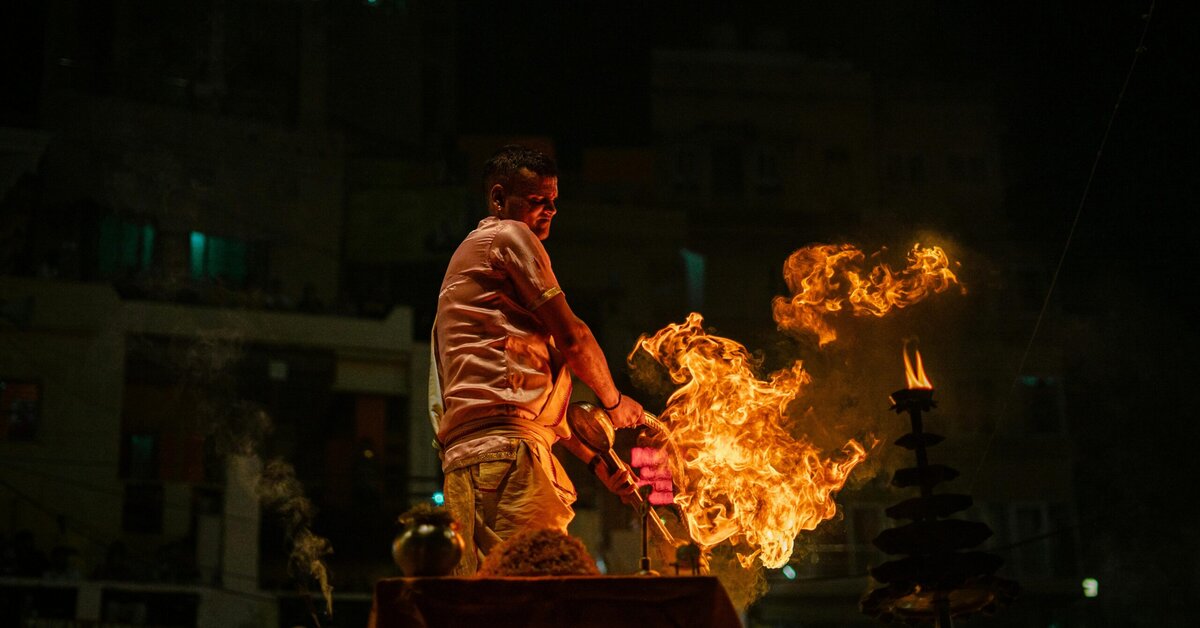
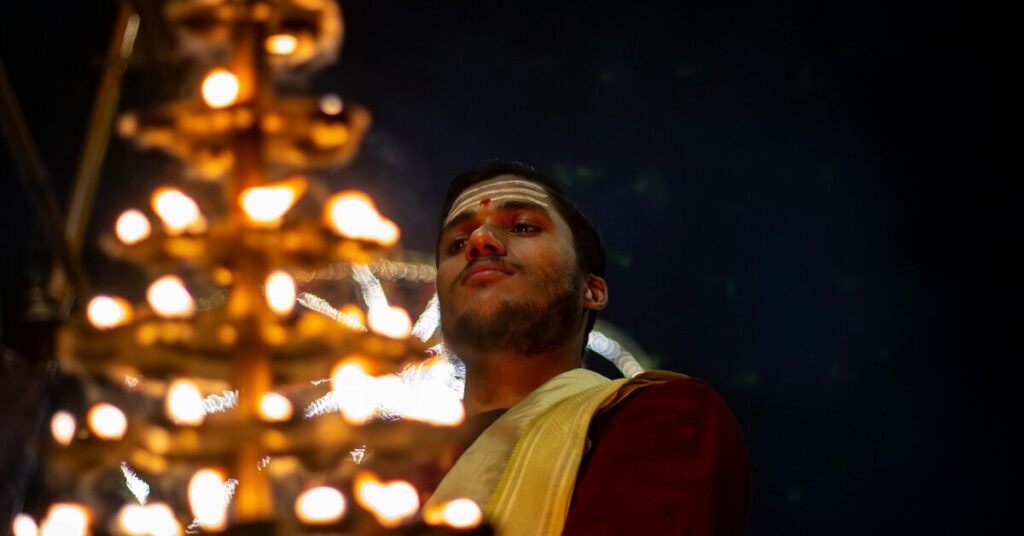
The synchronized movements of multiple priests, each wielding five-tiered brass lamps weighing several kilograms, create a visual poetry. The flames reflect off the river’s surface, multiplying into countless flickering lights. Devotional songs sung in ancient Sanskrit, accompanied by drums and cymbals, create an auditory landscape that resonates through your entire being. It’s not just something you watch—it’s something you feel, something that stays with you long after you’ve left Varanasi.
History and Significance of Ganga Aarti
Ancient Roots of River Worship
River worship in India dates back thousands of years, mentioned extensively in Vedic texts. The Ganges, or Ganga, holds special reverence as the river goddess who descended from heaven to earth. Ancient sages believed that offering prayers to the river purified the soul and brought divine blessings. Fire worship, equally ancient, symbolizes the dispelling of darkness and ignorance.
The combination of these two powerful elements—river and fire—creates the foundation of the aarti ceremony. Historically, such rituals were performed by individual priests at various ghats, simpler in scale but identical in devotion. The ritual acknowledges gratitude to the river for sustaining life, for providing spiritual cleansing, and for connecting the earthly realm to the divine.
Modern Revival of the Tradition
The Ganga Aarti in its current magnificent form is relatively modern, systematized in the late 20th century. While evening prayers to the Ganges always existed, the choreographed, large-scale ceremony at Dashashwamedh Ghat began gaining prominence in the 1990s. Local priests organized the ritual to create a unified expression of devotion while also preserving cultural heritage.
Today’s ceremony maintains traditional elements while accommodating modern realities—sound systems amplify mantras, electric lights illuminate the ghats for safety, and organized seating helps manage crowds. Yet the essence remains unchanged: humans honoring the sacred river that has sustained civilization for millennia. This balance between preservation and adaptation makes the aarti both authentic and accessible.
The Dashashwamedh Ghat – Heart of the Ceremony
Location and Accessibility
Dashashwamedh Ghat sits at the heart of Varanasi’s old city, making it the most accessible and popular venue for the Ganga Aarti. The ghat’s name translates to “the ghat of ten horse sacrifices,” referencing a legendary ritual performed by Lord Brahma. Its central location means you can easily reach it from most hotels and guesthouses in the city.
The ghat consists of broad stone steps leading down to the river, capable of accommodating thousands of spectators. Narrow lanes from the main road wind through the old city marketplace, eventually opening onto this expansive riverfront. While the lanes can be chaotic—filled with shops, street vendors, cows, and constant human traffic—they’re part of the authentic Varanasi experience. Most tour packages include guides who navigate these passages expertly.
Historical Importance of the Ghat
Beyond being the aarti venue, Dashashwamedh Ghat holds deep historical significance. It’s considered one of the oldest and most sacred ghats in Varanasi. Legend states that Lord Brahma created it to welcome Lord Shiva, performing ten Ashwamedha yajnas (horse sacrifices) here. Archaeological evidence suggests the ghat has been a sacred bathing site for over 2,000 years.
Throughout history, this ghat has witnessed countless pilgrims taking holy dips, sadhus performing penance, and scholars engaging in philosophical debates. Kings and nobles have rebuilt and renovated it through centuries, each contributing to its current structure. The stone steps themselves, worn smooth by millions of feet, physically connect modern visitors to this ancient heritage.
The Aarti Ceremony – Step by Step
Pre-Ceremony Preparations
As evening approaches, the ghat undergoes transformation. Temple staff clean the performance area, arrange the massive brass lamps, and set up the ceremonial items—flowers, incense, conches, and fire holders. The priests, dressed in traditional attire, arrive to prepare themselves through meditation and preliminary prayers. The anticipation builds as musicians set up their instruments and devotees begin gathering.
Around thirty minutes before the ceremony, the atmosphere intensifies. Vendors sell small floating diyas (clay lamps) that devotees will later release into the river. The crowd swells—locals and tourists alike securing spots with good views. Boats begin anchoring offshore, their passengers positioning themselves for perfect sightlines. This pre-ceremony period itself offers fascinating people-watching and atmospheric photography.
The Main Ritual Performance
The ceremony typically begins around 7:00 PM (timing varies slightly by season). As the conch shell sounds, signaling the start, a hush falls over the crowd. Seven young priests, representing the seven holy rivers of India, take their positions on raised platforms. They hold massive brass lamps with five tiers, each tier holding multiple wicks soaked in ghee.
The ritual unfolds in precisely choreographed sequences. The priests rotate the lamps in circular patterns—offering them to the sky, the river, and the four cardinal directions. Each movement has symbolic meaning, representing cosmic cycles and the relationship between human and divine. Between lamp sequences, they offer other elements: flowers for beauty, incense for fragrance, fire for purification, and conch shells whose sound dispels negative energy.
Throughout the performance, devotional songs praising the Ganges echo from loudspeakers, their Sanskrit verses composed centuries ago. The lead vocalist’s voice, accompanied by harmonium and tabla, creates a hypnotic rhythm that the priests follow. The ceremony typically lasts 45 minutes to an hour, building to a crescendo before concluding with final prayers and the distribution of prasad (blessed offerings).
Significance of Each Element
Every component of the aarti carries deep symbolism. The five-tiered lamps represent the five elements—earth, water, fire, air, and ether. The circular movements mirror the cosmic cycles of creation and dissolution. Offering elements to different directions acknowledges that divinity pervades all space, not confined to any single location.
The use of natural materials—brass lamps, cotton wicks, ghee, flowers, incense—connects the ritual to earth’s bounty. The river itself symbolizes the flow of time and life, constantly moving yet eternal. By performing the aarti, humans express gratitude for nature’s gifts and seek harmony with cosmic forces. For devotees, participating or witnessing the ceremony brings merit, purification, and spiritual upliftment.
Best Viewing Spots for Ganga Aarti
From the Ghat Steps
Watching from the ghat steps offers an intimate, ground-level experience. You’re surrounded by the crowd’s energy—devotees chanting, children excited, elderly pilgrims in deep prayer. The proximity lets you observe the priests’ facial expressions, hear the unamplifed bells and chants, and feel the ceremony’s physical vibrations. It’s immersive but can be crowded and hot.
Arriving early (at least an hour before) secures better positions on the steps. Higher steps provide better views over heads, while lower steps put you closer to the action. Some tour packages include reserved seating areas, providing cushions and slightly elevated platforms that offer comfort and visibility. The trade-off? You sacrifice some authenticity for convenience and comfort.
Private Boat Viewings
Viewing the aarti from the river provides a completely different perspective. You see the entire ghat lit up, with the ceremony as a central focal point within the larger landscape. The slight distance creates a theatrical quality—the priests become performers on a grand stage, and the crowd becomes part of the spectacle itself.
Boats offer several advantages: cooler temperatures from river breezes, easier photography without obstructions, space to sit comfortably, and escape from the crowd’s pressing intensity. You can arrive just before the ceremony starts and leave immediately after, avoiding ghat congestion. The gentle rocking of the boat and the reflected flames on water create a meditative, almost dreamlike atmosphere.
Regular vs. Decorated Boats
Standard boat packages provide simple wooden boats with bench seating, accommodating 6-10 people. These offer straightforward views at affordable prices. The boatman rows to a good position and anchors for the ceremony’s duration. It’s practical and authentic—similar to how locals would view the aarti.
Decorated or luxury boat packages elevate the experience. These might feature cushioned seating, carpets, decorative lighting, and even refreshments. Some include dinner served on the boat, combining the aarti viewing with a meal. These boats typically accommodate smaller groups, offering more space and privacy. While significantly more expensive, they’re popular for special occasions, romantic evenings, or those seeking a premium experience.
What’s Included in Ganga Aarti Tour Packages?
Guided Tour Services
Quality tour packages include knowledgeable guides who do more than navigate routes—they contextualize the experience. Before the ceremony, they explain Hindu concepts of ritual, the Ganges’s mythological significance, and what you’ll witness. During the aarti, they point out symbolic elements you might otherwise miss and translate the Sanskrit chants into understandable concepts.
Guides also handle practical matters: leading you through confusing lanes, managing interactions with aggressive vendors, finding restrooms, and ensuring you’re positioned well before crowds make movement impossible. For first-time visitors, this support transforms potential confusion and frustration into a smooth, enjoyable experience. The best guides balance information with space for personal reflection, knowing when to explain and when to let you simply absorb the moment.
Boat Arrangements
Boat-inclusive packages handle all watercraft logistics. They book boats in advance (essential during peak season), negotiate fair prices, select experienced boatmen who know optimal viewing positions, and ensure boats meet safety standards. This eliminates the stress of last-minute haggling and the risk of unreliable operators.
Premium packages might include private boats exclusively for your group, while budget options combine travelers for shared experiences. The package typically covers boat rental for the ceremony’s duration plus extra time for river appreciation before and after. Some include morning boat rides as well, offering sunrise perspectives that beautifully contrast with the evening aarti.
Photography Opportunities
Good tour operators understand photography needs. They position you where lighting conditions favor cameras, arrive early enough for sunset shots, and know angles that capture both ceremony details and atmospheric context. Some packages include professional photography services, providing high-quality images while you focus on experiencing the moment.
Guides often know photo-worthy spots beyond the main ceremony—adjacent ghats during aarti create stunning wide shots, riverside temples provide architectural interest, and pre-ceremony crowd interactions offer compelling human moments. For photography enthusiasts, specialized packages might include extended timings, tripod permissions where applicable, and guidance on technical settings for low-light temple photography.
Types of Ganga Aarti Tour Packages
Evening-Only Packages
These focused packages typically span 2-3 hours, collecting participants from hotels in late afternoon and returning after the ceremony concludes. They efficiently deliver the core aarti experience without additional commitments. Perfect for travelers with limited time or those already spending multiple days in Varanasi who want expert guidance specifically for the aarti.
Evening-only packages usually include hotel transfers, guide services, and either ghat seating or boat viewing. Some add a brief market walk beforehand, letting you purchase offerings or explore the old city’s evening atmosphere. The concentrated timeframe keeps costs lower while ensuring you don’t miss the main attraction.
Sunset to Aarti Experiences
These extended packages begin before sunset, maximizing the golden hour’s photographic beauty. You might start with a boat ride during the warm afternoon light, watching the ghats come alive with evening bathers and priests preparing temples for evening prayers. As the sun sets, painting the sky in spectacular colors, you’re already positioned perfectly for the transition into twilight.
The extended timeline creates a narrative arc—from serene sunset through twilight’s mystical quality into the aarti’s dramatic intensity. These packages often include refreshments, allowing you to relax on the boat or ghat without worrying about leaving your spot for food or water. The fuller experience provides richer context and more memorable photography.
Full-Day Cultural Packages
Comprehensive packages combine the Ganga Aarti with other Varanasi highlights, creating a complete cultural immersion. Your day might begin with a sunrise boat ride, continue with temple visits and silk weaving demonstrations, break for traditional lunch, include market shopping or classical music performances, and culminate with the evening aarti.
These packages suit travelers spending limited days in Varanasi who want efficient, expert-guided coverage of multiple experiences. The extended timeframe also allows deeper cultural understanding—by the time you witness the aarti, you’ve already explored temples, understood local crafts, and absorbed the city’s rhythm. The ceremony becomes a meaningful conclusion rather than an isolated event.
Best Time to Arrive for the Ceremony
Timing your arrival significantly impacts your experience. If watching from the ghat, arriving 60-90 minutes early secures good positions, especially during peak tourist season (October through March). This early arrival also lets you observe the preparations, photograph the ghat in better light, and settle in before the crush of crowds.
For boat viewings, arriving 30-45 minutes early suffices. Boats can navigate even when ghats are crowded, and you’re not competing for fixed seating. Earlier arrival gives you time to find the perfect anchoring spot and enjoy the pre-ceremony atmosphere on the river. The sunset before aarti is spectacular, making this extra time worthwhile.
Consider seasonal variations. During summer, arriving earlier means enduring heat, but you’ll have lighter crowds. Winter evenings are pleasant but attract maximum visitors. Monsoon season offers the smallest crowds but unpredictable weather. Your tour package operator should advise on optimal timing based on current conditions and your priorities.
What to Expect During Your Visit
The Atmosphere and Energy
The aarti creates an electric atmosphere difficult to describe yet impossible to forget. There’s a palpable energy—thousands of people focused on a single spiritual moment create a collective consciousness that transcends individual presence. Even skeptics report feeling moved by the sheer devotion displayed, the visual grandeur, and the hypnotic rhythms of chanting and bells.
Emotions run the spectrum. You’ll see devotees in tears of spiritual ecstasy, tourists in awe-struck silence, children dancing to rhythms, elderly pilgrims achieving lifelong dreams. The sensory overload—visual spectacle, aromatic smoke, rhythmic sounds, crowd energy—can be overwhelming. Some find it meditative and calming despite the chaos; others feel energized and exhilarated. There’s no single correct response—just your authentic reaction to an extraordinary experience.
Crowd Management
The Ganga Aarti’s popularity means crowds are inevitable, especially during peak season and festivals. Thousands pack the ghat, creating density that can feel claustrophobic for some. Be prepared for close proximity to strangers, limited personal space, and slow movement when entering or exiting. Pickpocketing can occur in extreme density, so secure valuables carefully.
Tour packages help significantly with crowd management. Guides know alternative routes, timing strategies, and sometimes have access to less crowded viewing areas. Boat viewing completely bypasses ghat congestion while still providing excellent views. If you’re uncomfortable with large crowds, choose boat packages, visit during off-peak seasons, or consider attending the less famous but equally beautiful aarti at Assi Ghat, which draws smaller crowds.
Photography Tips for Capturing the Aarti
Photographing the Ganga Aarti challenges even experienced photographers—low light, moving subjects, and crowds complicate technical execution. Using a fast lens (f/2.8 or wider) helps capture adequate light. Increase your ISO (1600-3200) to maintain shutter speeds fast enough to freeze the priests’ movements. A tripod helps but may be impractical in crowded ghat conditions; consider a monopod as a compromise.
Focus on variety: wide shots capturing the entire scene, medium shots of individual priests, close-ups of the lamps and ritual objects, and candid photos of devotees’ expressions. The pre-ceremony period offers better light for these candid moments. During the ceremony, the constantly moving flames create dynamic lighting—experiment with different exposures to balance flame brightness with surrounding details.
From boats, you have stability advantages and can use longer exposures to capture light trails from the swinging lamps. The river reflections add another dimension—position yourself to capture both actual flames and their watery mirrors. Shoot in RAW format to maximize post-processing flexibility with challenging lighting ratios. Most importantly, balance photography with actual experience—don’t view the entire ceremony through a screen.
Spiritual Significance for Devotees
For Hindu devotees, attending the Ganga Aarti isn’t entertainment—it’s a sacred act of worship. The ritual allows direct participation in honoring the goddess Ganga, believed to purify sins and grant blessings. Many pilgrims travel from across India specifically to perform or witness this aarti, considering it a life milestone.
The ceremony fulfills several spiritual functions. Offering light to the river symbolically returns energy to the divine source. Witnessing the ritual generates punya (religious merit). The collective worship amplifies individual prayers, creating spiritual synergy. Releasing small floating diyas afterward represents letting go of negativity and inviting light into one’s life. For many, tears during the ceremony aren’t emotional excess but genuine spiritual experience—moments of connection with the divine.
Understanding this deeper significance enriches your experience as an observer. You’re not watching a performance but witnessing genuine faith in action. This awareness encourages respectful behavior and deeper appreciation for the ceremony’s meaning beyond its aesthetic beauty.
Cultural Etiquette During the Ceremony
Respecting cultural norms ensures positive experiences for everyone. Dress modestly—cover shoulders and knees, avoid revealing clothing. Remove shoes before stepping on anyone’s personal space mat or carpet during prayers. Avoid stepping over prayer items or people engaged in worship. If sitting on steps, position yourself thoughtfully to avoid blocking others’ views.
Photography etiquette matters significantly. Avoid using flash during the ceremony, as it disrupts the atmosphere and participants’ focus. Don’t position yourself directly in front of worshippers for your photograph—their devotional experience takes precedence over your pictures. If photographing people, especially devotees in prayer, use discretion and respect if someone signals they prefer not being photographed.
Maintain appropriate noise levels. While the ceremony is loud with music and chanting, boisterous conversation or laughter shows disrespect. If you’re not emotionally engaged, simply observe quietly. Don’t leave immediately when the ceremony concludes—the closing prayers are equally important. Finally, if locals offer you prasad or aarti’s blessings, accept graciously even if you don’t share their faith; it’s offered with genuine goodwill.
Additional Experiences to Combine with Aarti
Morning Boat Rides
Combining the evening aarti with a morning boat ride provides balanced perspectives on the Ganges. Early morning offers completely different energy—serene, reflective, and softly beautiful. You’ll witness yoga practitioners on the ghats, priests performing morning rituals, and devotees taking holy baths in the golden dawn light. The contrast between morning tranquility and evening intensity deepens your understanding of the river’s role in daily life.
Morning rides also offer better photography of the ghats themselves—the architecture, the city silhouette, and human activities benefit from natural light. Many packages combine both experiences, recognizing they complement rather than duplicate each other.
Temple Visits
Integrating temple visits before the aarti provides religious context. The Kashi Vishwanath Temple, dedicated to Lord Shiva, is Varanasi’s most sacred. Visiting it helps you understand why the city attracts such devotion. The Sankat Mochan Hanuman Temple and Durga Temple also offer unique experiences and are less crowded than Vishwanath.
These visits explain Hindu worship practices, making the aarti’s elements more comprehensible. You’ll recognize ritual objects, understand the mantras’ significance, and appreciate the priests’ training. This educational foundation transforms the aarti from exotic spectacle into meaningful religious expression.
Local Market Exploration
The lanes leading to Dashashwamedh Ghat contain fascinating markets selling everything from religious items to street food. Walking these bazaars before the aarti immerses you in Varanasi’s commercial vitality. You can purchase your own puja items—flowers, incense, small diyas—to use during or after the ceremony.
The markets also showcase local crafts: Banarasi silk shops, brass vendors, bead merchants, and snack sellers offering local delicacies like tamatar chaat and lassi. Many packages include guided market walks, helping you navigate the maze-like streets while explaining the significance of various items and ensuring fair pricing.
How to Book Your Ganga Aarti Tour Package
Booking your aarti package requires choosing between convenience and cost. Online travel platforms offer numerous options with transparent pricing, reviews, and instant confirmation. Look for packages with high ratings specifically mentioning knowledgeable guides, good viewing positions, and clear communication. Most packages can be booked 24-48 hours in advance, though peak season demands earlier booking.
Direct booking with local operators in Varanasi sometimes offers better prices and more flexibility. Many hotels have tie-ups with reliable tour operators and can arrange packages for guests. The advantage? You can discuss your specific interests, customize timing, and negotiate directly. The disadvantage? Less certainty until you’re actually in Varanasi, and potentially higher stress if arrangements fall through.
Consider what matters most to you: boat or ghat viewing, group or private tours, photography focus or spiritual emphasis. Read package descriptions carefully—what seems cheap might exclude crucial elements like hotel pickup or include annoying sales stops. Verify whether tips are included or expected extra. Most reputable operators offer packages ranging from ₹500-5000 per person, depending on inclusions and group size.
Conclusion
The Ganga Aarti at Varanasi stands among India’s most powerful spiritual and cultural experiences. It’s a ceremony where ancient tradition meets living faith, where visual grandeur combines with deep devotion, and where observers become participants in something greater than themselves. Whether you approach it as a religious pilgrim, a cultural explorer, or a curious traveler, the aarti offers profound moments that transcend ordinary tourism.
A well-chosen tour package elevates this experience from potentially confusing to genuinely transformative. Expert guides provide context that enriches understanding, comfortable arrangements allow full immersion without logistical stress, and good timing ensures you’re positioned to fully appreciate the ceremony’s magnificence. The aarti isn’t merely something to check off your itinerary—it’s a gateway into understanding India’s spiritual heart and the enduring power of ritual in human life.
As flames reflect off the sacred river and ancient mantras echo through twilight, you’ll understand why people have gathered at these ghats for thousands of years. The Ganga Aarti proves that some human experiences—devotion, wonder, and the search for meaning—remain constant despite civilization’s changes. When will you witness this timeless spectacle for yourself?
FAQs
1. How long does the Ganga Aarti ceremony last?
The main Ganga Aarti ceremony typically lasts 45 minutes to an hour, usually beginning around 7:00 PM (timing varies slightly by season). However, the full experience—including arrival, settling into position, the ceremony itself, and departure—generally requires 2-3 hours. If you’re on a boat, you might spend additional time on the river before and after the ceremony, enjoying the peaceful evening atmosphere. Tour packages usually account for this full timeframe, picking you up approximately 1.5-2 hours before ceremony start time.
2. Is the Ganga Aarti performed every day regardless of weather?
Yes, the Ganga Aarti at Dashashwamedh Ghat occurs daily throughout the year, regardless of weather conditions. Rain, extreme heat, winter cold, or festivals—the ceremony continues unfailingly. This consistency reflects the ritual’s spiritual importance; devotion doesn’t pause for convenience. During monsoon, if water levels rise significantly, the ceremony might shift to higher portions of the ghat, but cancellation is extremely rare. This reliability means you can confidently plan your visit without worrying about the ceremony being unavailable.
3. Should I book a boat or watch from the ghat for the best experience?
Both offer unique advantages. Ghat viewing provides intimacy—you’re surrounded by devotees’ energy, close enough to see priests’ expressions, and fully immersed in the sensory experience. It’s more authentic but can be crowded and uncomfortable. Boat viewing offers panoramic perspectives, cooler temperatures, better photography opportunities, and escape from crowds, but with slightly less connection to the ceremony’s intensity. First-time visitors often prefer boats for comfort and views, while those seeking deeper spiritual experience choose the ghat. Many returning visitors try both on different evenings.
4. Can I participate in the Ganga Aarti or just observe?
Absolutely! While the main ritual is performed by trained priests, attendees can participate in several ways. You can purchase small diyas (clay lamps) from vendors and float them on the river after the ceremony, symbolically releasing prayers. During the ceremony, you can join in singing devotional songs if you know them. At the conclusion, priests often distribute aarti blessings—holding fire briefly near your face and head in a purifying gesture—which anyone can receive. You can offer flowers to the river, ring bells at the ghat temples, or simply join in the collective prayers. Tour guides can explain appropriate participation methods.
5. Is the Ganga Aarti suitable for children and elderly visitors?
The ceremony itself is family-friendly and fascinating for all ages. However, the logistics require consideration. Ghat viewing involves steep steps, dense crowds, and potential long waiting times—challenging for very young children, elderly individuals, or those with mobility limitations. Boat packages solve many of these issues, offering comfortable seating, easier access, and escape routes if needed. Many families successfully attend with appropriate planning: arriving early for better positions, bringing water and snacks, choosing boat options, or selecting less crowded alternatives like Assi Ghat’s aarti. Tour operators can customize packages for special accessibility needs.