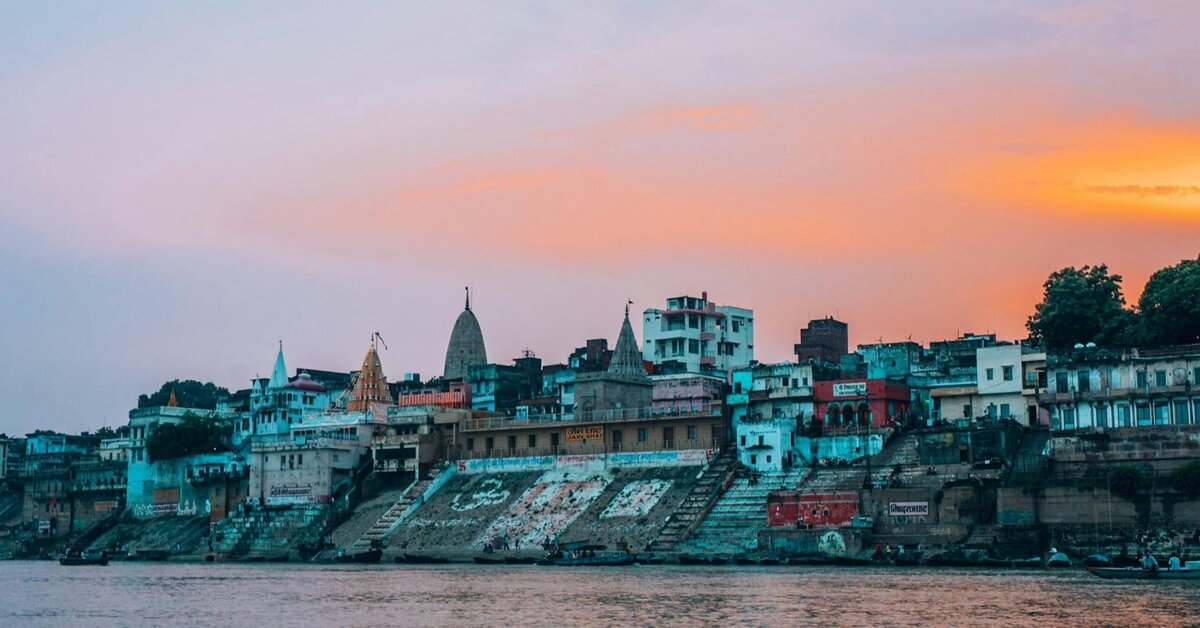
Varanasi Kathmandu Tour Packages , Picture this: you begin your journey in Varanasi, India’s ancient spiritual capital, where the Ganges flows with timeless devotion. Then you journey northward to Kathmandu, where the mighty Himalayas tower over ancient temples and prayer flags flutter in mountain breezes. This is the magic of a Varanasi-Kathmandu tour package—a transformative journey that bridges two of South Asia’s most spiritually charged destinations, combining India’s sacred riverfront traditions with Nepal’s mountain mysticism.
Why Combine Varanasi and Kathmandu?
At first glance, connecting these two cities might seem like an unusual pairing. But dig deeper, and you’ll discover a profound synergy. Both cities serve as spiritual epicenters in their respective countries, both have been pilgrimage destinations for millennia, and both offer that rare combination of ancient tradition persisting vibrantly in the modern world.
Varanasi represents the Hindu universe’s beating heart, where life’s most sacred rituals unfold along the Ganges. Kathmandu embodies Nepal’s unique blend of Hindu and Buddhist traditions, where snow-capped peaks create a natural cathedral and ancient temples preserve wisdom dating back thousands of years.
From sacred rivers to soaring peaks, this adventure through India and Nepal serves up epic sights and spiritual vibes, combining culture, nature, and connection. The journey creates a complete arc—from the plains to the mountains, from riverine devotion to Himalayan meditation, from the warmth of India to the cool mountain air of Nepal.
Understanding the Geography and Distance
Before diving into package details, let’s understand the practical geography. The distance between Varanasi and Kathmandu is 241 miles, with a road distance of 289 miles. This relatively short distance makes the journey highly accessible, yet the cultural transition feels dramatic.
Kathmandu sits at approximately 1,400 meters (4,600 feet) above sea level, nestled in a valley surrounded by the Himalayas. The elevation change from Varanasi’s plains creates noticeable temperature differences—expect cooler weather in Nepal, especially during winter months when you might need warm layers even if Varanasi feels comfortable.
Travel Options Between Varanasi and Kathmandu
By Air – Fastest Option
The fastest way to get from Varanasi to Kathmandu is to fly, which takes 1 hour 28 minutes and costs $100-$210. Air India connects Varanasi to Kathmandu with 4 daily flights, covering 352 km in 35 minutes.
Buddha Air also operates this route three times weekly. The short flight time makes flying ideal for travelers with limited vacation days or those who want to maximize time at destinations rather than in transit.
Flight Advantages:
- Quick and convenient
- Multiple daily options provide scheduling flexibility
- Comfortable and hassle-free
- Ideal for elderly travelers or those with mobility concerns
Flight Considerations:
- Higher cost compared to overland options
- Misses the gradual cultural transition of land travel
- Subject to weather delays, especially during monsoon
- Additional time required for airport procedures
By Train and Bus – Budget-Friendly Adventure
The cheapest way to get from Varanasi to Kathmandu is to train and bus via Siddharthanagar, which costs $19-$40 and takes 18 hours 44 minutes. This option appeals to budget travelers and those who enjoy the journey as much as the destination.
The Typical Overland Route:
Step 1: Take a train from Varanasi to either Gorakhpur (4-5 hours) or Raxaul (closer to the Nepal border). Trains depart multiple times daily, with sleeper class tickets costing around 300 rupees.
Step 2: From Gorakhpur, take a bus to Sonauli (the India-Nepal border town), which takes approximately 3-4 hours and costs around 112 INR.
Step 3: Cross the border on foot (straightforward but ensure you complete immigration formalities at both Indian and Nepali checkpoints).
Step 4: From the Nepal side (Belahiya/Bhairahawa), take a bus to Kathmandu. This leg takes 12-15 hours depending on road conditions and costs approximately $10-15.
Overland Advantages:
- Significantly cheaper (total cost: $20-40)
- Experience the gradual cultural shift from India to Nepal
- Interact with locals and fellow travelers
- See rural landscapes rarely visible from airports
- Adventure and authentic travel experience
Overland Considerations:
- Time-consuming (17-21 hours total)
- Nepal’s roads can be challenging, especially during monsoon
- Requires patience and flexibility
- Not ideal for those with tight schedules or comfort priorities
By Private Car/Taxi
It takes approximately 8 hours 4 minutes to drive from Varanasi to Kathmandu via the 289-mile road distance. Private taxis cost between $60-95, offering a middle-ground option.
Private Vehicle Advantages:
- Stop anywhere for photos, meals, or exploring
- Comfortable and flexible
- Good for small groups (cost shared among passengers)
- Luggage space not restricted like on buses/trains
Private Vehicle Considerations:
- More expensive than public transport
- Still time-consuming
- Requires crossing the border (driver coordination essential)
- Road quality varies significantly
Popular Tour Package Types
Short Express Packages (5-7 Days)
Perfect for travelers with limited time who want to experience both cities’ highlights without extensive exploration.
Typical 6-Day Itinerary:
- Days 1-2: Varanasi (Ganges aarti, sunrise boat ride, Kashi Vishwanath Temple, Sarnath)
- Day 3: Travel to Kathmandu
- Days 4-5: Kathmandu Valley exploration (Swayambhunath, Boudhanath, Pashupatinath, Durbar Squares)
- Day 6: Departure
These packages typically include flights between cities, mid-range accommodation, daily breakfast, airport/station transfers, and guided sightseeing.
Price Range: ₹25,000-45,000 per person
Comprehensive Spiritual Circuits (8-10 Days)
A week lets your Varanasi trip itinerary breathe and gives time to see the city in a different light, with packages including the Kashi To Kathmandu Darshan Yatra.
Enhanced 9-Day Itinerary:
- Days 1-3: Deep Varanasi immersion (multiple ghats, temples, cultural experiences, Sarnath, evening aarti)
- Day 4: Ayodhya or Prayagraj day excursion
- Day 5: Travel to Kathmandu
- Days 6-7: Kathmandu Valley (comprehensive temple circuit, heritage sites)
- Day 8: Pokhara excursion or Bhaktapur/Patan exploration
- Day 9: Departure
Price Range: ₹35,000-65,000 per person
Extended Himalayan Adventures (10-14 Days)
Nepal tour packages from Varanasi feature journeys beginning with arrival at Tribhuvan International Airport in Kathmandu, followed by full-day cultural tours and visits to sites like Manakamana Temple via cable car.
Comprehensive 12-Day Itinerary:
- Days 1-3: Varanasi in-depth
- Day 4: Travel to Kathmandu
- Days 5-6: Kathmandu Valley comprehensive tour
- Day 7: Drive to Pokhara via Manakamana Temple
- Days 8-9: Pokhara (Sarangkot sunrise, Phewa Lake, adventure activities)
- Day 10: Return to Kathmandu via Bandipur
- Day 11: Free day or optional activities
- Day 12: Departure
Wake up early for a breathtaking sunrise excursion to Sarangkot, a popular hilltop viewpoint offering majestic views of the Annapurna and Dhaulagiri ranges as the first light of day paints the snow-capped peaks in golden hues.
Price Range: ₹50,000-95,000 per person
Pilgrimage-Focused Packages
These specialized packages cater to spiritual seekers wanting deeper immersion in religious practices and sacred sites.
Typical Inclusions:
- Participation in special pujas and aarti ceremonies
- Visits to lesser-known temples and ashrams
- Meetings with spiritual teachers or monks
- Meditation sessions at sacred locations
- Lumbini (Buddha’s birthplace) extension
- Chitwan National Park for nature immersion
Packages cover destinations including Varanasi, Gaya, Ayodhya, Kathmandu, Pokhara, and Lumbini, visiting sites like Vishwanath Temple, Ram Janmabhoomi, and the Lumbini Festival.
Price Range: ₹45,000-85,000 per person
What to Expect in Kathmandu
Spiritual Sites
Pashupatinath Temple One of the most sacred Hindu temples dedicated to Lord Shiva, sitting on the banks of the Bagmati River. You may choose to attend the mesmerizing evening aarti at Pashupatinath Temple, which provides a moving introduction to Nepal’s religious heritage. The temple complex, similar to Varanasi, features cremation ghats where Hindu funeral rites are performed.
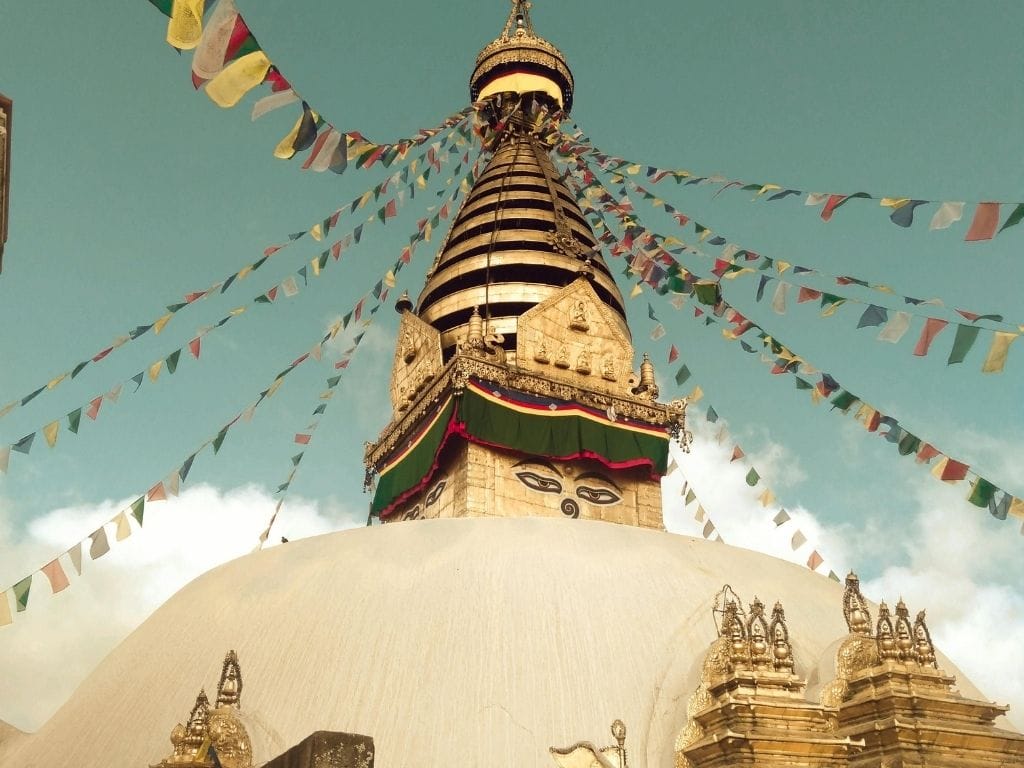
Swayambhunath Stupa (Monkey Temple) Begin with a visit to the ancient Swayambhunath Stupa, perched atop a hill with panoramic views of the city. This 2,500-year-old Buddhist stupa features the iconic all-seeing Buddha eyes painted on all four sides. The climb involves 365 steps, but the views and spiritual atmosphere reward the effort.
Boudhanath Stupa Explore Boudhanath Stupa—one of the largest stupas in Asia and a focal point of Tibetan Buddhism in Nepal. The massive mandala creates a mesmerizing focal point where Tibetan Buddhist monks and pilgrims circumambulate clockwise, spinning prayer wheels and chanting mantras.
Durbar Squares Continue to Patan Durbar Square, where you’ll marvel at Newari architecture, temples, and ancient palaces, then later stroll through Kathmandu Durbar Square, home to the historic Hanuman Dhoka Palace and the living goddess Kumari’s residence.
Natural Beauty Beyond the City
Pokhara Nepal’s adventure capital sits beside the serene Phewa Lake with the Annapurna range forming a dramatic backdrop. Following breakfast, begin your drive back to Kathmandu with a delightful stop at the traditional hilltop town of Bandipur, walking through its cobbled streets lined with restored traditional Newari houses and taking in sweeping views of the Himalayas and Marsyangdi Valley.
Nagarkot and Sarangkot These hilltop viewpoints offer spectacular Himalayan sunrise vistas without requiring multi-day treks. On clear mornings, you can see Mount Everest from Nagarkot, while Sarangkot provides stunning views of the Annapurna and Dhaulagiri ranges.
Best Tour Package Operators
MakeMyTrip
MakeMyTrip offers the widest range of customizable Kathmandu tours to suit every kind of traveler from Varanasi, with over 34 tour packages to Kathmandu with unbeatable deals and discounts. Their packages range from budget to luxury, with options for honeymoon, adventure, and pilgrimage themes.
TourTravelWorld
TourTravelWorld offers Kathmandu packages from Varanasi designed for various travel styles, whether with family or friends, including romantic honeymoon vacations, adventure trips, or relaxing family time. They provide both packages with and without flight bookings.
Touristhub Holidays
Specializes in comprehensive Nepal tour packages from Varanasi with flat 15% discounts. They offer detailed itineraries covering Kathmandu, Pokhara, and optional extensions to Chitwan and Lumbini.
SOTC
SOTC’s Varanasi tour packages starting from Rs. 13,500 include the Kashi To Kathmandu Darshan Yatra and other spiritual circuits. Known for quality service and well-planned itineraries.
G Adventures
G Adventures offers India & Nepal budget tours from Varanasi to Kathmandu featuring small group experiences with maximum 20 people, averaging 16, including simple and clean hotels and hostels with affordable transport. Perfect for young travelers and those seeking authentic, budget-friendly experiences.
Typical Package Inclusions
Standard Inclusions:
- Accommodation (3-4 star hotels in most packages)
- Daily breakfast (some packages include all meals)
- Inter-city transfers (Varanasi to Kathmandu by flight or train/bus)
- Local transportation (AC vehicles for sightseeing)
- Professional English-speaking guides
- Entrance fees to monuments and museums
- Airport/station pickup and drop
- Some packages include Ganga aarti boat ride in Varanasi
Typical Exclusions:
- Lunch and dinner (unless specified)
- Travel insurance
- Personal expenses (laundry, phone calls, tips)
- Camera/video fees at certain sites
- Optional activities and excursions
- Visa fees (Nepal visa available on arrival)
- Flight tickets (in some packages)
Visa Requirements and Border Formalities
Nepal Visa for Indian Citizens
Great news for Indian travelers: Indian citizens do not require a visa to enter Nepal. You simply need to carry valid identification:
Acceptable ID Documents:
- Passport (recommended, especially if flying)
- Voter ID card
- Driving license
- Other government-issued photo identification
For Non-Indian Travelers
Most nationalities can obtain Nepal visas on arrival at Tribhuvan International Airport or land border crossings:
Visa on Arrival Fees:
- 15 days: $30 USD
- 30 days: $50 USD
- 90 days: $125 USD
Ensure you have:
- Passport valid for at least 6 months
- Passport-sized photographs (2)
- Visa fee in cash (USD preferred)
- Completed visa application form
Best Time for Varanasi-Kathmandu Tours
Autumn (October-November) – Peak Season
Weather: Pleasant in both locations (18-25°C in Varanasi, 10-20°C in Kathmandu)
Highlights:
- Clear Himalayan views in Nepal
- Comfortable sightseeing temperatures
- Festival season (Dussehra, Diwali in India; Dashain, Tihar in Nepal)
- Dev Deepawali celebration in Varanasi (November)
Considerations: Higher prices, more crowds, advance booking essential
Winter (December-February)
Weather: Cool to cold (10-20°C in Varanasi, 2-12°C in Kathmandu)
Highlights:
- Crystal-clear mountain views
- Fewer tourists than autumn
- Comfortable daytime temperatures
- Ideal for photography
Considerations: Cold mornings/evenings (especially in Nepal), pack warm layers
Spring (March-April)
Weather: Warming temperatures (20-30°C in Varanasi, 15-25°C in Kathmandu)
Highlights:
- Rhododendron blooms in Nepal’s hills
- Comfortable weather before summer heat
- Good visibility for mountain views
- Holi festival celebration (March)
Considerations: Temperatures rising by late April, occasional pre-monsoon showers
Monsoon (June-September) – Off Season
Weather: Hot and humid with heavy rains (25-35°C, frequent downpours)
Highlights:
- Lowest prices and smallest crowds
- Lush, green landscapes
- Dramatic monsoon atmosphere
- Significant discounts on packages
Considerations: Heavy rain disrupts travel, poor mountain visibility, some roads impassable, flooding risks
Verdict: October-November and February-March offer the best overall conditions for most travelers.
Budgeting for Your Varanasi-Kathmandu Adventure
Budget Traveler (₹30,000-45,000 per person)
- Overland travel (train + bus)
- Budget hotels/guesthouses
- Street food and local restaurants
- Shared group tours
- Public transportation in cities
- Basic accommodation without frills
Mid-Range Traveler (₹50,000-75,000 per person)
- Flight between cities
- 3-star hotels with good amenities
- Mix of local and restaurant dining
- Private guided tours
- AC vehicles for sightseeing
- Comfortable, quality experience
Luxury Traveler (₹80,000-1,50,000+ per person)
- Direct flights with premium airlines
- 4-5 star heritage hotels
- Fine dining experiences
- Private guides and vehicles throughout
- Premium experiences (helicopter tours, spa treatments)
- Customized, high-end service
Additional Costs to Consider:
- Nepal entry (free for Indians, $30-50 for others)
- Travel insurance (₹500-2,000)
- Tips for guides/drivers (₹1,000-3,000 total)
- Shopping and souvenirs (budget varies)
- Optional activities (paragliding, mountain flights, etc.)
Packing Essentials for This Journey
Clothing:
- Modest attire for temple visits (cover shoulders/knees)
- Layers for temperature variations (especially Nepal)
- Comfortable walking shoes
- Light jacket or sweater (even in summer for Kathmandu evenings)
- Rain gear if traveling during monsoon
Documents:
- Passport or valid ID (Indian citizens)
- Package booking confirmations
- Travel insurance documents
- Emergency contact information
- Photocopies of important documents
Health & Hygiene:
- Personal medications
- Hand sanitizer and wet wipes
- Sunscreen and sunglasses
- Insect repellent
- Basic first-aid kit
- Water purification tablets or reusable bottle with filter
Electronics:
- Camera with extra batteries/memory cards
- Phone charger and power bank
- Universal adapter (Nepal uses same plugs as India)
- Headlamp or small flashlight
Miscellaneous:
- Small backpack for day trips
- Reusable water bottle
- Guidebook or downloaded maps
- Journal for recording experiences
- Plastic bags for wet/dirty clothes
Cultural Sensitivity and Etiquette
In Varanasi
- Remove shoes before entering temples
- Dress modestly, especially near religious sites
- Ask permission before photographing people
- Never photograph cremation ceremonies
- Respect sacred cows (they have right of way)
- Use right hand for eating and giving/receiving items
In Kathmandu
- Walk clockwise around stupas and temples
- Don’t touch religious objects or offerings
- Remove shoes and hats in temples
- Ask before photographing monks or religious ceremonies
- Avoid public displays of affection
- Don’t step over people or their belongings
- “Namaste” (hands pressed together) is the respectful greeting
General Tips
- Bargain respectfully at markets (but not in shops with fixed prices)
- Tip guides and drivers appropriately (10-15% of tour cost)
- Learn a few basic Hindi/Nepali phrases (highly appreciated)
- Be patient—things operate at a different pace
- Stay open-minded to cultural differences
- Support local businesses and artisans
Health and Safety Considerations
Before Travel:
- Consult your doctor about vaccinations (Hepatitis A, Typhoid recommended)
- Obtain comprehensive travel insurance
- Pack necessary prescription medications in original containers
- Consider altitude adjustment if planning high-elevation treks in Nepal
During Travel:
- Drink only bottled or purified water
- Avoid street food if you have a sensitive stomach (though most reputable vendors are safe)
- Wash hands frequently or use sanitizer
- Be cautious with raw vegetables and unpeeled fruits
- Keep emergency contacts handy (tour operator, hotel, embassy)
Safety Tips:
- Use reputable taxi services (or ride-hailing apps where available)
- Keep valuables secure and avoid displaying expensive items
- Be aware of your surroundings, especially in crowded areas
- Follow your guide’s advice regarding safe areas
- Women should dress conservatively and avoid isolated areas alone at night
Making the Most of Your Journey
Mindful Travel: This isn’t just a vacation—it’s a pilgrimage through two of Asia’s most spiritually significant destinations. Approach with openness and respect. Allow yourself to be transformed by what you witness. The contrast between Varanasi’s riverfront devotion and Kathmandu’s mountain mysticism offers profound insights into the diversity of spiritual expression.
Connection Over Collection: Instead of racing to photograph every site, take time to sit quietly at a temple, observe a ceremony with full attention, or simply chat with locals. These unscheduled moments often become the most memorable parts of your journey.
Support Local Communities: Choose locally-owned hotels and restaurants when possible. Buy handicrafts directly from artisans. Hire local guides who can provide authentic insights. Your tourism can be a force for good, supporting families and preserving traditional crafts.
Environmental Responsibility: Both the Ganges and the Himalayas face environmental challenges. Minimize plastic use, dispose of waste properly, respect wildlife, and consider supporting conservation organizations working in these regions.
Extending Your Adventure
If time permits, consider these valuable additions to your Varanasi-Kathmandu tour:
Lumbini, Nepal Buddha’s birthplace, a UNESCO World Heritage Site featuring ancient ruins, meditation gardens, and monasteries representing different Buddhist traditions worldwide. A profoundly peaceful pilgrimage destination.
Chitwan National Park, Nepal Experience Nepal’s wildlife with jungle safaris seeking one-horned rhinoceros, Bengal tigers, elephants, and exotic birds. A nature-lover’s paradise providing contrast to the urban spiritual sites.
Bodh Gaya, India Where Buddha attained enlightenment. If you have time before Kathmandu, this adds another dimension to your spiritual journey, completing a circuit of major Buddhist pilgrimage sites.
Ayodhya and Prayagraj, India These sacred Hindu cities near Varanasi can be included in extended itineraries, creating a comprehensive North Indian pilgrimage circuit before heading to Nepal.
Conclusion: A Journey Beyond Tourism
A Varanasi-Kathmandu tour package offers far more than sightseeing. It’s a journey through two profoundly spiritual cultures, from the sacred plains where the Ganges flows to the mountain valleys where the Himalayas touch the sky. You’ll witness ancient traditions thriving in the modern world, experience hospitality that treats guests as manifestations of the divine, and perhaps discover aspects of yourself previously unknown.
Whether you choose a quick 5-day express tour or an extended 14-day immersion, whether you travel by air for convenience or overland for adventure, this journey creates memories and insights that last a lifetime. The Ganges’ eternal flow and the Himalayas’ unchanging presence remind us of what endures beyond our temporary concerns—a perspective increasingly rare in our fast-paced modern world.
So pack your bags, open your heart, and prepare for an adventure that transcends borders, cultures, and perhaps even your own expectations. The sacred cities of Varanasi and Kathmandu await, ready to share their timeless wisdom with all who approach with respect and curiosity.
Book your Varanasi-Kathmandu tour package today, and embark on a Himalayan adventure that nourishes both the spirit and the soul.
Frequently Asked Questions (FAQs)
1. How many days do I need for a Varanasi-Kathmandu tour package?
The ideal duration depends on how deeply you want to explore each destination and your travel style:
Minimum Duration (5-6 Days): This express option covers the essential highlights of both cities. You’ll spend 2 days in Varanasi experiencing the Ganges aarti, sunrise boat ride, and Kashi Vishwanath Temple, then 1 day for travel, followed by 2-3 days in Kathmandu visiting major sites like Swayambhunath, Boudhanath, Pashupatinath, and the Durbar Squares. While rushed, this works for travelers with limited vacation time.
Recommended Duration (8-10 Days): This is the sweet spot for most travelers. It allows 3 full days in Varanasi (including a Sarnath excursion and deeper cultural immersion), 1 travel day, and 4-5 days in Nepal’s Kathmandu Valley. The extra time lets you visit Bhaktapur and Patan more thoroughly, attend multiple aarti ceremonies, and perhaps add a day trip to Nagarkot for Himalayan sunrise views. You won’t feel constantly rushed, and can absorb each destination’s spiritual atmosphere.
Comprehensive Experience (12-15 Days): This extended itinerary is perfect for serious spiritual seekers or those wanting adventure elements. Beyond Varanasi and Kathmandu, you can add Ayodhya or Prayagraj in India, plus Pokhara, Lumbini (Buddha’s birthplace), or even Chitwan National Park in Nepal. This creates a complete pilgrimage and adventure circuit with time for meditation retreats, trekking, or simply moving at a contemplative pace.
Special Considerations:
Add 2-3 extra days if choosing overland travel instead of flights
Budget an additional day for flight delays during monsoon season
Consider your physical stamina—temple visits involve significant walking and stair climbing
Factor in acclimatization time if planning high-altitude activities in Nepal Bottom Line: While 5-6 days covers the basics, 8-10 days provides the optimal balance between comprehensive exploration and vacation time constraints. If you can spare 12+ days, you’ll return home with truly transformative experiences rather than just checked-off tourist sites.