Varanasi Khajuraho and Orchha A Cultural Odyssey , Have you ever wondered what it feels like to step into a time machine and travel through centuries of Indian civilization? Imagine walking through streets where spirituality permeates every stone, where medieval temples tell stories of divine love, and where forgotten palaces whisper tales of royal grandeur. That’s exactly what awaits you in the incredible journey through Varanasi, Khajuraho, and Orchha—three jewels of India’s cultural crown that together create an unforgettable odyssey through time, faith, and artistic brilliance.
This cultural triangle in Central India offers something truly extraordinary. It’s not just about ticking off tourist destinations from your bucket list; it’s about immersing yourself in experiences that touch your soul and expand your understanding of human civilization. From the ghats of the holiest river to temples adorned with the most intricate carvings, from bustling spiritual epicenters to serene medieval ruins—this journey promises to transform the way you see India.
Varanasi – The Spiritual Heart of India
The Ancient City on the Ganges
Varanasi isn’t just old—it’s ancient beyond imagination. Mark Twain once said that Varanasi is “older than history, older than tradition, older even than legend.” And he wasn’t exaggerating. This city has been continuously inhabited for over 3,000 years, making it one of the oldest living cities on Earth. But what makes Varanasi truly special isn’t just its age; it’s the palpable spirituality that hangs in the air like morning mist over the Ganges.
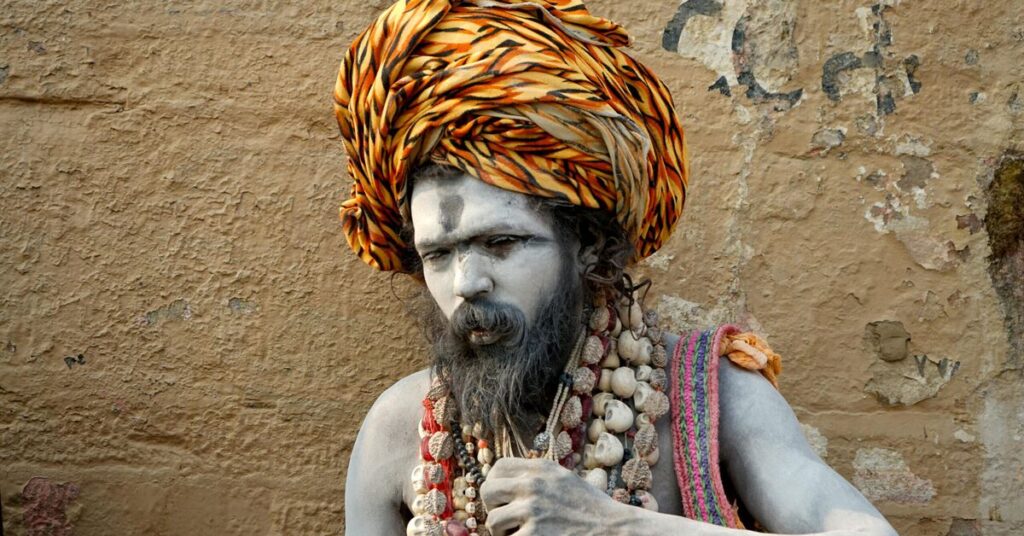
Walking through the narrow lanes of Varanasi feels like navigating through a living, breathing maze of devotion. Every corner reveals a small shrine, every wall bears the marks of countless prayers, and every sound—whether it’s temple bells or devotional chants—creates a symphony of faith. The city doesn’t just attract pilgrims; it draws anyone seeking something deeper than the material world can offer.
Ghats and Their Spiritual Significance
The ghats of Varanasi are where the city’s soul truly reveals itself. These stone steps descending into the sacred Ganges aren’t merely architectural features—they’re portals between the earthly and the divine. Varanasi boasts over 80 ghats, each with its own character and significance. Dashashwamedh Ghat pulses with energy and ceremony, while Assi Ghat offers a more contemplative atmosphere perfect for watching the world go by.
Morning Rituals and Evening Aarti
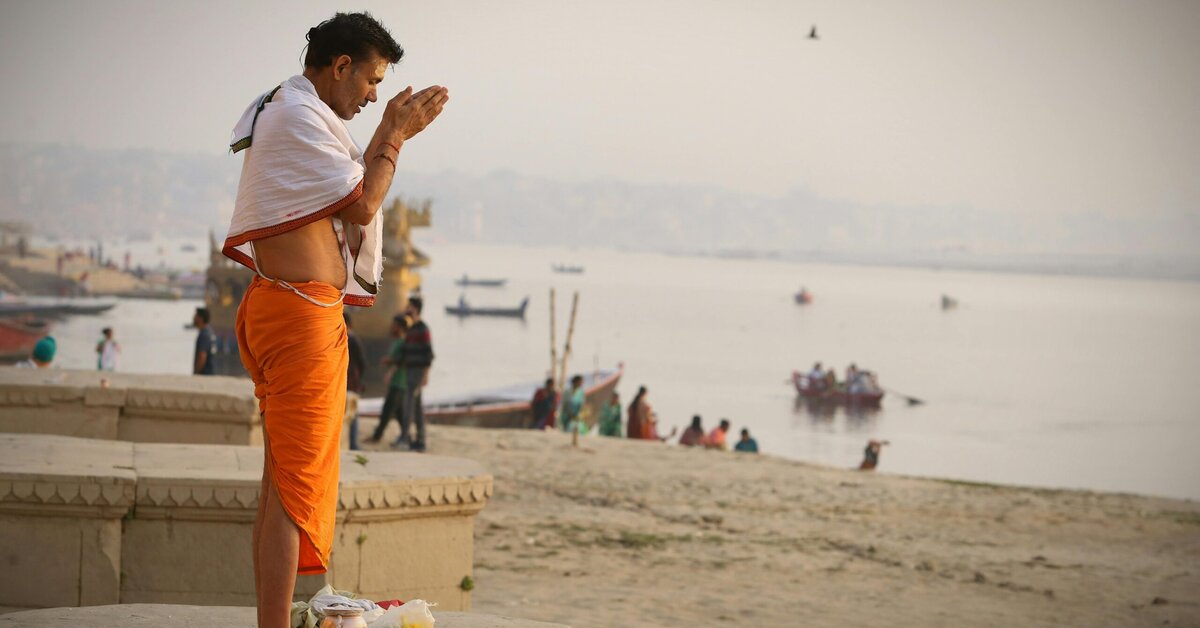
There’s something almost magical about witnessing dawn break over the Ganges. As the first rays of sunlight paint the river golden, thousands of devotees descend the ghats to perform their morning ablutions. The sight of people offering prayers to the rising sun, their silhouettes creating a moving tableau against the water, is nothing short of mesmerizing. It’s as if the entire city awakens in prayer.
But if the morning belongs to quiet devotion, the evening belongs to spectacular celebration. The Ganga Aarti at Dashashwamedh Ghat is a sensory explosion—priests dressed in traditional attire perform synchronized rituals with massive brass lamps, while bells ring, conch shells blow, and devotional songs fill the air. The flames from hundreds of oil lamps flicker against the darkening sky, creating a scene that photographers and spiritual seekers alike find irresistible.
Temples and Sacred Sites
Beyond the ghats, Varanasi is home to countless temples, each significant in Hindu mythology. The Kashi Vishwanath Temple, dedicated to Lord Shiva, stands as the city’s most revered shrine. The golden spire visible from various vantage points serves as a constant reminder of the divine presence believers feel throughout the city. The Sankat Mochan Hanuman Temple, the Durga Temple (often called the Monkey Temple), and the serene Tulsi Manas Temple each add their own flavour to Varanasi’s spiritual landscape.
The Essence of Life and Death in Varanasi
What truly sets Varanasi apart is its unique relationship with mortality. Hindus believe that dying in Varanasi and being cremated on its ghats grants moksha—liberation from the cycle of rebirth. At Manikarnika Ghat and Harishchandra Ghat, cremations occur around the clock, and the smoke from funeral pyres becomes part of the city’s atmosphere. This might sound morbid, but witnessing it creates a profound perspective on life’s impermanence. Death here isn’t hidden away or feared; it’s accepted as a natural transition, celebrated even, as a soul’s journey toward ultimate freedom.
Khajuraho – Where Art Meets Devotion
The UNESCO World Heritage Temples
From the spiritual intensity of Varanasi, our cultural odyssey takes us to Khajuraho, where devotion takes a completely different form—through art. These temples, built between 950 and 1050 CE by the Chandela dynasty, represent the pinnacle of medieval Indian architecture and sculpture. Of the original 85 temples, only 25 survive today, but what remains is breathtaking enough to earn UNESCO World Heritage status.
The temples are divided into three groups—Western, Eastern, and Southern—with the Western group containing the most magnificent structures. The moment you enter the complex, you’re greeted by soaring spires (called shikharas) that seem to reach toward the heavens, their surfaces covered in intricate carvings that tell countless stories.
Understanding the Erotic Sculptures
Let’s address the elephant in the room—yes, Khajuraho is famous for its erotic sculptures. These explicit carvings have fascinated, shocked, and intrigued visitors for generations. But here’s what most people miss: the erotic sculptures comprise only about 10% of the total carvings at Khajuraho. The rest depict gods and goddesses, celestial beings, musicians, dancers, warriors, animals, and scenes from everyday medieval life.
Beyond the Sensual: Symbolism and Spirituality
Why did the Chandela rulers commission these controversial carvings? Scholars have debated this for years. Some suggest they represent tantric traditions, others believe they symbolize the union of the soul with the divine, and some think they simply celebrated human life in all its dimensions. The temples might also have served an educational purpose, illustrating Kamasutra principles as one aspect of human knowledge alongside dharma (righteousness), artha (wealth), and moksha (liberation).
What’s undeniable is the incredible skill of the artisans. Every figure, whether engaged in mundane tasks or intimate acts, is carved with such precision and grace that the stone seems to breathe. The bodies twist and flow with natural movement, expressions convey genuine emotion, and the overall composition shows sophisticated understanding of proportion and aesthetics.
Architectural Brilliance of the Chandela Dynasty
Beyond the sculptures, the architecture itself deserves admiration. The temples follow a complex geometric design, with platforms, porches, halls, and sanctuaries aligned to create spiritual progression as devotees move inward. The sandstone used in construction glows beautifully during sunrise and sunset, transforming the temples into luminous monuments that seem to transcend their material nature.
The Kandariya Mahadeva Temple stands as the largest and most elaborate, its 31-meter-high shikhara dominating the skyline. The Lakshmana Temple amazes with its detailed narrative panels, while the Chitragupta Temple uniquely dedicates itself to Surya, the sun god. Each temple represents a masterpiece, and together they create an ensemble that showcases the artistic and spiritual aspirations of medieval India.
Best Time to Visit Khajuraho
Timing matters when visiting Khajuraho. The winter months from October to March offer pleasant weather perfect for exploring the temple complexes. The annual Khajuraho Dance Festival, held in February or March, brings classical Indian dance forms to life against the backdrop of these ancient temples, creating a magical fusion of past and present artistry.
Orchha – The Forgotten Medieval Marvel
A Journey Back to the Bundela Era
After the spiritual intensity of Varanasi and the artistic splendour of Khajuraho, Orchha offers something different—a chance to walk through a medieval town that time seems to have forgotten. Founded in 1501 by Bundela Rajput chief Rudra Pratap Singh, Orchha served as the capital of a powerful kingdom before gradually fading into peaceful obscurity.
This relative obscurity is precisely what makes Orchha special. Without the crowds that throng India’s more famous destinations, you can explore at leisure, letting the atmosphere of bygone grandeur wash over you. The town sits on the banks of the Betwa River, its palaces and temples rising majestically against the rural Madhya Pradesh landscape.
Architectural Wonders of Orchha
Jahangir Mahal and Raj Mahal
The Jahangir Mahal stands as Orchha’s architectural crown jewel. Built by Raja Bir Singh Deo to welcome Mughal Emperor Jahangir, this palace combines Rajput and Mughal architectural styles in perfect harmony. Its four-storied structure, crowned with eight domed pavilions and featuring intricate stone screens (jalis), creates a silhouette that’s instantly recognizable. Climb to its upper levels for panoramic views of Orchha that will take your breath away—the Betwa River flowing below, temples dotting the landscape, and the cenotaphs standing sentinel in the distance.
The adjacent Raj Mahal, though less ornate, holds its own charm with faded murals that once depicted religious and secular scenes. Walking through its chambers, you can almost hear the echoes of courtly life—discussions of strategy, celebrations of victory, and the everyday routines of royal existence.
The Chaturbhuj Temple Complex
Orchha’s temples are as impressive as its palaces. The Chaturbhuj Temple, with its unusual architecture that blends temple and fort styles, dominates the town’s religious landscape. Built to house an image of Lord Rama, the temple instead now serves as a venue for devotional gatherings, while the actual Rama image resides in the nearby Ram Raja Temple—the only place in India where Rama is worshipped as a king rather than a deity.
The story behind this is fascinating. Legend says that the queen brought the Rama idol from Ayodhya, intending to install it in the grand Chaturbhuj Temple. However, the idol refused to move from the palace where it was initially placed, and so the palace became a temple, reversing the usual order of things in delightful Indian fashion.
The Betwa River and Cenotaphs
The Betwa River isn’t just scenic; it’s integral to Orchha’s character. Cross the ancient bridge to reach the cenotaphs (chhatris) of Orchha’s rulers on the riverbank. These memorial monuments, with their dome-shaped structures and ornate carvings, stand as elegant reminders of the leaders who shaped Orchha’s destiny. During sunset, when golden light bathes these structures and reflects off the river, the scene becomes so picturesque that photographers and artists find themselves spoiled for composition.
Why Orchha Remains Off the Beaten Path
Despite its undeniable beauty and historical significance, Orchha remains relatively unknown compared to India’s more famous destinations. Perhaps this is because it lacks the spiritual intensity of Varanasi or the controversial fame of Khajuraho. Or maybe it’s simply that travelers rush between bigger cities without realizing this gem exists. Whatever the reason, Orchha’s peaceful atmosphere and well-preserved monuments reward those who make the journey with an authentic experience of India’s medieval heritage.
Planning Your Cultural Odyssey
How to Connect These Three Destinations
Geographically, these three destinations form a practical triangle in Central India. Most travelers start in Varanasi, which has excellent flight and train connections to major Indian cities. From Varanasi, Khajuraho is approximately 300 kilometers southwest—a journey best made by train or car, taking around 6-8 hours. From Khajuraho, Orchha lies roughly 175 kilometers northwest, a comfortable 4-5 hour drive through rural Madhya Pradesh. Finally, from Orchha, you can return to Varanasi (about 350 kilometers) or continue to other destinations like Agra or Gwalior.
Alternatively, some travelers prefer starting in Khajuraho, moving to Orchha, and ending in Varanasi—this creates a crescendo effect, with the spiritual intensity of Varanasi serving as the grand finale. There’s no wrong way to experience this triangle; each sequence offers its own narrative arc.
Ideal Duration for the Journey
How long should you allocate? Rushing defeats the purpose of a cultural odyssey. For Varanasi, three to four days allows you to experience the morning and evening rituals, explore the old city’s labyrinthine lanes, take a sunrise boat ride, and perhaps venture to nearby Sarnath, where Buddha delivered his first sermon. Two days in Khajuraho suffices to thoroughly explore the temple complexes and perhaps enjoy the sound and light show that brings their history to life. Orchha deserves at least two days—one for the monuments and another for simply soaking in the atmosphere, perhaps kayaking on the Betwa or cycling through the countryside.
In total, a week to ten days creates the perfect pace—enough time to truly experience each destination without exhausting yourself with constant movement.
Best Season to Experience This Triangle
Climate significantly affects your experience. The period from October to March represents the ideal window. During these months, temperatures remain pleasant (15-25°C), making temple exploration and walking through monuments comfortable. Summers (April-June) bring intense heat that can reach 45°C, particularly challenging in Khajuraho and Orchha. The monsoon season (July-September) brings relief from heat but can make travel unpredictable and ruins less enjoyable due to humidity and rain.
Winter months also coincide with several cultural events and festivals that can enhance your journey. The Ganga Mahotsav in Varanasi, the Khajuraho Dance Festival, and various local celebrations in Orchha add cultural richness to your experience.
Conclusion
The journey through Varanasi, Khajuraho, and Orchha isn’t just a tour of historical sites—it’s a profound exploration of India’s soul. Each destination contributes a unique chapter to your understanding of this complex and fascinating civilization. Varanasi teaches you about the Indian relationship with the sacred and the eternal, where life and death dance together on ancient ghats. Khajuraho reveals the medieval Indian approach to art, sexuality, and spirituality, challenging modern assumptions about the past. Orchha offers a peaceful immersion in forgotten grandeur, where history feels present but not overwhelming.
Together, these three destinations create something greater than the sum of their parts. They show you different facets of Indian culture—the deeply spiritual, the boldly artistic, and the quietly regal. They prove that India cannot be understood through a single lens; it requires multiple perspectives, each revealing something essential about this ancient land.
So, are you ready to embark on this cultural odyssey? To walk where saints and kings walked, to witness devotion that has continued unbroken for millennia, to stand before art that still has the power to move and provoke? The journey awaits, and I promise you’ll return transformed, carrying not just photographs and souvenirs, but memories and insights that will enrich your understanding of both India and humanity itself.
FAQs
1. Is it safe to travel through Varanasi, Khajuraho, and Orchha as a solo traveler?
Yes, this route is generally safe for solo travelers, including women. Varanasi can be overwhelming with its crowds and touts, but staying aware and booking accommodations in advance helps. Khajuraho and Orchha are smaller and more peaceful. As with travel anywhere, basic precautions apply—don’t walk isolated areas alone at night, keep valuables secure, and trust your instincts. Hiring registered guides at each destination can enhance both safety and your understanding of the sites.
2. What should I wear when visiting these culturally sensitive destinations?
Modest clothing is essential, particularly in Varanasi’s temples and ghats. Both men and women should cover shoulders and knees. In Varanasi, consider wearing clothes you don’t mind getting a bit dirty, as the old city’s lanes can be dusty and crowded. At Khajuraho, while the temples themselves feature explicit art, visitors should still dress respectfully. Orchha is more relaxed, but modest attire remains appropriate. Comfortable walking shoes are crucial for all three destinations as you’ll be doing considerable walking on uneven surfaces.
3. Can I photograph the cremations at Varanasi’s ghats?
No, photographing cremations at Manikarnika Ghat and Harishchandra Ghat is strictly prohibited and considered deeply disrespectful. These are sacred, private moments for families saying farewell to loved ones. Violating this can result in confrontations and serious offense. You can photograph other aspects of the ghats, but always be respectful—ask permission before photographing people engaged in religious rituals, and be mindful that not everything should be captured for social media.
4. What’s the best way to get around within each destination?
In Varanasi, walking is best for exploring the old city and ghats area, though be prepared for maze-like lanes. Auto-rickshaws work for longer distances, and boat rides on the Ganges offer unique perspectives. In Khajuraho, the temple complexes are compact enough to explore on foot or bicycle, with auto-rickshaws available for moving between the Eastern and Western temple groups. Orchha is wonderfully walkable, though bicycles (available for rent) add to the experience. Between destinations, hiring a car with driver offers flexibility and comfort, though trains connect these cities as well.
5. Are there vegetarian food options available throughout this journey?
Absolutely! In fact, vegetarian food dominates in these regions, particularly in Varanasi where many people follow strict vegetarian diets for religious reasons. You’ll find excellent traditional North Indian vegetarian cuisine—dal, sabzi, roti, rice, and various regional specialties. Khajuraho and Orchha also offer primarily vegetarian options. Even if you’re not vegetarian, trying the local vegetarian cuisine is part of the cultural experience. That said, Khajuraho has more tourist-oriented restaurants offering international cuisines if you need a break from Indian food.