
Varanasi Office Holiday Tour Package , Corporate team outings have evolved beyond conventional hill station retreats and beach resorts to embrace culturally enriching destinations that combine team bonding with meaningful experiences. Varanasi, India’s spiritual capital, offers corporate teams unique opportunities for cultural immersion, perspective-shifting experiences, and memorable bonding moments against the backdrop of one of the world’s oldest living cities.
Specialized corporate tour packages blend professional trip management with Varanasi’s spiritual essence, creating transformative team experiences that strengthen workplace relationships while providing genuine breaks from routine corporate environments. This comprehensive guide explores how corporate teams can optimize Varanasi office holiday packages for maximum impact, engagement, and value.
Why Varanasi for Corporate Teams?
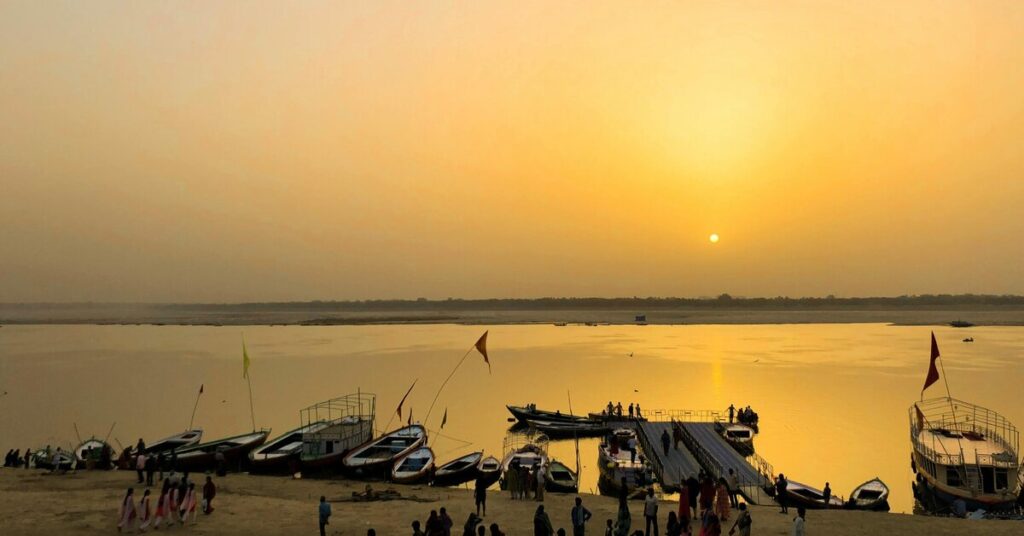
Varanasi Office Holiday Tour Package , offers distinctive advantages over conventional corporate retreat destinations. The city’s profound spiritual atmosphere creates natural reflective spaces encouraging team members to step outside daily roles and connect on more human levels. Unlike purely recreational destinations where teams might fragment into cliques, Varanasi’s intensity and novelty create shared experiences—navigating chaotic lanes together, witnessing powerful aarti ceremonies, absorbing the Ganges’ sunrise magic—that forge genuine bonds through collective encounter with the extraordinary.
The cultural education component satisfies contemporary corporate preferences for meaningful travel over superficial tourism. Team members return with expanded perspectives on Indian heritage, spiritual traditions, and life philosophies fundamentally different from corporate worldviews, often reporting renewed gratitude and purpose. These shifts, while personal, translate into workplace benefits—increased empathy, reduced stress, enhanced creativity, and stronger interpersonal connections.
Logistically, Varanasi’s compact geography concentrates experiences within manageable areas, while excellent connectivity via rail and air from major Indian cities enables convenient access for teams based in Delhi, Mumbai, Bangalore, Kolkata, or other metros. The destination works equally well for 2-day quick getaways or extended 4-5 day immersive experiences, accommodating diverse corporate scheduling constraints and budget parameters.
Typical Corporate Package Components
Professional Transportation Management forms the foundation of corporate packages. Private air-conditioned coaches or multiple vehicles accommodate entire teams with dedicated drivers experienced in corporate group logistics. Pickups from railway stations or airports proceed efficiently with pre-assigned seating and luggage management eliminating the chaos typical of large group arrivals. Throughout the stay, vehicles remain dedicated to your team, ensuring punctual arrivals at all scheduled activities without dependency on commercial transportation or ride-sharing services.
Quality Accommodation ranges from comfortable 3-star properties to premium heritage hotels depending on budget allocations. Corporate packages typically secure room blocks at single properties enabling team cohesion rather than scattering across multiple hotels. Many operators arrange evening social spaces—private dining areas, rooftop terraces, or conference rooms—facilitating informal team interactions beyond scheduled activities. Room configurations accommodate various preferences—single occupancy for senior management wanting privacy, twin-sharing for budget optimization, or mixed allocations based on hierarchical considerations.
Curated Experience Itineraries balance cultural immersion with team bonding activities. Standard components include sunrise boat rides providing tranquil shared experiences before daily activities begin, guided temple tours with professional guides calibrating explanations for corporate audiences less familiar with Hindu traditions, evening Ganga Aarti ceremonies offering spectacular collective experiences, Sarnath visits for Buddhist heritage and peaceful contemplation, cultural performances featuring classical music or dance, and interactive experiences like silk weaving demonstrations or yoga sessions.
Meals and Dining Arrangements in corporate packages emphasize both nutrition and social bonding. Group breakfasts at hotels facilitate morning coordination, while lunches at quality restaurants serving diverse cuisines accommodate varying dietary preferences within teams. Group dinners become intentional bonding opportunities, perhaps featuring traditional thali meals introducing teams to authentic North Indian cuisine, or special riverfront dinners combining ambiance with team conversations. Packages often include welcome dinners on arrival nights and farewell dinners before departures, bookending trips with formal team gatherings.
Professional Coordination and Support distinguishes corporate packages from standard tourist arrangements. Dedicated tour coordinators manage all logistics—confirming timings, coordinating with suppliers, handling last-minute adjustments, managing emergencies—allowing team leaders to participate as regular members rather than constantly troubleshooting. Pre-trip planning sessions with coordinators customize itineraries around team size, demographics, interests, and corporate objectives. During trips, coordinators maintain communication channels ensuring smooth operations while remaining unobtrusive.
Customization Options for Different Team Types
Senior Management Retreats (10-15 executives) emphasize privacy, premium experiences, and strategic meeting facilities. Packages might include heritage hotel accommodation, private boat rides avoiding crowds, VIP temple access, meals at exclusive venues, and dedicated meeting rooms for strategic discussions blended with cultural experiences. These retreats balance business agenda time with culturally enriching activities in proportions aligning with primary retreat objectives.
Cross-Functional Team Building (20-40 mid-level employees) focuses on bonding activities and shared novel experiences. Packages emphasize group activities—team boat competitions, collaborative challenges navigating old city lanes, group yoga sessions, cooking classes where teams prepare meals together—interspersed with cultural sites creating variety and maintaining engagement across diverse personality types.
Full Department Outings (50+ employees) require robust logistics and inclusive programming. Packages might divide large groups into smaller sub-teams for intimate experiences (multiple boats for river activities, rotating restaurant reservations) while maintaining full-group gatherings for major events like aarti ceremonies. Activity diversity ensures something appeals to everyone—spiritual seekers, photography enthusiasts, foodies, history buffs, and those simply wanting relaxation.
Sales Team Celebrations marking achievements benefit from energetic, celebratory programming. Packages might include motivational elements—awards ceremonies against Ganges backdrops, team challenges with prizes, evening celebrations with music and entertainment—while leveraging Varanasi’s inspirational atmosphere to reinforce team accomplishments and future goals.
Sample Itineraries by Duration
2 Days/1 Night Express Package suits teams with minimal time allocation or testing Varanasi before committing to longer programs. Day 1: Afternoon arrival and hotel check-in, evening temple circuit visiting Kashi Vishwanath and nearby sites, spectacular Ganga Aarti at Dashashwamedh Ghat, group dinner at riverside restaurant. Day 2: Early sunrise boat ride along ghats, return for breakfast and checkout, Sarnath half-day visit, departure by early afternoon. This compressed itinerary captures essential Varanasi experiences—sunrise on Ganges, major temples, aarti ceremony, Buddhist heritage—in minimal timeframe.
3 Days/2 Nights Balanced Package provides more comfortable pacing allowing deeper engagement. Day 1: Arrival, lunch, afternoon rest, evening temple visits, Ganga Aarti, welcome dinner. Day 2: Sunrise boat ride, breakfast, comprehensive temple circuit including BHU’s New Vishwanath Temple and major sites, lunch, afternoon rest or optional activities (yoga, shopping, silk workshops), evening cultural performance, group dinner. Day 3: Morning Sarnath visit, lunch, optional activities or departure based on travel timing. This format balances activity with rest, prevents exhaustion, and allows optional elements accommodating diverse interests.
4-5 Days Extended Immersion enables comprehensive cultural experiences and genuine team bonding time. Additional days might include extended Sarnath exploration with meditation sessions, day trips to nearby attractions like Ramnagar Fort, multiple morning boat rides capturing different atmospheric conditions, cooking classes, extended shopping time for personal exploration, wellness activities like authentic yoga or Ayurvedic consultations, and ample free time for teams to self-organize informal bonding activities.
Team Building Activities Integration
Beyond standard sightseeing, corporate packages can integrate intentional team-building elements. Collaborative Challenges like navigation competitions through old city lanes (with guides ensuring safety) where teams solve clues reaching destinations build problem-solving skills and communication. Cultural Immersion Projects where teams interview local artisans, priests, or shop owners then present findings create engagement beyond passive observation. Group Service Activities like participating in community initiatives or temple service projects foster purpose and collective contribution. Reflection Sessions facilitated by coordinators help teams process intense Varanasi experiences, sharing personal insights that deepen mutual understanding beyond surface work relationships.
Pricing and Budget Considerations
Corporate Varanasi packages typically range ₹8,000-25,000 per person for 2-3 day programs depending on accommodation quality, inclusions, and group size. Budget corporate packages (₹8,000-12,000 per person) include 3-star accommodation, standard transportation, basic guided tours, and essential meals. Mid-range packages (₹12,000-18,000) upgrade to better hotels, enhanced experiences, professional guides, and comprehensive meal inclusions. Premium packages (₹18,000-25,000+) feature heritage properties, exclusive experiences, and white-glove service throughout.
Group size significantly impacts per-person costs. Teams of 20-30 achieve optimal economies of scale—large enough for cost distribution but manageable for cohesive experiences. Smaller groups (10-15) pay premiums for dedicated services, while very large groups (50+) may realize additional savings but require more complex logistics.
Corporate-Specific Services and Amenities
Meeting Facilities and WiFi matter for teams unable to completely disconnect. Better corporate packages ensure hotels provide conference rooms for evening debriefs or morning briefings, and reliable internet for essential connectivity. However, coordinators often recommend limiting business discussions, emphasizing these trips as genuine breaks from routine.
Flexible Scheduling accommodates late-running meetings or early departures. Corporate packages build buffer time between activities and maintain backup plans if particular activities face delays, recognizing that corporate groups operate with less flexibility than leisure tourists.
Billing and Documentation processes align with corporate accounting requirements. Operators provide GST invoices, detailed breakdowns for expense reporting, and split-billing options when departments share costs or individuals pay personal portions.
Safety and Medical Support receive heightened attention. Packages include first-aid provisions, identification of nearby quality hospitals, and protocols for handling medical emergencies among team members. Corporate groups often have members with health conditions requiring awareness and accommodation planning.
Best Timing for Corporate Outings
October-March offers optimal weather with comfortable temperatures and clear skies, aligning with peak travel season but requiring advance booking (2-3 months) given limited hotel inventory and high demand. Post-holiday periods (mid-January through February) after New Year rushes provide good availability with pleasant weather. Monsoon season (July-September) sees dramatic rate reductions (30-40% off peak prices) though weather unpredictability and high humidity create comfort challenges. Shoulder months (April, September) balance reasonable weather against lower tourist density and moderate pricing.
Day-of-week considerations suggest mid-week trips (Tuesday-Thursday departures) for better rates and availability compared to weekends. Many corporate teams schedule around long weekends, adding leave days to create 4-5 day trips while minimizing work impact.
Booking Process and Timeline
Initiate corporate trip planning 3-6 months ahead for optimal choice and pricing. Early discussions with operators cover budget parameters, team size, preferred dates, special requirements (dietary, accessibility, specific interests), and corporate objectives beyond simple outings—whether team building, celebration, or strategic retreat.
Operators provide detailed proposals outlining itineraries, accommodation options, inclusions/exclusions, pricing breakdowns, and payment schedules. Corporate packages typically require 30-40% advances at booking with balances 30 days before travel. Cancellation policies accommodate corporate uncertainties—partial refunds for cancellations 45+ days out, sliding scales for shorter notice.
Pre-trip coordination includes sharing participant lists, collecting dietary requirements and medical information, distributing travel details to team members, and final confirmations 1-2 weeks before departure ensuring all logistics align with corporate schedules.
Measuring Success and ROI
Progressive companies evaluate corporate outing ROI beyond simple participation rates. Post-trip surveys assess team member satisfaction, perceived bonding improvements, cultural learning, and stress reduction. Longer-term observations track workplace collaboration changes, cross-functional relationship improvements, and innovation resulting from perspective shifts.
While difficult to quantify precisely, strong corporate outings demonstrably improve retention, morale, and team cohesion—factors with substantial monetary value justifying investment in quality experiences over token gestures or purely transactional team activities.
Conclusion
Varanasi office holiday tour packages for corporate teams offer distinctive alternatives to conventional retreats, combining professional trip management with profound cultural experiences that transform teams through shared encounter with India’s spiritual capital. The city’s intensity, novelty, and beauty create natural bonding opportunities while its compact geography and excellent connectivity enable efficient trip execution within typical corporate constraints. Through thoughtful customization balancing cultural immersion, team activities, comfort, and logistics, corporate Varanasi packages deliver meaningful returns—strengthened relationships, broadened perspectives, renewed purpose—that ripple through workplaces long after teams return from the ancient ghats where millions have sought renewal for three millennia. In an era where employees increasingly value experiences and meaning over purely material benefits, investing in transformative destinations like Varanasi represents forward-thinking human resource strategy that nurtures both individuals and organizational culture.
Frequently Asked Questions
Q1: How do we handle team members with different fitness levels and mobility limitations?
Corporate packages accommodate diverse physical capabilities through careful activity selection and optional alternatives. Standard approach: Design core itineraries accessible to most team members—boat rides require minimal exertion, temple visits involve walking but at manageable paces with rest breaks, and transportation minimizes physical demands. However, some Varanasi experiences present challenges: Kashi Vishwanath requires navigating narrow lanes (though wheelchairs can reach nearby with assistance), ghat steps can be steep, and morning boat rides involve early wakes. Solutions: Offer tiered activity options where less mobile members can opt out of challenging elements without missing core experiences. For example, during extensive walking temple tours, provide vehicle drop-offs at accessible temples for mobility-limited members while others walk between sites. Arrange sedan chairs or wheelchair assistance at major locations. Create alternative programming—perhaps those skipping strenuous morning activities enjoy leisurely hotel breakfasts or wellness sessions. Critical: Communicate clearly during planning about physical requirements so team members make informed participation decisions. Collect accessibility needs information during registration enabling proactive accommodation planning. Most importantly, foster inclusive culture where opting out of particular activities carries no stigma, acknowledging that teams include diverse capabilities and preferences.
Q2: Can we combine business meetings with cultural experiences in Varanasi?
Yes, hybrid business-cultural programs work well, particularly for senior management retreats or strategic planning sessions where teams want focused meeting time alongside cultural experiences. Optimal structures: Dedicate mornings to business sessions in hotel conference rooms when teams are freshest, then transition to cultural activities afternoons and evenings. Or alternate days—business focus Day 1, cultural immersion Day 2, synthesis Day 3 where teams reflect on insights. Varanasi’s atmosphere actually enhances certain business discussions—strategic planning sessions benefit from the perspective-shifting environment, creative brainstorming flows when teams are mentally refreshed from novel experiences, and values/vision discussions resonate when grounded in profound cultural context. Practical considerations: Ensure hotels provide proper meeting facilities with audio-visual equipment, whiteboard, comfortable seating, and uninterrupted internet—not all heritage properties excel here, so specify requirements clearly. Schedule meetings during afternoon heat when outdoor activities are less pleasant anyway. Recognize that Varanasi’s intensity can mentally exhaust teams; demanding analytical work may be less productive here than in typical corporate environments. Recommendations: Avoid over-programming—if meetings are primary purpose with cultural elements as enrichment, structure trips accordingly rather than attempting full business agendas plus comprehensive tourism schedules that overwhelm teams.
Q3: How do we handle dietary restrictions and food preferences in a corporate group?
Corporate packages routinely accommodate diverse dietary needs through advance planning and restaurant selection. Common requirements: Pure vegetarian (most easily accommodated in Varanasi’s heavily vegetarian culture), vegan (requires specific communication about ghee, paneer, curd avoidance), Jain (no onion/garlic), non-vegetarian options for those wanting them, allergies to specific ingredients, religious restrictions (halal, kosher), and medical dietary requirements (diabetic, gluten-free). Management approach: Collect detailed dietary information during registration, not just “vegetarian/non-vegetarian” but specific restrictions and preferences. Share comprehensive lists with restaurants and hotels in advance, not at arrival. Select restaurants capable of accommodating diversity—multi-cuisine establishments rather than single-focused venues. For large groups, buffets with clearly labeled options work better than fixed menus. Practical reality: Varanasi restaurants generally handle vegetarian variations well but may struggle with very specific Western dietary concerns (gluten-free, specific allergen avoidance beyond common items). International chains or upscale restaurants typically manage better than traditional local establishments. Contingency planning: For members with serious allergies or very specific needs, identify safe restaurant options as backups or arrange separate meal provisions if necessary. Most importantly, take dietary requirements seriously—food issues can ruin trips for affected individuals and create liability concerns if severe allergic reactions occur due to inadequate planning.
Q4: What happens if team members want to skip certain activities and do their own thing?
Corporate outings balance structured group experiences with personal autonomy. Philosophy: Unless trips have mandatory participation elements (company-paid team building with specific objectives), individuals should have freedom opting out of particular activities without penalty or judgment. Varanasi’s intensity means some team members may want downtime while others explore enthusiastically. Practical management: Designate which activities are “core group experiences” where participation is strongly encouraged for team bonding purposes (perhaps sunrise boat ride, one major temple visit, aarti ceremony) versus “optional” activities where individuals can choose (extended temple circuits, shopping time, wellness sessions). Provide clear activity schedules with meeting points and timing so those opting out can rejoin easily. Ensure hotel locations and transportation logistics support individuals returning independently if needed. Communication: Frame autonomy positively during trip kickoffs—”We’ve scheduled diverse activities hoping something appeals to everyone, but please feel free to use time in ways meaningful to you. The goal is everyone having valuable experiences, not forced participation.” This permission reduces anxiety for introverts or those with different interests. Safety considerations: Establish buddy systems or check-in protocols ensuring no one is genuinely lost or facing problems when separated from main group. Share emergency contact numbers and basic Varanasi navigation information enabling confident independent exploration.
Q5: How far in advance should we book, and what’s the minimum group size for corporate packages?
Booking timeline: For groups of 20-50 people, book 3-4 months ahead during peak season (October-March) ensuring adequate hotel room blocks and quality accommodation options. Off-season trips (April-September) can be booked 6-8 weeks ahead, though earlier booking still provides better choices. Very large groups (50+) or trips during major festivals require 4-6 months advance booking given significant hotel inventory needs and supplier coordination. Last-minute corporate bookings (2-4 weeks out) remain possible, particularly off-season, but severely limit options regarding accommodation quality, pricing leverage, and customization possibilities. Minimum group sizes: Most operators define “corporate packages” as 15+ people, below which you’re essentially booking multiple individual packages without meaningful corporate customization or pricing advantages. Optimal corporate pricing kicks in at 20-30 people where group economies of scale materialize—dedicated vehicles become cost-effective, bulk accommodation bookings yield discounts, and group activity rates apply. Very small teams (8-12 people) can still access corporate services but should expect per-person costs approaching individual tourist rates plus coordination fees. Maximum practical sizes: Groups exceeding 50 people face coordination challenges—multiple vehicles required, restaurants struggle accommodating everyone simultaneously, and maintaining cohesion becomes difficult. Such large groups often split into sub-teams of 20-25 for activities while maintaining full-group gatherings for major events, requiring sophisticated logistics but remaining manageable with experienced operators.