Varanasi One-Day Darshan Tour , Time-constrained travelers—business professionals adding brief spiritual detours, tourists on tight multi-city circuits, or pilgrims squeezing Varanasi into limited schedules—face the challenge of experiencing India’s holiest city within just one day.
While ideal Varanasi exploration unfolds across multiple days allowing gradual absorption of the city’s intensity, a thoughtfully designed one-day darshan tour can capture essential spiritual experiences, architectural grandeur, and cultural immersion that define this 3,000-year-old sacred city. This comprehensive guide provides strategic frameworks for maximizing single-day Varanasi visits through prioritized routing, optimal timing, and focused engagement with truly non-negotiable experiences while accepting necessary sacrifices that compressed timeframes demand.
Core Philosophy: Quality Over Quantity
One-day Varanasi darshan requires fundamental mindset shift from comprehensive coverage to essential immersion. Success means experiencing 5-7 carefully selected sites deeply rather than rushing through 15 locations superficially. The goal isn’t checking maximum boxes but witnessing Varanasi’s quintessential elements—sacred Ganges, ancient temples, living spiritual practices—with sufficient attention and presence to create genuine understanding and lasting memories.
Non-Negotiable Experiences: Every one-day itinerary, regardless of variations, must include: sunrise or sunset boat ride (the Ganges defines Varanasi and must be experienced from water), Kashi Vishwanath Temple darshan (Hinduism’s most sacred Shiva site represents spiritual core), and evening Ganga Aarti ceremony (spectacular synchronized worship capturing Varanasi’s devotional essence). These three experiences constitute absolute minimum for claiming meaningful Varanasi engagement.
Strategic Sacrifices: Accept from the outset that one day eliminates: exploring hidden neighborhood temples beyond tourist circuits, leisurely wandering through atmospheric lanes without time pressure, repeated boat rides at different hours observing changing light, extensive Sarnath Buddhist site exploration (deserves half-day minimum), shopping expeditions for silk or handicrafts, wellness activities like yoga or massage, and building relationships with local people through extended interactions. These valuable elements require multi-day stays and must be sacrificed for focused one-day impact.
Optimal One-Day Itinerary: Sunrise-to-Evening Format
5:00-5:30 AM: Wake-Up and Quick Preparation
Set multiple alarms ensuring no oversleeping sabotages this critical day. Quick shower, modest clothing suitable for temples (shoulders and knees covered), light breakfast if hotel provides early service, or postpone until post-boat ride. Departure from hotel by 5:30 AM latest.
5:45-7:15 AM: Sunrise Boat Ride
Arrive at Dashashwamedh or Assi Ghat for sunrise boat ride—the day’s foundational experience. As the boat glides along ghats, darkness yields to spectacular dawn illuminating ancient architecture while devotees perform morning ablutions and prayers. This 90-minute ride passes 15-25 ghats revealing Varanasi’s geography, spiritual practices, and timeless rhythms. Observe silently, absorb atmosphere, and photograph selectively rather than constantly. The boatman provides basic commentary about major landmarks—Manikarnika cremation ghat, palace architecture, and significant temples visible from water.
7:30-8:30 AM: Riverside Breakfast
Disembark and proceed to quality riverside café (Brown Bread Bakery at Assi, Dolphin Restaurant, or hotel restaurant with Ganges views). Substantial breakfast fuels intensive day ahead while processing profound morning boat experience. Use this hour for mental transition from contemplative boat ride to active temple touring.
8:45 AM-12:30 PM: Temple Darshan Circuit
Begin comprehensive temple circuit with professional guide (pre-arranged or hired at ghat). Kashi Vishwanath Temple (9:00-10:15 AM): Navigate security procedures (no cameras, bags deposited), proceed through congested lanes to temple complex, and perform darshan at the Jyotirlinga. Despite crowds and brief time inside sanctum, the spiritual significance and energy create powerful experiences. Annapurna Temple (10:20-10:45 AM): Adjacent to Vishwanath, this goddess temple complements the masculine Shiva energy. Sankat Mochan Hanuman Temple (11:15 AM-12:00 PM): Drive to this beloved temple where you’ll observe vibrant Hanuman worship and possibly special ceremonies. Durga Temple (12:10-12:30 PM): Brief visit to distinctive red temple with resident monkey population adds colorful cultural element.
12:45-2:45 PM: Lunch and Essential Rest
Return to hotel or quality restaurant for substantial lunch and critical mid-day rest. This 2-hour break prevents heat exhaustion (particularly crucial during warmer months), allows processing morning’s intensity, and provides physical recovery before evening activities. Resist temptation to skip rest—it’s essential for maintaining energy and enjoyment through evening.
3:00-6:00 PM: Sarnath Excursion (Optional but Recommended)
If energy permits, visit Sarnath where Buddha delivered first sermon. The 10-kilometer drive takes 30 minutes. Explore Dhamek Stupa, meditation gardens, and excellent Archaeological Museum containing famous Ashoka Lion Capital. Sarnath’s peaceful Buddhist atmosphere provides valuable contrast to Hindu intensity, and the site’s historical significance justifies the time investment. However, if exhausted or preferring relaxed afternoon, skip Sarnath in favor of hotel rest or gentle ghat walking.
6:15-8:00 PM: Evening Ganga Aarti
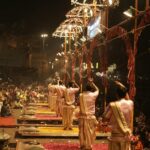
Arrive early at Dashashwamedh Ghat (6:15-6:30 PM) securing good viewing positions for the 6:45-7:00 PM ceremony start. Seven young priests perform synchronized worship using massive brass lamps, conch shells, incense, and peacock fans while devotional music creates electrifying spiritual atmosphere. Whether viewing from ghat steps (free but crowded) or pre-arranged boat positions (₹500-800), this 45-minute ceremony represents Varanasi’s most spectacular experience. Post-aarti, linger briefly absorbing atmosphere as crowds disperse and ghats transition to evening quietude.
8:15-9:30 PM: Farewell Dinner
Conclude your intensive day with dinner at quality riverside restaurant, reflecting on experiences while enjoying final Ganges views. If departing by night train or early morning flight, this dinner becomes literal farewell to the ancient city.
Alternative Itinerary: Late Arrival/Afternoon Start Format
For travelers arriving Varanasi by 11 AM-12 PM:
12:00-1:00 PM: Hotel check-in, quick freshening, light lunch.
1:30-2:00 PM: Brief rest avoiding complete exhaustion before activities begin.
2:30-5:30 PM: Focused temple circuit covering Kashi Vishwanath (absolute priority), plus 1-2 secondary temples based on time and energy.
6:00-8:00 PM: Evening Ganga Aarti as day’s centerpiece experience.
8:30-10:00 PM: Dinner followed by optional night boat ride (peaceful river after crowd dispersal) OR early sleep if departing next morning before sunrise boat ride.
Next Morning (if staying overnight): 5:30-7:00 AM sunrise boat ride capturing the essential experience afternoon arrival prevented.
This format trades comprehensive coverage for deep engagement with truly essential elements, acknowledging that late arrival eliminates possibilities for extensive touring while preserving core spiritual experiences.
Transportation and Guide Arrangements
Private Vehicle Essential: One-day tours demand private cab or car rental (₹2,500-4,000 for full day) providing efficient point-to-point transportation without time wasted on auto-rickshaw negotiations or shared transport schedules. The vehicle waits during temple visits, enables quick transitions, and accommodates schedule adjustments impossible with fixed public transport.
Professional Guide Value: Hiring experienced guides (₹1,000-1,500 full day) dramatically enhances limited time’s value through efficient navigation avoiding wrong turns in confusing lanes, cultural and historical context transforming observations into education, handling logistics like shoe storage and security procedures, and language assistance facilitating deeper engagement. Guides specializing in one-day intensive tours understand prioritization and pacing needs unique to time-constrained visitors.
Combined Driver-Guide Option: Some operators offer drivers with basic guide capabilities at intermediate pricing (₹3,500-4,500 total covering both vehicle and commentary). While less comprehensive than professional guides, this economical option suits budget-conscious travelers wanting some cultural context beyond pure transportation.
Pricing Comprehensive One-Day Tours
Budget One-Day Package: ₹3,500-5,000 per person including private sedan, basic guide, one boat ride, and essential logistics. Excludes meals, temple donations, and premium aarti seating.
Mid-Range One-Day Package: ₹5,500-8,000 per person upgrading to better vehicles, experienced guides, reserved aarti seating, and possibly including breakfast and lunch.
Premium One-Day Package: ₹9,000-15,000 per person featuring luxury vehicles, exceptional guides, VIP temple arrangements, comprehensive meal inclusions, and white-glove service throughout.
Solo Traveler Note: Prices above assume couples or small groups sharing costs. Solo travelers booking private services pay full package costs individually, effectively doubling per-person rates, though joining small group tours dramatically reduces individual expenses.
Energy Management and Pacing
One-day intensive touring demands physical stamina and mental focus. Preparation strategies: Get adequate sleep the night before (7-8 hours minimum), eat substantial breakfast fueling entire morning, stay hydrated throughout (carry water bottles), and consume light, energy-sustaining snacks rather than heavy meals that create afternoon lethargy. During the day: Take brief sitting breaks at temples rather than rushing through, use vehicle transit times for rest and recovery, and honestly assess energy levels—better to skip one site maintaining quality attention at others than forcing exhaustion degrading all experiences.
Mental Stamina: Varanasi’s sensory intensity—crowds, noise, smells, visual stimulation—mentally exhausts even without physical exertion. Build in quiet moments during boat rides or cafe breaks where you simply observe without constant information intake, allowing your mind to rest while still experiencing the city.
What to Skip Without Regret
Acceptable Omissions: Shopping (silk buying requires hours of browsing and negotiating), wellness activities, extended Sarnath exploration beyond quick visit, multiple boat rides at different times, comprehensive photography expeditions, neighborhood temple circuits beyond main sites, Ramnagar Fort or peripheral attractions, and attempting to “see everything.”
Ruthless Prioritization: If running behind schedule, sacrifice secondary temples before touching the core trinity: boat ride, Kashi Vishwanath, and Ganga Aarti. Better to experience these three deeply than adding two mediocre secondary temples diluting focus and creating exhaustion.
Booking Strategy for One-Day Visits
Advance vs. Last-Minute: If possible, book one-day tours 5-7 days ahead ensuring quality guides and vehicles, preferred boat ride timing, and reserved aarti seating. However, Varanasi’s robust tourism infrastructure enables successful last-minute (24-48 hours) and even same-day bookings accepting potential compromises on guide quality or aarti seating.
Package vs. A La Carte: Comprehensive packages (₹5,000-8,000 covering vehicle, guide, boat, aarti seating) provide convenience and often modest savings versus booking components separately. However, DIY arrangements offer flexibility and potential cost savings for experienced, confident travelers.
Capturing the Experience
Photography Balance: Take photographs documenting your day but avoid experiencing Varanasi entirely through camera screens. Designate specific photo stops (ghat architecture from boat, temple exteriors, aarti ceremony) while putting cameras away during actual darshan and contemplative moments, allowing full presence and absorption.
Journaling: Carry small notebook or use phone notes capturing immediate impressions, emotions, and observations throughout the day. These contemporaneous notes preserve details and feelings that memory alone doesn’t retain, creating valuable records for future reflection.
Realistic Expectations and Mental Framing
Acknowledge Limitations: Accept from the outset that one day provides introduction, not comprehensive understanding. You’ll glimpse Varanasi’s surface, experience its power, and hopefully develop appetite for deeper future exploration. This isn’t failure—it’s realistic recognition of what’s achievable within temporal constraints.
Focus on Essence Over Encyclopedia: Rather than attempting encyclopedic coverage, focus on absorbing Varanasi’s essential character—the sacred Ganges’ timeless flow, the continuous devotional practices spanning millennia, the coexistence of life and death, beauty and decay, chaos and transcendence. These essences penetrate even brief visits for receptive travelers.
Gratitude Over Regret: Conclude your day grateful for experiencing even briefly what millions consider life’s ultimate pilgrimage destination, rather than regretting missed elements. The ancient city will endure—return visits remain possible if Varanasi captures your imagination.
Post-Visit Integration
Processing Intensity: Varanasi’s concentrated impact often requires processing time. Don’t immediately rush to next destination—if possible, allow quiet evening or following morning for reflection, journaling, or simply sitting with the experiences before moving on.
Cultural Learning: Follow up your visit with reading about Varanasi’s history, Hindu theology, or Ganges’ significance. Post-visit education deepens understanding of what you witnessed, transforming superficial exposure into genuine cultural learning.
Sharing Experiences: Describing your Varanasi day to others helps process and integrate experiences while sharing India’s spiritual heritage with those who may never visit personally.
Conclusion
Varanasi one-day darshan tours, while necessarily compressed and incomplete, deliver remarkable value for time-constrained travelers through strategic prioritization, optimal timing, and focused engagement with essential experiences. The ancient city’s profound spiritual atmosphere, architectural grandeur, and living cultural traditions possess such intensity that even single-day exposure creates lasting impressions and perspective shifts impossible at conventional tourist destinations.
By accepting necessary limitations, prioritizing core experiences over comprehensive coverage, maintaining realistic expectations, and approaching the day with presence and openness, limited-time travelers can access meaningful Varanasi immersion that honors both practical constraints and the sacred city’s timeless significance—proving that while depth requires duration, essence can penetrate even the briefest sincere encounters with one of humanity’s most extraordinary spiritual landscapes.
Frequently Asked Questions
Q1: Is one day genuinely enough to experience Varanasi meaningfully, or should we skip it entirely if we can’t stay longer?
One day absolutely provides meaningful Varanasi experience—don’t skip the city due to limited time. Why one day works: Varanasi’s power concentrates intensely enough that even brief exposure creates profound impacts. The essential trinity—sunrise boat ride witnessing the Ganges’ timeless rhythms, Kashi Vishwanath Temple darshan at Hinduism’s holiest Shiva site, and evening Ganga Aarti’s spectacular synchronized worship—can all be accomplished in 12-14 hours, delivering the city’s spiritual essence if not comprehensive cultural understanding. What you’ll miss: Leisurely exploration, hidden neighborhood discoveries, repeated experiences at different times, deep cultural immersion, and relationship-building with locals. However, what you’ll gain: Direct encounter with sacred geography millions consider life’s pinnacle pilgrimage, perspective-shifting confrontation with different worldviews, architectural and cultural exposure to 3,000 years of continuous civilization, and often unexpected spiritual stirring regardless of religious background. Comparison: One Varanasi day typically impacts travelers more than three days at conventional tourist destinations—the city’s intensity compensates somewhat for brevity. Recommendation: If you can only allocate one day, absolutely visit. But if genuinely captivated, plan return visits for deeper exploration. Many travelers report brief first visits sparked such fascination they restructured future India trips around extended Varanasi stays.
Q2: Should we prioritize sunrise or sunset boat ride if we can only do one?
Strongly prioritize sunrise boat ride if choosing only one, despite the 5:00 AM wake-up challenge. Why sunrise wins: Dawn provides Varanasi’s most magical, authentic spiritual atmosphere as the city awakens to devotional practices—morning ablutions, sunrise prayers, yoga practitioners, genuine worship unmarked by tourist performance. The light quality creates spectacular photography conditions as darkness transitions through purple, pink, orange, and gold hues. Crowds are manageable compared to evening tourist masses. The contemplative peace differs dramatically from evening’s energetic celebration. Most importantly, morning boat rides represent Varanasi’s iconic, defining image—what you’ve seen in photographs and documentaries overwhelmingly captures dawn, not dusk. Sunset advantages: No early wake-up required, positioning you naturally for subsequent evening aarti, and beautiful light though less dramatically transformative than sunrise. Compromise solution: If morning wake-up genuinely seems impossible due to late arrival or exhaustion, sunset boat rides remain worthwhile. However, if any possibility exists for sunrise commitment, the reward absolutely justifies temporary sleep sacrifice. Enhancement: If budget allows and schedule permits, experience both—they offer complementary perspectives revealing different aspects of riverfront life. But forced to choose, sunrise delivers quintessential Varanasi experience.
Q3: Can we fit in Sarnath during a one-day Varanasi tour, or does it take too much time?
Sarnath integration depends on arrival timing, energy levels, and priorities. Time requirements: Sarnath lies 10 kilometers from central Varanasi (30-minute drive each way), with meaningful site exploration requiring 2-3 hours covering Dhamek Stupa, Archaeological Museum, and meditation gardens—total time commitment of 3-4 hours including transport. When it works: Full-day itineraries with early morning starts (beginning 5:30-6:00 AM) comfortably accommodate afternoon Sarnath visits (3:00-6:00 PM) between lunch rest and evening aarti. The Buddhist site’s peaceful contemplative atmosphere provides valuable contrast to Hindu intensity, and historical significance (Buddha’s first sermon location) justifies time investment for culturally curious travelers. When to skip: Late morning or afternoon arrivals make Sarnath impractical—core Varanasi experiences take priority. Exhausted travelers after intensive morning touring benefit more from rest than forcing Sarnath visit that becomes obligatory checkbox rather than appreciated experience. Those with minimal Buddhist interest or strongest focus on Hindu spiritual elements reasonably skip Sarnath favoring deeper Varanasi immersion. Compromise: Quick Sarnath overview (90 minutes covering just major stupa and brief museum visit) reduces time commitment while capturing essence. Recommendation: Include Sarnath if (a) you have 12+ hours total in Varanasi, (b) maintain strong energy after morning activities, and (c) value Buddhist history or appreciate contemplative contrast. Otherwise, prioritize Varanasi proper without guilt about Sarnath omission.
Q4: What’s the most efficient way to book a one-day tour if we’re only deciding today that we want to visit Varanasi tomorrow?
Last-minute one-day tour booking (24-48 hours ahead) remains highly feasible through multiple channels. Hotel coordination (if already booked): Call your Varanasi hotel immediately requesting tour desk arrange comprehensive one-day package including vehicle, guide, boat rides, and aarti seating. Hotels maintain relationships with reliable operators and can often confirm arrangements within hours. Expect slight premiums (10-20%) versus direct booking, but convenience and reliability justify costs. Online platforms: Check Viator, GetYourGuide, Klook, or MakeMyTrip for Varanasi one-day tours with immediate confirmation availability. These platforms show real-time availability, transparent pricing (₹4,000-8,000 per person typical for quality packages), customer reviews, and instant booking. Direct operator contact: Google “Varanasi one day tour operators,” call 3-4 companies explaining next-day requirements, and compare offerings. Established operators like Varanasi Walks, Gateway Tours, or similar typically accommodate 24-hour advance bookings if capacity exists. WhatsApp booking: Many operators maintain responsive WhatsApp business numbers. Send message: “Need comprehensive one-day Varanasi tour tomorrow for [X] people starting [time]. Please quote all-inclusive package price including vehicle, guide, boat, temples, aarti.” Professional operators respond within 1-2 hours. Arrival backup: If pre-booking proves impossible, arrange tours upon Varanasi arrival through hotel concierges or established operators with physical offices near major ghats—same-day arrangements work, though preferred timing/guides may be unavailable. Success probability: During regular season, 24-hour advance booking succeeds 85-90% of time. Peak season (November-February) or major festivals reduce availability but reasonable options still exist.
Q5: How physically demanding is a full one-day Varanasi tour, and can elderly or less mobile travelers manage it?
Physical demands are moderate but require realistic assessment and possible modifications for elderly or mobility-limited travelers. Walking requirements: Comprehensive one-day tours involve 4-6 kilometers total walking, though not continuously—spread across temple visits, ghat stairs, and lane navigation. Kashi Vishwanath Temple requires navigating 400-500 meters through congested lanes from vehicle drop-off points (cars can’t access directly), plus temple stairs and uneven stone surfaces. Other temples similarly involve walking though most have closer vehicle access. Ghat areas feature steep, uneven stone steps potentially challenging for those with balance issues. Heat and duration: Tours spanning 12-14 hours (5:30 AM-8:00 PM) with 5:00 AM wake-ups exhaust even healthy adults. Heat (particularly March-October) compounds fatigue. Elderly travelers may find this duration overwhelming. Modifications for limited mobility: Private vehicles minimize walking between sites, wheelchair or sedan chair assistance can be arranged at major temples (communicate needs when booking), reduced temple circuits (visiting 2-3 versus 5-6 sites) decrease physical demands, extended lunch/rest breaks (3 hours versus 2) allow recovery, and boat rides require minimal exertion while delivering maximum experience value. Realistic assessment: Elderly travelers managing daily walks of 2-3 kilometers and comfortable with 8-10 hours daily activity (with rest breaks) generally handle one-day tours fine. Those with significant mobility limitations, chronic fatigue, or inability to climb stairs should consider modified half-day programs focusing on most accessible experiences (boat rides, BHU’s spacious New Vishwanath Temple, vehicle-based ghat viewing) rather than forcing full intensive itineraries creating misery rather than meaningful experiences.