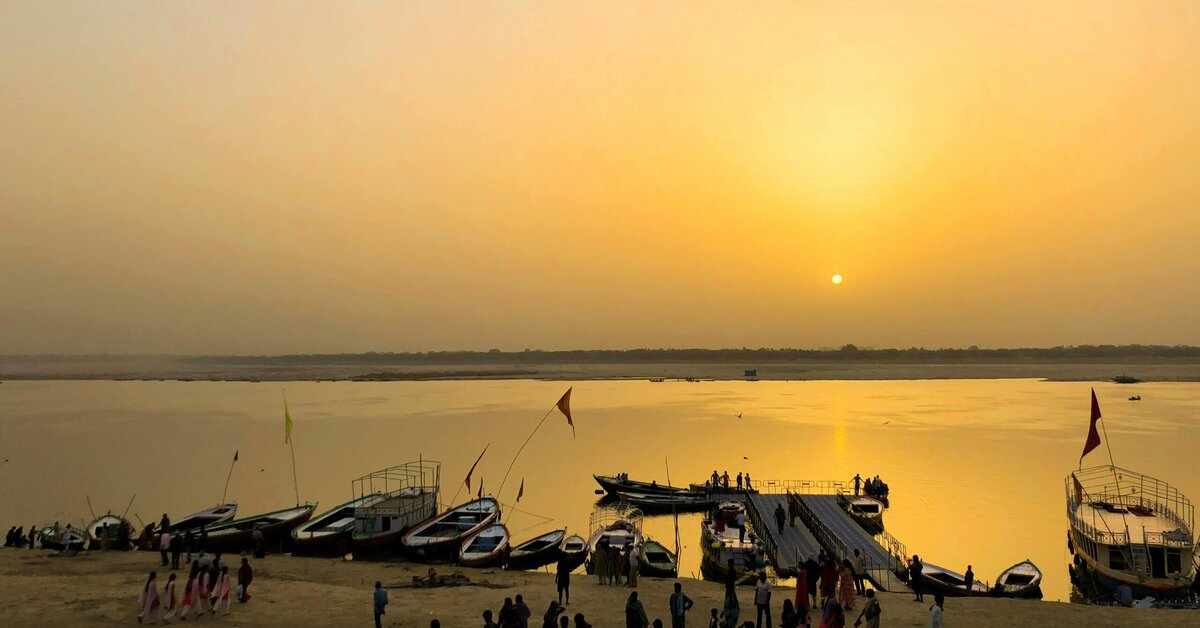
Varanasi Prayagraj Ayodhya Customized Tour Package , Imagine crafting your perfect spiritual journey through three of India’s most sacred cities, each offering distinct flavors of devotion, history, and transformation. A customized tour package connecting Varanasi, Prayagraj, and Ayodhya isn’t just a trip—it’s your personally designed pilgrimage through the heart of Hindu civilization. Unlike standard packages that follow rigid schedules, customized tours bend to your rhythm, interests, and spiritual aspirations.
These three cities form a powerful triangle of faith. Varanasi, the eternal city where Lord Shiva resides, promises liberation from the cycle of rebirth. Prayagraj, where three sacred rivers converge, offers purification and blessings at one of Hinduism’s holiest spots. Ayodhya, the birthplace of Lord Rama, embodies dharma and devotion. Together, they create a pilgrimage circuit that has drawn seekers for thousands of years.
What makes customization so valuable? Perhaps you want to spend extra time photographing the ghats at dawn, or maybe you’d prefer deeper engagement with spiritual practices like yoga and meditation. Maybe you’re traveling with elderly parents who need a gentler pace, or with curious teenagers who’d appreciate historical context. A customized package accommodates all these needs while ensuring you don’t miss the essential experiences that make this journey unforgettable.
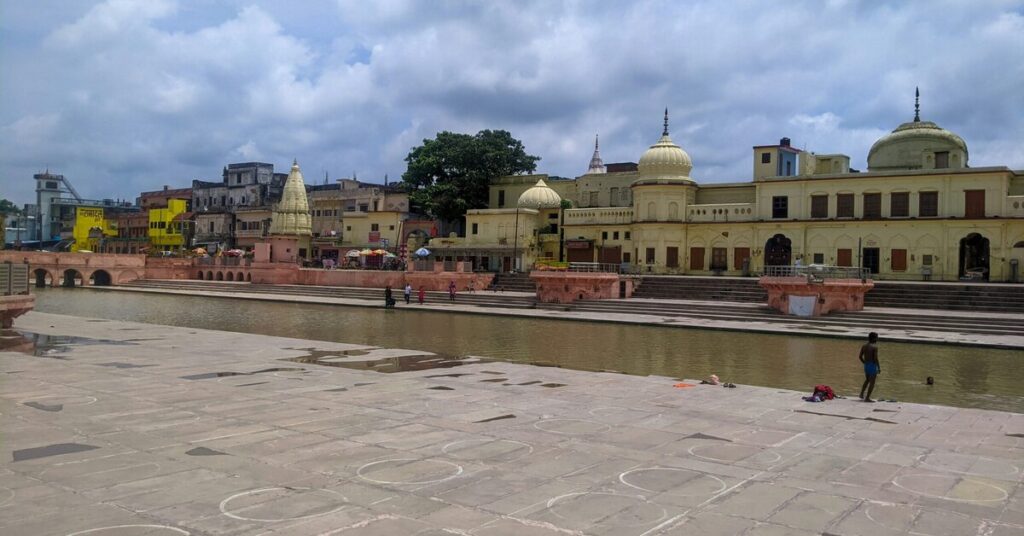
Why These Three Sacred Cities Together?
The Holy Trinity of Hindu Pilgrimage
In Hindu pilgrimage tradition, these three cities hold exceptional significance. Varanasi represents Shiva, the destroyer and transformer, where death becomes a gateway to liberation. Prayagraj embodies the concept of sangam—the confluence where separate streams merge into something greater. Ayodhya celebrates Rama, the ideal king whose life exemplifies dharma in action.
Together, they offer a comprehensive spiritual experience. You’re not just visiting temples or performing rituals—you’re engaging with different aspects of Hindu philosophy and practice. The journey becomes a moving meditation on transformation, purification, and righteous living.
Geographical and Spiritual Connectivity
Geographically, these cities form a convenient triangle in Uttar Pradesh. Varanasi to Prayagraj is approximately 120 kilometers, Prayagraj to Ayodhya is about 160 kilometers, and Ayodhya back to Varanasi is around 200 kilometers. This proximity makes visiting all three in a single tour entirely feasible.
Spiritually, they’re interconnected through mythology and practice. The Ganges flows through both Varanasi and Prayagraj, carrying blessings between them. The Sarayu River in Ayodhya also holds sacred significance. Ancient pilgrims walked these routes, and modern highways now follow paths trodden for millennia.
Varanasi: The City of Liberation
Spiritual Essence of Kashi
Varanasi—also called Kashi or Banaras—holds a unique position in Hindu cosmology. It’s believed to exist outside the normal laws of space and time, residing on Lord Shiva’s trident rather than on earthly ground. This makes it the ultimate pilgrimage destination, where the veil between physical and spiritual realms grows thin.
The city’s spiritual essence permeates everything. The morning mist over the Ganges, the evening aarti flames reflecting on water, the constant temple bells, the chanting of Sanskrit mantras—all create an atmosphere that shifts consciousness. Many visitors describe feeling different here, as though the city itself initiates transformation.
Key Attractions in Varanasi
Ghats and River Ceremonies
Varanasi’s 80+ ghats define its character. Each has unique features, but certain experiences are universal. Sunrise boat rides reveal the city awakening to prayer and purification rituals. The evening Ganga Aarti at Dashashwamedh Ghat transforms the riverfront into a theater of devotion, with thousands gathering to honor the sacred river.
Walking the ghats from Assi to Dashashwamedh (or vice versa) takes several hours but offers unparalleled people-watching and architectural appreciation. You’ll witness wrestlers exercising, priests conducting private pujas, washermen cleaning clothes, children playing, and sadhus meditating—all on ancient stone steps leading to holy waters.
Ancient Temples
Kashi Vishwanath Temple, with its golden spire, draws millions annually. The temple houses one of twelve Jyotirlingas, making it supremely sacred to Shiva devotees. Recent renovations have created a grand corridor enhancing both accessibility and majesty.
Beyond Kashi Vishwanath, Varanasi contains hundreds of temples—Sankat Mochan Hanuman Temple, Durga Temple (called Monkey Temple), Tulsi Manas Temple, and countless neighborhood shrines. Each has devotees, stories, and particular spiritual specialties.
Sarnath Buddhist Site
Just 10 kilometers from Varanasi, Sarnath marks where Buddha gave his first sermon after achieving enlightenment. The Dhamek Stupa, ancient monasteries, and excellent archaeological museum make this essential for understanding how Buddhism emerged from the Hindu spiritual context.
A customized tour can allocate as much or as little time here as matches your interest—from a quick two-hour visit to a full day exploring Buddhist history and philosophy.
Prayagraj: The City of Confluence
Sangam – The Sacred Junction
Prayagraj’s spiritual significance centers on the Sangam—the confluence of the Ganges, Yamuna, and mythical Saraswati rivers. This meeting point is considered so auspicious that bathing here during specific astrological alignments promises liberation and blessing.
The concept of sangam carries deep symbolic meaning—different paths merging, separate becoming one, individual consciousness joining universal consciousness. Standing at the Sangam isn’t just geography; it’s metaphysics made visible.
Major Sites in Prayagraj
Triveni Sangam
The actual confluence point is accessible by boat. Devotees take holy dips, make offerings, and perform rituals here. The sight of two distinctly colored rivers merging—the muddy brown Ganges and greenish Yamuna—creates a visible boundary line that gradually dissolves, beautifully illustrating the sangam concept.
Boat rides to the Sangam are essential. Many pilgrims carry back bottles of sacred water from this most holy spot. The experience feels primal and powerful—standing where mighty rivers join, participating in rituals performed for centuries.
Allahabad Fort
Built by Emperor Akbar in 1583, this massive fort sits at the Sangam’s edge. While much remains under military control, accessible portions include the Ashoka Pillar (dating to 232 BCE), Patalpuri Temple, and Saraswati Koop (well supposedly connected to the underground Saraswati River).
The fort blends historical significance with spiritual importance. The Ashoka Pillar contains inscriptions from multiple emperors and remains an archaeological treasure. The underground Patalpuri Temple, though now restricted, has drawn pilgrims for centuries.
Anand Bhawan
For history enthusiasts, Anand Bhawan (the ancestral home of the Nehru family) offers fascinating insights into India’s independence movement. Jawaharlal Nehru, India’s first Prime Minister, grew up here. The preserved residence has become a museum showcasing personal belongings, photographs, and memorabilia from the freedom struggle.
A customized tour can include or skip this based on your interest in modern Indian history versus purely spiritual focuses.
Hanuman Temple
The sleeping Hanuman temple (Hanuman in reclining posture) presents a unique iconography. According to legend, this temple has never been completely submerged even during the highest Ganges floods, considered proof of divine protection. The underground temple requires descending stairs, and visiting during non-flood seasons is advisable.
Ayodhya: The Birthplace of Lord Rama
Ramayana Connection
Ayodhya’s significance comes entirely from its connection to the Ramayana epic and Lord Rama. The city served as capital of the Kosala kingdom and witnessed the events that transformed prince Rama into one of Hinduism’s most beloved deities. Every temple, every ghat, every street in Ayodhya connects to Ramayana stories.
For devotees, visiting Ayodhya means walking where Rama walked, seeing where he was born, and connecting with an ideal of dharmic living that continues inspiring billions. The city itself feels like a living scripture.
Must-Visit Temples in Ayodhya
Ram Janmabhoomi Temple
The grand new temple at Ram’s exact birthplace has transformed Ayodhya into a major pilgrimage destination. The impressive architecture blends traditional temple design with modern engineering. The sanctum marking Rama’s birthplace generates intense devotional energy, with pilgrims often becoming emotional upon darshan.
Security is tight, with restrictions on what you can carry inside. Your customized tour guide can help navigate protocols efficiently, ensuring meaningful darshan without unnecessary delays.
Hanuman Garhi
This fortress-like temple dedicated to Hanuman sits atop a hill reached by climbing 76 steps. Legend says Hanuman lived here guarding the Ram Janmabhoomi. The temple offers panoramic city views and houses a beautiful Hanuman idol in a sitting posture within a cave.
The climb requires moderate fitness, but the atmosphere at the top—always buzzing with devotees chanting “Jai Shri Ram”—creates powerful collective energy.
Kanak Bhawan
This beautiful temple, gifted to Sita by Rama’s stepmother Kaikeyi, houses ornately crowned statues of Rama and Sita. The temple’s artistic beauty—intricate paintings, carved pillars, golden crowns—makes it Ayodhya’s most visually stunning temple.
The serene atmosphere here contrasts with busier temples, offering space for quiet reflection and appreciation of devotional art.
Ram Ki Paidi Ghats
These ghats along the Sarayu River serve as Ayodhya’s spiritual waterfront. The evening aarti here, while smaller than Varanasi’s, carries deep emotional resonance. Thousands gather for collective worship honoring both the river and Lord Rama.
The recently beautified ghat complex includes illuminated stairs, clean facilities, and viewing platforms. Taking a boat ride on the Sarayu during sunset provides lovely perspectives of the temples lining the riverbank.
What Makes a Customized Tour Package Special?
Flexibility in Itinerary Planning
Standard packages follow fixed schedules—wake at 6 AM, breakfast at 7, bus leaves at 8, and so on. Customized packages adapt to your preferences. Want to witness sunrise on the Ganges? Your day starts early. Prefer leisurely mornings? Sleep in, and we’ll adjust accordingly.
This flexibility proves invaluable when traveling with diverse groups. Maybe grandparents need afternoon rest while younger family members want more activities. Customization accommodates everyone’s needs and energy levels.
Personalized Experiences
Perhaps you’re a photographer wanting golden hour shoots at multiple ghats. Or a yoga practitioner hoping to study with traditional teachers. Maybe you’re researching Hindu philosophy and want deeper engagement with scholars. Customized packages can arrange specialized experiences matching your particular interests.
Standard tours treat all travelers identically. Customization recognizes that a honeymoon couple, a solo spiritual seeker, and a family with children have vastly different needs and interests.
Catering to Individual Interests
Your interest might be architecture, music, food, spirituality, history, or combinations thereof. Customized tours can emphasize what excites you while covering essential highlights everyone should experience.
For example, if you’re fascinated by Indian classical music, your package might include attending evening ragas at music schools, meeting sitarists or tabla players, or visiting instrument makers. Such additions transform generic tourism into personally meaningful exploration.
Budget Customization
Customization isn’t necessarily expensive. You can customize within any budget by selecting accommodation levels, transportation modes, meal inclusions, and activity add-ons that match your financial parameters.
Budget customization might mean staying in clean guesthouses rather than luxury hotels, taking trains instead of private cars, or eating at local restaurants instead of upscale establishments—all while maintaining excellent experiences perfectly suited to your preferences.
Sample Customized Itineraries
5-Day Spiritual Journey
Day 1: Arrival in Varanasi Arrive and settle in. Evening: Attend Ganga Aarti at Dashashwamedh Ghat from boat.
Day 2: Varanasi Immersion Early morning boat ride during sunrise. Visit Kashi Vishwanath Temple and explore ancient lanes. Afternoon: Excursion to Sarnath. Evening: Aarti at Assi Ghat.
Day 3: Varanasi to Prayagraj Morning: Final Varanasi explorations based on personal interest. Afternoon: Drive to Prayagraj (2.5 hours). Evening: Relax or explore local markets.
Day 4: Prayagraj Exploration Morning: Boat to Triveni Sangam for holy dip and rituals. Visit Allahabad Fort and Anand Bhawan. Evening: Visit sleeping Hanuman Temple.
Day 5: Prayagraj to Ayodhya and Return Morning: Drive to Ayodhya (3.5 hours). Visit Ram Janmabhoomi, Hanuman Garhi, and Kanak Bhawan. Evening: Attend Sarayu aarti before returning to Varanasi for departure.
7-Day Comprehensive Tour
This adds leisure and depth:
- Extra day in Varanasi for deeper ghat exploration, yoga sessions, or silk weaving workshop visits
- Full day in Prayagraj with additional sites like Khusro Bagh and Anand Bhawan detailed exploration
- Full day in Ayodhya with all major temples, ghat walks, and possibly participating in temple rituals
- More relaxed pacing allowing afternoon rest periods
10-Day Deep Immersion Package
Perfect for international travelers or serious spiritual seekers:
- Three days in Varanasi including meditation courses, philosophy discussions with scholars, classical music attendance
- Two full days in Prayagraj with extensive historical site coverage
- Two full days in Ayodhya with detailed Ramayana trail
- Additional destinations like Chitrakoot (where Rama spent part of his exile) or Vindhyachal (Goddess temple)
- Daily yoga and meditation sessions
- Cooking class learning regional cuisine
- Meeting with local artists, musicians, or craftspeople
Weekend Express Tour
For those with limited time:
Day 1: Arrive Varanasi, evening Ganga Aarti Day 2: Morning boat ride and Kashi Vishwanath, drive to Ayodhya, evening Sarayu aarti Day 3: Ayodhya temple circuit, return to Varanasi with possible Prayagraj Sangam stop en route
This condensed version covers highlights but moves quickly—best for repeat visitors or those returning for deeper exploration later.
Customization Options Available
Accommodation Preferences
Heritage Hotels: Experience royal living in converted palaces or havelis with period furniture and architecture. These properties offer luxury combined with historical atmosphere. Prices: ₹8,000-20,000+ per night.
Boutique Hotels: Smaller properties with personalized service, often featuring local art, contemporary design, and intimate atmospheres. Prices: ₹3,000-8,000 per night.
Standard Hotels: Clean, comfortable chain or independent hotels with modern amenities. Prices: ₹1,500-3,000 per night.
Guesthouses/Dharamshalas: Simple, clean accommodations often run by religious trusts. Basic facilities but authentic atmosphere. Prices: ₹500-1,500 per night.
Ashram Stays: Experience ashram life with early morning prayers, meditation sessions, and simple vegetarian meals. Often minimal charges or donation-based.
Transportation Choices
Private Car with Driver: Maximum flexibility and comfort. Choose vehicle size based on group (sedan, SUV, or mini-van). Includes all fuel, tolls, driver expenses. Most popular option for customized tours.
Tempo Traveler: For larger groups (8-12 people), these spacious vehicles offer comfort with luggage space and air conditioning.
Train Travel: More economical and offers authentic Indian travel experience. First AC or Second AC classes provide comfortable overnight options between cities.
Hybrid Approach: Trains for longer distances (Varanasi-Prayagraj), local cars for city exploration. Balances economy with convenience.
Activity Add-ons
- Yoga and Meditation: Daily sessions with qualified instructors (₹500-2,000 per session)
- Cooking Classes: Learn regional cuisine preparation (₹2,000-4,000 per class)
- Classical Music Performance: Private concert by traditional musicians (₹3,000-10,000)
- Photography Tour: Professional photographer guide teaching composition and technique (₹5,000-8,000 per day)
- Heritage Walks: Expert-guided walks through ancient neighborhoods (₹1,000-2,000 per person)
- Silk Weaving Workshop: Visit weavers, watch process, try your hand (₹1,500-3,000)
- Boat Rides: Private sunrise/sunset cruises with extended routes (₹2,000-5,000)
- Ritual Participation: Priest-guided participation in traditional pujas (₹1,000-5,000)
Special Interest Additions
Scholars and Lecturers: Arrange meetings with Sanskrit scholars, Hindu philosophy professors, or religious studies experts for deeper understanding (₹3,000-8,000 per session).
Wellness Focus: Add Ayurvedic consultations, massage therapies, or detox programs to your spiritual journey (₹2,000-10,000 depending on treatments).
Adventure Elements: Include sunrise cycling tours through villages, kayaking on the Ganges, or hiking near Ayodhya (₹1,500-4,000 per activity).
Extended Family Programs: Special activities for children—story-telling sessions about Ramayana, craft workshops, treasure hunts in temple complexes (₹1,000-3,000 per activity).
Transportation Between the Three Cities
Distance and Travel Times
Varanasi to Prayagraj: 120 km, approximately 2.5-3 hours by road. Highway condition good but can have traffic near cities.
Prayagraj to Ayodhya: 160 km, approximately 3.5-4 hours. Road conditions vary; some stretches excellent, others under development.
Ayodhya to Varanasi: 200 km, approximately 4-5 hours. Decent highway with moderate traffic.
Complete Circuit: Can be completed comfortably in 4-7 days depending on how much time you spend in each city.
Vehicle Options
Sedan (4 passengers): Comfortable for couples or small families. Common choices: Toyota Etios, Honda City, Maruti Dzire. Cost: ₹10-14 per kilometer.
SUV (6-7 passengers): More space and comfort for longer journeys. Options: Toyota Innova Crysta, Mahindra Xylo. Cost: ₹14-18 per kilometer.
Tempo Traveler (12-14 passengers): Best for larger groups or families wanting extra space. Cost: ₹18-25 per kilometer.
All prices typically include fuel, driver allowance, tolls, and parking but verify inclusions when booking.
Train and Flight Alternatives
Train Options:
- Varanasi to Prayagraj: Multiple daily trains, journey 2-3 hours, fares ₹200-1,000 depending on class
- Prayagraj to Ayodhya: Limited direct trains, often easier to go via Lucknow or use road transport
- Trains offer comfort and authenticity but less flexibility than private vehicles
Flight Options:
- Limited utility for this circuit as cities are relatively close
- Varanasi and Prayagraj have airports, but Ayodhya’s airport is still developing
- Flights make sense mainly for international travelers arriving/departing but not for inter-city travel on this route
Best Routes and Sequences
Varanasi-Prayagraj-Ayodhya Circuit
The most common sequence starts in Varanasi (2-3 days), proceeds to Prayagraj (1-2 days), then Ayodhya (1-2 days), before returning to Varanasi for departure. This follows a logical geographical loop minimizing backtracking.
Advantages: Starts with Varanasi’s overwhelming spiritual intensity, allowing gradual immersion. Prayagraj provides transition. Ayodhya’s focused Rama devotion offers different energy. Return to Varanasi for departure is convenient.
Alternative Route Options
Reverse Circuit: Varanasi-Ayodhya-Prayagraj-Varanasi works equally well, especially if you want to experience Rama devotion before Shiva worship.
Linear Route: Start Varanasi, end Ayodhya (or reverse) if arriving and departing from different cities. Requires travel to/from Ayodhya airport (developing) or Lucknow airport (1.5 hours away).
Prayagraj First: If visiting during Kumbh Mela or major festivals, starting in Prayagraj makes sense, then proceeding to other cities.
Time-Saving Strategies
Overnight Travel: Take evening train Varanasi to Prayagraj, arriving next morning fresh for full day of exploration. Saves hotel night and travel time.
Strategic Timing: Visit Sarnath (near Varanasi) on your first half-day arrival rather than dedicating a full day. Start early mornings for sunrise experiences, maximizing daylight hours.
Combine Activities: Have breakfast at ghat-side restaurant while watching morning rituals. Shop for souvenirs while walking between temples. Efficient routing saves hours.
Skip Redundancies: If not particularly interested in modern history, skip Anand Bhawan in Prayagraj, gaining 2-3 hours for other activities or rest.
Seasonal Considerations and Festival Times
Kumbh Mela in Prayagraj
The Kumbh Mela occurs in Prayagraj every 12 years (next: 2025), with Ardh Kumbh (half Kumbh) every 6 years. These massive gatherings attract millions of pilgrims—the 2019 Kumbh saw over 150 million visitors over 50 days.
Customization Considerations: If visiting during Kumbh, your entire package needs special planning—book accommodations months in advance, expect higher prices, allocate extra time for crowds, and perhaps focus primarily on Prayagraj with shorter visits to other cities.
The spiritual intensity during Kumbh is unparalleled but logistical challenges are significant. Customized packages can navigate this better than trying to manage independently.
Dev Deepawali in Varanasi
Dev Deepawali falls 15 days after Diwali (usually November). All ghats illuminate with thousands of earthen lamps, creating a breathtaking spectacle. The Ganga Aarti expands to multiple ghats simultaneously.
Customization for Dev Deepawali: Book 3-6 months advance. Consider 3-4 days in Varanasi to fully experience the festival. Include boat rides at various times to see illuminations from river. Budget for higher accommodation costs during this peak period.
Ram Navami celebrates Lord Rama’s birthday (March/April). Ayodhya transforms into a grand celebration with processions, continuous Ramayana recitations, decorations, and special temple programs.
Festival Customization: Extend Ayodhya stay to 2-3 days during Ram Navami. Include participation in processions, attend Ramayana recitals, witness special abhishekam (ritual bathing) ceremonies at temples. Book early as devotees flood the city.
Weather-Based Planning
Best Overall: October-March offers pleasant weather across all three cities.
Winter (December-February): Cool, sometimes cold mornings/evenings (5-10°C), pleasant days (20-25°C). Perfect for sightseeing but pack warm layers for early morning boat rides.
Spring (February-March): Ideal temperatures (15-30°C), comfortable for all activities.
Summer (April-June): Hot (35-45°C), challenging for outdoor activities. Not recommended unless visiting for specific festivals. If traveling summer, customize with air-conditioned vehicles, indoor activities during peak heat, early morning and late evening outdoor explorations.
Monsoon (July-September): Heavy rains can disrupt travel, cause river flooding. However, monsoon has unique beauty—lush greenery, fewer crowds, lower prices. Customized tours can work around weather with flexible indoor/outdoor activity balancing.
Spiritual Activities and Experiences
Holy Dips and Rituals
Taking a holy dip in the Ganges (Varanasi and Prayagraj) or Sarayu (Ayodhya) forms the core spiritual practice for many pilgrims. The belief in purification through sacred waters runs deep in Hindu tradition.
Customization Options: If interested, your package can arrange proper guidance for ritual bathing—best times (typically early morning), appropriate locations, what offerings to make, and post-bath prayers. Modest clothing, changing facilities, and shower arrangements can all be pre-arranged.
Not comfortable with full immersion? Simple foot dipping or sprinkling holy water achieves symbolic participation. Your guide can explain options without pressure.
Temple Worship and Darshan
Darshan (sacred viewing) of deities forms central Hindu worship practice. Your customized package can arrange:
- VIP/Fast Track Darshan: Many major temples offer paid services reducing wait times from hours to minutes
- Special Pujas: Participate in or sponsor special worship ceremonies with priests
- Festival Timing: Schedule temple visits during special aarti times for enhanced experience
- Multiple Visits: Return to particularly meaningful temples on different days at various times
- Explanation Services: Priests or guides explain deity significance, temple mythology, ritual meanings
Aarti Ceremonies
Attending aarti ceremonies at Dashashwamedh Ghat (Varanasi), Triveni Sangam (Prayagraj), and Ram Ki Paidi (Ayodhya) are tour highlights.
Customization Enhancements:
- Premium Viewing: Book restaurant balconies or hotel terraces with ghat views
- Private Boat Aarti: Watch from private boat positioned in river for unobstructed views
- Participation Options: Arrange to light diyas (lamps) or participate in the aarti
- Multiple Aartis: Attend morning and evening ceremonies to experience different energies
- Photography Setup: Position for optimal photography angles with professional tips
Meditation and Yoga Sessions
Many travelers seek to deepen spiritual experiences through meditation and yoga practice.
Customizable Options:
- Daily Practice: Arrange morning yoga sessions at ghats or hotel rooftops
- Ashram Stays: Include 1-2 nights at ashrams with structured daily practice
- Private Teachers: Personal yoga/meditation instruction tailored to your level
- Specific Traditions: Learn particular styles—Ashtanga, Hatha, Kundalini, Kriya Yoga
- Pranayama and Meditation: Focus specifically on breathing techniques and meditation rather than physical postures
- Silent Retreats: Dedicate a day or two to silent contemplation with minimal activities
Cultural and Historical Exploration
Museum Visits
Sarnath Archaeological Museum (Varanasi): Houses the famous Ashoka Pillar capital and exceptional Buddhist sculptures. Essential for understanding Indian history and Buddhist art development.
Allahabad Museum (Prayagraj): Contains impressive collections of sculptures, paintings, and artifacts. Highlights include terracotta figures from nearby archaeological sites.
Ayodhya Museum (under development): New museum focusing on Ramayana and Ayodhya’s archaeological heritage.
Customization: Allocate 1-3 hours per museum based on interest. Arrange expert guides who can bring collections to life rather than just walking through displays.
Heritage Walk Tours
Exploring ancient neighborhoods on foot reveals layers of history invisible from vehicles.
Varanasi Old City Walk: Navigate narrow lanes past ancient homes, hidden temples, traditional workshops. See silk weavers,bangle makers, flower sellers preparing offerings.
Prayagraj Colonial Architecture: Walk through Civil Lines area seeing British-era buildings, churches, and administrative structures contrasting with ancient religious sites.
Ayodhya Temple Circuit: Walking between temples reveals neighborhood life, local markets, and architectural details missed when rushing by vehicle.
Customization: Choose walking tours matching fitness levels and interests. Early morning or late evening walks avoid midday heat. Photography-focused walks pause frequently for shots.
Local Art and Craft
Varanasi Silk Weaving: Visit weavers creating famous Banarasi silk brocade. Watch the intricate process, try your hand at weaving, commission custom pieces.
Miniature Painting: Observe artists creating traditional Mughal-style miniatures, often depicting Krishna or Rama stories.
Brasswork: See craftsmen creating brass deities, lamps, and decorative items using ancient techniques.
Woodcarving: Watch artisans carving intricate designs in wood for temples and homes.
Customization: Transform these from quick shop visits into meaningful workshops where you actually create something under artisan guidance.
Classical Music and Dance
Varanasi has rich classical music tradition—many legendary musicians hail from here.
Evening Ragas: Attend informal concerts at music schools or private homes Kathak Dance: Watch performances of North India’s classical dance form Dhrupad: Experience this ancient vocal music form in its traditional setting Instrument Workshops: Visit sitar, tabla, or harmonium makers, try playing under guidance
Customization: Serious music enthusiasts can arrange meetings with maestros, attend practice sessions, or even take lessons. Classical arts offer profound cultural immersion beyond typical tourist experiences.
Culinary Journey Through Three Cities
Varanasi Street Food
Varanasi’s food scene is legendary. Must-tries include:
Kachori-Sabzi: Fried bread stuffed with spiced lentils, served with potato curry Tamatar Chaat: Tangy tomato dish with spices, only found in Varanasi Malaiyo: Winter-only delicacy—milk foam whipped to air-light consistency Banarasi Paan: Betel leaf preparation, digestive and cultural experience Lassi: Thick yogurt drink in earthen cups Sweets: Peda, barfi, jalebi, and countless variations
Food Tour Customization: Arrange guided food walks hitting 8-10 famous spots, learning preparation methods, meeting vendors, understanding cultural significance. Morning and evening food tours show different specialties.
Prayagraj Delicacies
Prayagraj cuisine reflects Mughal and Awadhi influences:
Paneer Korma: Rich cottage cheese curry Dum Aloo: Slow-cooked potato preparation Allahabadi Kachori: Local variation stuffed with spiced peas Naan Kabab: Street food pairing flatbread with minced meat Seasonal Fruits: Prayagraj’s famous guavas and other fruits
Customization: Include meals at historic restaurants serving traditional recipes unchanged for generations. For adventurous eaters, explore street food; for cautious travelers, select cleaner upscale restaurants serving same traditional dishes.
Ayodhya Traditional Cuisine
Ayodhya food is predominantly pure vegetarian (sattvic) respecting its sacred character:
Tehri: Lightly spiced rice preparation Litti-Chokha: Roasted wheat balls with mashed vegetables Panjeeri: Sweet made for temple offerings Malpua: Sweet pancakes popular as prasad Rabri: Condensed milk dessert
Prasad Experiences: Include tasting various temple prasad—sweets and foods offered to deities then distributed to devotees. Each temple has signature preparations. This isn’t just eating; it’s receiving blessings.
Shopping and Souvenirs
What to Buy in Each City
Varanasi:
- Banarasi silk sarees, scarves, and fabrics
- Brass idols and decorative items
- Rudraksha beads and prayer malas
- Wooden toys and handicrafts
- Musical instruments (sitars, tablas)
- Stone inlay work
- Banaras Hindu University (BHU) merchandise
Prayagraj:
- Allahabad Fort souvenirs
- Religious books and texts
- Gangajal (holy water from Sangam)
- Local handicrafts
- Guava products (jams, preserves if seasonal)
Ayodhya:
- Ram and Sita idols in various sizes/materials
- Ramayana books in multiple languages
- Religious artwork depicting Rama’s life
- Sacred beads and rosaries
- Sarayu River water
- Temple prasad and sweets
Best Markets and Shopping Areas
Varanasi:
- Vishwanath Gali: Religious items near temple
- Thatheri Bazaar: Brassware market
- Godaulia: Main market area for general shopping
- BHU Gate: Books, handicrafts, student-made items
Prayagraj:
- Civil Lines: Upscale shops and boutiques
- Khuldabad: Wholesale market for bargain hunters
- Loknath: Local markets for everyday items
- Yamuna Bank: Riverside vendors during festivals
Ayodhya:
- Ram Path: Main shopping street with religious items
- Near Hanuman Garhi: Temple goods and souvenirs
- Local bazaars: Traditional items and prasad
Authentic vs Tourist Items
Authenticity Tips:
- Silk: Real Banarasi silk feels smooth, has weight, shows golden/silver zari (brocade work). Government emporiums guarantee authenticity.
- Brass: Solid brass is heavy; verify it’s not brass-plated steel
- Rudraksha Beads: Real ones have natural variations, distinct lines (mukhis), float in water
- Artwork: Original paintings/miniatures cost significantly more than prints; ask about techniques
Price Negotiation: Expected in markets (aim for 50-70% of initial quote). Government shops and established stores have fixed prices. Never buy from touts or pushy vendors near temples.
Accommodation Options
Budget Hotels and Dharamshalas
Budget Range: ₹500-1,500 per night
Dharamshalas (pilgrim rest houses) offer authentic experiences, basic cleanliness, and rock-bottom prices. Run by religious trusts or temples, they prioritize pilgrims over tourists. Expect simple rooms, shared bathrooms (sometimes), early morning wake-up from temple bells.
Budget Hotels/Guesthouses: Clean, basic accommodations with attached bathrooms, fans (maybe AC), and minimal amenities. Often family-run with personal service. Locations typically near temples or ghats.
Best For: Budget travelers, solo pilgrims, those prioritizing location over luxury, spiritual seekers wanting simple living.
Mid-Range Comfort
Mid-Range: ₹2,000-5,000 per night
Comfortable hotels with AC rooms, modern bathrooms, TV, wifi, room service, and sometimes restaurants. Professionally managed with maintained cleanliness standards. Locations balance accessibility with peaceful atmospheres.
Best For: Families, couples wanting comfort without luxury prices, travelers expecting standard amenities, those balancing budget and comfort.
Luxury Heritage Properties
Luxury Range: ₹8,000-25,000+ per night
Heritage Hotels: Converted palaces, havelis, or colonial mansions featuring period architecture, antique furnishings, and historical atmosphere combined with modern luxuries.
Upscale Hotels: Premium properties with spas, fine dining, concierge services, high-end amenities. Some feature ghat views or heritage aesthetics.
Features: Swimming pools, multiple restaurants, spas, cultural programs, personalized service, premium locations.
Best For: Luxury travelers, special occasions (honeymoons, anniversaries), those wanting maximum comfort, international visitors expecting five-star standards.
Ashram Stays
Ashram Range: ₹300-2,000 per night (often donation-based)
Staying at ashrams provides immersive spiritual experiences. Expect:
- Early morning prayers (optional but encouraged)
- Simple vegetarian meals
- Meditation/yoga sessions
- Evening satsangs (spiritual gatherings)
- Basic but clean accommodations
- Strict rules (no alcohol, meat, smoking; modest dress; quiet hours)
Best For: Spiritual seekers, yoga practitioners, those wanting authentic ashram experience, budget travelers comfortable with spiritual settings.
Popular Ashrams:
- Various Varanasi ashrams near ghats
- International meditation centers in Bodhgaya (if extending tour)
Booking Your Customized Tour Package
How to Customize Your Tour
Step 1: Define Your Priorities List must-see sites, experiences you want, pace preferences, physical limitations, special interests.
Step 2: Determine Budget Establish total budget and priorities for spending (better hotels vs more experiences, luxury transport vs activity variety).
Step 3: Contact Multiple Operators Reach out to 3-5 specialized tour operators. Provide your requirements, dates, group size, budget range.
Step 4: Compare Proposals Evaluate detailed itineraries, inclusions/exclusions, pricing breakdowns, flexibility offered, reviews of operators.
Step 5: Negotiate and Refine Discuss modifications—adding/removing activities, adjusting accommodation levels, modifying routes.
Step 6: Confirm Details Finalize itinerary with clear agreements on inclusions, payment terms, cancellation policies, emergency contacts.
Working with Tour Operators
Look For:
- Responsive communication
- Detailed proposals (not vague descriptions)
- Willingness to customize (not “our package is fixed”)
- Local expertise and connections
- Proper licensing and insurance
- Clear pricing without hidden costs
- Good reviews from previous clients
Questions to Ask:
- What exactly is included/excluded?
- How experienced is the guide?
- What type/condition are vehicles?
- Are hotels confirmed or “similar”?
- What’s your cancellation policy?
- How do you handle emergencies?
- Can I see sample itineraries from previous clients?
Pricing and Payment Options
Budget Packages: ₹12,000-20,000 per person (5 days, budget accommodation, shared vehicle)
Mid-Range Packages: ₹25,000-40,000 per person (5 days, comfortable hotels, private vehicle, more inclusions)
Luxury Packages: ₹50,000-100,000+ per person (5 days, heritage hotels, premium experiences, comprehensive inclusions)
Payment Terms Typically:
- 25-50% advance at booking
- Remainder 2-4 weeks before departure
- Some operators accept credit cards (may add 2-3% fees)
- Bank transfers common for Indian operators
- International travelers might use PayPal or Wise
What Affects Price:
- Accommodation level (biggest variable)
- Vehicle type (economy vs luxury)
- Group size (per-person cost decreases with more people)
- Season (peak times cost more)
- Inclusions (meals, activities, guides)
- Duration
Cancellation Policies
Standard cancellation terms:
- 60+ days before: Full refund minus processing fees (usually 5-10%)
- 30-59 days before: 50% refund
- 15-29 days before: 25% refund
- Less than 15 days: No refund (or minimal)
Travel Insurance Recommended: Covers trip cancellations, medical emergencies, lost belongings. Especially important for international travelers or expensive packages.
Essential Travel Tips
What to Pack
Clothing:
- Modest outfits covering shoulders/knees (both genders)
- Comfortable walking shoes (you’ll walk a lot)
- Sandals/flip-flops (easy removal at temples)
- Light layers for temperature variations
- Warm jacket/shawl for winter months
- Rain gear if traveling monsoon season
- Sun hat and sunglasses
Other Essentials:
- Sunscreen and mosquito repellent
- Personal medications and first-aid kit
- Hand sanitizer and toilet paper
- Reusable water bottle with purification
- Power bank for devices
- Universal adapter (India uses Type C/D/M plugs)
- Photocopies of important documents
- Small bills for offerings/donations
Optional:
- Camera equipment
- Journal for reflections
- Books on Hindu philosophy/Ramayana
- Yoga mat if practicing daily
- Snacks from home (if particular dietary needs)
Health and Safety Precautions
Before Travel:
- Consult doctor about vaccinations (Hepatitis A/B, Typhoid, routine boosters)
- Get travel insurance with medical coverage
- Bring prescription medications with doctor’s letter
- Consider antimalarial prophylaxis if recommended
During Travel:
- Drink only bottled/purified water
- Avoid raw foods, ice, and cut fruits from street vendors
- Eat at clean, busy restaurants (high turnover means fresh food)
- Wash hands frequently
- Use insect repellent (mosquito-borne diseases possible)
- Be cautious with sun exposure (heatstroke risk in summer)
- Respect physical limitations (lots of stairs, walking)
Safety:
- Keep valuables secure (hotel safes when available)
- Beware pickpockets in crowded areas
- Avoid unlicensed taxis/guides
- Women: dress modestly, avoid isolated areas alone
- Trust your instincts about people/situations
- Keep emergency contacts accessible
Cultural Etiquette
Temple Behavior:
- Remove shoes before entering
- Don’t wear leather inside
- Ask permission before photographing
- Dress modestly always
- Women may be restricted in certain temple areas (menstruation restrictions)
- Don’t point feet toward deities
- Accept prasad with right hand
- Maintain quiet, respectful demeanor
Social Interactions:
- Greet with “Namaste” (hands together, slight bow)
- Avoid public displays of affection
- Don’t touch people’s heads (considered sacred)
- Give/receive with right hand (left considered unclean)
- Remove shoes before entering homes
- Accept hospitality graciously
Religious Sensitivity:
- Show respect for all practices even if unfamiliar
- Don’t criticize or mock rituals
- Ask questions respectfully
- Participate if invited but never feel pressured
- Understand holy dips, cremations, etc. are sacred (not tourist attractions)
Photography Guidelines
Generally Allowed:
- Ghats and riverfront areas
- External temple architecture
- Street scenes and markets
- Landscapes and cityscapes
Require Permission:
- People (always ask first)
- Interior temple photography (often prohibited or requiring fees)
- Religious ceremonies (ask priests/participants)
- Private property
Strictly Prohibited:
- Cremation ghats and funeral rites
- Temple inner sanctums (often)
- Military/strategic installations
- Some museum exhibits
Tips:
- Sunrise/sunset offer best light
- Respect “no photography” signs
- Don’t intrude on private moments
- Offer to send photos to subjects (get email addresses)
- Be discreet—massive camera setups can be disruptive
Special Interest Tours
Photography-Focused Tours
Perfect for photography enthusiasts wanting to capture these cities’ visual richness.
Customizations:
- Early morning and golden hour scheduling
- Scout locations before main tourist crowds
- Professional photographer guide teaching techniques
- Permission arrangements for special access
- Longer pauses at photogenic locations
- Night photography sessions
- Post-processing workshop
Subjects: Ghat architecture, aarti ceremonies, street life, people portraits (with permission), temple details, sunrise/sunset, monochrome documentary-style work.
Spiritual Retreat Packages
For those prioritizing inner transformation over sightseeing.
Customizations:
- Ashram accommodations
- Daily meditation and yoga
- Reduced sightseeing, more contemplation time
- Meetings with spiritual teachers
- Silent retreat elements
- Vegetarian sattvic meals
- Journaling and reflection periods
- Participation in longer rituals
- Philosophy discussion sessions
Balance: Even spiritual retreats include essential site visits but approach them contemplatively rather than touris tically.
Family-Friendly Customizations
Traveling with children requires special considerations.
Adaptations:
- Shorter walking distances
- Activity variety to maintain interest
- Kid-friendly restaurants
- Hotel pools for recreation
- Interactive experiences (craft workshops, cooking classes)
- Storytelling approaches to history/mythology
- Flexible timing for meals and rest
- Child-safety considerations (strollers difficult on uneven ghats)
- Educational aspects highlighting for curious kids
Age Considerations: Teens might appreciate deeper historical/cultural content; younger children need more frequent breaks and varied activities.
Senior Citizen Tours
Older travelers need comfort, accessibility, and appropriate pacing.
Customizations:
- Gentler pace with longer rest periods
- Hotels with elevators and accessibility
- Vehicles with easy entry
- Assistance with stairs at ghats (supporters or palanquins where available)
- Avoid extreme weather travel
- Wheelchair accessibility where possible
- Nearby medical facilities awareness
- More comfortable transportation
- Shorter walking distances
- Adequate meal timing and dietary accommodations
Respectful Approach: Many seniors have greater spiritual interest and appreciation; customization enhances comfort without reducing experience quality.
Conclusion
A customized Varanasi-Prayagraj-Ayodhya tour package transforms what could be standard sightseeing into a personally meaningful journey through India’s spiritual heartland. The beauty of customization lies in its recognition that no two travelers are identical—your interests, pace, budget, physical capabilities, and spiritual inclinations deserve a tour designed specifically for you.
These three cities offer inexhaustible spiritual, cultural, and historical richness. Whether you’re seeking liberation in Varanasi’s ancient ghats, purification at Prayagraj’s sacred confluence, or devotion in Ayodhya’s Rama temples, a well-customized tour ensures you experience what matters most to you without unnecessary compromise.
The customization process itself becomes part of the journey—envisioning your ideal spiritual exploration, articulating what moves and interests you, then watching those dreams take practical shape in a detailed itinerary. Working with knowledgeable tour operators who understand both the destinations and the art of personalization, you create not just a vacation but a pilgrimage uniquely yours.
So take time to imagine your perfect journey. What experiences call to you? What pace feels right? What memories do you want to create? Then partner with skilled operators who can manifest that vision while handling logistics, ensuring comfort, providing expert guidance, and offering flexibility when unexpected inspirations arise.
Your personalized pilgrimage through these sacred cities awaits—designed by you, for you, promising transformation, insight, and memories that will resonate throughout your life.
FAQs
1. How much does a customized Varanasi-Prayagraj-Ayodhya tour package typically cost?
Customized packages range significantly based on duration, accommodation level, and inclusions. Budget packages start around ₹12,000-20,000 per person for 5 days with basic hotels and shared transport. Mid-range packages cost ₹25,000-40,000 per person offering comfortable accommodations and private vehicles. Luxury packages can exceed ₹50,000-100,000 per person with heritage hotels, premium experiences, and comprehensive inclusions. The beauty of customization is designing within YOUR specific budget while maximizing value for what matters most to you.
2. How far in advance should I book a customized tour package?
For most seasons, booking 4-6 weeks ahead provides adequate time for customization, hotel confirmations, and arrangements. However, if traveling during peak seasons (October-March), major festivals (Kumbh Mela, Dev Deepawali, Ram Navami), or requiring specific hotels/experiences, book 2-3 months ahead. Last-minute customization (2-3 weeks before) is possible but limits options significantly, especially for accommodations and special arrangements.
3. Can I customize a tour package if I’m traveling solo?
Absolutely! Solo travelers often benefit most from customization since your schedule answers only to yourself. You can design exactly the pace, activities, and experiences you want without group compromises. However, solo travelers typically pay higher per-person costs since expenses like vehicles and guides aren’t shared. Some operators offer “join-in” options where solo travelers share costs with others, though this reduces customization flexibility.
4. Is it safe for international travelers to visit these cities?
Yes, these cities are generally safe for international travelers, attracting millions of pilgrims and tourists annually. Standard precautions apply: secure valuables, avoid isolated areas late at night, use reputable operators, dress modestly respecting local culture. The cities are accustomed to foreign visitors and most locals are helpful. Women travelers should dress conservatively and avoid walking alone in deserted areas after dark. Working with professional tour operators adds security layers through local knowledge, reliable transportation, and emergency support.
5. What’s the best way to customize a tour if I have specific dietary requirements?
Communicate dietary requirements clearly when booking. Most customized tours easily accommodate vegetarian, vegan, and Jain dietary preferences (these cuisines are common in India). Gluten-free, dairy-free, or allergy accommodations require more planning but are manageable—your tour operator can identify suitable restaurants and communicate requirements to hotels. If you have severe allergies or very specific needs, consider bringing some familiar safe foods as backup. The three cities being vegetarian-friendly actually makes many dietary customizations easier than in other destinations.