Varanasi–Prayagraj Office Holiday Tour Itinerary , Planning a memorable office holiday tour requires balancing cultural enrichment, team bonding, and rejuvenation. The Varanasi-Prayagraj circuit offers an exceptional combination of spiritual heritage, historical significance, and scenic beauty that creates the perfect backdrop for corporate teams to unwind and connect. This thoughtfully designed itinerary showcases two of Uttar Pradesh’s most revered cities, providing your team with experiences that inspire, educate, and refresh.
Overview: A Journey Through India’s Spiritual Confluence
Varanasi and Prayagraj represent the soul of India’s ancient civilization and spiritual traditions. Varanasi, the city of light, has been a center of learning and devotion for over 3,000 years, while Prayagraj, formerly known as Allahabad, stands at the sacred Triveni Sangam where three holy rivers converge. Together, these destinations offer office teams an immersive experience that transcends typical holiday tours, fostering deeper connections among colleagues while exploring India’s rich cultural tapestry.
Varanasi–Prayagraj Office Holiday Tour Itinerary , This carefully curated itinerary spans four days and three nights, providing ample time to experience both cities without the rushed pace that often characterizes corporate travel. The schedule balances structured group activities with free time for personal exploration, ensuring every team member finds value in the journey regardless of their individual interests or energy levels.
Day 1: Arrival and Introduction to Varanasi
Varanasi–Prayagraj Office Holiday Tour Itinerary , The tour commences with your team’s arrival at Lal Bahadur Shastri International Airport in Varanasi. Upon arrival, participants are greeted by professional tour coordinators and transported to a carefully selected hotel that combines modern comfort with traditional hospitality. Mid-morning arrivals allow for check-in, freshening up, and a welcome orientation session where the tour leader outlines the itinerary and addresses any questions.
After a leisurely lunch featuring local vegetarian specialties, the afternoon begins with a guided walking tour through Varanasi’s ancient lanes. This immersive experience introduces your team to the city’s vibrant character, passing through bustling bazaars selling Banarasi silk, religious artifacts, and traditional sweets. The narrow galis reveal hidden temples, century-old havelis, and artisan workshops where craftsmen practice skills passed down through generations.
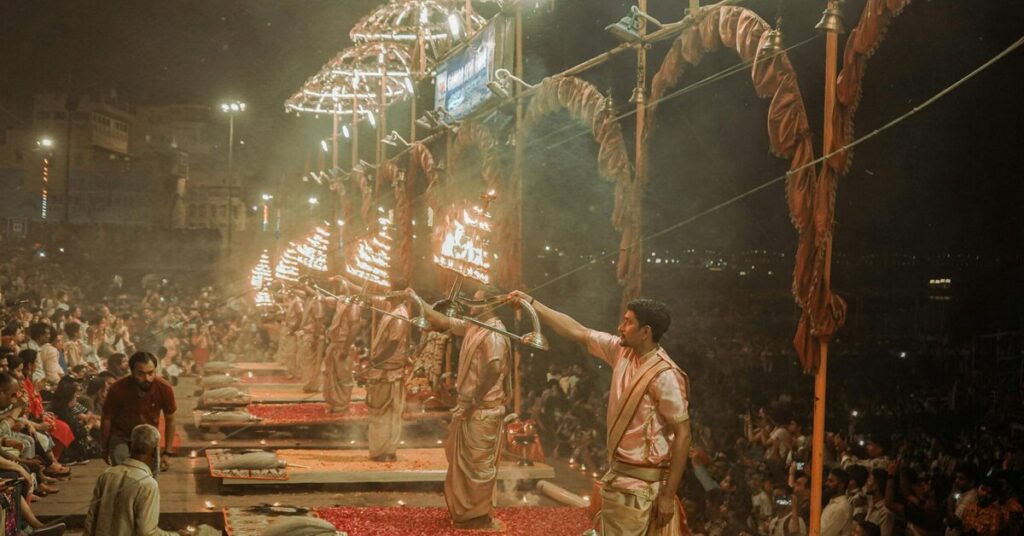
Varanasi–Prayagraj Office Holiday Tour Itinerary , As evening approaches, the group assembles at Assi Ghat for the mesmerizing Ganga Aarti ceremony. Unlike the more crowded Dashashwamedh Ghat, Assi offers a more intimate setting where your team can comfortably witness this ancient ritual of light and devotion. The synchronized movements of priests wielding flaming lamps, accompanied by devotional music and chanting, create an atmosphere of collective reverence that naturally brings teams together in shared wonder.
The day concludes with a welcome dinner at a rooftop restaurant overlooking the illuminated ghats. This relaxed setting encourages informal conversations and relationship-building among colleagues who may not typically interact in office environments. The evening’s beauty and tranquility set a positive tone for the days ahead.
Day 2: Exploring Varanasi’s Sacred Heritage
Day two begins with an unforgettable sunrise boat ride along the Ganges. Departing before dawn, your team glides past the ancient ghats as Varanasi awakens to morning prayers, yoga practitioners, and ritual bathers. The golden light reflecting off the river and the serene atmosphere create perfect conditions for photography, meditation, or simply quiet contemplation. This peaceful experience offers office teams a rare opportunity for mindfulness away from digital distractions and workplace demands.
Varanasi–Prayagraj Office Holiday Tour Itinerary , Following breakfast at the hotel, the itinerary includes visits to Varanasi’s most significant temples and cultural sites. The group explores Kashi Vishwanath Temple (external viewing for non-Hindus), Sankat Mochan Hanuman Temple, and the fascinating Bharat Kala Bhavan museum at Banaras Hindu University. Expert guides provide historical context and engaging stories that make these ancient sites accessible and meaningful to diverse audiences.
The afternoon offers flexibility with optional activities catering to different interests. Teams can visit the renowned Banaras Hindu University campus, explore the Ramnagar Fort and its vintage car museum, or enjoy shopping time in the silk weaving districts. Some groups choose to experience traditional Ayurvedic spa treatments, providing relaxation and wellness benefits that enhance the holiday aspect of the tour.
Evening brings another spectacular Ganga Aarti, this time at the main Dashashwamedh Ghat where the ceremony reaches its grandest scale. The energetic atmosphere, larger crowds, and multiple priests performing simultaneously create a completely different experience from the previous evening, demonstrating Varanasi’s multifaceted character. Dinner follows at a heritage restaurant serving authentic Banarasi cuisine, with traditional music performances enhancing the cultural immersion.
Day 3: Journey to Prayagraj and Triveni Sangam
After breakfast and hotel checkout, the team embarks on a scenic three-hour drive to Prayagraj. The journey passes through rural landscapes, small towns, and agricultural areas, offering glimpses of everyday life in India’s heartland. Comfortable air-conditioned coaches ensure pleasant travel, with rest stops strategically placed for refreshments and comfort breaks.
Upon reaching Prayagraj, the group proceeds directly to the Triveni Sangam, the sacred confluence where the Ganges, Yamuna, and mythical Saraswati rivers meet. A boat ride to the sangam point allows team members to witness the distinct colors of the merging waters and, for those interested, participate in the traditional ritual of taking a holy dip. The spiritual significance and natural beauty of this location make it a highlight for many participants.
Following lunch at a local restaurant, the afternoon features visits to Prayagraj’s historical landmarks including the imposing Allahabad Fort (built by Emperor Akbar in 1583), Anand Bhawan (the ancestral home of the Nehru-Gandhi family), and the magnificent colonial-era All Saints Cathedral. These sites provide fascinating insights into India’s Mughal heritage, independence movement, and British colonial architecture.
Check-in at a comfortable hotel in Prayagraj allows teams to refresh before the evening’s activities. Dinner and a cultural program featuring regional folk performances provide entertainment and opportunities for team bonding through shared cultural experiences.
Day 4: Prayagraj Exploration and Return Journey
The final day begins with visits to additional Prayagraj attractions based on group preferences. Options include the ancient Hanuman Mandir at Daraganj (believed to be lying down rather than standing), Khusro Bagh with its beautiful Mughal gardens and mausoleums, and the modern Triveni Pushp park offering recreational spaces and river views.
Mid-morning allows for last-minute shopping at local markets where Prayagraj’s famous guavas, traditional handicrafts, and religious souvenirs make memorable gifts. The group then enjoys a farewell lunch featuring Awadhi cuisine before beginning the return journey to Varanasi for evening flights, or alternatively, Prayagraj offers its own airport for direct departures to major Indian cities.
For teams with flexible schedules, an optional extension allows exploration of nearby Chitrakoot, another sacred destination about 130 kilometers from Prayagraj, or additional time in Varanasi for experiences missed during the initial days.
What Makes This Itinerary Special for Office Teams
This tour distinguishes itself through careful attention to corporate needs while delivering authentic cultural experiences. The pacing prevents exhaustion, the accommodations ensure proper rest, and the variety of activities caters to diverse interests within typical office teams. Spiritual sites provide natural conversation starters and shared experiences that break down workplace hierarchies, while historical locations stimulate intellectual curiosity and learning.
The itinerary consciously includes both structured group activities that build team cohesion and flexible periods allowing individual exploration. This balance respects that effective office holidays must accommodate different personality types, energy levels, and personal interests while still achieving collective bonding objectives.
Frequently Asked Questions
What is the best group size for this office holiday tour?
The ideal group size ranges from 15 to 40 participants. Groups of 15-25 people enjoy more intimate experiences, easier coordination, and greater flexibility at sites with capacity constraints. Larger groups of 30-40 benefit from enhanced team-building dynamics and better per-person pricing on transportation and accommodation. Groups smaller than 15 or larger than 40 can certainly be accommodated but may require itinerary adjustments and different pricing structures.
What is the approximate cost per person for this four-day tour package?
Standard packages typically range from ₹18,000 to ₹28,000 per person for groups of 20-30 participants, covering comfortable 3-star accommodations, all transportation, most meals, entrance fees, boat rides, and professional guides. Premium packages with 4-star hotels, additional cultural programs, and enhanced dining experiences range from ₹32,000 to ₹45,000 per person. Budget-conscious options starting around ₹12,000 per person are available with simpler accommodations and fewer included meals. Corporate groups booking during off-peak periods often receive 15-25% discounts.
Is this itinerary suitable for employees of all ages and fitness levels?
Yes, the tour is designed to be inclusive and accessible. Walking portions are moderate and manageable for most fitness levels, with rest breaks strategically placed. Boat rides accommodate all ages, and temple visits involve stairs but can be skipped by those with mobility challenges without missing the tour’s essence. Optional activities allow more adventurous team members to pursue active experiences while others choose relaxed alternatives. Elderly employees and those with physical limitations can fully participate with minor accommodations that tour coordinators readily provide.
What should participants pack, and are there any dress code requirements?
Participants should pack comfortable walking shoes, modest clothing suitable for temple visits (covering shoulders and knees), light layers for varying temperatures, sunscreen, and personal medications. November through February requires light woolens for mornings and evenings, while October and March are generally mild. Temple etiquette requires removing shoes at religious sites, so easily removable footwear is recommended. Women should bring scarves or shawls for covering heads at certain locations. The tour is entirely vegetarian and alcohol-free in deference to the destinations’ sacred nature, so participants should prepare accordingly.
Can the itinerary be customized to include team-building activities or corporate sessions?
Absolutely. Many office groups integrate structured team-building elements into the itinerary. Morning yoga sessions along the Ganges, guided meditation workshops, team reflection circles at scenic locations, and group challenges exploring the cities can be seamlessly incorporated. Hotels can arrange conference facilities for morning briefings, evening presentations, or award ceremonies. Some companies use the journey’s spiritual themes as metaphors for organizational values, incorporating discussions about purpose, collaboration, and legacy. Customization requests should be communicated during booking to ensure proper planning and resource allocation.