

Varanasi to Ayodhya and Prayagraj Cab Tour Package ,The spiritual heartland of India beckons millions of pilgrims and travelers annually to experience three of Hinduism’s most sacred cities—Varanasi, Ayodhya, and Prayagraj. These ancient cities form a divine triangle in Uttar Pradesh, each offering unique spiritual experiences that have drawn devotees for thousands of years. A Varanasi to Ayodhya and Prayagraj cab tour package provides the most convenient, comfortable, and comprehensive way to explore this sacred circuit, allowing you to focus on spiritual enrichment rather than transportation logistics.
Varanasi to Ayodhya and Prayagraj Cab Tour Package ,Varanasi, the eternal city of Lord Shiva, sits on the banks of the holy Ganges where pilgrims seek moksha (liberation). Ayodhya, the birthplace of Lord Ram, represents dharma and righteous living through its magnificent temples and Ramayana connections. Prayagraj hosts the Triveni Sangam, where three sacred rivers merge in a confluence believed to cleanse all sins. Together, these cities offer a complete spiritual journey through Hindu philosophy, mythology, and devotional practice.
Why Choose a Cab Package for This Sacred Journey
Unmatched Flexibility: Unlike rigid train schedules or crowded bus routes, a private cab gives you complete control over your journey. Want to spend an extra hour at Ram Janmabhoomi? Need to rest before continuing? Wish to stop at a roadside temple that catches your attention? Your cab accommodates these spontaneous spiritual moments that make pilgrimages truly meaningful.
Comfortable Travel Between Cities: The distances are substantial—Varanasi to Ayodhya covers approximately 200 kilometers (4-5 hours), Ayodhya to Prayagraj spans 165 kilometers (3.5-4 hours), and the return to Varanasi is about 125 kilometers (2.5-3 hours). Traveling these distances in an air-conditioned private vehicle with comfortable seating transforms potentially exhausting journeys into pleasant, contemplative drives through rural Uttar Pradesh.
Time Optimization: Direct point-to-point travel saves precious hours compared to public transportation with its waiting times, transfers, and indirect routes. You maximize temple darshan time and minimize wasted transit hours.
Luggage Convenience: Your belongings remain safely in your vehicle throughout the tour. No hauling suitcases through railway platforms or cramped bus stations—your cab becomes your mobile storage, allowing easy access to prayer materials, offerings, comfortable shoes, or any personal items you need.
Safety and Support: Reputable cab services provide verified drivers familiar with routes, well-maintained vehicles, and 24/7 operator support. This infrastructure ensures your pilgrimage proceeds smoothly even if unexpected situations arise.
Typical 5-Day Tour Itinerary
Day 1: Varanasi Sacred Exploration
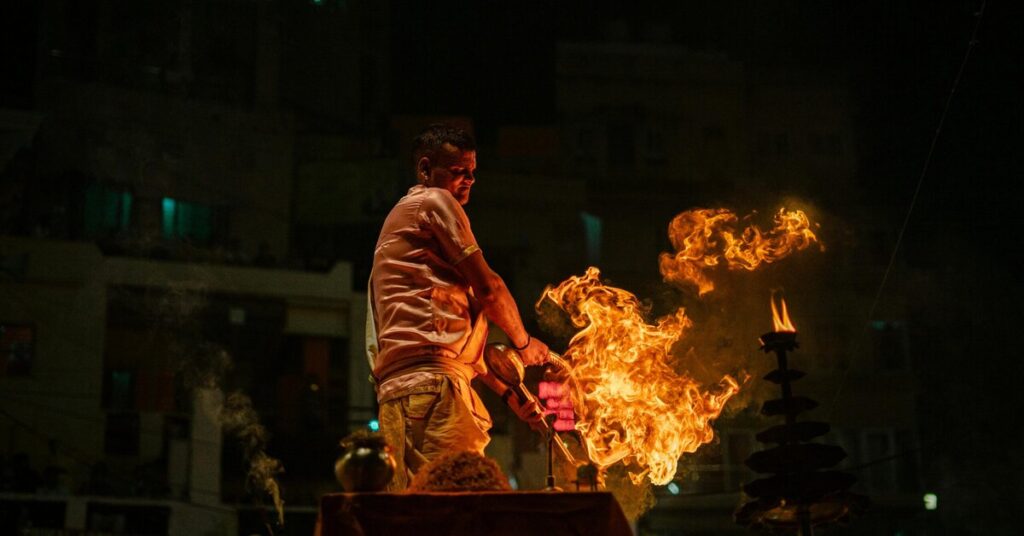
Begin your spiritual journey in Varanasi, India’s holiest city. Start with a predawn boat ride on the Ganges, witnessing sunrise illuminate the ancient ghats while pilgrims perform sacred rituals. Visit Kashi Vishwanath Temple, one of the twelve Jyotirlingas, for darshan. Explore Dashashwamedh Ghat, Manikarnika Ghat (the main cremation site), and experience the profound spirituality of death and liberation that defines Varanasi. Include a visit to Sarnath, where Buddha delivered his first sermon after enlightenment. Evening brings the spectacular Ganga Aarti ceremony—a symphony of fire, bells, and devotion performed by priests as thousands watch in reverence.
Day 2: Varanasi to Ayodhya (200 km)
After morning prayers and checkout, your cab journey to Ayodhya begins around mid-morning. The drive takes 4-5 hours through rural Uttar Pradesh, with comfortable rest stops for refreshments and bathroom breaks. Arrive in Ayodhya by afternoon, check into your hotel, and rest. Time permitting, visit the magnificent Ram Janmabhoomi Temple Complex in the late afternoon—the birthplace of Lord Ram and Ayodhya’s spiritual centerpiece. Evening brings the peaceful Saryu River Aarti, offering a contemplative contrast to Varanasi’s intensity.
Day 3: Ayodhya Temple Circuit
Dedicate this day to exploring Ayodhya’s sacred sites. Visit Hanuman Garhi, perched atop a hill requiring 76 steps but rewarding you with city views and powerful devotional atmosphere. Explore Kanak Bhawan, the beautiful temple dedicated to Sita with exquisite architecture and crown displays. Visit Nageshwarnath Temple, one of Ayodhya’s ancient Shiva temples, and walk along the Saryu River ghats where pilgrims bathe in holy waters. Ayodhya’s atmosphere differs from Varanasi—calmer, more contemplative, deeply connected to the Ramayana epic that shapes Hindu consciousness. Evening offers free time for personal prayers or exploring local markets.
Day 4: Ayodhya to Prayagraj (165 km)
After breakfast, depart for Prayagraj, the journey taking approximately 3.5-4 hours. Upon arrival and hotel check-in, proceed immediately to the Triveni Sangam—the sacred confluence where the Ganges, Yamuna, and mystical Saraswati rivers meet. Take a boat ride to the exact confluence point where you’ll witness the visible difference in water colors—the Ganges appears whitish, the Yamuna slightly greenish. Many pilgrims take a holy dip here, believed to wash away sins accumulated across lifetimes. Visit Akshayavat (the immortal banyan tree) and Patalpuri Temple inside Allahabad Fort. Evening brings exploration of the Hanuman Temple with its unique reclining deity.
Day 5: Prayagraj and Return to Varanasi (125 km)
Morning offers a second opportunity for Sangam darshan, often more peaceful than the previous afternoon. Visit additional sites like Anand Bhawan (Nehru family home, now a museum offering insights into India’s independence movement), All Saints Cathedral, or Allahabad University’s historic campus. By early afternoon, begin your return journey to Varanasi, completing the sacred triangle. Arrive in Varanasi by evening, with time for final shopping or a quiet dinner before your onward journey the next morning.
Vehicle Options and Pricing
Sedan (3-4 Passengers): Starting from ₹12,000-16,000 for the complete 5-day circuit. Best suited for couples or small groups with minimal luggage. While economical, sedans can feel cramped with four adults and suitcases.
SUV/Innova (5-7 Passengers): ₹18,000-26,000 for 5 days. This is the most popular choice, offering excellent comfort for families, ample luggage space, and smooth rides on varied road conditions. The Innova particularly excels with its superior suspension and spacious interior—ideal for longer journeys between cities.
Tempo Traveller (8-15 Passengers): ₹30,000-42,000 for 5 days. Perfect for large families, extended groups, or temple committees traveling together. Features pushback seats, overhead luggage storage, and comfortable group travel. Per-person costs become highly economical for groups of 10-12 people.
What’s Included: Packages typically cover the private air-conditioned vehicle for the entire duration, experienced driver familiar with routes and pilgrimage sites, all fuel costs for the specified circuit, driver accommodation and daily allowance (not your responsibility), toll charges, parking fees at temples and sites, and 24/7 operator support for any issues or emergencies.
What You Pay Separately: Your accommodation in each city (though many operators can arrange this for additional fees), all meals throughout the journey, temple entry fees where applicable (most temples are free but some charge nominal amounts), boat rides at Varanasi ghats (₹200-400) and Prayagraj Sangam (₹300-600), professional guide services if desired (₹500-1,500 per day), and offerings or donations at temples according to your devotion.
Booking Your Package: Essential Tips
Research Operators Thoroughly: Check Google reviews, TripAdvisor ratings, and India travel forums for operator reputation. Look specifically for feedback about pilgrimage tours, driver behavior, and how operators handled any problems that arose.
Get Everything in Writing: Before paying any advance, obtain written confirmation specifying the exact vehicle model (not just “sedan” but “Honda Amaze” or specific model), complete route details, comprehensive list of inclusions and exclusions, cancellation and refund policy, and emergency contact protocols.
Verify Driver and Vehicle Details: Reputable operators provide driver name, contact number, and vehicle registration 1-2 days before departure. This serves both convenience and safety purposes—you can contact the driver directly and verify the correct vehicle picks you up.
Ask About Flexibility: Understand the operator’s policy on itinerary modifications. Can you extend time in one city? What if you want to add stops? Are there extra charges for reasonable route variations? Good operators accommodate reasonable flexibility; rigid ones create frustration.
Check Insurance Coverage: Ensure the vehicle carries proper passenger insurance. While accidents are rare, insurance provides important protection and indicates a professional operation.
Hotel Coordination: If booking hotels independently, share those details with your cab operator so pickup and drop locations are clearly understood. Choose hotels with vehicle access rather than those requiring long walks through narrow lanes with luggage.
Best Time for This Spiritual Journey
Peak Season (November-February): This winter period offers ideal weather—comfortable temperatures (15-25°C), clear skies, and pleasant conditions for temple visits and travel. However, expect 20-40% higher prices, crowded temples and ghats, and the necessity of booking 2-3 months in advance. The vibrant atmosphere and festival celebrations often occurring during these months justify the premium.
Shoulder Seasons (October, March): Good weather with fewer crowds and moderate pricing. October brings Navratri and Diwali celebrations (dates vary), while March can include Holi and Mahashivratri. These periods offer cultural richness without peak season overwhelm.
Off-Season (April-September): Summer months (April-June) bring intense heat (35-45°C), challenging for extensive outdoor temple visits. Monsoon (July-September) brings rain and humidity but also dramatically lower prices (30-50% off peak rates), minimal crowds, and lush green scenery. If you can tolerate weather challenges, off-season offers authentic experiences without tourist saturation and significant cost savings.
Additional Destinations Worth Considering
Sarnath: Typically included as part of Varanasi sightseeing, this Buddhist pilgrimage site where Buddha gave his first sermon offers peaceful temples, archaeological museums, and the impressive Dhamek Stupa. Well worth a half-day visit.
Vindhyachal: Located about 70 kilometers from Prayagraj, this major Shakti Peeth dedicated to Goddess Vindhyavasini can be included as a day trip, adding powerful goddess energy to your predominantly Vishnu and Shiva focused journey.
Chitrakoot: Situated between Ayodhya and Prayagraj, this serene pilgrimage site where Lord Ram spent exile years offers beautiful natural settings, temples, and a peaceful contrast to city pilgrimages. Adding Chitrakoot extends your tour by 1-2 days.
Conclusion
A Varanasi to Ayodhya and Prayagraj cab tour package offers the most comprehensive and comfortable way to experience Uttar Pradesh’s sacred triangle. This journey takes you through the full spectrum of Hindu spirituality—from Varanasi’s profound teachings about death and liberation, to Ayodhya’s celebration of dharmic living through Lord Ram’s example, to Prayagraj’s sacred waters offering purification and renewal.
The convenience of private cab transportation transforms what could be a logistically challenging pilgrimage into a seamless spiritual experience. You’re not wrestling with luggage on crowded trains, waiting hours for connections, or arriving exhausted at temples you’ve traveled thousands of miles to visit. Instead, you move smoothly between cities, arriving refreshed and mentally prepared to fully engage with each location’s unique spiritual offerings.
Whether you’re a devout Hindu fulfilling long-held pilgrimage vows, a spiritual seeker exploring India’s sacred geography, or a family wanting to connect with cultural and religious heritage, this cab package provides the infrastructure allowing your attention to remain where it belongs—on the divine experiences these timeless cities offer.
FAQs
1. What’s the ideal number of days for this tour—can it be done in 3-4 days, or do we really need 5-6 days?
While technically possible in 3-4 days by cramming activities and driving extensively each day, this rushed approach defeats the purpose of spiritual pilgrimage. The 5-day itinerary represents the minimum for meaningful experiences without excessive exhaustion—it allows one full day in Varanasi, travel day to Ayodhya, one day exploring Ayodhya, travel to Prayagraj with Sangam visit, and final morning in Prayagraj before returning. However, 6-7 days is ideal, providing two full days in Varanasi (which truly deserves this), less rushing, and proper rest between travel days. If you can spare 7 days, you’ll return feeling spiritually enriched rather than physically depleted. The extra investment in time yields exponentially better experiences—spiritual journeys shouldn’t feel like marathons.
2. Is it cheaper to book train tickets between cities and hire local cabs in each city, or does the complete cab package actually save money?
For 1-2 travelers, trains plus local cabs might be slightly cheaper in pure monetary terms—perhaps ₹8,000-10,000 versus ₹12,000-16,000 for a sedan package. However, for families of 4+ people, the cab package becomes cost-competitive or even cheaper since train tickets multiply by person while cab costs remain fixed. Beyond direct costs, consider hidden expenses and time value: train delays wasting hours, rickshaw negotiations creating stress, luggage management hassles, and the mental energy spent coordinating multiple bookings versus one comprehensive package. Most travelers find the modest premium for complete cab packages (if any) is easily justified by eliminated stress and time savings. Plus, the flexibility to adjust schedules, make spontaneous stops, and travel on your timeline rather than train schedules has significant value that pure cost comparison misses.
3. We’re vegetarian—will finding appropriate food during the journey be challenging, or are these cities vegetarian-friendly?
You’re in excellent territory for vegetarian food—all three cities are major Hindu pilgrimage centers where vegetarian cuisine dominates. Varanasi is particularly renowned for its vegetarian food culture, from simple dal-roti to elaborate thalis. Ayodhya, as Lord Ram’s birthplace, maintains predominantly vegetarian culture. Prayagraj similarly offers extensive vegetarian options. Your cab driver will know reputable vegetarian restaurants along routes and in each city. Many pilgrims maintain pure vegetarian diets during spiritual journeys, so the infrastructure supports this completely. The challenge isn’t finding vegetarian food but rather ensuring food safety—stick to busy restaurants with good hygiene (your driver can guide you), avoid street food unless from clearly popular vendors, and drink only bottled water. Some travelers bring snacks from home for familiarity, but you’ll find comfortable vegetarian dining throughout this circuit.
4. What happens if we encounter vehicle breakdown or our driver becomes ill during the tour—are we stranded, or do operators have contingency plans?
Reputable cab operators maintain contingency protocols precisely for such situations. If mechanical breakdown occurs, the operator dispatches a replacement vehicle to your location—response time typically ranges from 30 minutes (in cities) to 2 hours (remote areas between cities). You’re not abandoned. If the driver falls ill, operators send a replacement driver. This is why booking through established operators with multiple vehicles and drivers matters—they have backup resources. Before booking, explicitly ask: “What’s your protocol if the vehicle breaks down or driver has an emergency?” Professional operators have clear answers and 24/7 support numbers. This is also why maintaining the operator’s emergency number in your phone matters. In the extremely rare case an operator cannot provide timely replacement, your travel insurance (which you should have) covers emergency transportation costs. Document everything for insurance claims. Bottom line: breakdowns are rare with well-maintained fleets, and reputable operators resolve issues quickly without leaving you stranded.
5. Can we skip Ayodhya or Prayagraj if we’re primarily interested in Varanasi and just want to visit one additional city to keep the tour shorter and cheaper?
Absolutely—packages are typically customizable. If your primary interest is Varanasi with just one other city, the most common combination is Varanasi + Prayagraj (125 km), which works perfectly as a 3-4 day tour: 1.5-2 days Varanasi, 1 day travel to Prayagraj with Sangam visit, 0.5-1 day Prayagraj, return. This is shorter and cheaper than the full triangle (perhaps ₹8,000-12,000 for sedan). Alternatively, Varanasi + Ayodhya (200 km) as a 3-4 day tour emphasizes the Ram devotion aspect. When requesting quotes, specify your preferred cities—operators will price accordingly. Skipping one city reduces both time and cost while still providing multi-city spiritual experience. Consider your spiritual priorities: Prayagraj offers the unique Sangam confluence (nowhere else provides this), while Ayodhya offers deep Ramayana connection and the new Ram Janmabhoomi temple. Choose based on which resonates more with your devotional focus.