Varanasi Tour Package from Gujarat , Have you ever dreamed of standing at the ghats of Varanasi, watching the sun rise over the sacred Ganges while temple bells echo through ancient lanes? For centuries, this city has beckoned spiritual seekers from across India, and Gujarat travelers are no exception. Varanasi—also known as Kashi or Benares—represents the very soul of Hindu spirituality, a place where the divine feels tangibly present in every stone, every ripple of the river, every chant that fills the air.
Gujarat, with its own rich spiritual heritage from Dwarka to Somnath, shares a deep cultural connection with Varanasi. The journey from the western coast to the banks of the Ganges is more than geographical—it’s a pilgrimage that connects different expressions of the same eternal faith. Every year, thousands of Gujaratis embark on this transformative journey, seeking blessings, spiritual renewal, or simply to witness one of humanity’s oldest living civilizations.
Why Book a Tour Package from Gujarat to Varanasi?
Planning a trip to Varanasi independently can feel overwhelming. Which temples should you prioritize? How do you navigate the labyrinthine streets? Where can you find authentic experiences away from tourist traps? This is precisely where a well-designed tour package becomes invaluable.
Tour packages eliminate the stress of logistics. Instead of spending hours researching flights, hotels, and local transportation, everything is pre-arranged by professionals who understand both your starting point in Gujarat and your destination in Varanasi. Your only job? To soak in the spiritual atmosphere and create memories.
Cost-effectiveness is another compelling reason. When you book individually—flights here, hotels there, local guides somewhere else—expenses accumulate rapidly. Tour operators leverage bulk bookings and established relationships with service providers to offer competitive rates that individual travelers simply cannot match. You get more value for your money, often including experiences you might not have discovered on your own.
Perhaps most importantly, guided packages provide context and depth. A knowledgeable guide transforms your visit from mere sightseeing into genuine understanding. They explain the mythology behind each temple, the rituals performed at the ghats, the history embedded in every corner. It’s the difference between seeing Varanasi and truly experiencing it.
The Mystical Charm of Varanasi
Ancient History and Cultural Heritage
Varanasi claims the distinction of being one of the world’s oldest continuously inhabited cities, with a history spanning over 3,000 years. Archaeological evidence suggests settlements existed here even earlier. This city has witnessed the rise and fall of empires, the birth of philosophies, and the evolution of art forms while remaining fundamentally unchanged in its spiritual essence.
Walking through Varanasi is like traversing a living museum. The architecture tells stories—from ancient temples to medieval ghats, from Mughal influences to British-era buildings. The city has been a center of learning for millennia, producing scholars, musicians, and spiritual masters who shaped Indian civilization.
Religious Significance for Hindus
For devout Hindus, Varanasi holds unparalleled importance. It’s believed that Lord Shiva himself established this city as his permanent abode. Dying in Varanasi is considered the most auspicious end to one’s earthly journey, as it’s said to grant moksha—liberation from the cycle of birth and death.
The city hosts thousands of temples, each with its own legends and divine associations. But beyond the temples, Varanasi itself is considered a tirtha (sacred crossing point) where the earthly and divine realms intersect. Simply being here is considered spiritually purifying.
The Eternal Ganges River
The Ganges isn’t just a river in Varanasi—it’s the city’s lifeblood, its spiritual artery. Every morning, as the sun rises, the ghats come alive with devotees performing surya namaskar, taking holy dips, and offering prayers. The river absorbs the city’s collective devotion, becoming a liquid manifestation of faith itself.
For Gujarat travelers coming from a land where water is precious, the abundance of the Ganges and its central role in daily spiritual life offers a fascinating contrast. The river here is simultaneously a place of worship, purification, and even final rest, as cremation ghats release souls to their next journey.
Top Attractions to Visit in Varanasi
Kashi Vishwanath Temple
The Kashi Vishwanath Temple stands as Varanasi’s spiritual epicenter. This temple, dedicated to Lord Shiva in his form as Vishwanath (Lord of the Universe), is one of the twelve sacred Jyotirlingas. The current structure was built in 1780 by Maharani Ahilyabai Holkar of Indore, though the site itself has been a place of worship for millennia.
The temple’s golden spire, plated with 800 kilograms of gold by Maharaja Ranjit Singh in 1839, dominates the skyline. The darshan here is powerful but requires patience—thousands of devotees queue daily for a glimpse of the deity. The recently developed Kashi Vishwanath Corridor has made access easier while preserving the temple’s sanctity.
The Famous Ghats of Varanasi
Varanasi’s 88 ghats form a 7-kilometer-long spiritual amphitheater along the Ganges. Each ghat has its unique character, history, and significance.
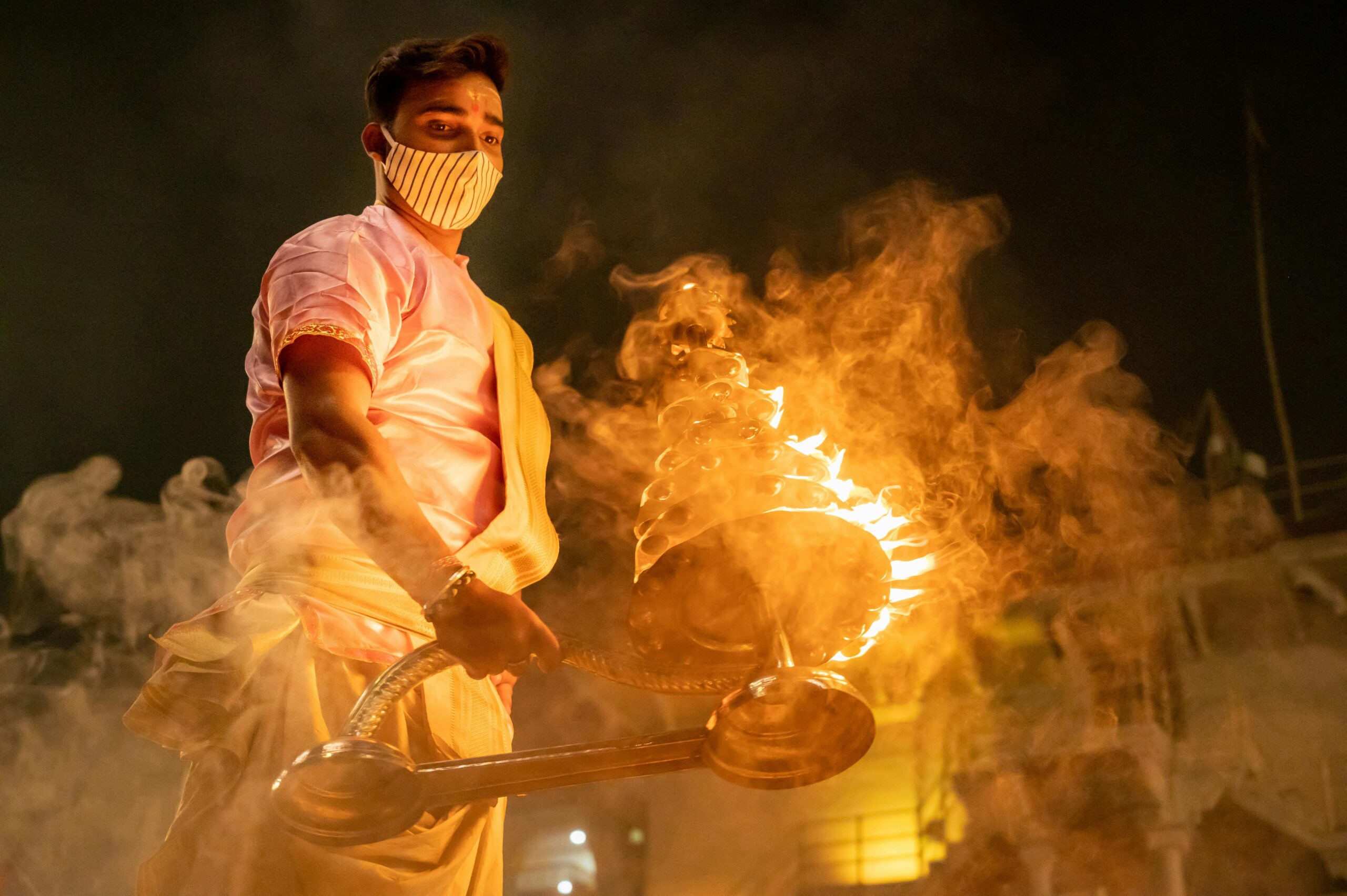
Dashashwamedh Ghat is the most famous and vibrant ghat. Its name derives from ancient legend—”Dashashwamedh” means ten horse sacrifices, referring to a yajna performed here by Lord Brahma. Every evening, this ghat hosts the spectacular Ganga Aarti, where priests perform synchronized rituals with enormous brass lamps. The sight of fire, the sound of bells and chants, and the devotion of thousands create an atmosphere that transcends description.
Manikarnika Ghat is the primary cremation ground, functioning continuously day and night. While it might seem morbid, visiting here is profoundly philosophical. You witness the finality of physical existence while simultaneously understanding Varanasi’s promise of spiritual liberation. The eternal flame here is said to have burned continuously for millennia.
Assi Ghat, at the confluence of the Assi and Ganges rivers, offers a more relaxed atmosphere. It’s popular with both tourists and locals for morning yoga sessions and evening gatherings. The ghat comes alive during festivals and is an excellent spot for observing daily Varanasi life.
Sarnath: Where Buddha Preached
Just 10 kilometers from Varanasi lies Sarnath, one of Buddhism’s four most holy sites. After attaining enlightenment in Bodh Gaya, Buddha traveled here to deliver his first sermon, setting in motion the Wheel of Dharma. The Dhamek Stupa, standing 43.6 meters tall and dating to 500 CE, marks this sacred spot.
The archaeological complex includes ruins of ancient monasteries, the Ashoka Pillar (whose Lion Capital became India’s national emblem), and a museum housing priceless Buddhist artifacts. For Gujarat travelers interested in India’s diverse spiritual heritage, Sarnath provides essential context about Buddhism’s birth and spread.
Ramnagar Fort and Museum
Across the Ganges stands the 18th-century Ramnagar Fort, still home to the Maharaja of Benares. This sandstone structure, though weathered by time, houses a fascinating museum displaying vintage cars, royal palanquins, medieval weaponry, astronomical clocks, and ivory work.
The fort offers a different perspective on Varanasi—its royal history and cultural refinement beyond the spiritual. The annual Ram Leela performed here during Dussehra is particularly famous, lasting 31 days and involving the entire city.
Bharat Kala Bhavan Museum
Located within Banaras Hindu University, this museum boasts one of India’s finest collections of miniature paintings, sculptures, and decorative arts. If you appreciate artistic heritage, allocate time for this often-overlooked gem. The collection includes works spanning from the 1st century BCE to contemporary times.
Travel Options from Gujarat to Varanasi
By Air: The Fastest Route
Flying is the most convenient option for Gujarat travelers. Lal Bahadur Shastri International Airport in Varanasi has regular connections with Ahmedabad, Surat, and Vadodara. Direct flights take approximately 2 to 2.5 hours, making it possible to leave Gujarat in the morning and attend the evening Ganga Aarti the same day.
Major airlines including Air India, IndiGo, and SpiceJet operate on this route. Booking in advance typically secures better fares, especially if you’re flexible with dates. The airport is about 25 kilometers from the city center, roughly a 45-minute drive depending on traffic.
By Train: The Budget-Friendly Journey
Train travel offers an economical alternative while providing a slice of authentic Indian travel experience. Several trains connect Gujarat to Varanasi, including:
- Sabarmati Express from Ahmedabad
- Marudhar Express from Ahmedabad
- Ahmedabad-Varanasi Express
The journey takes approximately 24-30 hours, which might seem long but allows you to witness the dramatic landscape changes from arid Gujarat through Rajasthan’s desert to the fertile Gangetic plains. Many travelers opt for AC 2-tier or AC 3-tier sleeper classes for overnight comfort.
Varanasi Junction (also called Varanasi Cantt) is the main railway station, well-connected to the city center. Book tickets well in advance, especially during peak pilgrimage seasons.
By Road: For the Adventurous
The road distance from Ahmedabad to Varanasi is approximately 1,400 kilometers, taking 24-28 hours of actual driving time. While possible, this option is rarely practical unless you’re planning an extensive road trip across central India with multiple stops.
Most tour packages reserve road travel for local transportation within Varanasi and short excursions like the Sarnath visit, using air or rail for the long-distance Gujarat-Varanasi connection.
Types of Varanasi Tour Packages Available
Budget Packages
Budget-conscious travelers can find packages ranging from ₹10,000 to ₹18,000 per person for a 3-4 day trip. These typically include:
- Train travel (AC 3-tier)
- Basic 2-star accommodation or dharamshala
- Breakfast and dinner
- Shared vehicle for local sightseeing
- Guide services for major attractions
Budget packages focus on essential spiritual experiences without luxury amenities. They’re perfect for devotees who prioritize darshan over comfort or younger travelers watching their expenses.
Standard Packages
Mid-range packages, priced between ₹20,000 to ₹35,000 per person, offer enhanced comfort and experiences:
- Flight travel (economy class)
- 3-star hotel accommodation
- All meals included
- Private or small-group transportation
- Comprehensive sightseeing with experienced guides
- Boat rides on the Ganges
- Some free time for independent exploration
These packages strike an excellent balance between affordability and comfort, suitable for families and middle-aged travelers seeking a well-rounded experience.
Premium and Luxury Packages
For those desiring the ultimate Varanasi experience, luxury packages range from ₹40,000 to ₹75,000+ per person:
- Premium economy or business class flights
- 4-5 star or heritage hotel accommodation (properties like BrijRama Palace or Taj Ganges)
- Gourmet dining experiences
- Private vehicle and guide throughout
- Special experiences (private boat rides, exclusive Aarti viewing arrangements, classical music performances)
- Spa and wellness facilities
- Personalized itineraries
Luxury packages allow you to experience Varanasi’s spirituality wrapped in contemporary comfort—think river-view suites, butler service, and curated cultural experiences.
Customized Packages
Many tour operators now offer fully customizable packages where you choose:
- Duration (2 days to a week or more)
- Accommodation level
- Travel mode
- Specific attractions and experiences
- Inclusion of nearby destinations (Sarnath, Vindhyachal, Gaya)
- Special requirements (elderly care, dietary needs, accessibility concerns)
Customization is particularly valuable for groups with diverse preferences or travelers with specific spiritual goals, like performing particular rituals or visiting lesser-known temples.
What’s Typically Included in a Varanasi Tour Package?
Accommodation Arrangements
Most packages cover accommodation for the duration of your stay. Options range from budget hotels and guesthouses near the ghats to luxury properties with Ganges views. The location matters—staying near Assi Ghat offers a quieter environment, while properties near Dashashwamedh Ghat put you in the heart of activity.
Many pilgrims prefer staying in dharamshalas or ashrams for a more austere, spiritually focused experience. Some packages offer this option, especially those catering to religious groups.
Transportation and Transfers
Comprehensive packages include:
- Airport/railway station pickup and drop
- All local transportation for sightseeing in air-conditioned vehicles
- Boat rides on the Ganges (usually at least one sunrise/sunset ride)
- Transportation to Sarnath and other nearby attractions
The narrow lanes of old Varanasi are inaccessible to vehicles, so expect some walking. Comfortable shoes are essential!
Meals and Dining Options
Food inclusion varies by package type. Budget packages typically offer breakfast and dinner, while premium packages may include all meals. The culinary landscape in Varanasi is predominantly vegetarian, aligning perfectly with many Gujarat travelers’ preferences.
Expect authentic North Indian cuisine—dal, sabzi, roti, rice—prepared simply but flavorfully. Street food is legendary here: kachori-sabzi, chaat, lassi, and the famous Banarasi paan. Some packages include guided food walks for culinary adventurers.
Tour operators familiar with Gujarat clients ensure food is prepared according to your preferences—Jain food without onion-garlic, less spicy preparations, or familiar Gujarati dishes when available.
Guided Tours and Sightseeing
Professional guides transform your visit. They navigate the confusing lanes, explain temple protocols, share historical contexts, and ensure you don’t miss hidden gems. Many guides are also storytellers, bringing Varanasi’s legends and folklore to life.
Quality packages provide guides who speak your language—having a Gujarati-speaking guide can be particularly valuable for elderly family members or those more comfortable in their mother tongue.
Sample 3-Day Varanasi Itinerary from Gujarat
Day 1: Arrival and Evening Ganga Aarti
Your Varanasi journey begins with arrival by morning flight or evening train. After hotel check-in and freshening up, enjoy lunch featuring local delicacies. Spend the afternoon at leisure, perhaps exploring your hotel’s neighborhood or resting after the journey.
As evening approaches, head to Dashashwamedh Ghat for the magnificent Ganga Aarti. Arrive by 6:00 PM to secure a good viewing spot (the ceremony typically starts around 6:45 PM). Watch as priests perform synchronized rituals with massive brass lamps, their movements choreographed to Vedic chants. The atmosphere—with thousands of devotees, the sound of bells, the fragrance of incense, and the flickering lamp reflections on the Ganges—creates an unforgettable first impression.
After the aarti, stroll through the nearby market lanes. The area buzzes with shops selling religious items, silk, and street food. Return to your hotel for dinner and rest.
Day 2: Temple Tours and Sarnath Visit
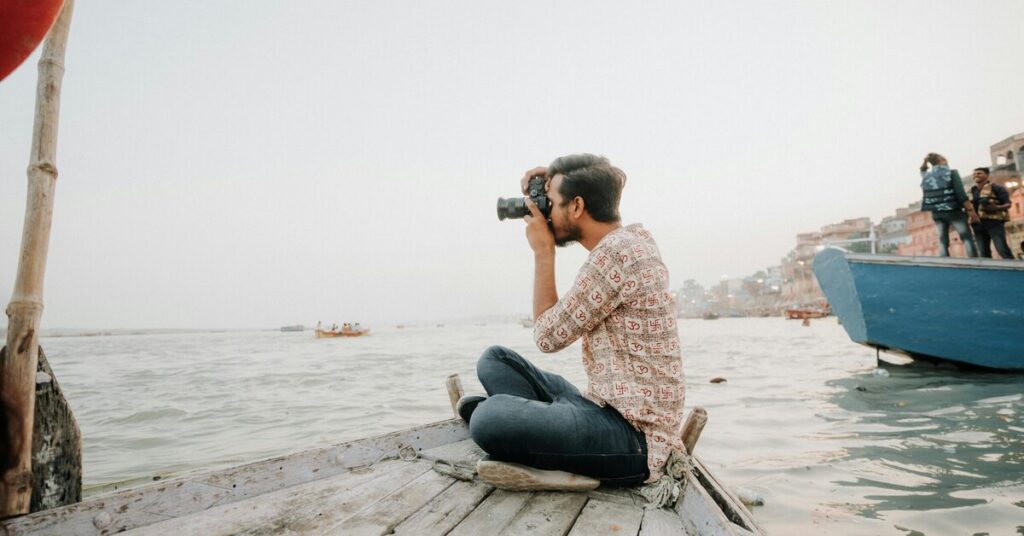
Rise early (around 5:30 AM) for a sunrise boat ride on the Ganges. This experience is non-negotiable—watching Varanasi wake up from the river is magical. You’ll see devotees performing yoga, taking holy dips, offering prayers, and priests conducting morning rituals. The changing colors of the sky reflected in the water create a painter’s dream.
After the boat ride and breakfast, visit the Kashi Vishwanath Temple. Be prepared for security checks and possible queues. The darshan is powerful and worth the wait. From there, explore nearby temples including Annapurna Temple (dedicated to the goddess of food) and the Vishalakshi Temple.
Post-lunch, embark on a trip to Sarnath (about 30 minutes away). Explore the Dhamek Stupa, the archaeological ruins, and the museum. The peaceful atmosphere here contrasts with Varanasi’s intensity, offering a different spiritual perspective.
Return to Varanasi by evening. You might attend the Aarti at a different ghat (Assi Ghat has a smaller, more intimate ceremony) or explore the local markets for Banarasi silk and handicrafts.
Day 3: Morning Boat Ride and Departure
If you enjoyed the first sunrise boat ride, consider another—each morning on the Ganges offers different experiences. Alternatively, visit some of the quieter ghats on foot: Manikarnika Ghat (the cremation ground) for a philosophical experience, or Harishchandra Ghat with its ancient temples.
After breakfast, visit Ramnagar Fort and Museum if time permits. Check out from your hotel and, depending on your departure schedule, squeeze in last-minute shopping or a visit to Banaras Hindu University’s sprawling campus and Bharat Kala Bhavan Museum.
Depart for the airport or railway station with your heart full of memories and perhaps your soul touched by Varanasi’s timeless spirituality.
Best Time to Visit Varanasi from Gujarat
Winter Season (October to March)
This is undoubtedly the best time for Gujarat travelers to visit Varanasi. Temperatures range from 5°C to 25°C—cool and comfortable for temple visits and ghat walks. Gujarat’s winter is mild, so you might find Varanasi mornings quite chilly. Pack light woolens, especially for early morning boat rides when the river mist creates a cold atmosphere.
Winter also coincides with several festivals. Dev Deepawali (usually in November) is spectacular—all ghats are illuminated with millions of earthen lamps, creating a breathtaking spectacle. Maha Shivaratri (February-March) sees Varanasi at its most devotionally intense.
Festival Times and Special Occasions
Visiting during festivals offers amplified spiritual experiences:
- Dev Deepawali: The ghats transform into a sea of lights
- Maha Shivaratri: Massive devotee turnout at Shiva temples
- Ganga Dussehra: Celebrating the goddess Ganga’s descent to Earth
- Buddha Purnima: Special celebrations at Sarnath
However, festival periods mean larger crowds, higher prices, and advance booking requirements. If you prefer peaceful contemplation, choose non-festival periods.
Months to Avoid
Summer (April to June) sees temperatures soaring above 40°C, with May being particularly brutal. The heat makes daytime sightseeing uncomfortable, though early mornings and evenings remain manageable. If you must visit in summer, expect discounted rates but prepare for intense heat.
Monsoon (July to September) brings humidity and heavy rains. The Ganges swells, sometimes flooding lower ghat areas. While the rain-washed city has its charm and fewer tourists, the weather can disrupt plans. Monsoon visits work best for those seeking solitude and willing to accept weather-related limitations.
Unique Experiences in Varanasi
Sunrise Boat Ride on the Ganges
I cannot stress this enough—the sunrise boat ride is Varanasi’s signature experience. As dawn breaks, the city performs its morning ritual on a grand scale. Yoga practitioners stretch on the ghats, devotees immerse themselves in sacred waters, priests offer morning prayers, and the ancient city emerges from darkness into golden light.
Your boatman will row you along the ghats, each presenting a different tableau. You’ll pass wrestlers exercising, sadhus meditating, families performing rituals, and the ever-present cremation fires at Manikarnika Ghat. The experience is simultaneously peaceful and profound, contemplative and alive.
Attending the Ganga Aarti Ceremony
The Ganga Aarti at Dashashwamedh Ghat is theatrical devotion on a grand scale. Seven priests perform the ceremony simultaneously, their movements perfectly synchronized. They wield multi-tiered brass lamps weighing several kilograms, swirling them in elaborate patterns while chanting Vedic mantras.
The aarti isn’t a performance for tourists—it’s genuine worship with centuries of tradition. Devotees light small earthen lamps and float them on the river, creating a galaxy of lights drifting downstream. The collective energy of thousands participating creates an electric atmosphere that’s both overwhelming and uplifting.
Exploring the Narrow Lanes and Local Markets
Varanasi’s galis (lanes) are too narrow for vehicles, preserving a medieval character. Getting lost here is half the fun. You’ll discover hidden temples, century-old shops, artisans at work, and unexpected encounters with holy men, cows, and friendly locals.
The main market areas near Vishwanath Temple and Thatheri Bazar offer everything from brass idols to musical instruments. The sensory overload—colors, sounds, smells—is intense but exhilarating. Each lane tells stories if you’re patient enough to listen.
Banarasi Silk Shopping
Varanasi has been synonymous with silk for centuries. Banarasi silk sarees, brocades, and fabrics are legendary for their quality and craftsmanship. The intricate zari (gold and silver thread) work is done on traditional handlooms, with some pieces taking months to complete.
Visit areas like Madanpura or Peeli Kothi to see weavers at work. Many tour packages include visits to silk weaving centers where you can observe the process and purchase directly. Quality varies enormously, so having a guide helps ensure you get authentic products at fair prices.
For Gujarat travelers familiar with Patola and Bandhani, Banarasi silk offers interesting comparisons in weaving techniques and design aesthetics.
Cost Breakdown of Varanasi Tour Packages from Gujarat
Understanding the cost structure helps you make informed decisions:
Budget Package (₹10,000-₹18,000 per person):
- Train travel: ₹2,000-₹3,000
- Accommodation (2-3 nights): ₹3,000-₹5,000
- Meals: ₹2,000-₹3,000
- Local transport and sightseeing: ₹2,000-₹4,000
- Guide fees: ₹1,000-₹2,000
Standard Package (₹20,000-₹35,000 per person):
- Flight travel: ₹6,000-₹10,000
- Accommodation (3-star hotel): ₹6,000-₹10,000
- All meals: ₹3,000-₹5,000
- Local transport: ₹3,000-₹5,000
- Guide and experiences: ₹2,000-₹5,000
Premium Package (₹40,000-₹75,000+ per person):
- Premium flight travel: ₹10,000-₹15,000
- Luxury accommodation: ₹15,000-₹30,000
- Gourmet dining: ₹5,000-₹10,000
- Private transport and guide: ₹5,000-₹10,000
- Special experiences and services: ₹5,000-₹10,000
Prices fluctuate based on season, group size, and specific inclusions. Group bookings often receive 10-20% discounts. Solo travelers typically pay 40-50% more due to single occupancy charges.
Essential Tips for Gujarat Travelers
What to Pack
For winter visits, pack layers: cotton clothes for daytime, light woolens for mornings and evenings. Comfortable walking shoes are essential—you’ll cover significant distances on foot. Sandals or slip-on shoes are practical for frequent temple visits requiring shoe removal.
Include modest clothing (covering shoulders and knees) for temple visits. Women might want to pack duppattas or shawls. Sunscreen, sunglasses, and a hat protect against strong sunlight during boat rides.
Don’t forget essentials like hand sanitizer, personal medications, a small first-aid kit, and photocopies of important documents. A reusable water bottle and small backpack for day trips are practical additions.
Cultural Dos and Don’ts
Do:
- Remove shoes before entering temples and on ghats where rituals are performed
- Dress modestly, especially at religious sites
- Ask permission before photographing people or religious ceremonies
- Show respect at cremation ghats—maintain silence and avoid photography
- Accept prasad when offered at temples
- Participate in the Ganga Aarti with reverence
Don’t:
- Point your feet toward deities, temples, or the Ganges
- Wear leather items (especially shoes) in temple areas
- Litter or pollute the Ganges—it’s deeply offensive to locals
- Bargain aggressively or rudely in markets
- Rush or push in temple queues
- Interrupt people in prayer or meditation
Food and Dietary Considerations
Varanasi is predominantly vegetarian, making it comfortable for most Gujarat travelers. The local cuisine shares some similarities with Gujarati food—both use besan, prepare delicious snacks, and appreciate sweets.
Drink only bottled or filtered water. Most hotels provide safe drinking water. Street food is tempting and generally safe if you choose busy stalls with high turnover, but those with sensitive stomachs should exercise caution.
If you follow Jain dietary practices, inform your tour operator in advance. Most restaurants understand and can prepare onion-garlic-free food. Many travelers bring familiar snacks from Gujarat for comfort during the journey.
Safety and Health Precautions
Varanasi is generally safe for tourists, including families and solo travelers. However, take standard precautions:
- Keep valuables secure; use hotel safes for passports and excess cash
- Be cautious in crowded areas where pickpockets operate
- Hire only authorized guides and boatmen through your hotel or tour operator
- Be wary of aggressive touts offering services
- Avoid wandering alone in extremely isolated areas late at night
Health-wise, the biggest risks are stomach issues from unfamiliar food or water. Carry basic medicines for diarrhea, acidity, and common colds. The city can be overwhelming sensory-wise, so pace yourself and take breaks.
Popular Tour Operators Serving Gujarat to Varanasi Route
Several reputable operators specialize in this route:
Kesari Tours has been serving Indian pilgrims for decades, with offices across Gujarat. They offer various Varanasi packages and understand Gujarat-specific requirements well.
Veena World provides comprehensive packages with good accommodation and transportation. Their group tours often feature Gujarati-speaking tour managers.
Thomas Cook India offers both group and customized packages across all budget ranges. Their established network ensures reliable service.
Gujarat Tours and Travels (various agencies) specialize in serving local communities, often providing highly competitive rates and personalized service.
Spiritual India Tours focuses specifically on pilgrimage tourism, offering deeper spiritual context and temple access.
When selecting an operator, verify their credentials (IATA/TAAI registration), read recent reviews, understand cancellation policies, and confirm what’s included versus optional. Speaking with friends or community members who’ve used their services provides valuable insights.
Traveler Testimonials and Reviews
Prakashbhai Shah from Ahmedabad shares: “I took my elderly parents to Varanasi last November using a mid-range package. The sunrise boat ride brought tears to my father’s eyes. He kept saying he felt Lord Shiva’s presence. The tour operator arranged everything perfectly, including my mother’s wheelchair access at most places.”
Nitaben Patel from Surat reflects: “As someone who’s visited many tirthas, I can say Varanasi is different. The Ganga Aarti at Dashashwamedh Ghat was the most powerful spiritual experience of my life. Our guide was excellent—explaining not just what we were seeing, but the deeper meanings. Worth every rupee.”
Jignesh Mehta from Vadodara notes: “I was concerned about food as I follow strict Jain dietary rules. The tour operator arranged everything perfectly—even in Varanasi, we got proper vegetarian food without onion-garlic. The city’s spiritual energy is something you have to experience personally to understand.”
Bharti Dave from Rajkot says: “Varanasi changed my perspective on life and death. Seeing the cremations at Manikarnika Ghat while the city continues with its celebrations and prayers—it taught me that life continues, that death is just a transition. Our three days there felt both long and too short.”
Conclusion
A Varanasi tour package from Gujarat offers far more than a vacation—it’s a journey into the heart of Hinduism, a confrontation with eternity, and an immersion in one of humanity’s oldest living cultures. From the moment you board your flight in Ahmedabad to when you return home with the Ganges’ sacred water and memories etched in your soul, every moment contributes to a transformative experience.
The convenience of organized packages removes logistical hurdles, allowing you to focus entirely on the spiritual and cultural richness surrounding you. Whether you’re taking a budget-friendly train journey or flying in luxury, whether you stay in a simple dharamshala or a riverside palace, the essence of Varanasi touches everyone equally.
The sunrise over the Ganges, the evening aarti’s hypnotic rhythm, the ancient temples’ mysterious energy, the narrow lanes’ timeless character, and the philosophical profundity of the cremation ghats—these experiences transcend description. They must be lived, felt, absorbed.
So why postpone this journey? Varanasi has waited thousands of years and will wait a bit longer, but your spiritual quest shouldn’t. Book your package, prepare your heart, and let the eternalcity work its magic on you. As they say in Varanasi, “Har Har Mahadev”—God is in everyone and everything, and nowhere is this truth more palpable than on the ghats of Kashi.
FAQs
1. How much does a Varanasi tour package from Gujarat typically cost?
Varanasi tour packages from Gujarat range from ₹10,000 to ₹75,000+ per person depending on the type. Budget packages with train travel and basic accommodation cost ₹10,000-₹18,000. Standard packages with flights and 3-star hotels range from ₹20,000-₹35,000. Luxury packages with premium services and 4-5 star hotels cost ₹40,000 and above. The final cost depends on duration, season, group size, and specific inclusions.
2. What is the ideal duration for a Varanasi trip from Gujarat?
A minimum of 3 days is recommended to experience Varanasi’s essential attractions without feeling rushed. This allows time for the Ganga Aarti, sunrise boat ride, major temple visits, Sarnath excursion, and some exploration of local culture. If you want a more relaxed pace with deeper spiritual experiences, consider 4-5 days. Some travelers combine Varanasi with nearby destinations like Ayodhya or Gaya, extending the trip to a week.
3. Is Varanasi safe for families and elderly travelers from Gujarat?
Yes, Varanasi is safe for families and senior citizens. It’s a major pilgrimage center with well-developed tourist infrastructure. Reputable tour packages provide comfortable transportation, suitable accommodation, and assistance throughout. However, be prepared for lots of walking on uneven surfaces at the ghats. Many operators offer special packages for senior citizens with slower-paced itineraries, wheelchair accessibility where possible, and additional care. The city’s crowds can be overwhelming, so choose less busy seasons if traveling with very young children or elderly family members.
4. What is the best time of year for Gujarat travelers to visit Varanasi?
November to February is ideal, offering comfortable temperatures between 5°C and 25°C—perfect for sightseeing and spiritual activities. This period includes Dev Deepawali (November), when the ghats are illuminated spectacularly. October and March are also good options. Avoid peak summer months (April-June) when temperatures exceed 40°C unless you’re comfortable with extreme heat. Monsoon season (July-September) brings humidity and occasional flooding but fewer crowds and lower prices.
5. Can I get Gujarati or Jain food in Varanasi?
Absolutely. Varanasi is predominantly vegetarian, and most restaurants can accommodate Gujarati preferences. If you follow Jain dietary practices (no onion, garlic, root vegetables), inform your tour operator in advance—they’ll arrange appropriate meals. Many hotels catering to Gujarat tourists understand these requirements well. Several restaurants in Varanasi specifically offer Jain food options. While you won’t find exact Gujarati dishes everywhere, the vegetarian North Indian cuisine shares many similarities and most visitors find it acceptable and delicious.