Varanasi Travel Guide for Senior Citizens , Varanasi the city of light, the spiritual heart of India, and one of the oldest continuously inhabited cities in the world. For senior citizens seeking a journey that nourishes the soul while respecting the body’s needs, Varanasi offers a unique blend of devotion, culture, and manageable exploration. But let’s be honest: navigating this ancient city with its narrow alleys, bustling crowds, and spiritual fervor requires some planning, especially for older travelers. This comprehensive guide will walk you through everything you need to know to make your Varanasi trip comfortable, meaningful, and unforgettable.
Why Varanasi is Perfect for Senior Travelers
Varanasi Travel Guide for Senior Citizens , You might wonder, “Isn’t Varanasi too chaotic for someone my age?” Not if you plan it right. Varanasi isn’t just about the hustle and bustle—it’s about experiencing something deeply profound. For many seniors, particularly those seeking spiritual fulfillment or simply wanting to witness India’s rich cultural tapestry, Varanasi represents a bucket-list destination.
The city offers experiences that don’t demand physical exertion. Watching the sunrise over the Ganges, attending the mesmerizing Ganga Aarti, or simply sitting by the ghats absorbing centuries of tradition—these are moments that resonate regardless of age. With proper planning, accommodations that cater to comfort, and transport that minimizes walking, Varanasi becomes not just accessible but genuinely enriching for senior travelers.
Best Time to Visit Varanasi for Elderly Visitors
Timing is everything when you’re planning a trip to Varanasi, especially if mobility or health concerns are factors.
Weather Considerations
The ideal time to visit Varanasi is between October and March. During these months, temperatures hover between 15°C to 32°C (59°F to 90°F), making sightseeing comfortable. Summers (April to June) can be brutally hot, with temperatures soaring above 45°C (113°F), which can be exhausting and potentially dangerous for seniors. The monsoon season (July to September) brings humidity and occasional flooding, making navigation difficult along the ghats.
Winter mornings can be quite foggy and chilly, so pack layers. A light jacket for early morning boat rides and cotton clothing for daytime exploration strike the right balance.
Festival Season and Crowd Management
While festivals like Dev Deepawali and Maha Shivaratri showcase Varanasi at its most spectacular, they also bring massive crowds. If you prefer a quieter, more contemplative experience, avoid these peak periods. However, if witnessing these celebrations is important to you, book accommodations well in advance and arrange for private viewing spots to avoid the crush of crowds.
Getting to Varanasi: Transportation Options
By Air
Lal Bahadur Shastri International Airport is approximately 25 kilometers from the city center. It’s well-connected to major Indian cities including Delhi, Mumbai, Bangalore, and Kolkata. Pre-book a comfortable taxi or arrange for your hotel to pick you up—this eliminates the stress of negotiating with local taxi drivers after a long flight.
By Train
Varanasi has excellent railway connectivity, with Varanasi Junction and Manduadih being the main stations. For seniors, I recommend booking first-class AC compartments or opting for premium trains like the Vande Bharat Express, which offers better comfort and accessibility. The Vande Bharat connects Varanasi to Delhi in about eight hours with modern amenities.
By Road
While Varanasi is accessible by road, the journey can be long and tiring. If you’re coming from nearby cities like Allahabad (130 km) or Lucknow (320 km), consider hiring a private car with a driver who can make necessary stops for rest and refreshments.
Senior-Friendly Accommodation in Varanasi
Hotels Near the Ghats
Staying close to the ghats puts you at the heart of Varanasi’s spiritual life. Hotels like the Taj Ganges, Radisson Hotel Varanasi, and BrijRama Palace offer river views, modern amenities, and importantly, elevators and ramps for easier mobility. These properties understand international comfort standards while providing authentic experiences.
Quiet Retreats Away from Chaos
If the intensity of the ghats feels overwhelming, consider accommodations slightly away from the riverfront. Properties in the Cantonment area offer peace, green spaces, and easier vehicle access while still being just 15-20 minutes from major attractions.
Must-Visit Places in Varanasi for Seniors
The Sacred Ghats
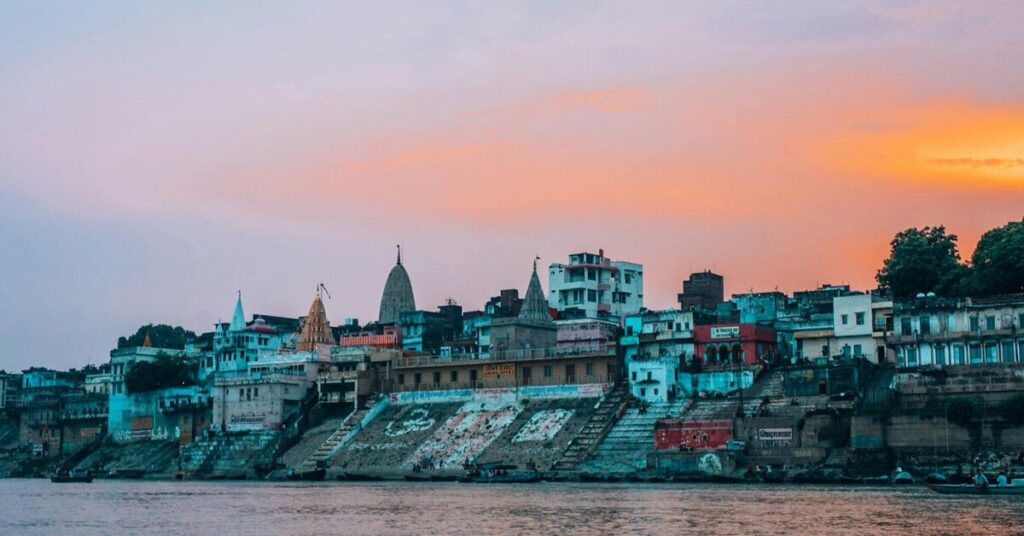
Varanasi has over 80 ghats, but you don’t need to visit them all. Focus on the main ones: Dashashwamedh Ghat (for the evening aarti), Assi Ghat (quieter and popular for morning yoga), and Manikarnika Ghat (the main cremation ghat, powerful but intense). These ghats are accessible by boat, which eliminates the need to navigate steep stairs.
Kashi Vishwanath Temple
This sacred temple dedicated to Lord Shiva attracts thousands daily. The recent renovations have improved access, but be prepared for crowds and a security check. Visit early morning (around 4-5 AM) or late evening when crowds thin out. The temple now has better queue management, and separate lines for seniors are sometimes available.
Sarnath: The Buddhist Connection
Just 10 kilometers from Varanasi, Sarnath is where Buddha delivered his first sermon. The site includes the Dhamek Stupa, beautiful gardens, and an excellent museum. It’s peaceful, well-maintained, and senior-friendly with paved pathways and benches. Hiring a guide here enriches the experience tremendously.
Ramnagar Fort
Located across the Ganges, this 18th-century fort houses a museum with vintage cars, royal artifacts, and weaponry. The fort itself needs some maintenance, but the museum portions are manageable. The boat ride to reach it offers lovely views of the river.
Experiencing the Ganga Aarti
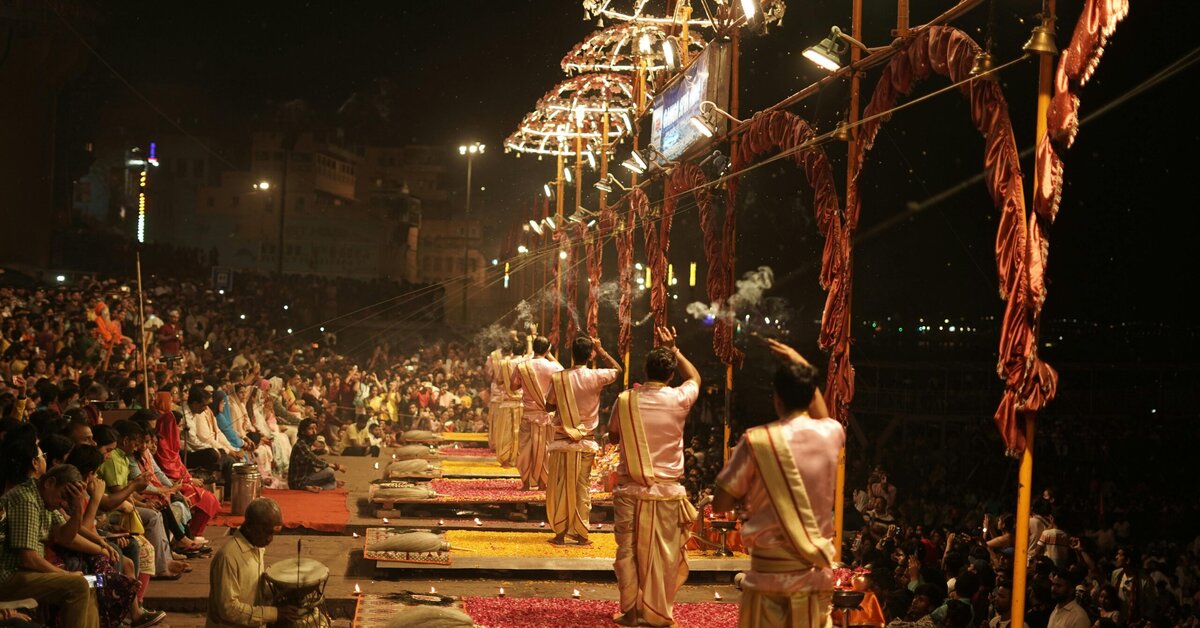
The Ganga Aarti at Dashashwamedh Ghat is Varanasi’s signature spectacle—a synchronized ritual of fire, bells, and devotion that takes place every evening at sunset.
Best Viewing Spots
For seniors, watching from a boat provides the best combination of comfort and view. Book a private boat through your hotel for about 1-2 hours before the aarti begins. This gives you a front-row seat without the jostling crowds. Alternatively, some hotels and restaurants on the ghats offer balcony seating—these require advance booking but provide comfortable chairs and bathrooms.
Booking Assistance and Seating Arrangements
Some tour operators offer special packages with reserved seating on raised platforms with chairs. While these cost more, they’re worth the investment for the comfort and hassle-free experience they provide.
Hiring Private Cars and Drivers
For destinations outside the old city, hire a private car with a driver for the duration of your stay. This typically costs ₹2,000-3,000 per day and provides flexibility and comfort. Your hotel can arrange reliable services.
Using Cycle Rickshaws and E-Rickshaws
For short distances within accessible areas, e-rickshaws are economical and emit less pollution than auto-rickshaws. However, they’re small and can be uncomfortable for longer rides.
Walking Through the Narrow Lanes
The old city’s lanes are too narrow for vehicles. If walking is difficult, consider using a wheelchair (some hotels provide these) or plan your itinerary to minimize time in these areas. Alternatively, experiencing these lanes early morning when they’re less crowded can be more manageable.
Health and Safety Tips for Senior Travelers
Medical Facilities in Varanasi
Varanasi has several good hospitals including Heritage Hospital, Landmark Hospital, and Shiv Prasad Gupta Hospital. Keep your hotel informed of any medical conditions, and carry a list of your medications and emergency contacts.
Staying Hydrated and Avoiding Street Food
The heat and spiritual intensity can be dehydrating. Carry bottled water always. While Varanasi’s street food is legendary, it’s safer for seniors to stick to restaurants with proper hygiene standards, at least initially. If you want to try local delicacies, do so at recommended establishments.
Dealing with Air Quality
Varanasi’s air quality, particularly in winter, can be poor due to cremation smoke, traffic, and seasonal crop burning in nearby areas. If you have respiratory issues, carry necessary medications and consider using N95 masks during early morning hours when pollution peaks.
Cultural Etiquette and What to Wear
Varanasi is deeply traditional. Dress modestly—lightweight cotton clothes that cover shoulders and knees work best. Remove shoes before entering temples. Photography is restricted at cremation ghats; respect this completely. The morning aarti and temple visits happen very early (4-5 AM), so prepare for early mornings if these interest you.
Shopping in Varanasi: Silk and Souvenirs
Varanasi is famous for its Banarasi silk sarees and fabrics. Visit government-approved showrooms like Handloom House or UP Handloom Store for authentic products at fixed prices, eliminating haggling stress. For handicrafts, wooden toys, and brassware, the shops near Vishwanath Temple lane offer good variety. Take your time, ask for chairs if you need rest, and don’t feel pressured to buy.
Food Recommendations for Seniors
Hygienic Restaurants
Stick to well-known restaurants like Varuna by Ruchi (at Taj Ganges), Brown Bread Bakery (supporting a good cause with excellent Western and Indian options), or Pizzeria Vaatika Cafe for comfortable dining. These maintain international hygiene standards.
Traditional Delicacies to Try
Don’t miss the lassi (buttermilk) at Blue Lassi—it’s served in a clean, sit-down shop. Kachori-sabzi for breakfast and chaat at reputable shops can be enjoyed if your stomach is accustomed to Indian spices. For sweets, try the famous Banarasi paan from established shops, but perhaps skip the tobacco version.
Day Trips and Nearby Attractions
If you have extra days, consider Allahabad (now Prayagraj) about 130 km away, where the Ganges, Yamuna, and mythical Saraswati rivers meet. Chunar Fort and Vindhyachal Temple are also within reasonable driving distance. These trips are best done with a private car and driver, with planned rest stops.
Spiritual Experiences Beyond Temples
Morning Boat Rides
A sunrise boat ride on the Ganges is transformative. The city awakens gradually, pilgrims perform rituals on the ghats, and the golden light paints everything ethereal. Book a private boat for comfort, and bring a shawl as mornings can be cool on the water.
Yoga and Meditation Centers
Several ashrams and wellness centers offer gentle yoga and meditation sessions suitable for seniors. Assi Ghat has several options where you can participate in morning yoga classes that focus on breathing and gentle stretches rather than demanding poses.
Travel Companions and Guided Tours
Traveling with family or friends provides both companionship and practical assistance. If traveling solo, consider joining a small-group senior-focused tour. Several travel companies now offer specialized itineraries with slower paces, better accommodations, and medical support. Private guides can also be invaluable—they know accessible routes, can communicate with locals, and ensure you don’t miss hidden gems.
Conclusion
Varanasi isn’t just a destination; it’s an experience that touches something deep within us. For senior citizens, visiting this ancient city offers a chance to witness living history, engage with profound spirituality, and create memories that last a lifetime. Yes, it requires planning. Yes, it demands some physical navigation. But with the right preparation, comfortable accommodations, reliable transportation, and realistic expectations, Varanasi becomes not just manageable but magical.
The ghats at sunrise, the evening aarti’s hypnotic rhythm, the silk shops’ vibrant colors, the taste of authentic lassi, and the knowledge that millions before you have walked these same stones seeking meaning—these experiences transcend age. Varanasi welcomes everyone, and with this guide, senior travelers can embrace the city’s intensity while honoring their own pace and needs.
Pack your comfortable shoes, bring an open heart, and prepare for a journey that nourishes the soul. Varanasi is waiting.
FAQs
1. Is Varanasi safe for senior citizens traveling alone?
Yes, Varanasi is generally safe, but like any busy tourist destination, common-sense precautions apply. Stay in reputable hotels, use recommended transport, keep valuables secure, and inform your hotel of your daily plans. Many seniors successfully navigate Varanasi independently, though traveling with a companion or hiring a local guide adds comfort and security.
2. How many days should I spend in Varanasi?
Three to four days is ideal for seniors. This allows time to see the main attractions without rushing, rest when needed, and truly absorb the atmosphere. Day one for settling in and exploring nearby ghats, day two for temples and Sarnath, day three for deeper exploration or day trips, and day four for shopping and final experiences.
3. Are wheelchairs practical in Varanasi?
Wheelchairs work well in newer parts of the city, hotels, and sites like Sarnath. However, the old city’s narrow lanes, uneven surfaces, and stairs make wheelchair access extremely difficult. Many hotels provide wheelchairs for their premises, and boats eliminate the need to navigate ghat stairs for river-related experiences.
4. What vaccinations or health precautions should seniors take before visiting?
Consult your doctor at least 4-6 weeks before travel. Generally recommended are vaccinations for Hepatitis A and B, Typhoid, and ensuring your routine vaccinations are current. Carry adequate supplies of your regular medications, prescriptions, and a basic first-aid kit. Travel insurance with medical coverage is highly recommended.
5. Can I get vegetarian food easily in Varanasi?
Absolutely! Varanasi is predominantly vegetarian due to its religious significance. You’ll find excellent vegetarian options everywhere, from simple dal-roti to elaborate thalis. In fact, finding non-vegetarian food is harder in the old city areas. Most restaurants clearly mark vegetarian items, and staff are accustomed to explaining ingredients to visitors.