Vrindavan & Mathura 2-Day Private Combo , Vrindavan and Mathura—the twin cities where Lord Krishna was born and spent his divine childhood—represent Hinduism’s most beloved pilgrimage destinations for devotees of Krishna. A 2-day private combo package offers the perfect duration to experience both cities’ spiritual essence, allowing you to witness the birthplace where Krishna entered the mortal world and the enchanted forests where he performed his divine leelas (pastimes) with Radha and the gopis.
Vrindavan & Mathura 2-Day Private Combo , Located just 15 kilometers apart in Uttar Pradesh, these sacred towns overflow with ancient temples, devotional atmosphere, and the infectious energy of Krishna bhakti that has captivated millions for millennia. A private tour provides the flexibility to dive deeply into the devotional experiences that resonate most with you—whether attending ecstatic kirtan sessions, participating in elaborate temple rituals, or simply absorbing the mystical atmosphere where the divine once walked.
Day 1: Mathura – The Birthplace of Krishna
Morning: Sacred Birth and Ancient Temples (8:00 AM – 1:00 PM)
8:00 AM: Pickup from Delhi (if coming from Delhi—3 hour drive) or your Mathura/Vrindavan hotel. Begin with Krishna Janmabhoomi Temple, the exact prison cell where Krishna was born over 5,000 years ago. The complex includes the Kesava Deo Temple and the sacred Garbha Griha (sanctum) marking the precise birthplace. Early morning visits offer peaceful darshan before crowds arrive.
Vrindavan & Mathura 2-Day Private Combo , Security here is significant due to the site’s religious sensitivity—no phones or cameras allowed inside. Your guide explains the story of Krishna’s miraculous birth to Devaki and Vasudeva in Kansa’s prison, and the divine infant’s subsequent transfer to Gokul.
10:00 AM: Visit Dwarkadhish Temple, Mathura’s most architecturally stunning shrine. Built in 1814, this temple showcases intricate carvings, beautiful paintings depicting Krishna’s life, and hosts elaborate daily aartis. The deity of Dwarkadhish (Krishna as king of Dwarka) is adorned in different outfits throughout the day—timing your visit around decoration changes offers special viewing opportunities.
11:30 AM: Explore Vishram Ghat on the Yamuna River—where Krishna rested after slaying the demon Kansa. This main bathing ghat pulses with spiritual energy as pilgrims bathe in the sacred river, priests perform ceremonies, and vendors sell puja materials. Vrindavan & Mathura 2-Day Private Combo ,The ghat’s ancient steps, temples lining the riverbank, and constant devotional activity create quintessential Mathura atmosphere.
12:30 PM: Vrindavan & Mathura 2-Day Private Combo , Lunch at a quality vegetarian restaurant. Mathura cuisine features delicious pedas (milk sweets) and traditional North Indian vegetarian fare.
Afternoon: Cultural and Devotional Immersion (2:00 PM – 7:00 PM)
2:00 PM: Visit Gita Mandir, a relatively modern temple (established 1970s) where the entire Bhagavad Gita is inscribed on the walls in Hindi. The temple’s serene atmosphere and philosophical focus offer contemplative contrast to the morning’s more crowded sites.
3:00 PM: Vrindavan & Mathura 2-Day Private Combo , Explore Mathura Museum (Government Museum), housing an exceptional collection of ancient sculptures, particularly from the Mathura School of Art (1st-3rd century CE). The red sandstone sculptures of Buddha, Jain Tirthankaras, and Hindu deities showcase artistic excellence predating even the Gupta period.
4:30 PM: Vrindavan & Mathura 2-Day Private Combo , Return to Vishram Ghat or visit Kans Qila (Kansa’s Fort)—though now mostly in ruins, this archaeological site connects to Krishna mythology as the demon king’s stronghold.
6:00 PM: Attend the spectacular Yamuna Aarti at Vishram Ghat as sunset transforms the river into golden hues and hundreds of diyas (oil lamps) float on the sacred waters. The devotional songs, synchronized lamp offerings, and collective spiritual energy create an unforgettable experience.
7:30 PM: Check into your Vrindavan accommodation (hotels in Vrindavan generally offer better quality and devotional atmosphere than Mathura options). Dinner and rest.
Day 2: Vrindavan – Krishna’s Playground
Morning: Temple Circuit and Divine Energy (6:00 AM – 1:00 PM)
6:00 AM: Early start to attend Mangla Aarti at Banke Bihari Temple—Vrindavan’s most famous shrine. This early morning ceremony offers an intimate darshan of the self-manifested deity of Krishna in his most enchanting form. The temple’s unique tradition includes brief darshan sessions (curtains open and close) creating anticipation and excitement. Arrive by 5:45 AM for good positioning as crowds gather quickly.
8:00 AM: Visit ISKCON Temple (Sri Krishna Balaram Mandir), founded by A.C. Bhaktivedanta Swami Prabhupada. This modern complex features exquisite marble deities of Krishna-Balaram and Radha-Shyamasundar, beautiful gardens, a museum documenting ISKCON’s history, and the samadhi (memorial) of Srila Prabhupada. The temple’s cleanliness, organization, and powerful kirtan sessions attract devotees worldwide.
10:00 AM: Explore Prem Mandir, a stunning modern temple (completed 2012) built entirely of white marble with intricate carvings depicting Krishna’s pastimes. The temple illuminates spectacularly in the evening, but morning visits allow detailed appreciation of the architectural artistry. The complex includes beautiful gardens, fountains, and life-size dioramas of Krishna leelas.
11:30 AM: Visit Radha Raman Temple, home to a self-manifested deity of Krishna (emerged from a sacred shaligram stone in 1542). This temple represents the Gaudiya Vaishnavism tradition and features exquisite deity decoration, ancient architecture, and deeply devotional atmosphere.
12:30 PM: Lunch at a quality restaurant or ISKCON’s Govinda’s Restaurant, serving delicious satvik vegetarian food.
Afternoon: Sacred Forests and Concluding Darshan (2:00 PM – 6:00 PM)
2:00 PM: Visit Seva Kunj and Nidhuban—the sacred grove where Radha and Krishna performed their divine Raas Leela (cosmic dance). According to tradition, Krishna and Radha still appear here nightly, and the kunj (garden) is closed after sunset. The mystical atmosphere, ancient trees, and devotional stories create powerful spiritual resonance.
3:00 PM: Explore Kesi Ghat on the Yamuna—a beautiful riverfront area with temples, ghats, and serene atmosphere. This is where Krishna defeated the demon Kesi. The ghat offers peaceful reflection time and beautiful river views.
4:00 PM: Visit Rangaji Temple or Shahji Temple—both architectural marvels showcasing different styles (Dravidian and Mughal-influenced respectively). Choose based on interest and energy levels.
5:00 PM: Final darshan at Banke Bihari Temple for the evening aarti, or attend kirtan at ISKCON temple if you prefer ecstatic devotional singing and dancing.
6:30 PM: Departure for Delhi (arriving 9:30-10:00 PM) or overnight stay in Vrindavan if extending your visit.
Package Inclusions and Pricing
Standard Private Package (₹8,000-12,000 per person, minimum 2 people):
- Private AC vehicle (Innova/sedan) for 2 days
- One night hotel accommodation (3-star, Vrindavan)
- Daily breakfast
- Professional guide for both days
- All fuel, tolls, parking
- Temple entrance fees where applicable
Premium Package (₹15,000-20,000 per person):
- Premium vehicle (Innova Crysta)
- 4-star hotel (Heritage/Nidhivan properties)
- All meals (breakfast, lunch, dinner)
- Expert Krishna devotee guide
- Special darshan arrangements
- Extended flexibility (12 hours daily vs. 10 hours)
Excluded: Temple donations (entirely personal), special puja arrangements beyond basic darshan, shopping, tips for guide/driver.
Practical Tips for Your Vrindavan-Mathura Yatra
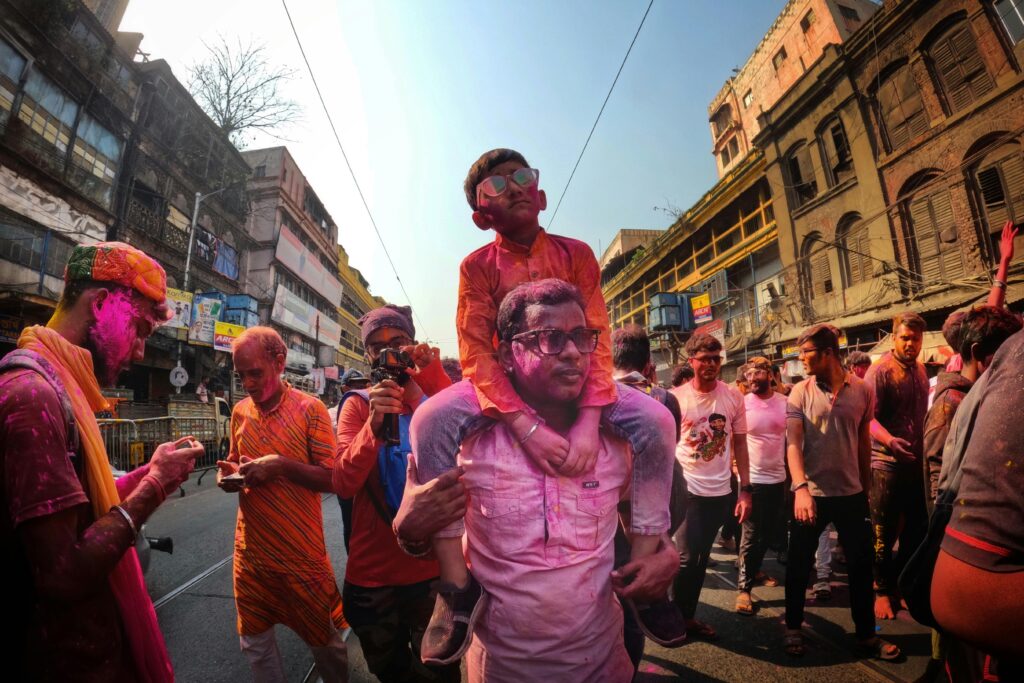
Best Time: October-March offers pleasant weather (15-25°C). Janmashtami (Krishna’s birthday, August/September) is spectacularly celebratory but extremely crowded—book months ahead if visiting then. Holi in Vrindavan is legendary but chaotic.
Dress Modestly: This is sacred land for Krishna devotees. Cover shoulders and knees always. Many temples require removing shoes—wear easily removable footwear.
Photography: Some temples prohibit photography (Banke Bihari doesn’t allow phones inside at all). Respect these rules—the devotional experience matters more than documentation.
Pace Yourself: Vrindavan has 5,000+ temples. You cannot see everything. Choose quality experiences at major temples rather than exhausting temple-hopping.
Food: Both cities are predominantly vegetarian. Many devotees avoid onion and garlic (tamasic foods). Respect these dietary traditions and enjoy the delicious satvik cuisine.
Security at Mathura Janmabhoomi: Expect airport-level security. Deposit phones, cameras, bags at counters. Plan for 30-45 minutes just for security procedures.
Spiritual Preparation
Learn Basic Krishna Stories: Familiarity with Krishna’s birth, childhood leelas, and Radha-Krishna relationship enriches temple visits immensely. Your guide will share stories, but prior knowledge deepens appreciation.
Participate in Kirtan: If you’re comfortable, join the devotional singing at temples. The collective energy of Krishna kirtan is transformative even for non-devotees.
Approach with Bhakti: These aren’t tourist sites but living centers of devotion. Approach with respect, openness, and reverence—many visitors report profound spiritual experiences when they engage authentically.
Conclusion
Vrindavan & Mathura 2-Day Private Combo , The Vrindavan-Mathura 2-day private combo offers concentrated immersion in Krishna consciousness—experiencing the birthplace of the divine child and the enchanted forests where he played his flute, mesmerizing all creation. The private structure allows you to move at your devotional pace, spending extended time where your heart connects most deeply and adjusting the itinerary to your spiritual interests.
Vrindavan & Mathura 2-Day Private Combo , Whether you’re a lifelong Krishna devotee fulfilling pilgrimage aspirations or a spiritual seeker exploring Hinduism’s bhakti traditions, these two days in Krishna’s sacred land offer experiences that touch the soul—the infectious joy of kirtan, the mystical atmosphere of ancient temples, and the palpable devotion of millions who’ve walked these streets seeking glimpses of the divine. Hare Krishna!
FAQs
1. Can this 2-day itinerary be completed as a day trip from Delhi, or is overnight stay essential?
While technically possible to visit both cities in one extremely long day (14-16 hours), an overnight stay is strongly recommended for meaningful experience. Same-day Delhi-Mathura-Vrindavan-Delhi means: 6 hours total driving, leaving only 8-9 hours for temples—barely sufficient for the major sites and creating exhausting rushing. You’ll sacrifice evening aartis, morning Mangla aarti (which requires 5-6 AM attendance), and the contemplative absorption that pilgrimage deserves. The overnight approach allows: peaceful morning temple visits before crowds, participation in evening ceremonies, adequate rest between intensive sightseeing, and flexibility for spontaneous devotional experiences. If you absolutely must do same-day, focus on either Mathura OR Vrindavan comprehensively rather than superficially touching both.
2. We’re not Krishna devotees but interested in cultural tourism—is this pilgrimage circuit appropriate for non-devotees?
Absolutely. While deeply devotional for Krishna bhaktas, Vrindavan-Mathura offers rich cultural, historical, and aesthetic value for secular visitors. You’ll appreciate: architectural excellence (ancient temples, intricate carvings, diverse styles), art history (Mathura Museum’s sculptures, temple paintings), cultural anthropology (observing living devotional traditions), mythology (Krishna stories shaping Indian consciousness), and the vibrant energy of pilgrimage cities. Approach with respect and open curiosity rather than worship—ask questions, observe rituals, appreciate the artistry and devotion even if not personally religious. Many non-Hindu visitors find the kirtan sessions emotionally powerful and the temples architecturally stunning regardless of theological belief. What’s required isn’t belief but respectful engagement with spaces sacred to millions.
3. How strictly vegetarian must we be, and are there non-vegetarian food options available?
Mathura-Vrindavan are among India’s most strictly vegetarian zones—finding non-vegetarian food is virtually impossible and culturally inappropriate. These cities are sacred land where Krishna played; meat consumption is considered deeply offensive to local religious sensibilities. Even eggs are unavailable in most restaurants. Many establishments avoid onion and garlic (tamasic foods in Krishna bhakti tradition), offering purely satvik vegetarian cuisine. If you’re non-vegetarian travelers: Accept vegetarian meals for these two days—Indian vegetarian cuisine is delicious and varied (paneer dishes, dal, vegetables, breads, sweets). Avoid attempting to find meat; it won’t exist and asking creates cultural friction. Consider this dietary restriction part of cultural immersion. After completing your Vrindavan-Mathura pilgrimage, resume your normal diet elsewhere. Most travelers find vegetarian food here so flavorful that lack of meat isn’t noticed.
4. What’s the best way to experience Banke Bihari Temple given its famous crowds and brief darshan timings?
Banke Bihari’s unique darshan system (curtains open/close creating brief viewing windows) and immense popularity create challenging crowds. Strategies: (1) Early morning Mangla Aarti (5:45-6:30 AM)—smallest crowds, longest darshan opportunity, most intimate atmosphere. Requires very early wake-up but absolutely worthwhile. (2) Weekday mid-afternoon (2:00-4:00 PM)—moderate crowds, reasonable wait (20-40 minutes vs. 2-3 hours during peak). (3) Avoid weekends/festivals when crowds become genuinely overwhelming. (4) Hire a local guide who knows unofficial entry points and optimal timing. (5) Practice patience—embrace the anticipatory energy created by the curtain system rather than fighting it. (6) Women can sometimes access the temple through women’s queues moving slightly faster. The brief darshan is by design, not accident—it creates longing and excitement that devotees consider part of the experience. Don’t expect extended viewing; savor the fleeting moments.
5. Should we attempt to visit Gokul and Barsana, or are Mathura-Vrindavan sufficient for 2 days?
For a 2-day visit, focus exclusively on Mathura-Vrindavan—they provide comprehensive Krishna pilgrimage without overextension. Gokul (15 km from Mathura, where Krishna was raised by Yashoda and Nanda) and Barsana (42 km from Mathura, Radha’s birthplace) are significant but require additional time. Adding them to 2 days creates exhausting rushing that diminishes the primary sites’ spiritual value. Consider Gokul/Barsana if: you extend to 3-4 days allowing thorough coverage, you’re deeply devoted Krishna pilgrims wanting every associated site, or you’re revisiting Mathura-Vrindavan and seeking new dimensions. For first-time 2-day visitors, the main cities offer more than sufficient temples, stories, and devotional experiences. Quality engagement with Mathura-Vrindavan’s major temples beats superficial coverage of extended circuits. Save Gokul/Barsana for future dedicated trips when you can give them proper attention.