
Wildlife Adventure in Uttar Pradesh , When you think of Uttar Pradesh, what comes to mind? The Taj Mahal? Ancient temples? Bustling cities? While these are certainly part of the state’s identity, there’s another dimension that often surprises travelers—a wild, untamed side teeming with biodiversity, from majestic Bengal tigers to rare freshwater dolphins, from migratory birds to elusive sloth bears.
Uttar Pradesh might not be the first name that springs to mind when planning a wildlife adventure in India, but that’s precisely what makes it special. Away from the tourist crowds that flock to more famous reserves, UP’s protected areas offer authentic wilderness experiences where nature still reigns supreme and wildlife sightings feel like genuine discoveries rather than staged encounters.
Spanning diverse ecosystems—from the terai grasslands bordering Nepal to the ravines carved by mighty rivers, from dense sal forests to tranquil wetlands—Uttar Pradesh’s wildlife sanctuaries and national parks protect an impressive array of species. A well-designed wildlife tour package opens doors to these hidden treasures, combining professional guidance, comfortable logistics, and conservation awareness into an adventure that satisfies both your wanderlust and your conscience.
Ready to explore the wild heart of India’s most populous state? Let’s venture into territories where humans are visitors and nature writes the rules.
Why Choose Uttar Pradesh for Wildlife Tourism?
You might wonder why you should choose Uttar Pradesh for wildlife experiences when states like Madhya Pradesh, Rajasthan, and Karnataka are more famous for their national parks. The answer lies in several unique advantages that UP offers to nature enthusiasts.
First, there’s the diversity factor. Uttar Pradesh protects multiple distinct ecosystems within relatively compact distances. You can experience terai grasslands in Dudhwa, riverine ravines in Chambal, wetlands in Hastinapur, and rocky hills in Kaimoor—all within the same state. This ecological variety means encountering species assemblages you won’t find elsewhere, from swamp deer that thrive only in specific terai conditions to the critically endangered gharial crocodiles that inhabit just a handful of rivers.
Second, UP’s wildlife destinations remain relatively uncrowded compared to more famous reserves. While Ranthambore or Jim Corbett might see hundreds of vehicles competing for tiger sightings, Dudhwa or Pilibhit offer peaceful safaris where you might be one of only a handful of visitors. This translates to more authentic experiences, better wildlife viewing without jostling crowds, and a genuine sense of wilderness exploration.
Third, the combination possibilities are exceptional. Few other states allow you to seamlessly blend world-class cultural heritage with serious wildlife tourism. You can visit the Taj Mahal in Agra and then head to Chambal for gharial viewing, explore Varanasi’s spiritual heritage before bird watching at Sur Sarovar, or combine Lucknow’s Nawabi culture with tiger tracking in Dudhwa. This versatility makes UP ideal for travelers who want comprehensive experiences without limiting themselves to single-interest tourism.
Fourth, conservation efforts here are showing remarkable results. Tiger numbers in Pilibhit and Dudhwa have increased, gharial populations in Chambal are stabilizing, and bird sanctuaries continue attracting impressive migratory populations. Being part of these success stories adds depth to your adventure—you’re not just observing wildlife but witnessing active conservation in action.
Finally, there’s accessibility. Uttar Pradesh’s excellent road and rail networks make reaching even remote sanctuaries relatively convenient. Most wildlife destinations connect reasonably well to major cities, airports, and tourist circuits, allowing efficient travel planning.
Dudhwa National Park – The Crown Jewel
Tigers and Swamp Deer in Their Natural Habitat
Dudhwa National Park, located in the Lakhimpur Kheri district near the Nepal border, represents Uttar Pradesh’s premier wildlife destination. Covering approximately 490 square kilometers of dense sal forests, vast grasslands, and numerous water bodies, Dudhwa protects one of India’s finest terai ecosystems—a unique habitat type found only in the Himalayan foothills.
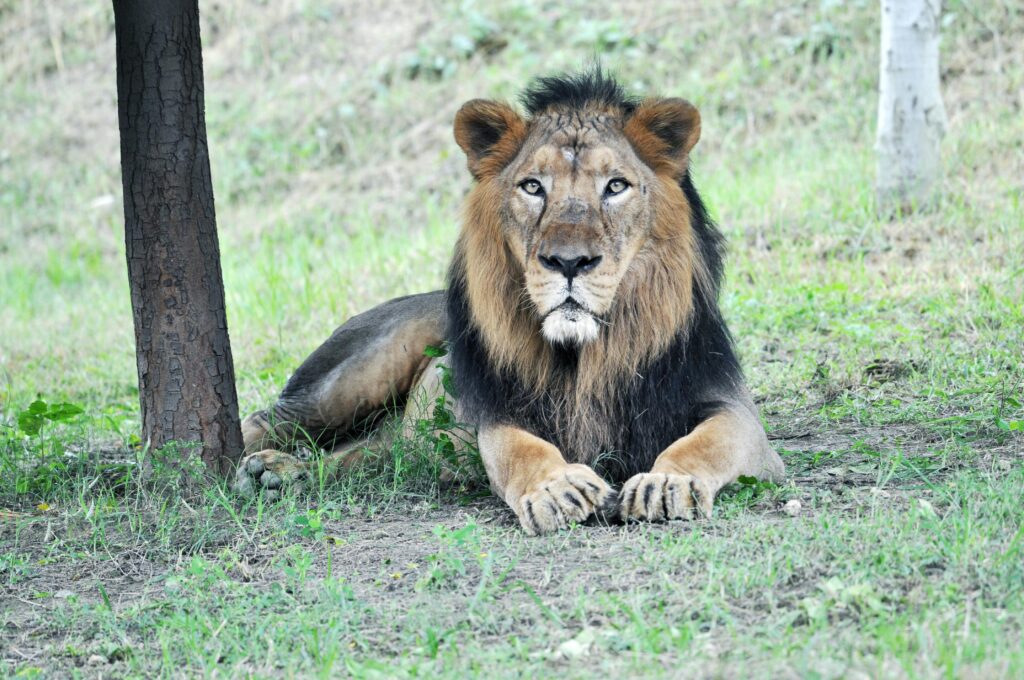
The park’s star attraction is undoubtedly the Bengal tiger. Dudhwa supports a healthy tiger population that has been steadily growing due to focused conservation efforts. Unlike some parks where tigers have become habituated to vehicles, Dudhwa’s tigers remain genuinely wild, making sightings thrilling genuine encounters rather than predictable photo opportunities. The dense vegetation and vast territory mean tigers can be elusive, but when you do spot one—perhaps crossing a forest path or lounging near a waterhole—the experience is absolutely magical.
What truly distinguishes Dudhwa is its swamp deer population. The park protects the largest population of barasingha (literally “twelve-horned,” though they typically have six tines per antler) in India. These magnificent cervids, standing about four feet tall at the shoulder with splayed hooves adapted for marshy terrain, were once on the brink of extinction. Dudhwa’s conservation success has brought them back from fewer than 3,000 individuals to healthy, sustainable numbers. Watching herds of barasingha grazing in the grasslands, their antlers catching the morning light, offers one of Indian wildlife tourism’s most satisfying sights.
The park also shelters healthy populations of leopards, sloth bears, Indian rhinoceros (a recent reintroduction project), wild elephants, hispid hares, Bengal floricans, and over 450 bird species. The biodiversity here rivals any Indian park, yet Dudhwa receives a fraction of the visitors that flood more famous reserves.
Best Safari Experiences in Dudhwa
Dudhwa offers multiple safari zones, each with distinct characteristics and wildlife viewing opportunities. The core area is divided into buffer and core zones, with permits required for access to the most protected areas where wildlife density is highest.
Jeep safaris remain the primary method of exploring Dudhwa. Early morning safaris (starting around 6:00 AM depending on season) offer optimal wildlife viewing as animals are most active during cooler hours. The grasslands come alive with deer grazing, birds calling, and predators potentially on the move. Evening safaris (typically 3:00 PM to 6:00 PM) provide different experiences, with animals emerging for water and the possibility of nocturnal species beginning their activities as dusk approaches.
Elephant safaris offer unique perspectives impossible from vehicles. Seated atop elephants, you can venture into dense vegetation and grasslands where jeeps cannot go, potentially approaching wildlife more closely without causing alarm. Elephants navigate marshy areas easily, making them ideal for viewing barasingha in their preferred habitats. The elevated viewpoint also aids photography and provides better visibility over tall grass.
Walking safaris or nature walks, conducted in buffer zones with trained guides and forest guards, provide intimate forest experiences. Moving on foot heightens your senses—you notice subtle signs of wildlife presence, appreciate smaller creatures and plants, and experience the forest’s sounds and smells in ways impossible from vehicles. While you’re unlikely to encounter large predators on walking safaris (for safety reasons, they avoid core areas), the educational value is immense.
The Sathiana and Kishanpur ranges offer particularly good wildlife viewing, with varied terrain and reliable water sources that attract animals. Guides familiar with territory and animal movements significantly enhance safari success rates.
Bird Watching Paradise
For ornithologists and bird photography enthusiasts, Dudhwa ranks among India’s finest destinations. The park’s diverse habitats—forests, grasslands, wetlands, and riverine areas—support over 450 bird species, including numerous rarities and regional specialties.
Winter brings migratory species from distant lands—waterfowl crowd the wetlands, raptors patrol the skies, and forest species from Central Asia find refuge here. The Bengal florican, one of India’s most endangered birds, breeds in Dudhwa’s grasslands. Spotting this critically rare species requires patience and luck, but the possibility adds excitement to every grassland safari.
Other notable species include the swamp francolin, great slaty woodpecker, Pallas’s fish eagle, various hornbills, kingfishers in multiple species, and an impressive variety of owls. The park’s wetlands support storks, herons, egrets, ibises, and numerous duck species during winter.
Serious birders should allocate at least three to four days in Dudhwa, exploring different zones during various times of day. Dawn and dusk prove most productive for bird activity, though midday forest walks can reveal species that remain active even during heat.
The park’s bird list is constantly updated as rarities are discovered, making every visit an opportunity for exciting observations. Carrying a good field guide and binoculars is essential, and hiring guides with birding expertise dramatically improves identification success.
Pilibhit Tiger Reserve – The Hidden Gem
Conservation Success Story
Pilibhit Tiger Reserve, officially notified in 2014, represents one of India’s newest tiger reserves and an inspiring conservation success story. Located in the Pilibhit district bordering Nepal, this approximately 730-square-kilometer reserve protects crucial terai habitat connecting Indian and Nepalese tiger populations.
What makes Pilibhit remarkable is its rapid transformation. Once facing severe degradation from human encroachment, logging, and poaching, focused conservation efforts have reversed these trends. Tiger numbers have increased significantly—recent surveys show healthy, breeding populations with cubs regularly documented. This success stems from improved protection, habitat restoration, community engagement programs that reduce human-wildlife conflict, and effective anti-poaching measures.
The reserve’s terrain consists of dense sal forests, grasslands, and numerous streams and rivers. This mosaic of habitats supports not just tigers but also leopards, sloth bears, wild elephants, sambar deer, spotted deer, barking deer, wild boars, and various smaller mammals. The elephant population here is particularly noteworthy—these intelligent giants move between India and Nepal through wildlife corridors that Pilibhit protects.
Pilibhit also shelters several endangered species including the rusty-spotted cat (one of the world’s smallest wild cats), fishing cats, and smooth-coated otters. The diverse reptilian fauna includes pythons, monitor lizards, and various snake species. Over 330 bird species have been recorded, making it an excellent birding destination alongside tiger tracking.
What truly distinguishes Pilibhit is its commitment to community-based conservation. Local villages participate in protection efforts, eco-tourism initiatives provide alternative livelihoods, and education programs are building conservation awareness among younger generations. Visiting Pilibhit, you’re supporting these efforts, making your tourism directly contribute to conservation success.
Safari Options and Wildlife Encounters
Pilibhit offers jeep safaris through designated routes that traverse various habitat types. The reserve divides into multiple ranges, with the Mala and Mahof ranges being particularly good for wildlife sightings. Safaris operate twice daily—early morning and late afternoon—aligning with peak animal activity periods.
Tiger sightings in Pilibhit, while never guaranteed (these are wild animals in vast territory), occur with reasonable frequency, especially during summer months when animals concentrate near water sources. The thrill of tracking tigers through pugmarks (footprints), alarm calls from deer and langurs, and other indirect signs adds adventure even when direct sightings don’t materialize.
The reserve’s relatively limited tourism infrastructure (compared to established parks like Ranthambore) means fewer vehicles competing for sightings. You might find yourself the only jeep in vast stretches of forest, creating genuine wilderness experiences increasingly rare in India’s popular parks.
Elephant safaris have been introduced in some zones, allowing access to areas where vehicles cannot venture. These safaris particularly help in viewing elephants in their natural herds, as approaching elephants with elephants creates less disturbance than vehicular approaches.
Night safaris in buffer zones (core areas close at sunset for protection) offer opportunities to spot nocturnal species—civets, hyenas, owls, and possibly even leopards on the prowl. These safaris require special permits and must be conducted with authorized guides, but they provide thrilling experiences unavailable during regular daytime safaris.
Photography opportunities in Pilibhit are excellent, with the forest’s varied lighting creating dramatic effects. The relatively open grasslands allow better visibility than dense forests, though the challenge of photographing camouflaged predators remains significant. Patient photographers willing to spend time in hides near waterholes during summer can capture exceptional images.
Kaimoor Wildlife Sanctuary – Rocky Wilderness
Sloth Bears and Leopards
Kaimoor Wildlife Sanctuary, sprawling across the Kaimoor hills in the Mirzapur district, offers completely different terrain and wildlife compared to UP’s terai reserves. This sanctuary’s rugged topography—characterized by rocky hills, deep ravines, and scrub forests—creates habitat for species adapted to drier, rockier conditions.
The sanctuary’s star residents are sloth bears and leopards, both well-adapted to the rocky terrain. Sloth bears, with their shaggy coats and distinctive white chest markings, are omnivores that feed primarily on termites, fruits, and honey. Kaimoor’s rocky outcrops and caves provide ideal denning sites, and the forest’s diverse flora supports their dietary needs. Spotting these usually shy creatures requires patience and early morning visits to areas where they forage.
Leopards thrive in Kaimoor’s landscape, using rocky ledges and caves as lairs and hunting grounds. More adaptable than tigers to varied terrain and proximity to human settlements, leopards here maintain healthy populations. Night safaris in buffer zones occasionally reward visitors with glimpses of these elegant predators.
Beyond these marquee species, Kaimoor shelters four-horned antelope (chousingha), chinkara (Indian gazelle), nilgai (blue bull—India’s largest antelope), wild boars, jackals, and various small carnivores. The sanctuary’s herpetofauna (reptiles and amphibians) includes numerous snake species, monitor lizards, and endemic gecko species adapted to rocky habitats.
The bird life, while less diverse than wetland-rich reserves, includes several species typical of dry deciduous forests and rocky hills—Egyptian vultures, various eagles and hawks, peafowl, jungle fowl, and numerous smaller passerines. The mix of forests and open areas creates edge habitats that support good bird diversity.
Kaimoor’s landscapes are spectacular even beyond wildlife—ancient temples dot the hills, waterfalls cascade during monsoons, and panoramic views stretch across the valleys. The sanctuary’s relative remoteness and limited tourism infrastructure mean visitors often have the place virtually to themselves, creating genuinely adventurous experiences for those willing to forgo luxury for authenticity.
Hastinapur Wildlife Sanctuary – Wetland Wonders
Diverse Ecosystem Along the Ganges
Hastinapur Wildlife Sanctuary, located where the Ganges River enters Uttar Pradesh from Uttarakhand, protects a unique wetland ecosystem quite different from forested reserves. Spread across Meerut, Ghaziabad, Muzaffarnagar, and Bijnor districts, this sanctuary’s riverine forests, swamps, and grasslands create havens for water-dependent species.
The sanctuary takes its name from Hastinapur, the ancient capital of the Pandavas mentioned in the Mahabharata epic, adding historical depth to natural beauty. The protected area serves crucial ecological functions—controlling floods, maintaining water quality, and providing breeding grounds for fish that support downstream communities.
Wildlife here includes swamp deer, spotted deer, nilgai, wild boars, jackals, and occasional leopard sightings. However, Hastinapur’s true treasure is its avian diversity. The wetlands attract enormous numbers of migratory waterfowl during winter—ducks, geese, waders, storks, and numerous other species arrive from breeding grounds across Central and Northern Asia.
Resident bird species include various herons, egrets, kingfishers, cormorants, and darters. Raptors patrol the skies—river terns dive for fish, while eagles and ospreys hunt from elevated perches. The sanctuary has recorded over 300 bird species, making it a premier bird-watching destination easily accessible from Delhi and other major cities.
The Ganges itself, though polluted in many stretches, retains some ecological health here. Freshwater turtles, smooth-coated otters, and various fish species inhabit the river and connected water bodies. During favorable seasons, the sight of the Ganges flowing through green floodplains, with birds wheeling overhead and wildlife visible on the banks, reminds us what India’s rivers once universally resembled.
Hastinapur offers jeep safaris, boat rides for bird watching, and nature walks along the riverbanks. The experience is more about diverse sightings and tranquil landscapes than dramatic predator encounters, making it ideal for families, casual nature enthusiasts, and serious birders alike.
Katarniaghat Wildlife Sanctuary – Gharial Haven
Rare Reptiles and Rich Biodiversity
Katarniaghat Wildlife Sanctuary, located in the Bahraich district along the India-Nepal border, forms part of the Dudhwa Tiger Reserve complex but maintains its distinct character. The Girwa River and numerous wetlands define this sanctuary’s landscape, creating prime habitat for aquatic and semi-aquatic species.
Katarniaghat’s most significant conservation role involves protecting critically endangered gharials—fish-eating crocodilians with distinctive elongated snouts. Gharials, which once thrived across major Indian river systems, have declined precipitously due to habitat loss, fishing net deaths, pollution, and hunting. Katarniaghat, along with Chambal, represents one of their last strongholds.
The sanctuary operates gharial breeding programs, releasing captive-bred individuals into the wild to supplement natural populations. Boat safaris along the Girwa River offer opportunities to observe these prehistoric-looking reptiles basking on riverbanks or swimming with just their snouts visible above water. Seeing gharials in their natural habitat, knowing how close they came to extinction, creates powerfully moving conservation moments.
Beyond gharials, the sanctuary shelters mugger crocodiles, Ganges soft-shell turtles, smooth-coated otters, Gangetic dolphins (occasionally), and various fish species. The terrestrial fauna includes tigers (though sightings are rare due to dense vegetation), leopards, fishing cats, swamp deer, hog deer, and wild elephants that migrate between India and Nepal.
Bird diversity is impressive, with wetland species dominating but forest species also well-represented. The combination of aquatic and terrestrial habitats creates particularly rich biodiversity. Kingfishers of multiple species—pied, white-throated, common, and stork-billed—hunt along water bodies, while forest species inhabit the sal and mixed forests.
Katarniaghat’s remote location and limited infrastructure mean it receives few visitors compared to Dudhwa, despite being part of the same tiger reserve. This translates to peaceful, uncrowded experiences ideal for wildlife photography and serious nature observation. The sanctuary demonstrates how interconnected protected areas (the transboundary conservation approach linking Indian and Nepalese reserves) create larger, more viable habitats than isolated parks could provide.
Chambal Wildlife Sanctuary – The River Safari
Dolphins and Crocodiles
The National Chambal Sanctuary, though spanning three states (Uttar Pradesh, Madhya Pradesh, and Rajasthan), includes a significant UP section along the Chambal River in Etawah district. This sanctuary protects one of India’s most unique ecosystems—the ravines and relatively unpolluted waters of the Chambal River, one of the subcontinent’s last perennial rivers without major dams disrupting its natural flow.
The Chambal’s claim to fame is its healthy populations of critically endangered gharials and red-crowned roof turtles, along with substantial numbers of mugger crocodiles and Ganges river dolphins. The sanctuary operates one of India’s most successful gharial conservation programs, with breeding populations recovering significantly from near-extinction levels. Boat safaris along the river offer close-up views of gharials basking on sandbanks—sometimes dozens together—a sight virtually impossible elsewhere.
Ganges river dolphins, blind freshwater cetaceans that navigate using echolocation, occasionally surface near boats, their distinctive curved beaks breaking the water surface momentarily. These dolphins represent ancient lineages that have adapted completely to riverine life. Spotting them requires patience and keen observation, as they surface only briefly to breathe before disappearing back into muddy waters.
The river’s smooth-coated otters are enchanting creatures, often seen in family groups fishing cooperatively or playing on riverbanks. Their sleek forms and playful nature make them favorites among wildlife photographers.
Beyond aquatic species, the Chambal’s ravines (deeply eroded badlands carved by water over millennia) create unique terrestrial habitats. These ravines once harbored bandits (dacoits) taking advantage of the inaccessible terrain, but now protect healthy populations of Indian wolves, striped hyenas, jackals, desert cats, and numerous bird species including vultures, skimmers, and terns that nest on sandbars.
Over 290 bird species have been recorded, with particular significance for migratory populations. The river’s sandbars provide crucial nesting sites for Indian skimmers, whose population numbers are declining range-wide. Black-bellied terns, river lapwings, and various wader species also breed here during appropriate seasons.
Boat safaris remain the primary way to experience Chambal, offering peaceful drifts along the river with guides expertly spotting wildlife on banks and in water. The ravines rising on both sides create dramatic landscapes, while the absence of vehicular noise (only boat engines, which guides cut when approaching wildlife) allows appreciation of natural sounds—bird calls, water lapping, and occasional wildlife vocalizations.
The sanctuary demonstrates that river conservation is as crucial as forest protection, and that healthy rivers support extraordinary biodiversity. The Chambal’s success story offers hope that other degraded rivers might recover with proper protection and management.
Sur Sarovar Bird Sanctuary – Avian Paradise
Sur Sarovar Bird Sanctuary (also called Keetham Lake), located near Agra in the Mathura district, provides excellent bird-watching opportunities just a short drive from India’s most famous monument. This relatively small sanctuary (approximately 4 square kilometers) focuses on wetland bird conservation, with a man-made reservoir creating ideal habitat.
The sanctuary’s accessibility—just 20 kilometers from Agra—makes it perfect for combining cultural tourism with nature experiences. Travelers visiting the Taj Mahal can easily add a morning or evening birding session here, dramatically enriching their Agra experience without requiring additional days or complex logistics.
Over 165 bird species have been recorded, with winter months bringing migratory ducks, geese, waders, and passerines. Resident species include various herons, egrets, cormorants, kingfishers, and raptors. The site supports good populations of sarus cranes—the world’s tallest flying birds and symbols of marital fidelity in Indian culture.
The sanctuary’s infrastructure includes designated walking paths, observation towers providing elevated viewing over the wetlands, and hides allowing photographers to approach wildlife without causing disturbance. The relatively small area means you can thoroughly explore it in a few hours, though serious birders might want to spend longer documenting seasonal variations in species composition.
Sur Sarovar demonstrates how even modest-sized protected areas near urban centers can support significant biodiversity when properly managed. It serves educational functions for local communities and schools, fostering conservation awareness in regions where religious and cultural tourism dominates.
National Chambal Sanctuary – Tri-State Conservation
The National Chambal Sanctuary deserves additional attention as an exemplary model of interstate conservation cooperation. Established in 1979 and spanning 5,400 square kilometers across Uttar Pradesh, Madhya Pradesh, and Rajasthan, this sanctuary protects 435 kilometers of the Chambal River and its ravines.
What makes this sanctuary special beyond its biodiversity is its management structure. Three state forest departments coordinate to implement unified conservation policies, share resources, and jointly monitor wildlife populations. This collaborative approach, still relatively rare in India where states often compete rather than cooperate, has yielded impressive results.
The gharial recovery here represents India’s most successful crocodilian conservation effort. From population nadirs in the 1970s when fewer than 200 gharials survived range-wide, Chambal now supports over half the world’s remaining gharials—several hundred individuals including breeding populations. This success stems from consistent protection, habitat preservation, community engagement reducing fishing conflicts, and the lucky fact that the Chambal escaped the large dams that devastated gharial populations in other rivers.
Similarly, the Ganges river dolphin population here is among India’s healthiest. These dolphins require deep pools, minimal boat traffic, and adequate fish populations—all conditions the Chambal provides. Research programs track dolphin movements, population dynamics, and threats, informing management decisions.
The sanctuary’s avian conservation significance cannot be overstated. It supports breeding populations of several globally threatened species, with particularly strong focus on water birds dependent on riverine sandbars for nesting. Protection efforts coordinate nesting seasons—fishermen avoid certain zones during breeding periods, ecotourism activities are curtailed near nesting sites, and monitoring ensures minimal disturbance.
Visiting the National Chambal Sanctuary, you’re witnessing conservation at its best—a large, well-protected landscape where ecosystems function relatively naturally, where species populations are recovering rather than declining, and where human communities participate in rather than opposing conservation. These success stories offer hope for wildlife conservation in densely populated regions where habitat loss seems inevitable but can be reversed with commitment and proper management.
What Makes a Wildlife Tour Package Special?
Wildlife tourism differs significantly from standard sightseeing, and quality tour packages must address these unique requirements. What separates excellent wildlife packages from mediocre ones?
First, expert naturalist guides make enormous differences. A knowledgeable guide doesn’t just drive you through parks but helps you understand complex ecosystems, identifies species by calls or indirect signs, predicts likely wildlife locations based on season and conditions, and explains conservation challenges. The best guides combine formal training with years of field experience, developing intuition about animal behavior that dramatically improves sighting success.
Second, appropriate scheduling maximizes wildlife viewing opportunities. Animals are most active during early mornings and late evenings, so quality packages emphasize safaris during these optimal times. Midday, when most wildlife rests in shade, can be devoted to rest, preparation, or visits to interpretation centers—not fruitless midday safaris when you’ll see little except heat-stressed humans!
Third, accommodation selection matters immensely. Staying inside or adjacent to parks minimizes travel time to gates and allows early starts. Eco-lodges or forest rest houses provide authentic wilderness experiences, with sounds of the forest filling your nights and possibilities of wildlife encounters even around accommodations. Resorts built on sustainability principles—minimal environmental footprints, local employment, renewable energy, waste management—let you enjoy comfort while minimizing conservation impact.
Fourth, comprehensive packages handle the complex permit systems governing national parks. Different parks have different booking systems, quotas, zone rotations, and regulations. Tour operators navigate these complexities, securing safari permits, arranging proper documentation, and ensuring you don’t waste precious vacation time dealing with bureaucracy.
Fifth, quality packages include appropriate gear and resources—binoculars for everyone, field guides for species identification, wildlife photography advice, and increasingly, tools like spotting scopes for enhanced viewing. Some premium packages include professional photographers who not only capture images for you but also teach photographic techniques.
Sixth, responsible wildlife tourism ethics are non-negotiable in quality packages. Proper operators emphasize maintaining respectful distances, never disturbing wildlife for better views or photographs, following park rules rigorously, minimizing environmental impact, and contributing to conservation through park fees and community programs. They educate travelers about ethical wildlife viewing rather than promising guaranteed sightings that encourage rule-breaking.
Finally, the best packages create comprehensive experiences, not just safari check-lists. They include interactions with conservation researchers, visits to rescue centers, cultural elements showing how local communities relate to wildlife, and educational components that deepen understanding. You leave not just with photographs but with genuine knowledge about the ecosystems you’ve visited and the conservation efforts protecting them.
Ideal Duration for Your Wildlife Adventure
How long should you allocate for a UP wildlife tour? The answer depends on which parks you want to visit and how deeply you want to experience each, but here are some guidelines.
For a single park like Dudhwa or Pilibhit, allocate at least two full days (meaning three nights’ accommodation). This allows four safari sessions (two mornings, two evenings), significantly improving wildlife sighting odds. Single-safari visits are possible but leave success largely to luck, whereas multiple safaris let you explore different zones and benefit from varying conditions.
For combining two parks—perhaps Dudhwa and Pilibhit, or Dudhwa and Katarniaghat—allocate four to five days. This provides adequate time at each destination with travel days incorporated comfortably. Rushing between multiple parks means spending more time traveling than observing wildlife.
A comprehensive UP wildlife tour covering three or more destinations requires at least seven to ten days. For example, a package might include Dudhwa (three days), Chambal (two days), and Hastinapur (two days), with travel days interspersed. This provides diverse ecosystem experiences but requires commitment and realistic expectations about India’s travel realities—distances that look short on maps can require hours on actual roads.
Serious wildlife enthusiasts, particularly bird watchers compiling species lists or photographers seeking portfolio images, benefit from longer stays. Spending five to seven days at a single location like Dudhwa allows exploration of multiple zones, repeated visits to productive areas, and adjustment of strategies based on early observations.
Consider seasonal factors in duration planning. During peak seasons (winter for bird watching, summer for tiger sightings near water), shorter visits can be productive. During transition seasons or monsoons when parks may be closed or wildlife more dispersed, longer stays improve success chances.
Also factor in physical demands. Safaris require very early morning wake-ups, hours of bouncing in jeeps on rough roads, heat or cold depending on season, and considerable patience. Schedule rest days, especially if you’re not accustomed to outdoor activities or have physical limitations. Better to thoroughly enjoy three productive days than exhaust yourself over five miserable ones.
Best Time to Visit Uttar Pradesh’s Wildlife Destinations
Timing wildlife visits correctly dramatically affects both comfort and sighting success. Different seasons offer different advantages depending on what you want to experience.
Winter (November to February) represents peak season for most UP wildlife destinations. Temperatures are pleasant, ranging from cool mornings and evenings (sometimes near freezing in northern parts) to comfortable midday warmth. This is absolutely the best time for bird watching, as migratory species arrive from breeding grounds across Asia. Wetland sanctuaries like Hastinapur and Sur Sarovar teem with waterfowl. Dudhwa’s grasslands attract migratory raptors.
Disadvantages of winter include larger tourist numbers (especially around Christmas and New Year), higher accommodation costs, and dense vegetation that can obscure wildlife. Tigers and leopards, less dependent on water sources when temperature is moderate, range more widely through forests rather than concentrating at viewable locations.
Summer (March to June) offers excellent mammal sightings, particularly predators. As temperatures soar and water sources diminish, wildlife concentrates around remaining waterholes. Patient visitors staking out waterholes during intense midday heat (when most sensible people are resting) often witness the most dramatic wildlife interactions—predators hunting prey species that must drink despite danger.
Summer also sees deciduous forests lose leaves, dramatically improving visibility. Animals easier to hide in monsoon and winter greenery become more visible against sparse vegetation. The trade-off is intense heat—temperatures frequently exceed 40°C, making midday activities challenging for humans even if they’re productive for wildlife viewing.
Parks are less crowded (people avoid extreme heat), accommodation rates drop, and you’ll enjoy nearly exclusive access to many areas. For serious wildlife enthusiasts willing to endure heat for better sightings, summer is ideal.
Monsoon (July to September) sees most parks closed due to flooding, road accessibility issues, and to allow forests to recover from tourist pressure. Where parks remain open, dense vegetation and dispersed wildlife (abundant water means animals don’t concentrate) make sightings challenging. However, the landscape transforms into lush green beauty, bird breeding activity peaks, and many animals have young. Photographers seeking green backdrops rather than dry browns might find monsoon appealing despite challenges.
Transition periods (October and March) offer best-of-both-worlds advantages—moderate temperatures, reasonable wildlife activity, fewer crowds than peak winter, and moderate accommodation rates. Many experienced wildlife travelers prefer these shoulder seasons for comfortable, productive visits.
Specific parks have specific optimal times. Research your chosen destinations’ particular characteristics—Chambal’s nesting birds in summer,Dudhwa’s swamp deer rutting season in spring, Hastinapur’s peak migratory bird numbers in mid-winter, etc.
Accommodation Options in Wildlife Areas
Where you stay near wildlife parks significantly affects your experience. Uttar Pradesh’s wildlife destinations offer varied accommodation types suiting different preferences and budgets.
Forest Rest Houses and Government Guesthouses provide the most authentic wilderness experiences. Located inside parks or immediately adjacent, these simple facilities offer basic but clean accommodations. Wake to forest sounds, experience genuine remoteness, and minimize travel to safari gates. Booking requires advance coordination, often through Forest Department offices or tour operators with proper connections. Standards vary—some are reasonably comfortable while others offer spartan conditions requiring tolerance for rustic living.
Eco-Lodges and Nature Resorts represent middle-ground options—more comfortable than government facilities but designed with environmental sensitivity. These properties emphasize sustainability through solar power, rainwater harvesting, local material construction, and waste management. Architecture often incorporates traditional designs, creating aesthetic experiences alongside physical comfort. Many employ local staff and source food from nearby villages, supporting community economies.
Quality eco-lodges near Dudhwa, Pilibhit, and other parks offer knowledgeable naturalists on staff who conduct nature walks, bird watching sessions, and evening programs about local wildlife and conservation. These properties strike excellent balances between comfort and wilderness immersion, making them ideal for families, older travelers, or anyone wanting nature experiences without sacrificing modern amenities.
Luxury Wildlife Resorts have emerged near some UP parks, offering premium accommodations with swimming pools, spas, gourmet dining, and elaborate tented camps or cottages. These properties cater to travelers who want wildlife experiences during the day but five-star comfort at night. While pricier, they provide exceptional service, top-tier naturalists and guides, superior safari vehicles, and often exclusive access to certain zones through partnerships with Forest Departments.
Premium resorts also offer specialized experiences—private hides overlooking waterholes, photography workshops with professional wildlife photographers, customized safaris with longer hours (where permitted), and comprehensive packages including all meals, drinks, and activities. For special occasions like anniversaries or milestone birthdays, these luxury options create memorable experiences combining wildlife adventure with pampering.
Budget Hotels and Guesthouses in nearby towns offer economical options for cost-conscious travelers. Towns like Lakhimpur Kheri (near Dudhwa) or Pilibhit have various budget accommodations at basic but affordable rates. The trade-off is longer travel to park gates (meaning earlier wake-ups and less rest time), fewer amenities, and absence of naturalist guidance. However, for independent travelers or those prioritizing affordability, these work well.
Homestays with local families provide cultural immersion alongside wildlife experiences. Some villages near parks offer homestay programs where families welcome guests into their homes. You’ll experience authentic rural life, home-cooked regional meals, and personal perspectives on living alongside wildlife. Homestay hosts often have deep local knowledge—they know when elephants migrate through, where leopards are spotted, which trees bear fruit attracting birds—information that enriches your wildlife exploration.
When selecting accommodations, consider proximity to park gates, meal provisions (important since restaurants are scarce near remote parks), availability of naturalist guides, safari vehicle quality, and whether the property contributes to conservation (employs locals, supports community programs, follows sustainability practices). Reading recent reviews helps assess current conditions, as standards can change with ownership or management.
Book accommodation well in advance, especially for peak season (November through February) and during special events or holidays. Properties near popular parks like Dudhwa fill months ahead. Last-minute travelers may find limited options at premium prices.
Safari Types and Booking Procedures
Understanding different safari options and booking procedures helps you plan effectively and avoid disappointments. Each safari type offers distinct experiences with specific requirements.
Jeep Safaris form the backbone of Indian wildlife tourism. Open-top or canvas-topped jeeps carry typically four to six tourists plus driver and guide. Private jeep bookings give you exclusive use of the vehicle, allowing flexibility to spend more time at interesting sightings or explore according to your interests. Shared jeeps cost less but mean accommodating other passengers’ preferences and schedules.
Most parks operate morning and afternoon safari slots with fixed entry and exit times. Morning safaris typically run from sunrise (approximately 6:00 AM, varying seasonally) to mid-morning (9:00-10:00 AM). Evening safaris begin mid-afternoon (3:00-4:00 PM) and continue until sunset. These timings align with peak wildlife activity while avoiding midday heat when animals rest.
Parks divide into multiple zones or ranges, with permits issued for specific zones per safari. Some zones close on rotation to minimize disturbance, while others remain permanently closed to tourism as core conservation areas. Research which zones have best wildlife density and sighting records, though remember that wildlife moves and yesterday’s productive zone might be quiet today.
Elephant Safaris allow access to areas where jeeps cannot venture—dense grasslands, marshy terrain, and off-road sections. Elephants move quietly, causing less disturbance to wildlife than vehicles. The elevated viewing platform provides better visibility over tall grass. However, elephant safaris have limitations—slower pace than jeeps, fewer hours available (elephants need rest and care), higher costs, and restrictions on photography gear that can be safely carried.
Book elephant safaris separately from jeep safaris, as availability is limited. Some parks offer elephant safaris only in specific zones or seasons. The experience feels more intimate and traditional, connecting you to historical wildlife observation methods used for centuries.
Boat Safaris operate in sanctuaries with significant water bodies—Chambal, Katarniaghat, and Hastinapur. Motor boats or manually rowed boats drift along rivers, offering unique perspectives on aquatic wildlife and riparian species. The peaceful pace allows extended observation and excellent photography opportunities as boats position for optimal angles.
Boat safaris typically last two to three hours, operating during morning and evening periods when waterside wildlife is most active. Gharials basking on sandbanks, dolphins surfacing to breathe, otters fishing, and countless bird species become accessible through boat approaches. Bring sun protection, as river surfaces reflect intense sunlight, and waterproof bags for cameras in case of splashing.
Walking Safaris or Nature Walks happen in buffer zones or designated trails where encounter risks with dangerous wildlife are minimal. Accompanied by armed forest guards and naturalist guides, these walks immerse you in forest environments at human pace. You’ll notice smaller creatures—insects, reptiles, amphibians—that go unnoticed from speeding vehicles. Guides explain plant ecology, show animal tracks and signs, and help you understand forest ecosystems holistically rather than just spotting large mammals.
Nature walks require reasonable fitness, appropriate footwear, and adherence to guide instructions. They typically last two to four hours during cooler morning or evening periods. While you won’t see tigers or leopards on walks (zones are selected specifically to avoid dangerous encounters), the educational value and intimate forest connection are immense.
Booking Procedures vary by park but generally require advance planning. Many UP parks use online booking systems where you register, select dates, choose zones, and pay fees. Others require booking through Forest Department offices, approved tour operators, or accommodation providers with permit quotas.
Start booking at least one to two months ahead for winter season visits, even earlier for peak holiday periods. Some parks have Indian and foreign tourist quotas with different pricing tiers. Bring identification documents (passport for foreigners, government ID for Indians) as originals are checked at gates.
Safari permits are typically non-refundable or carry cancellation penalties. Weather can affect safaris—rain might close roads, fog can reduce visibility, extreme heat might cut safari times short. Build flexibility into schedules rather than planning every hour rigidly.
Understand park rules before arrival. Most prohibit getting out of vehicles except at designated spots, enforce quiet behavior to avoid disturbing wildlife, ban smoking and littering, restrict photography of certain tribal communities living in buffer zones, and require turning off mobile phone ringers. Violations can result in ejection from parks or fines.
Photography Tips for Wildlife Enthusiasts
Wildlife photography presents unique challenges but also incredibly rewarding results. Whether you’re a professional with expensive equipment or casual shooter using smartphones, these tips improve your success.
Equipment Considerations: For serious wildlife photography, telephoto lenses (300mm minimum, preferably 400-600mm) are essential for capturing frame-filling images from safe distances. Zoom lenses like 100-400mm or 150-600mm offer flexibility. Fast lenses (wide apertures like f/4 or f/5.6) perform better in early morning and evening low light.
Bring adequate memory cards and batteries—cold drains batteries quickly, while multiple safaris generate thousands of images. Protective bags shield equipment from dust (roads kick up considerable dust), moisture (morning dew, unexpected rain), and vibrations (rough roads rattle equipment).
Monopods or beanbags provide stabilization in moving vehicles where tripods are impractical and usually prohibited. Beanbags rest on vehicle sides or windows, supporting cameras for steadier shots at slower shutter speeds.
Technical Settings: Use fast shutter speeds to freeze motion—minimum 1/500th second, preferably 1/1000th or faster for moving animals. Continuous autofocus (AI Servo/AF-C) tracks moving subjects better than single-point focus. High ISO settings (800-3200) become necessary during low light but modern cameras handle this well with minimal noise.
Shoot in RAW format rather than JPEG for maximum post-processing flexibility. Action/sports shooting modes optimize camera settings for moving wildlife. Back-button focus separates focusing from shutter release, giving better control over critical focus moments.
Composition Tips: Don’t just center subjects—use rule of thirds for more dynamic compositions. Include environmental context showing habitat alongside wildlife portraits. Eye-level or lower perspectives create more intimate images than shooting downward from tall vehicles. Capture behavior rather than just static portraits—animals interacting, feeding, playing, or displaying tell better stories.
Watch backgrounds—distracting elements like branches bisecting animals or cluttered backgrounds reduce image impact. Position vehicles for clean backgrounds when possible. Golden hour light (first and last hours of daylight) provides warm, flattering illumination far superior to harsh midday sun.
Behavioral Anticipation: Understanding animal behavior helps anticipate moments. Predators often yawn or stretch before becoming active—prepare for action. Herbivores looking alertly at particular directions might indicate predator presence. Birds exhibiting agitation or alarm calls signal nearby threats worth investigating.
Patience proves crucial. Spend time observing rather than constantly clicking. Wait for better light, better angles, or interesting behaviors rather than settling for ordinary shots. The most spectacular images often come after hours of waiting for perfect moments.
Ethical Considerations: Never disturb wildlife for photographs. Don’t ask drivers to position too close, chase animals, make noises to provoke reactions, or otherwise harass subjects. Follow park rules religiously—if an area is off-limits, it’s off-limits regardless of photographic opportunities. Your ethical standards should exceed your desires for great shots.
Share positions with other photographers—if you’ve found a good sighting, don’t monopolize it. Wildlife photography communities thrive on cooperation and respect. Report unethical behavior by other photographers or guides to park authorities—protecting wildlife requires collective responsibility.
Post-Processing: Basic adjustments—cropping, exposure correction, contrast enhancement, slight sharpening—improve most wildlife images. However, avoid excessive manipulation that misrepresents reality. Wildlife photography ethics generally prohibit adding or removing elements, though opinions vary on how much adjustment is acceptable.
Organize and backup images immediately. Multiple hard drive copies plus cloud storage protect against data loss that would be heartbreaking after once-in-a-lifetime wildlife experiences. Catalog images with location and species information while memories are fresh.
Conservation Efforts and Responsible Tourism
Visiting wildlife parks isn’t just recreational—it’s an opportunity to support conservation and practice responsible tourism that benefits rather than harms the environments you enjoy.
Understanding Conservation Challenges: Uttar Pradesh’s wildlife faces multiple threats despite protective legislation. Habitat fragmentation from expanding agriculture and infrastructure development isolates animal populations, reducing genetic diversity and making species vulnerable to local extinctions. Human-wildlife conflict escalates as expanding human settlements encroach on wildlife territories—elephants raid crops, leopards prey on livestock, leading to retaliatory killings.
Poaching continues despite anti-poaching efforts. Tigers face threats for their bones and skin, bears for bile and body parts used in traditional medicine, and various species for bushmeat. Climate change alters ecosystems—changing rainfall patterns affect water availability, temperature extremes stress species, and shifting vegetation patterns disrupt food chains.
Tourism itself, while funding conservation, can harm if conducted irresponsibly. Vehicle proliferation disturbs wildlife, noise pollution disrupts behavior, waste accumulation creates pollution, and habituating animals to human presence makes them vulnerable.
How Tourism Supports Conservation: Entry fees fund park operations—ranger salaries, infrastructure maintenance, anti-poaching patrols, research programs, and habitat restoration. Well-managed tourism creates economic incentives for conservation—communities benefit from employment and tourism revenue, making wildlife valuable alive rather than as resources to exploit.
Tourism generates political will for conservation. Parks attracting visitors gain visibility, making government agencies allocate resources and protect them from industrial or agricultural conversion. International visitors particularly bring attention and funding that domestic resources alone couldn’t provide.
Practicing Responsible Tourism: Choose operators committed to sustainability—those employing local guides, sourcing supplies locally, contributing to community programs, following strict environmental standards, and educating tourists about conservation. Avoid operators promising guaranteed sightings or offering unethically close wildlife encounters.
Follow all park rules scrupulously. Maintain silence on safaris—talking disturbs wildlife and annoys fellow tourists. Stay in vehicles except where explicitly permitted. Don’t litter—carry all waste back, including organic waste that seems harmless but disrupts ecosystems. Never feed wildlife, which alters natural behavior and creates dependency.
Respect wildlife space and behavior. If animals show distress—moving away, agitation, aggressive displays—back off immediately. Never surround animals with multiple vehicles competing for views. Limit time at sightings, especially when crowds accumulate, giving animals relief and other tourists opportunities.
Supporting Local Communities: Purchase local handicrafts, eat at local restaurants (where safe), and hire local guides when independent of packages. Many communities near parks face restricted resource access due to conservation regulations—tourism income compensates for these limitations and builds support for wildlife protection.
Engage respectfully with local people. Understand that human-wildlife conflict affects their lives directly—crop losses to elephants can devastate subsistence farmers, livestock kills by leopards eliminate family income sources. Conservation succeeds only when local communities benefit from wildlife rather than suffering costs alone.
Contributing Beyond Your Visit: Share your experiences through social media, blogs, or presentations, raising awareness about UP’s wildlife and conservation needs. Support conservation organizations working in these areas through donations or volunteer programs. When voting or commenting on development projects, consider wildlife impacts—infrastructure decisions made far from parks affect wildlife corridors, water availability, and habitat connectivity.
Practice wildlife-friendly consumer habits at home. Avoid products made from threatened species or involving habitat destruction (unsustainable palm oil, hardwoods from old-growth forests, etc.). Reducing your carbon footprint helps mitigate climate change affecting the very wildlife you’ve enjoyed viewing.
Wildlife tourism done right becomes a positive force—funding conservation, supporting communities, building appreciation for nature, and creating advocates who protect wild places. Your choices as a tourist matter enormously.
How to Book Your Wildlife Adventure Package
Booking a wildlife tour package requires research and planning to ensure you get experiences matching your expectations at fair prices.
Start with Research: Identify which UP wildlife destinations interest you most. Consider what wildlife you most want to see—if tigers are priority, focus on Dudhwa or Pilibhit; for aquatic species, prioritize Chambal or Katarniaghat; for birds, include Hastinapur and Sur Sarovar. Read recent trip reports, blogs, and reviews to understand current conditions, sighting probabilities, and seasonal variations.
Choose Operator Type: Specialized wildlife tour operators typically provide better experiences than general travel agencies. Look for companies focusing specifically on nature and wildlife tourism, with naturalist guides rather than just drivers, and demonstrated conservation commitments. International operators like Natural Habitat Adventures or local specialists like Nature Safari India understand wildlife tourism’s unique requirements.
Local UP-based operators offer advantages—better ground knowledge, relationships with forest departments facilitating permits, understanding of regional conditions, and often lower costs due to reduced overhead. However, verify their credentials, read reviews, and check their safety records and insurance provisions.
Evaluate Packages Carefully: Compare what’s included—accommodation types and locations, number of safaris and types (jeep, elephant, boat), meal inclusions, guide qualifications, transportation between parks, entry fees and permits, and group size limits. Smaller groups (4-6 people) provide better experiences than large groups competing for attention and flexibility.
Ask about vehicle quality—dedicated safari vehicles with good sightlines, pop-up roofs for photography, and reliable mechanical condition matter enormously. Will you have private vehicle use or share with other tourists? Private vehicles cost more but allow customized experiences.
Clarify guide expertise. A “naturalist guide” might mean someone with formal training and years of experience, or might be generous description of a driver with minimal knowledge. Request guide credentials, languages spoken, and whether the same guide accompanies you throughout or changes at each park.
Customization Possibilities: The best operators welcome customization. Perhaps you want extra safaris at specific parks, prefer walking safaris where available, need vegetarian meal accommodations, want photography-focused itineraries with longer times at sightings, or wish to include cultural elements alongside wildlife. Discuss your priorities and see how operators accommodate them.
Flexibility matters—can itineraries adjust if you want to extend stays where wildlife viewing is productive? If an unexpected opportunity arises (rare bird sighting, unusual animal behavior), will your schedule accommodate spontaneous adjustments?
Pricing Considerations: Wildlife packages span wide price ranges. Budget options minimize costs through basic accommodation, shared vehicles, and less experienced guides. Mid-range packages balance value and comfort. Luxury options maximize comfort, exclusivity, and expertise but command premium prices.
Understand what drives costs—park entry fees are fixed, but accommodation, vehicle type, guide expertise, and group size create variability. Very cheap packages may cut corners on crucial elements like guide quality or vehicle reliability. Extremely expensive packages may include unnecessary luxury not affecting actual wildlife experiences.
Get detailed written quotes including all costs—park fees, accommodation, meals, safaris, transportation, guide charges, and any additional fees. Clarify what’s excluded—typically personal expenses, drinks, tips, and optional activities. Understand cancellation policies and what happens if parks close unexpectedly due to weather or government decisions.
Booking Timeline: Book at least two to three months ahead for winter season (peak period), even earlier for holiday weeks. Last-minute bookings are possible during off-peak seasons but limit choices and may incur premium pricing. Some parks or accommodation types require even longer lead times.
Confirm that operators handle all permits and bookings—you shouldn’t need to personally deal with forest department bureaucracies. Ensure you receive documentation confirming safari bookings, as permits are checked at park gates.
Direct Communication: Speak directly with operators before booking, asking questions about their experience in UP wildlife destinations, guide credentials, group size policies, and flexibility. Their responsiveness, knowledge, and willingness to address concerns indicate service quality you’ll receive during the trip.
Check their safety protocols—first aid availability, emergency communication systems in remote areas, insurance coverage, and procedures for medical emergencies or vehicle breakdowns. While wildlife tourism is generally safe, having professional operators with proper safety provisions provides peace of mind.
Combining Wildlife with Cultural Tourism
One of Uttar Pradesh’s unique advantages is seamlessly combining world-class wildlife experiences with extraordinary cultural heritage—an opportunity few other regions offer.
Agra and Chambal: This combination is geographically logical and thematically interesting. Spend two days in Agra experiencing the Taj Mahal, Agra Fort, and Fatehpur Sikri, then head to the Chambal Sanctuary (approximately 2-3 hours away) for two days of river safaris observing gharials, dolphins, and birds. The contrast between Mughal architectural magnificence and wilderness creates balanced, comprehensive experiences. Include Sur Sarovar Bird Sanctuary between Agra and Chambal for additional birding opportunities.
Lucknow and Dudhwa: Lucknow’s Nawabi heritage—the Bara Imambara, Rumi Darwaza, British Residency, and famous Awadhi cuisine—contrasts beautifully with Dudhwa’s wilderness approximately 250 kilometers away. Spend two to three days exploring Lucknow’s cultural sites, sampling legendary kebabs and biryanis, shopping for chikankari embroidery, then transition to three to four days of tiger tracking and swamp deer viewing in Dudhwa. This combination works well for travelers wanting comprehensive UP experiences including culture, cuisine, and wildlife.
Varanasi and Wildlife Circuit: Varanasi, one of Hinduism’s holiest cities, offers profound spiritual experiences—Ganges ghats, ancient temples, evening aartis, and the palpable sense of timeless devotion. From Varanasi, several wildlife destinations are accessible—Pilibhit Tiger Reserve (approximately 400 kilometers), Katarniaghat Wildlife Sanctuary (approximately 350 kilometers), or even Dudhwa with longer travel. The spiritual intensity of Varanasi followed by nature immersion creates uniquely Indian travel experiences where spirituality manifests through both human devotion and natural wilderness.
Mathura-Vrindavan and Bird Sanctuaries: After experiencing Krishna devotion in Mathura and Vrindavan, add nearby Hastinapur Wildlife Sanctuary or Sur Sarovar for bird watching. This works well for travelers interested in spiritual tourism but wanting nature elements without committing to remote jungle lodges and multi-day safaris. Bird sanctuaries offer half-day or day-trip possibilities, maintaining focus on cultural and religious tourism while adding natural diversity.
Combined Packages: Many tour operators offer combined cultural-wildlife packages recognizing that international travelers particularly want comprehensive experiences. These packages handle logistics of moving between very different destination types—from urban hotels to jungle lodges, from cultural guides to naturalists, from vegetarian temple towns to safari camps.
The psychological contrast enhances both experiences. After intense cultural tourism with crowds, monuments, and cities, wilderness areas offer peace, space, and different sensory experiences. Conversely, cultural sites after wildlife safaris provide human connection and historical context. Your trip becomes more than sum of parts—you experience India’s diversity across cultural, spiritual, and natural dimensions.
Planning Considerations: Allow adequate time for each component—rushed attempts to see everything result in exhausting surface-level tourism. Better to thoroughly experience two or three well-chosen destinations than superficially race through five or six. Consider pacing—alternate intense days with relaxed ones, and recognize that wildlife safaris require early wake-ups that can be tiring over extended periods.
Think about logistics—some combinations require long drives or train journeys between very different environments. Build in transition days rather than moving immediately from dawn safari to afternoon Taj Mahal visit. Use travel days for rest, organizing photographs, journaling, or simply processing experiences before starting new ones.
Conclusion
Uttar Pradesh’s wildlife destinations offer something increasingly rare—genuine wilderness experiences in one of the world’s most densely populated regions. From the terai grasslands where tigers stalk swamp deer to river ravines where gharials bask on ancient sandbanks, from wetlands teeming with migratory waterfowl to rocky hills sheltering sloth bears, the state’s protected areas preserve ecological diversity that’s both surprising and extraordinary.
What makes UP’s wildlife tourism special isn’t just the biodiversity—though that’s impressive—but the authentic, uncrowded experiences still possible here. Unlike India’s famous parks where tourism sometimes overwhelms wilderness, UP’s sanctuaries maintain genuine wildness. Wildlife sightings feel like discoveries rather than staged encounters, and the peaceful safaris allow you to actually hear the forest rather than just see it through viewfinder.
A well-planned wildlife tour package removes the logistical challenges that can frustrate independent travel while providing expert guidance that transforms observation into understanding. Quality guides don’t just show you wildlife—they reveal ecosystems, explain conservation challenges, and help you appreciate the complex interconnections making wild places function.
Your visit matters beyond personal enjoyment. Tourism revenue funds protection efforts, creates economic incentives for conservation, and builds political support for maintaining wild spaces against development pressures. By choosing responsible operators, following ethical practices, and spreading awareness, your wildlife adventure becomes part of conservation solutions rather than problems.
So whether you’re a serious wildlife photographer seeking portfolio images, a nature enthusiast wanting diverse ecosystem experiences, a family looking for educational adventures, or simply someone needing to reconnect with nature away from urban chaos, Uttar Pradesh’s wildlife destinations await. Book your tour package, pack your binoculars and sense of adventure, and prepare to discover the wild side of India’s heartland. The forests are calling, and extraordinary experiences—from tiger eyes gleaming in dawn light to the prehistoric grace of gharials gliding through river currents—await those who answer.
FAQs
1. What are the chances of seeing tigers in Uttar Pradesh’s parks?
Tiger sighting probabilities vary by park, season, and luck. Dudhwa and Pilibhit both support healthy tiger populations, with sighting odds improving during summer months (April-June) when tigers concentrate near water sources. During multiple safaris over three to four days, many visitors spot tigers, though guarantees are impossible with wild animals. Even without direct sightings, indirect signs—pugmarks, alarm calls from prey species, territorial markings—reveal tiger presence. Remember that safari value extends beyond tiger sightings alone—the parks’ overall biodiversity, bird life, landscapes, and conservation lessons make trips rewarding regardless of specific sightings. Managing expectations realistically ensures satisfaction—hope for tigers but appreciate whatever wildlife you encounter.
2. Are Uttar Pradesh’s wildlife parks safe for families with children?
Yes, wildlife parks are generally safe for families when you follow guidelines and choose age-appropriate activities. Vehicle safaris pose minimal risk as you remain in protected vehicles with experienced guides. Most parks have rules prohibiting exiting vehicles except at designated spots. Children often love safari adventures—the excitement of tracking animals, spending time in nature, and educational aspects. Consider children’s temperaments—very young children may struggle with early wake-ups, long quiet periods, and heat. Some luxury lodges offer family-friendly amenities and shorter safari options suitable for kids. Walking safaris typically have age restrictions for safety reasons. Brief children about expected behavior—staying quiet, not suddenly pointing or yelling, and following guide instructions. With proper planning, family wildlife trips create wonderful bonding experiences and foster conservation awareness in young minds.
3. What should I pack for a wildlife safari in Uttar Pradesh?
Packing appropriately enhances comfort and preparedness. Clothing: Neutral-colored (khaki, olive, brown) cotton or moisture-wicking fabrics suitable for layering; warm fleece or jacket for early morning winter safaris; wide-brimmed hat for sun protection; comfortable closed-toe walking shoes; light scarf or bandana for dust protection. Gear: Binoculars (essential for bird watching and distant wildlife), camera with telephoto lens and spare batteries/memory cards, flashlight or headlamp, reusable water bottle, sunscreen and insect repellent, basic first-aid kit, and any prescription medications. Documents: Photo ID, safari permits (operator usually handles), and travel insurance papers. Optional: Field guides for bird and mammal identification, notebook for recording sightings, power bank for charging devices. Pack light but comprehensively—remote lodges may lack shops for forgotten essentials. Check seasonal weather forecasts and adjust accordingly—winter requires warm layers while summer demands maximum sun protection and hydration supplies.
4. Can I visit wildlife parks during monsoon season?
Most UP wildlife parks close during peak monsoon months (July-September) due to flooding, road inaccessibility, and conservation needs—parks require rest periods from tourism pressure. However, some sanctuaries remain partially accessible, and late monsoon (September-October) can offer unique experiences—lush green landscapes, active wildlife with breeding season behaviors, fewer tourists, and reduced rates. Challenges include muddy roads possibly limiting safari zones, dense vegetation obscuring wildlife, leeches in some areas, and unpredictable weather. If monsoon visits interest you, research specific park policies, book with operators experienced in monsoon conditions, carry waterproof bags for equipment, and maintain flexible schedules accommodating weather changes. The wet season’s beauty and tranquility appeal to certain travelers despite sighting challenges. Pre-monsoon (June) and post-monsoon (October) offer compromises—better weather than peak monsoon but retaining some green landscape beauty.
5. How do Uttar Pradesh’s wildlife parks compare to more famous parks like Ranthambore or Jim Corbett?
UP’s parks offer different experiences rather than necessarily better or worse ones. Advantages: Less crowded safaris with more personal space and quieter wildlife observations; lower costs for accommodations and safaris; unique species like swamp deer and gharials not found in many other parks; authentic wilderness feeling with less commercialization; excellent bird watching particularly in wetland sanctuaries. Disadvantages: Generally lower tiger sighting percentages than Ranthambore (though comparable to Corbett); less developed tourism infrastructure meaning fewer accommodation choices; longer distances from major airports requiring more travel time; less name recognition making them harder to research and plan. Ranthambore offers reliable tiger sightings and luxury accommodations but suffers from crowds and commercialization. Corbett provides excellent facilities and biodiversity but also attracts massive tourist numbers. UP’s parks suit travelers valuing authentic wilderness over guaranteed marquee sightings, those combining wildlife with cultural tourism, and experienced safari-goers seeking undiscovered destinations. For first-time wildlife tourists, famous parks might provide easier introductions, while repeat visitors often appreciate UP’s uncrowded authenticity.