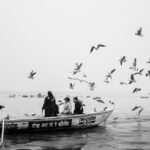
Private Boat Arrangements During Magh Mela Cost & Process ,Imagine experiencing Magh Mela from a completely different perspective—not from the dense, chaotic crowds on the ghats, but from the serene waters of the sacred Sangam itself. As millions press shoulder-to-shoulder on the riverbanks, you glide peacefully across the confluence of the Ganges, Yamuna, and Saraswati, witnessing the spectacular panorama of humanity’s largest spiritual gathering from a vantage point few experience.
Private boat arrangements at Magh Mela offer this unique possibility. Whether you’re seeking privacy, accessibility for elderly family members, breathtaking photography opportunities, or simply a more contemplative spiritual experience, private boats provide an alternative to the traditional land-based pilgrimage.
Private Boat Arrangements During Magh Mela Cost & Process , But how does one actually arrange a private boat? What does it cost? Is it safe? What’s the process? These practical questions often go unanswered, leaving pilgrims uncertain about pursuing this option. This comprehensive guide reveals everything you need to know about private boat arrangements during Magh Mela—the costs, the process, the pitfalls to avoid, and the experiences you can expect.
Understanding Boat Services at Magh Mela
Types of Boats Available
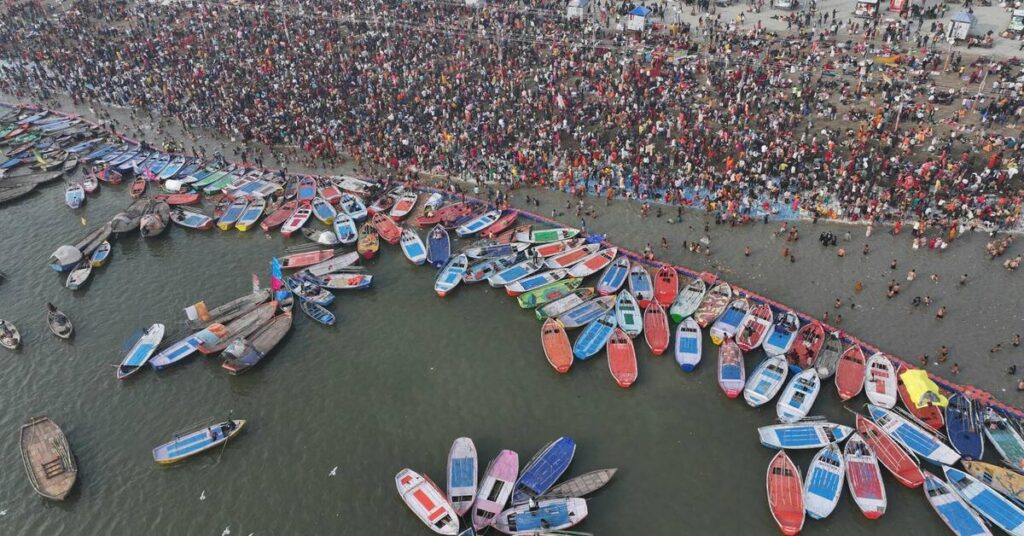
Private Boat Arrangements During Magh Mela Cost & Process ,The waters at Magh Mela host a diverse fleet of vessels. Traditional wooden rowboats, locally called “naav,” remain the most common—simple, hand-rowed boats carrying 4-8 passengers. Motor boats, faster and more comfortable, accommodate larger groups of 10-20 people. Luxury boats, though rarer, offer covered seating, cushions, and even basic amenities for premium experiences.
Private Boat Arrangements During Magh Mela Cost & Process , Each type serves different purposes and price points. The humble rowboat offers authenticity and quiet contemplation. Motor boats provide efficiency and can cover more area. Luxury vessels deliver comfort but at significantly higher costs.
Government vs. Private Operators
Private Boat Arrangements During Magh Mela Cost & Process ,The Magh Mela administration licenses both government-operated and private boat services. Government boats operate at fixed rates with standardized service. They’re reliable but often less flexible in timing and routing. Private operators offer more negotiation flexibility, customization, and variety, though quality varies significantly between operators.
Licensed vs. Unlicensed Boats
Here’s a critical distinction many visitors miss: licensed boats meet safety standards, carry proper insurance, and operate legally. Unlicensed boats—and they exist in significant numbers—pose serious safety risks. They lack proper life jackets, may be structurally unsound, carry excessive passengers, and operate without oversight.
Distinguishing between them isn’t always easy for outsiders, but licensed boats display registration numbers prominently and operators carry identification cards issued by the Magh Mela administration.
Why People Choose Private Boat Arrangements
VIP Experience and Privacy
For prominent individuals, politicians, religious leaders, or simply families seeking privacy, private boats offer insulation from crushing crowds. You control who shares your space, when you depart, how long you stay on the water, and where you go within permitted areas.
Elderly and Disabled Access
The ghats involve steep stairs, uneven ground, and dense crowds—formidable obstacles for elderly or mobility-impaired pilgrims. Boats with proper assistance can be boarded from accessible points, allowing these individuals to reach the Sangam and participate in rituals without the physical challenges of land routes.
Photography and Videography
Professional photographers and videographers discover that boats provide unparalleled perspectives. The sweeping views of the mela grounds, the patterns of crowds, the colorful tents stretching to the horizon, and the dramatic lighting at sunrise or during aarti create stunning imagery impossible to capture from land.
Avoiding Crowd Chaos
For families with young children, or anyone uncomfortable with dense crowds, boats offer participation in Magh Mela while avoiding the most challenging aspects of the ground experience. You witness the spectacle without being overwhelmed by it.
Types of Private Boat Services
Individual Family Boats
The most common arrangement involves booking a single boat for your family or small group. These typically accommodate 4-10 people depending on boat size. You get a dedicated boat, boatman, and agreed-upon time and route. This provides maximum privacy and flexibility.
Group Charter Boats
Larger groups—extended families, friend circles, or tour groups—can charter bigger boats accommodating 15-30 people. These are often motor boats that can cover more distance and offer amenities like seating arrangements and shade.
Luxury Boat Packages
High-end operators offer luxury experiences with covered boats, cushioned seating, refreshments, onboard photography services, and even small puja arrangements. These packages cater to affluent pilgrims, corporate groups, or international visitors seeking premium experiences.
Corporate and Celebrity Arrangements
VIPs, celebrities, and corporate groups sometimes arrange elaborate boat experiences with security personnel, catering, professional photography, and exclusive routes. These arrangements involve direct coordination with administration authorities and command premium pricing in the lakhs of rupees.
Cost Breakdown: What to Expect
Basic Boat Rental Prices
For a standard rowboat (4-6 passenger capacity), expect to pay ₹1,500-3,000 for a basic one-hour ride on regular days. This includes the boat, boatman, and basic navigation around the Sangam area. The price increases based on duration, with two-hour trips costing ₹2,500-4,500.
Motor boats start around ₹5,000-8,000 for an hour, accommodating 10-15 passengers. The per-person cost becomes reasonable for larger groups, working out to ₹300-500 per person hourly.
Peak Day vs. Regular Day Pricing
Here’s where costs escalate dramatically. On major bathing days like Mauni Amavasya or Basant Panchami, prices double or triple. That ₹2,000 rowboat becomes ₹5,000-6,000. Motor boats that cost ₹7,000 on regular days command ₹15,000-20,000 on peak days.
Demand far exceeds supply on these days, giving operators significant pricing power. Advance booking is essential, and even then, last-minute cancellations by operators chasing higher-paying customers aren’t uncommon.
Duration-Based Pricing
Hourly vs. Full-Day Rates
Most private boat arrangements work on hourly rates. However, booking for extended periods often brings discounts. A boat costing ₹3,000 per hour might be available for ₹15,000 for a full six-hour charter—a significant per-hour saving.
Full-day arrangements (6-8 hours) range from ₹12,000-25,000 for rowboats and ₹30,000-60,000 for motor boats, depending on date, capacity, and amenities.
Additional Costs and Hidden Charges
Boatman Tips and Gratuities
Tips aren’t included in quoted prices but are definitely expected. Standard tipping ranges from ₹200-500 for short trips to ₹1,000-2,000 for full-day charters. Boatmen who go above and beyond—helping elderly passengers, providing excellent service, or accommodating special requests—deserve generous tips.
Safety Equipment Charges
Reputable operators include life jackets in their base price, but some charge separately—₹50-100 per jacket. This is technically illegal (safety equipment should be mandatory and included), but it happens. Always confirm whether life jackets are included before finalizing bookings.
Special Request Fees
Want to stop for an extended period at a specific location? Need the boatman to help with a puja? Require pickup from a non-standard location? These special requests incur additional charges, typically ₹500-1,500 depending on complexity.
The Booking Process Step-by-Step
Advance Booking Requirements
For major bathing days, book 2-4 weeks in advance. Regular days allow more flexibility—booking 3-7 days ahead usually suffices. Peak season bookings (mid-January) require the longest lead times.
Documentation Needed
Legitimate operators require basic documentation: photocopies of ID proofs for all passengers (Aadhaar cards, driver’s licenses, or passports work), contact information, and sometimes accommodation details in Prayagraj. This isn’t bureaucratic harassment—it’s for passenger safety and accountability.
Deposit and Payment Terms
Most operators demand 30-50% advance deposits to confirm bookings, paid via bank transfer or UPI. The balance is due on the day of service, typically paid before boarding. Always get written receipts documenting payments, agreed services, timing, and any special arrangements.
Cancellation and Refund Policies
Cancellation policies vary widely. Government operators typically refund 75-80% if cancelled 48+ hours in advance, 50% within 48 hours, and nothing on the day of service. Private operators’ policies are more negotiable but also less standardized—clarify this explicitly during booking.
Weather-related cancellations initiated by operators usually allow full refunds or rescheduling, though disputes sometimes arise about what constitutes unsafe conditions.
Where to Book Private Boats
Official Government Channels
The Magh Mela administration operates an official booking system through their tourism office and website. While less flexible than private operators, government bookings offer guaranteed pricing, standardized safety measures, and recourse if problems arise.
Registered Private Operators
The Mela administration provides lists of registered private boat operators. These operators have been vetted, licensed, and monitored. Booking through them balances flexibility with legitimacy. Request their registration numbers and verify through official channels if suspicious.
Hotel and Tour Package Inclusions
Many hotels and tour operators in Prayagraj offer boat rides as package components. While convenient, these arrangements typically include markup—you’re paying for convenience and coordination. For groups prioritizing simplicity over cost optimization, this works well.
Avoiding Scams and Touts
Touts at railway stations, hotels, and near the Mela grounds aggressively pitch boat services. Most operate unlicensed boats or act as middlemen adding significant commissions. They promise low prices but deliver substandard, sometimes dangerous service.
Red flags include: reluctance to provide written documentation, inability to show operator licenses, pressure to pay full amounts immediately without receipts, prices significantly below market rates, and vague answers about boat locations and specifications.
Safety Regulations and Requirements
Capacity Limits
Every boat has a legal passenger capacity based on size and design. Overcrowding causes most boat accidents. A typical rowboat is licensed for 6-8 passengers maximum. Motor boats range from 15-25 passengers. Operators violating capacity limits face penalties, but enforcement isn’t perfect.
Insist on knowing the boat’s official capacity and refuse to board overcrowded vessels, regardless of operator assurances that “it’s safe” or “we do this all the time.”
Life Jacket Regulations
Life jackets are mandatory for all passengers—adults and children. Operators must provide properly sized, functional life jackets before departure. Unfortunately, compliance isn’t universal. Some boats lack sufficient jackets, others provide damaged ones.
Inspect life jackets before boarding. They should have intact straps, functional buckles, and no visible tears. Children require child-sized jackets, not adult ones that won’t work properly.
Weather Restrictions
Boats cannot legally operate in heavy rain, strong winds, dense fog, or during flood conditions. The administration issues daily weather-based operation permissions. However, economic pressures sometimes lead operators to push boundaries.
If weather looks questionable, verify that operations are officially permitted. Your safety matters infinitely more than completing a pre-paid booking.
Prohibited Activities on Boats
Regulations prohibit several activities: standing while the boat is moving, sitting on gunwales or railings, diving or swimming from boats in prohibited areas, consuming alcohol, and littering. Violations endanger everyone aboard and can result in immediate return to shore without refunds.
Best Times for Private Boat Rides
Sunrise Boat Tours
Sunrise at the Sangam—typically 6:30-7:00 AM in January—offers magical lighting and relatively calm waters. The early morning chill is intense, but the visual spectacle and serene atmosphere make it the most sought-after time slot. Prices for sunrise slots command premiums, and availability is limited.
Evening Aarti from the Water
Evening Ganga aarti ceremonies, typically around 6:00-7:00 PM, create spectacular scenes when witnessed from the water. Thousands of oil lamps, collective chanting, and the atmosphere of devotion are profoundly moving from a boat’s perspective. This is the second-most popular time slot and should be booked well in advance.
Peak Bathing Day Considerations
On major bathing days, the river experiences extreme congestion. Hundreds of boats crowd the Sangam area, movement becomes restricted, and the peaceful experience you imagined transforms into aquatic traffic jams. Some operators offer very early morning slots (4:00-5:00 AM) or late morning slots (10:00-11:00 AM) when congestion is somewhat reduced.
What’s Included in Private Boat Packages
Basic Package Features
Standard packages include: the boat itself, experienced boatman, navigation around the Sangam confluence area, mandatory life jackets, and basic assistance boarding and disembarking. Duration is typically one hour unless otherwise specified.
Premium Package Amenities
Higher-priced packages add: covered seating with cushions, bottled water, basic snacks, photography assistance from boatmen familiar with best angles, extended duration (2-3 hours), and routes covering additional areas beyond the Sangam like views of major akharas from the water.
Customization Options
Most operators accommodate reasonable customization requests: specific departure times, particular routes (within permitted areas), stops for photographs, extended time at the Sangam for rituals, pickup from specific ghats, and coordination with land-based family members’ activities.
Negotiation Tips and Strategies
Understanding Local Pricing
Research current rates before arriving. Online forums, recent visitor reviews, and official tourism websites provide baseline information. Arrive at negotiations informed—knowing that rowboats cost approximately ₹2,000-3,000 per hour prevents accepting absurd quotes of ₹10,000.
Group Booking Discounts
Operators offer better per-person rates for larger groups filling their bigger boats. A motor boat costing ₹8,000 for 10 people (₹800 each) might cost just ₹12,000 for 20 people (₹600 each). Pooling with other families or coordinating through your accommodation can reduce costs significantly.
Off-Peak Timing Advantages
Booking weekday mid-morning slots (9:00-11:00 AM) or early afternoon (2:00-4:00 PM) often secures 20-30% discounts compared to sunrise, sunset, or weekend slots. If timing flexibility exists, this represents easy savings.
Legal and Permit Requirements
Operator Licensing
All boat operators must possess licenses issued by the Inland Waterways Authority and specific permissions from Magh Mela administration. These documents should be visible in the boat or available for inspection. Legitimate operators display them proudly; unlicensed ones make excuses.
Passenger Manifests
Operators maintain passenger manifests—lists of who is on each boat with contact details. This serves multiple purposes: accountability in emergencies, capacity tracking, and security. Providing accurate information isn’t invasive bureaucracy—it’s essential safety protocol.
Insurance Coverage
Licensed operators carry liability insurance covering passenger accidents. This provides legal recourse and compensation if things go wrong. Unlicensed operators lack this protection, leaving injured passengers with no recourse beyond expensive lawsuits.
Comparing Boat Options
Rowboats vs. Motor Boats
Rowboats offer authentic, traditional experiences. They’re quieter, more environmentally friendly, and provide closer connection to the water. However, they’re slower, cover less area, and offer minimal protection from elements.
Motor boats are faster, cover more ground, and typically provide shade. They’re better for photography tours covering multiple locations. The trade-off is engine noise and less traditional feel.
Small vs. Large Capacity Boats
Small boats (4-6 passengers) offer intimacy and maneuverability in crowded waters. Large boats (15-25 passengers) provide better per-person economics and amenities like seating and shade. Your choice depends on group size, budget, and experience priorities.
Covered vs. Open Boats
January sun can be surprisingly intense by midday, and sudden weather changes happen. Covered boats provide protection from both sun and rain, making them worth the premium (typically 30-50% more) for longer trips or uncertain weather days.
Special Arrangements for Religious Ceremonies
On-Water Puja Services
Some operators coordinate with priests to perform pujas on the boat at the Sangam itself. These arrangements require advance booking and cost ₹2,000-5,000 additional, depending on puja complexity. The experience of performing rituals on the sacred waters holds special significance for many pilgrims.
Flower and Diya Offerings
Operators can arrange flowers, diyas, and offerings for immersion rituals. Standard packages (flowers, diyas, incense) cost ₹500-1,000. The boatman ensures proper placement at the Sangam confluence while maintaining boat stability.
Immersion Ceremonies
For those performing immersion ceremonies (ashes, religious items), boats provide access to deeper, flowing waters considered more appropriate than shallow areas near ghats. Operators familiar with these requirements provide sensitive, respectful assistance.
Photography and Videography from Boats
Best Angles and Timing
Golden hour—early morning and late afternoon—provides optimal lighting for photography. Boats positioned slightly upstream from the Sangam looking back toward the mela grounds capture the most dramatic perspectives: the confluence itself, massive crowds on ghats, colorful tents, and the scale of the gathering.
Professional Photographer Arrangements
Some tour operators package professional photographer services with boat rentals. These photographers know optimal locations, timing, and angles, and provide edited digital images post-event. Packages range from ₹8,000-20,000 depending on coverage duration and deliverables.
Drone Regulations
Drone operations require special permissions from Magh Mela administration, local police, and civil aviation authorities. Unauthorized drone usage is illegal and subject to confiscation and penalties. Legitimate aerial photography must be arranged through approved operators with proper permits—expect costs of ₹25,000-50,000 for professional drone footage.
Challenges and Limitations
Weather-Related Cancellations
Fog, rain, or strong winds can cancel boat operations with little notice. This represents the biggest uncertainty in boat bookings. While frustrating, these safety-based cancellations should be respected. Most operators reschedule or refund in such circumstances.
Restricted Areas
Not all parts of the river are accessible during Magh Mela. Security zones, designated bathing areas during peak times, and shallow or dangerous sections are off-limits. Operators who promise access to restricted areas are likely either lying or operating illegally.
Peak Day Congestion
Even on the water, peak bathing days bring congestion. Hundreds of boats converge on the Sangam, creating traffic jams. The peaceful, contemplative experience imagined becomes chaotic crowding with limited movement. Managing expectations for these days prevents disappointment.
Real Experiences: What Previous Users Say
Ramesh from Delhi shared: “We booked a private rowboat for sunrise on a regular day in mid-January. Cost us ₹2,500 for the family of five for 90 minutes. Absolutely worth it. The view was breathtaking, and our elderly mother could participate without the crowd struggle. The boatman was respectful and knowledgeable.”
Conversely, Priya from Mumbai reports: “We paid ₹6,000 for a peak day boat that was supposed to be ‘premium.’ It was overcrowded, life jackets were damaged, and we barely reached the Sangam due to congestion. The operator took our money and delivered a terrible experience. Lesson learned: verify everything beforehand.”
These contrasting experiences highlight how operator choice, timing, and realistic expectations determine satisfaction.
Alternatives to Private Boats
Government-operated shared boats offer affordable alternatives, costing ₹100-300 per person for standard routes. You share space with other pilgrims—typically 10-15 people per boat—but the cost is dramatically lower. Timing and routes are fixed, but for budget-conscious pilgrims, this provides water access without private boat expenses.
Ferry Services
During Magh Mela, ferry services transport pilgrims between different ghats and across the river. These aren’t tourist experiences but functional transportation, costing ₹20-50 per person. They provide brief water perspectives while serving practical purposes.
Conclusion
Private boat arrangements during Magh Mela offer unique perspectives on one of humanity’s largest spiritual gatherings. From the serenity of the sacred waters, you witness the spectacular panorama of devotion, faith, and tradition that defines this extraordinary event.
The costs range from modest (₹1,500-3,000 for basic rowboat experiences) to substantial (₹20,000-60,000 for peak day premium arrangements), depending on timing, boat type, and services. The process, while requiring advance planning and careful operator selection, is manageable for anyone willing to invest time in research and booking.
Safety should be your paramount concern. Licensed operators, proper capacity limits, functional life jackets, and weather-appropriate conditions aren’t negotiable luxuries—they’re essential requirements. The tragic reality is that boat accidents do occur, almost always involving unlicensed operators, overcrowded vessels, or compromised safety standards.
For families with elderly members, photography enthusiasts, those seeking privacy, or pilgrims wanting alternative perspectives, private boats represent valuable options. The experience of floating on the sacred Sangam, performing rituals on the confluence itself, and witnessing Magh Mela from this unique vantage creates memories and spiritual moments distinctly different from the land-based pilgrimage.
Approach the process informed, book through legitimate channels, prioritize safety over cost savings, and maintain realistic expectations about weather, timing, and congestion. Done right, a private boat arrangement can become the highlight of your Magh Mela experience—a moment of peace and perspective amidst the magnificent chaos of millions seeking the divine.
FAQs
1. Can we take a holy dip directly from the boat at the Sangam?
Yes, many boats allow passengers to bathe directly from the boat at the Sangam confluence. However, this requires specific arrangements with the operator beforehand, as not all boats are equipped for safe bathing. The boat must be stable, have proper handholds, and the boatman must be experienced in assisting bathers. Women typically prefer boats with privacy arrangements for changing clothes. Additional charges of ₹500-1,000 often apply for bathing-specific stops. Always wear life jackets even while bathing, and children should be closely supervised. The experience is spiritually significant but requires more careful safety planning than bathing from the ghats.
2. Are private boats safe for children and elderly passengers?
When booked through licensed operators with proper safety equipment, private boats are generally safe for all age groups. However, special considerations apply: children under 5 should have adult supervision at all times and wear properly fitted child-sized life jackets. Elderly passengers may need assistance boarding and disembarking—discuss this with operators beforehand to ensure appropriate support. Boats with lower sides and stable platforms work better for elderly mobility. Weather conditions matter more for vulnerable passengers—avoid windy or rough water days. Reputable operators prioritize passenger safety and will honestly assess whether conditions are appropriate for children or elderly members.
3. What happens if we get seasick or uncomfortable during the boat ride?
Boat rides on the relatively calm waters of the Sangam area rarely cause severe seasickness, but discomfort can occur, especially in motor boats or choppy conditions. Inform the boatman immediately if anyone feels unwell—they can return to shore faster than you might expect, typically within 5-10 minutes from most locations. Preventive measures include: eating light meals before boarding, avoiding dehydration, sitting in the center of the boat where motion is minimal, focusing on the horizon rather than nearby water, and bringing motion sickness medication if prone to such issues. Operators should accommodate health-related early returns without penalty, though policies vary.
4. Can we bring our own priest on the boat for performing pujas?
Absolutely, most boat operators accommodate passengers bringing their own priests for religious ceremonies. This actually simplifies arrangements as you’re using someone familiar with your family’s traditions. Inform the operator when booking so they can ensure adequate space and timing for the ceremonies. The priest counts as a passenger toward capacity limits. Some priests charge additional fees for boat-based pujas beyond their regular dakshina—discuss this beforehand. Bring all necessary puja materials yourself, as boat operators typically don’t provide religious items beyond basic flower and diya arrangements. This personalized approach often creates more meaningful experiences than generic operator-arranged pujas.
5. Is advance booking really necessary, or can we arrange boats on arrival?
This depends entirely on timing and expectations. For regular weekdays during Magh Mela (excluding major bathing days), you can often arrange boats upon arrival with 1-2 hours’ notice, though you’ll have less choice in boat type, timing, and operators. For preferred time slots (sunrise, sunset, evening aarti), even on regular days, advance booking of at least 2-3 days is wise. For major bathing days like Mauni Amavasya or Basant Panchami, advance booking 2-4 weeks ahead is absolutely essential—boats sell out completely, and last-minute arrangements are either impossible or exorbitantly expensive. Additionally, advance booking allows proper verification of operator credentials, clear documentation of terms, and peace of mind. Walking up and negotiating with touts at the ghats increases risks of scams, safety compromises, and disappointment.
Please don’t forget to leave a review.
Explore more by joining me on Patreon