Your cart is currently empty!
You may check out all the available trips and book one that suits you.
Continue Browsing Trips
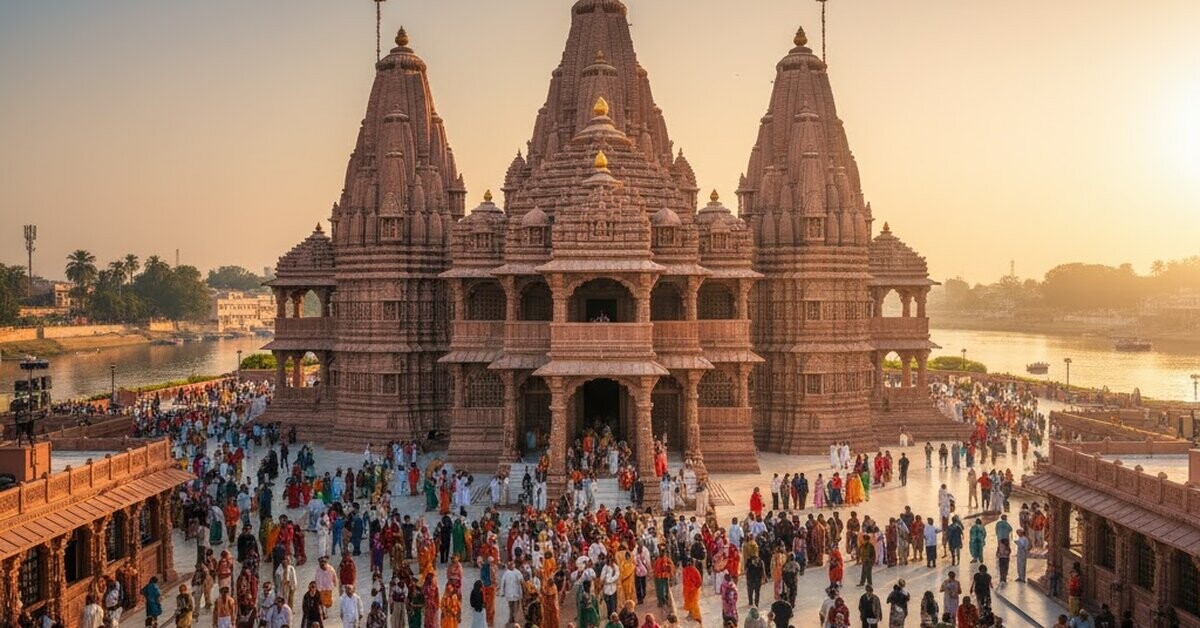
5-Day Varanasi Ayodhya Prayagraj Family Tour Price Explained , Have you ever dreamed of embarking on a journey that touches your soul while creating memories with your loved ones? The 5-day family tour covering Varanasi, Ayodhya, and Prayagraj offers exactly that. These three cities form what many call the spiritual triangle of India, each brimming with ancient history, religious significance, and cultural richness that spans millennia.
Varanasi, the eternal city on the banks of the Ganges, has witnessed civilization for over 3,000 years. Ayodhya, the birthplace of Lord Rama, holds immense importance in Hindu mythology. Prayagraj, formerly Allahabad, sits at the sacred confluence of three rivers and hosts the magnificent Kumbh Mela. Together, they create an unforgettable spiritual circuit that families can explore in just five days.

5-Day Varanasi Ayodhya Prayagraj Family Tour Price Explained , Planning a family vacation can feel overwhelming, especially when you’re trying to balance everyone’s interests and energy levels. A structured 5-day tour takes the guesswork out of the equation. You won’t waste precious time figuring out logistics or transportation—everything’s pre-planned for your convenience.
Five days strikes the perfect balance. It’s long enough to immerse yourself in the spiritual atmosphere without exhausting young children or elderly family members. You’ll experience the highlights of each city without rushing, allowing for those spontaneous moments that make travel truly memorable. Whether it’s watching the evening aarti ceremony together or sharing stories over traditional meals, this duration lets families connect while exploring India’s spiritual heartland.
Your spiritual adventure begins as you arrive in Varanasi, one of the world’s oldest continuously inhabited cities. After checking into your hotel and freshening up, you’ll have time to acclimate to the city’s unique rhythm. Most tours include an evening visit to the ghats to witness the mesmerizing Ganga Aarti, where priests perform synchronized rituals with fire, bells, and chants. It’s a spectacle that leaves both adults and children spellbound.
Rise early for a sunrise boat ride on the Ganges—trust me, it’s worth dragging the kids out of bed for this one. Watching the city wake up from the river offers perspectives you simply can’t get from land. You’ll visit the iconic Kashi Vishwanath Temple, explore the narrow lanes filled with silk weavers and sweet shops, and perhaps visit Sarnath, where Buddha delivered his first sermon after enlightenment.
After breakfast, you’ll travel to Ayodhya, approximately 200 kilometers away. The journey typically takes around 4-5 hours by road. Upon arrival, you’ll visit the newly constructed Ram Mandir, Hanuman Garhi, and other significant temples. The evening might include a peaceful walk along the Saryu River, where families can reflect on the day’s experiences.
Day four brings you to Prayagraj, home to the Triveni Sangam—the confluence of the Ganges, Yamuna, and mythical Saraswati rivers. Taking a boat to the sangam is considered highly auspicious. You’ll also explore Anand Bhavan, the ancestral home of the Nehru family, and the imposing Allahabad Fort. These sites offer both spiritual and historical insights that appeal to all age groups.
On your final day, you’ll have some leisure time for last-minute shopping or revisiting a favorite spot before heading to the airport or railway station for your onward journey. Most families leave with bags full of silk sarees, wooden toys, and hearts full of spiritual experiences.
Tour packages typically offer three tiers of accommodation. Budget options include clean, comfortable guesthouses or 2-star hotels with basic amenities. Mid-range packages feature 3-star hotels with more spacious family rooms, better dining options, and perhaps a swimming pool for the kids. Luxury packages place you in heritage hotels or 5-star properties where every need is anticipated and met.
Most packages include all intercity travel, usually by air-conditioned car or minivan depending on your group size. This private transportation means you can stop for restroom breaks when needed—a huge relief when traveling with children. Some premium packages might include train travel in AC coaches for variety.
Typically, packages include daily breakfast at your hotel. Some add dinner, especially in smaller cities where restaurant options might be limited. Lunch is often left flexible, allowing families to explore local eateries and street food. Be sure to clarify meal inclusions when comparing packages, as this significantly impacts the overall value.
Professional guides bring these ancient cities to life with stories and historical context that guidebooks simply can’t match. Most packages include guided tours at major sites and cover entry fees to temples, museums, and monuments. Having a knowledgeable guide is particularly valuable for families, as they can tailor explanations to engage children and answer the endless questions curious minds generate.
For families watching their rupees, budget packages offer incredible value. At this price point, expect simple but clean accommodation, shared transportation, breakfast included, and basic guided tours. You might stay in guesthouses or budget hotels, travel by shared vehicles, and handle some meals independently. For a family of four, this means a total package cost of roughly ₹60,000-₹100,000.
These packages work beautifully if you’re comfortable with simplicity and don’t mind doing a bit of legwork yourselves. The spiritual experience remains just as profound, regardless of your hotel’s star rating.
This sweet spot offers comfort without breaking the bank. You’ll enjoy better-located hotels, private transportation throughout, more meals included, and experienced guides at all major sites. Hotels at this level typically have family rooms, reliable hot water, and decent restaurants. For a family of four, budget around ₹100,000-₹160,000.
Mid-range packages often include thoughtful touches like bottled water during transfers, welcome drinks, and flexible itineraries that accommodate family needs. This is the most popular choice among families seeking a balance between comfort and value.
When you want to turn your spiritual journey into a pampered retreat, luxury packages deliver. Heritage hotels housed in former palaces, private boats for Ganga rituals, personal guides with expertise in history and mythology, and gourmet meals featuring regional specialties characterize these tours. Expect to invest ₹160,000 and upward for a family of four.
Luxury packages excel at creating seamless experiences. Someone else handles every detail, from luggage transfers to arranging special ceremonies. For families celebrating milestones or traveling with elderly members who need extra comfort, this investment can be worthwhile.
Timing dramatically impacts what you’ll pay. Peak season (October to March) brings pleasant weather but higher prices—sometimes 30-40% more than off-season rates. Festival periods like Diwali, Dev Deepawali, or Ram Navami see prices spike even further due to overwhelming demand.
Summer months (April-June) offer significant discounts but come with scorching temperatures that can be challenging for families. Monsoon season (July-September) brings the lowest prices and fewer crowds, though occasional flooding can disrupt plans.
Travel economics favor larger groups. A family of six typically pays less per person than a family of three because transportation and guide costs get divided more ways. Some operators offer special rates for groups of eight or more, making this an excellent opportunity to travel with extended family or friends.
Want to add a cooking class in Varanasi? Interested in a classical music performance? Need wheelchair-accessible transportation? Every customization affects the bottom line. Some families opt for photography services to capture professional memories, while others might request special dietary accommodations. These personalized touches add value but also add cost.
Even all-inclusive packages have gaps. Camera fees at temples (usually ₹20-100) add up quickly. Donations at religious sites are technically voluntary but often expected. Tips for guides, drivers, and hotel staff aren’t usually included—budget around ₹2,000-5,000 for the entire trip depending on your group size and service quality.
Shopping is another budget wildcard. Varanasi’s silk, Ayodhya’s religious artifacts, and Prayagraj’s handicrafts tempt even the most disciplined shoppers. Set aside at least ₹5,000-10,000 if you plan to bring home souvenirs. Remember, haggling is expected and part of the cultural experience.
Personal expenses like laundry, phone calls, and room service aren’t covered. If you’re traveling with teenagers, internet charges at budget hotels can surprise you. Always clarify what’s excluded to avoid departure-day sticker shock.
Book early—tour operators often offer 10-15% discounts for reservations made 2-3 months in advance. Travel during shoulder season (late February, March, or September) when weather remains pleasant but prices haven’t peaked.
Consider package tours that combine multiple families. Sharing a larger vehicle and guide reduces per-person costs significantly. Some operators offer child discounts (typically 25-50% for children under 12), so always ask about family rates.
Eat where locals eat. While hotel restaurants are convenient, venturing out to nearby eateries can save 40-50% on meal costs. Street food in these cities is generally safe if you choose busy vendors, and it adds authentic flavor to your journey.
Skip unnecessary add-ons. Do you really need that premium river-facing room when you’ll mostly be out exploring? Downgrading accommodation slightly while upgrading experiences often creates more meaningful memories.
October through February represents the golden window for this circuit. Temperatures range from 10°C to 25°C—perfect for walking tours and boat rides. November and December are particularly magical, with Dev Deepavali in Varanasi creating unforgettable scenes of thousands of lamps flickering along the ghats.
March offers a compromise. Crowds thin out, prices moderate, and temperatures remain manageable (though climbing). You’ll enjoy shorter queues at popular temples while avoiding summer’s intensity.
If you’re targeting a specific festival, book 4-6 months ahead. Accommodation near major events fills up quickly, and last-minute bookings often mean settling for subpar options at inflated prices.
Reviews tell the truth that marketing brochures hide. Check multiple platforms—Google reviews, TripAdvisor, and travel forums. Look for patterns in complaints. One person’s bad experience might be an anomaly, but repeated issues with transportation reliability or guide quality signal red flags.
Verify credentials. Legitimate operators have government tourism registrations and GST numbers. Don’t hesitate to ask for references from recent clients, especially families with similar group compositions to yours.
Communication quality matters. Operators who respond promptly to inquiries and clearly explain inclusions and exclusions typically deliver better service. If getting straight answers feels like pulling teeth during planning, imagine the frustration during your actual trip.
Compare apples to apples. A package that’s ₹5,000 cheaper might exclude meals, entry fees, or include inferior hotels. Create a spreadsheet listing exactly what each package offers to make informed comparisons.
This spiritual circuit offers something rare in modern family vacations—shared experiences that resonate across generations. Grandparents connect with their faith, parents find moments of peace away from daily stress, and children discover stories that shape cultural identity.
The educational value is immense. History comes alive when you’re standing in a 2,000-year-old temple or watching artisans practice crafts unchanged for centuries. Geography lessons stick better when you’re actually seeing where three rivers meet. These aren’t abstract textbook concepts anymore—they’re real, tangible experiences.
Logistically, the tour’s structure works beautifully for families. Days alternate between activity and relative rest. The distances between cities are manageable, preventing the exhaustion that comes with constant long-haul travel. Hotels provide comfortable bases where families can regroup and recharge.
Perhaps most importantly, this journey creates conversations. Sitting together on a boat at sunrise, walking ancient lanes at sunset, or sharing meals of local delicacies—these moments foster connections that survive long after you’ve returned home. In our screen-dominated world, that might be the most valuable souvenir of all.
Planning a 5-day Varanasi, Ayodhya, and Prayagraj family tour doesn’t have to feel like deciphering an ancient text. With prices ranging from ₹15,000 to ₹40,000+ per person, there’s a package for every budget and comfort level. The key is understanding what you’re paying for and what matters most to your family.
Whether you choose budget simplicity, mid-range comfort, or luxury pampering, the spiritual and cultural experiences remain priceless. These three cities offer families an opportunity to step outside everyday routines and touch something timeless. The memories you’ll create watching aarti together, the photos of your children feeding the temple monkeys, the quiet moments of reflection at sacred sites—these become part of your family’s story.
So what’s holding you back? The Ganges will still be flowing tomorrow, but the opportunity to share this journey with your family at this moment in their lives is fleeting. Children grow, parents age, and the perfect time is usually now. Start planning, compare those packages, and prepare for a journey that feeds both the soul and the spirit of family adventure.
Absolutely! The tour is designed with families in mind, though you’ll want to choose your package level carefully. For elderly members, opt for mid-range or luxury packages with better hotels and private transportation. Most sites have wheelchair access or can be viewed from less strenuous vantage points. Young children generally love the boat rides and colorful ceremonies, though you might want to keep days flexible to accommodate nap times and energy levels.
Late February and early March offer the sweet spot—weather remains comfortable (15-28°C) while winter crowds disperse. September is another excellent option if you don’t mind occasional showers. You’ll enjoy shorter lines at temples, better photo opportunities, and more authentic interactions with locals who aren’t overwhelmed by tourist season.
Most packages include breakfast, with some adding dinner. Lunch is typically independent, giving you flexibility to explore local cuisine. India excels at accommodating dietary needs—vegetarian options are abundant, and most tour operators can arrange Jain, gluten-free, or other specialized meals with advance notice. Always communicate dietary requirements when booking to ensure smooth arrangements.
Yes, most tour operators welcome customization, though it may affect pricing. Adding an extra day in Varanasi to explore Sarnath more thoroughly or extending Ayodhya to include additional temples is generally possible. Customization works best when requested during the booking phase rather than mid-tour. Be prepared for adjusted costs based on additional accommodation and guide requirements.
Modest, comfortable clothing is essential for temple visits. Long pants or skirts for women, covered shoulders for both genders. Cotton fabrics work best in India’s climate. Pack layers for cooler mornings and evenings from November to February. Comfortable walking shoes are non-negotiable—you’ll be on your feet exploring for hours. Don’t forget sunscreen, hats, and perhaps a scarf for women to cover heads at certain religious sites.