Your cart is currently empty!
You may check out all the available trips and book one that suits you.
Continue Browsing Trips
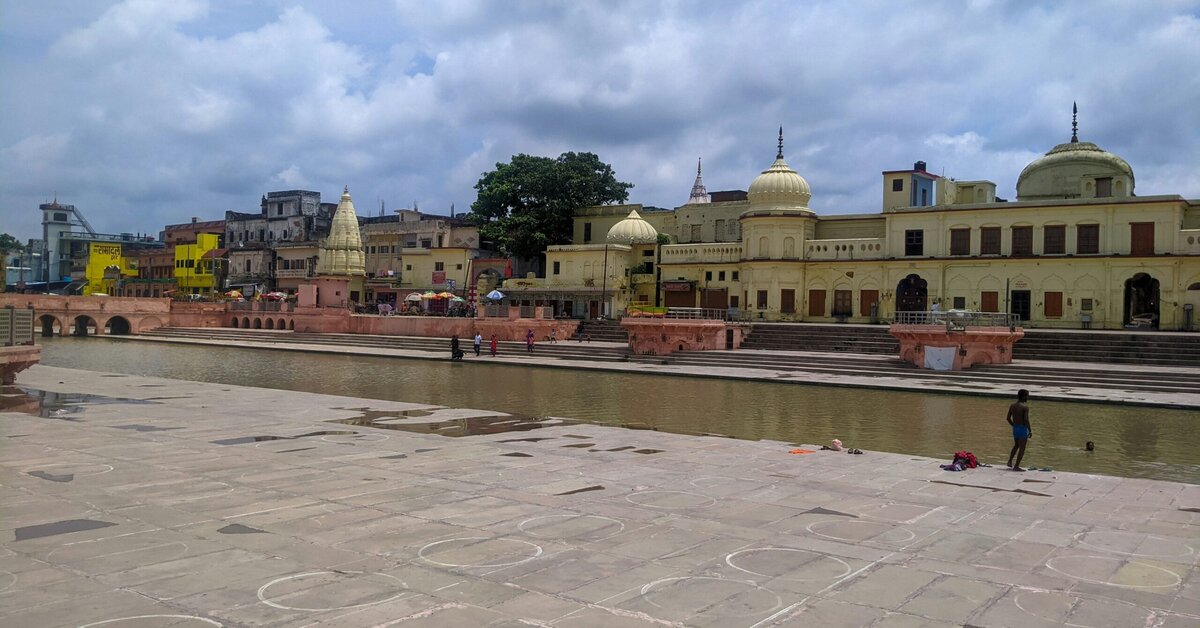
Spiritual Triangle Tour Package , Ever wondered where you can experience the heartbeat of India’s ancient spiritual traditions? The Spiritual Triangle tour takes you through three of the most sacred cities in Hinduism—Varanasi, Ayodhya, and Prayagraj. This isn’t just another sightseeing trip; it’s a journey that connects you to thousands of years of faith, philosophy, and cultural heritage.
Imagine standing on the ghats of Varanasi as dawn breaks, witnessing rituals that have been performed the same way for millennia. Picture yourself walking through Ayodhya, where epic tales of the Ramayana unfolded. Envision taking a holy dip at Prayagraj’s Sangam, where three sacred rivers merge. These experiences transform travelers into pilgrims, tourists into seekers.
But here’s the question everyone asks: what does this spiritual awakening cost? Let’s dive deep into the complete cost guide that helps you find the best value without compromising on the essence of this transformative journey.
VIP Sugam Darshan passes, verified outstation cabs, Ganga aarti boat allocations, and clean hotel stays — fully coordinated by our on-ground team.
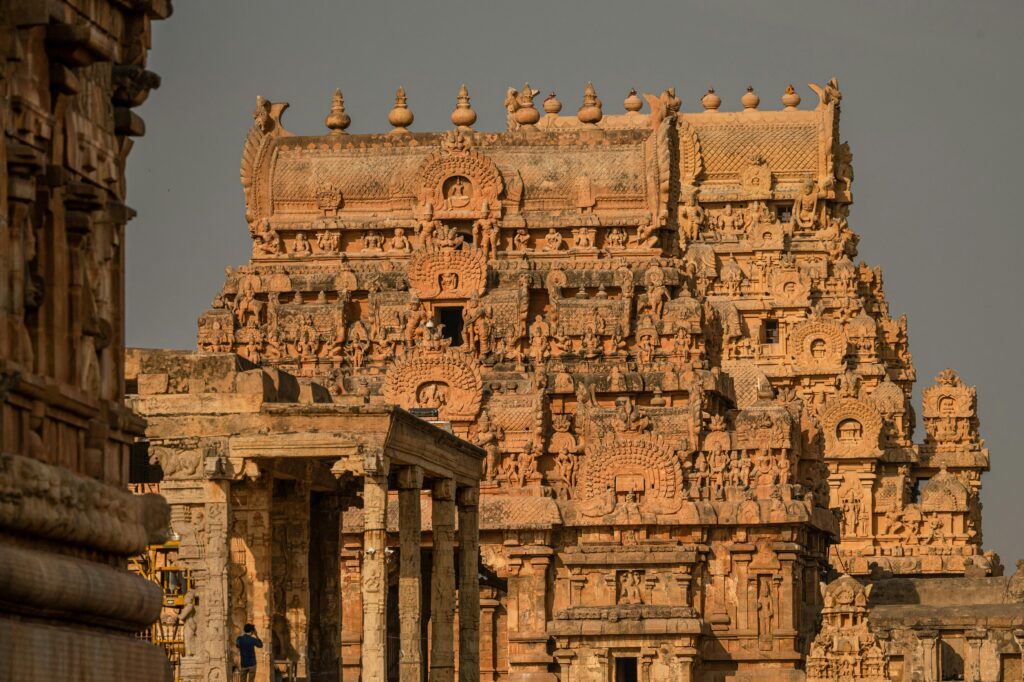
The Spiritual Triangle refers to a carefully designed circuit connecting Varanasi, Ayodhya, and Prayagraj—three cities in Uttar Pradesh that form the cornerstone of Hindu pilgrimage. Each city represents a unique aspect of spiritual India.
Varanasi, also called Kashi or Banaras, is considered Lord Shiva’s earthly abode. It’s where life and death dance together on ancient stone steps leading to the Ganges. Ayodhya holds the distinction of being Lord Rama’s birthplace, making it one of the seven most sacred cities in Hinduism. Prayagraj, formerly Allahabad, hosts the Triveni Sangam and the world’s largest religious gathering, the Kumbh Mela.
Most tour packages range from 3 to 7 days, with 5 days being the sweet spot that allows thorough exploration without exhaustion. You’ll travel approximately 400-500 kilometers total, experiencing a spectrum of spiritual practices, architectural marvels, and cultural traditions that have shaped India’s identity.
Think of this tour as a masterclass in understanding India’s soul. Where else can you witness such unbroken continuity of spiritual practice? These aren’t reconstructed tourist attractions—they’re living, breathing centers of faith where rituals performed today mirror those from centuries ago.
The educational value transcends guidebooks. You’ll understand why the Ganges is considered a goddess, not just a river. You’ll grasp the deep connection between geography and mythology. You’ll see how philosophy translates into daily practice for millions of devotees.
For photographers, the visual tapestry is unmatched. Golden sunrises over the Ganges, priests performing aarti with synchronized precision, narrow lanes bursting with color and life, and architectural wonders that blend Hindu, Buddhist, and Mughal influences create endless opportunities for stunning captures.
Perhaps most importantly, this journey offers perspective. In our fast-paced, technology-driven world, spending time in places where time seems suspended helps recalibrate priorities. Whether you’re religious, spiritual, or simply curious, the Spiritual Triangle has something profound to offer.
Your spiritual odyssey typically begins in Varanasi, where chaos and serenity coexist in harmonious contradiction. The city assaults your senses in the best possible way—temple bells mixing with street vendors’ calls, the aroma of incense mingling with fresh jalebis, visual explosions of marigolds and silk.
Most itineraries dedicate 2-3 days to Varanasi. You’ll experience the legendary Ganga Aarti at Dashashwamedh Ghat, where the evening ceremony transforms the riverbank into an open-air theater of devotion. Early morning boat rides reveal the city’s rhythm—yogis in meditation, families performing rituals, sadhus beginning their day.
Beyond the ghats, you’ll visit Kashi Vishwanath Temple, one of the twelve Jyotirlingas. A trip to Sarnath, just 10 kilometers away, adds Buddhist heritage to your journey—this is where Buddha delivered his first sermon after enlightenment. Walking through Varanasi’s ancient lanes introduces you to master weavers creating the famous Banarasi silk, generations-old sweet shops, and families who’ve lived here for centuries.
The journey to Ayodhya takes you approximately 200 kilometers from Varanasi, usually a 4-5 hour drive. Recent infrastructure developments have made this journey smoother than ever. Ayodhya has witnessed tremendous transformation, especially after the construction of the new Ram Mandir.
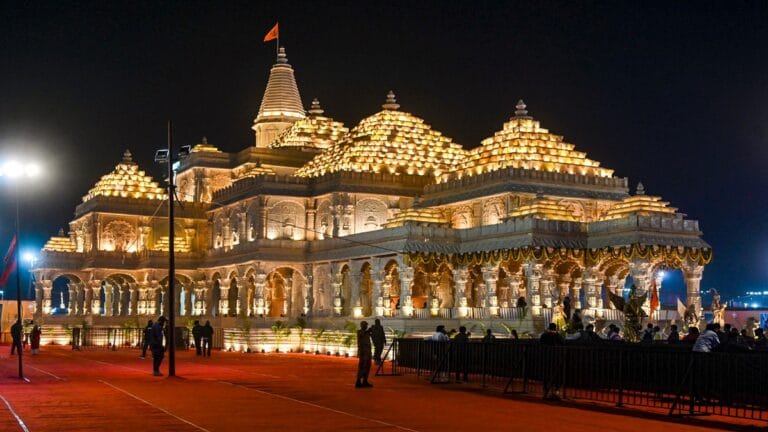
A day or two in Ayodhya centers around the Ram Janmabhoomi temple complex, believed to be Lord Rama’s exact birthplace. The architecture blends traditional temple design with modern construction techniques, creating a structure that honors history while embracing the present.
You’ll also visit Hanuman Garhi, a fortress-temple dedicated to Lord Hanuman, sitting atop a hill with 76 steps. Kanak Bhavan, gifted to Sita by her mother-in-law Kaikeyi, showcases exquisite crowns and jewelry. The Saryu River ghats offer peaceful moments for reflection, especially during aarti ceremonies that draw smaller but equally devoted crowds.
The final destination, Prayagraj, sits about 160 kilometers from Ayodhya. This city gained global attention during the 2019 Kumbh Mela when over 150 million pilgrims gathered—the largest peaceful gathering in human history.
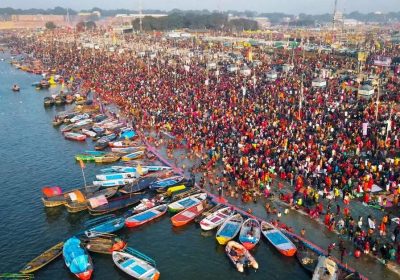
The Triveni Sangam—where the Ganges, Yamuna, and mythical Saraswati rivers meet—forms the spiritual heart of Prayagraj. Taking a boat to the confluence for a holy dip is considered highly auspicious. The waters visibly change color where rivers merge, creating a natural phenomenon that reinforces the site’s sacred status.
Beyond religious sites, Prayagraj offers historical depth through Anand Bhavan, the ancestral home of the Nehru-Gandhi family and now a museum. The Allahabad Fort, built by Emperor Akbar in 1583, contains the Akshaya Vat (immortal banyan tree) and Patalpuri Temple. These sites provide context for understanding India’s political evolution alongside its spiritual heritage.
Standard Spiritual Triangle packages usually cover accommodation for the tour duration, with room categories varying by package tier. Breakfast is almost universally included, while other meals depend on your package level.
All intercity transportation comes standard—usually private air-conditioned vehicles for comfortable travel between cities. Within each city, transportation to major sites is included, though walking is often necessary in old city areas where vehicles can’t access.
Professional guides at major attractions bring history and mythology to life. These aren’t just fact-reciters; experienced guides weave stories that make ancient stones speak. Entry fees to monuments and museums are typically covered, saving you the hassle of constant ticket purchases.
Many packages include boat rides on the Ganges and at the Sangam—essential experiences you wouldn’t want to miss. Some operators also arrange special ceremonies or private aarti experiences, adding exclusive elements to your journey.
Lunch and dinner are often excluded from budget and mid-range packages, giving you flexibility to explore local cuisine. This can actually be an advantage, allowing authentic food experiences rather than limiting you to hotel restaurants.
Personal expenses—laundry, phone calls, mini-bar items, and room service—always come out of your pocket. Tips for guides, drivers, and hotel staff aren’t included but are customary. Budget ₹100-200 per day for your guide and ₹50-100 for drivers, adjusted based on service quality.
Camera and video fees at temples and monuments aren’t covered. While individually small (₹20-100 per site), they accumulate over multiple locations. Donations at religious sites are voluntary but expected; keep small denominations handy.
Travel insurance, though highly recommended, rarely comes included. For an international traveler, comprehensive coverage costs approximately $30-50 for a week. Medical expenses beyond basic first aid aren’t covered, so carry necessary medications and prescriptions.
Economy packages prioritize essential experiences over luxury amenities. Accommodation typically consists of budget hotels or guesthouses with basic facilities—clean rooms, functional bathrooms, and modest breakfast spreads. Don’t expect swimming pools or 24-hour room service, but you’ll have a safe, comfortable place to rest.
Transportation involves shared vehicles, meaning you might travel with other tourists. This actually creates opportunities for making friends and sharing experiences. Guides might handle larger groups, reducing individual attention but not eliminating the informative value.
These packages usually include breakfast only, requiring you to handle lunch and dinner independently. This opens doors to street food adventures and local dhabas that serve authentic cuisine at fraction of hotel prices.
For solo travelers or couples on tight budgets, economy packages deliver the core spiritual experience without financial stress. The temples remain equally magnificent, the Ganges equally sacred, regardless of your hotel’s star rating.
Standard packages hit the sweet spot for most travelers. Accommodation upgrades to 3-star hotels with better amenities—comfortable beds, reliable hot water, decent restaurants, and sometimes swimming pools. Room quality and cleanliness significantly improve from economy options.
Private transportation throughout the tour eliminates sharing vehicles with strangers. This flexibility allows spontaneous stops, photography sessions, or rest breaks whenever needed—particularly valuable for families with children or elderly travelers.
Guides at this level typically have more experience and better language skills. They handle smaller groups, providing more personalized attention and answering questions with greater depth. Many hold official tourism department certifications.
Meal inclusions expand to breakfast plus dinner in most cases, with some packages offering all meals. This reduces daily decision-making about where to eat while still allowing flexibility for local food exploration during lunch.
Standard packages often include boat rides at multiple locations, special access to certain temple areas, and participation in private ceremonies. These additions enhance spiritual immersion without requiring separate arrangements.
Premium packages elevate comfort substantially. Accommodation shifts to 4-star hotels or heritage properties that themselves become part of the experience. Think rooftop restaurants overlooking the Ganges, spa facilities for post-exploration relaxation, and concierge services handling any request.
Transportation upgrades to luxury vehicles—perhaps a Toyota Innova Crysta or similar—with experienced chauffeurs who know optimal routes and timing. Vehicle interiors stay impeccably clean, and bottled water is constantly available.
Expert guides with specialized knowledge in Hindu philosophy, temple architecture, or regional history accompany you. These aren’t just tour guides; they’re educators who can discuss Vedic texts, explain complex iconography, or debate philosophical concepts at whatever level interests you.
Premium packages excel at customization. Want to attend a classical music performance? Interested in meeting a Sanskrit scholar? Prefer vegetarian Jain cuisine? Premium operators accommodate these requests seamlessly. Special experiences like private aarti ceremonies, cooking classes, or silk weaving demonstrations often come standard.
Luxury packages transform pilgrimage into an indulgent retreat. Accommodation reaches 5-star standards or exclusive heritage hotels—former palaces or havelis meticulously restored. Imagine suites with Ganges views, butler service, gourmet restaurants featuring regional delicacies, and spas offering Ayurvedic treatments.
Transportation might include luxury sedans or even helicopter transfers between cities for those wanting to maximize time at destinations while minimizing travel duration. Every journey becomes an experience in itself.
Personal guides with decades of experience and academic credentials accompany small groups or even individual families. These experts often have published research or taught at universities, bringing scholarly depth to every explanation.
Exclusive access distinguishes luxury packages—private boat rides during sunrise, after-hours temple visits, meetings with head priests, participation in restricted ceremonies, and dining experiences in historic locations closed to general tourists.
Every detail receives attention: premium bedding, curated toiletries, personalized itineraries adjusted daily based on your interests, professional photography services documenting your journey, and 24/7 concierge support handling everything from restaurant reservations to emergency situations.
Three-day tours cater to time-constrained travelers wanting essential highlights. You’ll hit the major spots—Varanasi’s ghats and temples, Ayodhya’s Ram Janmabhoomi, and Prayagraj’s Sangam—but at a faster pace. Costs range from ₹10,000-₹30,000 per person depending on package tier.
The condensed timeline means less leisure time and more structured schedules. Expect early starts and full days. This works well for business travelers extending work trips or those with limited vacation days. However, you’ll miss deeper immersion opportunities and might feel rushed.
Five days represents the ideal duration, offering comprehensive coverage without exhaustion. This allows 2 days in Varanasi, 1-2 days in Ayodhya, and 1-2 days in Prayagraj, with reasonable travel time between cities.
Costs typically range from ₹15,000-₹45,000 per person across package categories. The additional days permit flexible pacing—if you’re captivated by Varanasi’s morning aarti and want to experience it again, five-day itineraries accommodate such spontaneity.
This duration also allows rest periods. You’re not perpetually in transit or at monuments. There’s time for massage, shopping, leisurely meals, or simply sitting on a ghat watching life flow by like the river itself.
Seven-day tours add depth through extensions and supplementary destinations. Some include Bodh Gaya (where Buddha attained enlightenment) or Chitrakoot (another site from the Ramayana). Others simply allocate more time in each primary city for detailed exploration.
Expect costs between ₹20,000-₹60,000 per person. The additional investment buys richer experiences—attending classical music performances, taking cooking classes, visiting artisan villages, participating in yoga sessions, or simply absorbing each location’s atmosphere without rush.
Extended tours suit spiritual seekers wanting contemplative time, retirees with flexible schedules, or cultural enthusiasts who view travel as education. If you’ve traveled far to reach India, the marginal cost of extra days delivers disproportionate experiential value.
October through March marks peak season when weather remains pleasant and festivals abound. Expect prices 30-50% higher than off-season rates. November’s Dev Deepawali in Varanasi, winter’s comfortable temperatures, and Makar Sankranti in January all drive demand.
Specific festival periods see dramatic price spikes. During major events like Ram Navami in Ayodhya or Kumbh Mela in Prayagraj, hotel rates can triple or quadruple. Booking 6-8 months ahead becomes essential during these periods.
April through June represents hot season when temperatures soar above 40°C. Tourism drops significantly, bringing prices down 40-60% from peak rates. If you can handle heat, this offers tremendous savings. Early mornings and evenings remain manageable for sightseeing.
Monsoon (July-September) brings the lowest prices—sometimes 50-70% below peak season. Hotels are desperate for business and negotiate readily. However, heavy rains can disrupt plans, flood ghats, and make boat rides impossible. If you’re flexible and adventurous, monsoon tours offer authentic local experiences with minimal tourist crowds.
Group tours maximize cost-efficiency through shared resources. Joining a group of 8-12 people reduces per-person costs by 30-40% compared to private tours. Fixed departure dates mean operators plan routes, book accommodations in bulk, and optimize guide utilization.
The trade-off involves less flexibility. You follow predetermined schedules, can’t spontaneously extend interesting stops, and must accommodate the group’s pace. Some travelers love the social aspect—making friends and sharing experiences. Others find groups constraining.
Private tours offer complete customization. Your itinerary bends to your interests and energy levels. Want to spend three hours at a particular temple? No problem. Need an afternoon rest? Easily arranged. Prefer vegetarian-only restaurants? Every meal caters to your preference.
This flexibility costs more—expect to pay 35-50% premiums over group rates for the same accommodation and transportation standards. However, for families, the math changes. A private tour for four might cost only 10-20% more than four individuals joining a group tour, while delivering dramatically better experiences.
Shopping temptations abound in the Spiritual Triangle. Varanasi’s famous Banarasi silk sarees range from ₹2,000 for simple designs to ₹50,000+ for heavy brocade work. Smaller items like silk scarves (₹500-2,000), wooden toys (₹200-1,000), and brass statues (₹300-5,000) make excellent souvenirs.
Religious items—rudraksha malas, sacred texts, pooja items, and spiritual books—attract many pilgrims. Budget ₹1,000-5,000 if you’re interested. Remember, bargaining is expected everywhere except fixed-price government emporiums.
Special experiences outside standard packages include classical music performances (₹1,000-3,000 per person), cooking classes (₹2,000-4,000), photography tours (₹3,000-8,000 for half-day sessions with professional photographers), and Ayurvedic massages (₹1,500-5,000 depending on duration and luxury level).
Food adventures for excluded meals vary wildly. Street food fills you for ₹100-200 per meal. Mid-range restaurants cost ₹300-600 per person. Hotel fine dining reaches ₹1,000-2,000 per person. Daily food budget of ₹500-1,000 comfortably covers most scenarios.
Transportation for independent exploration—cycle rickshaws (₹50-100 for short distances), auto-rickshaws (₹100-300 within cities), and cabs (₹500-1,500 for longer distances)—adds up if you venture beyond package inclusions. Keep ₹500-1,000 daily for such flexibility.
Book during shoulder seasons—late February, early March, or September—when weather remains acceptable but prices haven’t peaked. You’ll save 20-30% while still enjoying comfortable conditions.
Advance booking discounts typically offer 10-20% savings when reserving 2-3 months ahead. Early bird offers also ensure better hotel availability and choice. Many operators provide additional discounts for group bookings or repeat customers.
Package customization sometimes counterintuitively saves money. Removing unnecessary inclusions—like if you’re vegetarian and hotel’s non-veg dinner costs the same—and negotiating reduced rates can create better value. Ask operators about modular pricing.
Combining with other destinations reduces per-day costs. If you’re already visiting Delhi or Agra, adding the Spiritual Triangle creates economies of scale for guide services and transportation. Tour operators often provide better rates for extended itineraries.
Travel during weekdays rather than starting tours on Fridays or Saturdays. Weekend premiums on hotels in popular cities can add 15-25% to accommodation costs. Starting Tuesday or Wednesday maximizes weekday rates throughout your journey.
Negotiate directly with operators rather than booking through third-party platforms. Cutting out commission intermediaries opens room for 10-15% better pricing or free upgrades. Operators appreciate direct bookings and often show gratitude through enhanced service.
Best value doesn’t mean cheapest—it means optimal quality-to-price ratio. Start by checking registration credentials. Legitimate operators hold approval from the Ministry of Tourism and state tourism departments. These certifications indicate basic standards compliance and recourse mechanisms if issues arise.
Reviews across multiple platforms paint true pictures. A single negative review might be anomalous, but patterns matter. If multiple reviewers mention bait-and-switch tactics, guide quality issues, or hotel downgrades, consider it a red flag.
Transparency distinguishes quality operators. Detailed itineraries specifying exact hotels (not “similar category”), clearly listed inclusions/exclusions, and upfront pricing without hidden clauses indicate professionalism. Be wary of vague descriptions or operators resistant to specific questions.
Ask about contingency plans. What happens if a hotel is overbooked? What’s the backup if a guide is unavailable? How do they handle medical emergencies? Operators with clear protocols demonstrate experience and responsibility.
Communication quality during the inquiry phase predicts service quality during your tour. Prompt responses, clear English (or your preferred language), patience with questions, and willingness to customize signal customer-centric operations.
Check if operators employ their own guides and drivers or subcontract. In-house resources typically deliver more consistent quality because employees represent the brand directly, while subcontractors have divided loyalties.
The sweet spot for booking falls 2-3 months before your intended travel dates. This timing captures early bird discounts while maintaining flexibility before operators finalize arrangements. You’ll typically save 15-25% compared to last-minute bookings.
For festival seasons or peak winter months (December-January), extend booking timelines to 4-6 months ahead. Popular hotels in prime locations fill quickly, and waiting means settling for suboptimal accommodations at premium prices.
Last-minute deals (within 2-4 weeks) occasionally offer savings when operators have unfilled slots and prefer discounted bookings over empty seats. However, this gamble rarely works during peak seasons and limits choice. It’s viable only for flexible travelers during off-peak periods.
Monitor operators during promotional periods—Indian festivals like Diwali, New Year, or Independence Day often bring special offers. Some operators launch promotions during lean booking periods (June-August) for travel in subsequent months.
Booking accommodation and guides separately sometimes beats package deals, especially if you’re budget-conscious and willing to invest research time. Direct hotel bookings plus freelance guides can save 20-30%, though you sacrifice convenience and coordination.
Let’s address the elephant in the room: can you justify spending ₹15,000-50,000+ on what essentially amounts to visiting three cities in one state? The answer depends entirely on what you value.
If you measure worth solely in Instagram photos and bucket list checkmarks, cheaper destinations offer better visual returns. But if you value transformation over transaction, the Spiritual Triangle delivers returns that compound over lifetimes.
This journey offers something increasingly rare—disconnection from modern chaos. Where else can you sit in silence watching a river that’s flowed for millions of years, contemplating philosophies that have guided billions, surrounded by practices unchanged for millennia?
The educational value surpasses formal courses on Indian history, religion, and culture. You’re not reading about the Ganges—you’re bathing in it. You’re not studying temple architecture—you’re standing inside living examples. Experiential learning creates neural pathways that books cannot.
For families, the shared experience creates bonds and memories that survive decades. Children seeing their grandparents’ emotional connection to sacred sites develops understanding that transcends words. These aren’t vacations; they’re inheritance moments where culture passes between generations.
Consider this: you’ll spend the same amount on weekend restaurant outings over a few months. The question isn’t whether you can afford this tour, but whether you can afford to miss it. The temples will still stand in ten years, but will you still have the health, time, and inclination to undertake this journey?
The Spiritual Triangle tour represents far more than combining three cities into one package. It’s a carefully curated journey through India’s spiritual heartland, where every ghat, temple, and ritual connects you to traditions that have shaped a fifth of humanity.
With packages ranging from ₹12,000 to ₹55,000+ per person, there’s an option for every budget and comfort preference. The key lies in understanding what you’re paying for and aligning package choice with personal priorities. Economy packages deliver core spiritual experiences, while luxury options wrap those same experiences in premium comfort.
Timing significantly impacts costs—shoulder seasons offer the best value proposition, balancing pleasant weather with reasonable pricing. Booking 2-3 months ahead captures early bird discounts while maintaining adequate choice. Group tours maximize cost efficiency, while private tours deliver customization for those willing to invest more.
Beyond monetary calculations, the true cost-benefit analysis involves intangibles. How do you price witnessing dawn over the Ganges? What’s the value of understanding your cultural heritage deeply? How much is peace worth in an increasingly chaotic world?
The Spiritual Triangle isn’t for everyone. If you seek beach parties and nightlife, look elsewhere. But if you’re ready to slow down, look inward, and connect with something larger than yourself, few journeys offer comparable depth. The investment isn’t just financial—it’s an investment in perspective, understanding, and soul.
So calculate your costs, compare your packages, and make your choice. But remember: the real question isn’t what this tour costs. It’s what not taking it might cost you.
For a comfortable experience, budget approximately ₹25,000-30,000 per person for a 5-day tour. This covers mid-range accommodation (3-star hotels), private transportation, breakfast and dinner, professional guides, and all entry fees. It also includes some buffer for shopping, tips, and incidental expenses. This price point delivers good comfort without luxury excesses, making it accessible to middle-class travelers while ensuring quality experiences throughout the journey.
Absolutely! Independent travel is entirely feasible and can save 20-30% compared to packages. Book hotels directly, hire local guides at each city (₹1,500-2,500 per day), use ride-sharing apps or trains for intercity travel, and arrange boat rides locally. However, packages offer convenience—no research stress, optimized routing, pre-arranged accommodations during peak seasons, and cohesive experiences. Independent travel works best for experienced travelers comfortable navigating language barriers and logistical challenges.
Mid-range packages (₹25,000-35,000 per person) typically deliver optimal value for families. They provide comfortable hotels with family rooms and swimming pools where children can unwind, private transportation allowing rest breaks and flexibility, and quality guides who can engage kids with stories rather than just facts. The inclusion of most meals reduces daily decision fatigue. Economy packages might save money but often lack child-friendly amenities, while luxury packages provide marginal comfort improvements that children rarely appreciate.
The most commonly overlooked costs include camera/video fees at temples (accumulating to ₹500-1,000 over multiple sites), donations at religious places (₹1,000-2,000 total if you participate), shopping (easily ₹5,000-15,000 for silk, souvenirs, and religious items), tips for guides and drivers (₹2,000-4,000 for the complete tour), and independent meals if only breakfast is included (₹500-1,000 daily). Also budget for personal snacks, bottled water beyond what’s provided, and any medical needs or medicines.
Late February through early March offers the sweet spot—weather remains pleasant (15-25°C), major winter crowds have dispersed bringing prices down 20-30% from peak, yet it’s before hot season begins. You’ll experience Maha Shivaratri festivities in February (falling in late winter), enjoy comfortable sightseeing conditions, find better hotel availability, and witness authentic local life without overwhelming tourist crowds. September is another excellent option if you don’t mind occasional monsoon showers, offering the lowest prices of the year with lush, rain-washed landscapes.
VIP Sugam Darshan passes, verified outstation cabs, Ganga aarti boat allocations, and clean hotel stays — fully coordinated by our on-ground team.
Starting from ₹11,500 / Person (Reserve with 30% advance deposit)
TripCosmos guarantees verified Kashi Vishwanath Sugam Darshan passes (zero line waiting), private Dev Deepawali & Ganga Aarti Bajra boats, and verified Toyota Innova Crysta cabs with trusted local chauffeurs.