Your cart is currently empty!
You may check out all the available trips and book one that suits you.
Continue Browsing Trips
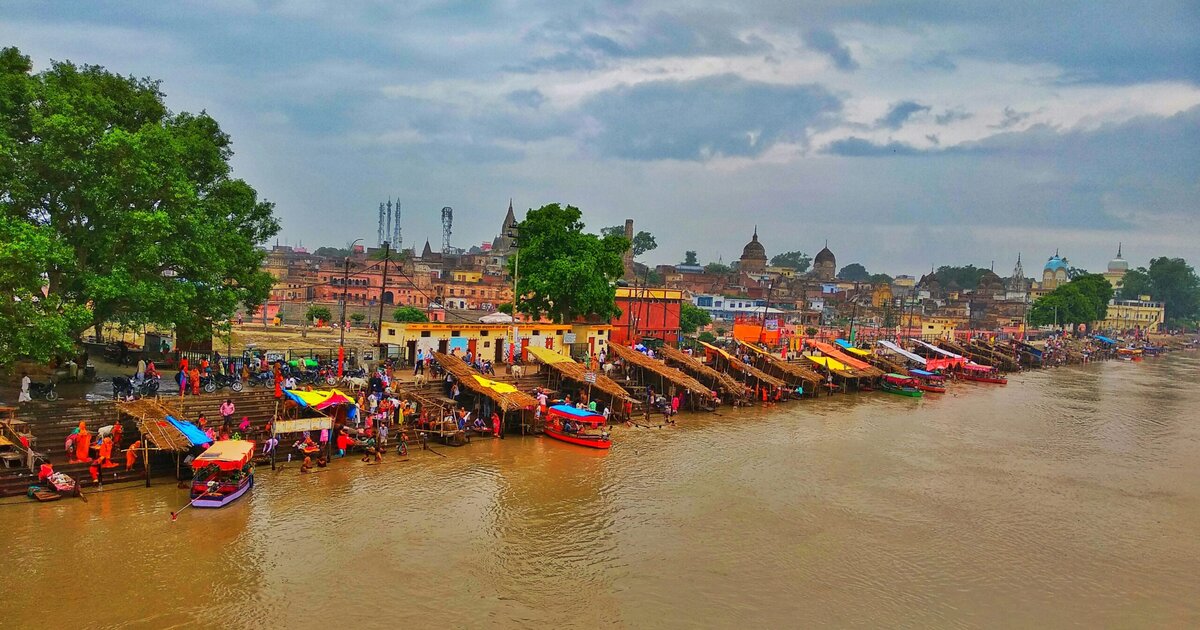
If you last visited Ayodhya before January 2024, you wouldn’t recognize it today.
Ayodhya Trip After Ram Mandir , And if you’ve never been — if you’ve been watching from a distance since the Ram Mandir consecration, thinking you’ll plan the trip “sometime soon” — this guide is written specifically for you. Not to sell you a package. To tell you what the city actually looks like now, what’s changed, what to expect on the ground, and how to plan a trip that’s worth the journey.
Ayodhya in 2026 is one of the most significant spiritual destinations in Asia. Understanding what it is today — not what it was in 2019 — is where good planning starts.
VIP Sugam Darshan passes, verified outstation cabs, Ganga aarti boat allocations, and clean hotel stays — fully coordinated by our on-ground team.
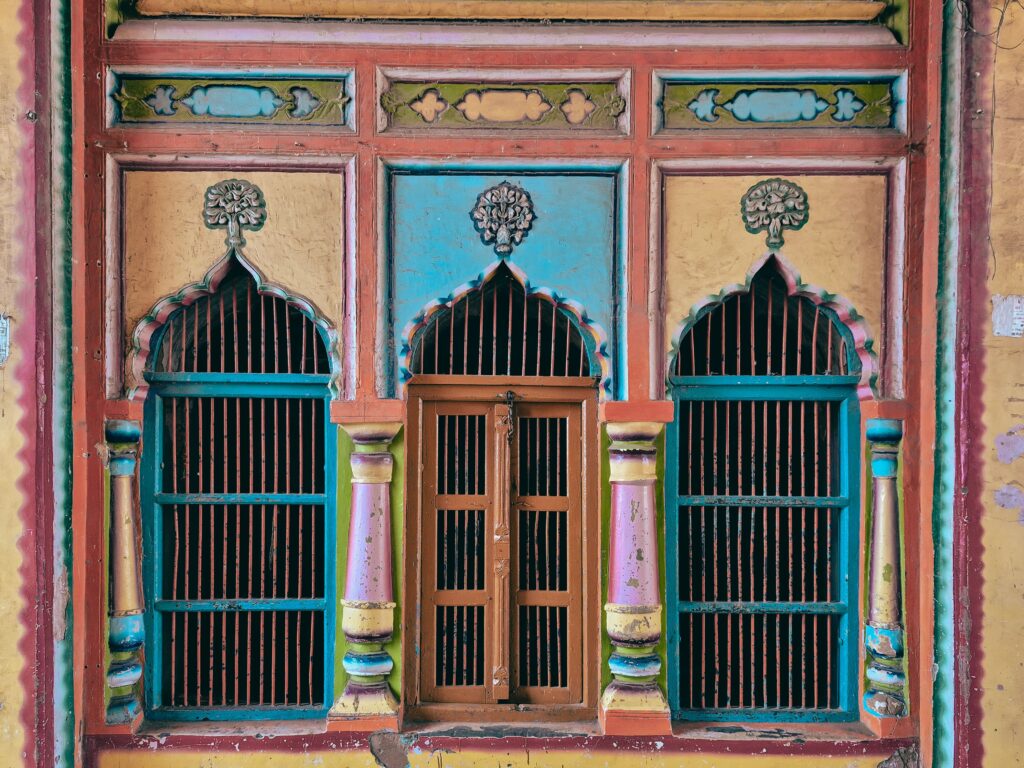
The Ram Mandir consecration in January 2024 didn’t just open a temple. It triggered a complete reimagining of a city.
The Rampath — the main boulevard leading to the Ram Janmabhoomi — is now a wide, paved, well-lit corridor with stone flooring, controlled pedestrian access, and dedicated lanes for pilgrims. What used to be a narrow, chaotic approach through old market lanes is now one of the most organized sacred thoroughfares in India.
<cite index=”46-1″>The Maharshi Valmiki International Airport, covering 821 acres, now connects Ayodhya directly to major Indian cities</cite> — which means flying in is now genuinely practical, not just a distant option. Direct flights from Delhi, Mumbai, and Ahmedabad have opened Ayodhya to a new generation of pilgrims who might have previously found the logistics daunting.
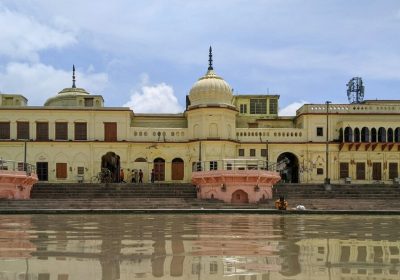
<cite index=”44-1″>A ₹750-crore Temple Museum developed as a public-private partnership with Tata Sons</cite> is among several landmark projects underway. The Saryu Riverfront — once underutilized — has been developed into a proper ghat-and-promenade space where the evening aarti now draws thousands daily.
<cite index=”45-1″>Ayodhya in 2025–26 appeared to be far more dynamic, highly commercial, and progressing at a significantly faster pace than in earlier years. The development of Ayodhya is now impacting not only the city but also neighbouring districts.</cite>
This is the context every visitor needs before they book tickets.
The Ram Janmabhoomi Temple is where every Ayodhya trip begins and ends, emotionally if not logistically. Understanding what the darshan experience actually involves in 2026 prepares you for the reality.
Entry is free for all devotees. There are no tickets required for standard darshan. Government-issued ID (Aadhaar, passport, voter card) is required at security checkpoints — carry it for every member of your group.
The security process is thorough. Mobile phones, bags, belts, and any metal objects are deposited at designated counters before entry. This process takes 20–40 minutes on a typical day. On festival days and weekends, plan for longer.
Darshan timing matters enormously. The temple complex is most peaceful and least crowded between 6:00 AM and 9:00 AM. The afternoon session (12:00 PM – 4:00 PM) is the most crowded window of any day. If you have elderly family members or young children, an early morning darshan is non-negotiable.
The sanctum experience is brief but powerful. You’ll have approximately 2–3 minutes in front of the Ram Lalla idol — the consecrated murti of Lord Ram as a child, installed at the precise site of the historic Ram Janmabhoomi. For most devotees, no description prepares them for what they feel in those moments.
VIP / priority darshan coordination significantly reduces queue time, particularly on weekends and during peak festival months. TripCosmos’s Ayodhya darshan package from Varanasi includes timing-optimised entry coordination as standard — your guide manages the queue process so your family arrives composed rather than crowd-exhausted.
Most visitors focus entirely on the Ram Mandir and underestimate what else Ayodhya offers. A complete circuit looks like this:
The hilltop fortress temple of Lord Hanuman, guardian deity of Ayodhya. 76 steps to the summit, commanding panoramic views of the city, and the most powerful Hanuman darshan in North India. Hanuman Garhi is considered essential before proceeding to the Ram Janmabhoomi — the traditional pilgrimage sequence visits Hanuman first. Entry: Free.
The golden temple gifted by Queen Kaikeyi to Sita and Ram on their wedding day. Houses the most beautifully adorned Ram-Sita idol in Ayodhya. Often missed by first-time visitors who rush from Ram Mandir to Saryu Ghat — a genuine mistake. Entry: Free.
One of Ayodhya’s oldest Shiva temples, believed to have been established by Kush, Lord Ram’s son. Sacred for both Shaiva and Vaishnava devotees — an unusual and important combination. Entry: Free.
<cite index=”50-1″>The Sarayu Riverfront Beautification project has developed the ghats with evening aarti spaces and walking pathways.</cite> The Saryu Ghat evening aarti in 2026 has grown into a genuinely spectacular ceremony — comparable in atmosphere to Varanasi’s Ganga Aarti though different in character. More joyful, more accessible, with the entire riverfront lit at dusk. Plan to be seated by 6:30 PM.
Site of an ancient sculpture of Lord Ram believed to have been installed by Ram himself during the Treta Yuga. One of Ayodhya’s most spiritually distinctive shrines, rarely crowded compared to the main circuit. Worth the short detour.
This depends on what your trip is — and what it isn’t.
1 day (day trip from Varanasi or Lucknow): Covers Ram Mandir, Hanuman Garhi, Kanak Bhawan, and Saryu Ghat aarti. Tight but doable with an early start and private cab. Best suited for solo travellers or couples without elderly members.
2 days / 1 night: The recommended format for families. Morning darshan on Day 1, full temple circuit through the day, Saryu Ghat aarti at dusk, overnight stay near Ram Mandir, Nageshwarnath and remaining temples on Day 2 morning before departure. Unhurried and complete.
3 days / 2 nights: For pilgrims who want to absorb the city fully — including the quieter, lesser-known shrines, the Ram Katha Park, guided heritage walks through the old city, and the Saryu ghats at both dawn and dusk. The most complete experience of what Ayodhya has become.
The Varanasi Ayodhya Tour Package (3N4D) combines both cities in a natural sequence — Varanasi for Shiva, Ayodhya for Ram — and is the most popular multi-city format for first-time visitors to either city.
By Air: Maharshi Valmiki International Airport (AYJ) now operates direct flights from Delhi, Mumbai, Ahmedabad, and several other cities. The airport is approximately 8 km from the Ram Mandir.
By Train: Ayodhya Cantt (AY) and Ayodhya Junction (AWB) are well-connected to Lucknow (2 hours), Varanasi (3–4 hours), and Delhi (7–8 hours). The train is the most popular option for pilgrims from North India.
By Road from Varanasi: 200 km on NH27 — approximately 4 to 4.5 hours by private cab. A comfortable highway journey with one breakfast stop en route. TripCosmos provides private AC cab transfers from Varanasi to Ayodhya with fixed pricing and no surprises.
By Road from Lucknow: 140 km — approximately 2.5 to 3 hours. The easiest road connection to Ayodhya from any major UP city.
Ayodhya’s accommodation landscape has expanded rapidly since 2024.
Budget (₹800–₁,500 per night): Dharamshalas near the Ram Mandir complex — clean, basic, and ideally located for early morning darshan. Suitable for budget pilgrims comfortable with shared or semi-private facilities.
Mid-range (₹1,500–₃,000 per night): Standard hotels within 10–15 minutes walking distance of Ram Janmabhoomi. Clean rooms, AC, attached bathrooms. The right category for most families. Several new properties have opened since 2024 with updated facilities.
Premium (₹4,000–₹8,000 per night): New premium properties near the Rampath corridor — the best currently available in Ayodhya. Heritage-themed interiors, better breakfast service, and closer proximity to the Ram Mandir complex.
The single most important accommodation decision in Ayodhya: Stay within 10–15 minutes walking distance of the Ram Mandir. Early morning darshan and Saryu Ghat aarti both require proximity to the sacred core. Saving ₹500 per night to stay farther out costs you the experience.
| Category | Budget | Mid-Range | Premium |
|---|---|---|---|
| Accommodation (1 night) | ₹800 | ₹2,000 | ₹6,000 |
| Local transport (full day) | ₹300 (shared) | ₹800 (private) | ₹1,200 |
| Food (full day, local restaurants) | ₹300 | ₹600 | ₹1,200 |
| Darshan & entry (all temples free) | ₹0 | ₹0 | ₹0 |
| Guide (optional but recommended) | ₹0 | ₹500 | ₹1,000 |
| Prasad, donations, miscellaneous | ₹200 | ₹400 | ₹800 |
| Total per person (1 night) | ~₹1,600 | ~₹4,300 | ~₹10,200 |
For reference, the complete Varanasi Ayodhya Prayagraj tour cost guide covers the full three-city circuit budget in detail.
Going on a weekend without an early start. Weekend crowds at Ram Mandir are intense. Arriving by 6:00 AM on a Saturday or Sunday means darshan is calm. Arriving at 10:00 AM means joining a 2–3 hour queue.
Skipping Hanuman Garhi. Many first-timers go straight to Ram Mandir and miss Hanuman Garhi entirely. This is both a logistical error (wrong sequence) and a spiritual one — Hanuman Garhi is considered the essential first stop.
Not keeping a bag-deposit plan. The Ram Mandir security process requires depositing all bags and phones. Families with young children should plan for this — lightweight, nothing that needs guarding, and no last-minute scramble at the counter.
Booking accommodation too far from the temple. Distance becomes a significant problem when you need to be at the temple by 6:00 AM and at Saryu Ghat by 6:30 PM.
Rushing through Kanak Bhawan. Almost every first-time visitor spends five times longer at Ram Mandir than at Kanak Bhawan — and many later say it was the wrong ratio. The idol at Kanak Bhawan is among the most beautiful in Ayodhya.
TripCosmos operates daily across the Varanasi–Ayodhya–Prayagraj circuit. The team handles private AC cab transfers, hotel bookings near the Ram Mandir complex, darshan timing coordination, and complete multi-city itinerary management.
Whether you’re planning a day trip from Varanasi or a standalone 2-night Ayodhya visit, every detail can be confirmed in a single WhatsApp conversation. For larger groups, a tempo traveller for the Ayodhya circuit keeps families together across the full temple circuit without the coordination headache of multiple vehicles.
Also explore the 4N5D Varanasi Prayagraj Ayodhya Tour Package — the most complete North India sacred circuit, covering three of Hinduism’s holiest cities in one planned journey.
Website: https://tripcosmos.co WhatsApp: +91 9336116210
Yes, Ram Mandir darshan is completely free for all devotees. No advance online booking is required for standard darshan. You simply arrive, deposit bags and phones at the security counter, and enter the queue. Carry a government-issued photo ID (Aadhaar, passport, or voter card) for every member of your group — it is checked at the entrance. For VIP or priority darshan with reduced queue time, TripCosmos can coordinate this as part of your tour package.
Ayodhya is approximately 200 km from Varanasi — around 4 to 4.5 hours by private cab on NH27. By train, Ayodhya Cantt is 3–4 hours from Varanasi Junction. Most families prefer a private cab for the flexibility to stop, rest, and arrive at their own pace. TripCosmos provides fixed-rate AC cab transfers from Varanasi to Ayodhya with doorstep pickup.
October to March is the best window — cool weather, manageable crowds on weekdays, and vibrant festival energy in the city. Ram Navami (March–April) and Diwali are the most spiritually charged times but also the most crowded. For a calm, unhurried darshan, a weekday visit between November and February is ideal.
Absolutely — it’s the most popular pilgrimage combination in North India. The 3N4D Varanasi Ayodhya Tour Package covers both cities with private cab, hotel stays in each city, guided darshan at Ram Mandir and Kashi Vishwanath, and Saryu Ghat and Ganga Aarti experiences included.
The city has been substantially transformed. The Rampath boulevard — the main approach to the temple — has been widened, paved with stone flooring, and is now a organized, dedicated pilgrim corridor. The Saryu Riverfront has been developed with new ghats, evening aarti infrastructure, and walkways. The Maharshi Valmiki International Airport now connects Ayodhya directly to major Indian cities. New hotels, restaurants, and facilities have opened throughout the city. The overall infrastructure is significantly more visitor-ready than at any previous point in the city’s history.
Ayodhya in 2026 is not a pilgrimage destination you plan casually and figure out on arrival. It’s a city that rewards preparation — knowing which temples to visit in which sequence, understanding the darshan process before you stand in the queue, staying close enough to the temple for early mornings and late evenings, and having reliable ground transport for a circuit that spans multiple parts of the city.
Ayodhya’s significance in Hindu tradition goes back to the beginning of recorded scripture. What’s new is the infrastructure around it — and that infrastructure, when properly used, makes a deeply moving pilgrimage far more accessible than it has ever been.
If you’ve been waiting for the right time to go, that time is now. The city is ready for you.
Visit: https://tripcosmos.co | WhatsApp: +91 9336116210
VIP Sugam Darshan passes, verified outstation cabs, Ganga aarti boat allocations, and clean hotel stays — fully coordinated by our on-ground team.
TripCosmos guarantees verified Kashi Vishwanath Sugam Darshan passes (zero line waiting), private Dev Deepawali & Ganga Aarti Bajra boats, and verified Toyota Innova Crysta cabs with trusted local chauffeurs.

Comments are closed.