Your cart is currently empty!
You may check out all the available trips and book one that suits you.
Continue Browsing Trips
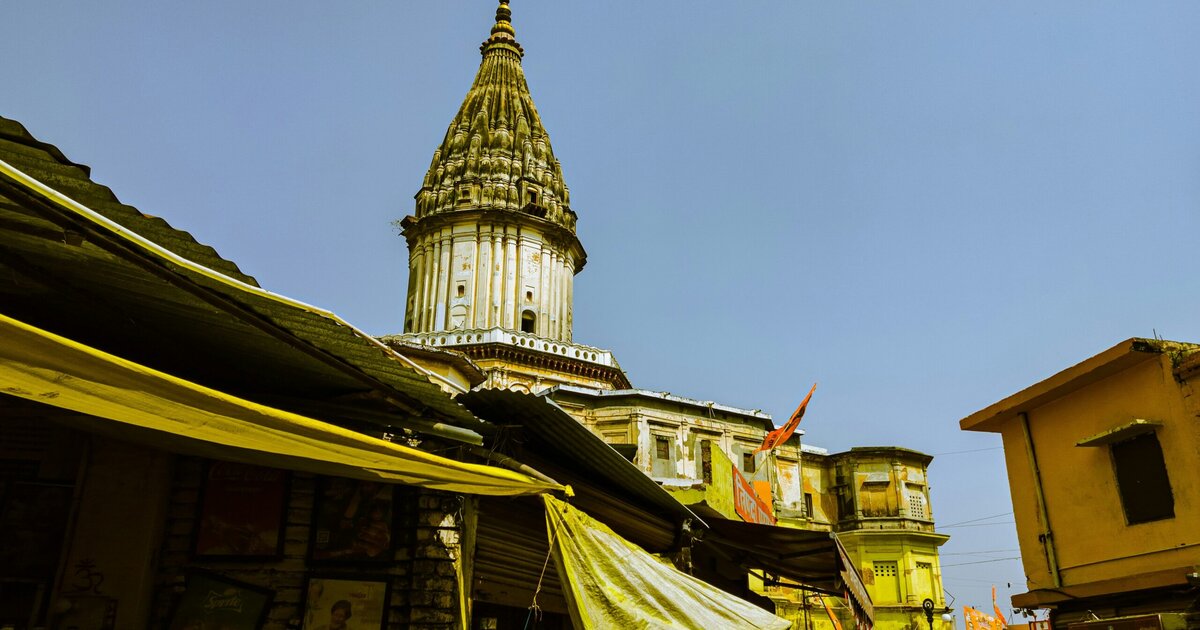
Most pilgrims planning their Ram Mandir visit ask the same question: “What time should we go?” And most guides give the same answer: “Go early in the morning.”
That’s true — but it’s not the whole picture.
The right time slot for Ram Mandir darshan depends on who you’re travelling with, where you’re coming from, what else you want to do in Ayodhya that day, and whether you want to attend a specific aarti. A solo devotee from Lucknow arriving by 5:30 AM has completely different options than a family of six driving from Varanasi with elderly grandparents.
VIP Sugam Darshan passes, verified outstation cabs, Ganga aarti boat allocations, and clean hotel stays — fully coordinated by our on-ground team.
This guide breaks down every time slot across the Ram Mandir’s daily schedule — what the crowd is like, what you gain, what you give up, and which group type each slot works best for. No vague advice. Just the actual hour-by-hour picture.
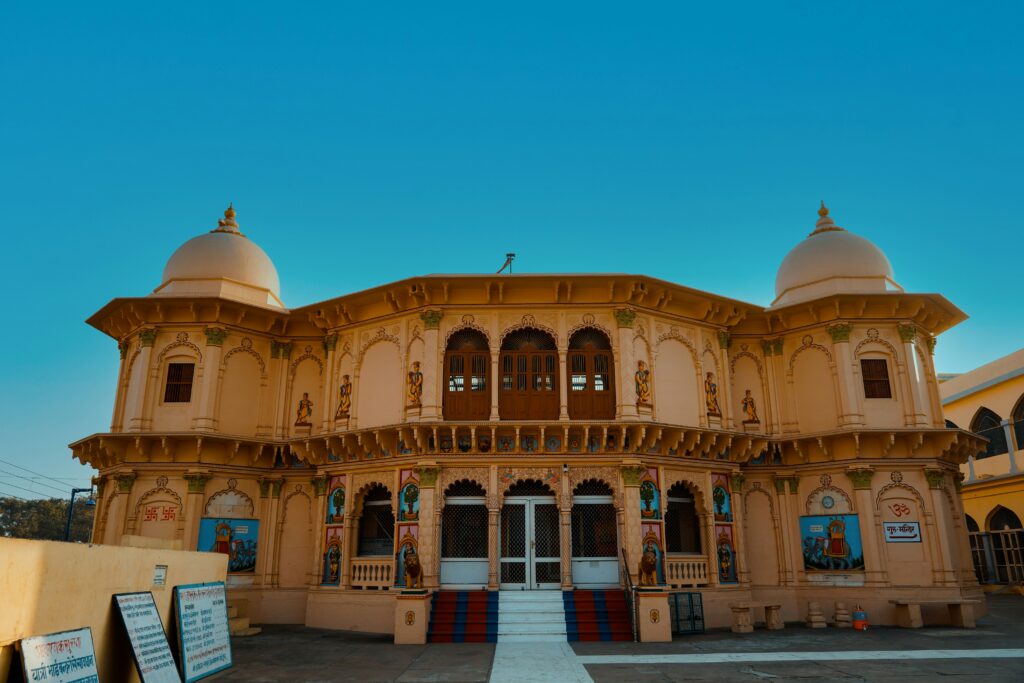
Before discussing which slot to choose, understand the temple’s daily structure:
| Session | Timing |
|---|---|
| Morning Darshan Opens | 6:30 AM |
| Morning Session | 6:30 AM – 12:00 PM |
| Afternoon Closure | 12:00 PM – 2:00 PM |
| Evening Darshan Opens | 2:00 PM |
| Evening Session | 2:00 PM – 9:00 PM |
| Final Entry Cut-off | ~8:30 PM |
| Temple Closes | 10:00 PM (after Shayan Aarti) |
Official Aarti Schedule:
Aarti participation requires a pass obtained in advance — either online through the official portal (srjbtkshetra.org) or in person from the Shri Ram Janmabhoomi Teerth Kshetra Trust camp office in Ayodhya. Passes are free of charge. Any source charging money for aarti passes is unofficial.
Before choosing your time slot, decide whether you need a Sugam Darshan e-pass.
The Sugam Darshan system is a free online booking system that gives you a specific darshan time window — allowing you to skip the general queue or significantly reduce your wait time. It is especially important for:
Sugam Darshan e-passes are released 15 days before the darshan date — at midnight on the 15th day prior. Slots go quickly, especially for weekends and festival dates. Set a reminder and book the moment the slot opens.
TripCosmos’s VIP and Sugam Darshan planning guide covers the full booking process and explains how the system works in practice for different group types. For families combining Ayodhya with Varanasi, the team also coordinates darshan timing as part of the standard package.
What’s happening: The temple complex grounds open before the main darshan queue begins. The Rampath corridor and the outer precincts are accessible. This is when the most devoted pilgrims and local residents gather.
Crowd level: Minimal to light — this is the calmest the complex gets all day.
What you gain: The rare experience of Ayodhya before the crowds arrive. The morning light on the Rampath, the scent of incense, the sound of early bhajans — this is the hour that most visitors never see.
What to watch: Darshan inside the sanctum does not begin until 6:30 AM. You are waiting at the gates during this window, not inside.
Best for: Deeply devoted pilgrims who want the full atmosphere of an early morning sacred site. Also practical for those with Shringar Aarti passes, since reporting must happen 30–45 minutes before the 6:30 AM ceremony.
What’s happening: Darshan opens. The queue that built from 5:30 AM moves efficiently. The morning light inside the sanctum is extraordinary.
Crowd level: Light to moderate on weekdays; moderate on weekends. This is definitively the least-crowded darshan window of any day.
Wait time: 20–60 minutes on most weekdays. 60–90 minutes on weekends. During major festivals, even this window sees longer waits.
What you gain: The best combination of shorter queues, cooler temperatures, and spiritual atmosphere inside the complex. The sanctum is most serene in early morning. Priests are attentive and the general pace is unhurried.
What you give up: An early departure from your hotel or a night stay close to the temple — you need to be at the gate by 6:30 AM to capture the best of this window, which means leaving your accommodation by 5:45–6:00 AM.
Best for: All group types, but especially families with elderly members, pilgrims combining with Hanuman Garhi (which should follow Ram Mandir darshan), and anyone making a day trip from Varanasi or Lucknow who needs to cover the full temple circuit.
TripCosmos schedules all Ayodhya cab pickups to align with this window — the Varanasi to Ayodhya day trip departs Varanasi at 5:00–5:30 AM to arrive at the Ram Janmabhoomi entry point by 9:30 AM, still within the extended golden window.
What’s happening: Tourist volume picks up sharply after 9:00 AM as visitors who stayed overnight arrive, and day-trippers from Lucknow begin reaching the city.
Crowd level: Moderate to heavy. Weekend mornings in this window are consistently the most crowded period of the entire week.
Wait time: 60–120 minutes for general queue. 20–40 minutes with Sugam Darshan pass.
What you gain: Still morning light and relatively cooler air (important October–March). Enough time before the noon closure to complete your circuit if you arrive by 10:00 AM at the latest.
What to watch: The temple closes at 12:00 PM. Arriving at 11:30 AM means you may reach the queue as it stops moving. Many first-time visitors fall into this trap — arriving at late morning expecting to enter and finding the gates closing.
Best for: Travellers with Sugam Darshan passes who couldn’t manage the 6:30 AM window. Not recommended for general queue darshan on weekends.
What’s happening: The temple is completely closed to devotees during this window for the midday rituals and Bhog Aarti. No darshan is possible.
Best use of this time: Rest at your hotel or guesthouse (essential for elderly family members), explore the Ram Katha Park, visit Kanak Bhawan’s afternoon closing darshan, or have lunch near the Rampath. Do not wait in the open during summer months — Ayodhya at midday in April–June reaches 40–42°C.
What’s happening: The temple reopens and the initial rush of the afternoon session is usually lighter than the morning crowd, particularly on weekdays.
Crowd level: Light to moderate on weekdays. Significantly better than the 9:00–11:30 AM window.
Wait time: 30–60 minutes on weekdays. Comparable to the early morning slot in terms of queue management.
What you gain: A genuinely underrated darshan window that most visitors overlook. The afternoon light inside the sanctum has a different quality — warm, golden, deeply atmospheric. This slot works particularly well for families arriving in Ayodhya in the afternoon after a morning in Varanasi or Prayagraj.
What to watch: If you’re planning to attend the Sandhya Aarti at 7:00 PM, entering at 2:00 PM gives you ample time for full darshan and Hanuman Garhi before the aarti begins.
Best for: Day-trippers from Prayagraj, families arriving by afternoon train, and second-day visitors who did Ram Mandir in the morning and want a quieter second darshan before departure.
What’s happening: Evening crowd builds rapidly as local devotees, tourists, and pilgrims gather for the Sandhya Aarti at 7:00 PM. The atmosphere in the complex is festive and charged.
Crowd level: Heavy. This is the most popular evening window.
Wait time: 90–150 minutes for general queue without a pass. This is when the general queue is most demanding on elderly or mobility-limited visitors.
What you gain: The pre-aarti devotional atmosphere — bhajans, lamp-lighting, the entire complex illuminated. If you have a Sandhya Aarti pass, this window is spectacular.
What you give up: Speed and comfort. General queue darshan in this window means significant standing time.
Best for: Pilgrims with aarti passes. Solo travellers or couples comfortable with crowds. Not recommended for elderly family members or young children without passes and mobility support.
What’s happening: After the Sandhya Aarti concludes and the aarti crowd disperses, the general darshan queue often becomes significantly lighter. This is a genuinely underutilised window.
Crowd level: Light to moderate — often lighter than even the 9:00 AM slot.
Wait time: 20–40 minutes on most days.
What you gain: A surprisingly peaceful late evening darshan with the entire complex beautifully lit. Ram Lalla’s murti under evening lamp lighting has a specific atmosphere that many long-term pilgrims prefer.
What to watch: Last entry is approximately 8:30 PM and the temple closes by 10:00 PM after the Shayan Aarti. Do not arrive after 8:00 PM expecting guaranteed entry.
Best for: Visitors staying overnight in Ayodhya, pilgrims who attended the Saryu Ghat aarti and want a second darshan, and anyone who missed the morning window entirely.
| Group Type | Best Slot | Second Choice |
|---|---|---|
| Family with elderly members | 6:30 – 8:30 AM (with Sugam pass) | 2:00 – 4:00 PM weekday |
| Family with young children | 6:30 – 8:00 AM | 2:00 – 3:30 PM |
| Solo devotee / couple | 6:30 – 9:00 AM or 7:30 – 8:30 PM | 2:00 – 5:00 PM |
| Day trip from Varanasi | 9:00 – 10:30 AM (with Sugam pass) | 6:30 – 8:30 AM (early depart) |
| Aarti experience priority | Shringar (6:30 AM) or Sandhya (7:00 PM) — pass required | — |
| Festival / Ram Navami visit | 5:30 AM arrival (general queue) | Book Sugam well in advance |
Carry: Government-issued photo ID (Aadhaar, passport, voter card) for every member of your group. Your printed or digital Sugam Darshan pass if booked. A small water bottle (check current rules on permitted items).
Do not carry: Mobile phones, bags, belts, watches, electronic items, or any metallic objects into the security zone. All of these must be deposited at the cloak room before entry. Plan for this — it adds 20–30 minutes to your entry process and can feel overwhelming if you’re unprepared.
Wear: Light, modest clothing. Comfortable footwear that is easy to remove. Stone flooring inside the complex gets warm in summer and cold in winter — pack accordingly.
Getting the time slot right is only part of planning. The travel, the accommodation close to the temple, the inter-city transfers, and the temple circuit sequencing all need to fit together for the day to work as intended.
TripCosmos coordinates Ram Mandir darshan timing as part of every Ayodhya package — including Sugam Darshan pass arrangement, early morning cab pickups, and full-day guided temple circuits that cover Hanuman Garhi, Kanak Bhawan, and Saryu Ghat in the right sequence.
Explore the Varanasi Ayodhya Tour Package (3N4D) for a complete two-city pilgrimage, or the 4N5D Varanasi Prayagraj Ayodhya Package to cover the full North India sacred triangle. For private cab transfers from Varanasi to Ayodhya with timing-optimised pickup, visit the TripCosmos cab service page.
For larger groups, a tempo traveller for the Ayodhya circuit keeps everyone together from hotel to temple gate and back.
Website: https://tripcosmos.co WhatsApp: +91 9336116210
The 6:30 AM to 9:00 AM window is consistently the least crowded darshan period of any day. Arriving at the entry point by 6:30 AM on a weekday gives you the shortest queues, coolest temperatures, and the most serene atmosphere inside the sanctum. The late evening window (7:30–8:30 PM) after the Sandhya Aarti disperses is a strong second choice — surprisingly uncrowded and beautifully lit.
The Sugam Darshan e-pass is a free online booking system that assigns you a specific darshan time window, allowing you to skip or significantly reduce the general queue wait. Passes are released 15 days before your darshan date at midnight on the official portal (srjbtkshetra.org). The system is free — any platform or individual charging for these passes is unofficial. TripCosmos can assist with pass coordination as part of a managed tour package.
Yes. The temple closes for general darshan from 12:00 PM to 2:00 PM daily for midday rituals and the Bhog Aarti. Visitors arriving at 11:30 AM may find the gates closing just as they reach the entry point. Plan either to complete darshan before noon or to arrive after 2:00 PM for the evening session.
Yes, the temple is open every day including Sundays. Sunday crowds are consistently heavier than weekdays — on Sundays, the temple opens slightly earlier (around 6:00 AM) and evening darshan may extend, but queue times in the 9:00 AM–12:00 PM window can reach 2–3 hours for general visitors. A Sugam Darshan pass is especially important for Sunday visits.
Yes. TripCosmos schedules Varanasi to Ayodhya cab departures from 5:00 AM onwards for pilgrims targeting the morning darshan window. The 200 km journey takes approximately 4 to 4.5 hours, placing you at the Ram Janmabhoomi entry by 9:30 AM — within the extended morning golden window. Pickup from your Varanasi hotel or railway station is included. Contact TripCosmos on WhatsApp at +91 9336116210 to confirm your pickup time based on your darshan slot.
Ram Mandir darshan is free, open every day, and accessible to every devotee — but the quality of that experience varies enormously depending on when you arrive.
The morning golden window (6:30–9:00 AM) is the right choice for most families and first-time visitors. A Sugam Darshan e-pass eliminates the queue uncertainty that makes large-group planning stressful. And if the morning window isn’t possible, the late afternoon (2:00–4:00 PM on weekdays) and late evening (7:30–8:30 PM) are genuinely good alternatives that most pilgrims never consider.
Ayodhya and the Ram Mandir represent one of the most significant moments in modern Indian religious life. The experience deserves the planning it takes to do it right.
Visit: https://tripcosmos.co | WhatsApp: +91 9336116210
VIP Sugam Darshan passes, verified outstation cabs, Ganga aarti boat allocations, and clean hotel stays — fully coordinated by our on-ground team.
TripCosmos guarantees verified Kashi Vishwanath Sugam Darshan passes (zero line waiting), private Dev Deepawali & Ganga Aarti Bajra boats, and verified Toyota Innova Crysta cabs with trusted local chauffeurs.



Comments are closed.