Your cart is currently empty!
You may check out all the available trips and book one that suits you.
Continue Browsing Trips
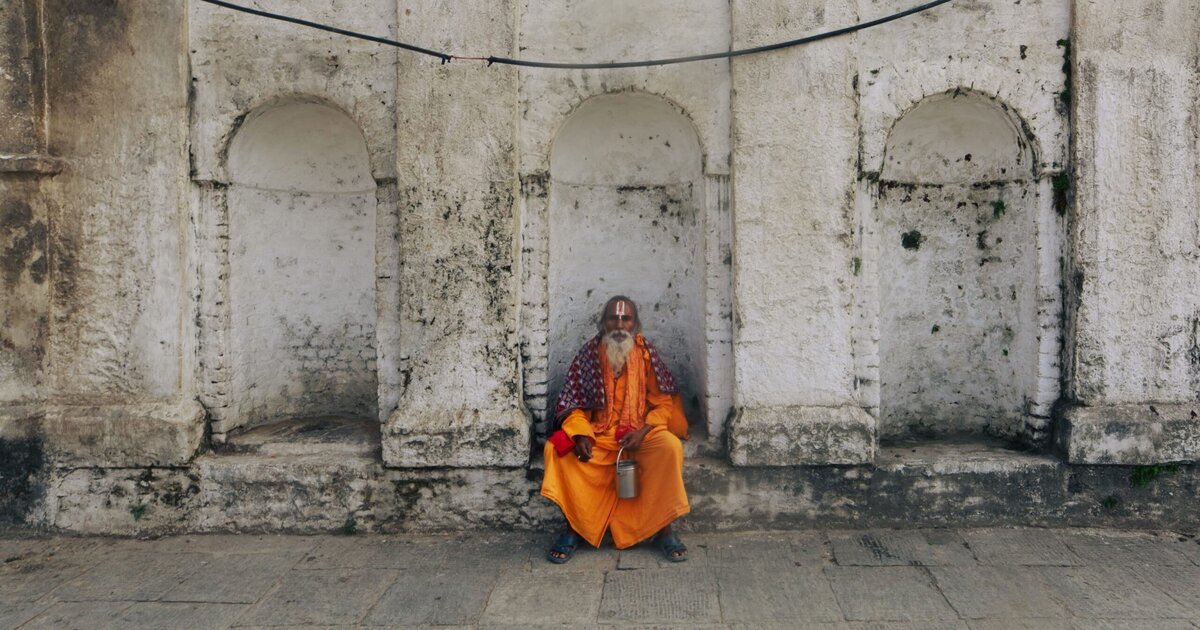
Complete devotee’s guide to Vindhyachal Shakti Peetha — Maa Vindhyavasini’s story, Trikon Yatra, darshan timings, ritual guide & day trip from Varanasi. Tripcosmos 2026.
Seventy kilometres from Varanasi, where the Vindhya mountain range descends to the banks of the Ganga, sits one of the most powerful Shakti shrines in all of India — and one of the most underappreciated stops on the North India pilgrimage circuit.
Vindhyachal is home to Maa Vindhyavasini. Not a replica, not a commemoration — the goddess herself, in what devotees describe as her living, wakeful, perpetually present form. Unlike many sacred sites where the deity is approached through layers of ritual intermediary, Maa Vindhyavasini is known across generations of devotees for direct, immediate, and compassionate response. She is the Devi who listens.
This guide is written for devotees — for those who want to understand who Maa Vindhyavasini is, why Vindhyachal holds the specific spiritual weight that it does, what the Trikon Yatra means and how to perform it correctly, and what to carry in your heart when you arrive at her sanctum.
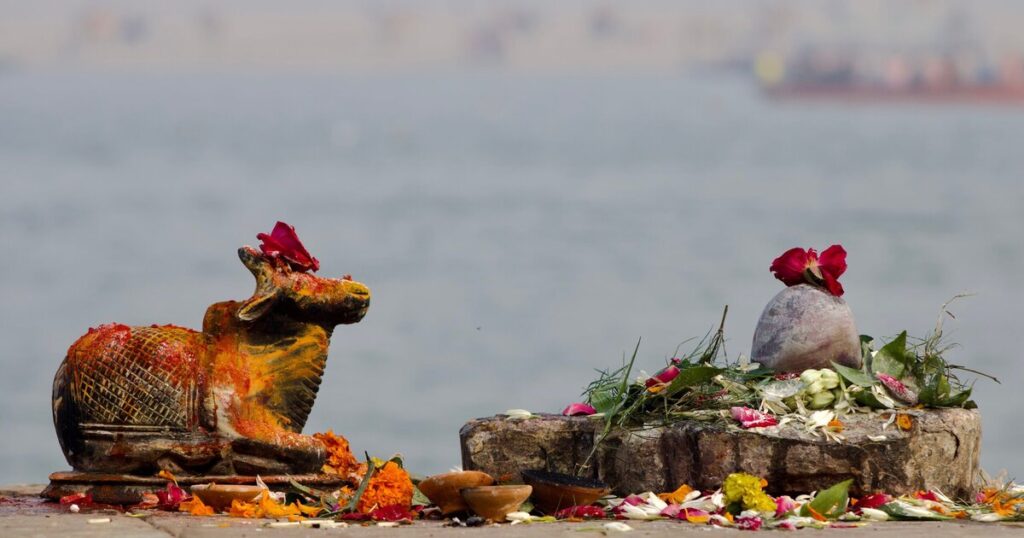
The Vindhyavasini Devi Temple is one of the most revered Shakti Peethas of India. Unlike other Peethas associated with parts of Goddess Sati’s body that fell at various sacred locations, Vindhyachal is the place where the Devi chose to reside after her own manifestation.
The story is rooted in the Bhagavata Purana. At the moment of Lord Krishna’s birth as the eighth child of Devaki and Vasudeva, Yogamaya — the divine feminine power of illusion — was simultaneously born to Nanda and Yashoda in Gokul. Vasudeva replaced the infant Krishna with this daughter of Yashoda. When Kamsa tried to kill this infant, believing she was his prophesied destroyer, she escaped from his grasp and transformed into her form of Durga — informing the tyrant that his killer had already been born elsewhere. Thereafter, she chose to reside at the Vindhyachala mountains, where her temple is located.
This origin story carries specific spiritual significance. Maa Vindhyavasini did not arrive at Vindhyachal through tragedy or a curse — she arrived by sovereign choice. The Devi chose this mountain, this Ganga bank, this sacred geography as her permanent abode. Devotees experience this distinction viscerally: the temple feels alive. There is always movement, always prayer, always devotion flowing like the river nearby. And yet, in the middle of all this, many devotees experience a deep inner stillness. It is believed that Vindhyavasini Devi is always awake here, always listening.
It is also believed that Goddess Sati’s left thumb fell at Vindhyachal, further consecrating the site as a Shakti Peetha of the highest order. The convergence of these two narratives — the chosen residence of Yogamaya and the fallen body of Sati — gives Vindhyachal a layered sacred status that most pilgrimage sites do not carry.
A visit to Vindhyachal is spiritually incomplete without performing the Trikon Yatra — the sacred triangular circuit connecting three goddesses who together represent the complete form of the Divine Feminine.
The primary temple at the heart of Vindhyachal town, on the Ganga bank. Maa Vindhyavasini in this form represents Mahalakshmi — the goddess of wealth, abundance, and divine grace. The idol of Maa Vindhyavasini is mesmerizing and powerful. Unlike many temples where the deity is placed at a distance, here devotees can get a very close darshan. Many devotees claim that just one glance at Maa fills them with peace and strength.
Darshan timings: 5:00 AM to 12:00 PM | 1:30 PM to 7:15 PM | 8:15 PM to 9:30 PM. The earliest morning session — 5:00 AM to 7:00 AM — offers the most intimate darshan with the shortest queues outside Navratri periods.
Traditional offerings: Red chunari (₹50–₹100 from temple-area stalls), coconut, marigold flowers, and sindoor. These are the correct Devi offerings — simple, traditional, and sufficient without additional purchases from touts.
Located in a natural cave dedicated to Maa Kali. It’s tight and can feel a bit claustrophobic, but it’s incredibly powerful. Kali Khoh represents the transformative, fierce dimension of the Shakti — the goddess who destroys fear, ego, and the forces that obstruct liberation. Goddess Kali is believed to have manifested here to slay the demon Raktabeej, who had the boon that every drop of his blood would create another demon — making her the only force capable of consuming his power entirely.
The cave temple experience is unlike any conventional temple darshan. The darkness, the enclosed rock walls, the sound of bells in a confined space — all create a sensory environment that strips away ordinary consciousness and places the devotee in direct proximity to Kali’s energy. Come prepared for this — emotionally open, without agenda.
High up on a hill — Maa Saraswati in her eight-armed form. Ashtabhuja Devi represents the wisdom, learning, and creative intelligence of the Divine Feminine. The climb to the hilltop temple is itself a form of sadhana — a physical act of devotion that prepares the mind for the darshan that awaits at the summit.
The hilltop location offers panoramic views of the Vindhya range and the Ganga valley below — a view that reminds the pilgrim of the geographic sacred axis they are standing within.
The Trikon circuit sequence: Traditional practice begins with Maa Vindhyavasini (dawn darshan), then proceeds to Kali Khoh, then to Ashtabhuja on the hill. An auto-rickshaw covering the full Trikon circuit costs ₹400–₹600 in 2026.
In popular devotion, the Trikona Parikrama is traditionally honored as a Siddha Peetha — the site symbolizes the immediacy of grace, where devotees affirm that prayers receive swift, compassionate response.
The Ganga snan before darshan: Vindhyachal’s Ganga ghat — beautifully redeveloped Pakka Ghat with changing rooms, railings, and a proper sacred atmosphere — is the traditional starting point of any Vindhyachal pilgrimage. A ritual bath in the Ganga before entering Maa’s sanctum is not a formality — it is a preparation of the body and the subtle field before approaching the goddess.
The chunari offering: The red chunari is the primary offering at Vindhyavasini. The ritual involves presenting it to the priest at the sanctum, who drapes it across the deity. The red color represents Shakti — the active, dynamic, creative power of the goddess. Many devotees bring a chunari from home — purchased from their own city with intention — rather than acquiring one at the temple stall.
Fridays and Navratri: Fridays are considered highly auspicious for Goddess Durga devotees, and special bhajans are sung. For devotees who can choose their visit day, a Friday darshan at Vindhyavasini carries particular significance. Navratri — both Chaitra (March–April) and Sharad (September–October) — is the most powerful festival period but brings enormous crowds. The darshan queue at Vindhyavasini during Navratri Ashtami can exceed 3–5 hours. Devoted pilgrims who want the spiritual power of Navratri without the logistical strain should target the first or second day of Navratri rather than Ashtami or Navami.
What to avoid: Weekends and festival days if visiting for quiet darshan. A Tuesday or Thursday morning visit during non-Navratri months offers the most composed, unhurried darshan experience.
Vindhyachal sits precisely between Varanasi and Prayagraj on the NH19 highway — approximately 65–70 km from Varanasi and 65 km from Prayagraj. This geographic position makes it one of the most naturally integrated stops on the North UP pilgrimage corridor.
Families driving from Varanasi to Prayagraj for the Sangam darshan can stop at Vindhyachal for the complete Trikon Parikrama, reach Prayagraj by early afternoon, and still complete the Sangam boat ride and Bade Hanuman Ji in the same day. Tripcosmos coordinates this Varanasi–Vindhyachal–Prayagraj route as a single cab booking — one vehicle, fixed price, all three destinations on one confirmed itinerary.
For the dedicated Vindhyachal pilgrimage — spending a full day at the three temples without the pressure of onward travel — a pre-booked cab from Tripcosmos departing Varanasi at 5:00 AM reaches Vindhyachal by 7:00 AM, completing the full Trikon circuit and Ganga ghat by afternoon. This is covered in full detail in the Vindhyachal Devi Temple Complete Visitor Guide on the Tripcosmos website.
For devotees combining Vindhyachal with Varanasi and Prayagraj on the same pilgrimage, Tripcosmos offers complete multi-city tour packages with seamless transport and itinerary coordination.
Tripcosmos provides verified cab service from Varanasi to Vindhyachal with drivers who know the Trikon Parikrama sequence and can navigate the temple approach points efficiently. Whether you are visiting Vindhyachal as a dedicated pilgrimage or as part of a multi-city sacred circuit, the team handles transport, timing, and route coordination end-to-end.
📍 Website: https://tripcosmos.co 📱 WhatsApp: +91 9336116210
Most Shakti Peethas mark the spot where a part of Goddess Sati’s body fell after Lord Shiva carried her across the earth in grief. Vindhyachal is unique because the goddess here — Maa Vindhyavasini — chose this location as her permanent abode by sovereign will after her manifestation during Lord Krishna’s birth night. This distinction gives Vindhyachal a specific quality of divine presence that devotees across generations describe as immediate, direct, and deeply compassionate — the Devi who resides here by choice, not by tragedy.
The Trikon Yatra is the sacred triangular circuit connecting three goddess temples: Maa Vindhyavasini (Mahalakshmi), Kali Khoh (Maa Kali), and Ashtabhuja Devi (Mahasaraswati). Completing all three is considered the complete Vindhyachal pilgrimage. The circuit by auto-rickshaw costs ₹400–₹600 and takes approximately 3–4 hours for a composed visit at each temple — longer during Navratri when queues extend significantly.
A weekday morning visit during non-Navratri months — ideally a Friday, Tuesday, or Thursday — between 5:00 AM and 8:00 AM offers the most composed darshan experience. The earliest morning session has the shortest queues at Vindhyavasini’s sanctum and the most devotional atmosphere before the day’s pilgrim flow builds. Avoid weekends and the Ashtami/Navami days of both Navratri seasons for anything other than a deliberate festival pilgrimage.
Maa Vindhyavasini chose the Vindhya mountains and the Ganga bank as her home. That choice — made at the moment of Lord Krishna’s birth, carrying the full weight of divine will — is what gives Vindhyachal its specific spiritual character. She is not simply present here. She resides here.
Devotees who arrive with that understanding — who understand that they are not visiting a historic site but entering the home of a living goddess — consistently describe the darshan experience at Vindhyachal as unlike any other Shakti shrine they have visited.
Come early. Bathe in the Ganga first. Complete the Trikon Yatra in sequence. Offer the red chunari with a simple, honest prayer.
Maa is listening.

One Comment
Comments are closed.