Your cart is currently empty!
You may check out all the available trips and book one that suits you.
Continue Browsing Trips
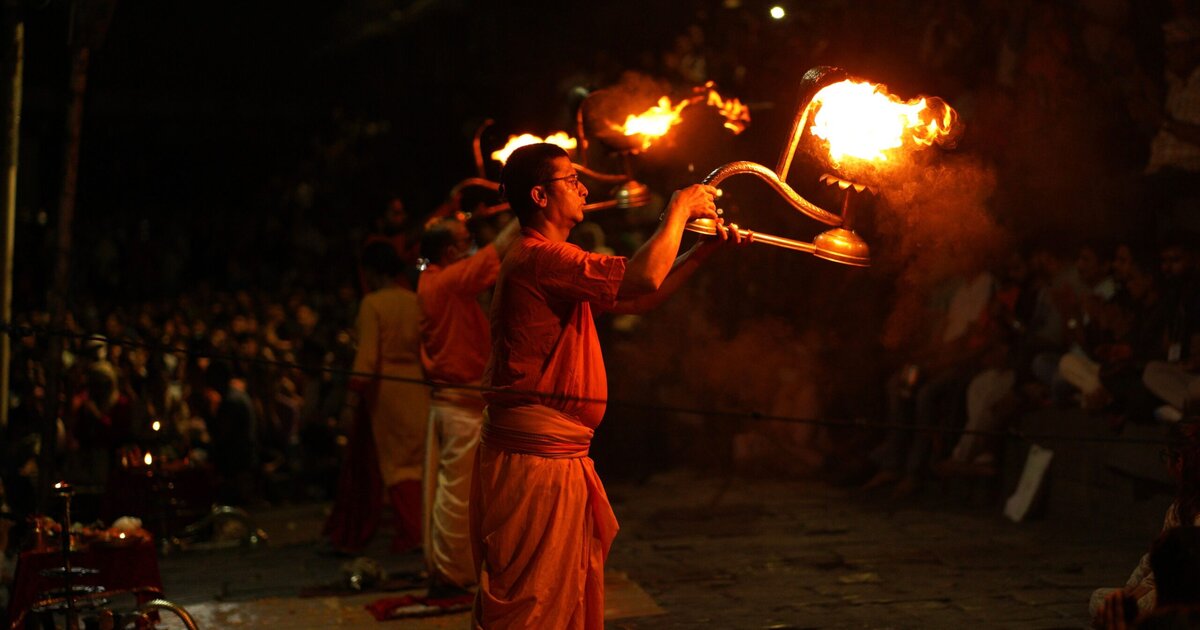
How Much Cash Should You Carry in Varanasi , Here’s a question almost every first-time Varanasi visitor asks — usually while standing at a ghat-side shoe-keeping stall, fumbling with their phone to pay ₹10 via UPI, only to discover the attendant doesn’t accept anything except a crisp ten-rupee note. Varanasi is one of the most spiritually intense cities in the world and also one of the most practically bifurcated when it comes to money. Half the city runs entirely on cash — temple offerings, shoe-keeping stalls, boat rides booked on the ghat, flower and diya vendors, street food, prasad shops, and canal-side chai. The other half is comfortably digital — Tripcosmos cab bookings, hotel advances, tour package payments, and most mid-range restaurants accept UPI without blinking.
Knowing exactly which expenses require cash in Varanasi — and precisely how much — is the difference between a smooth, spiritually centred trip and an anxious one where you’re constantly hunting for working ATMs in narrow old-city lanes. This guide gives you the most honest, most granular answer available, mapped by travel style, trip length, and group size.
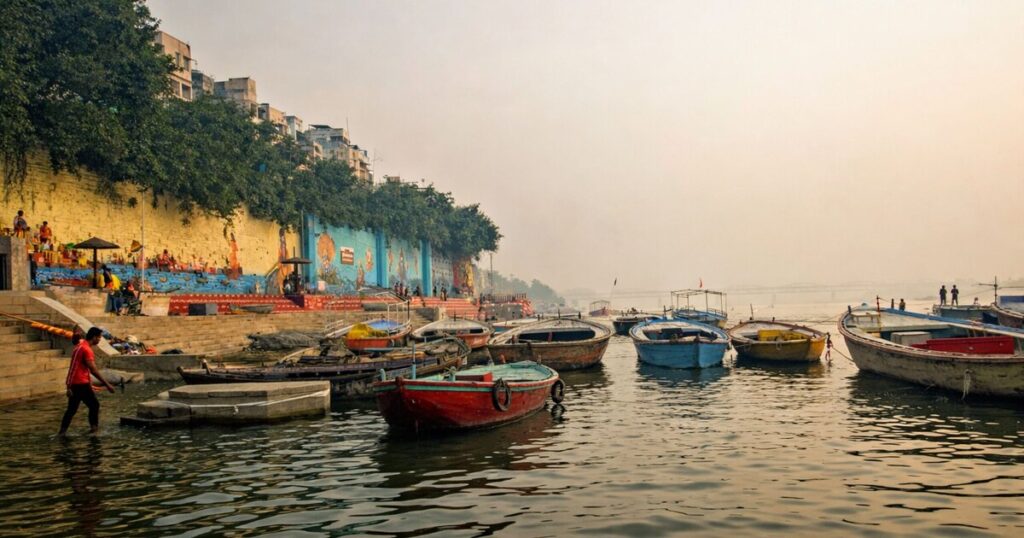
Before getting into specific numbers, understanding this single principle saves you from every cash-related anxiety in Varanasi. Temple priests, ghat vendors, shoe-keeping stalls, boat operators at the water’s edge, flower and diya sellers, and street food stalls accept only cash. No exceptions. These are the cash-only zones of Varanasi, and they are also the most spiritually significant parts of your visit. Your hotel advance, Tripcosmos cab booking, tour package, and most restaurant meals are entirely payable by UPI or bank transfer — completely cashless. Once you map your expenses into these two categories, you know exactly how much cash to carry and what it needs to cover.
Varanasi is a city of two financial worlds — the ancient and the modern living side by side. Temple priests and ghat vendors accept only cash, while cab bookings, hotel advances, and tour packages accept UPI or bank transfer. This dual reality is not a problem once you understand it — it’s simply the character of a city that has been running on devotion longer than most countries have existed.
If you need a fast reference before diving into the detailed breakdown, here it is. The minimum daily cash needed for a budget traveller is ₹500–₹700 per person, a standard traveller needs ₹1,000–₹1,500 daily, and a premium traveller should carry ₹2,000–₹3,000 per day. For a complete 2-day Varanasi trip, budget travellers need ₹1,000–₹1,400 total cash, standard travellers need ₹2,000–₹3,000, and premium travellers need ₹4,000–₹6,000 — with everything else including hotel advance, cab booking, and tour package payable by UPI.
These are the real numbers — not underquoted to attract clicks and not overquoted to upsell packages. Every figure below is based on what you will actually spend on the ground in Varanasi in 2026.
This is the most personal cash category on any pilgrimage trip, and it’s also the one most travellers underestimate. Every major temple on the Varanasi circuit — Kashi Vishwanath, Sankat Mochan, Durga Temple, Kal Bhairav, Annapurna Devi, and Tulsi Manas — has a donation box at the sanctum. Temple entry itself is completely free. There is no mandatory donation. But most families leave ₹11, ₹21, ₹51, or ₹101 per person at each major temple as a voluntary offering — this is deeply rooted cultural practice, not a fee. For a family of four visiting six temples across two days, budget ₹800–₹2,000 for temple donations depending on your family’s tradition. Total temple entry for the complete Varanasi pilgrimage circuit is ₹25–₹100 per person — Kashi Vishwanath, Sankat Mochan, Durga Temple, Tulsi Manas, and Annapurna Devi are all completely free. The cost in temple visits is in donations, not entry fees.
This is the smallest individual expense on the circuit and also the one that catches people most consistently unprepared. Every major temple — Kashi Vishwanath, Sankat Mochan, Durga Temple, Kal Bhairav, Tulsi Manas — requires shoe removal at the entrance. Shoe-keeping stalls accept only cash at ₹10–₹20 per pair. Shoe-keeping across the full day visiting 6–8 temples comes to ₹60–₹160 total. Carry a small stash of ₹10 coins — they are the single most consistently useful small denomination across all cash-only transactions in Varanasi.
The ghat flower and diya vendors are among the most iconic visual elements of a Varanasi evening — the floating diyas at Dashashwamedh Ghat, the marigold garlands carried to temple doorsteps, the small baskets of flowers offered at the Ganges. All of these are cash-only, and all of them are inexpensive. A diya with flowers for a Ganga offering costs ₹20–₹50. A prasad basket at a major temple costs ₹30–₹100. Marigold garlands for temple offerings cost ₹20–₹50 each. For a family doing the complete Varanasi circuit including ghats, temples, and Ganga diya offering, budget ₹300–₹700 total for flower, diya, and prasad expenses.
The Ganga boat ride is the single most important experience in Varanasi — and its pricing depends entirely on how you book it. Pre-booked private boat rides through Tripcosmos are paid by UPI at the time of package booking, with no ghat-side cash negotiation required. However, if you are booking a boat independently at the ghat — which is common for travellers who haven’t pre-arranged — the rates are entirely cash-based. Rowing boat rates for a 60-minute private ride vary from ₹200–₹400 per person depending on the season and your negotiation. Motor boats for a faster circuit run ₹600–₹1,200 for a private hire. The Tripcosmos Varanasi Boat Ride service eliminates ghat-side negotiation entirely — the ride is pre-confirmed, prepaid by UPI, and your boatman is waiting when you arrive.
This is where Varanasi genuinely rewards you. Budget travellers can eat exceptionally well in Varanasi on ₹150–₹250 per person per day — Banarasi kachori sabzi, peda, thandai, and street chaat are among India’s finest street food traditions, all available at ghat-side stalls for ₹30–₹100 per item. For a family of four doing a complete day of ghat-side street eating — morning kachori sabzi, afternoon lassi, evening chaat, and chai at multiple stops — budget ₹600–₹1,200 total cash for food. Mid-range restaurants for sit-down family meals accept UPI widely. Street food is cash-only everywhere.
VIP darshan (Sugam Darshan) at Kashi Vishwanath is bookable online through the official portal or coordinated through Tripcosmos as part of a package. The Kashi Vishwanath VIP Ticket Price page on Tripcosmos has the complete current pricing. Standalone VIP queue coordination through Tripcosmos starts from ₹300 per person. Rudrabhishek puja at the Kashi Vishwanath sanctum costs ₹1,100–₹3,100 depending on scale and requires separate pre-booking. Ganga puja ceremonies arranged by ghat priests cost ₹500–₹2,000 depending on the ritual complexity. All of these are cash transactions unless arranged through a tour operator in advance.
Varanasi is justifiably famous for Banarasi silk sarees, brass items, wooden toys, rudraksha malas, and sandalwood handicrafts. Most established shops in Godowlia, Vishwanath Gali, and Thatheri Bazaar now accept UPI, especially for purchases above ₹500. Street market vendors and smaller lane shops are entirely cash-based. Set aside ₹1,000–₹5,000 in shopping cash depending on your family’s inclination — more if someone in the group is seriously considering a Banarasi silk saree purchase, which can run ₹3,000–₹50,000 depending on quality and weave.
| Group Type | Daily Cash Need | 2-Day Total Cash | Notes |
|---|---|---|---|
| Solo budget pilgrim | ₹500–₹700/day | ₹1,000–₹1,400 | Street food, shoe-keeping, donations |
| Couple (standard) | ₹1,500–₂,500/day | ₹3,000–₹5,000 | + boat, prasad, light shopping |
| Family of 4 (standard) | ₹2,500–₀4,000/day | ₹5,000–₀8,000 | + donations, diya, children’s food |
| Family of 4 (premium) | ₹4,000–₀6,000/day | ₹8,000–₁2,000 | + shopping, rituals, premium prasad |
| Group of 8–10 | ₹6,000–₁0,000/day | ₹12,000–₂0,000 | Group donations, large boat hire |
The Cantt area has the fullest ATM density in the city, and the recommended cash to carry from home is ₹2,000–₹3,000 per person for a 2-day standard trip — sufficient for all cash-only expenses with a comfortable buffer. ATMs in the old city lanes near Dashashwamedh Ghat and Godowlia Chowk exist but run out of cash frequently during peak pilgrimage season — especially on Mondays and festival days when temple crowds are highest. The SBI and HDFC ATMs near Varanasi Cantt railway station are the most consistently stocked. The key advice: withdraw your full cash requirement before entering the old city lanes — navigating narrow gullies hunting for a working ATM with elderly family members or young children is one of the most avoidable stresses in Varanasi travel.
UPI works reliably across Varanasi wherever there is network coverage — which includes all major ghat areas, the Kashi Vishwanath Corridor, the main bazaars, and most mid-range restaurants. The old city lanes closest to the temples occasionally have weak signal — another reason to have cash ready before you go in.
Arriving with only large denomination notes is the single most common problem. A ₹2,000 note is genuinely difficult to change at ghat-side stalls, shoe-keeping counters, and flower vendors — they simply don’t have the change. Always break large notes at your hotel before heading out. Request ₹100, ₹50, and ₹20 notes specifically, plus a handful of ₹10 coins. Not carrying any cash at all because “UPI works everywhere” is the second mistake — and it specifically derails the most important spiritual moments of the trip: temple offerings, diya at the Ganga, and prasad at the sanctum.
Overpaying at unregulated ghat stalls is a different kind of cash mistake — not running out, but spending unnecessarily. Boat operators at crowded ghat entry points often quote ₹800–₹1,500 per person for a shared boat at peak hour. The real market rate for a shared rowing boat is ₹100–₹200 per person. Pre-booking through Tripcosmos Cab Service in Varanasi eliminates all ghat-side negotiation — every element of your day, including boat rides, is confirmed in advance at transparent pricing, leaving your cash reserve for what it should be used for: devotion, donations, and the street food that makes Varanasi one of India’s greatest culinary cities.
The following major expenses are completely payable by UPI or bank transfer when booked through Tripcosmos — meaning they require zero cash outlay on arrival: full-day private cab booking through the Varanasi Taxi Service, complete family tour package advance including hotel, guide, and boat, Tempo Traveller in Varanasi for large group travel, Ganga Aarti private boat ride pre-booking, VIP darshan coordination fees, and hotel check-in advance payments. Booking all major expenses digitally through one trusted operator eliminates the need to carry large cash amounts for logistics — your cash reserve is kept lean, clean, and dedicated entirely to the sacred experiences that require it.
Tripcosmos is a Varanasi-based verified tour operator that handles every element of your trip — from pre-booked cabs and boat rides payable by UPI, to complete family tour packages and multi-city Varanasi Ayodhya Prayagraj itineraries — so your cash is spent on what matters in Varanasi, not on managing logistics.
Website: https://tripcosmos.co WhatsApp: +91 9336116210
Share your travel dates, group size, and trip length — the team sends a complete cash-vs-UPI breakdown specific to your itinerary alongside your full confirmed package pricing. No surprises, no fumbling at ghat-side stalls.
The smartest approach to cash in Varanasi is a simple one: carry enough for the ancient city, and pay digitally for the modern city. Budget ₹1,500–₂,500 per person per day in cash for a standard trip covering temples, donations, prasad, boat rides, street food, and shoe-keeping across the complete circuit. Break your cash into small denominations before entering the old city. Withdraw from ATMs at the Cantt area, not deep inside the old lanes. And book all major logistics — cab, boat, guide, hotel — through Tripcosmos by UPI before you arrive, so your cash reserve is protected entirely for the sacred, spontaneous, and deeply personal moments that make a Varanasi visit what it is. For broader context on pilgrimage travel and sacred cities, the Wikipedia article on Religious Tourism is worth reading before you plan your visit.
A family of four on a standard 2-day Varanasi trip should carry ₹5,000–₹8,000 in cash. This covers temple donations (₹800–₹2,000), shoe-keeping at 6–8 temples (₹240–₹640 for four people), flower and diya offerings (₹300–₹700), street food across two days (₹1,200–₹2,400), and a small buffer for prasad and incidental expenses. All major logistics — cab, hotel, boat ride, and tour package — are payable by UPI through Tripcosmos.
No — every major temple in Varanasi, including Kashi Vishwanath, Sankat Mochan, Durga Temple, Annapurna Devi, and Tulsi Manas Temple, is completely free to enter for all visitors. Donations at the sanctum are entirely voluntary. The only paid element is VIP darshan (Sugam Darshan) fast-track coordination, which starts from ₹300 per person and is bookable through Tripcosmos or the official temple portal.
Established shops in Godowlia Chowk, Vishwanath Gali, and Thatheri Bazaar accept UPI for most purchases above ₹500. Ghat-side flower vendors, diya stalls, shoe-keeping counters, street food stalls, and chai vendors are entirely cash-only. Always carry small denomination notes — ₹10, ₹20, ₹50, and ₹100 — before entering the old city lanes.
The Varanasi Cantt area has the highest ATM density and the most consistently stocked machines in the city. SBI and HDFC ATMs near Varanasi Cantt railway station are the most reliable. ATMs in the old city near Godowlia and Dashashwamedh Ghat exist but frequently run out of cash during peak pilgrimage season, especially on Mondays and festival days. Always withdraw your full cash requirement before heading into the old city.
Yes — booking through Tripcosmos significantly reduces the cash you need to carry because all major expenses (cab, hotel, guide, boat ride, and VIP darshan coordination) are payable by UPI in advance. Your cash requirement is reduced to personal expenses only: temple donations, shoe-keeping, street food, prasad, and shopping. This typically brings cash needs down to ₹700–₹1,500 per person per day rather than ₹2,000–₀3,000 when managing logistics independently.
TripCosmos guarantees verified Kashi Vishwanath Sugam Darshan passes (zero line waiting), private Dev Deepawali & Ganga Aarti Bajra boats, and verified Toyota Innova Crysta cabs with trusted local chauffeurs.


Comments are closed.