Your cart is currently empty!
You may check out all the available trips and book one that suits you.
Continue Browsing Trips
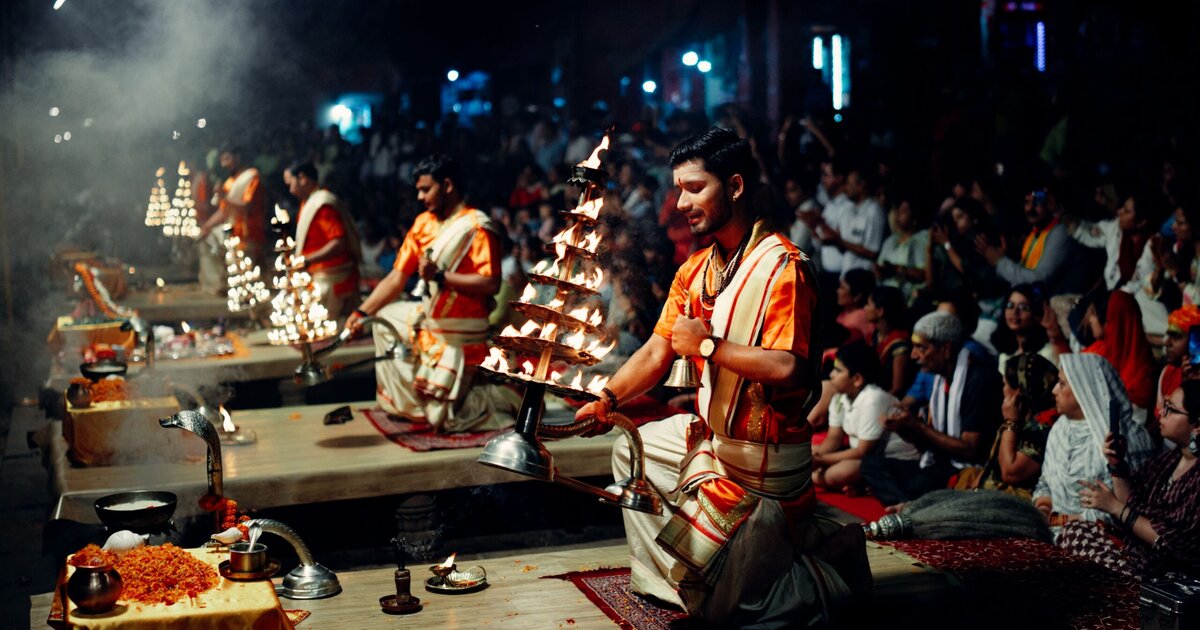
Russian-speaking guide in Varanasi 2026. Full-day from ₹2,500, Vedanta & Sarnath specialist guides available. TripCosmos — WhatsApp +91 9336116210.
Varanasi draws a larger proportion of Russian visitors than almost any other Indian city. The reason is not the temples alone — though the temples are extraordinary. It is the specific quality of what Varanasi offers to spiritually motivated travellers: living Vedanta philosophy, continuous sacred ritual, ancient yogic tradition rooted in the city’s lanes and ashrams, and the Ganga as a daily practice rather than a tourist backdrop.
Russia has one of the largest communities of serious yoga practitioners and Vedic students outside India. Varanasi — with Sarnath 10 km away, the Advaita tradition alive in its ashrams, and the most continuously inhabited sacred urban landscape on earth — is precisely the destination that draws this community. For Russian-speaking visitors who want to experience Varanasi with genuine depth rather than a surface tour, a Russian-speaking guide is the difference between observing and understanding.
This guide covers what a Russian-speaking guide in Varanasi provides, what the experience costs, and what Russian visitors specifically want from this city — and how to find the right guide before arrival.
Russian spiritual travellers in Varanasi are not the same visitor profile as European or American tourists. The Russian community that comes to Varanasi is disproportionately drawn by:
Vedanta and Advaita philosophy: The tradition of Adi Shankaracharya — the 8th century philosopher who unified Hindu thought under Advaita Vedanta and chose Varanasi as his base — has a specific resonance with Russian spiritual seekers, many of whom have studied Vedantic texts before arriving. Varanasi is where Shankaracharya walked, taught, and is said to have attained liberation. For Russian students of the Vedantic tradition, this geography is not incidental.
Classical yoga and pranayama: The yoga taught in Varanasi’s ashrams is classical Hatha and Raja yoga — not the fitness-oriented practice most European and American visitors know. Russian spiritual travellers are among the most serious practitioners of classical yoga arriving in Varanasi, often seeking extended stays at ashrams rather than hotel accommodation.
Sarnath and the Buddhist connection: Russia has a significant Buddhist community — particularly in Buryatia, Kalmykia, and Tuva. Russian Buddhist visitors to Varanasi are a distinct and substantial sub-segment, making Sarnath’s pilgrimage circuit a priority alongside the Hindu sacred sites.
Extended stays: Russian visitors to Varanasi stay significantly longer than average international visitors — often 1 to 3 weeks rather than 3 to 5 days. A guide who speaks Russian and can accompany a visitor across multiple days, weeks, and sites provides a qualitatively different service than a standard 1-day tourist guide.
TripCosmos provides Russian-speaking specialist guides for Varanasi as a confirmed service — available for half-day, full-day, or multi-day bookings. The guide service is not translation alone. A specialist Russian-speaking guide in Varanasi provides:
Sacred site narration in Russian: The Kashi Vishwanath corridor, the burning ghats at Manikarnika, the dawn boat ride, Sarnath’s Dhamek Stupa — all explained in Russian with doctrinal and cultural accuracy. The significance of Manikarnika to a Russian visitor who has not encountered the Hindu theology of death and liberation is profound when properly explained. Without language, it is simply fire.
Philosophical context: For Russian visitors with Vedantic or yogic study backgrounds, a guide who can speak to the Advaita tradition of Shankaracharya at Kedar Ghat, the Shaiva philosophy embedded in the Ganga Aarti, and the relationship between the Kashi Jyotirlinga and the Vedic concept of light — this is the deepest version of the Varanasi experience.
Ashram and extended stay coordination: For Russian visitors planning longer stays — ashram accommodation, yoga class schedules, Sanskrit or Vedantic study programs, Ayurvedic treatment coordination — a Russian-speaking guide who knows Varanasi’s ashram landscape eliminates months of pre-travel uncertainty.
Photography guidance: Russian visitors to Varanasi include a significant proportion of serious photographers and documentary filmmakers. A Russian-speaking guide familiar with ghat access, cremation site protocol, and the early morning light conditions at specific ghats is invaluable for this segment.
Manikarnika and Harishchandra Ghats (the burning ghats): The most philosophically significant stops for Russian Vedanta students. The continuous cremation fire — never extinguished in thousands of years — and the Hindu understanding of death as liberation rather than ending is the concept that most profoundly resonates with Russian spiritual visitors who come with prior Vedantic exposure.
Kedar Ghat and the South Indian ashrams: Kedar Ghat is where Adi Shankaracharya established his presence in Varanasi. The South Indian temple complex here is one of the most beautiful in the city and carries the specific Advaita tradition that Russian Vedanta students have often read about before arriving.
Assi Ghat and the yoga ashrams: Assi Ghat is Varanasi’s yoga hub — the area where most serious international practitioners and students live during extended stays. The morning aarti at Assi (5:30 AM, smaller and more intimate than Dashashwamedh) followed by yoga at a riverside ashram is the experience that most Russian long-term visitors cite as the most daily-life-changing of their Varanasi time.
Sarnath — Full Buddhist circuit: The Dhamek Stupa, the Mulagandha Kuti Vihar frescoes, the Archaeological Museum with the Ashokan Lion Capital, and the international monastery circuit — including any of the Russian Buddhist community’s specific connections to the Tibetan and Mongolian monasteries present at Sarnath.
Tulsi Manas Mandir: Where the Ram Charit Manas was composed by Tulsidas in the 16th century — a text that Russian Bhakti practitioners often know in translation. Seeing the entire text inscribed on the temple walls is an extraordinary experience for anyone who has read it.
Based on TripCosmos’s verified guide service pricing:
| Service | Duration | Cost |
|---|---|---|
| Half-day Russian-speaking guide | 4 hours | ₹1,500 – ₹2,000 |
| Full-day Russian-speaking guide | 8–10 hours | ₹2,500 – ₹3,500 |
| Multi-day guide (2–5 days, same guide throughout) | Per day | ₹2,200 – ₹3,000/day |
| Complete Russian-language Varanasi + Sarnath tour | 2 days, full service | ₹5,500 – ₹7,500 per person |
All guide services include the guide’s fees only. Private cab hire (₹2,200–₃,500/day), VIP Kashi Vishwanath darshan pass (₹300/person), and boat hire (₹800–₂,000 private boat) are add-ons confirmed at booking.
For Russian visitors who want the complete experience — Russian-speaking guide, private AC cab, VIP darshan, private sunrise boat, hotel near Assi or Dashashwamedh Ghats — TripCosmos builds this as a single confirmed package. Contact the team on WhatsApp in English and specify Russian-language guide requirement — the team confirms availability within 24 hours.
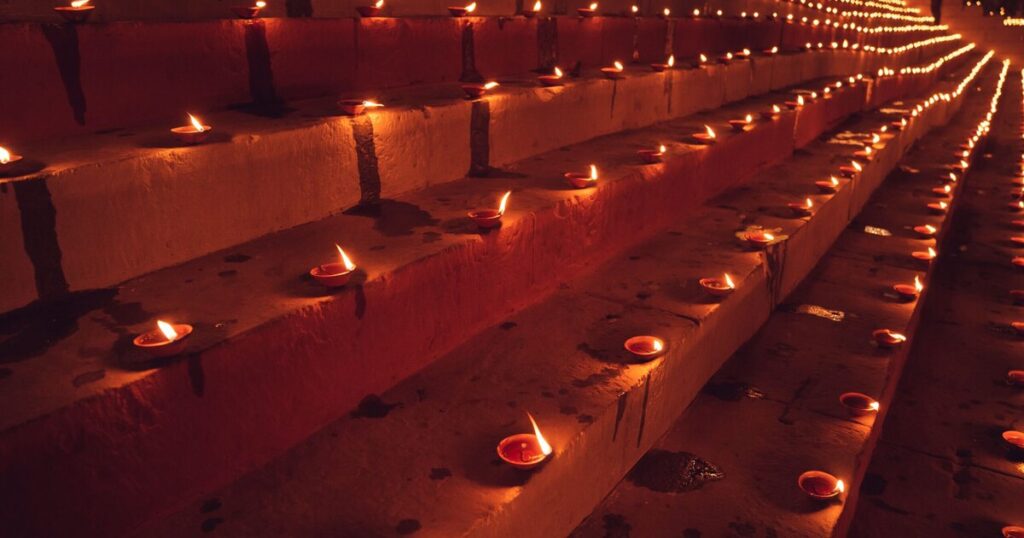
Best time: October to March for comfortable weather. November is the finest single month — Kartik Purnima, the Dev Deepawali illumination, and the Ganga at its most atmospheric.
Visa: India’s e-Visa is available online for Russian passport holders — apply minimum 5–7 days before arrival at indianvisaonline.gov.in. The tourist e-Visa is sufficient for pilgrimage, yoga retreat, and cultural visits of up to 90 days.
Payments: India is heavily cash-based in the pilgrimage economy. Carry sufficient Indian Rupees (exchangeable at Varanasi airport or major banks on Cantonment Road). UPI and card payments are increasingly accepted at hotels and larger restaurants but not at ghat-side vendors or ashrams.
Internet SIM: Russian visitors can purchase an Indian SIM at the airport on arrival (Airtel or Jio). A local SIM eliminates all international roaming costs and enables local WhatsApp communication — essential for staying in contact with TripCosmos’s team during your visit.
Varanasi’s position in Hindu sacred tradition as the eternal city of Shiva makes it not just a destination but a living philosophical landscape — precisely the quality that draws Russian spiritual travellers more than any marketing description can.
TripCosmos’s private guide service — available in Russian, Japanese, English, and South Indian languages — starts from ₹1,500 for a half day. Browse the private guide Varanasi booking page for all formats and pricing, or contact the team directly on WhatsApp to confirm Russian-language guide availability for your dates.
Website: https://tripcosmos.co WhatsApp: +91 9336116210
Yes — TripCosmos provides Russian-speaking specialist guides for Varanasi available for half-day (₹1,500–₂,000), full-day (₹2,500–₃,500), and multi-day (₹2,200–₃,000 per day) bookings. Confirm availability for your specific dates on WhatsApp. Mention Russian-language requirement at the time of enquiry — the team confirms guide availability within 24 hours.
A standard full-day Russian-language guided Varanasi experience begins at 5:30 AM with a private sunrise boat on the Ganga, moves to Kashi Vishwanath VIP darshan, then covers the southern ghat circuit (Kedar Ghat, Manikarnika, Harishchandra, Assi), with an afternoon at Sarnath optional. Evening returns to Dashashwamedh for the Ganga Aarti. The guide provides doctrinal and cultural narration in Russian throughout — covering Shaiva philosophy, the Advaita tradition, death and moksha at Manikarnika, and the Sarnath Buddhist circuit.
Yes — TripCosmos builds complete Russian-language Varanasi + Sarnath tour packages from ₹5,500 per person for 2 days. The package includes Russian-speaking guide, private AC cab, VIP Kashi Vishwanath darshan, private sunrise boat, and full Sarnath Buddhist circuit. Additional cities (Ayodhya, Prayagraj) can be added for multi-city circuits with the same Russian-language guide throughout.
October to March is ideal. November — specifically the Kartik month (Oct 17–Nov 15, 2026) and Dev Deepawali (Nov 24, 2026) — is the finest single period for Russian visitors interested in the devotional and philosophical atmosphere of Varanasi at its most charged. April to June should be avoided — temperatures of 42–46°C make extended ghat visits and walking tours genuinely difficult.
Yes — Varanasi has several ashrams that welcome international students for extended stays. The Assi Ghat area has the highest concentration of yoga ashrams accepting Russian and international practitioners. TripCosmos can coordinate ashram introductions, booking support, and daily guide services for Russian visitors on extended study stays in Varanasi. Contact the team on WhatsApp with your planned duration and specific study interest for appropriate recommendations.
TripCosmos guarantees verified Kashi Vishwanath Sugam Darshan passes (zero line waiting), private Dev Deepawali & Ganga Aarti Bajra boats, and verified Toyota Innova Crysta cabs with trusted local chauffeurs.

Comments are closed.