Varanasi Boat Ride with Local Guide , Ever watched a beautiful sunset but wished you understood the deeper story behind what you’re seeing? That’s the difference between simply floating on the Ganges and experiencing it with a knowledgeable local guide. A Varanasi boat ride with a local guide transforms passive sightseeing into active learning.
Your guide doesn’t just point out landmarks—they reveal the soul of the city, sharing stories passed down through generations, explaining rituals that seem mysterious to outsiders, and connecting you with the living culture of the world’s oldest continuously inhabited city. It’s like having a friend who grew up along these ghats revealing their hometown’s secrets.
What to Expect from Your Guided Boat Ride
The Boat and Comfort Level
Your journey begins at a designated ghat where your traditional wooden boat awaits. These vessels, called “naav” locally, are designed specifically for the Ganges—stable, comfortable, and perfect for leisurely cruising. Most boats accommodate 4-8 passengers, though private options are available for couples or families. The boats come equipped with cushioned seating, and some operators provide life jackets for added safety, though the calm river waters rarely present danger during normal conditions.
Your Expert Local Guide
Local guides are typically born and raised in Varanasi, often from families with generations of connection to the river. They speak English fluently (many also speak other languages like French, Spanish, or Japanese) and possess deep knowledge of Hindu traditions, temple architecture, and city history. More importantly, they understand the rhythms of the river—when the light is perfect for photographs, which ghats are busiest at what times, and how to interpret the daily activities unfolding along the water’s edge.
Duration and Timing Options
Standard guided boat rides last 1-2 hours, though extended versions of 3-4 hours are available for those wanting comprehensive exploration. You’ll choose between sunrise rides (typically 5:30-7:30 AM), mid-morning cruises (8:00-10:00 AM), afternoon journeys (3:00-5:00 PM), or evening experiences (5:30-7:30 PM) that include the Ganga Aarti. Each timing offers unique perspectives and atmospheres that your guide helps you fully appreciate.
Stories and Insights Only Locals Know
Hidden History of the Ghats
Those steps leading into the water? Each has stories spanning centuries. Your guide reveals which ghat was built by which king, which hosted famous saints or scholars, and which witnessed historical events. You’ll learn that many ghats were constructed by royal families from across India seeking spiritual merit. Some ghats have underground temples visible only when water levels drop. These layers of history remain invisible to unguided visitors but come alive through local storytelling.
Understanding the Rituals You’ll Witness
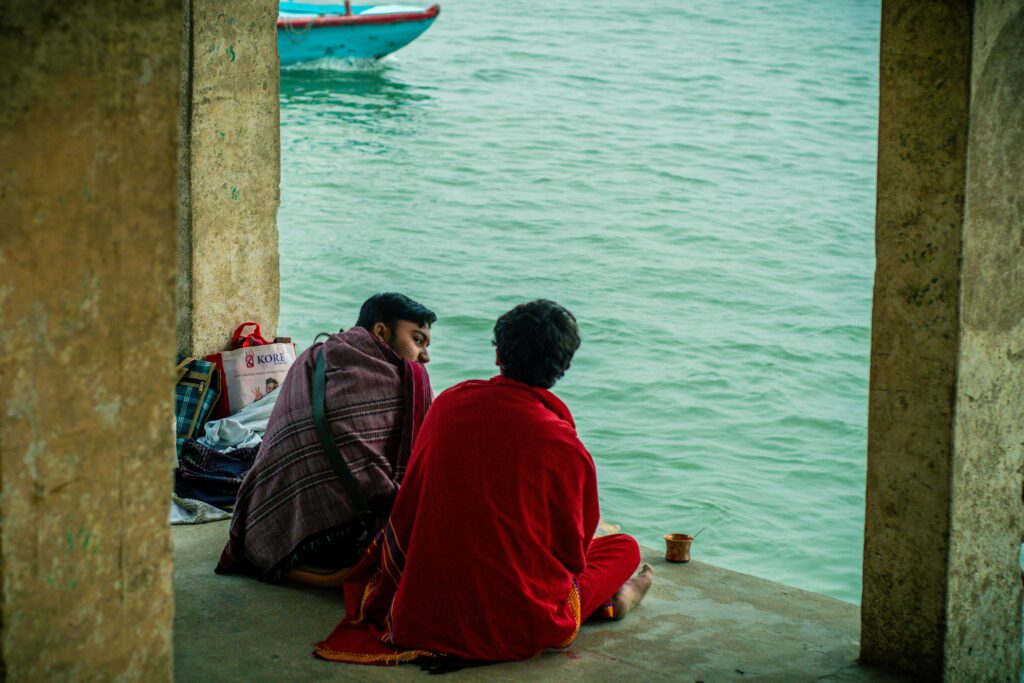
As you float past the ghats, you’ll see people performing various rituals—some bathing, others offering flowers, many sitting in meditation. Without a guide, these activities might seem random or confusing. Your local expert explains the significance: morning baths represent spiritual purification, flower offerings honor deceased ancestors, and specific prayer positions correspond to different Hindu traditions. Understanding transforms curiosity into genuine appreciation for the devotion surrounding you.
Local Legends and Mythology
Varanasi exists where mythology and reality merge. Your guide shares tales that textbooks miss: the story of Lord Shiva choosing this spot to reside, legends explaining why certain temples face particular directions, and local beliefs about the Ganges’ power to absolve sins. They might point to specific locations where famous mystics meditated or where miracles supposedly occurred. These stories, passed down through generations of Varanasi families, provide context that enriches everything you see.
The Different Ghats You’ll Explore
Dashashwamedh Ghat – The Heart of Varanasi
This ghat serves as Varanasi’s spiritual and social center. Your guide explains the name’s meaning (site of ten horse sacrifices) and its mythological importance. They’ll point out the architectural details you’d otherwise miss and explain the evening Aarti ceremony’s origins and significance. During busier times, they navigate the boat to optimal viewing positions.
Manikarnika Ghat – The Sacred Cremation Site
Approaching the cremation ghat requires sensitivity and understanding. Your guide explains Hindu beliefs about death and cremation with respect and clarity. They describe why Hindus consider cremation here particularly auspicious and answer questions about the rituals you’re witnessing while ensuring appropriate behavior from all boat passengers. This educational approach transforms what could be uncomfortable into profound cultural learning.
Assi Ghat – Where Rivers Meet
Located where the Assi River joins the Ganges, this ghat attracts yogis and spiritual seekers. Your guide shares the ghat’s connection to Lord Shiva mythology and explains why it’s particularly popular for morning meditation. They might identify famous personalities who frequent this location and describe the philosophical schools associated with it.
Other Significant Ghats Along the Route
Between major ghats lie dozens of smaller ones, each with unique character. Your guide identifies Raja Ghat (with its distinctive red sandstone architecture), Tulsi Ghat (associated with the famous poet Tulsidas), Panchaganga Ghat (where five rivers supposedly converge), and many others that unguided tours might overlook or mention only briefly.
Sunrise vs Evening Boat Rides
The Magic of Dawn
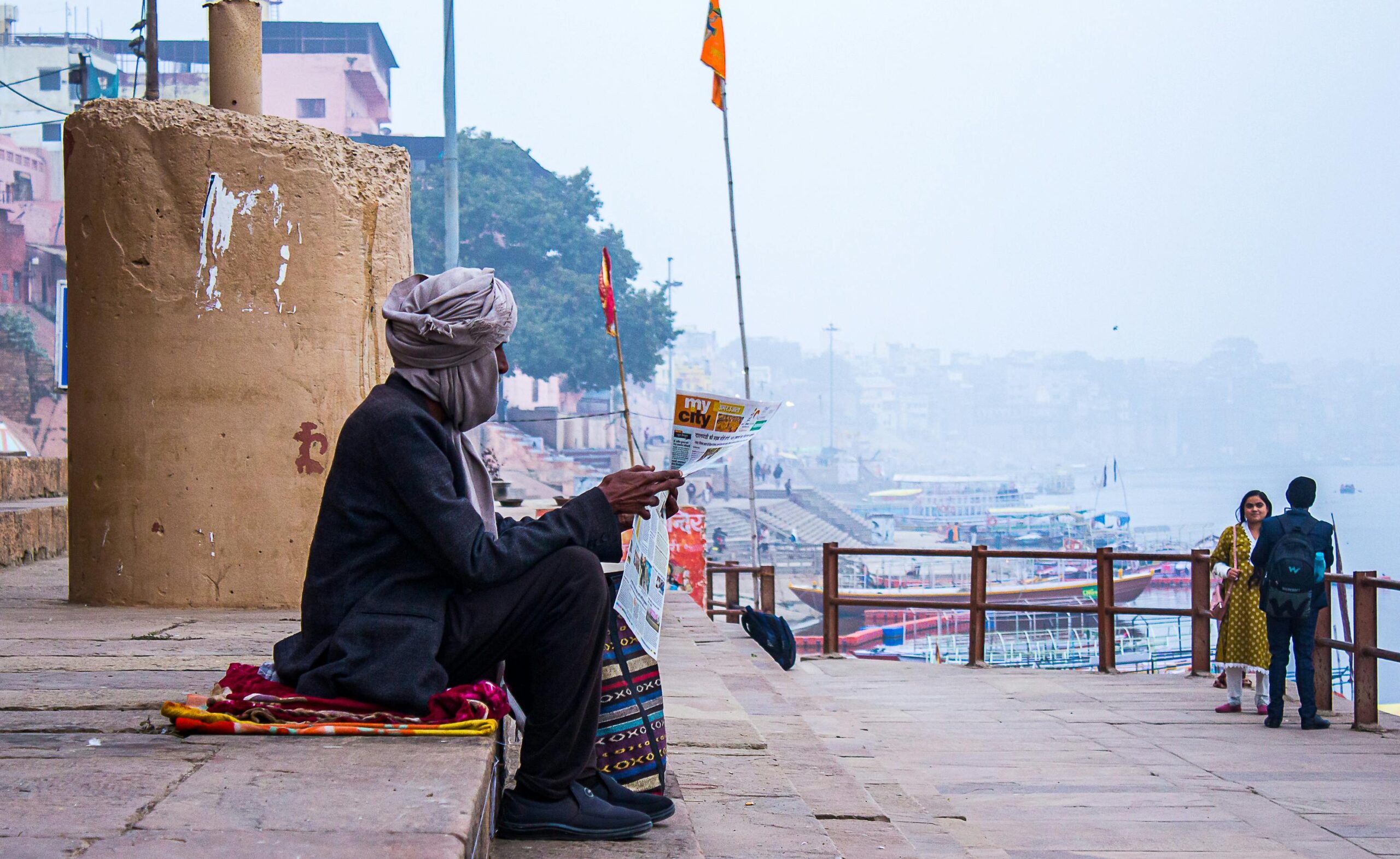
Sunrise rides capture Varanasi at its most serene. Your guide helps you appreciate the subtle beauty—the way morning mist rises from the water, how the first sun rays illuminate temple spires, and the peaceful energy as the city awakens. They point out early morning yogis, identify bird species fishing in the shallows, and explain morning prayer rituals. The soft golden light creates photographer’s paradise, and your guide knows exactly where to position the boat for perfect shots.
The Drama of Dusk and Aarti
Evening rides build toward the spectacular Ganga Aarti ceremony. Your guide positions the boat early for optimal viewing, explaining the ceremony’s elements before it begins. As priests wave enormous fire lamps in synchronized patterns, your guide interprets the Sanskrit chants and describes the symbolic meaning of each gesture. The dramatic atmosphere, multiplied by thousands of devotees and glowing diyas (oil lamps) floating on the water, creates unforgettable moments your guide helps you fully understand.
What Your Guide Will Teach You
Photography Tips and Best Angles
Local guides know the Ganges’ photographic secrets—which angles capture temple reflections perfectly, when the light flatters architectural details, and where to frame shots incorporating both river life and background monuments. They’ll pause the boat at prime locations, suggest camera settings for challenging lighting, and even offer to photograph your group with stunning backdrops.
Cultural Etiquette and Respect
Your guide ensures you behave appropriately, explaining when photography is acceptable and when it’s intrusive, how to show respect near cremation sites, and why certain behaviors might offend local sensibilities. This guidance helps you engage authentically without accidentally causing offense through cultural misunderstanding.
Understanding Daily Life on the Ganges
Beyond temples and rituals, the Ganges supports daily life—laundry workers, fishermen, flower sellers, and boatmen all make their living here. Your guide introduces you to this working river culture, explaining economic realities alongside spiritual significance. You’ll understand how the sacred and mundane coexist seamlessly in Varanasi.
Benefits of Booking a Local Guide
Authentic Local Perspective
Reading about Varanasi provides facts; locals provide truth. They share personal stories, current events affecting the community, and insider perspectives on changes happening in this ancient city. Their living connection to the place creates authenticity no textbook can match.
Language and Communication
When you pass interesting scenes—a wedding ceremony, a religious procession, musicians performing—your guide can often communicate with participants, learning details to share with you. This linguistic bridge opens doors that remain closed to non-speakers.
Local guides know river conditions intimately—where currents are strong, which areas to avoid during certain weather, and how to respond if unexpected situations arise. Their presence provides safety beyond what boat operators alone can offer.
How to Choose the Right Guided Boat Tour
Research operators with strong reviews specifically mentioning guide quality. Ask about guide credentials and language abilities. Verify what’s included—some packages combine boat rides with temple visits or breakfast. Check group size limits if you prefer intimate experiences. Confirm timing flexibility and cancellation policies. Reputable operators provide guide names and backgrounds in advance, building confidence before you even arrive.
What to Bring on Your Boat Ride
Pack light but smart: camera or smartphone with charged battery, sunglasses and sunscreen for daytime rides, a light jacket for cool mornings or evenings, bottled water, and small bills for optional offerings or tips. Leave valuables at your hotel. Wear comfortable, modest clothing suitable for potential temple visits if your package includes them.
Supporting Local Communities
Choosing local guides directly supports Varanasi families. Unlike large tour companies where profits leave the city, local guides reinvest earnings in their communities. Your tourism becomes meaningful economic support. Many guides also engage in ghat cleaning initiatives or educational programs—ask about their community involvement to understand your tour’s broader impact.
Conclusion
A Varanasi boat ride with a local guide elevates your experience from simple tourism to genuine cultural exchange. While you could certainly rent a boat independently and float along the Ganges, you’d miss the stories that make those ancient stones meaningful, the context that transforms rituals from strange to profound, and the personal connections that turn a day trip into cherished memory. Local guides are storytellers, educators, and cultural ambassadors who reveal their beloved city with pride and authenticity. They transform the Ganges from a river into a living narrative, helping you understand why this place has captivated humanity for thousands of years. Invest in a guided boat ride—it’s the difference between seeing Varanasi and truly experiencing it.
FAQs
1. How much should I tip my local guide?
Tipping is customary and appreciated. For excellent service, 300-500 rupees ($4-6 USD) per person is appropriate for standard tours, more for extended or private experiences. Tips directly support guides and their families.
2. Do guides expect me to have prior knowledge of Hinduism?
Not at all! Good guides tailor explanations to your knowledge level. They’re accustomed to explaining Hindu concepts to people from all backgrounds and religious traditions without assuming prior understanding.
3. Can guides accommodate special interests like photography or bird watching?
Absolutely! When booking, mention specific interests. Photography enthusiasts get instruction on angles and lighting, bird watchers learn about river bird species, and spiritually-minded visitors receive deeper philosophical explanations.
4. Are female travelers comfortable with male guides?
Professional guides treat all clients with respect regardless of gender. However, if you prefer a female guide, request this when booking—several excellent female guides operate in Varanasi and can be specifically assigned.
5. What if I don’t understand my guide’s English accent?
Guides are experienced communicating with international visitors and adjust their speaking pace. Don’t hesitate to ask for clarification or repetition—they want you to understand and appreciate their knowledge, not just hear words.